




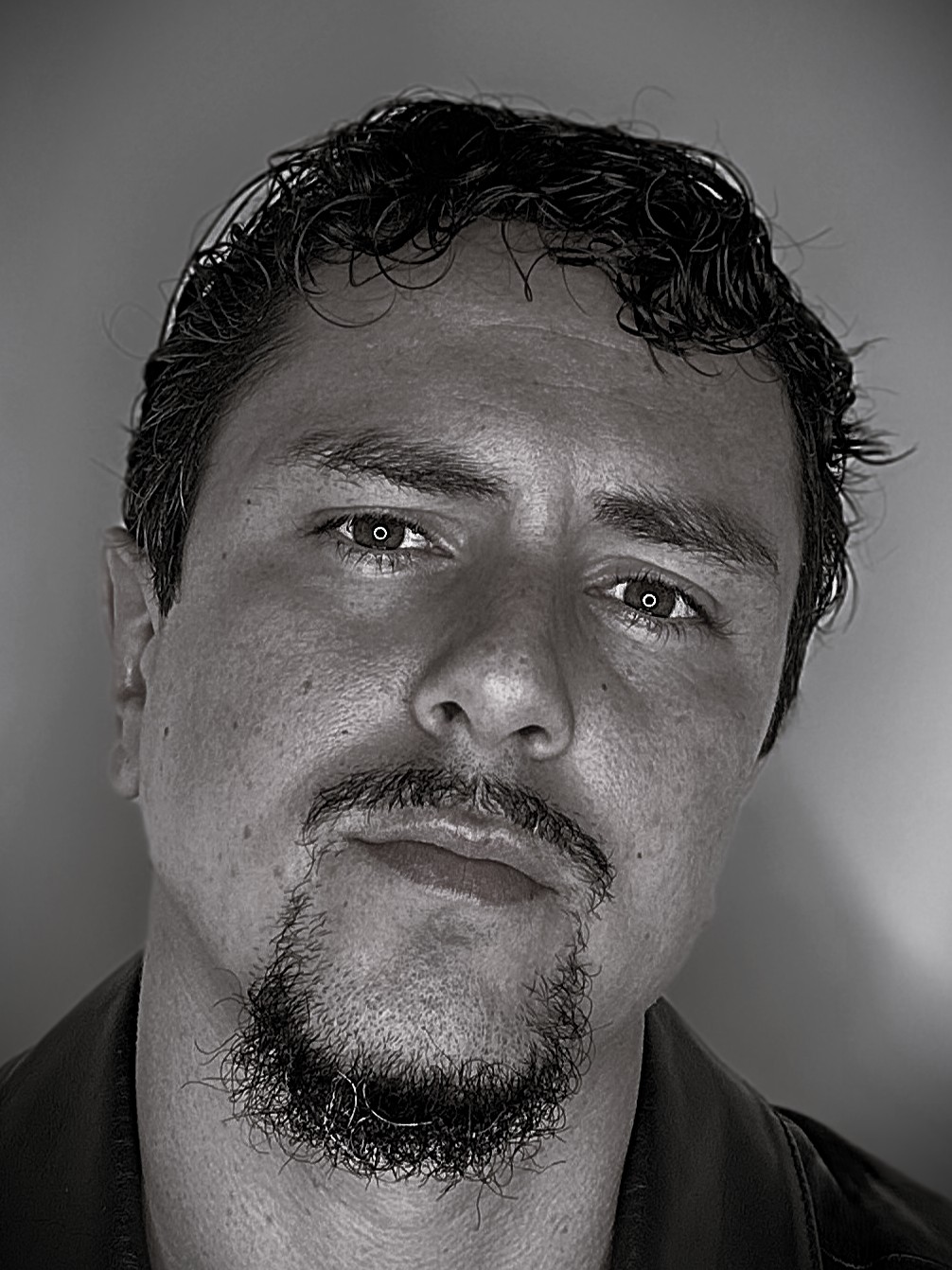
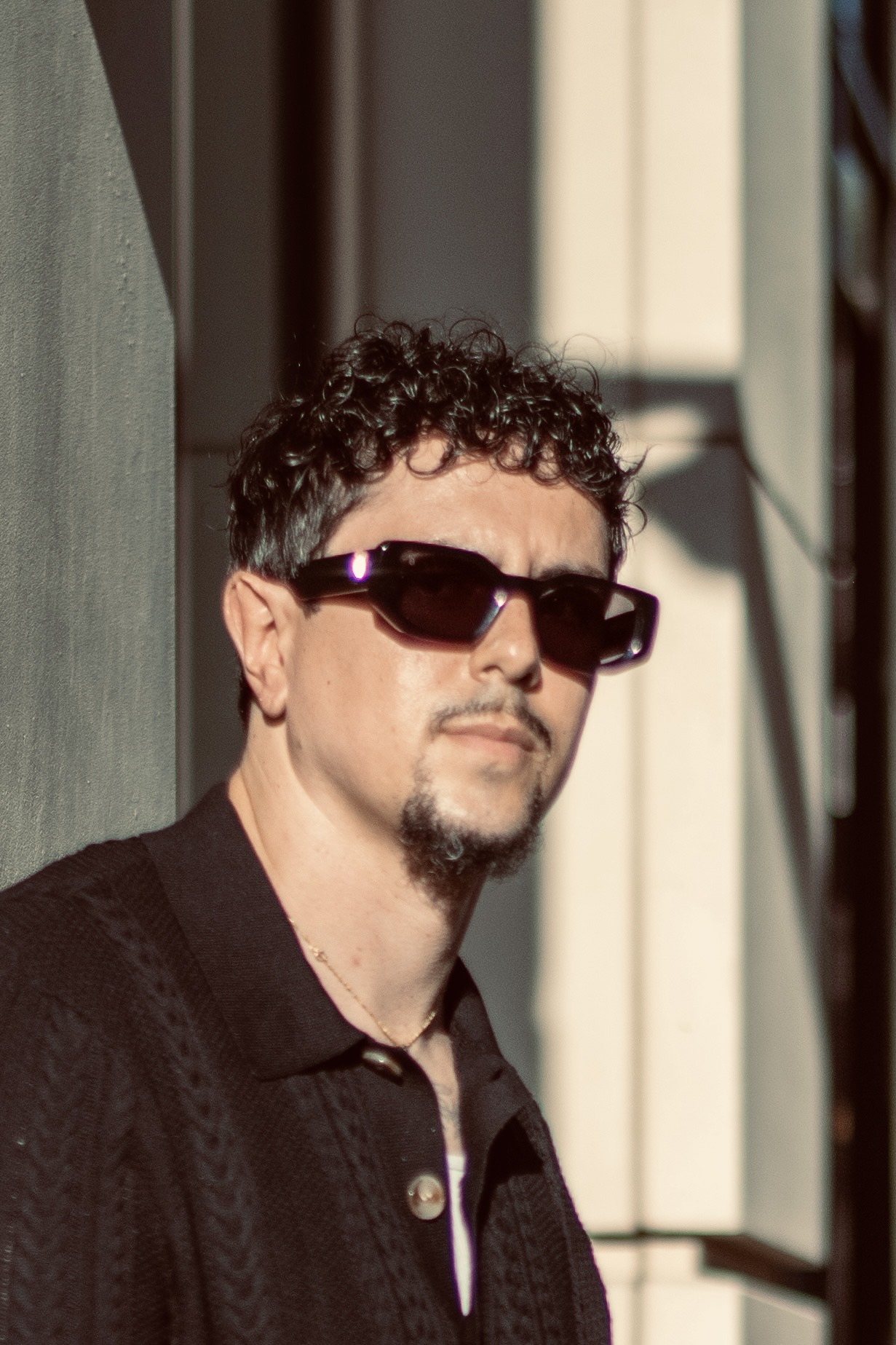
We recently had the chance to connect with Andre Soares and have shared our conversation below.
Hi Andre, thank you so much for joining us today. We’re thrilled to learn more about your journey, values and what you are currently working on. Let’s start with an ice breaker: Have you stood up for someone when it cost you something?
As a storyteller with a militant spirit promoting Afrocentric tales, my entire career (and stance) is a financial gamble. In this current political and socioeconomic climate, where wealth disparities become more pronounced and (true) diversity is under attack, someone like me is usually presented with two options:
1. To toe the line and appeal to mainstream spaces for an infinitely small chance at success in a publishing industry that uses the word “inclusion” as a PR ploy. That means writing uninspired novels that are defined in “tropes” and embrace a specific aesthetic while rambling on socials, or using a disability as a crutch to generate sympathy and buzz.
2. Remain committed to my messaging and values, which is Afro-Latino representation in modern literature and sharp social commentaries. That’s fairly niche, and it’s hard to reach a specific audience when there’s intersectionality in the way you approach your craft.
That’s why press coverage like this one is essential for us. That being said, my creative choices mean that I may never experience mainstream, commercial success. But in a world where human decency (or the lack thereof) and late-stage capitalism have gutted the ideals of a more just and rewarding society, and anti-intellectualism is creeping, I am proud to stand with underserved communities and genuinely concerned world citizens who still carry some semblance of empathy in their DNA.
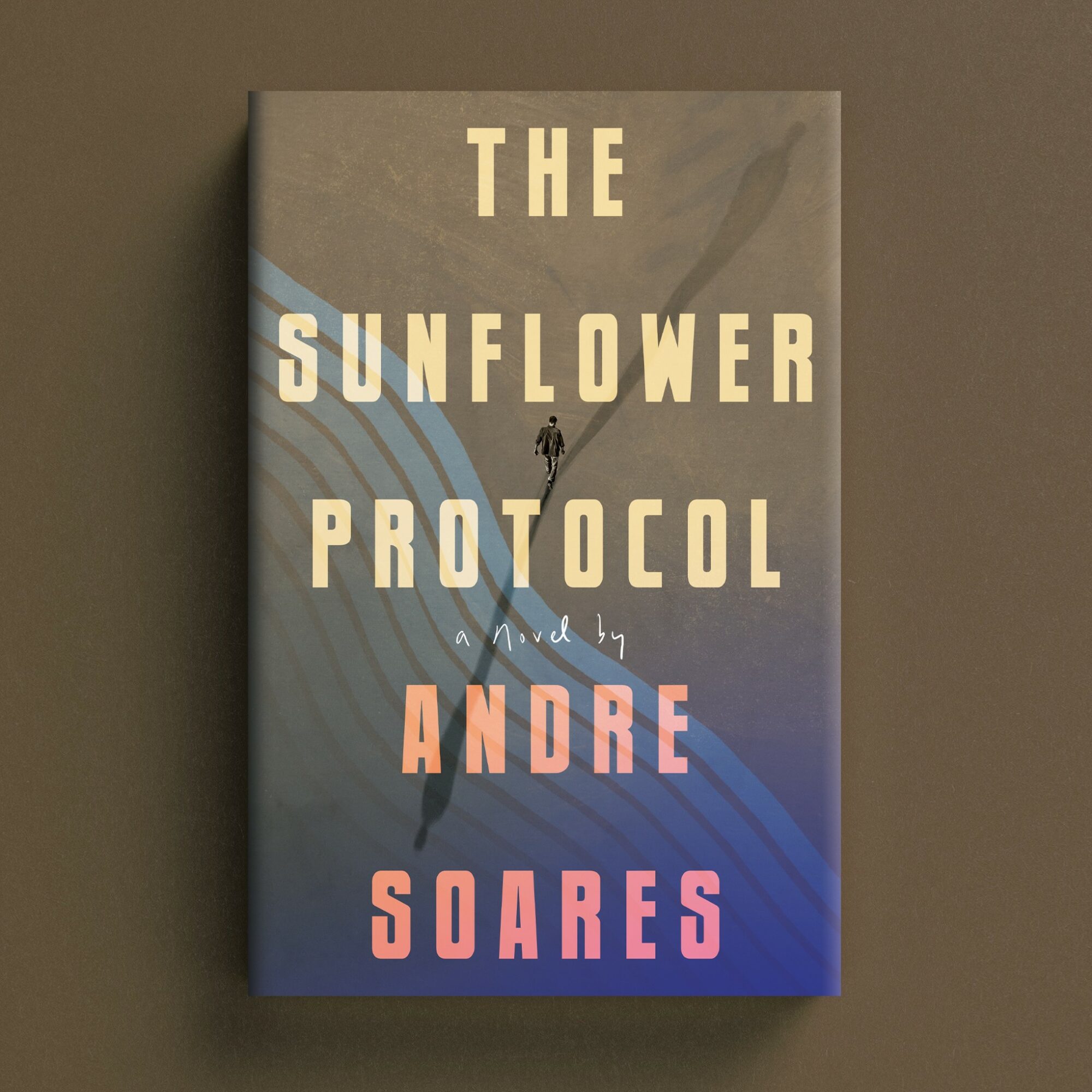
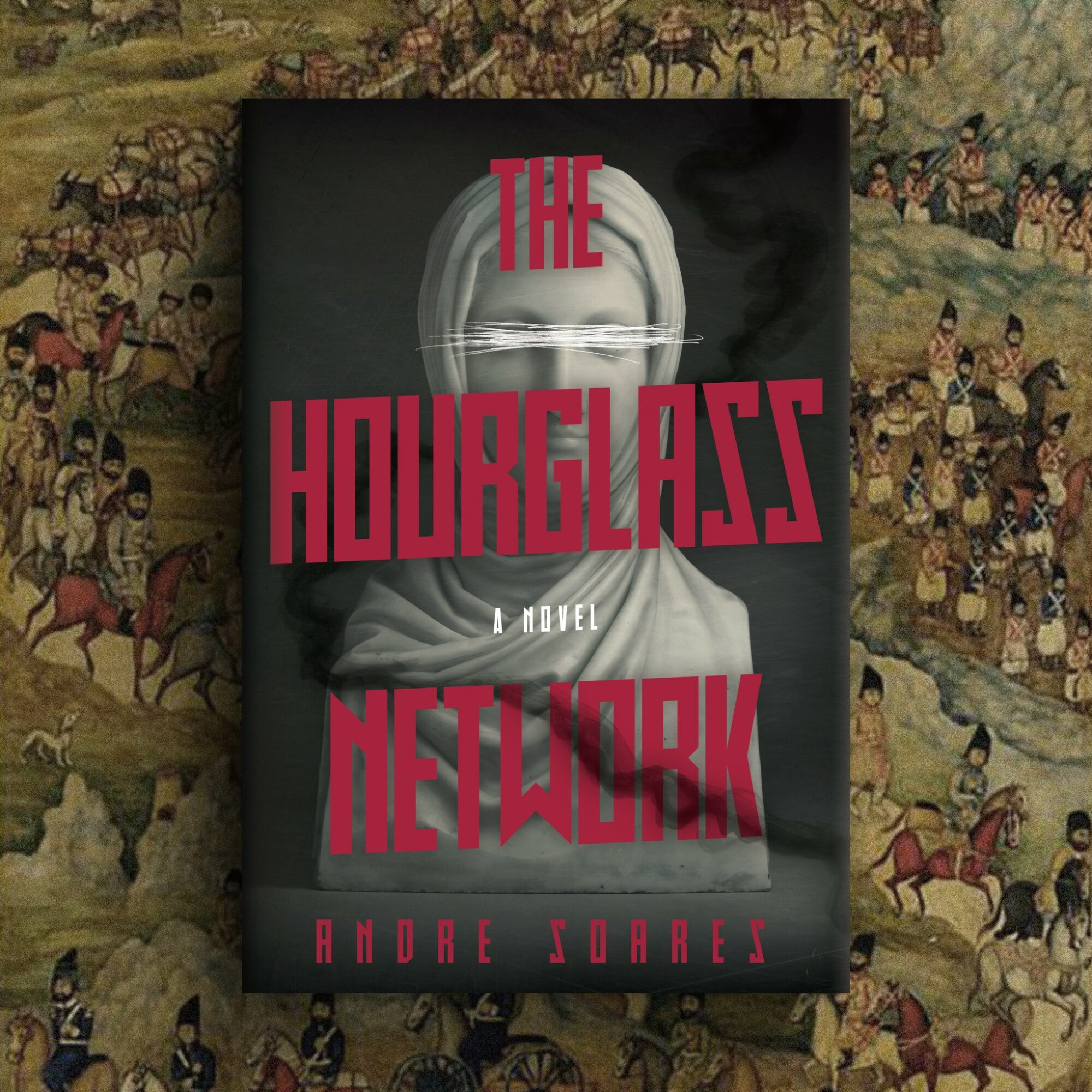
You can almost sense this shift in my career when looking at my past two standalone novels: it’s bolder, more emotionally charged, and almost… prophetic.
My next project will follow these bold thematic choices. Not only did I find my voice, but I also quit competing with writers who are chasing a different form of validation.
Can you briefly introduce yourself and share what makes you or your brand unique?
My name is Andre Soares, 35, an award-winning author, screenwriter, and actor based in Atlanta, GA.
I’ve been stateside for about 16 years, but I was born in Brazil and lived in Europe, with a short stint in West Africa. I have a background in business management (corporate) and screenwriting (creative).
Novels became a natural progression, but it’s interesting to note that I often cross the thresholds between the visual mediums of filmmaking and the expansive scope of authoring. My work as a novelist is often described as cinematic because I use narrative devices and dynamics usually found in screenwriting (and film) to foster deeper immersion and stronger action scenes in my books.
I write exciting stories that blend core elements of sci-fi and thrillers with political and social commentaries. All of my characters and settings are Afrocentric. As a Latino author who grew up with (and was raised by) Africans, I made it a lifelong mission to honor the broad and rich culture I embraced at birth.
I run a small production company and publishing imprint named Process Protocol whose footprint I hope to expand soon, and I plan on delivering another title before Christmas.
Although writing is a lonely pursuit, I love the outdoors, fitness, third places, and vibrant cities. I spent about ten years in NYC, and I plan to move back to the East Coast soon to collaborate with brilliant minds from across the globe. I’m truly excited about this new chapter of my life.
You can find out more about me at https://www.thesoaresprotocol.com/
Amazing, so let’s take a moment to go back in time. Who saw you clearly before you could see yourself?
I think it’s a very important question; an avenue for real self-introspection and a powerful way for me to honor and thank the people who believed in me when I couldn’t yet accept my true purpose in this world.
I grew up very poor, and hardship was something we accepted as an inevitable constant. Because of the way I choose to represent myself today, and because of my duties as a father, many people don’t know I was raised in actual slums and war zones.
Not the “low-crime” areas people often imagine, but true no man’s lands where running water and community policing were luxuries. Between the favelas in Brazil and the projects north of Paris, I’ve been, until recently, a byproduct of social decay and harmful policymaking.
But one thing keeps me grounded: many of my people saw a spark in me before I ever had the chance to develop as an artist. I was given the opportunity to embrace multiple art forms thanks to families who were more connected than mine.
I learned to dance, rap, produce beats, and write within the span of a decade as a child and teen.
Through my childhood friends—Steve, Kore, JJ, Malone, Bouteille, Michael, Wayne, JS, Daloba, and so many more—I learned that there was in fact another path, one that didn’t involve wire fraud or narcotrafficking.
What many people looking from the outside in don’t understand is that there are real barriers of entry for us “trench babies”. Whether it’s access to jobs, schooling, food deserts, or crime, the choices we make need to be examined with more nuance. It’s even worse in America where urban planning became a device employed by the oppressor (car-centric cities and lack of third spaces).
Yes, we can make better choices, but we still face resistance attempting to do so. And without my community, I may have never made it out.
I owe them everything. Today, I stand here as a reflection of their conviction and their belief that I could be more.
What fear has held you back the most in your life?
It is striking to see how much more vulnerable and open we become as we grow older.
If you had asked me this question in my twenties, I would have told you that I had no fears.
I know, I know. But it was mostly true.
What I should have said is that my fears had not yet manifested. I was young, childless, chasing big dreams, and hitting exciting milestones every month: the discovery stage.
I was sitting in the eye of the storm, a place where time feels frozen and perspectives are much narrower. Once new challenges began to appear, including marriage and children, everything shifted. My art stopped being just a creative pursuit and became a potential way to lift us out of poverty.
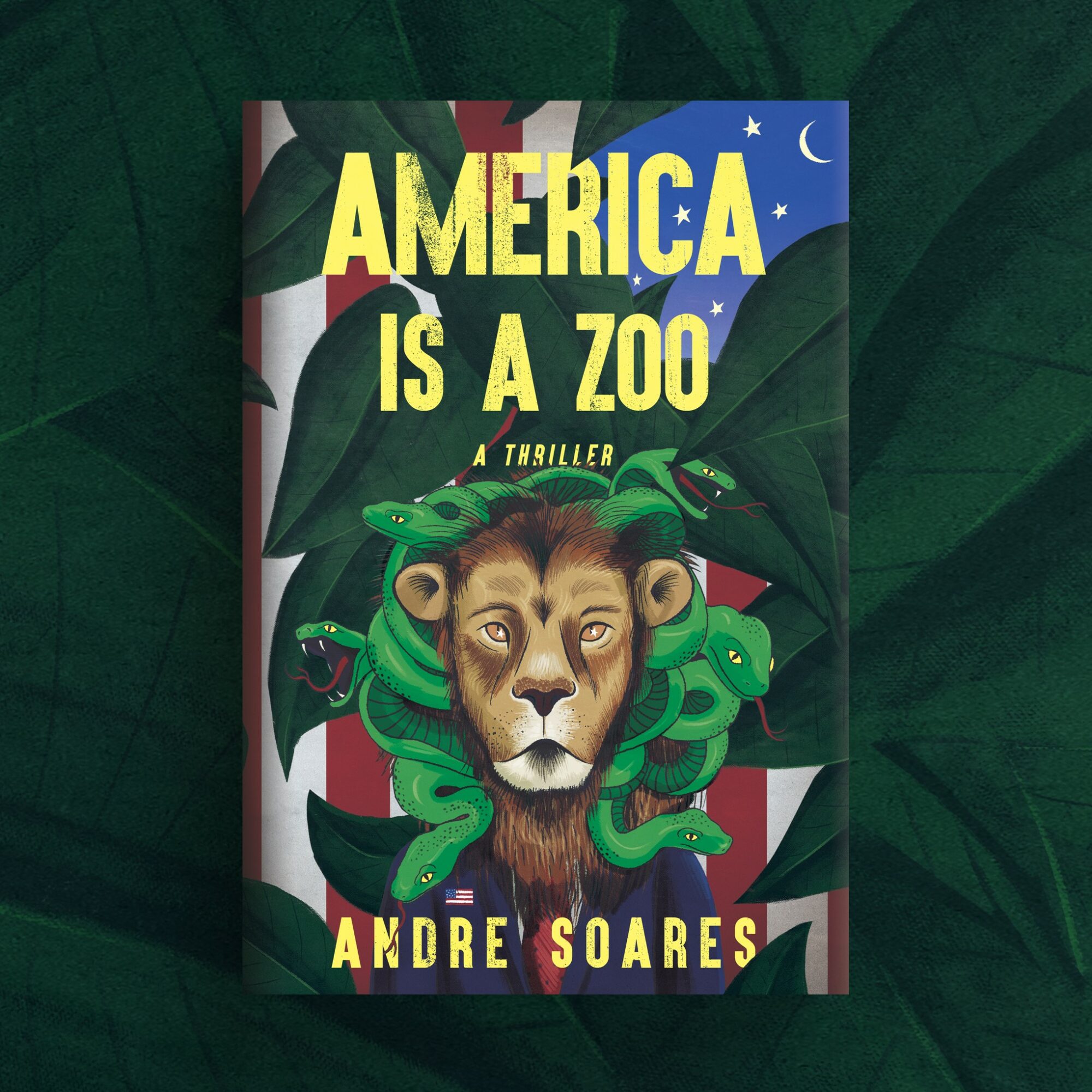
That is when creative failure became my biggest fear. I pushed myself too hard, hoping that the rewards would finally correlate with the effort. Writing turned into a painful process around the time I was working on Alidala and America Is a Zoo.
This period brought a great deal of anxiety and different forms of imposter syndrome. I started to believe that thriving depended entirely on financial success.
Therapy and reframing helped me significantly over the past two years. I have a successful corporate career, and I am able to continue funding my publishing. I still hold the hope that my career as a storyteller can eventually take over so I can create full time, reach a broader audience, and transform more lives. I simply no longer feel the need to survey the shadows that used to sit in my peripheral vision.
Next, maybe we can discuss some of your foundational philosophies and views? What are the biggest lies your industry tells itself?
Publishing as a whole paints itself as a liberal and progressive industry at the forefront of inclusion. It presents as a space filled with forward thinkers and intellectuals who fight for the advancement and betterment of society.
The reality is very different. I have mentioned it in my blog and in previous coverage, but I believe it is important to continue advocating for the unique voices that are being kept away from mainstream press and social media spaces.
Today, the publishing industry is over 75 percent cisgender white women, according to the latest Lee report on diversity.
This includes the in-house positions at the Big Five publishers, which means the people shaping the landscape of modern literature. These roles include cover designers, editors, acquisitions specialists, publicists, and others with strong decision-making capabilities.
Naturally, this imbalance shows up on social media spaces like BookTok and Bookstagram (a space dominated by white women and fairy aesthetic), as well as in celebrity book clubs and best-seller lists. These publishers have long-standing agreements with most major influencers, and the opinions presented to readers are often already shaped before the books even reach the public.
There is no true diversity or meaningful intersectionality in feminism within publishing. A small number of BIPOC authors are highlighted as tokens to meet quarterly quotas, but the majority remain shut out. Self-published authors like us often become targets for predatory actors, including paid reviews, paid highlights, and other exploitative practices (I appreciate your effort, btw).
We lack direct channels to influencers and broad media coverage. When we do move the needle, it is usually because we created our own momentum with our own resources.
This needs to change. Better hiring practices are a necessary first step, but readers also carry a social responsibility. They must be willing to seek out better, more unique, and more diverse narratives if the industry is ever going to evolve.
Okay, so before we go, let’s tackle one more area. What is the story you hope people tell about you when you’re gone?
I truly hope that my legacy is seen as a case of choosing the hard path and prioritizing collective interests.
My books are designed to challenge and to evoke emotions that are not always easy to digest.
But once you read between the lines, you can begin forming new opinions that may change the way you view relationships, social justice, and politics. My tone can be abrasive at times or even accusatory, but that is a conscious choice. It is my way of rising against oppressive systems and actors with conviction and grit.
By doing so, I hope readers will stop shying away from these difficult questions and instead use my work as a tool for self-examination.
Contact Info:
- Website: https://www.thesoaresprotocol.com/
- Instagram: https://www.instagram.com/thesoaresprotocol/
- Linkedin: https://www.linkedin.com/in/thesoaresprotocol/
- Facebook: https://www.facebook.com/thesoaresprotocol
Popular
-

William Nash Believes the Light Within Us Never Truly Goes Out
-

How Cameron Jo’van Turned Uncertainty Into a New Vision for Homeownership
-

How Kundalini Yoga and World Travel Led Trinity Faith to Build Spaces for Transformation
-

Hidden Gems: Local Businesses & Creatives You Should Know
-

ATL’s Most Inspiring Stories
-

Portraits of Atlanta