



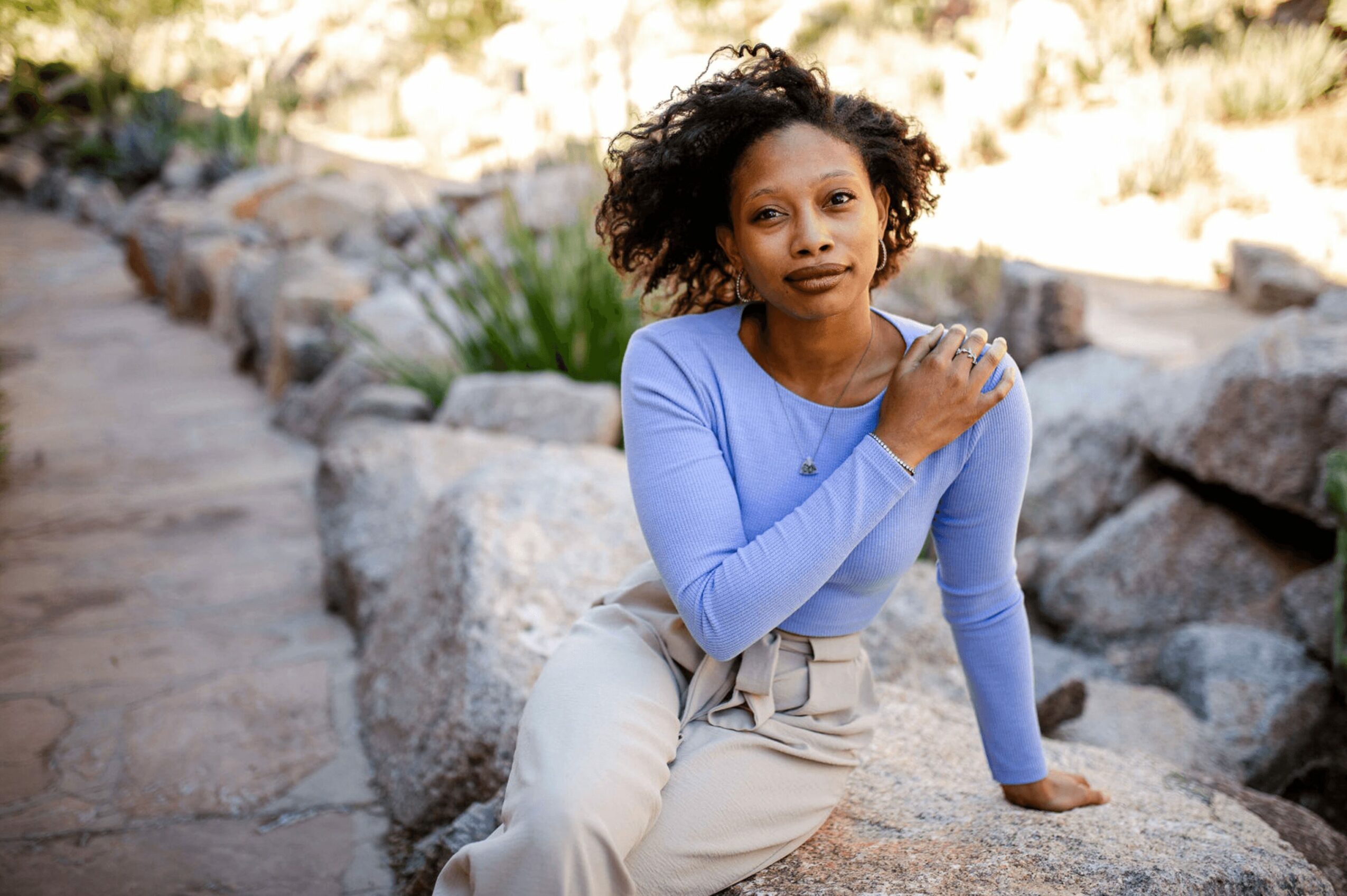
Brooke M Williams shared their story and experiences with us recently and you can find our conversation below.
Good morning Brooke M, we’re so happy to have you here with us and we’d love to explore your story and how you think about life and legacy and so much more. So let’s start with a question we often ask: What is a normal day like for you right now?
If you had asked me this a decade ago, I would have said my days were filled with anxiety. This makes me incredibly grateful for the peace and privacy in my life now. Today, a typical day for me is all about finding balance between a busy schedule and enjoying my time at home.
Most days begin with a gentle giant named Opal, my 60-pound goldendoodle, cheerfully breathing in my face, ready to jump on the bed and roll around until I take her outside. We spend time playing with a frisbee and a stick—often at the same time—until our neighborhood friend Kuro, a tiny black cat who lives next door, comes to join us. He’ll grace me with a few cuddles and Opal with a game of hide-and-seek before continuing his outdoor adventures.
Once Opal is tired, we head back inside to clean up, get her a quick bite, and it’s time for her first nap of the day. After a cup of tea, I head downstairs to my office to begin my workday. I loosely follow a time-blocking system, which helps me stay focused while managing multiple responsibilities across my full-time job and my business development agency.
Mondays and Fridays are no-meeting days, so I can usually focus on following up on messages, reviewing deliverables, or just completing projects. Every other workday is spent preparing for meetings with the team and tackling items on my to-do list. Tuesdays are devoted to business planning meetings with the team, marketing strategy meetings, and a website development call. Wednesdays are for administrative alignment with our project manager, assigning deliverables, and any PR meetings. Thursdays I’ll reserve for partner meetings or website design development. This schedule will fluctuate a bit. It gives me the ability to focus better.
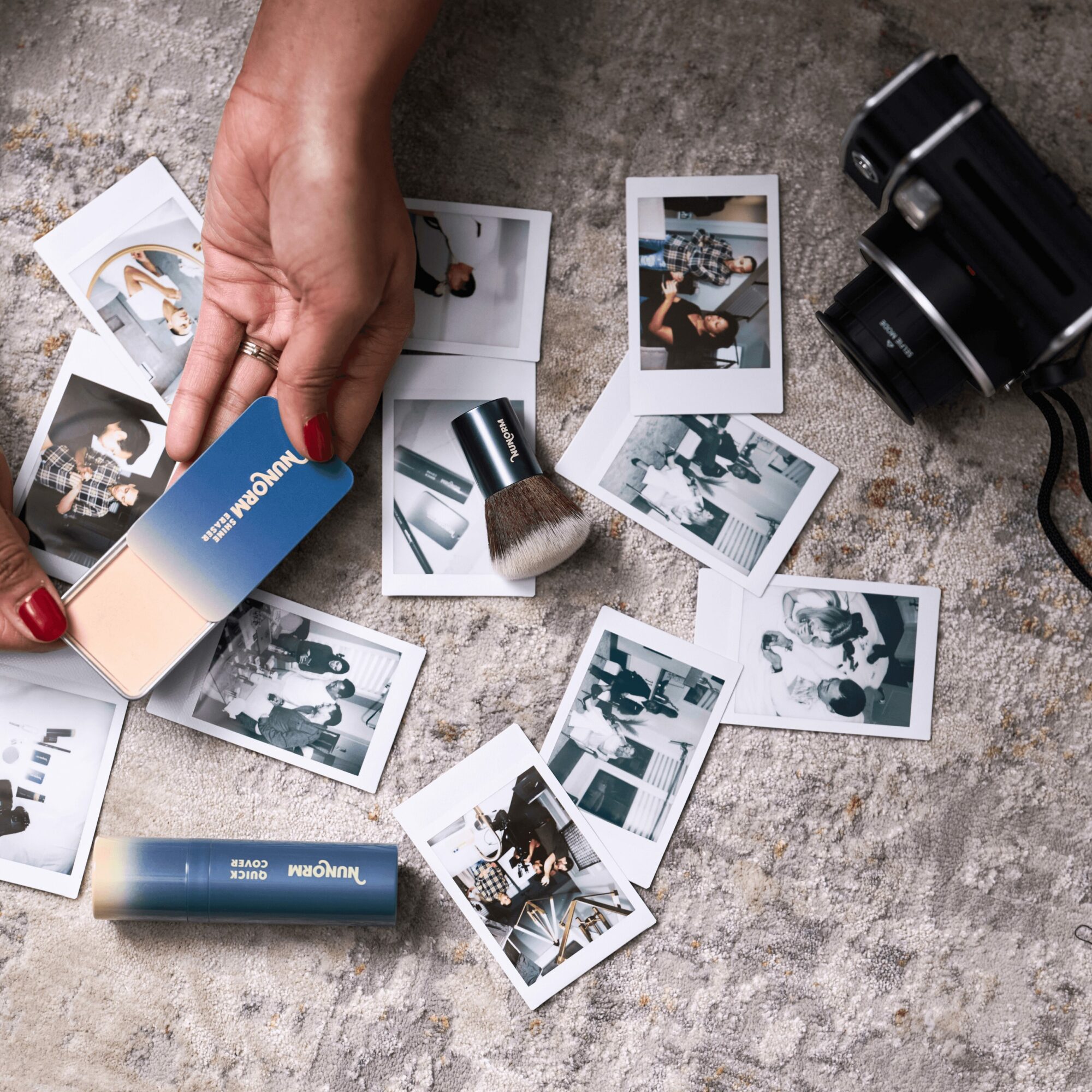
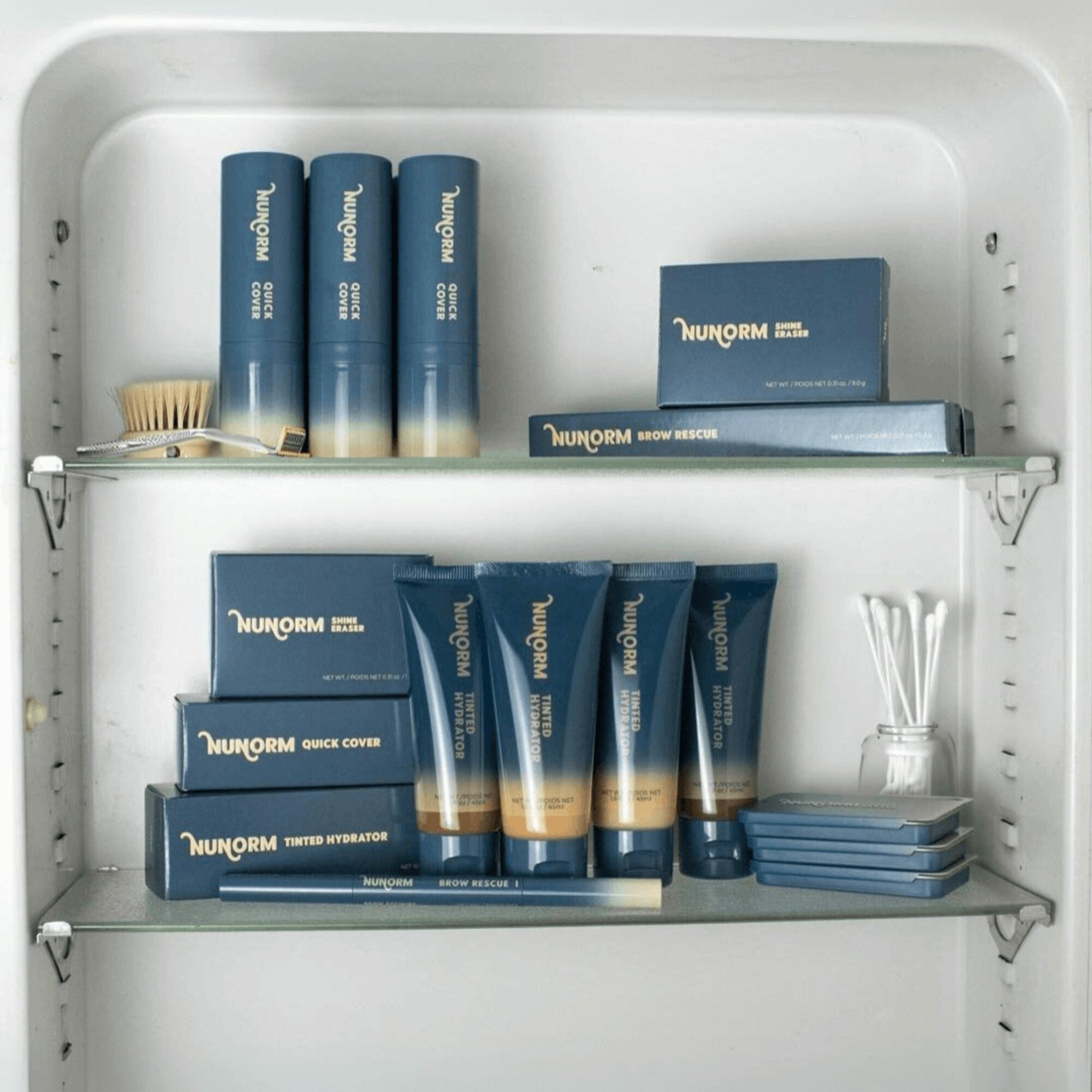
As the Creative Director for NuNorm, a men’s makeup company, I have the pleasure of working with a small remote team—including our founder, board, and a group of experts that have been instrumental to our success. Getting to work with this organization from its inception has been an honor. I personally align with the brand’s commitment to encourage self care and discuss the importance of mental health.
Working remotely has been immensely beneficial for my mental and physical health. Having a quiet environment with no distraction at home allows me to be more productive and better meet the goals that I have set for my work. NuNorm is my “9-to-5” but I’ll occasionally work later and adjust my hours to accommodate a siesta. This has completely transformed my life and allows me to reduce chronic pain as well as gain more energy to do what I love.
As a designer and the Founder of BMW Creative Consulting, a business development agency, I collaborate with community-driven entrepreneurs—ranging from solo founders to those leading larger teams. Typically, I’ll schedule meetings in the early morning, at noon, or later in the day. At this point in my life, I like to minimize how much I have to pivot between projects. I’ve always been a night owl and enjoy creating at odd hours. Occasionally, I’ll stay up until 3 or even 6 a.m. designing websites. When I get into a creative flow, I prefer to stay in the moment and can quickly lose track of time.
My husband, Kevin, is also very ambitious outside of his day job, so we both work long hours. Still, most evenings we make time to relax or eat dinner together. Other nights, he’ll be playing video games while I watch TV with the girls… No, we don’t have children—nor do we intend to. In addition to Opal, our family includes two tiny daredevils, Maddie and Hostella (4-ounce sugar gliders). When they wake up in the evening, they’re ready to come out and explore.
All the girls get along very well—finally. Still, Maddie is the boss in their trio and frequently puts Opal in her place if she tries to kiss or sniff her. Opal is an absolute love bug and is very respectful of her sisters’ boundaries. So, while I’m preparing their food, they’ll all have a good time running around the house together. Honestly, they bring us so much joy throughout the day.
This is a typical weekday, but I do my best to give myself grace and flexibility when needed. Some weekends I work, but only on leisurely projects that are enjoyable. When I’m not traveling for work or personal trips, I’m typically a homebody. I genuinely enjoy doing absolutely nothing with my family or just having time to catch up on things around the house. I’m a huge foodie and love to eat out for a date night or to catch up with friends.
Can you briefly introduce yourself and share what makes you or your brand unique?
Hi! I’m Brooke M Williams, and I launched BMW Creative Consulting to partner with entrepreneurs who want to make a difference—helping them craft digital identities that are both meaningful and memorable, and build a community with their ideal audience.
I work closely with socially conscious and minority business owners who want their brands to reflect what truly matters to them. My approach is hands-on and collaborative, built on listening, asking questions, and understanding each client’s unique vision. To ensure every project gets the attention it deserves, I take on only a select number of clients at a time—focusing on thoughtful strategy, creative direction, and practical support that’s tailored to your long-term growth.
Alongside my work at BMW Creative Consulting, I also manage NuNorm, a brand I’ve supported since its inception three years ago. NuNorm stands out for its award-winning cosmetics, formulated to address men’s skin challenges, and its commitment to men’s well-being. The brand’s story is deeply rooted in family—founded by Jeff Lau, who was inspired by the relationship between his children, Quincy and Emma. Jeff’s vision for NuNorm grew out of watching his son Quincy’s struggle to find skincare products made for his unique needs and witnessing his self-care journey, supported by his sister Emma. This personal family experience not only inspired the creation of NuNorm but also led to the founding of the EQUAL Project, an initiative dedicated to advancing men’s wellness.
Most recently, we launched a podcast called No Filter Needed, which I am fortunate to cohost with Mike Fahey, a four-time Emmy Award winner, veteran news executive, and PR expert. Through candid conversations and guest interviews, we continue the dialogue around self-care, breaking down stigmas, and sharing stories that matter. Our goal is to create a space where people feel seen and heard, and where honest discussions about wellness, mental health, and personal growth can inspire listeners to care for themselves and their communities in new ways.
Through every project and conversation, my purpose is to empower others to tell their stories, nurture their vision, and create brands that make a positive impact well beyond business. My hope is that my work inspires others to pursue what matters most to them, both professionally and personally.
Appreciate your sharing that. Let’s talk about your life, growing up and some of topics and learnings around that. Who taught you the most about work?
Both my parents taught me the most about work, each in their own way. My father set the foundation early on—I’d tag along to his office during school breaks, helping out with filing and small tasks. Watching his work ethic as a Senior Vice President, Wealth Management Advisor at Merrill Lynch, I learned what true dedication and discipline look like. His commitment to his work was steady and unwavering, and that example has always stayed with me.
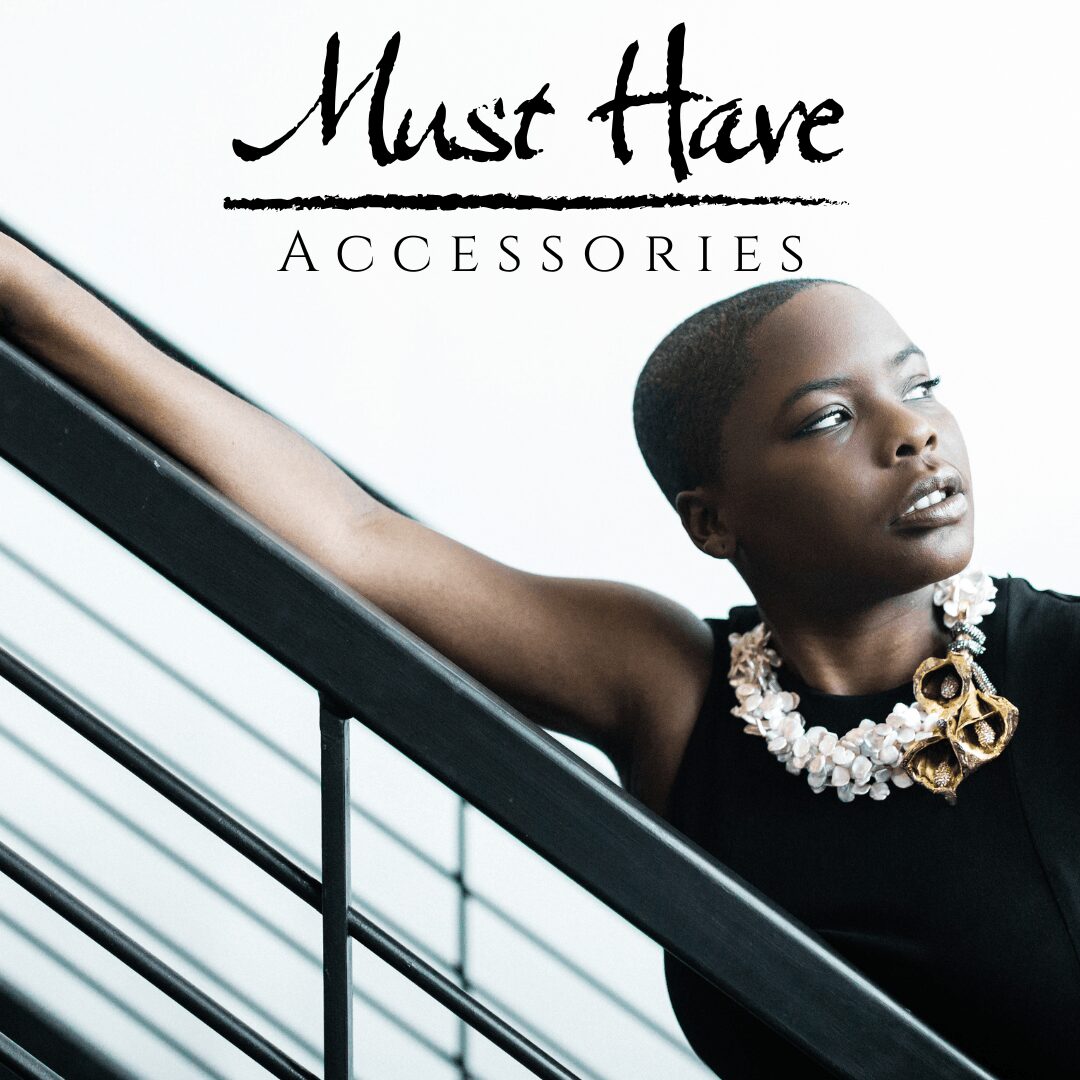
My mother inspired me with a different kind of strength. She managed a medical office before becoming a stay-at-home mom, and when my parents divorced, she took a leap and started her own business, Must Have Accessories. Watching her step into entrepreneurship taught me resilience, independence, and the importance of believing in your own vision.
When did you stop hiding your pain and start using it as power?
During college—around the time I started working and living on my own—I began to truly embrace who I was and stopped hiding the parts of myself that once felt like weaknesses. Before then I don’t think I really understood my pain. Growing up, I spent a lot of time masking my emotional pain, stress, and anxiety. I was encouraged to change so much about myself to keep up in school and socially.
In short, I’m dyslexic and as I grew up I struggled with speaking, reading, and writing which created a lot of pressure to constantly work on myself. This also led to a cruel amount of judgement from certain family members and former friends. But I was blessed to have access to a small private school called East Woods that provided additional support one on one with teachers who were able tailor the traditional learning structure to my needs and help me learn how my brain works best.
My mom has always believed in the benefit of therapy when you’re ready and when you find the right therapist. So I have had a therapist on and off until since 3rd grade which has been tremendously helpful to better understand myself. At first it helped me understand that nothing was wrong with me even though others would argue otherwise. It also helped me understand social situations and criticism that made no sense at the time. Then they gave me an immense amount of tools that have made me who I am today.
Today I am thankful to be in a place where I can accept, manage, and embrace my pain. For most of my life I have had to “fake it till you make it” and learn how to cover up either a lack of emotions or an immense amount of sadness for the sake of others. So I didn’t realize that I was even dealing with depression until my junior year of high school. That summer I made arrangements to go back to therapy and was officially diagnosed. That’s when I really started to really recognize my emotional pain, understand where it was coming from, and figure out a path to building a happy life for myself.
I also learned the value of work during this time. I started as a volunteer on a political campaign and grew into roles like policy analyst, office manager, and field management. Each step gave me confidence and helped me see my abilities clearly. For me, the turning point came when I started focusing on personal development—not to “fix” myself, but to make my life easier, discover who I really was, and create space to be content and comfortable with myself.
Then I started to reflect on who I wanted and didn’t want to be in my life. It’s crazy to think that back then I felt as if I didn’t have a choice as to who could be in my life and had to put up with people who took advantage of their relationships. Once I built those boundaries for myself and started to live more selfishly I truly started to live a joyful life. I still managed depression but I am in a peaceful environment and have a community of genuinely good people in my life. Now as I get older when pain slip into my life, I can recognize it as the foundation of my power.
This also led me to start acknowledging physical pain that I had been minimizing. Five years ago I was diagnosed with degenerative disc disease and began dealing with chronic nerve pain in my neck. I am still trying to figure out how I can use this to my advantage, so I’ll get back to you. If anything, it has forced me to make time to rest and take better care of my physical health overall. It’s been a tough adjustment, but it’s taught me to listen to my body, set boundaries, and not feel guilty about slowing down when I need to. I’m learning that sometimes, taking care of myself has to come first—even when it’s not easy or convenient.
So a lot of these questions go deep, but if you are open to it, we’ve got a few more questions that we’d love to get your take on. What are the biggest lies your industry tells itself?
One of the biggest misconceptions in my industry is that everyone knows what they are doing—or what they are hiring for. There is a lack of clarity around roles, specialties, and what business development and creative professionals actually do. When I was in college, I studied business development and learned the basics of marketing, advertising, and PR—fields that overlap but each require their own expertise. Yet in practice, I see a lot of confusion that affects everyone involved.
From the perspective of hiring companies and business owners, there’s often uncertainty about what they actually need. Many aren’t sure which roles or services will address their goals, which leads to mismatched expectations and wasted resources. I’ve seen businesses invest thousands in full-service marketing agencies that promise everything but deliver less than the bare minimum. That’s why I always encourage clients to ask questions, do their research, and make sure they’re working with professionals who are not only qualified, but also honest about what they can—and can’t—provide.
On the creative and business development side, there’s a lot of pressure to be everything at once. Many professionals feel they have to stretch themselves across multiple specialties just to stay competitive, which often leads to burnout and diluted results. Early on, I was fortunate to have mentors who helped me understand my strengths, set boundaries, and communicate clearly about what I do—and what I don’t do. This honesty ensures I’m not wasting anyone’s time and that clients get to work with the right specialist for their needs. For me, this approach not only preserves my peace but also allows me to connect clients with other professionals who can deliver outstanding results in areas outside my focus.
From an agency perspective, I know it’s tempting to offer a full suite of business development services, but unless you have a team of people who are deeply skilled in their respective areas and committed to ongoing learning, it’s just not sustainable. Agencies that try to be everything to everyone often end up spreading themselves too thin, which leads to inconsistent quality and disappointed clients. I’ve seen firsthand how much more effective it is when agencies are honest about their strengths and build strong partnerships with other professionals to fill in the gaps. This approach ensures clients get the best possible support, and teams can focus on what they do best—with far less burnout.
If we focused more on honest communication, real accountability, and genuine collaboration—instead of trying to be all things to all people—we’d see better results across the board. In the end, everyone benefits when we’re clear about our strengths, take responsibility for our work, appreciate different skill sets, and commit to building results that last rather than chasing shortcuts or quick fixes.
Thank you so much for all of your openness so far. Maybe we can close with a future oriented question. What do you understand deeply that most people don’t?
I’ve come to truly understand the value of being content with myself and with where I am in life. Honestly, I never expected my life to be this full or to end up where I am today. Over time, I’ve learned to be flexible, to adapt, and to appreciate the present moment—even while working toward bigger goals.
I also think people tend to undervalue certain jobs or roles because they don’t see them as directly tied to their passions or long-term dreams. But I’ve learned that whatever you do to take care of yourself and move forward is meaningful. Every job, every experience, is a stepping stone to what comes next. I try not to overlook or minimize what’s right in front of me, because it all adds up to the bigger picture of who I’m becoming and what I’m building.
If there’s one thing I wish more people understood, it’s that your path doesn’t have to look a certain way to be valuable—every stage matters, and every step counts.
Contact Info:
- Other: Check out NuNorm,
https://www.nunorm.com& Listen to our podcast No Filter Needed
https://www.youtube.com/@mynunorm


Popular
-

Hidden Gems: Local Businesses & Creatives You Should Know
-

ATL’s Most Inspiring Stories
-

Portraits of Atlanta
-
Dr. Hildiah Martin-Suggs Is Building Second Chances for Youth Who Were Almost Lost in the System
-
From Showing Up to Seeing His Face on a Billboard: Anthony Green Is Just Getting Started
-
Wayne Smith Jr on Survival, Psychological Thrillers, and the Cost of Staying Alive