



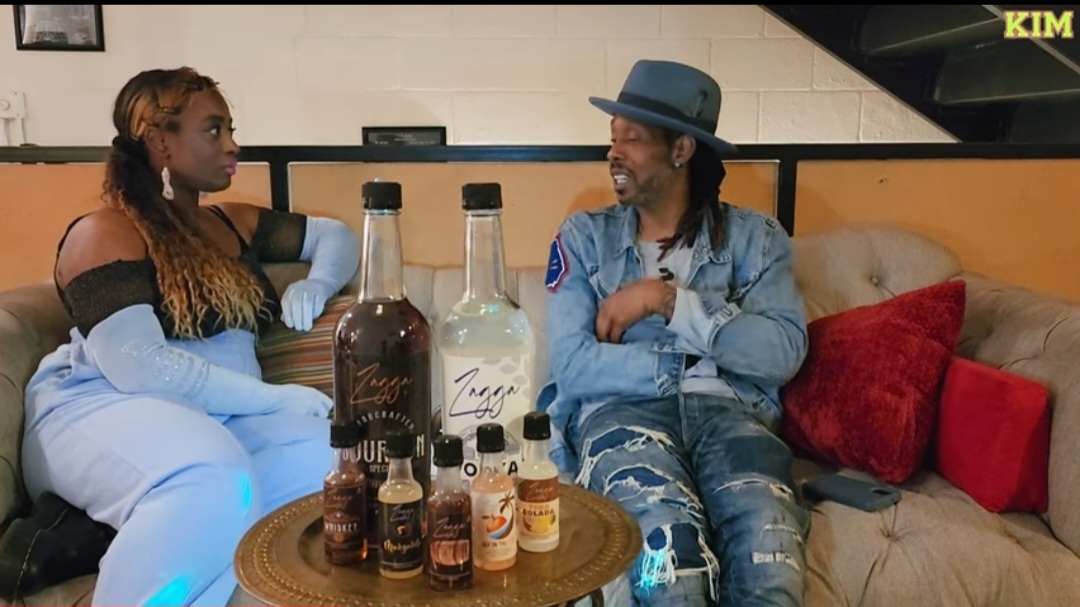
Kim Dankoor shared their story and experiences with us recently and you can find our conversation below.
Hi Kim, thank you so much for taking time out of your busy day to share your story, experiences and insights with our readers. Let’s jump right in with an interesting one: What’s more important to you—intelligence, energy, or integrity?
Integrity, definitely integrity. Although for me, integrity is also closely connected to energy. You can’t fake energy, and I feel that people with integrity carry a certain energy around them. But okay, I’ll still choose integrity ;). It’s a personal trait I try to embody myself. Being consistent and doing the right thing out of principle—that’s what integrity means to me. Keeping it real is another way to put it. That’s why I (playfully) call myself the realest (reporter) on IG!
Can you briefly introduce yourself and share what makes you or your brand unique?
First of all, I am a rap music fan. My playlist ranges from Rapsody and Queen Latifah to Cardi B, Megan Thee Stallion, and Latto, and from Kendrick Lamar and 2Pac to Jay-Z, Outkast, and Future. I chose to become a Hip Hop scholar with a specific focus on rap music and psychology because I wanted to investigate the impact of rap music on young people in the U.S. and Europe. My research has also explored how strip club dancers can generate clout—or “buzz”—for rap artists. In this context, strip club dancers can be understood as cultural gatekeepers or “street A&Rs” within the commercial rap ecosystem.
I recently started a position as a postdoctoral researcher at Leiden University in the Netherlands, as part of the Re/Presenting Europe project. Over the next several years, my work will focus on Hip Hop feminism in an (African) European context. It is fairly unique, and pretty dope, that I am able to center women (trap) rappers in countries such as the UK, France, and the Netherlands, and to examine the empowering impact of women’s rap on listeners. In addition, I teach and lecture on a range of Hip Hop–related topics and regularly supervise bachelor’s and master’s students conducting research on Hip Hop culture.
Alongside my academic work, I am a media expert and interviewer through my media platform KIMBYKIM (Critical Insights regarding Media). I work on diverse projects, including talk shows, media literacy initiatives, Hip Hop–based community projects, and exhibitions. I also interview rap artists, creatives, politicians, activists, and academics for various organizations and institutions. One highlight was interviewing artists such as Big Gipp and Drumma Boy in Atlanta about their careers and discussing my research on strip club dancers, insights from which I later incorporated into my PhD. I frequently “switch roles” from interviewer to interviewee, offering commentary on Hip Hop culture across U.S. and Dutch media.
Okay, so here’s a deep one: Who were you before the world told you who you had to be?
As a child, I genuinely believed that anything was possible—that you could become whatever you wanted, no matter your background or how you looked. Then I grew up, learned more, saw more, and experienced more…and realized that the world has a strong tendency to put people in boxes and slap labels on them. Still, I think I’ve done a pretty good job of holding on to that “Lil’ Kim mindset”: showing up exactly how I want to show up, dressing how I feel, staying as authentic as possible, and believing that I can do whatever I set my mind to. At the same time, I’m much more aware now of the systems that can hold people back and the preconceived ideas others may project onto you—whether you asked for them or not.
Was there ever a time you almost gave up?
Yes, several times! Sometimes my path feels blurry, chaotic, and a little all over the place. In those moments, talking to people usually helps. Others often see the progress you’re making while you’re still stuck in your own head, spiraling through imposter syndrome.
The last time I almost gave up was during my second year of my PhD. I decided to combine certain theories within qualitative research, and some scholars were basically like: yeah… that’s not gonna work. Luckily, there were also people who said, why not? Let’s do this. That energy made all the difference and ultimately convinced me to keep going.
In between, I exercised, gardened, meditated, listened to very specific songs on repeat (Bad B anthems 😉 and inspiring interviews, and slowly found my way back to reading and writing. That’s usually how I get back in the zone and rebuild my confidence. For some reason, and I try not to rely on this too much, I often get these subtle hints that I’m on the right path: a dope opportunity, an unexpected connection, an impactful conversation, or a random moment of appreciation that hits at just the right time.
This probably won’t be the last time I feel like this, but I’ve learned how to deal with it better. One thing I do want to work on is my fear around entrepreneurship. I’d love to start my own podcast or do something with (vintage) fashion in the U.S. So… who knows. Maybe another subtle hint is loading as we speak ;).
So a lot of these questions go deep, but if you are open to it, we’ve got a few more questions that we’d love to get your take on. Is the public version of you the real you?
I’ve realized that I can’t really put on a “public persona.” It feels exhausting to fake who you are in certain situations. That resistance is closely tied to integrity and being real—qualities I deeply value in myself and in others. Of course, there are different contexts in which I share different parts of myself, but it is always me.
I also think there’s something powerful about people showing up unapologetically as themselves. It’s contagious. It cracks things open and creates more space for others to do the same, whether that’s on a stage, in a classroom, or in a one-on-one conversation. This also reminds of the the T-shirt line I once had with the quote: It’s hard to be what you hardly see.
This came up again today when a Reinwardt student asked how realness relates to my research, and why I chose certain women to feature in my documentary Women in Hip Hop for the No Man’s Land music conference. That question made me realize that realness can be part of a research practice—through being transparent about your position as a researcher. I chose those four women (Nina, Chrystal Chanay, Tiziana, and Beckie) precisely because they embody a sense of realness: in how they move, speak, create, and exist within Hip Hop culture.
Okay, so let’s keep going with one more question that means a lot to us: When do you feel most at peace?
There are several moments in my everyday routine when I feel most at peace, and I consciously try to structure my day in ways that safeguard those moments. My mornings start with meditation and a workout to get my mind and body right. Then there’s the bike ride to work: headphones on, 90s rap in my ears. The lyrics might not always scream inner peace ;), but somehow the beats, the flow, and the familiarity put me in a calm zone. It’s my moving meditation—Hip Hop edition.
Contact Info:
- Website: https://www.kimbykim.com/
- Instagram: @realest_reporter_kd
- Linkedin: Kim Dankoor
- Facebook: kimbykimNLUSA
- Youtube: @realest_reporter_kd
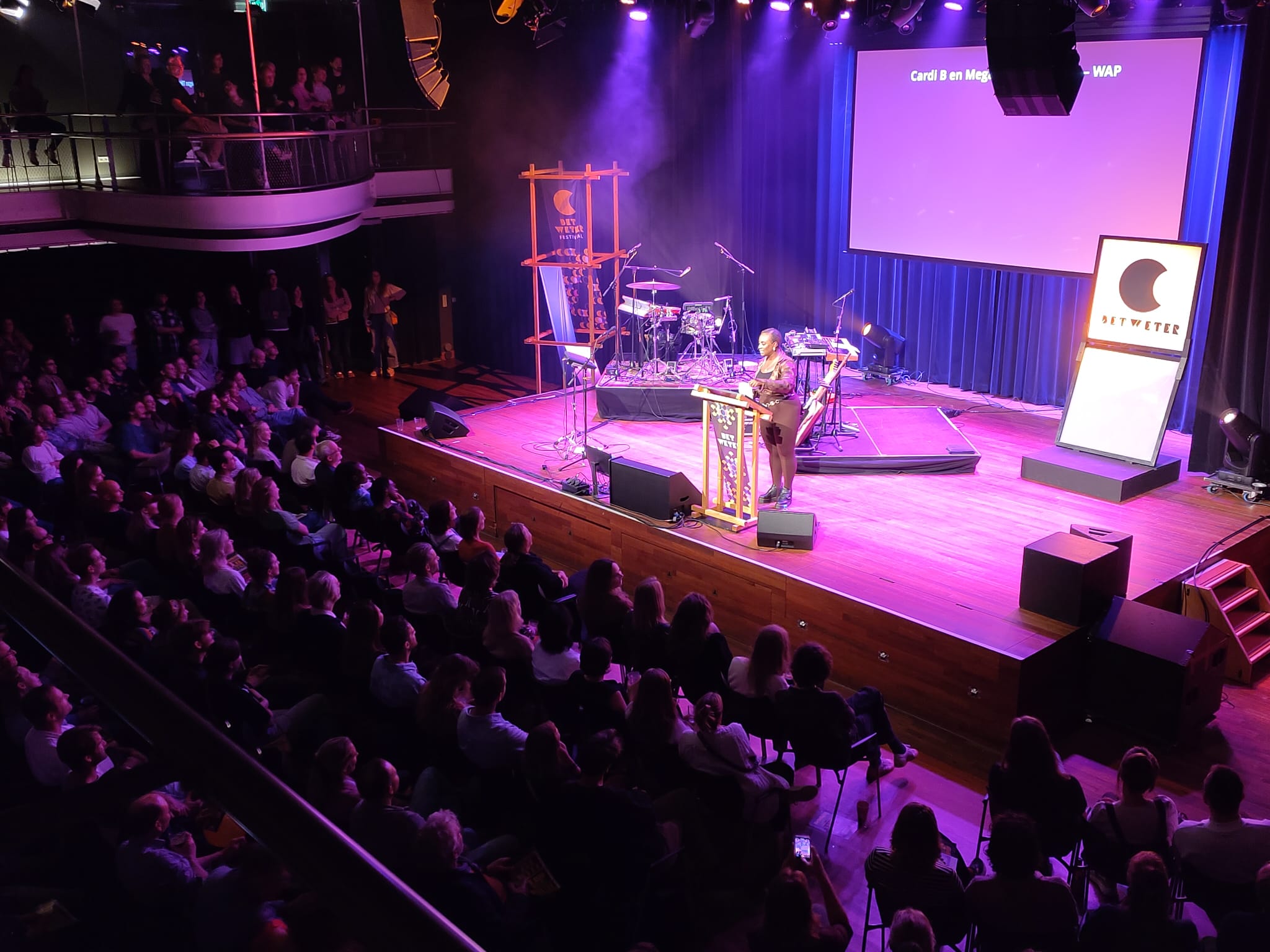
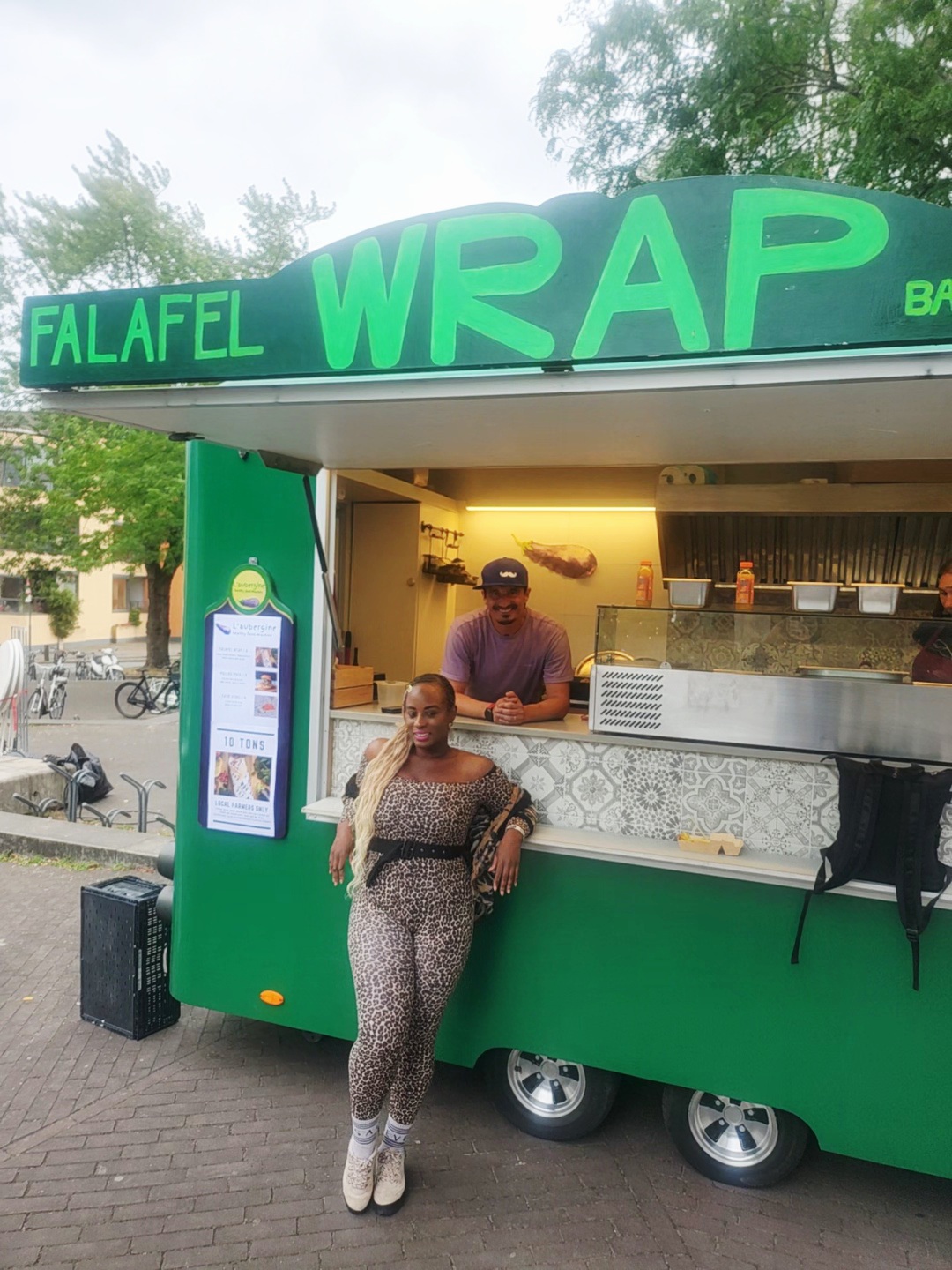
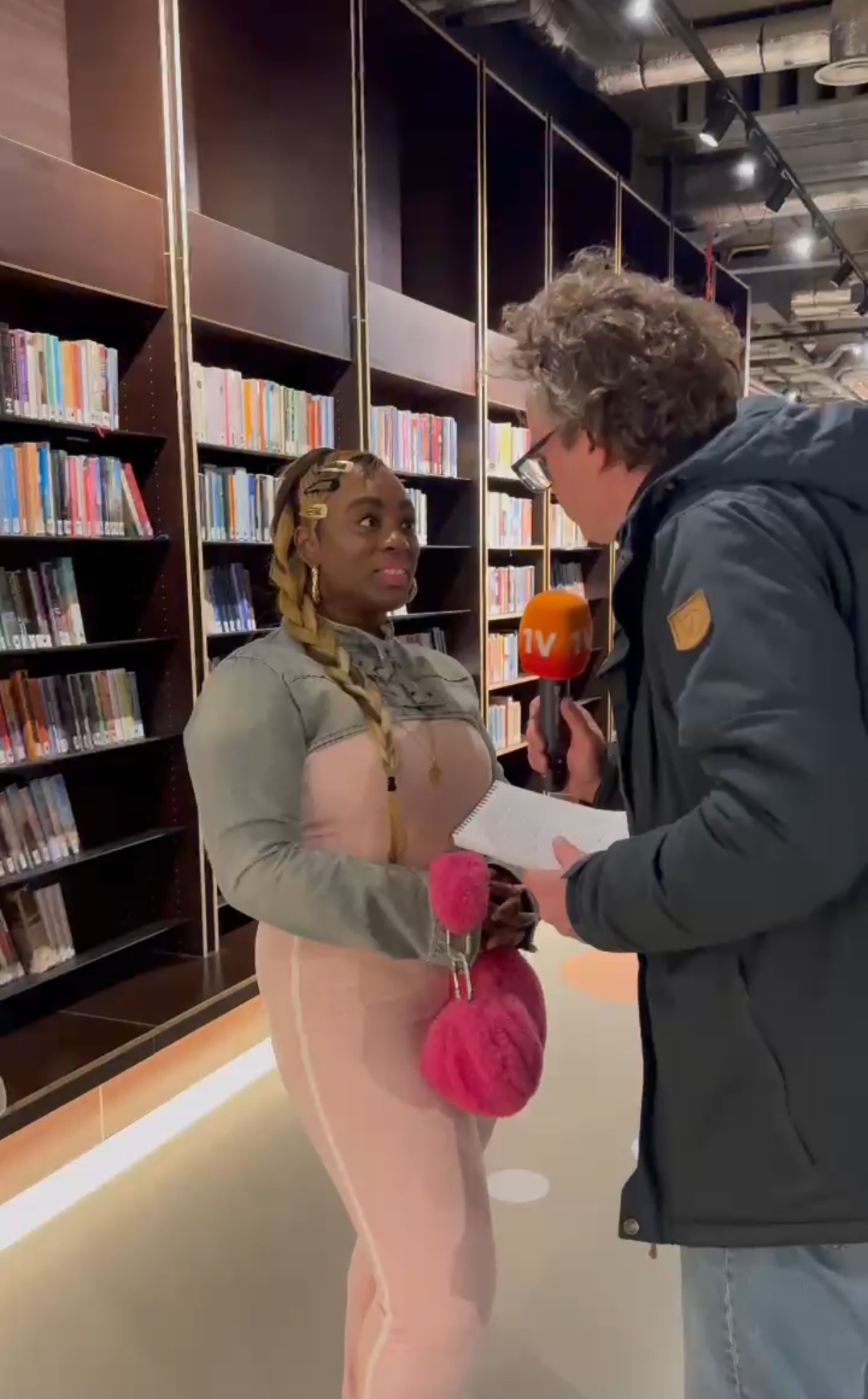
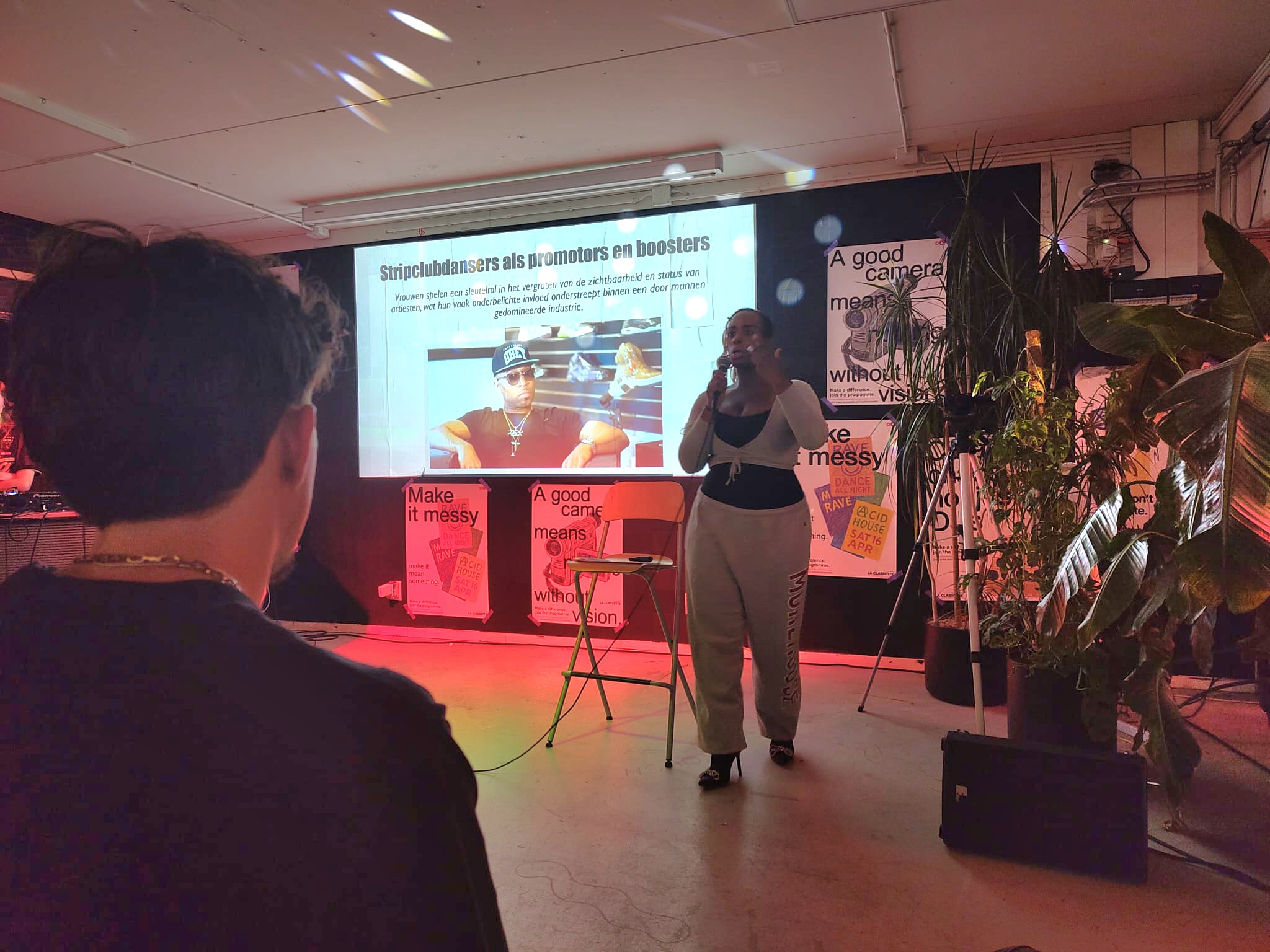
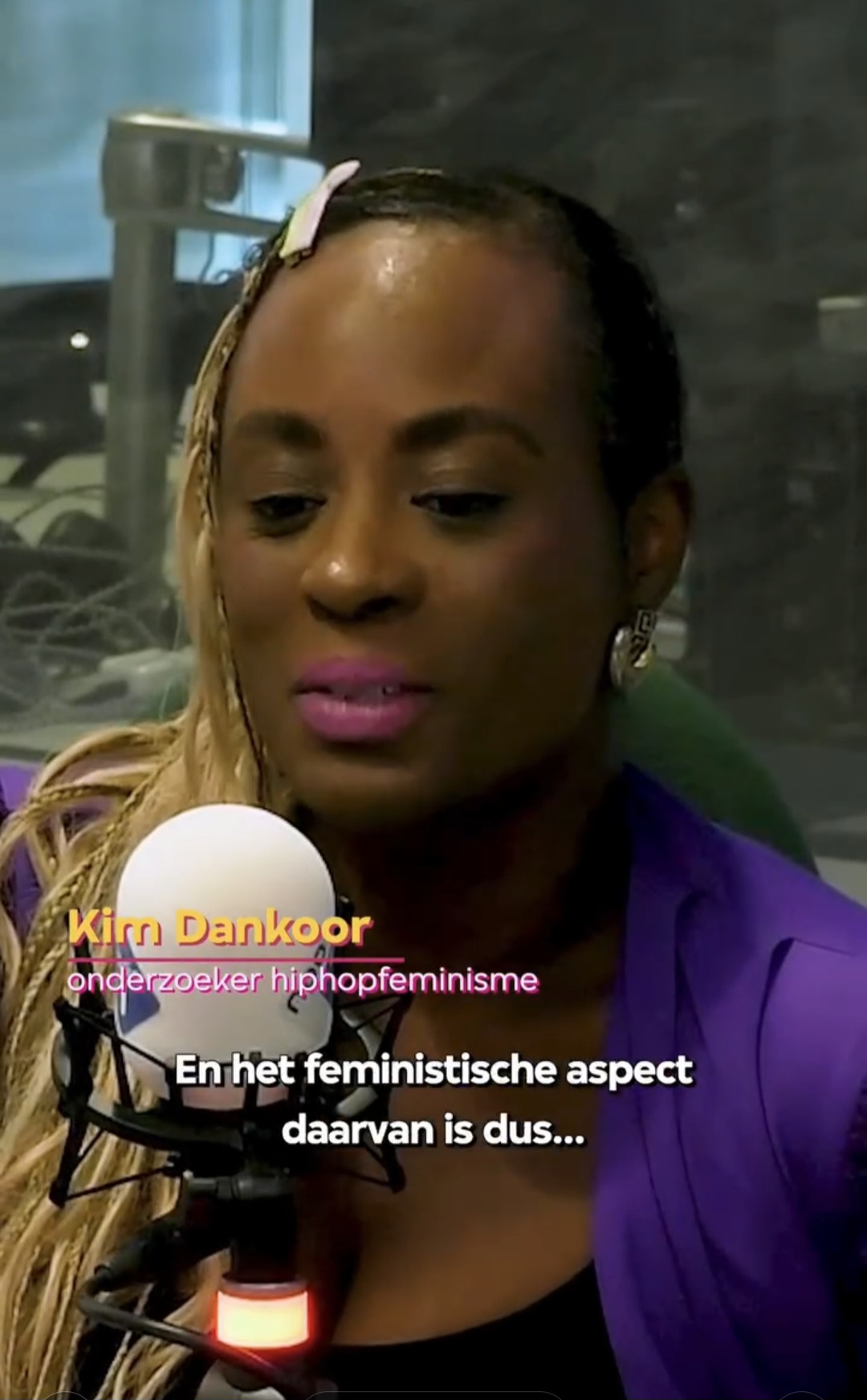
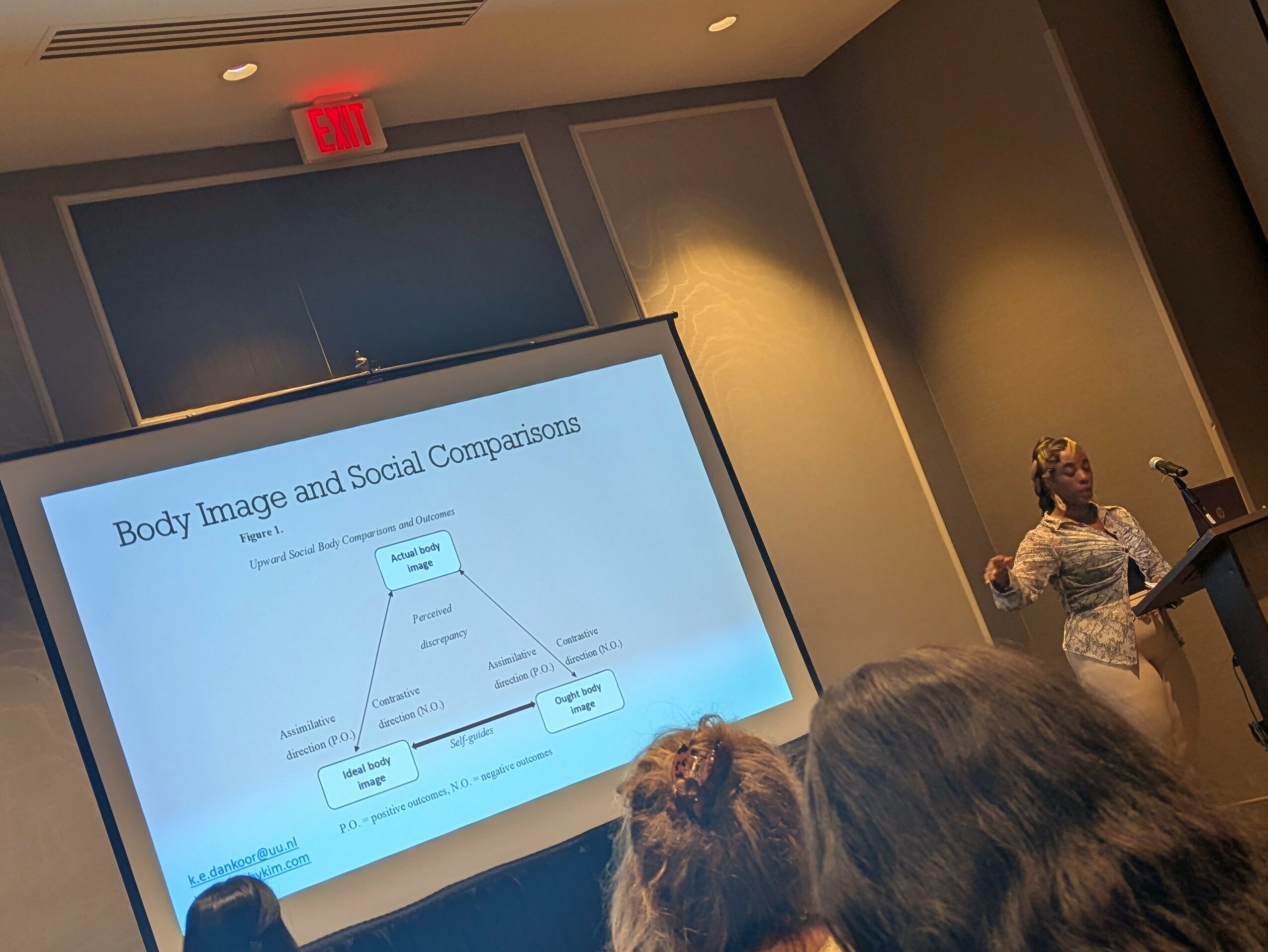
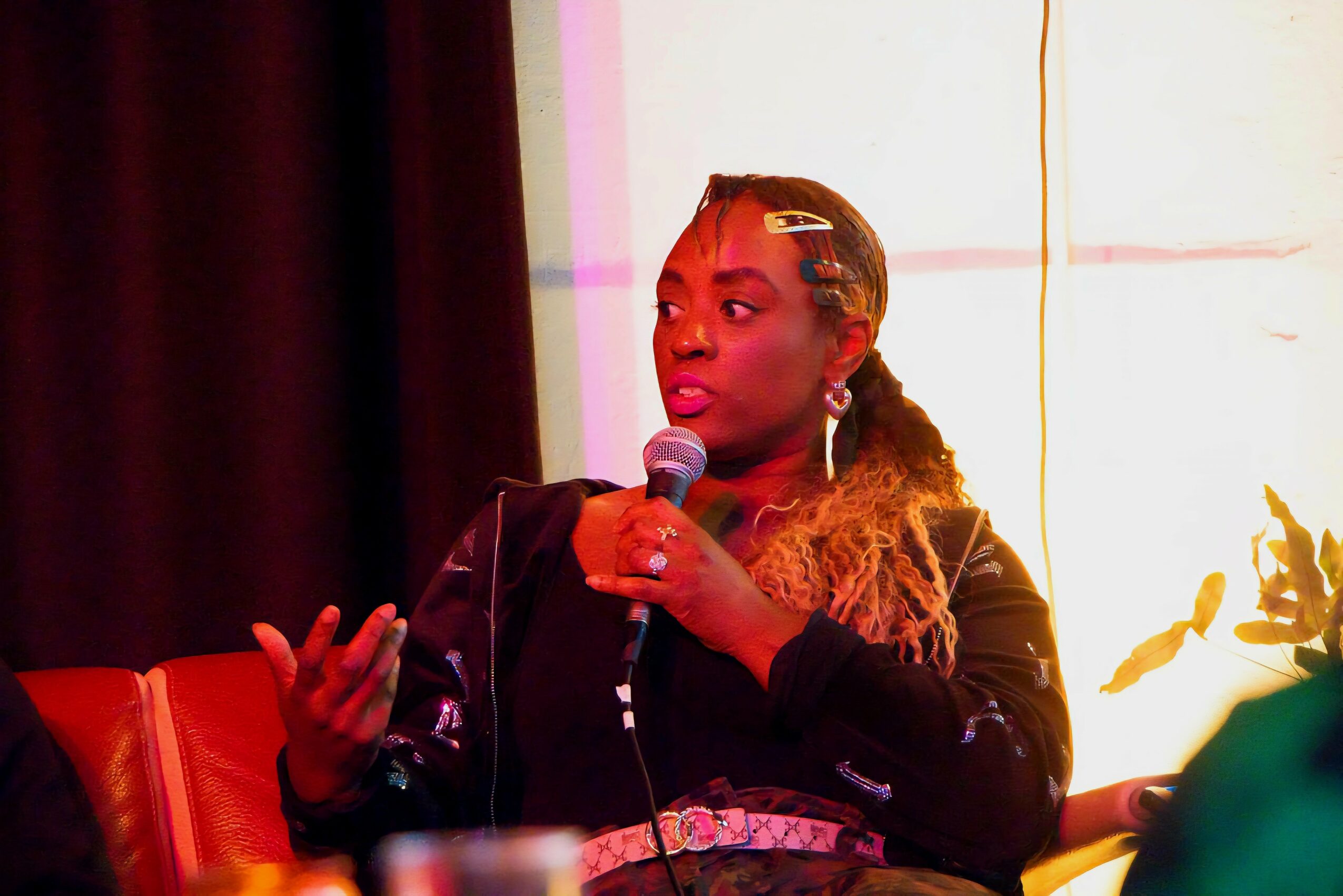
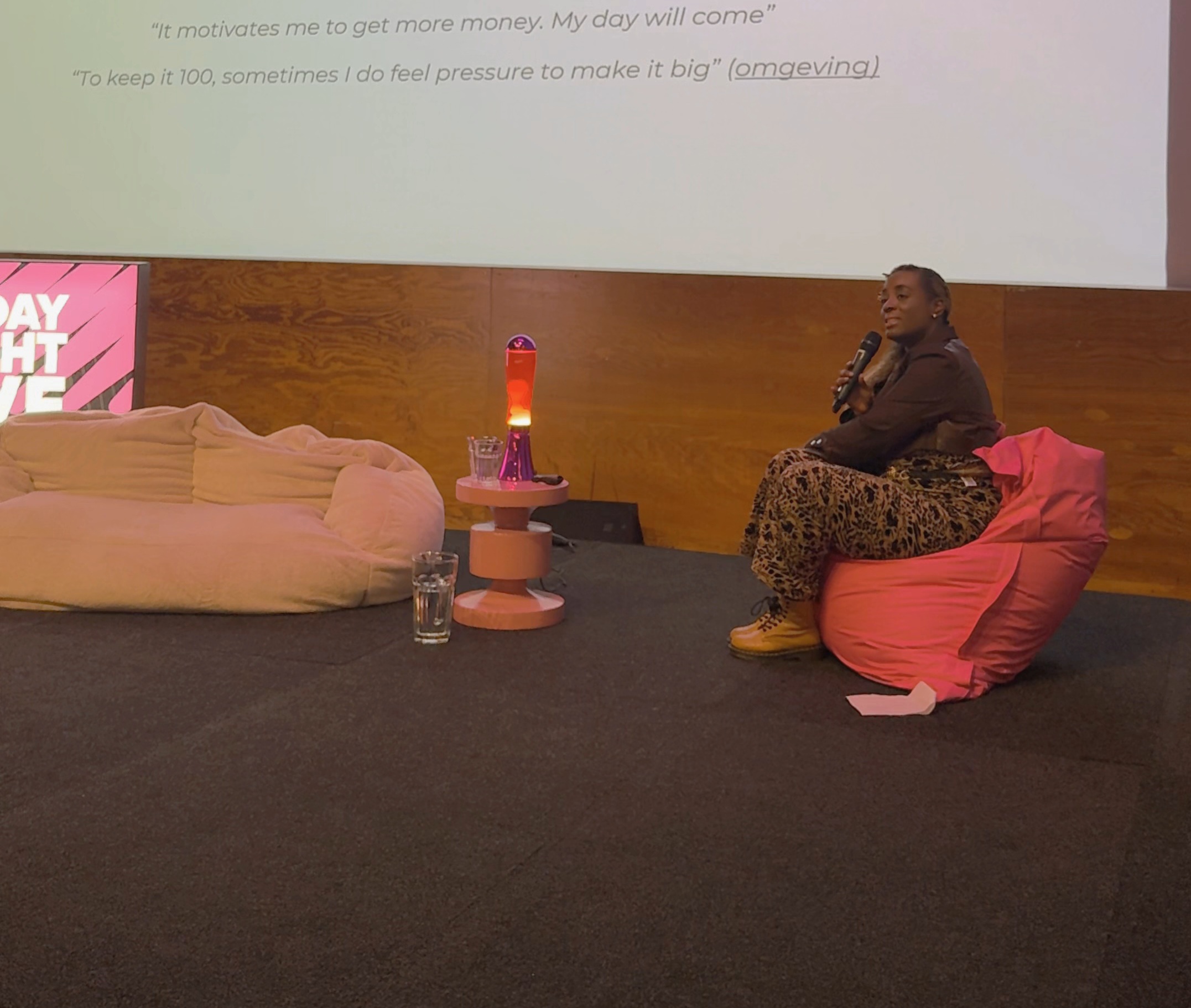
Image Credits
Pretty Girls Like Trap Music
Betweter Festival
De Nieuwe Notie
VPRO
Popular
-

Hidden Gems: Local Businesses & Creatives You Should Know
-

ATL’s Most Inspiring Stories
-

Portraits of Atlanta
-

Dr. Hildiah Martin-Suggs Is Building Second Chances for Youth Who Were Almost Lost in the System
-

From Showing Up to Seeing His Face on a Billboard: Anthony Green Is Just Getting Started
-

Wayne Smith Jr on Survival, Psychological Thrillers, and the Cost of Staying Alive