






We’re looking forward to introducing you to Pavlo Zolotarenko. Check out our conversation below.
Pavlo, a huge thanks to you for investing the time to share your wisdom with those who are seeking it. We think it’s so important for us to share stories with our neighbors, friends and community because knowledge multiples when we share with each other. Let’s jump in: What are you chasing, and what would happen if you stopped?
There are two kinds of stress, in my view. The first is “adrenaline stress” — like a rabbit that’s scared, running without knowing where it’s going. The second is the “burrow adrenaline” — the stress a predator feels when anticipating its prey. I wouldn’t say I’m rushing around at the speed of light, but I prefer the second kind, the burrow adrenaline, which actually prolongs life compared to the first.
I don’t chase rabbits; instead, I try to understand what I really want, down to the details, and move toward something rather than just running away from problems. Having a clear target and moving toward it, even if not quickly, but steadily and with focus, is the approach I follow. And stops are only to catch my breath, recharge, and then continue the journey toward my goal.
Can you briefly introduce yourself and share what makes you or your brand unique?
I’m originally from Ukraine and have played soccer my entire life, starting from a very young age. I trained at top academies and sports boarding schools, represented my university team, and played for reserve squads of strong professional clubs.
In Ukraine, I also worked in the city government in the field of sports and ran my own businesses — a network of developmental centers for preschoolers and a sporting goods store. For the last three years before moving to the U.S., I served as a Sports Director at a professional soccer club competing at the Championship level.
I’ve been in the United States for about two years now — this time has been a period of adaptation and growth. I started coaching soccer in Tucker, and now I’m part of a more serious project — Inter Atlanta. In addition to coaching, I’ve been a certified soccer referee for two years, now officiating at a fairly competitive level.
Besides my professional experience, I hold two bachelor’s degrees and a master’s degree. In the U.S., I also earned a college certificate in English as a Second Language (ESL).
Over the past six months, I’ve fallen in love with golf — something I never paid attention to before. After overcoming a lot of early struggles, I now enjoy it more than ever. To my surprise, golf has become my number one passion, even surpassing soccer — and realizing that almost brought tears to my eyes. I never thought I could love another sport more than soccer.
Thanks for sharing that. Would love to go back in time and hear about how your past might have impacted who you are today. What’s a moment that really shaped how you see the world?
I can’t point to a single moment, but this past year has been full of challenges — a time that taught me a lot about life. I’ve come to understand that sometimes fate takes you to the very bottom or puts you through a series of difficulties not to break you, but to separate those who give up from those who keep going.
Those who endure eventually find success. So, I’m going through it calmly, step by step, and I’m starting to see the light ahead. This whole period has shaped how I see the world and how I understand what truly matters.
What have been the defining wounds of your life—and how have you healed them?
The challenges I’ve faced — and continue to face — have shaped me into who I am today. They taught me to use my mind more than my emotions, to stay optimistic, and to truly love life. I try to find reasons every day why today is the best day — the sun is shining, I’m doing something I enjoy, and I’m grateful that I can feel and experience it all.
Before those struggles, my life felt kind of gray — everything seemed ordinary, routine. I didn’t appreciate the small things the way I do now. I’ve come to believe that if everything in your life seems perfect, it probably means you just don’t see the full picture yet.
Sure, so let’s go deeper into your values and how you think. Where are smart people getting it totally wrong today?
I don’t think I have the right to decide who’s “smart” and who isn’t — everything is relative. But I often see that people who are considered smart tend to chase money and define their goals in numbers. That might be the mistake.
A company can have financial targets, deadlines, and profit goals — that makes sense. But for a person, chasing only numbers can lead to big losses in other areas of life. It’s better to set goals around the kind of life and balance you want to have — and let the numbers follow naturally — rather than chasing them at any cost.
Slow progress often takes you further in the long run.
Thank you so much for all of your openness so far. Maybe we can close with a future oriented question. What are you doing today that won’t pay off for 7–10 years?
For almost half a year now, I’ve completely eliminated alcohol and anything harmful from my life—well, except for an occasional slip with food. I’m working hard to develop habits that support long-term health: going to bed early, using blue-light–blocking glasses before sleep, meditating to reduce stress, staying active, learning, and constantly improving myself.
These things don’t give instant results. They’re small, invisible daily investments, but they compound over time. And I’m not doing them just for the next 7–10 years—they’ve become a non-negotiable part of the lifestyle of someone who plans to play the long game.
Contact Info:
- Instagram: https://www.facebook.com/share/1CRhMmZpVB/?mibextid=wwXIfr
- Facebook: https://www.facebook.com/share/1CRhMmZpVB/?mibextid=wwXIfr
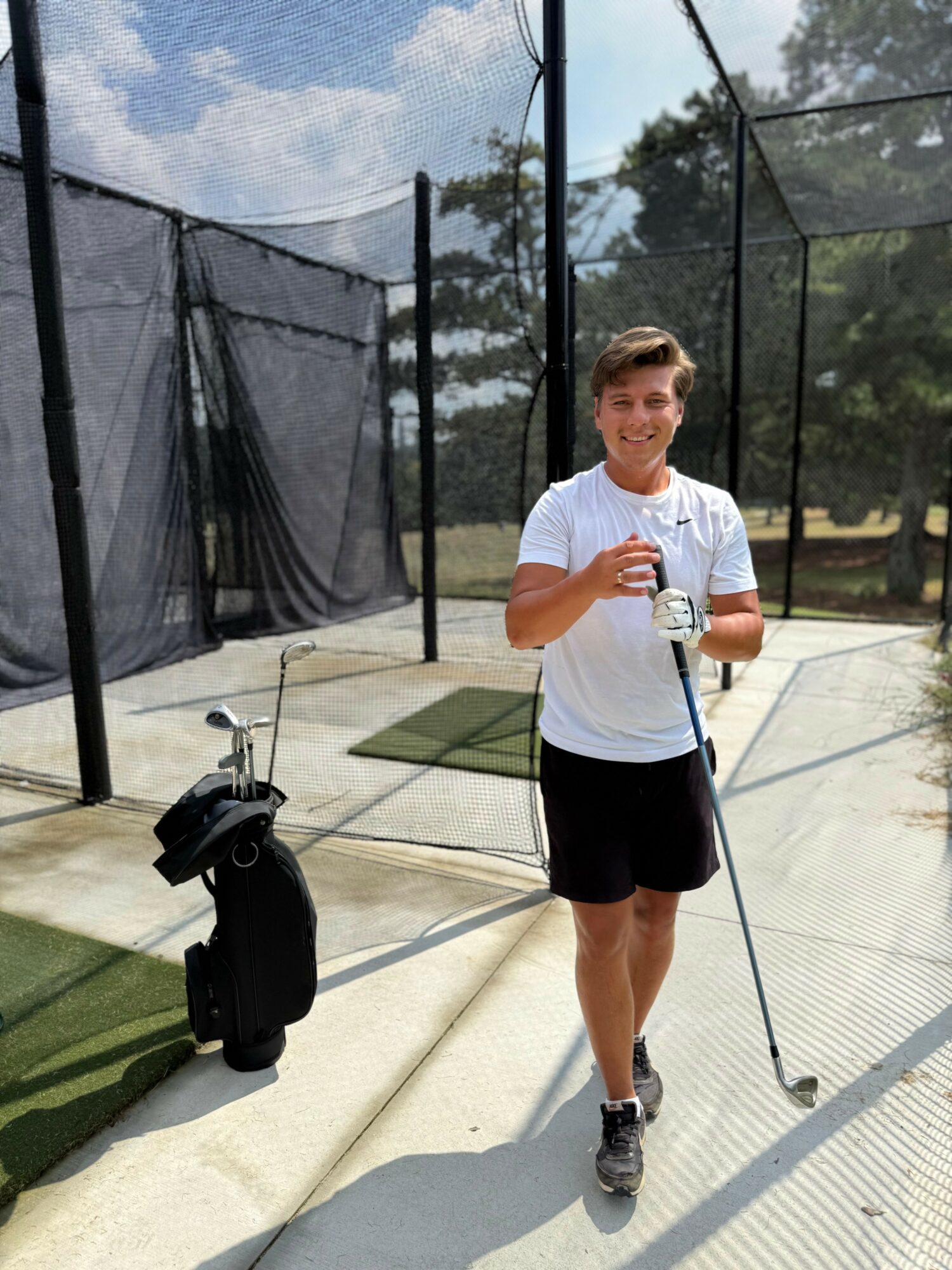

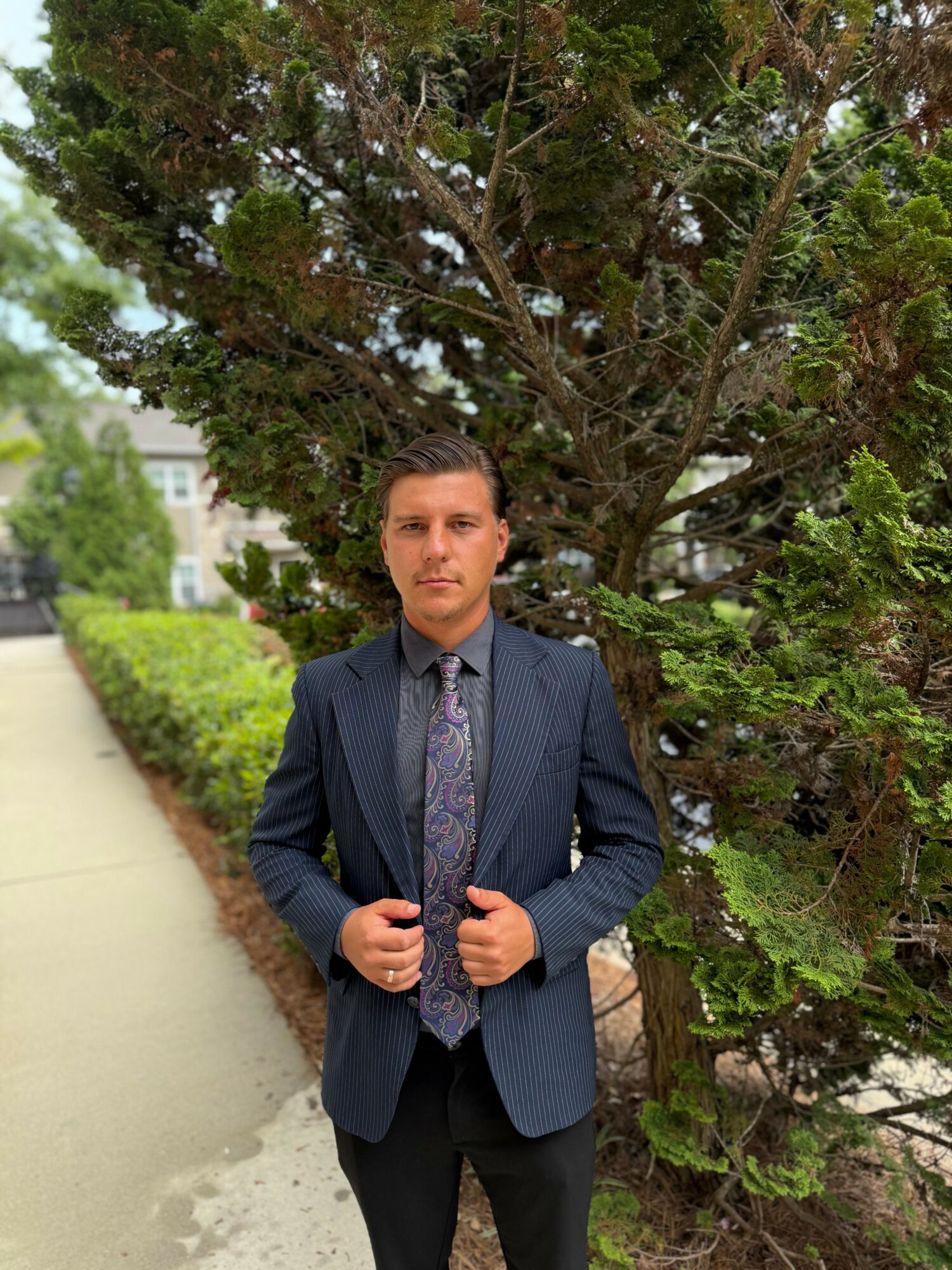

Image Credits
That’s my
Popular
-

Hidden Gems: Local Businesses & Creatives You Should Know
-

ATL’s Most Inspiring Stories
-

Portraits of Atlanta
-

Dr. Hildiah Martin-Suggs Is Building Second Chances for Youth Who Were Almost Lost in the System
-

From Showing Up to Seeing His Face on a Billboard: Anthony Green Is Just Getting Started
-

Wayne Smith Jr on Survival, Psychological Thrillers, and the Cost of Staying Alive