



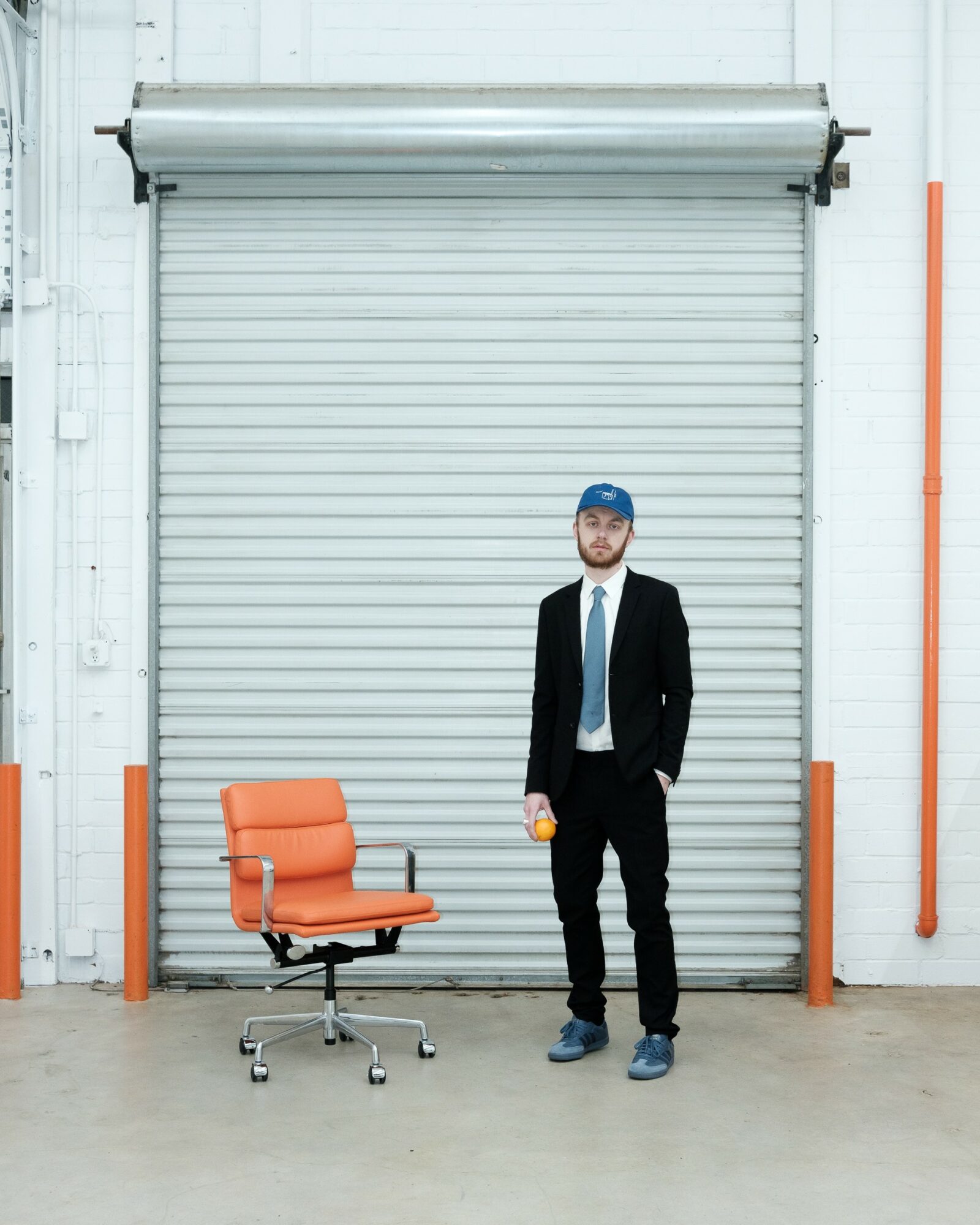
We recently had the chance to connect with Beau Allen Collins and have shared our conversation below.
Beau Allen, really appreciate you sharing your stories and insights with us. The world would have so much more understanding and empathy if we all were a bit more open about our stories and how they have helped shaped our journey and worldview. Let’s jump in with a fun one: What is a normal day like for you right now?
Right now, there isn’t really a “normal” day, or maybe there is but it’s nowhere near routine or consistent. The gallery just opened, so everything’s still finding its rhythm – even me. One moment I’m dealing with logistics – lighting, shipping, press – and the next I’m in conversation with artists about their work and what this space can offer them – not just logistically, but emotionally, conceptually.
It’s a very different role from being an artist, even though it’s within the same world. When you’re making your own work, the focus is inward – it’s about intuition, expression, discovery, and how I’m perceiving the world around me. As a director, it’s almost the opposite: it’s about creating the right conditions for others to do that.
A lot of my day is spent thinking about how to build something lasting – a program, a reputation, a sense of trust – especially at this early stage, when every decision sets a tone for what Construct will become. My days are spent strengthening myself to carry the weight of an opportunity to curate and showcase the next generation of artists. Art has changed the world many times, in many ways – and I believe Construct will be one of those times again.
Can you briefly introduce yourself and share what makes you or your brand unique?
My name is Beau Allen Collins, and I’m the founder and director of Construct – a new gallery dedicated to artists who see material as language and ideas as form.
Before this, I worked as an artist, which has shaped how I think about what a gallery can be. I’ve worked for years assisting prominent artists, in archival and conservation sectors of major museums, curation, art handling, registrar services, and even building temperature controlled rooms for artworks. Construct was born from that perspective – from wanting to create a space that doesn’t just exhibit work, but participates in the act of making meaning.
What makes it unique, I think, is that it’s still in motion. The gallery is young, and with that comes a sense of openness – to experiment, to listen, to fail, to get it right the long way. The goal isn’t to chase what’s current, but to build something that will matter when the current moment has passed.
Thanks for sharing that. Would love to go back in time and hear about how your past might have impacted who you are today. What part of you has served its purpose and must now be released?
For a long time, I was behind the scenes – studying how things worked, how artists built meaning, how galleries shaped narratives, how institutions operated. I wanted to understand every part of the system before stepping into it myself.
That part of me – the one that needed to keep gathering, learning, and preparing – has served its purpose. I’m still always learning, but now the learning happens through action, through building, through trusting what I’ve absorbed over the years.
At some point you realize the research has to become the work. You stop waiting to be ready and you begin. That’s the shift I’m in now – from collecting knowledge to putting it into motion.
What’s something you changed your mind about after failing hard?
That failure is momentary – not permanent. For a long time, I thought perfection was the goal. I’d spend four or five times longer on something, chasing an ideal version that didn’t actually exist. Eventually, I realized that perfectionism was just fear in disguise – a way to delay movement.
When you fail after all that, it hits differently. You see that if failure is inevitable, it’s better to meet it quickly and learn from it than to avoid it for months in pursuit of something flawless.
Now, I think of failure as a tool. In fact, I try to pursue it more than success. Striving for success often means you’re working within what you already know is possible. Failure happens when you reach past that – when you’re exploring territory that’s still undefined. That’s where the interesting things live.
I think our readers would appreciate hearing more about your values and what you think matters in life and career, etc. So our next question is along those lines. How do you differentiate between fads and real foundational shifts?
Fads move fast – they depend on momentum, visibility, and collective agreement. Foundational shifts, on the other hand, tend to start in quiet rooms. They don’t need validation to exist. They just keep working their way outward until the world catches up.
The art world often mistakes attention for importance. But attention fades. What endures are ideas that rearrange how we think – even if they’re ignored at first. You can usually tell the difference by the resistance: fads are embraced instantly; real shifts tend to make people uncomfortable before they make sense.
At Construct, I’m not interested in what’s trending. I’m interested in what’s inevitable – the kind of work that feels like it’s pulling the future toward it, even if the market hasn’t noticed yet. Irregardless of where someone is from, how many followers they may have on social platforms, whether or not they are coming into a show with a long sales and acquisition history, the work itself will always take top priority.
Thank you so much for all of your openness so far. Maybe we can close with a future oriented question. What will you regret not doing?
I’d regret not taking Construct to the point where it makes the world see art differently – fully, unapologetically, and knowing I tried.
Contact Info:
- Website: https://www.constructgallery.com/
- Instagram: https://www.instagram.com/constructgallery
- Linkedin: https://www.linkedin.com/company/constructgallery
- Youtube: https://m.youtube.com/@ConstructGallery
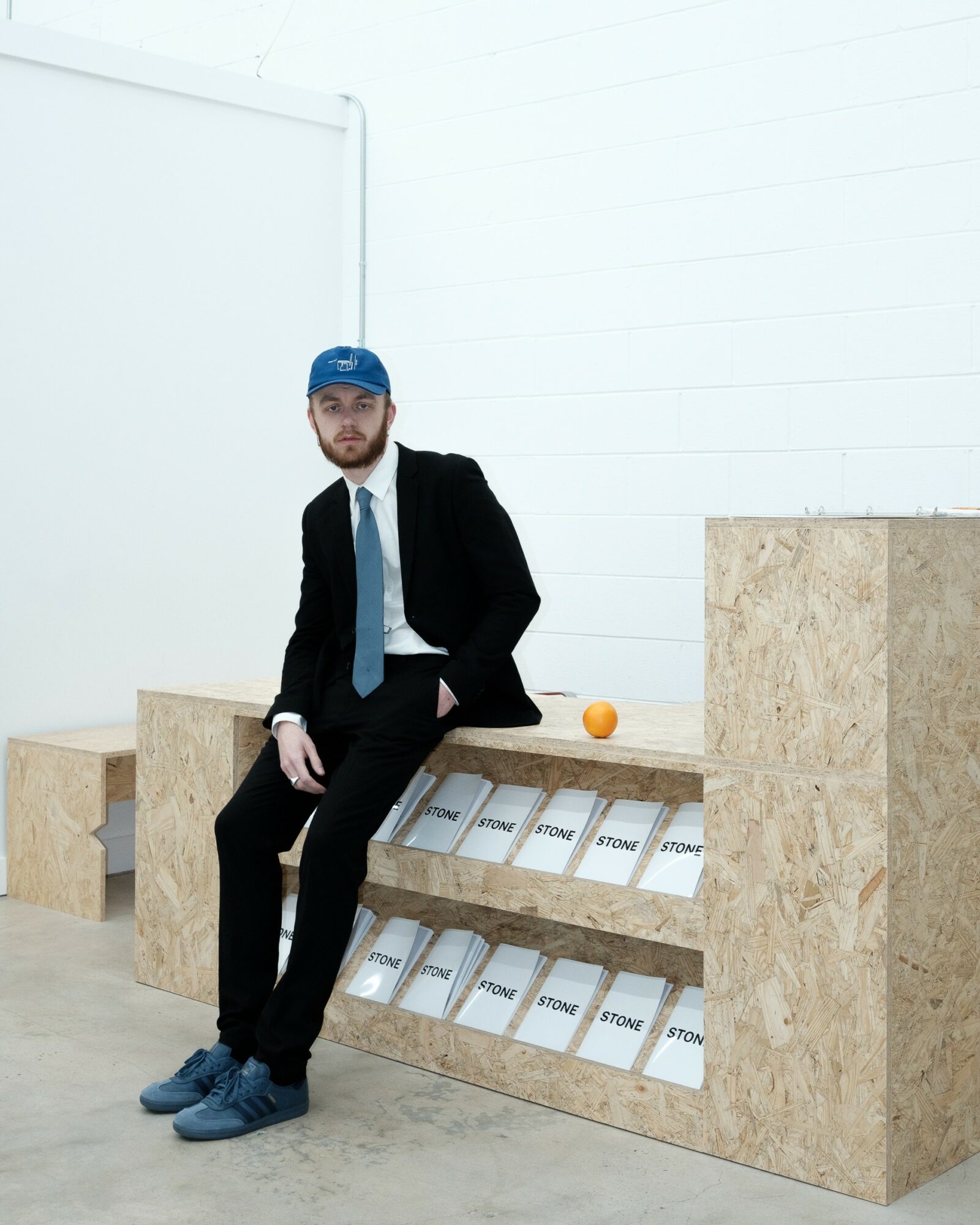
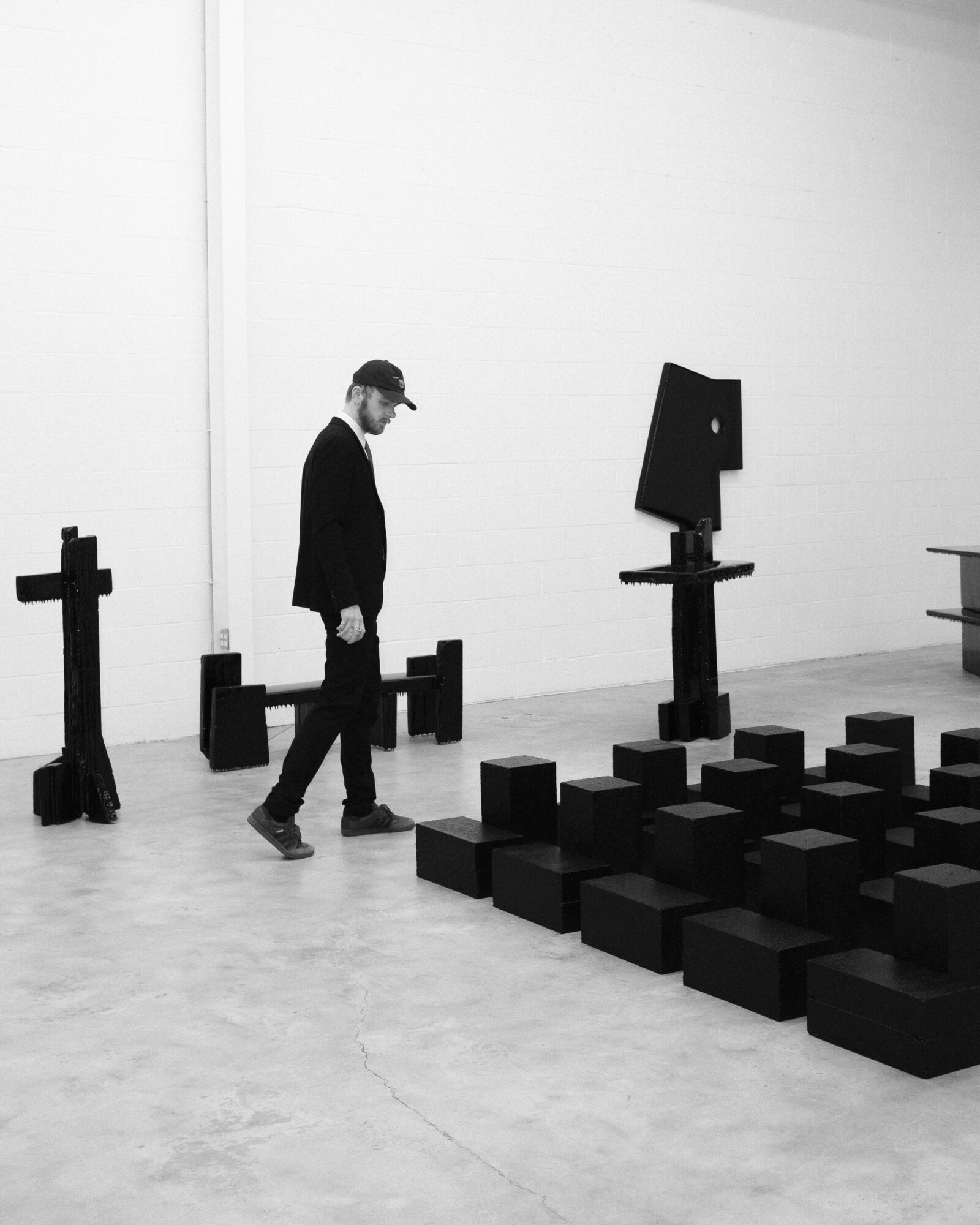
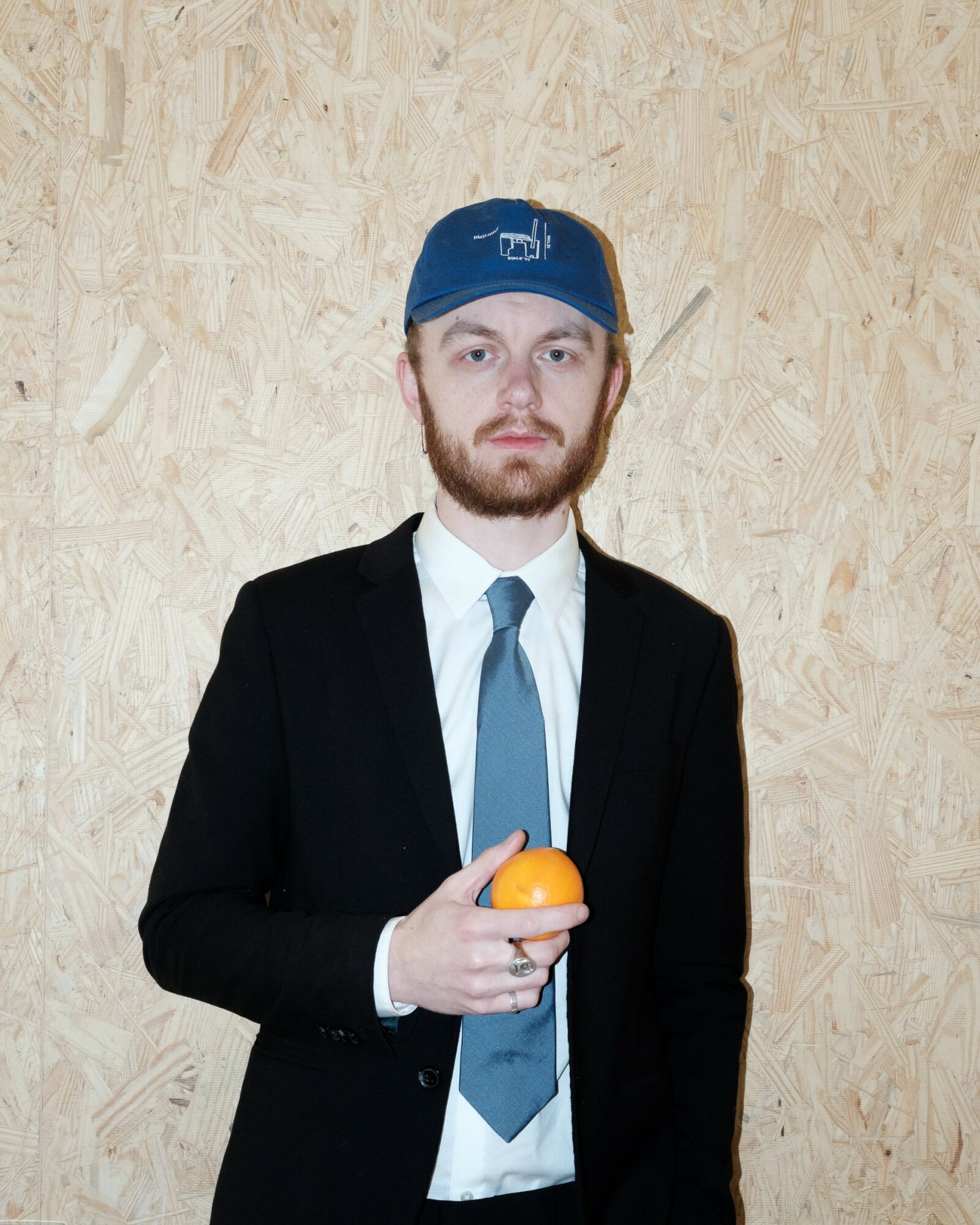
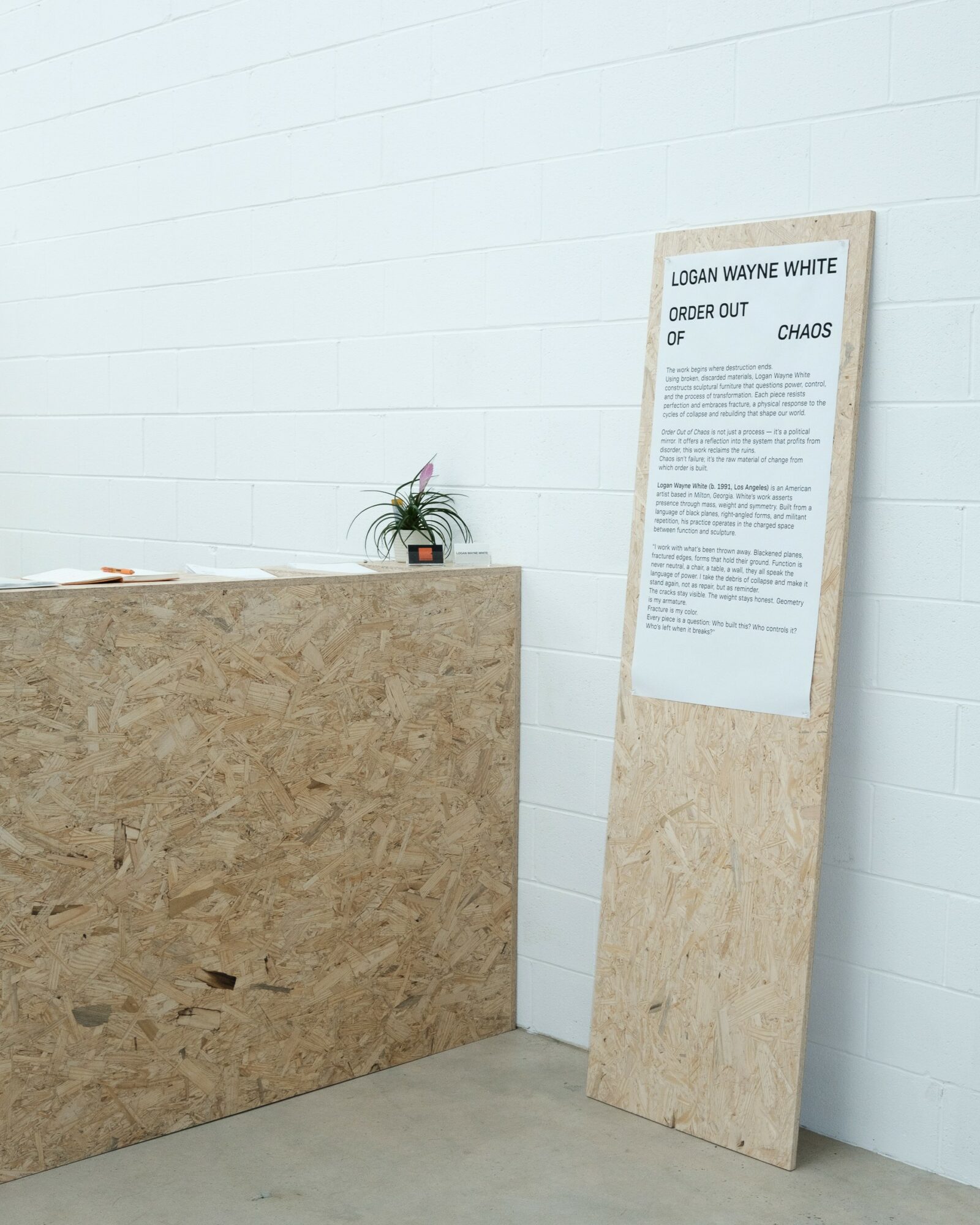
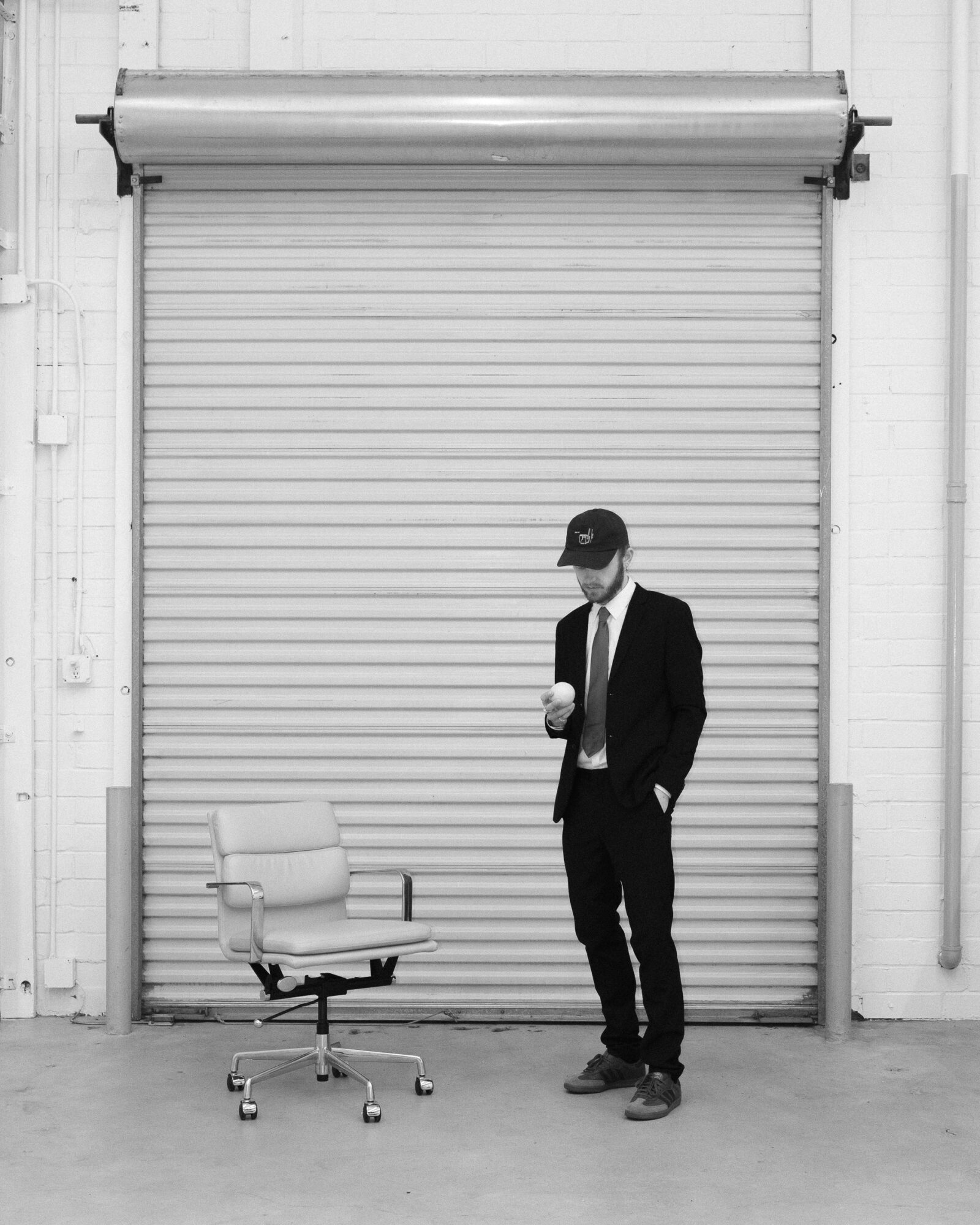
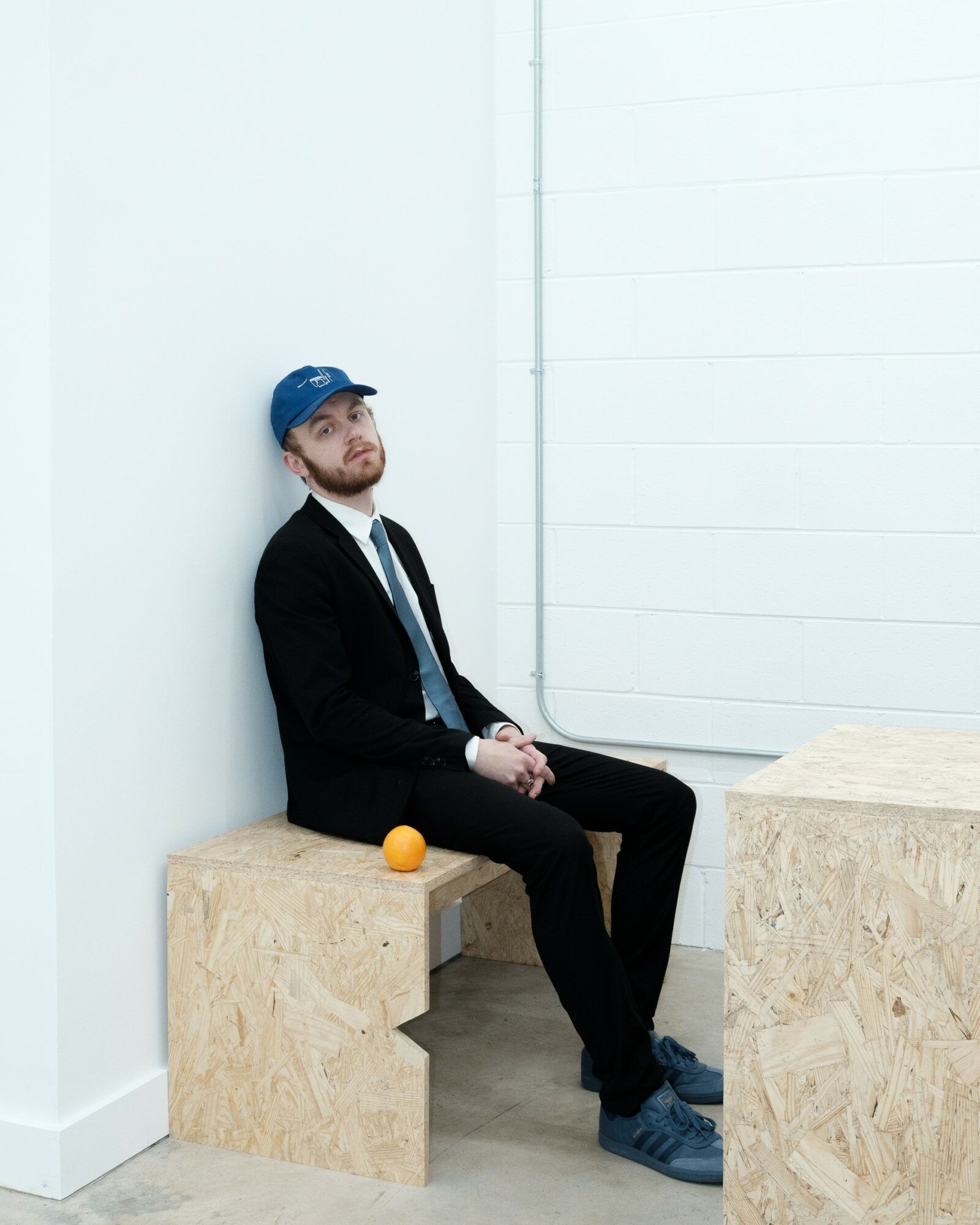
Image Credits
Photography: mkspc___
Artwork In Images: Logan Wayne White
Popular
-

Hidden Gems: Local Businesses & Creatives You Should Know
-

ATL’s Most Inspiring Stories
-

Portraits of Atlanta
-

Dr. Hildiah Martin-Suggs Is Building Second Chances for Youth Who Were Almost Lost in the System
-

From Showing Up to Seeing His Face on a Billboard: Anthony Green Is Just Getting Started
-

Wayne Smith Jr on Survival, Psychological Thrillers, and the Cost of Staying Alive