





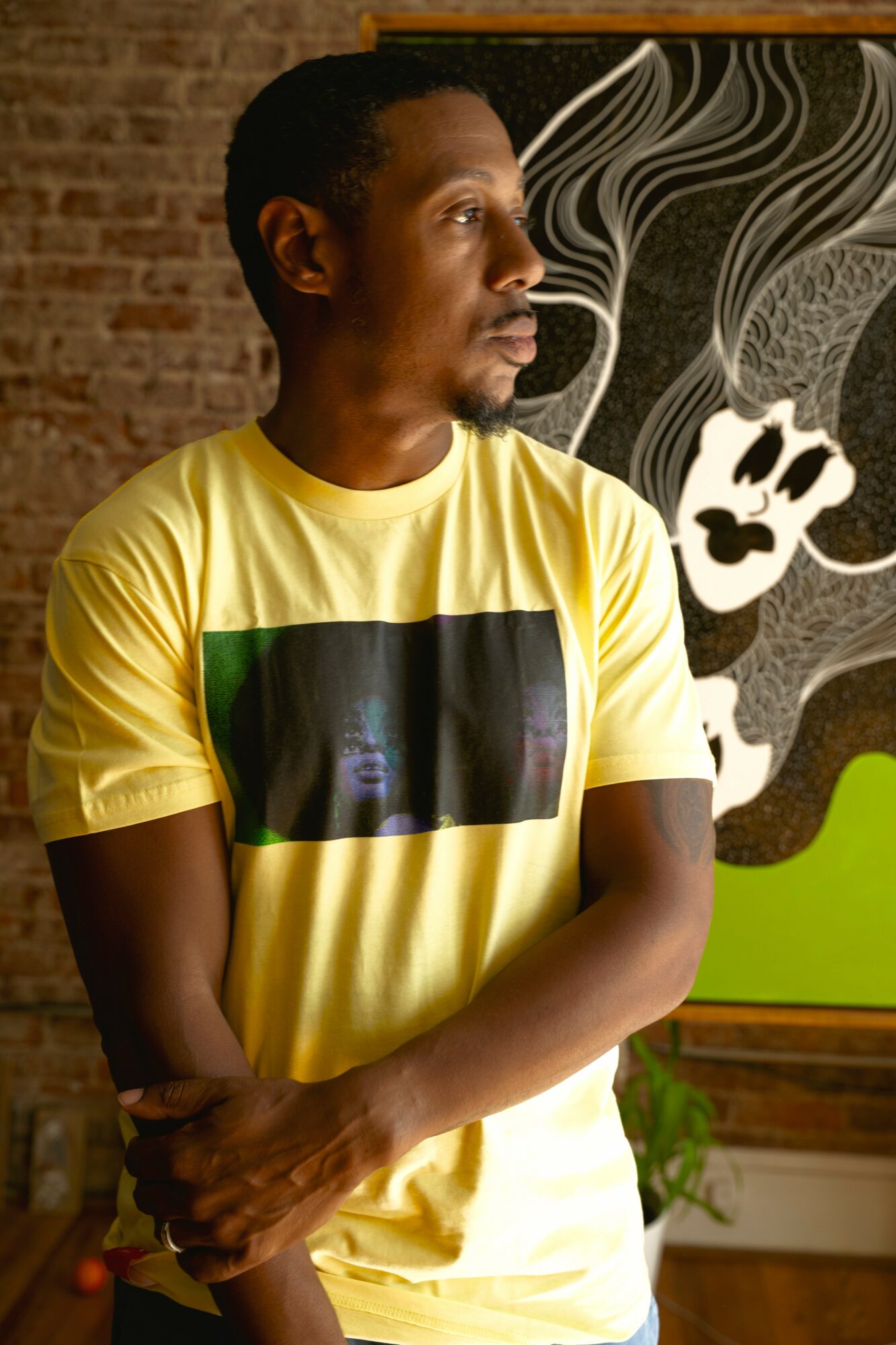
Today we’d like to introduce you to Atuarra Mccaslin.
Atuarra, we appreciate you taking the time to share your story with us today. Where does your story begin?
I come from a family of business owners, engineers, activist, hustlers, entrepreneurs, performerance and visual artists. We have a history of challenging the societal norms that spands generations. My parents exposed me to the world at a young age. Me, my sister and brother grew up with parents that challenge us mentally, physically, and spiritually. My life was filled with both being a young artist and academics as well as some sport sprinkled in. In my adolescent years I worked with my parents at the Sparkle Learning Center which was an after school and summer program for kids ranging from 6 to 16 years of age. The center focused on the performing arts and computer literacy/engineering. This fueled both my creativity and love for the arts and community. This mind set would carry me into my young adult years where in between classes at Tuskegee University to use my creative skills in the arts and community building to organize parties and volunteering to help feed my talents. Through out this time I was a closet artist and in the public as a community engagement advocate and activist. Following that path I helped strategize grass roots organizing campaigns, social and political movements through the US. Fast forward I pivoted to doing work in academia in research and public health. Using my skills in community organizing to spread awareness about the importance of research. In 2018, I r focused my path, becoming more intentional with my art process and refining my skills through self-education and disciplined practice. My current work blends neo-pop and expressionist styles, rooted in political awareness and African heritage. My Field Faces collection is a collection of characters — each representing distinct emotions, memories, and raw creative energy. Inspired by the unique Black experience in America, these faces draw from personal stories and the lives realities of my community, family, and friends. The “Field” symbolizes the real world and it’s often-unspokem challenges-thosr that many never hear about or experience. Through bold design and African-inspired imagery, each character becomes a visual embodiment of resilience, truth, and transformation.
Can you talk to us a bit about the challenges and lessons you’ve learned along the way. Looking back would you say it’s been easy or smooth in retrospect?
I smiled thinking about this question. It definitely has its challenges but more internal. I have grown to look at challenges as opportunities to grow. one of the things that sticks out is recognizing my power as a leader and my uniqueness. Always found my self not ever part of certain social group. Always being picked to pick the team but never want shoulder the responsibility of being a leader. At times it gave me anxiety always being in the front and internal struggle that not many people who know knew I was struggling with.
Can you tell our readers more about what you do and what you think sets you apart from others?
In high school, Atuarra contributed to the Birmingham Heritage Festival, designing promotional materials that celebrated African American art and culture. He also enrolled in Lawson State Community College’s animation course, where his signature style began to take form.
During college, Atuarra experimented with graphic arts by creating promotional flyers for parties, further developing his design sensibilities and visual storytelling. After college, he worked nationally as a grassroots organizer, engaging deeply with politics and community concerns. These experiences inspired his Flag series—a body of work that captures the emotional and cultural weight of civic engagement and social transformation.
In 2018, Atuarra refocused his path, becoming more intentional with his process and refining his skills through self-education and disciplined practice. His current work blends neo-pop and expressionist styles, rooted in political awareness and African heritage.
Atuarra’s Field Faces are a collection of characters—each representing distinct emotions, memories, and raw creative energy. Inspired by the unique Black experience in America, these faces draw from personal stories and the lived realities of his community, family, and friends. The “Field” symbolizes the real world and its often-unspoken challenges—those that many never hear about or experience. Through bold design and African-inspired imagery, each character becomes a visual embodiment of resilience, truth, and transformation.
Where do you see things going in the next 5-10 years?
I think the main thing on everyone’s mind is AI. But I’ll like to offer a different perspective. I believe people who create, engineer, build something from idea will be more valuable. That human beings will see more value in that “human touch”. There is beauty in the mistakes. Mistakes lead to discovery and it’s one of the many things that makes us human. I think that’s where we are headed where things made or created by AI or robots will not hold any real value compared to something created by the human imagination.
Contact Info:
- Website: https://Atuarra.com
- Instagram: https://Instagram.com/Atuarra
- Facebook: https://Facebook.com/Atuarra
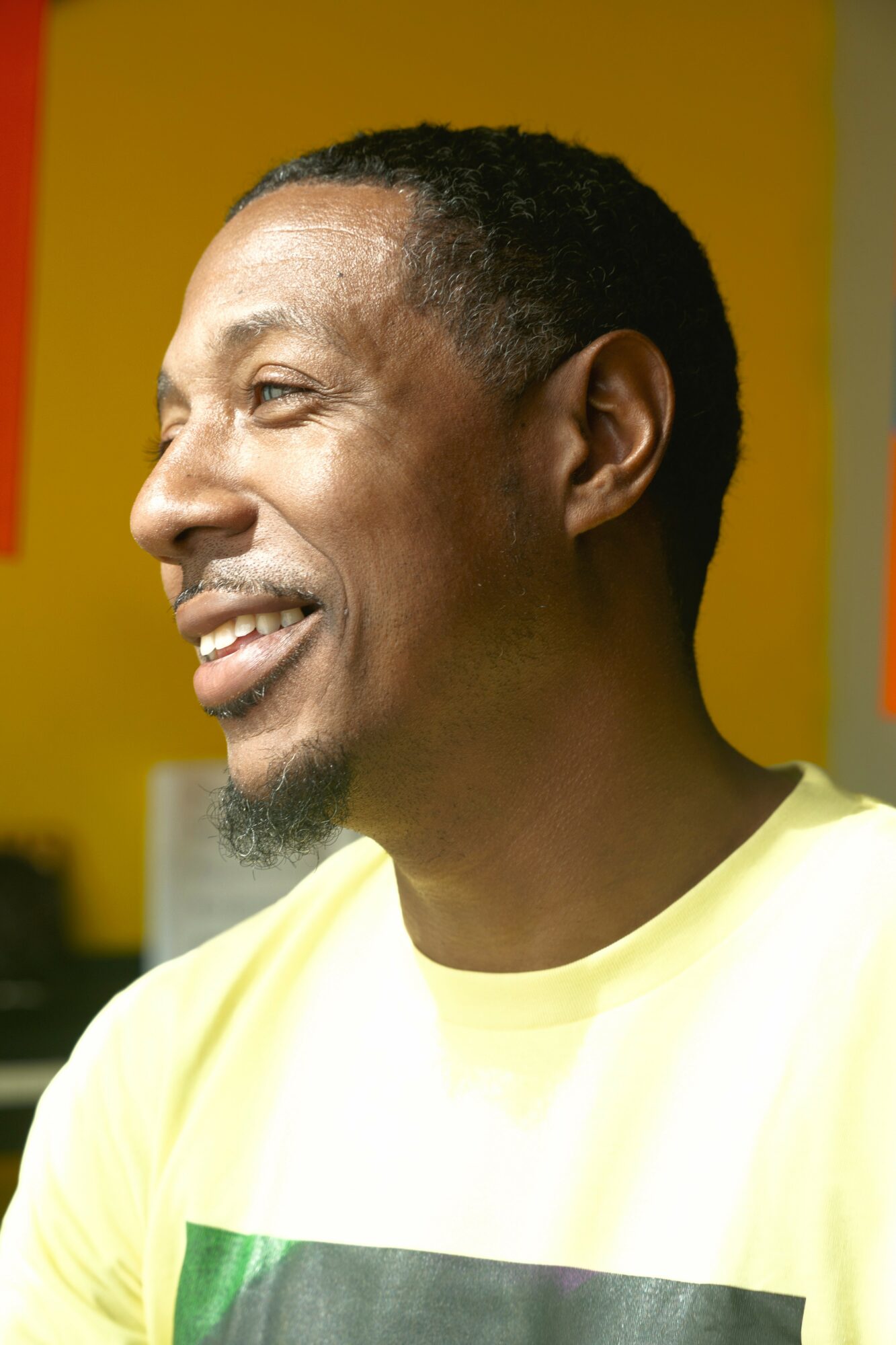
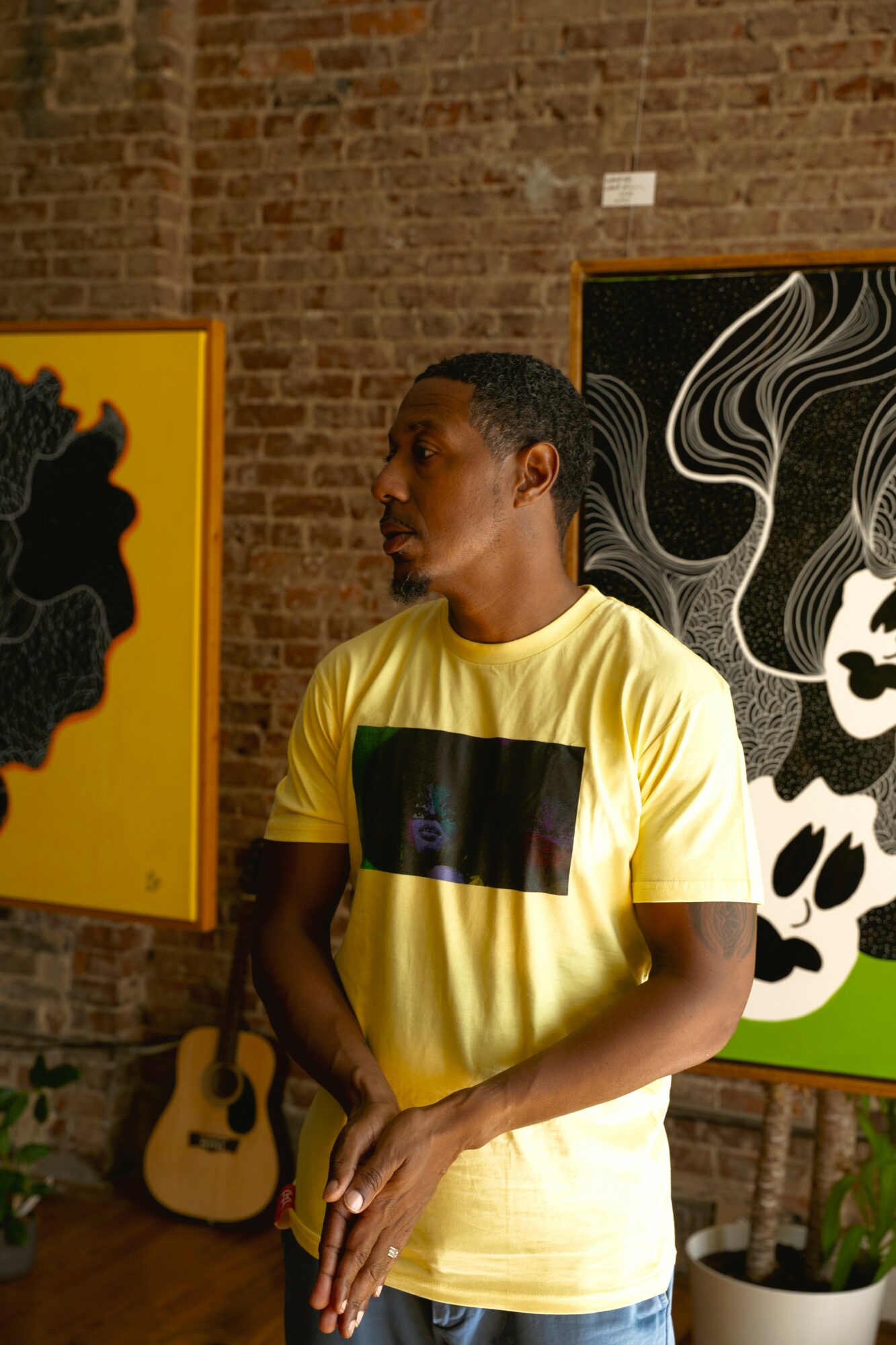
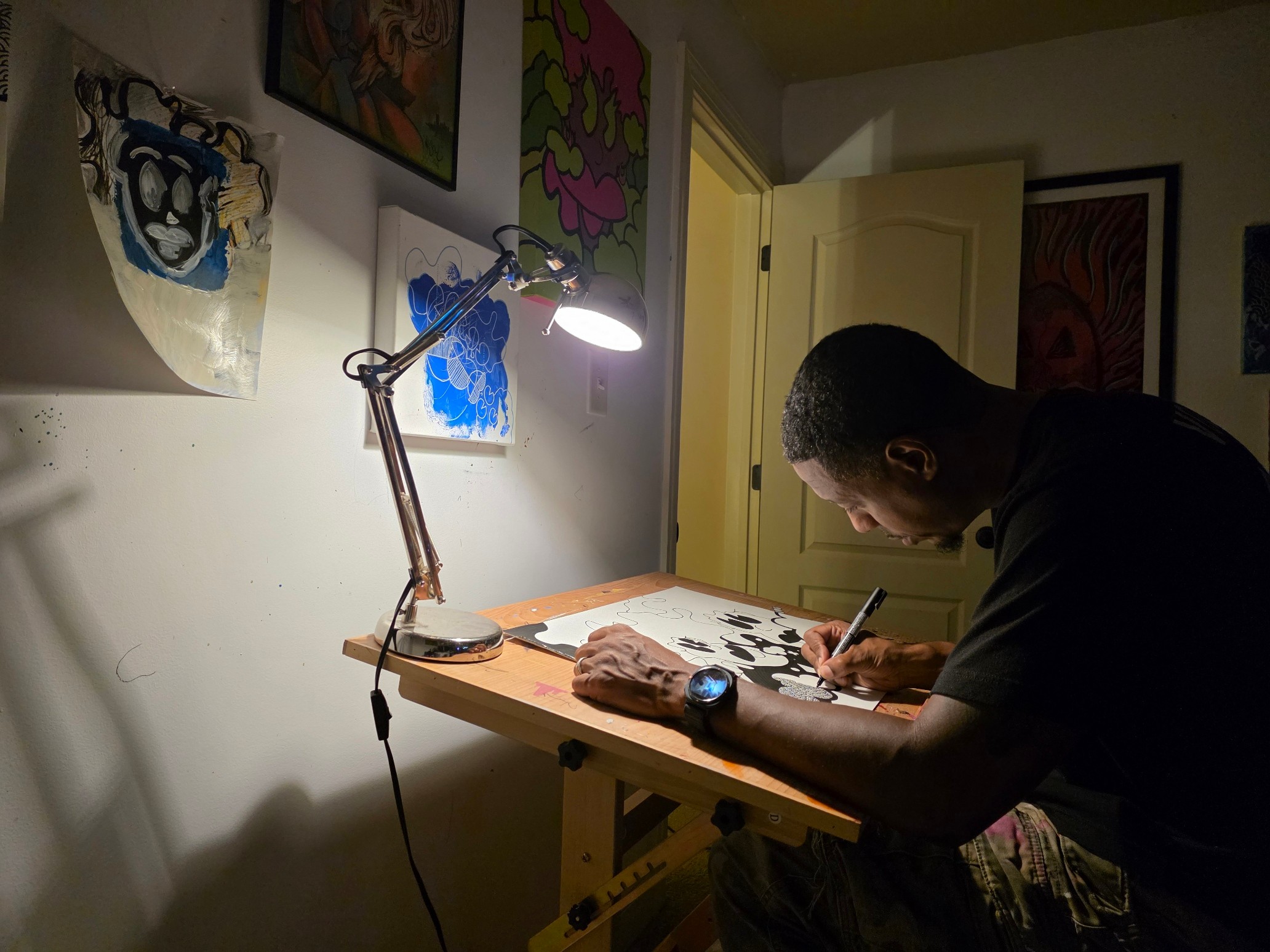
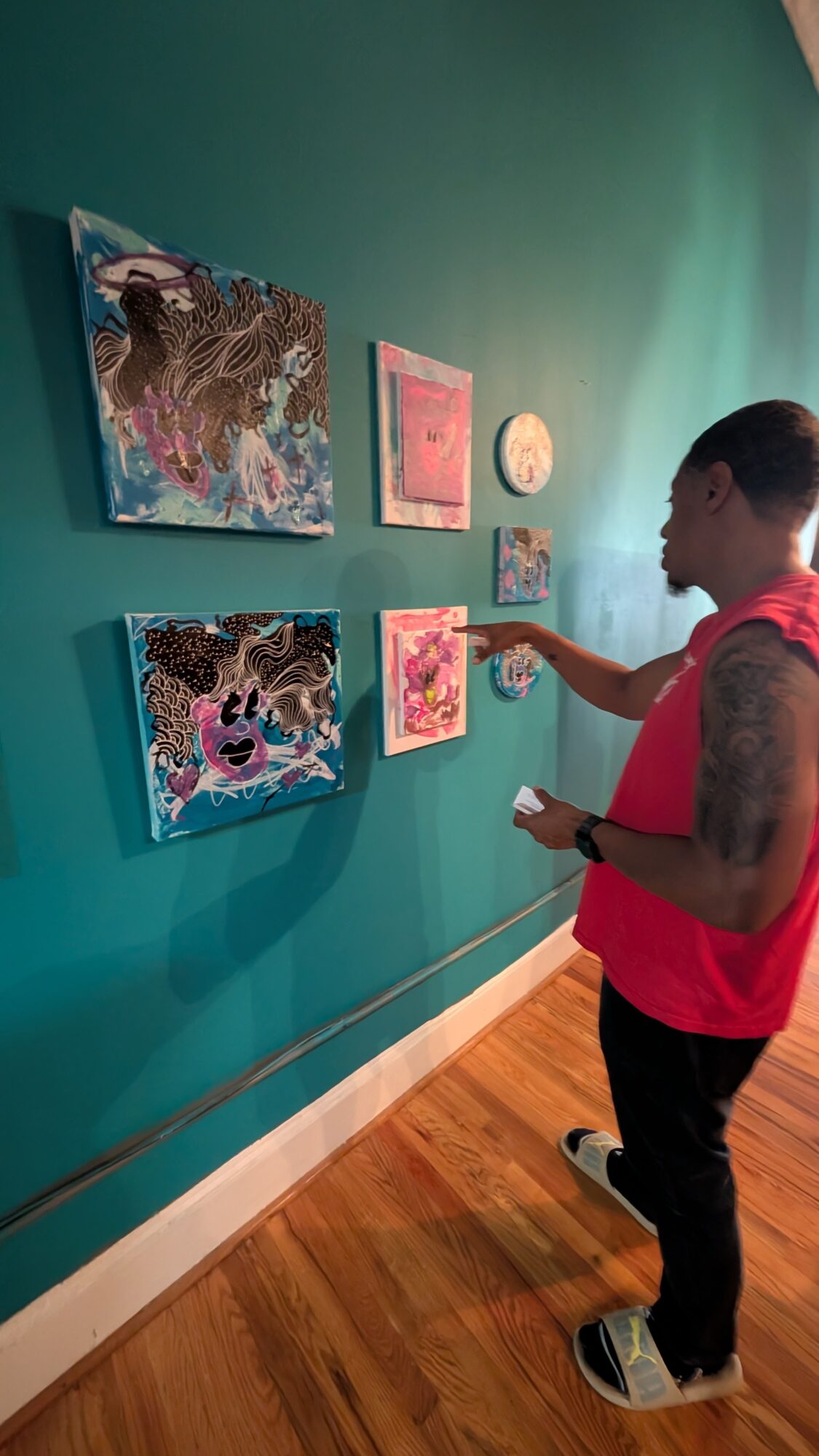
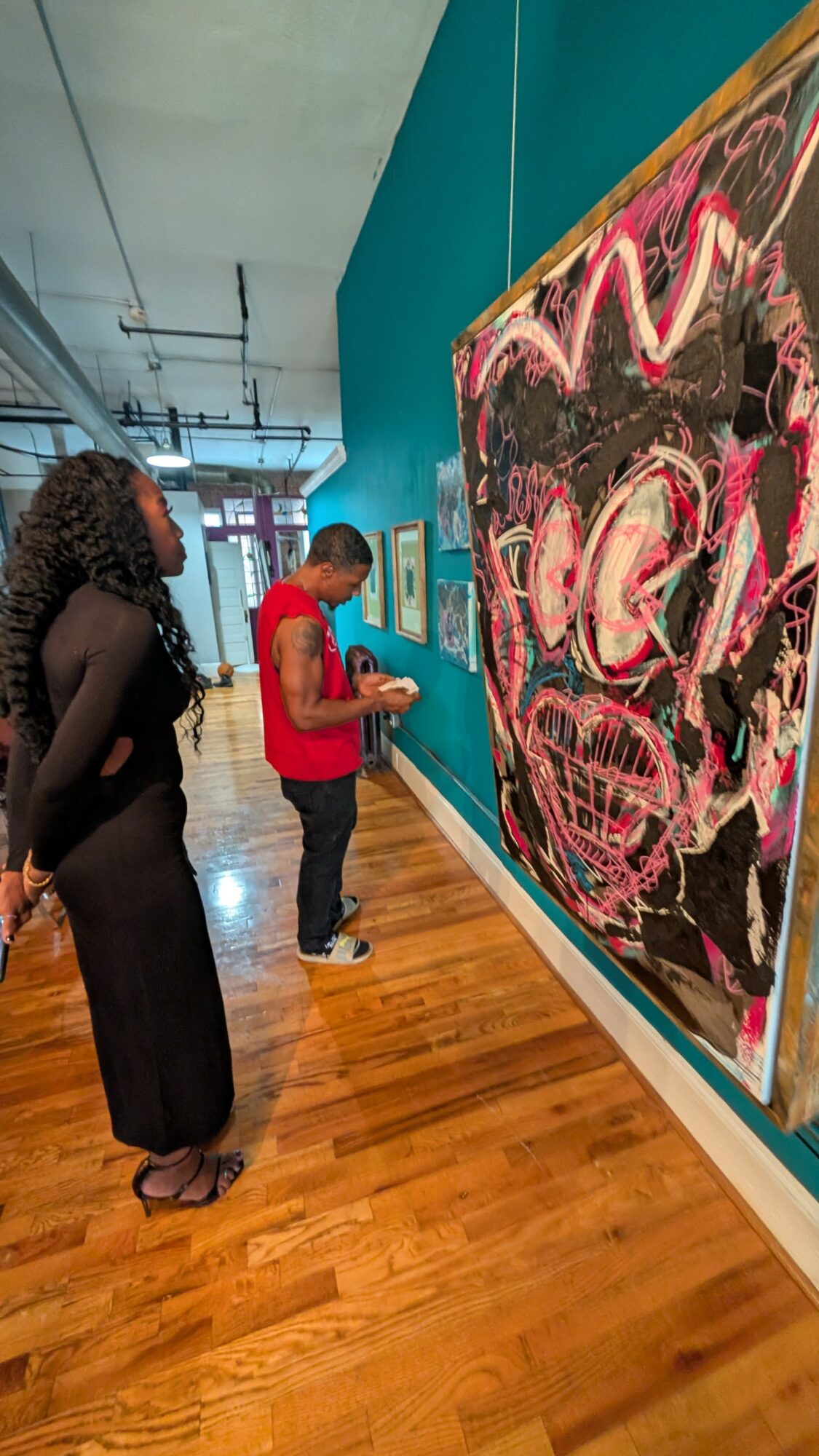
Image Credits
Artemus Jenkins artemusjenkins.com