




Today we’d like to introduce you to Beth True Crime BnB.
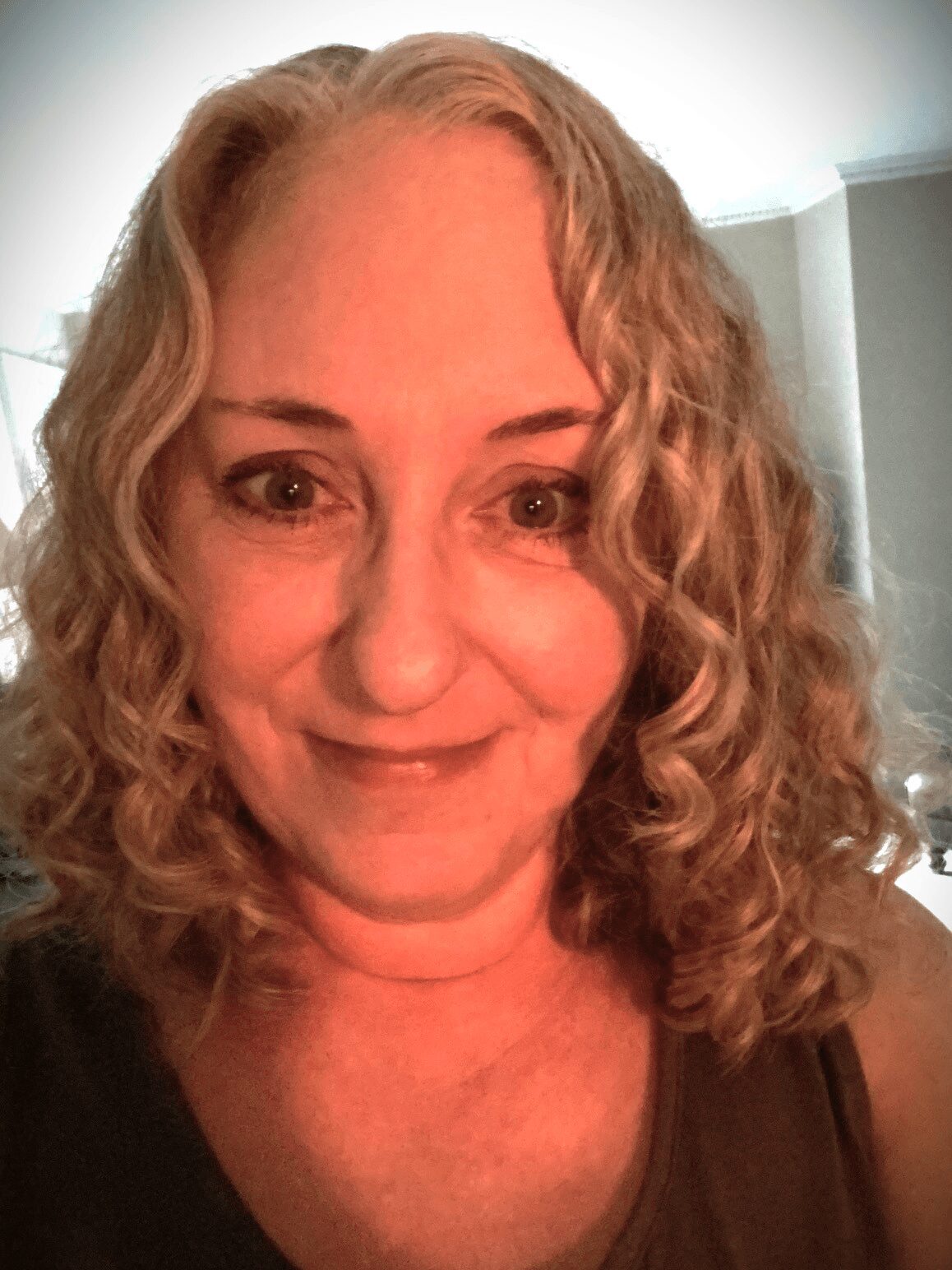
Hi Beth, please kick things off for us with an introduction to yourself and your story.
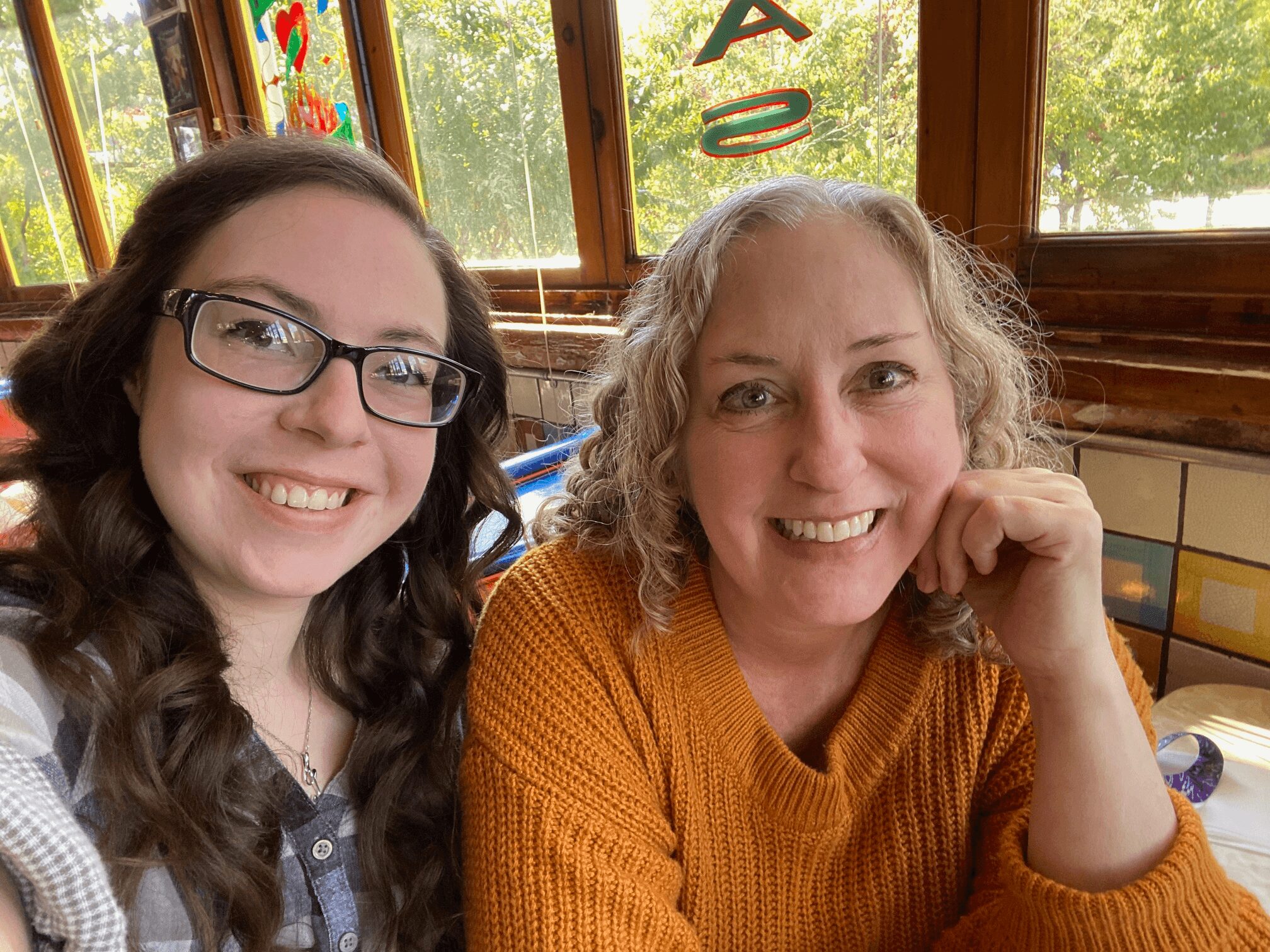
In 2022, my daughter Bailey moved to Georgia to live with me, and we began talking about the podcasts we both listened to. We both felt like True Crime gets a bit overwhelming with the constant painful stories of things that happened to real people, but we were still drawn to the genre. We first began to talk about starting a podcast that had a normal true crime case every week, but that it would also have a survivor story, or positive ending, in every episode, too, rather than saving the ‘palate cleanser’ for special episodes.
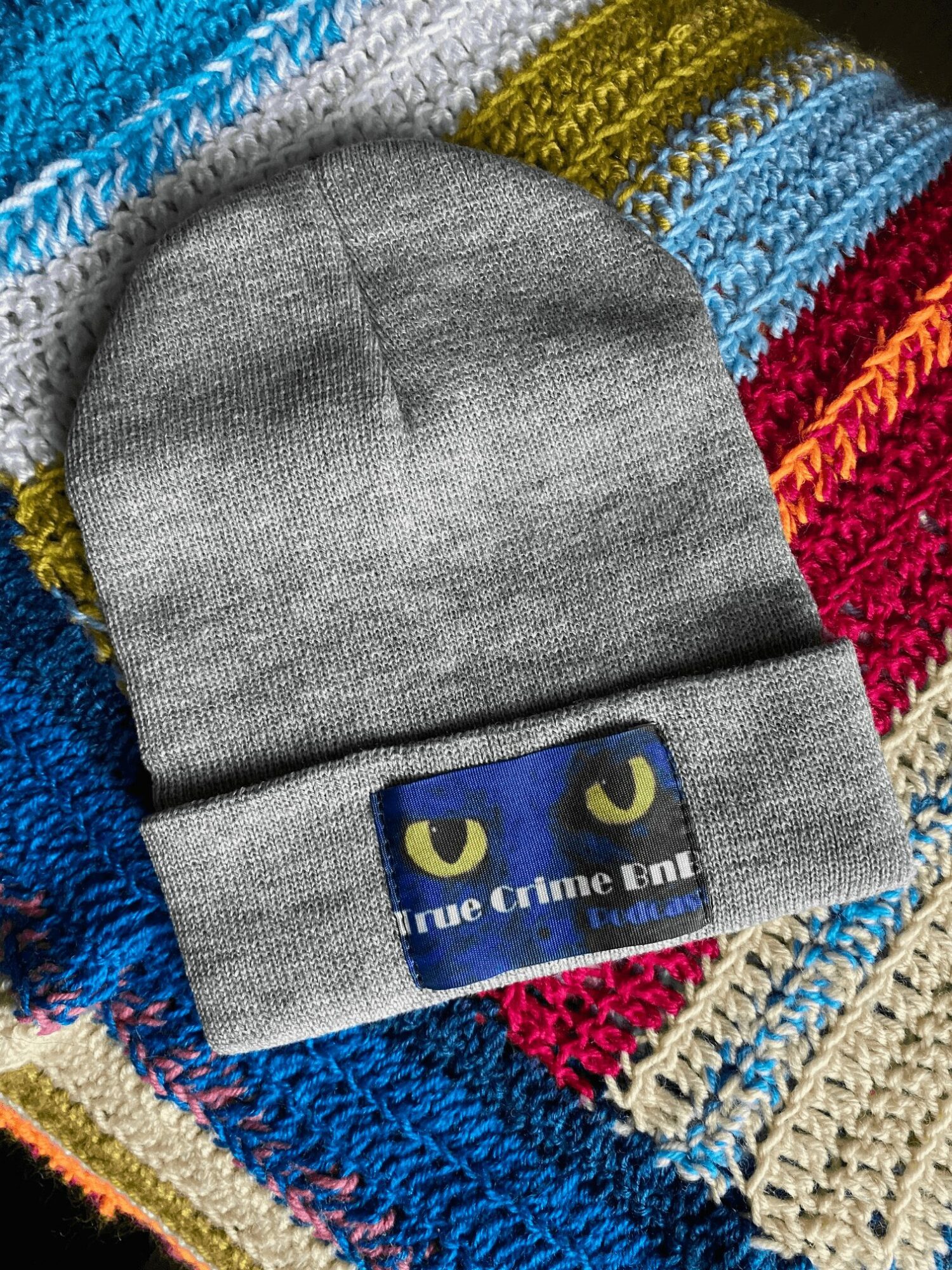
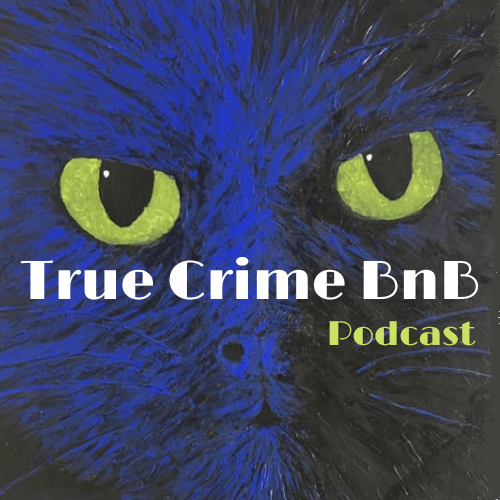
The more we talked about it, the more it seemed like something we could actually do. So I purchased some microphones and a laptop for the pod, created a logo from a portrait I had painted of our cat, and brainstormed a name, and True Crime BnB was born.
The name was a play on our names, Beth and Bailey, but also implied a place where people could go to sit and listen to the cases and stories we were presenting.
Would you say it’s been a smooth road, and if not what are some of the biggest challenges you’ve faced along the way?
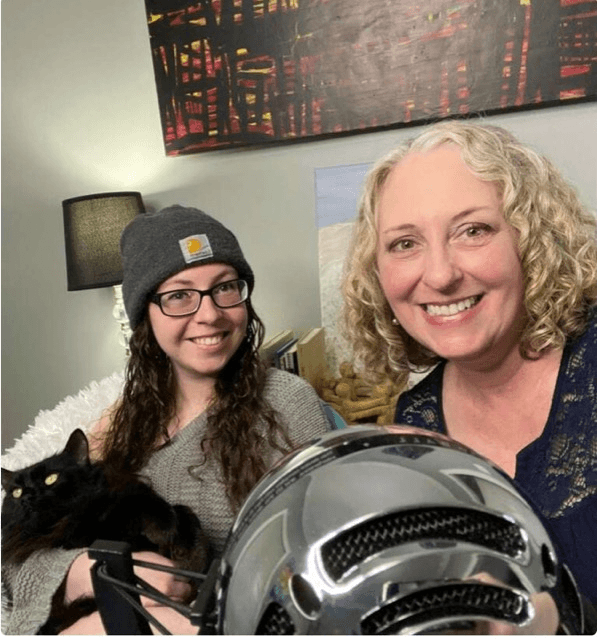
The first episodes, like for almost all new podcasts, were pretty bad. We were learning about ourselves as narrators and storytellers, but also technically we didn’t know very much. Our sound quality was not good. Our editing was not good. Our first few episodes were recorded in the living room with a microphone mounted in a bucket between us on the couch.
But we finally started to arrange a recording area that was acoustically improved. That has continued to evolve, and my current episodes sound like a completely different podcast than they did until even a year ago.
Another challenge was that Bailey decided after the first year, because her job was demanding too much of her time and energy, that she wanted to step back from the podcast. That was really tough, because on one hand, I didn’t want to let it die, but on the other hand, she had been such a large part of the whole thing. I ended up taking a month off to decide what to do.
When I returned, i started doing collaborations as a means of transitioning to a solo podcast. I have had some really great collaborations, even if the first four or five of those were also very technically challenging, as well as the editing and sound quality. Now I mostly have solo episodes, but will continue to do the collaborations as I can manage them. I now have a remote recording platform that produces acoustically much better quality tracks for editing, and it has made a world of difference.
But I have reached a point now, where I feel the podcast has found its way, I’ve become comfortable as a solo host, my editing and production have improved a LOT. I still miss Bailey, but I am happy with where I have come to and where I feel the podcast is going.
Appreciate you sharing that. What else should we know about what you do?
Our format was an unusual one, in that we started the podcast on the premise that every episode would be one normal, ‘downer’ true crime story, but that we would always have an ‘upper’ or survivor story to end with. That format is maintained when I do collaborations, because the guest host will bring a case to share. That’s also an unusual thing in podcasting. Typically if you guest on someone else’s podcast, you just sit there and respond or react to the case being shared by the main host.
But the podcasters who have come on my show bring a case of their own to share, either in the ‘bad guy’ or the ‘good guy’ role, totally up to their choosing. Since they’re actually creating original content that people are hearing on my podcast, my listeners tend to go follow the ones they really enjoy. So it’s win-win for me and for the guest hosts!
The other thing I try to do is to not cover the huge cases that have already been covered over and over. I don’t see the point of sharing a story that everyone already knows. My cases are ones that I can’t find covered on other podcasts. The way I see it is that the cases that didn’t receive very much media coverage or that have been forgotten, are important and those people should be remembered, too.
I have reached a point now, where everything has fallen into place finally, and I am beginning to return to the original downer-upper format again, even in solo episodes. It might mean that I have a hard time maintaining the every-other-week schedule, but I really want to keep that special aspect of the show.
What matters most to you? Why?
It is a matter of conscience to me that I treat victims and survivors with respect and dignity, with truth and discretion. I want them to be remembered, in a way that they would not be embarrassed or hurt by. If their family member happened across an episode of mine, I would want their family members to feel I did justice by them. That I was gentle with the material. That I was respectful and kind.
Through all of the evolutionary steps, True Crime BnB has never used people’s painful experiences to crack jokes or to make snarky comments. These are real human beings who experienced horrific things. We, and now I, try to cover these men and women’s stories the way I would hope someone would cover the story of someone I love.
Contact Info:
- Website: https://linktr.ee/TrueCrimeBnB
- Instagram: https://www.instagram.com/truecrimebnb/
- Facebook: https://www.facebook.com/truecrimebnb/
- Twitter: https://twitter.com/truecrimebnb