






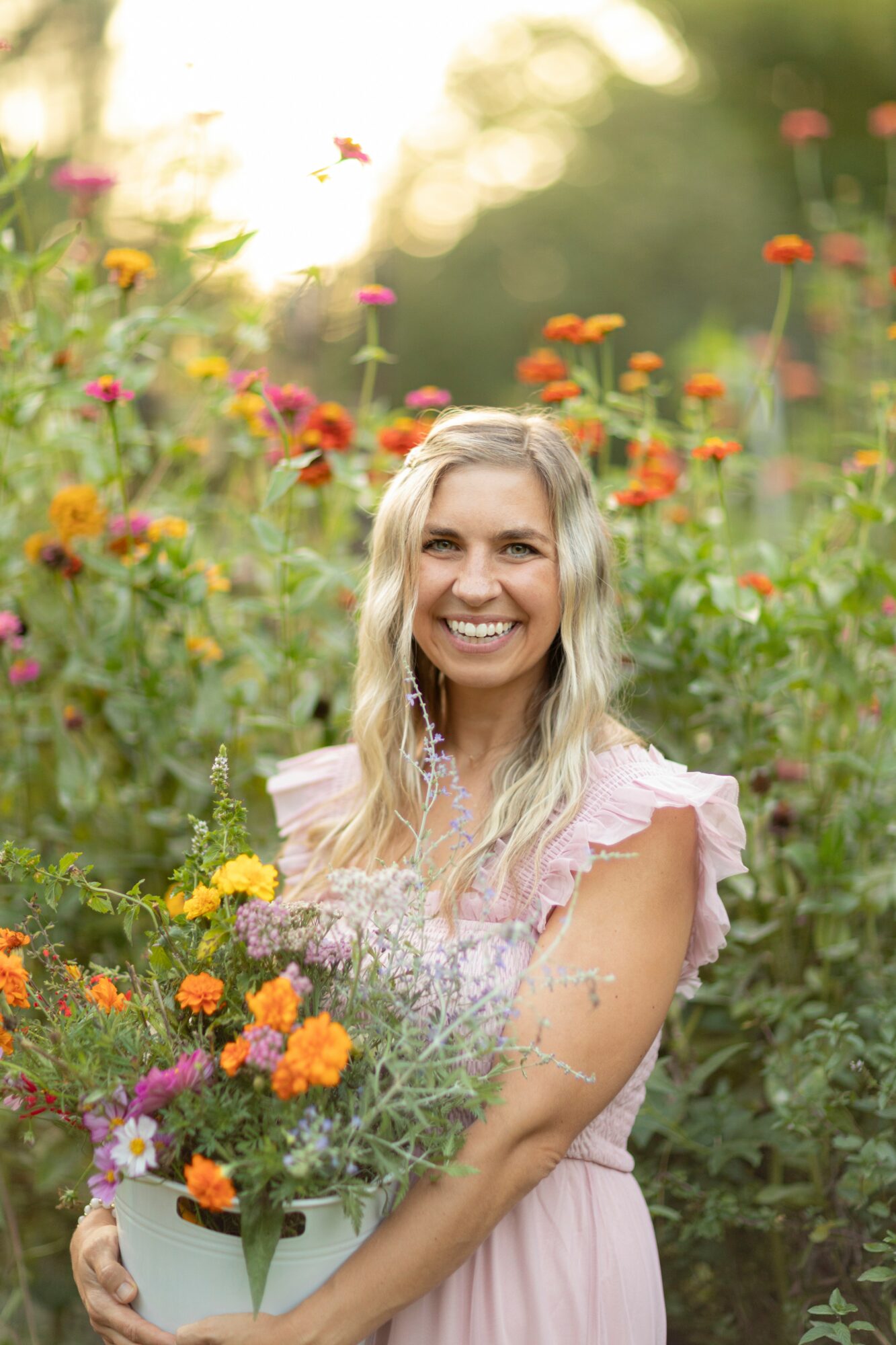
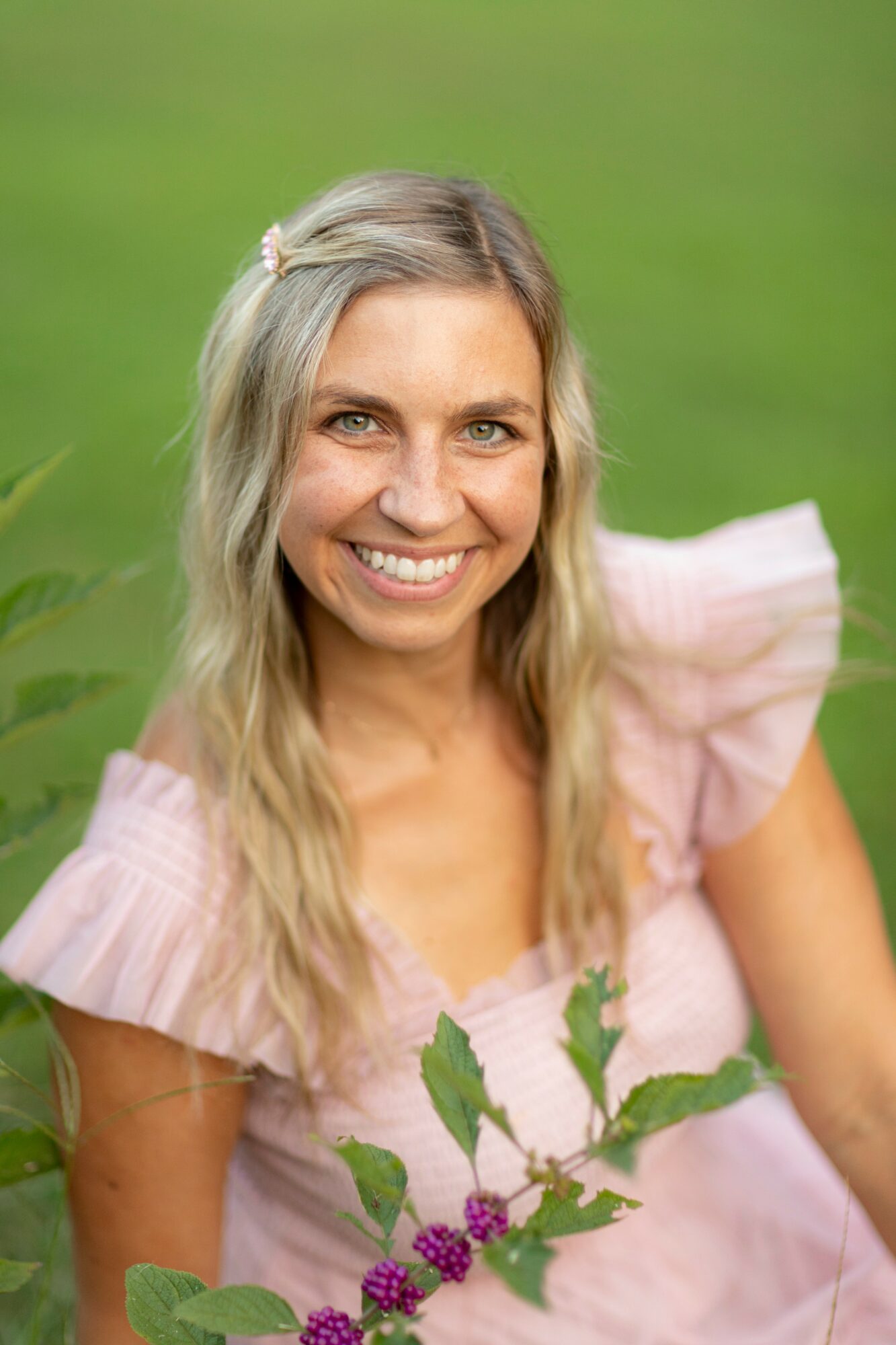
Today we’d like to introduce you to Chelsea Korzenko.
Hi Chelsea, so excited to have you with us today. What can you tell us about your story?
At age 28, my life fell apart.
I became a single mom overnight and found myself navigating heartbreak, debt, work burnout, healing from abuse trauma, and barely holding my business together. One morning, after daycare drop-off, I crawled back into bed—numb, lost, and crushed under the weight of it all. I reached for my phone to check work emails… and there it was.
A photo of dahlias from Floret Flowers.
Colorful. Peaceful. Hopeful.
Something in me stirred. I whispered, “I want this… I need this.”
So I signed up for a flower course—no gardening skills, no money, just a mustard seed of faith. 🌱
I started growing cut flowers, and while I worked in the garden, God started growing me. It wasn’t about profit. It was about peace. It was about healing and hope.
That’s when I discovered horticultural therapy. I went back to school for human and plant sciences, became certified in horticultural therapy, and transformed my small flower farm into a healing space where people can connect with plants for peace—just as I did.
Today, I offer therapeutic horticulture experiences that provide a safe place for people to find peace, heal, and rise again.
Would you say it’s been a smooth road, and if not what are some of the biggest challenges you’ve faced along the way?
There have absolutely been struggles along the way—it’s truly the only way to grow.
Eight years ago, I was a content marketer with zero green thumb. This was never part of my plan, and it’s absolutely God’s will—I wouldn’t have it any other way.
Trying to build a business outside of the conventional healthcare system while navigating single motherhood has been the hardest thing I’ve ever done. If I hadn’t experienced the powerful benefits of therapeutic horticulture in my own life, I wouldn’t have been able to keep the light on in this mission. Each time I bring this experience to someone in need and watch their light grow, it reminds me that light continues to overcome even the darkest struggles.
At the same time, I’ve been incredibly supported by my family and friends. Their encouragement, kindness, practical help, and belief in me—and in God’s vision for Daffodilly Farms—have carried me through the deepest valleys of this journey. I could never carry this alone. Resilience is regenerated through community, and learning that has been a beautiful part of the growing process.
Appreciate you sharing that. What else should we know about what you do?
My work is rooted in therapeutic horticulture—a creative intervention that connects people with plants, gardening, and nature-based experiences to support emotional regulation, mental health, and social connection.
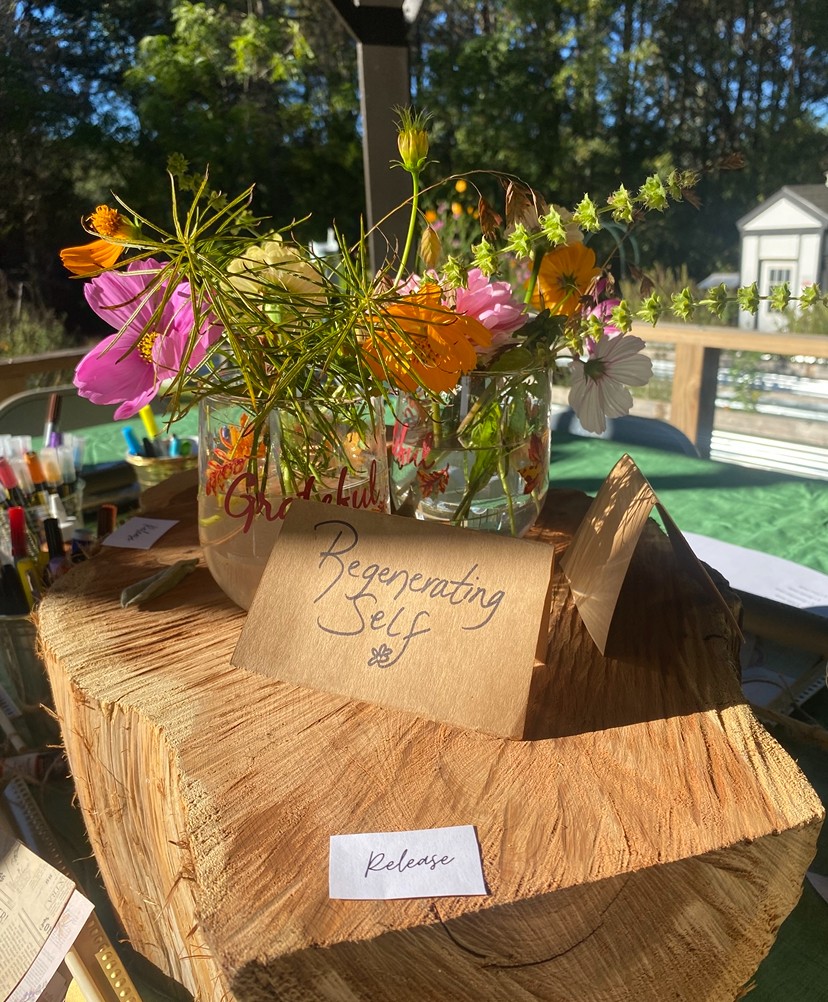
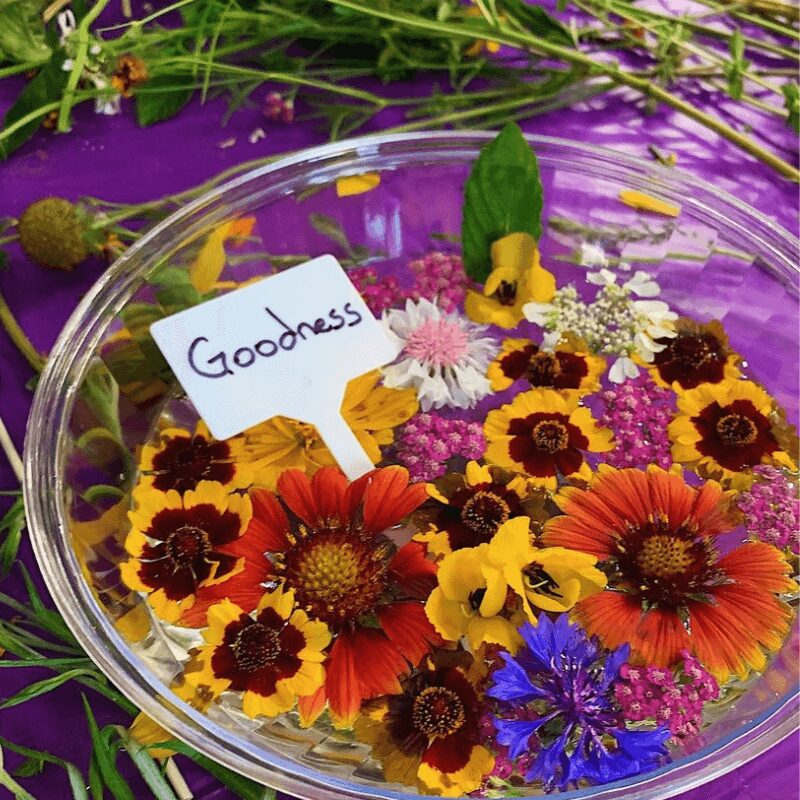
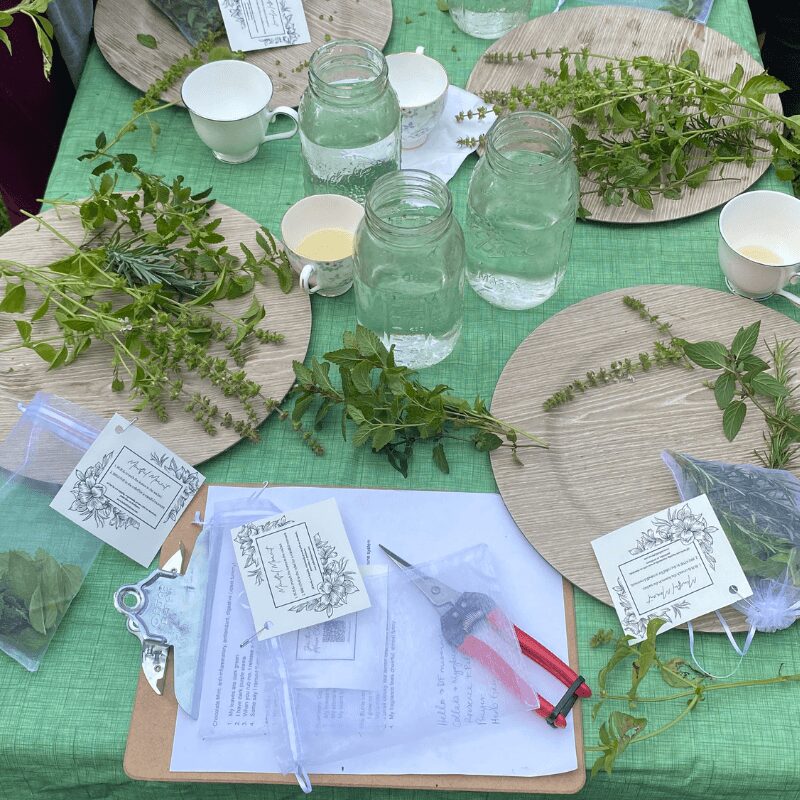
At Daffodilly Farms, we offer one-hour therapeutic horticulture workshops and programs to local organizations—or seasonally on our farm—designed to help people slow down, experience peace, and reconnect, even during their workday. Grounded in evidence-based research and lived experience, I use my signature G.R.O.W. framework as the foundation for each session.
What sets my work apart is that it was born from lived experience. I didn’t create this from theory—I built it because I needed it, and then sought out the evidence-based principles to grow it. Through my own healing journey, professional training in horticultural therapy, and a deep passion for working with nature regeneratively, Daffodilly Farms exists as a peaceful space for people to relax, reconnect, and rise again.
A traditional gardening class is plant-focused—it teaches what to grow, how to grow it, and how to maintain plants successfully.
My therapeutic horticulture workshops are people-focused. Plants are the pathway, not the goal. Rather than teaching gardening skills for productivity, each experience is intentionally designed to support emotional regulation, reflection, connection, and well-being through interaction with plants.
Participants don’t need prior gardening knowledge. Instead, they’re guided to slow down, engage their senses, and use the gardening process as a tool for peace, grounding, and personal growth. The measure of success isn’t how well the plants grow—it’s how the person feels during and after the experience.
Where do you see things going in the next 5-10 years?
Over the next 5–10 years, I see therapeutic horticulture becoming more integrated into everyday life, not just healthcare settings. There’s a growing recognition that nature-based experiences support mental health, emotional regulation, and community well-being in ways that are both accessible and preventative.
At a local level, I envision therapeutic farms becoming community hubs—places that are easy to visit for fresh food, relaxation, and restorative workshops. I also see strong growth in vocational and workforce programs rooted in horticulture, offering peace, purpose, and financial stability to underserved populations.
As the industry evolves, the shift will be toward regenerative models that care for people and the land together, creating spaces where healing, nourishment, and meaningful work coexist.
Pricing:
- For organizations: Workshops starting at 750
- For organizations: Programs starting a 4,500
Contact Info:
- Website: https://www.daffodillyfarms.com
- Instagram: https://www.instagram.com/daffodillyfarms/
- Facebook: https://www.facebook.com/people/Daffodilly-Farms/100092693707589/
- LinkedIn: https://www.linkedin.com/in/chelsea-korzenko-b3720635/
- Other: https://vimeo.com/1072582042?fl=pl&fe=vl
Popular
-

Hidden Gems: Local Businesses & Creatives You Should Know
-

ATL’s Most Inspiring Stories
-

Portraits of Atlanta
-

Dr. Hildiah Martin-Suggs Is Building Second Chances for Youth Who Were Almost Lost in the System
-
From Showing Up to Seeing His Face on a Billboard: Anthony Green Is Just Getting Started
-

Wayne Smith Jr on Survival, Psychological Thrillers, and the Cost of Staying Alive