




Today we’d like to introduce you to Diana Bui.
Hi Diana, so excited to have you on the platform. So before we get into questions about your work-life, maybe you can bring our readers up to speed on your story and how you got to where you are today?
My story begins on Buford Highway. I am a child of Vietnamese and Chinese immigrant and refugee parents who met in Atlanta after the Vietnam War and raised our family in Doraville, Georgia. Growing up in one of the region’s most vibrant immigrant communities, cultural exchange was a way of life. My mom shared chả giò (Vietnamese egg rolls) with teachers and friends, and I grew up eating the best tamales, Mexican rice, and Bengali dishes at my friends’ homes. While many families had limited resources and relied on their children to navigate language and systems, our community was rich in compassion, culture, and mutual care. My love for service was born from that collective spirit.
My earliest memory of service began in middle school through student council food drives and continued at Cross Keys High School through Interact Club, where I organized volunteer activities at shelters, clean-ups, and food drives. What drew me in was not just the work, but the people I met, their hardships, resilience, and the dignity that community and service could restore. I carried this commitment to the University of Georgia as Philanthropy Chair for my sorority, Delta Phi Lambda. Though I was still finding my path, I knew I wanted a career rooted in service. College deepened my understanding of equity issues, my parents’ refugee experiences, and the systemic barriers facing marginalized communities. It was also where I learned about Vincent Chin and registered to vote for the first time, sparking my early interest in AAPI civic engagement.
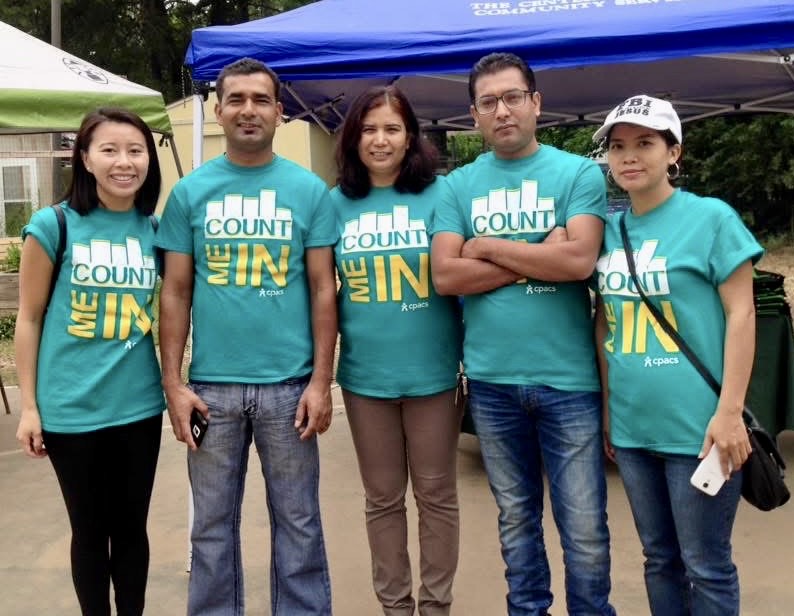
After graduation, I served as a VISTA member with Hands On Atlanta, then began my career at the Center for Pan Asian Community Services (CPACS). Over the next decade, I built and led employment, refugee, and social service programs supporting immigrant and refugee communities across metro Atlanta. Through this work, I gained firsthand insight into community needs, and the systemic gaps that policy often failed to address.
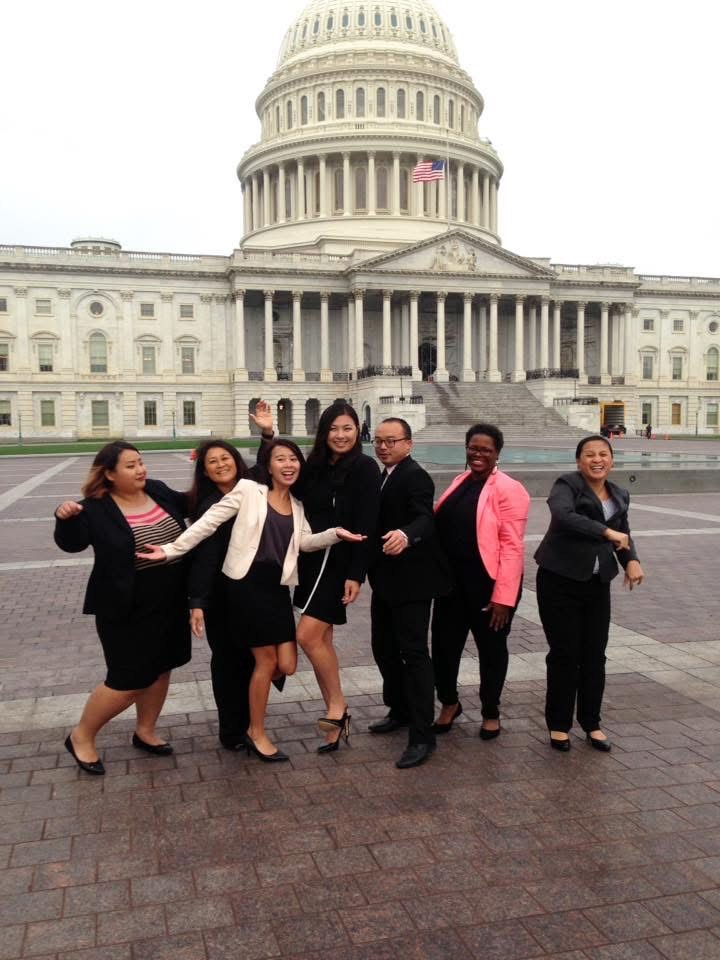
I never imagined my work would shift to policy or advocacy, but a pivotal moment changed that. I found myself repeatedly raising community issues with government officials and leaders, only to see little to no change. Recognizing my interest in advocacy work, my organization sent me to my first advocacy and leadership training in Washington, DC, hosted by the Southeast Asia Resource Action Center. It was a week-long training leading up to my very first hill visit. I returned both frustrated and motivated after meeting with a staffer from a Georgia congressman’s office. While others in my cohort felt heard by their representatives, my experience was markedly different. The staffer listened passively, took no notes, and showed little engagement.
When I asked our trainer why my experience differed so much from others, he pointed me to the data. At the time, Asian American voter turnout in Georgia was less than 4%. This realization changed everything.
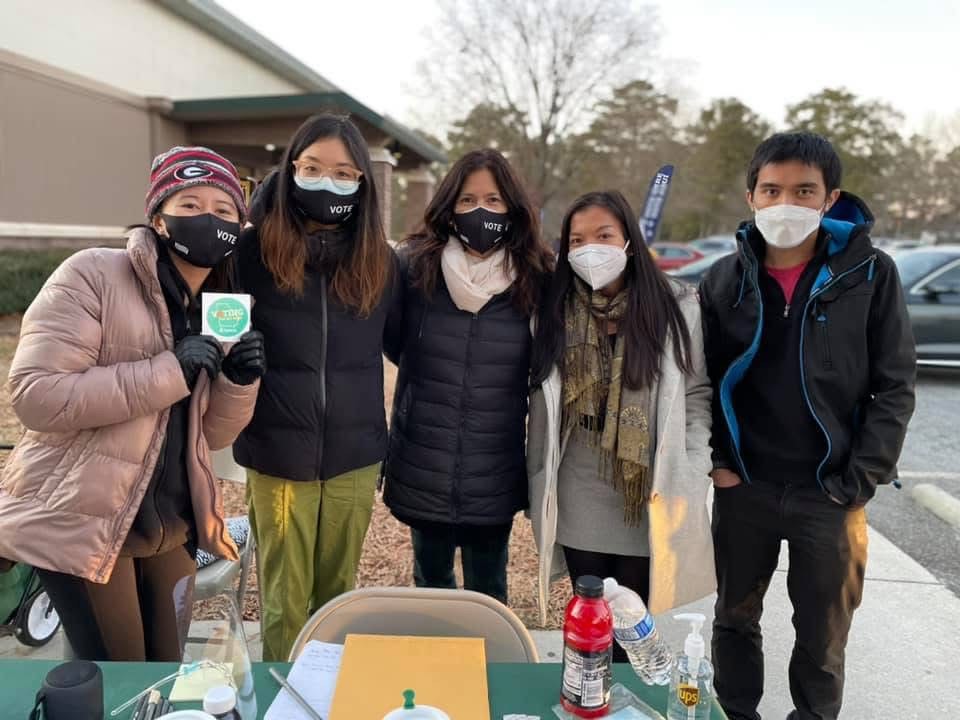
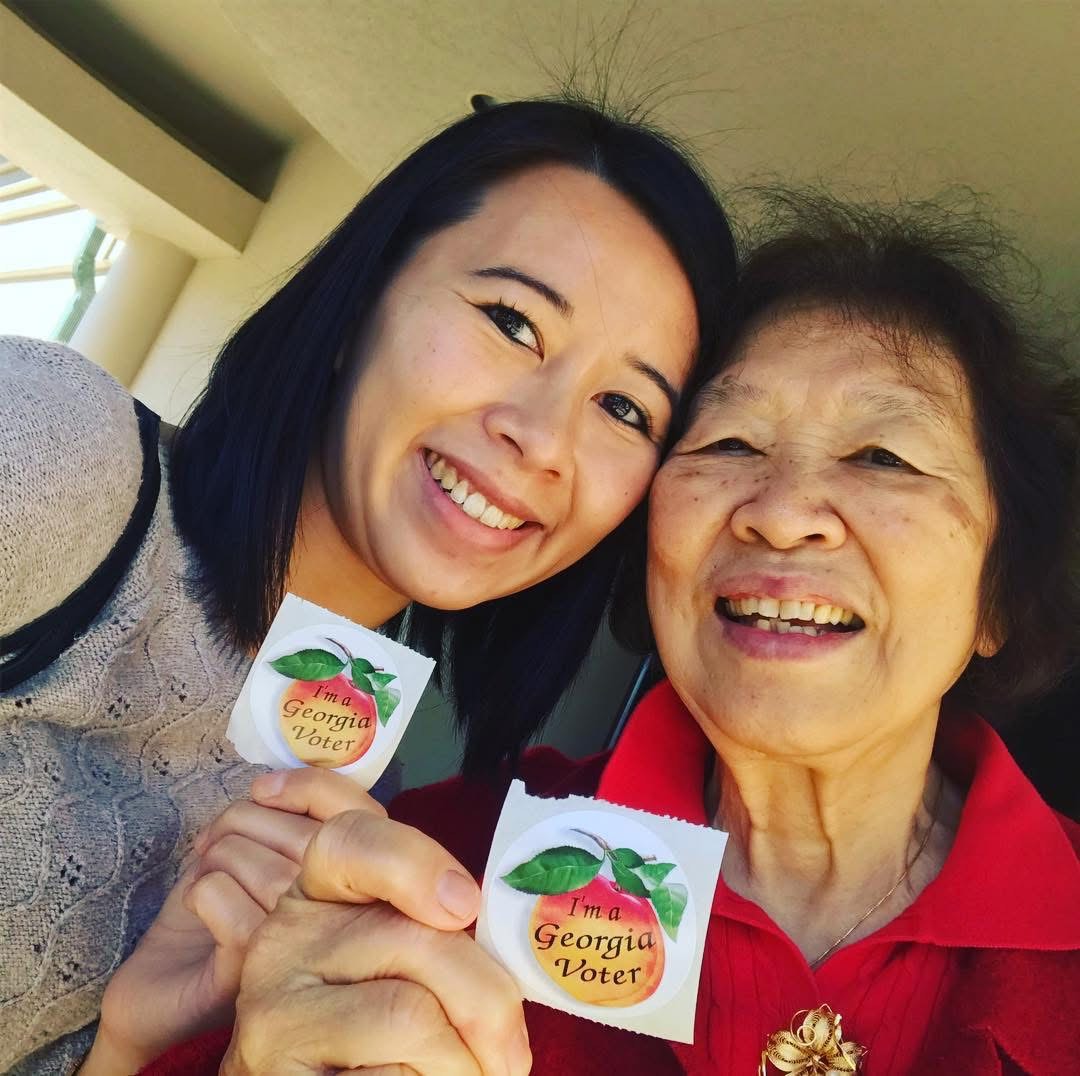
I brought that feeling of frustration and hope home and helped build the Georgia Immigrant Alliance for Civic Empowerment coalition alongside community partners and grassroots organizations. Together, we worked directly with AAPI, Latino, and immigrant communities to register voters, provide civic education, and build long-term engagement. From 2016 to 2018, we saw real results. Voter turnout increased significantly, and people like my parents, who once believed their voices did not matter, became U.S. citizens and voted for the first time. For the first time, elected officials began listening and responding to our communities. And people who look like me were starting to run for office.
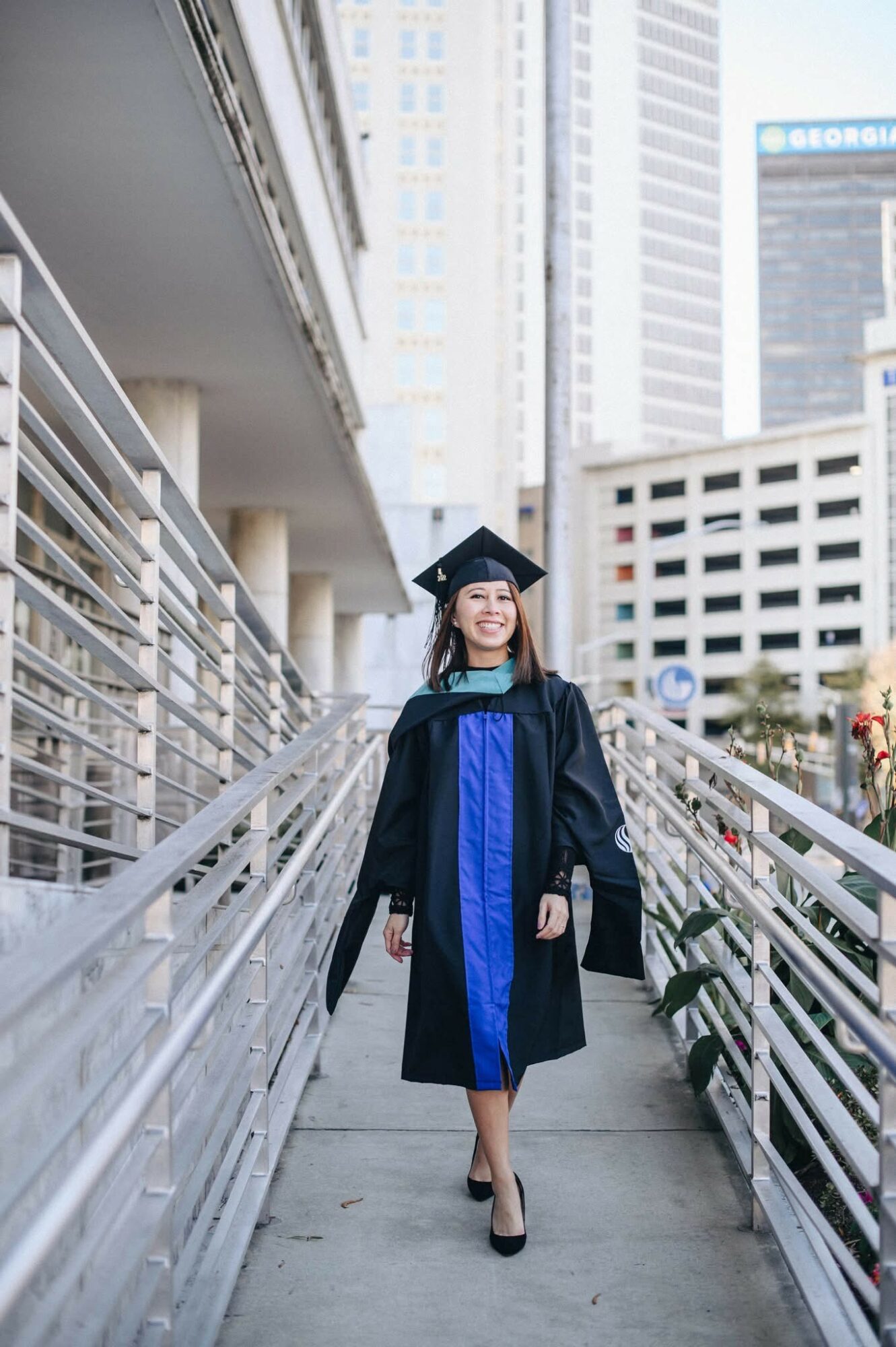
This remains one of my greatest accomplishments to finally feel that our community was being heard. Yet I knew my journey was not complete. To advocate more effectively, I wanted a deeper understanding of the systems shaping policy and power. I pursued my Master of Public Administration at Georgia State University, becoming the first in my family to attend graduate school.
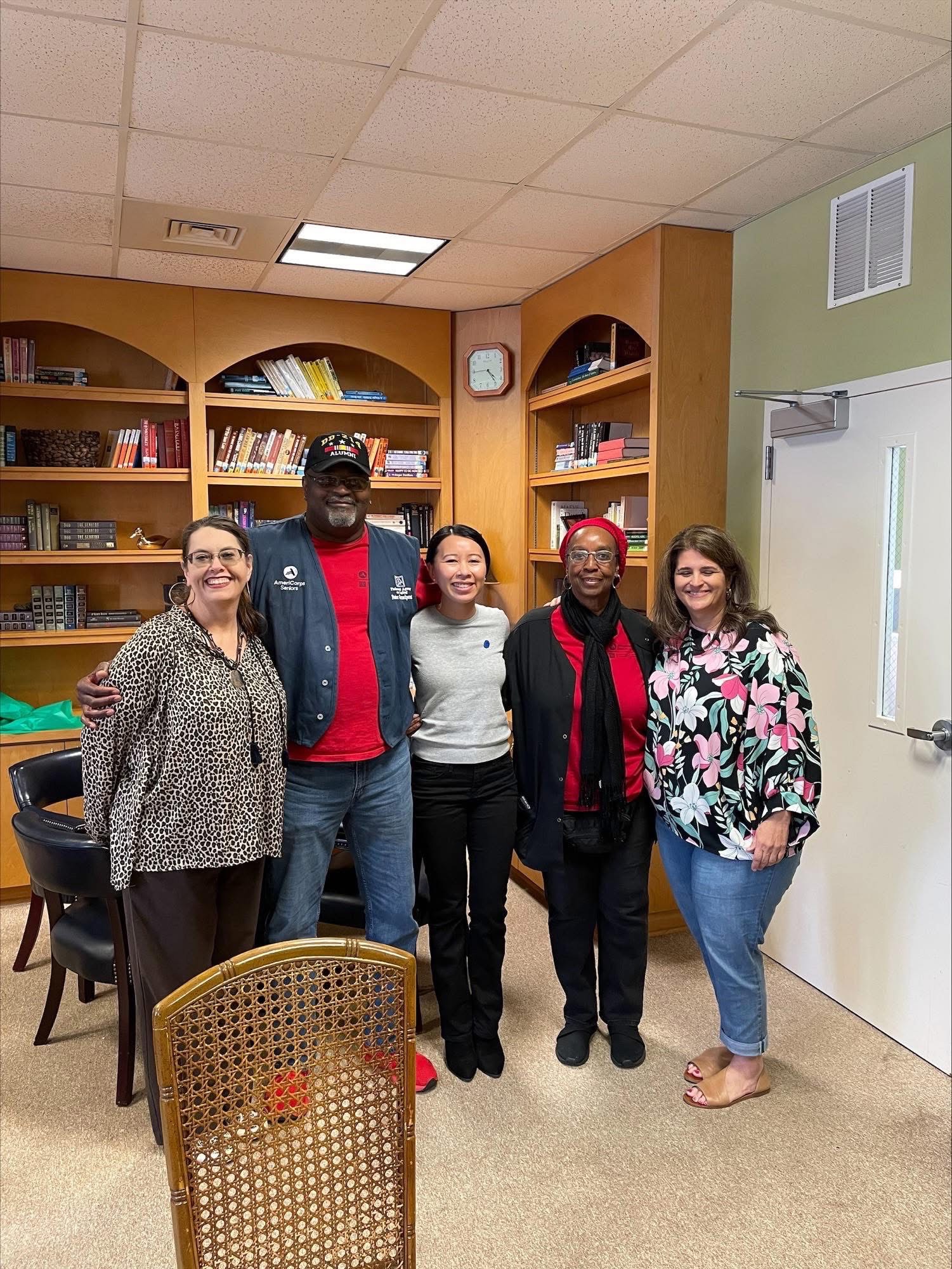
Just before graduating, I secured my first role in government as a Portfolio Manager with AmeriCorps. During my time there, I had a hand in expanding resources to underserved communities in Georgia and South Carolina and gaining insight into how policies move through government systems and impact communities. This experience gave me a deep appreciation for public administrators working within constrained systems while still pushing for improvement.
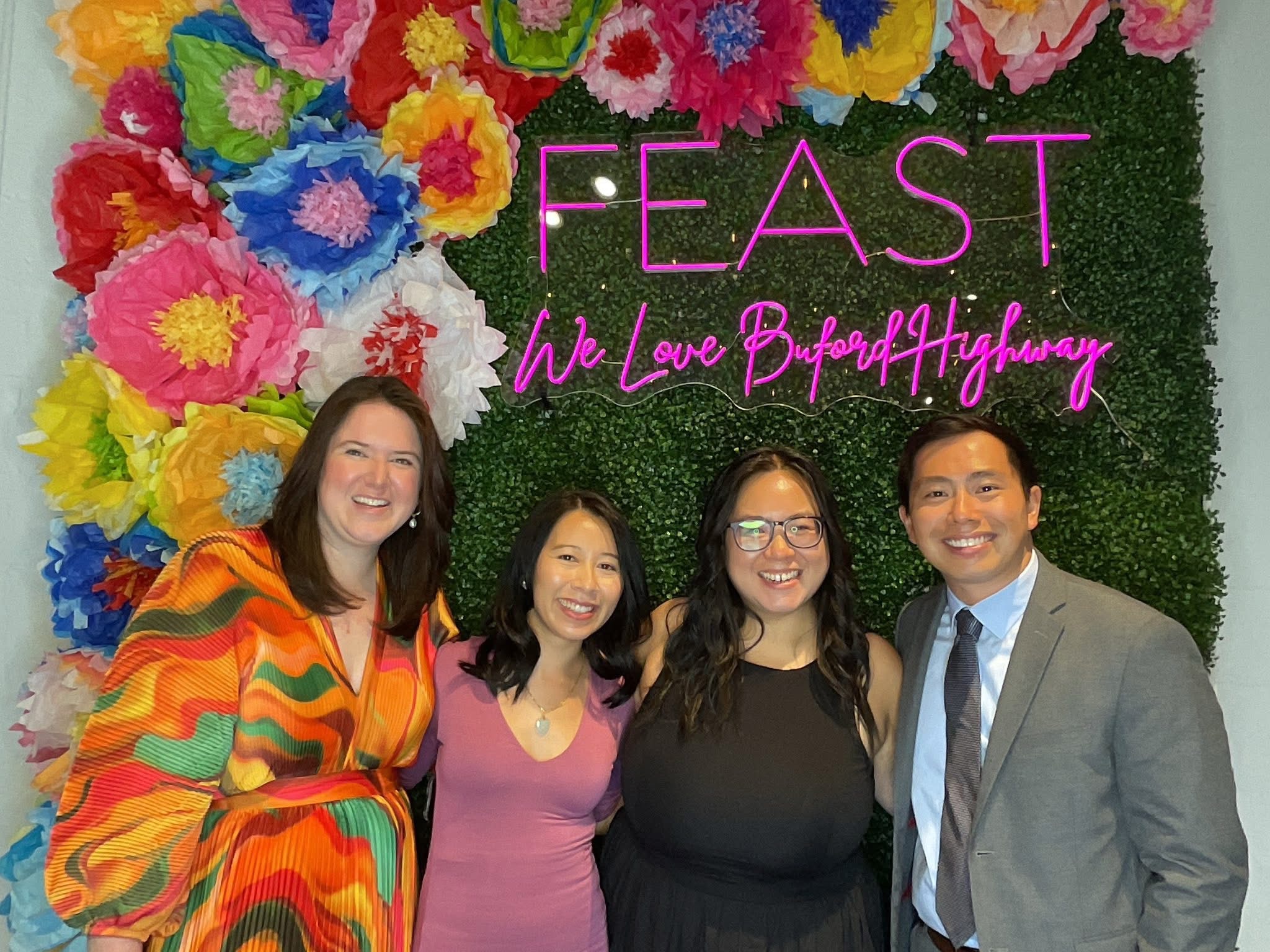
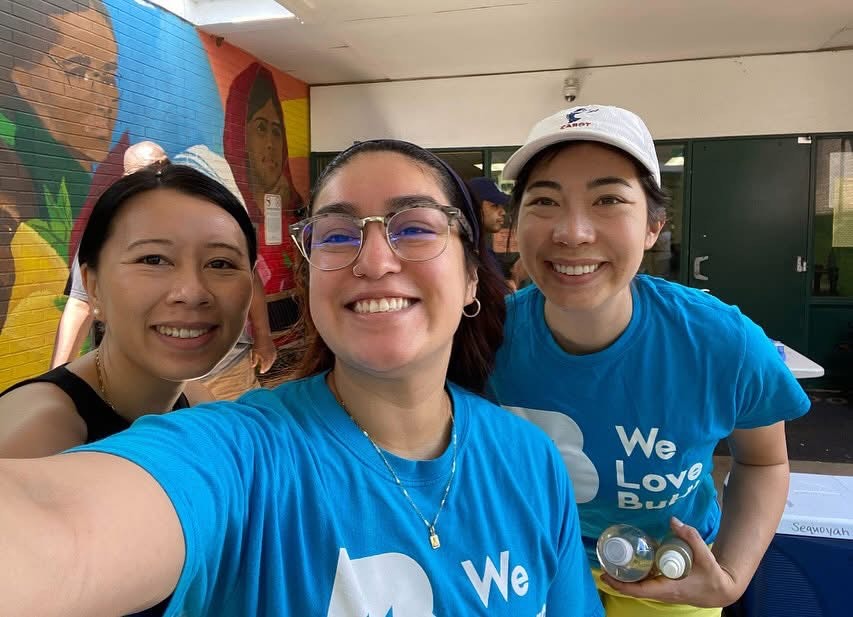
Over time, however, the slow pace of government and shifting political priorities led me to leave federal service and return to where I felt most grounded, the community. Today, I am back in the community, organizing, and reconnecting with my purpose. I currently serve on the Board of We Love Buford Highway and work at the Asian American Advocacy Fund. The work continues, and so does my commitment to ensuring that our communities are seen, heard, and empowered.
Would you say it’s been a smooth road, and if not what are some of the biggest challenges you’ve faced along the way?
No, I struggled with confidence and a sense of belonging for a long time. I’ve always preferred working behind the scenes and never truly saw myself as a leader, especially as an introvert. That began to change because of mentors and people who believed in me. They nominated me for leadership opportunities and encouraged me to step forward.
This meant taking a seat at the table, finding my voice at that table, and stepping into the spotlight, especially when advocating for something that truly mattered. I remember writing a letter to the State DHS Commissioner about serious SNAP process issues our communities were experiencing during the pandemic. I hesitated, unsure whether I was the right person to do it, but Charlie Bliss, an advocate and attorney at Atlanta Legal Aid at the time, encouraged me, explaining that it would carry more weight coming from me than from him.
To my surprise, I received an immediate response. I felt scared at first, but that fear shifted when a follow-up call came in confirming that DFCS was already addressing the issues and would take action promptly.
Over time, as I continued to speak up for our communities and saw results, I grew more confident and comfortable in my role as an advocate, using my voice to uplift the communities I serve and deeply care about.
Can you tell our readers more about what you do and what you think sets you apart from others?
I specialize in organizing communities and building programs that uplift community and address critical issues, while helping organizations serve as effective bridges to dismantle systemic barriers. I also bring deep expertise in government grants and compliance, having served as a federal grant officer at AmeriCorps and as a program director at nonprofits, I’ve implemented and overseen federal USDA and ORR grants, as well as county and state funding.
Over time, this work led me into nonprofit operations. I saw firsthand how compliance demands often pulled organizations and staff away from meaningful, mission-driven work. That realization led me to specialize in operations, compliance, and finance, where I find both purpose and joy in helping organizations build strong, sustainable systems that support, rather than hinder their impact.
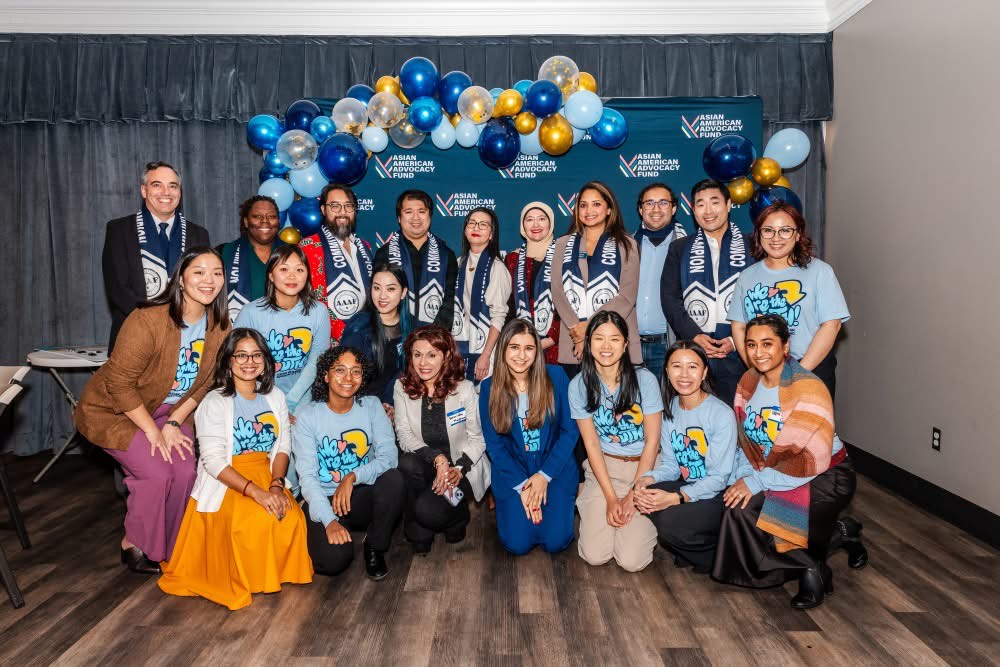
I currently serve as the Operations Director at the Asian American Advocacy Fund, where my work support programs and incredible advocates, organizers, and artists who are building political power and strengthening community for AAPIs across Georgia.
Where we are in life is often partly because of others. Who/what else deserves credit for how your story turned out?
Growing up in prominent immigrant communities, there were only a handful of teachers who truly cared and believed in us, who believed we could make a difference. For me, those teachers were at Cross Keys High School: Mr. Stanley Shaheed, Ms. Allison Williams, Coach Norma Paton, and Coach Michael Green. They paid a bit more attention to their students, inspired us with what is possible, exposed us to opportunities, and encouraged us to work hard and dream big. They made a huge impact on me and many other students at Cross Keys High School.
I’ve also been fortunate to have incredible mentors and supporters along the way. While I’m grateful to so many Atlanta AAPI women leaders who paved the way, there are a few who guided me during pivotal moments in my career: Andrea Thomas, Pabitra Rizal, Noilyn Mendiza, Alnory Gutlay, Katherine Cadena, Adelia Roseboro, Daphne Fowler, Jori Morris, Amieko Watson, and Vivian Adebayo. Thank you for investing your time, wisdom, and belief in me; it has made all the difference.
Contact Info:
- Website: https://asianamericanadvocacyfund.org/about
- Instagram: https://www.instagram.com/dnbui7/
- LinkedIn: https://www.linkedin.com/in/diana-ngoc-bui/