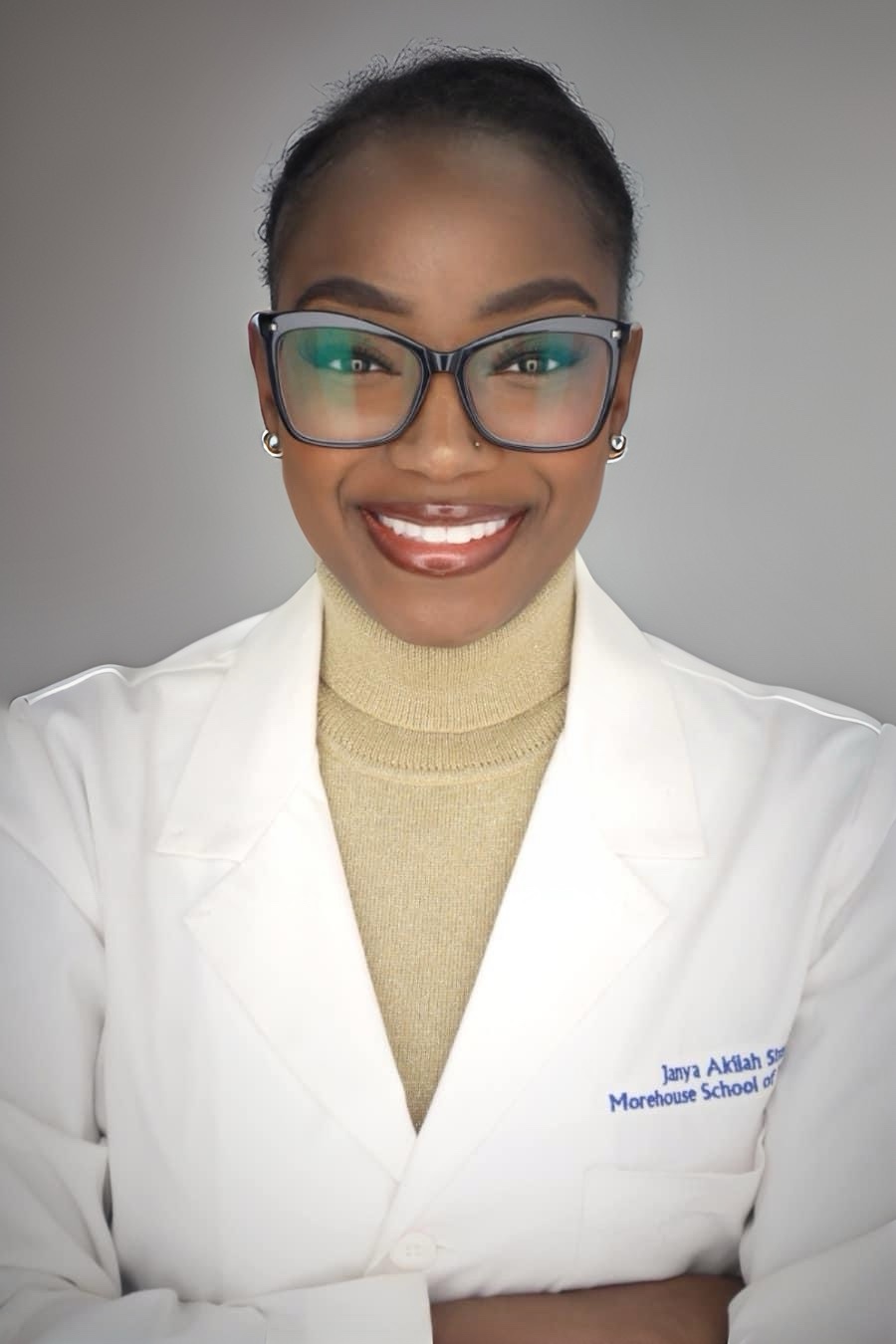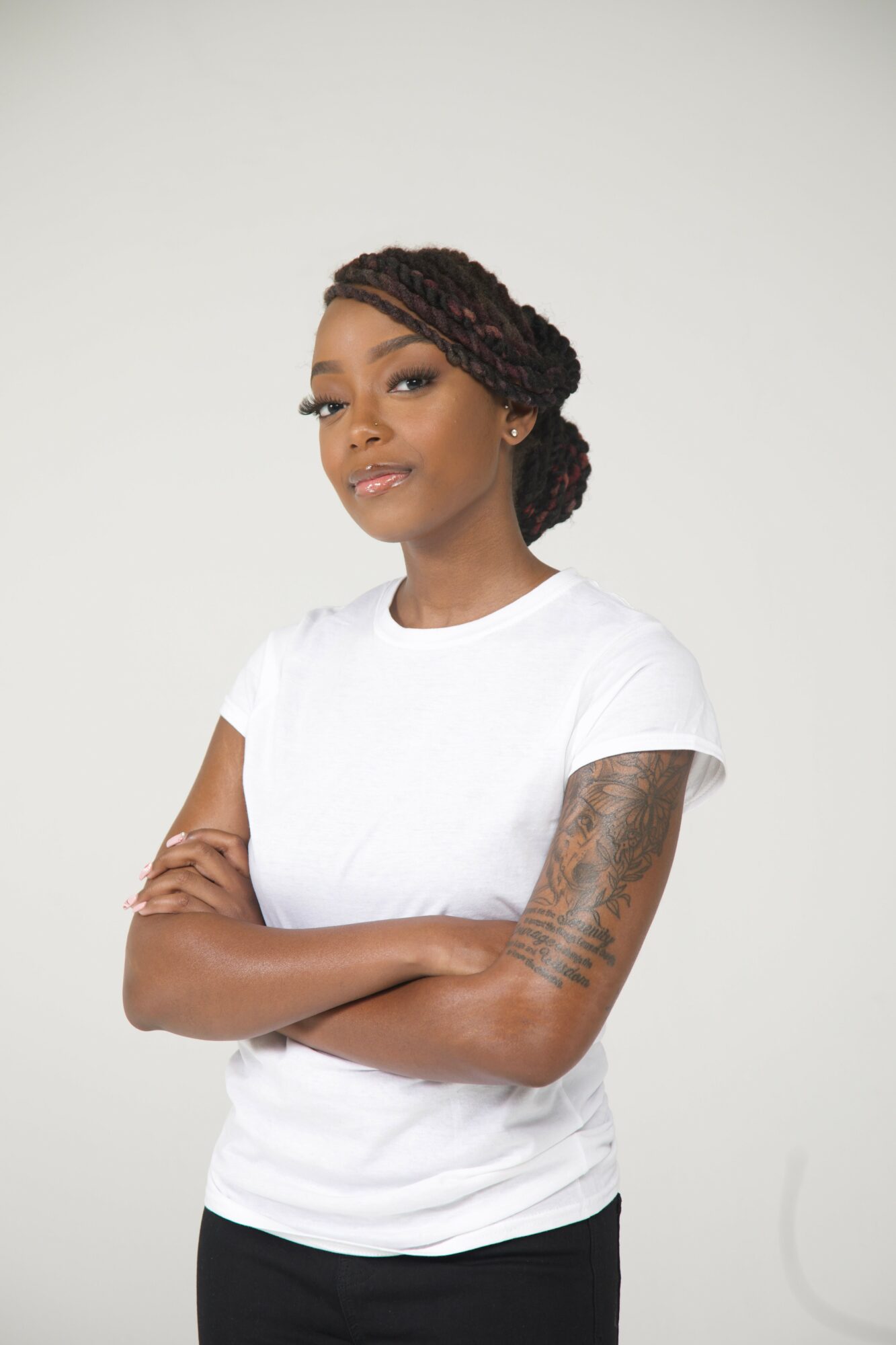





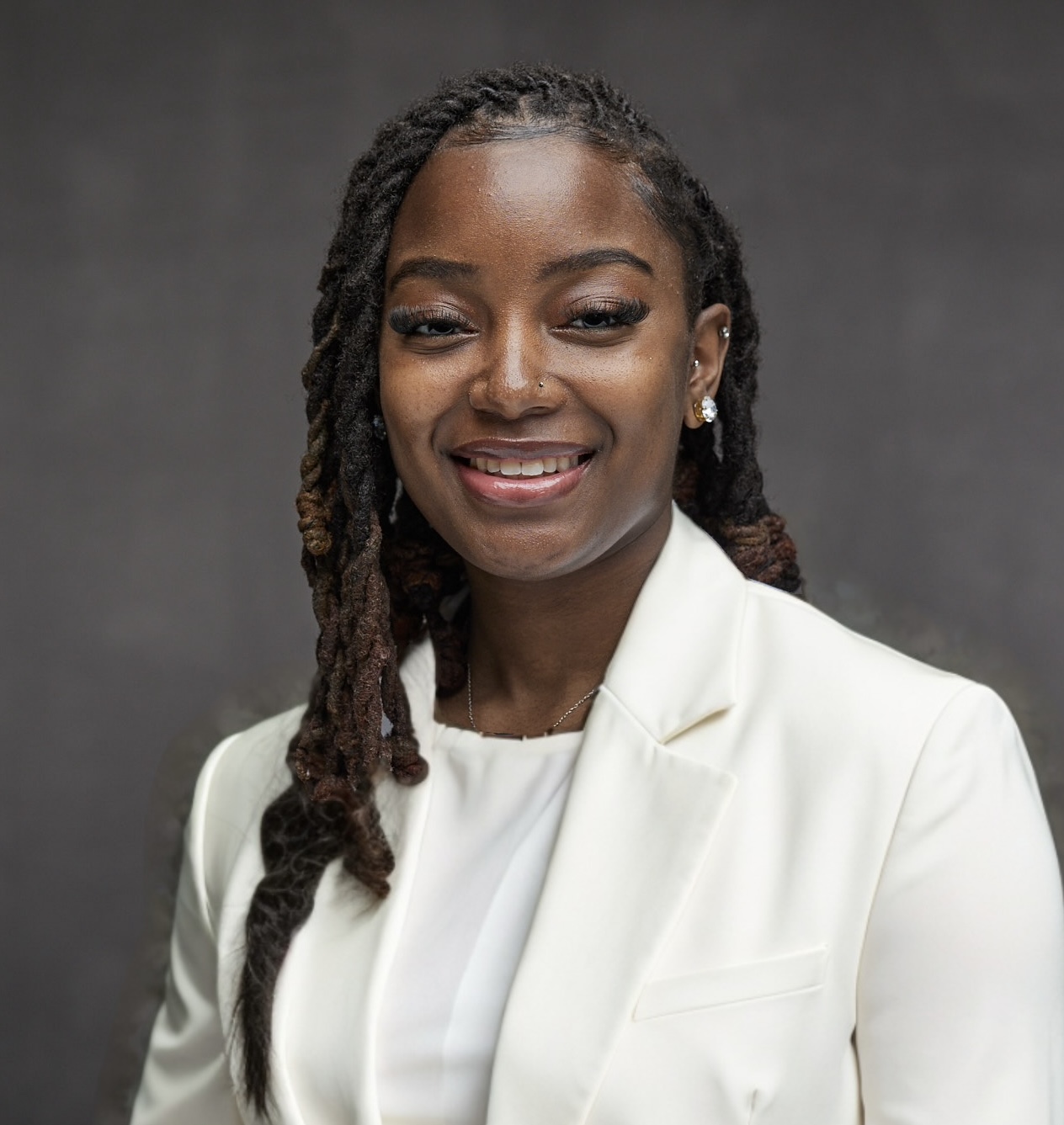
Today we’d like to introduce you to Dr. Nya Oglesby.
Alright, so thank you so much for sharing your story and insight with our readers. To kick things off, can you tell us a bit about how you got started?
I was never supposed to be here—but God had other plans for my life.
I entered this world three months early, fighting for survival before I ever had a chance to live. As a premature infant, I developed necrotizing enterocolitis, a life-threatening condition that required surgery and left me with an ileostomy for several months. My earliest days were spent in hospitals, surrounded by machines, monitors, and uncertainty. Even then—before I could speak or understand—my life was marked by resilience.
Years later, that fight returned in a different form.
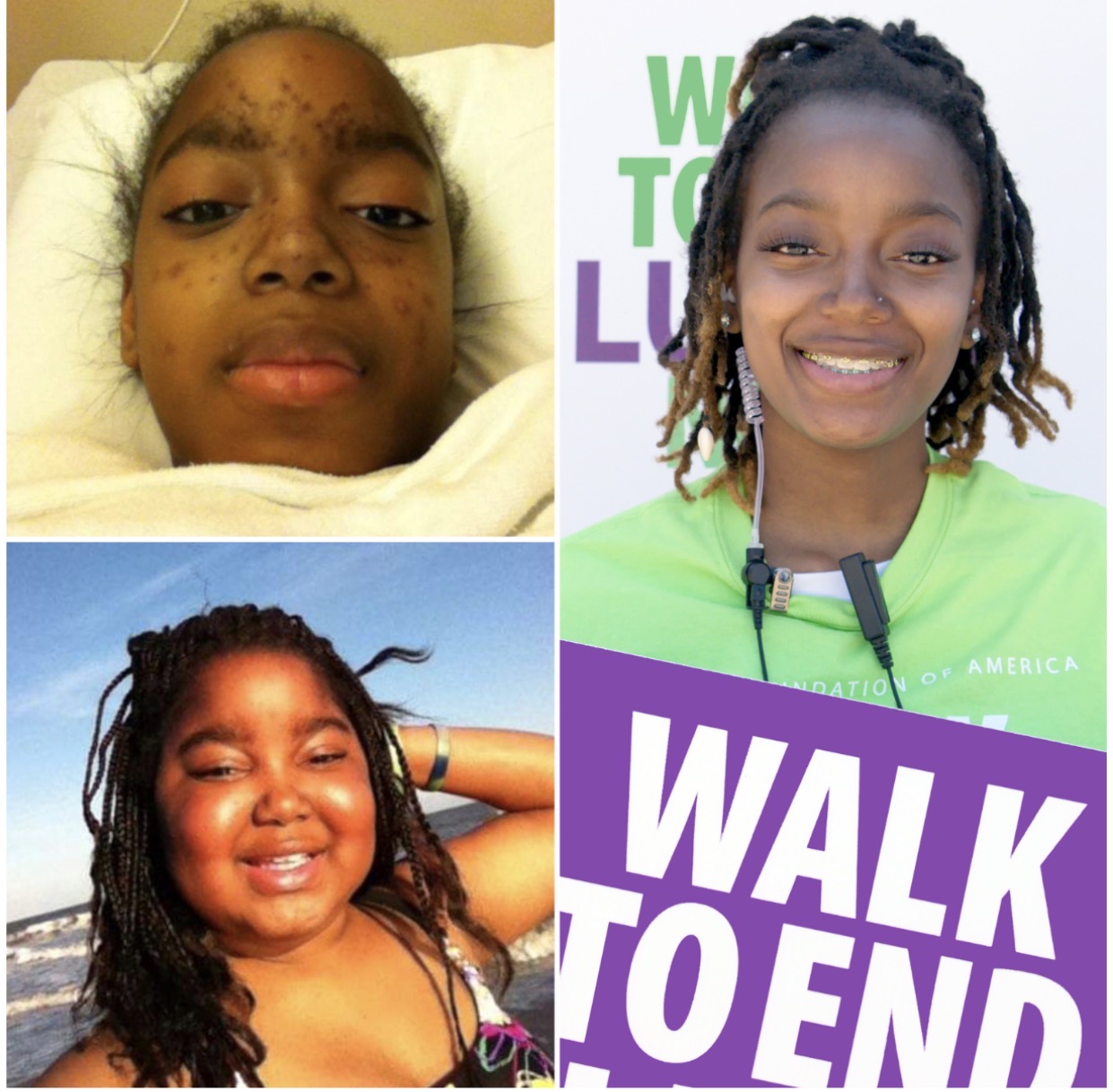
Growing up in Tifton, Georgia, a small rural town in South Georgia, I was surrounded by faith, family, and community—but also by limited access to specialized healthcare. As a child, I began experiencing symptoms no child should have to normalize: extreme fatigue, persistent joint pain, and a butterfly-shaped rash across my face. I didn’t yet have the words for what my body was enduring, but my mother and grandmother knew something wasn’t right.
They advocated tirelessly.
My grandmother and mother pushed for answers, asking questions others hadn’t thought to ask—including whether my blood counts could be checked. When those results came back abnormal, the urgency was immediate. It became clear that I needed specialized care far beyond what was available locally. That moment set our lives on a new course.
At just twelve years old, I was diagnosed with systemic lupus erythematosus (SLE) and rheumatoid arthritis.
Because there were no pediatric rheumatologists nearby, my family and I traveled hours to Augusta, Georgia, for care. Those long drives were exhausting, but formative. I learned early that where you live can determine whether you live well. I witnessed firsthand the health disparities faced by rural communities—how delayed diagnoses, limited specialists, and systemic barriers shape outcomes.
Watching my mother navigate this journey as a single parent was one of the most defining experiences of my life. She fought battles of her own, yet never once allowed them to diminish the quality of life she worked tirelessly to provide for my brother and me. With the steady support of my grandmother, she showed me what perseverance looks like. Their strength became my fuel. Their sacrifices became my motivation.
It was during those years in exam rooms and infusion centers that my pediatric rheumatologist and her care team sparked something deep within me. They didn’t just treat my disease—they treated me. They explained. They listened. They cared. Long before I knew how, I knew what: I wanted to become a pediatric rheumatologist, so that no child would ever feel unseen, unheard, or alone in their diagnosis.
As I grew older, the challenges didn’t disappear—they evolved.
College brought new opportunities and new struggles. Moving away from South Georgia exposed me to different stressors, climates, and demands. I experienced frequent lupus flares, especially during periods of academic pressure and seasonal change. Still, I pressed forward. During college, I interned with the Lupus Foundation, marking the beginning of my formal advocacy work. That experience gave language to my lived reality and showed me the power of storytelling as a tool for change.
At the same time, I volunteered in the NICU at Grady Memorial Hospital, caring for fragile newborns—babies fighting battles eerily similar to the one I once faced. Standing beside those incubators felt full circle. I wasn’t just giving back; I was honoring the child I used to be.
I graduated college in 2020, during the height of the COVID-19 pandemic. There was no traditional ceremony, no stage walk—but there was love. My parents organized a graduation celebration at my grandmother’s home in Tifton, where family and friends gathered to celebrate not just a degree, but survival. That moment reminded me that success doesn’t require an audience—it requires meaning.
Medical school tested me in ways I never imagined.
My first year was marked by grief, loss, and immense academic pressure. I faced multiple Step 1 board exam retakes, forcing me to confront years of internalized self-doubt. After failing the exam twice, I was evaluated and diagnosed with a learning disability in reading comprehension—alongside ADHD, which I had previously been diagnosed with while studying for the MCAT after realizing I struggled to sustain attention during long passages.
That diagnosis changed everything.
What once felt like personal failure was reframed as unmet needs. With proper accommodations, strategies, and support, I persevered. I passed. And in doing so, I learned one of the most powerful lessons of my life: intelligence is not one-size-fits-all, and success does not have to follow a traditional timeline.
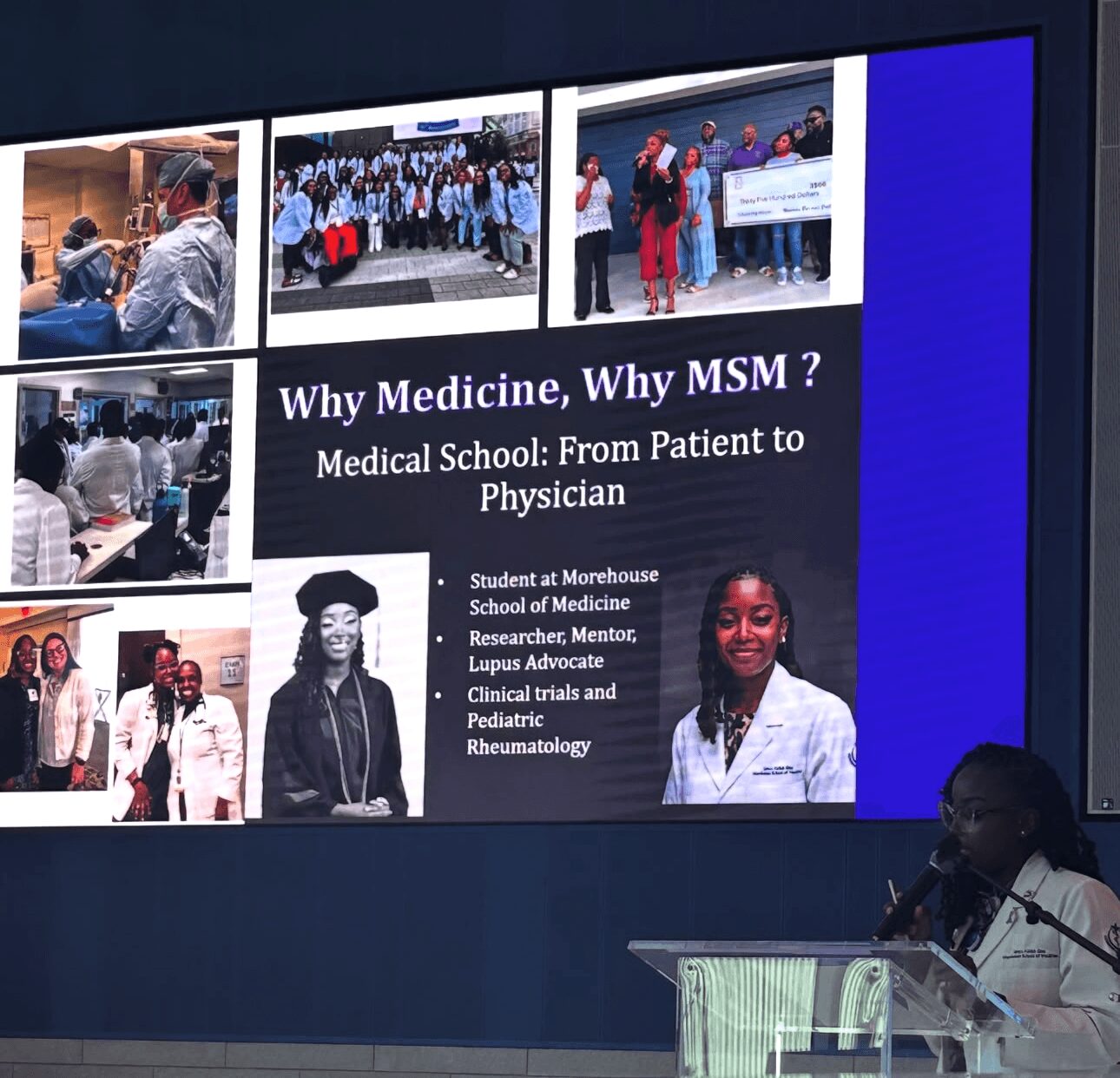
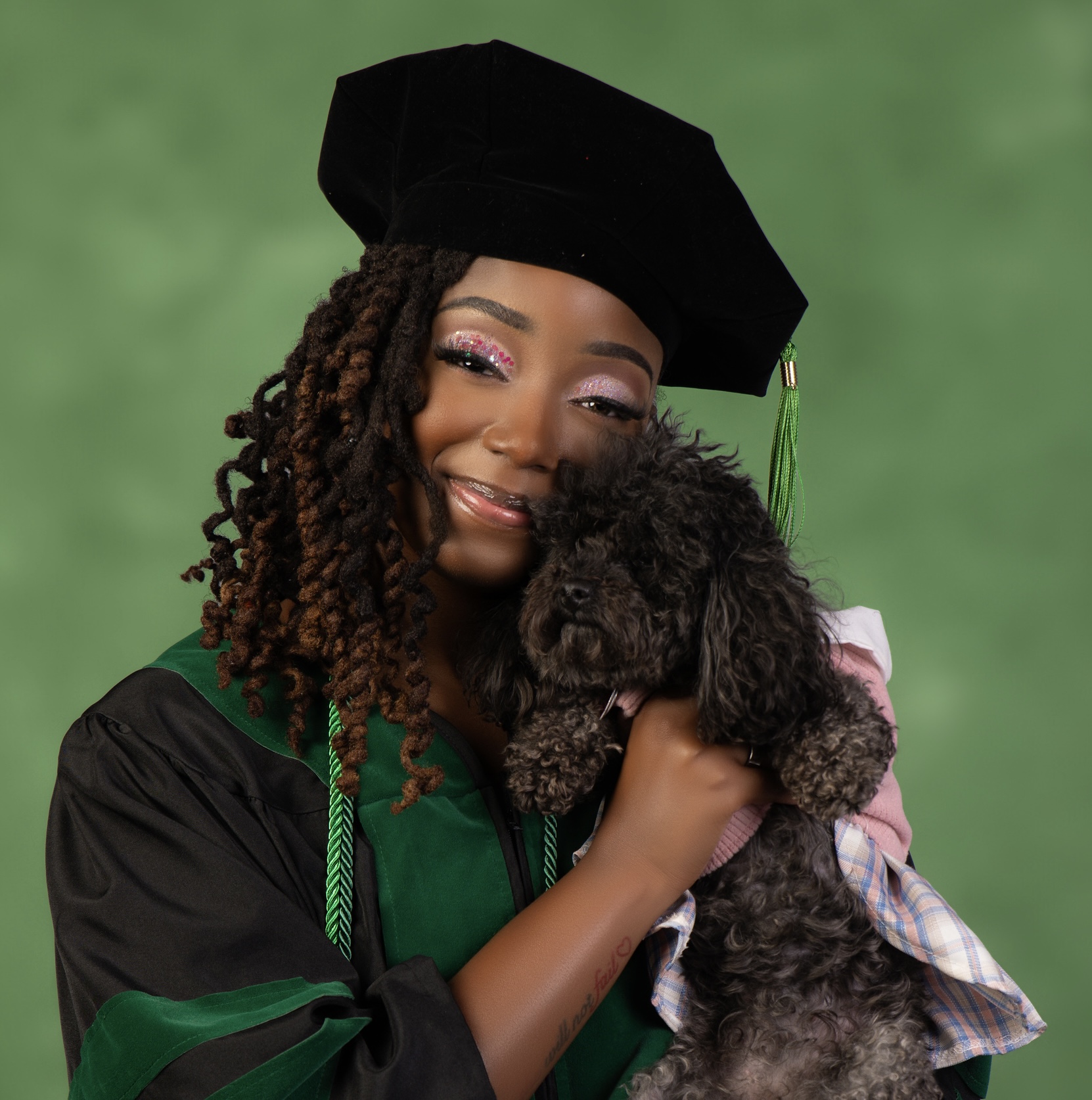
In 2025, I graduated from medical school.
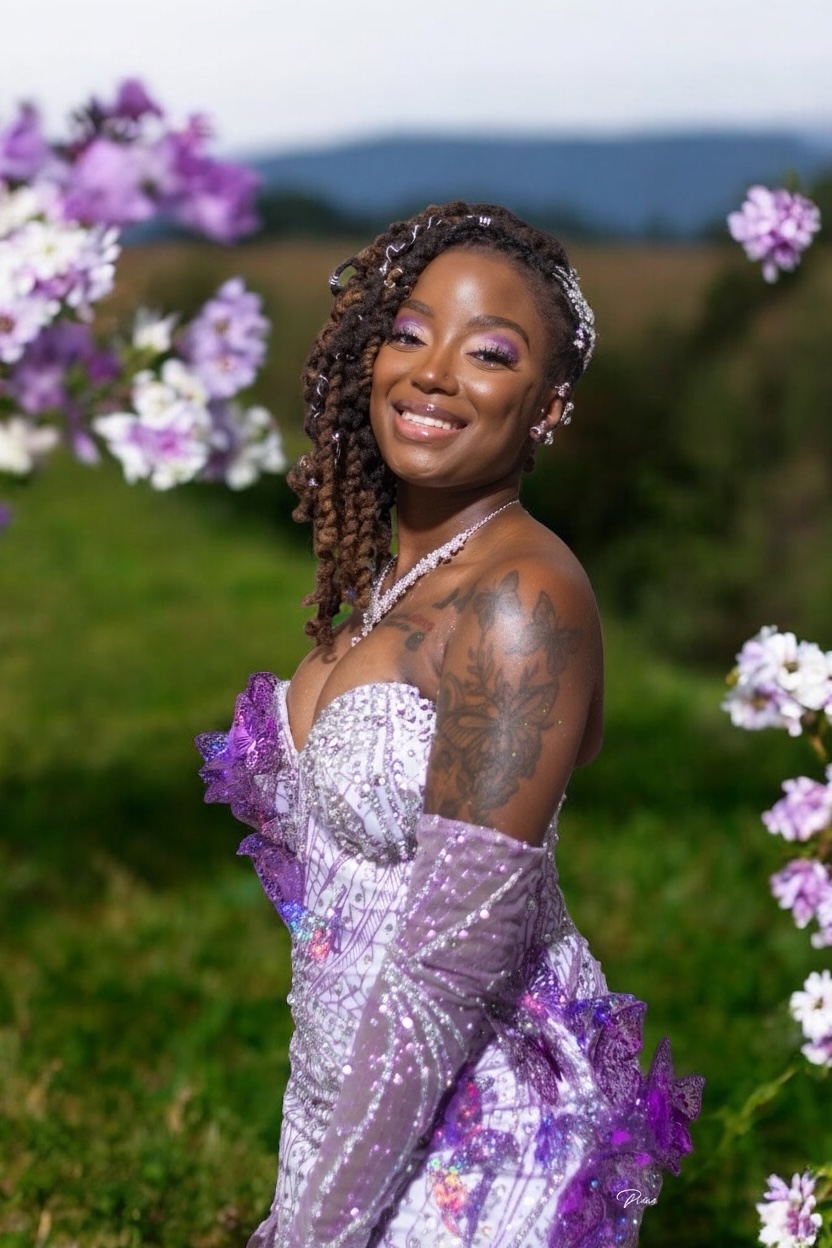
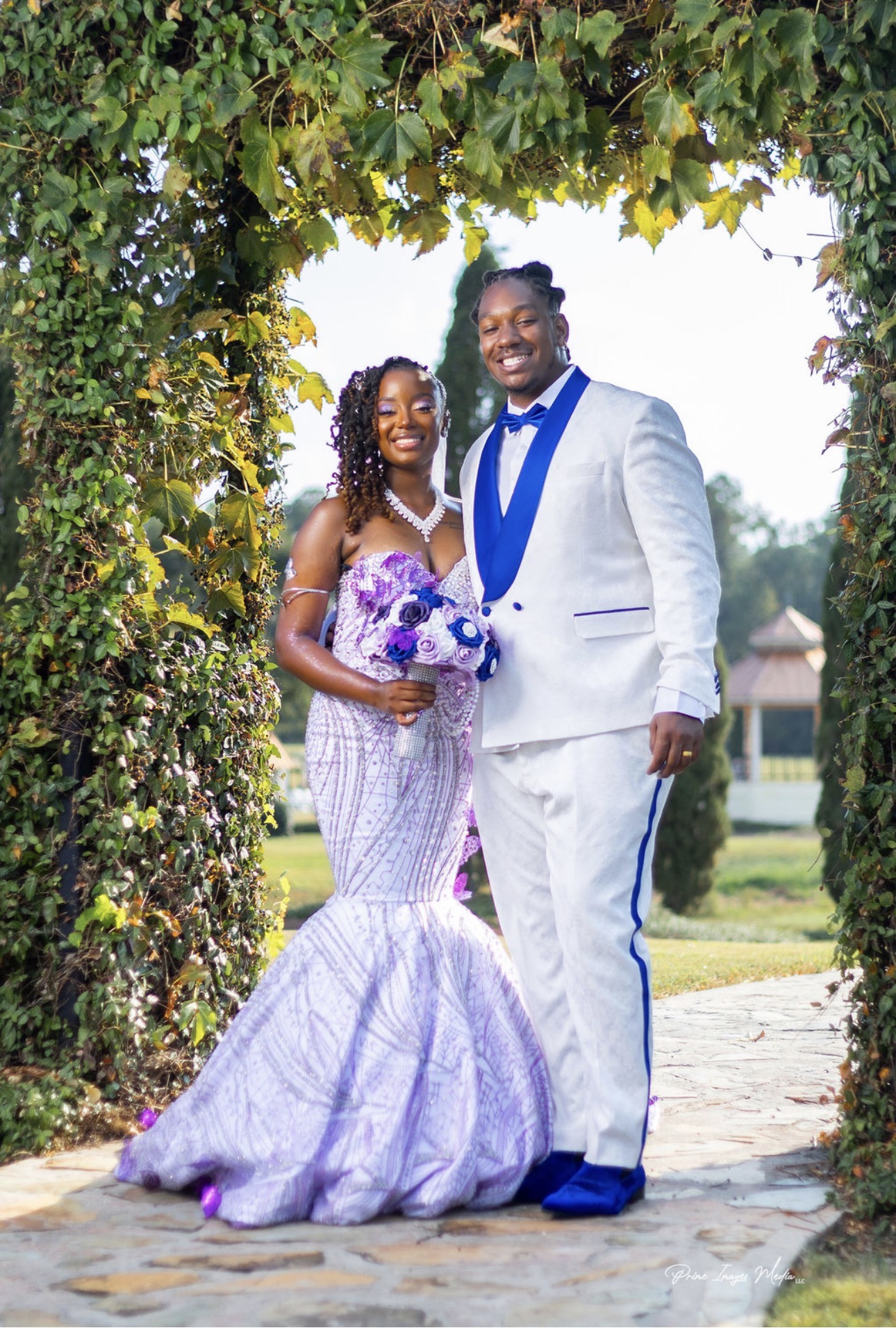
That same year, in September 2025, I married the love of my life. What makes our union especially meaningful is that we both live with lupus. Together, we made the intentional decision to dedicate our entire wedding to lupus awareness. Every detail was thoughtfully designed with purpose—from the symbolism woven throughout the ceremony to my custom wedding dress adorned with butterflies, representing lupus, resilience, and transformation.
Our wedding was more than a celebration of love; it was a declaration of advocacy, visibility, and hope. I am deeply grateful for a partner who not only understands my journey but walks it firsthand. Together, we stand as living testimony that chronic illness does not diminish joy, purpose, or the capacity to love deeply.
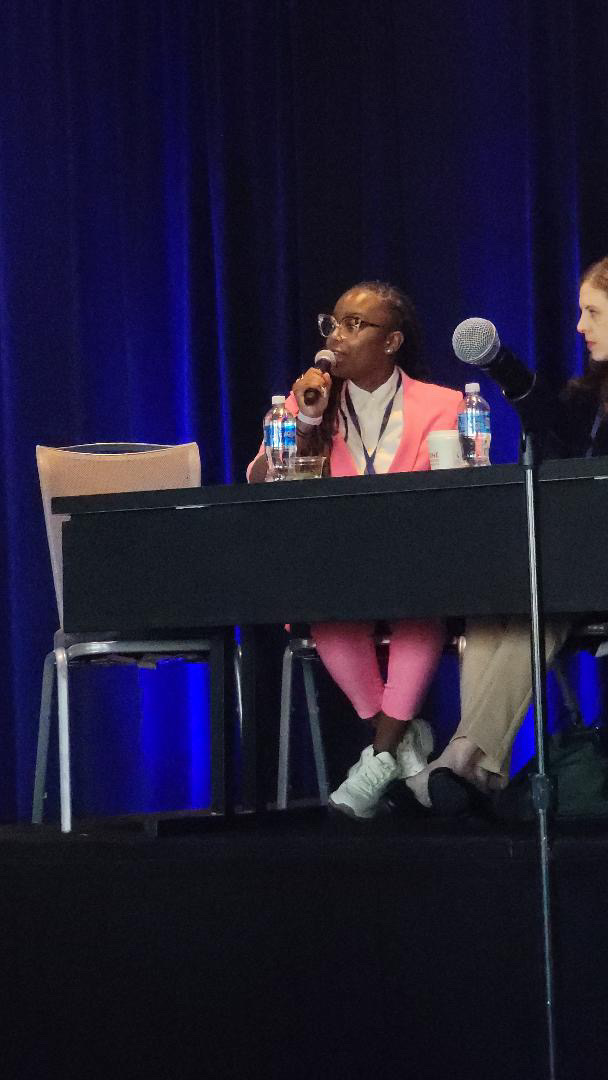
I am now a first-generation college graduate, a first-generation medical graduate, and the first physician in my family. I have spoken on panels, webinars, advocacy days, and community forums—sharing my journey as a lupus survivor, future pediatric rheumatologist, and woman of faith. Each story shared is part of the legacy I am building.
Through every season—prematurity, chronic illness, grief, academic setbacks—my faith in God has been my anchor. When I wasn’t supposed to survive, He carried me. When the journey was long and lonely, He sustained me. I am here not by chance, but by purpose.
As I look ahead to Match Day on March 20, 2026, I do so with gratitude and awe. This journey has been long—but it has been meaningful. I am grounded in where I’ve been, excited for what’s ahead, and committed to using my life to serve others.
This is more than a career.
This is a calling.
Would you say it’s been a smooth road, and if not what are some of the biggest challenges you’ve faced along the way?
The path to where I am today has been marked by challenges that often unfolded quietly, behind the scenes, while I continued to show up and move forward.
Managing lupus alongside demanding academic environments has required constant adaptation. During periods of heightened stress, I experienced flares marked by intense joint pain, swelling, and debilitating fatigue. These symptoms didn’t pause for exams, classes, or responsibilities. There were many days when simply getting out of bed required immense effort, yet I still showed up—as a student, a friend, a family member, and a source of support for others. Learning how to function while unwell, without allowing illness to define or limit me, became an ongoing challenge.
One particularly difficult period came during the transition from pediatric to adult rheumatology care, when I experienced a lapse in insurance coverage that interrupted my Benlysta treatment. That disruption highlighted how vulnerable patients can be during transitions and how easily access to care can be compromised. Managing chronic illness without consistent medical support while maintaining academic and personal responsibilities was both exhausting and eye-opening.
Socially, I faced moments that revealed the stigma surrounding chronic illness. When newly diagnosed in 2012 after returning to school following steroid treatment, I encountered hurtful assumptions and misinformation about my health that left lasting emotional impressions. Experiences like these reinforced how isolating illness can be, especially when others do not understand what they are seeing.
Academically, my journey was not linear. I faced multiple high-stakes exam setbacks, including repeated attempts at the Step 1 exam. It was only after these challenges that I was diagnosed as neurodivergent with a learning disability in reading comprehension. That diagnosis reframed years of struggle and emphasized how often students push through without the appropriate tools or support. With accommodations and persistence, I ultimately succeeded—but the process required resilience far beyond the academic material itself.
Despite these obstacles, I continued forward. Each challenge strengthened my empathy, sharpened my advocacy, and deepened my understanding of what it truly means to persevere. Rather than breaking me, these experiences shaped the physician and leader I am becoming—someone who understands that strength is not the absence of struggle, but the decision to keep showing up anyway.
Can you tell our readers more about what you do and what you think sets you apart from others?
I am an aspiring Pediatric Rheumatologist, a physician who specializes in caring for children with autoimmune and inflammatory conditions such as lupus, juvenile idiopathic arthritis, and other connective tissue diseases. Pediatric rheumatology sits at the intersection of medicine, advocacy, and long-term partnership with families—it is about treating disease while also protecting childhood, development, and quality of life.
I am currently applying to Pediatric Residency through the 2026 Match cycle, a required step toward becoming a pediatric rheumatologist. I will learn where I match on March 20, 2026, a moment that represents years of perseverance, preparation, and purpose.
What sets my work apart is that it is deeply informed by lived experience. I am not only training to care for children with chronic illness—I was once one of them. As a lupus and rheumatoid arthritis survivor who grew up navigating healthcare systems from a young age, I bring an uncommon level of empathy, insight, and advocacy to my professional path. I understand what it feels like to be the child in the exam room, the family member asking questions, and the patient trying to make sense of a lifelong diagnosis.
Beyond clinical training, I am known for my advocacy and storytelling. I have worked with national and local lupus organizations, spoken at community events, webinars, and advocacy initiatives, and used my platform to raise awareness about autoimmune disease, health disparities, and access to care—particularly for underserved and rural communities. My work bridges medicine and humanity, translating complex medical experiences into conversations that educate, empower, and connect.
What I am most proud of is not just pursuing medicine, but creating a legacy. I am a first-generation college graduate, a first-generation medical graduate, and the first physician in my family. Every step of my journey is rooted in service—ensuring that children who look like me, come from places like mine, and live with chronic illness feel seen, supported, and believed.
Ultimately, my goal is simple but powerful: to become the pediatric rheumatologist I once needed—and to help ensure that no child has to navigate illness without compassionate, informed, and equitable care.
We love surprises, fun facts and unexpected stories. Is there something you can share that might surprise us?
Many people don’t know that I am neurodivergent. I live with ADHD and a learning disability in reading comprehension, which I wasn’t formally diagnosed with until later in my medical training. For years, I pushed through academic challenges believing I simply needed to work harder. Learning how my brain works changed everything—it allowed me to advocate for myself and reframe struggle as difference, not deficiency. That experience now informs how I support and uplift others who learn and process differently.
Contact Info:
- Instagram: https://www.instagram.com/dr.nyaog?igsh=MXBzendlMWw5dXg2OA==
- Facebook: https://www.facebook.com/share/1AWCqeNMhj/?mibextid=wwXIfr
- Other: https://www.tiktok.com/@dr.nyaog?_r=1&_t=ZP-93QqyS72If8