




Today we’d like to introduce you to Marcus Lee.
Alright, so thank you so much for sharing your story and insight with our readers. To kick things off, can you tell us a bit about how you got started?
My journey has been shaped by both struggle and purpose. I remember attending Paul D. West Middle School in East Point, an environment very similar in many ways to the Bankhead community I now serve. I often felt lost and unsafe, and I did not have a passion for learning because I did not yet understand its value. School never felt engaging to me, and that stayed with me. Looking back, those experiences planted the seed for what would later become my mission. I knew I wanted to help create a safe haven for scholars, a place where they could feel supported, protected, and inspired. I also wanted to emphasize the importance of reading, because literacy ultimately changed my life.
I’ve also come to believe that self-identity and knowing your history can awaken a completely different passion for learning. When a child understands who they are, where they come from, and the greatness connected to their story, learning begins to feel different. It stops feeling forced and starts feeling meaningful. For me, when you learn your history, learning becomes magical. It becomes more than just memorizing information; it becomes a path to understanding yourself, your value, and your purpose.
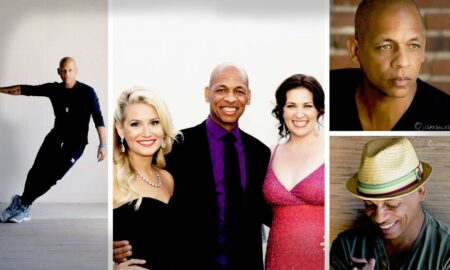
Before entering education, I spent seven years signed to Atlantic Records as a member of the band Hamilton Park, traveling across the country and pursuing music. On the outside, it looked like I was living the dream, but internally I was lost. After one night of heavy drinking and drug use, I found myself broken and crying, realizing that this could not be the way my life ended. That moment became a turning point for me. I returned home and spent the next 10 years in banking, where I developed discipline, structure, and a stronger sense of responsibility.
After my divorce, I entered education and began working in one of the lowest-income and lowest-literacy communities in Atlanta, Bankhead. That experience changed everything. I saw myself in so many of the boys I served, especially the ones who were fatherless, hurting, overlooked, or simply trying to find their way. In that moment, the mission became clear: restoring the future by starting with our babies.
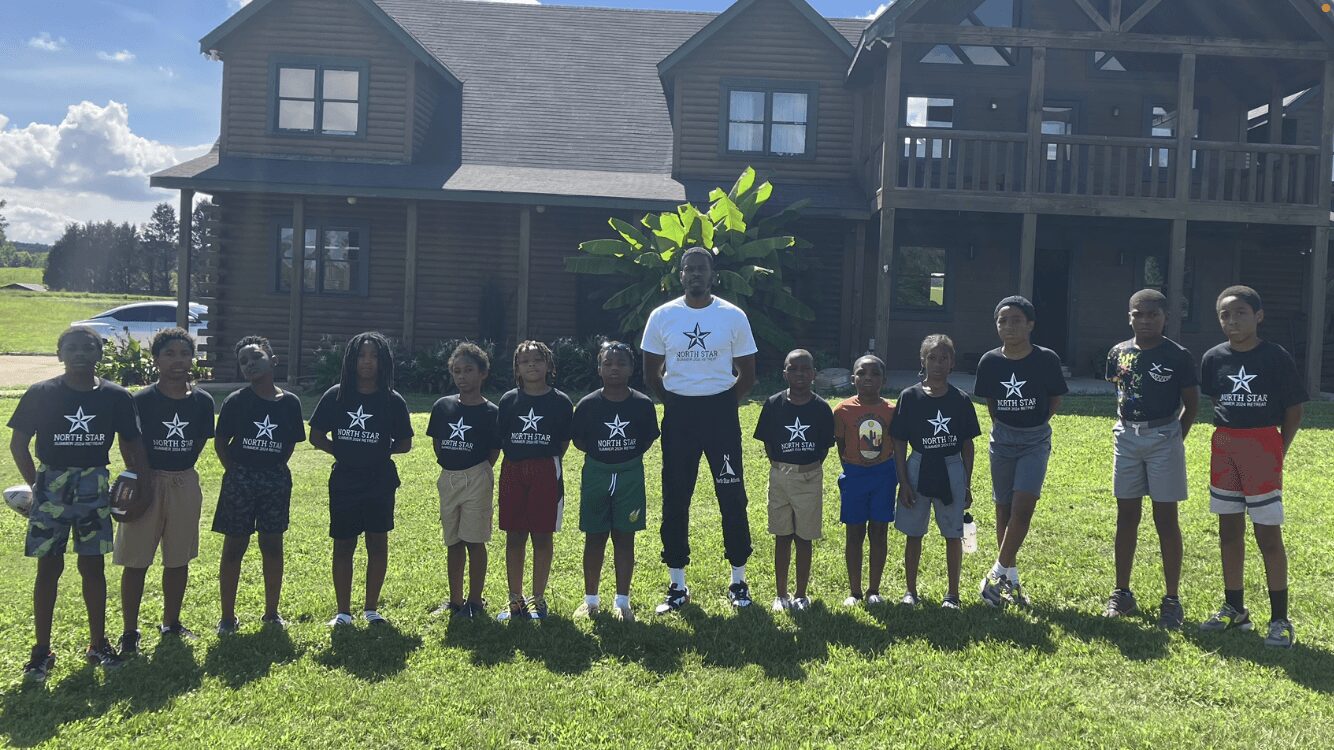
That vision led to the founding of NorthStar. Through partnerships with KIPP and the Grove Park community, we are working to make a real impact through free tutoring, feeding families, boys’ retreats, mentorship, and helping young scholars build self-regulation skills in response to the violence and instability many of them have been exposed to. Right now, we are especially focused on raising funds for transportation, because having a van will allow us to reach more scholars consistently and fully launch the after-school program that KIPP has already approved.
At the heart of it all, NorthStar was born from my own story, but it is bigger than me. It is about giving young boys the support, structure, and belief that many of us needed growing up. My goal is to help them see that their story does not have to end where it started. With the right guidance, safe spaces, and opportunities, they can heal, grow, and become the leaders their communities need. And when they learn who they are and where they come from, education becomes more than schoolwork, it becomes transformation.
Alright, so let’s dig a little deeper into the story – has it been an easy path overall and if not, what were the challenges you’ve had to overcome?
Yes, it has definitely been challenging, mainly because this is more than just work for me, it is a mission I carry deeply in my heart. When you are passionate about something, people often see the impact, but they do not always see the weight of what it takes to keep it going. Waiting on help, funding, or the right support can be overwhelming when you know the need is urgent right now.
Another challenge is that, in the area I serve, some parents may not fully see the importance of education or the value of programs like this. But the boys do. The children are crying out for help. Many of the young men I serve are carrying so much, and a lot of them are growing up without their fathers because their fathers are incarcerated. That reality shows up in the classroom, in their behavior, in their emotions, and in the way they see themselves.
One of the hardest parts is that the work does not stay at work. It comes home with me. I carry these boys in my heart because I know what many of them are up against, and I see how badly they need support, structure, and someone who truly believes in them.
Right now, one of the biggest challenges is transportation. There are many Sundays when I have to leave children behind who I know need this program and would benefit from it, simply because I do not have the capacity to transport everyone. I am already stretching every resource I have to serve these kids. We are not fully funded throughout the school year, so much of my personal income goes right back into the program. I even gave up my car so I could continue funding the work, and currently I ride an e-bike. That has been a sacrifice, but it also shows how committed I am to this mission.
Even with the challenges, I keep going because I know the need is real. Every sacrifice has been worth it when I see a boy begin to believe in himself, regulate his emotions, improve in reading, or simply feel safe enough to smile again. That is what keeps me moving forward. The biggest need right now is transportation, because with the right support, we can reach more boys, serve more families, and deepen the impact of this work.
Can you tell our readers more about what you do and what you think sets you apart from others?
I am a youth program director and educator who specializes in working with boys ages 5 to 20, particularly those who need additional support in literacy, self-regulation, identity development, and mentorship. My work centers on helping boys grow academically, emotionally, and socially by creating safe spaces where they can be seen, challenged, and supported.
One of my greatest strengths is using history and identity as tools for transformation. I am known for helping boys connect to their history in a way that builds pride, purpose, and a deeper passion for learning. I believe that when young boys understand who they are and where they come from, education becomes more meaningful, and that often leads to stronger academic growth, especially in reading and overall school engagement.
In my school community, I am often trusted to support students who may be struggling with behavior, emotional regulation, or academic performance. While that is not my official title, I have become someone staff rely on to help guide boys who need extra structure, mentoring, and encouragement. Many of those students are connected to my program, where the focus is not just correcting behavior, but helping them build self-control, confidence, and stronger reading outcomes.
What sets me apart is that I do not just work on academics alone. I focus on the whole child. I understand that many boys, especially in underserved communities, need more than instruction. They need identity, consistency, accountability, and someone who truly believes in their potential. My specialty is helping boys move from being overlooked or misunderstood to becoming more disciplined, confident, and engaged in both school and life.
Where we are in life is often partly because of others. Who/what else deserves credit for how your story turned out?
Another group that deserves a great deal of credit is my family. My mother has always kept me focused and disciplined. Growing up in church, she taught me a lot about my walk with God and has always been a constant source of love and support in my life.
My sister also deserves recognition as a quiet but important supporter of the work. She often helps transport the boys and lets us use her big truck so often that, jokingly, it has become the “NorthStar van.”
My two older brothers have also played a major role in shaping who I am. My oldest brother instilled in me a strong sense of discipline and taught me a great deal about financial wisdom, intelligence, and how to approach learning with intention. My second oldest brother taught me the importance of mental and physical discipline. Through him, I learned that a man must be strong, fit, and disciplined in order to carry out his purpose and lead effectively.
Pricing:
- We are raising funds for transportation 30k
Contact Info:
- Website: https://www.northstaratlanta.org/
- Instagram: https://www.instagram.com/mr.lee_the_mentor?igsh=MWUxdDBsbDI0ZmFhaw%3D%3D&utm_source=qr
- Youtube: https://m.youtube.com/@MrLeeTheMentor
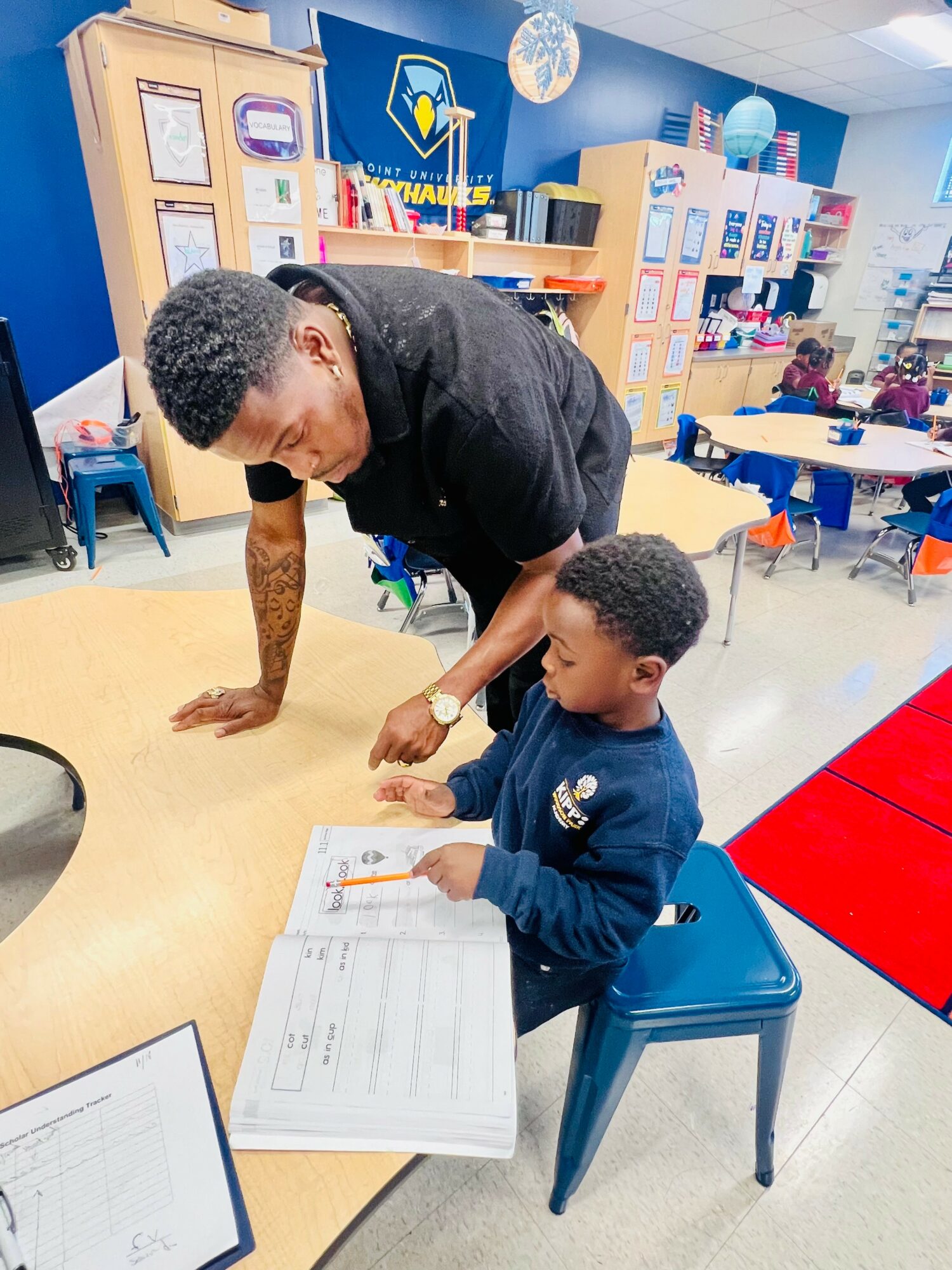
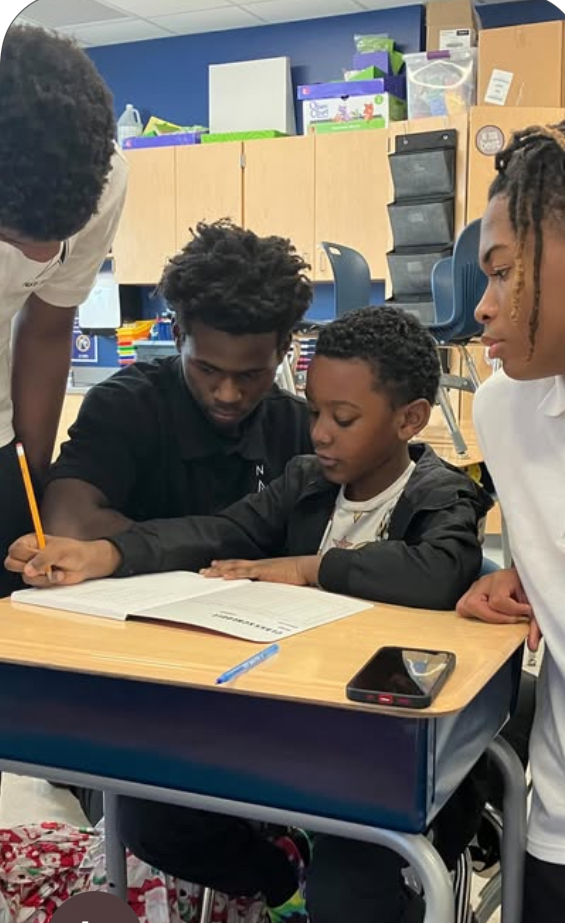
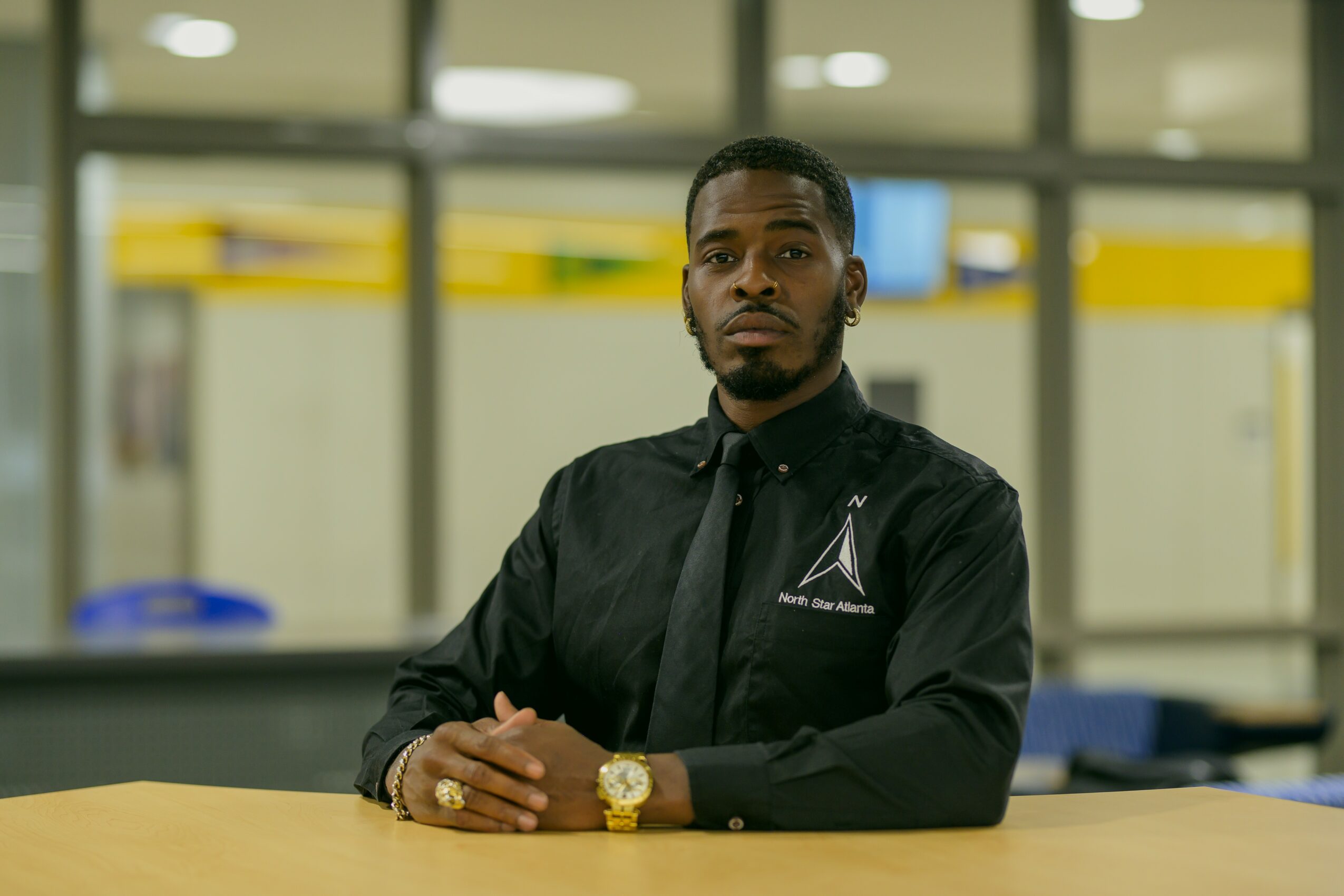
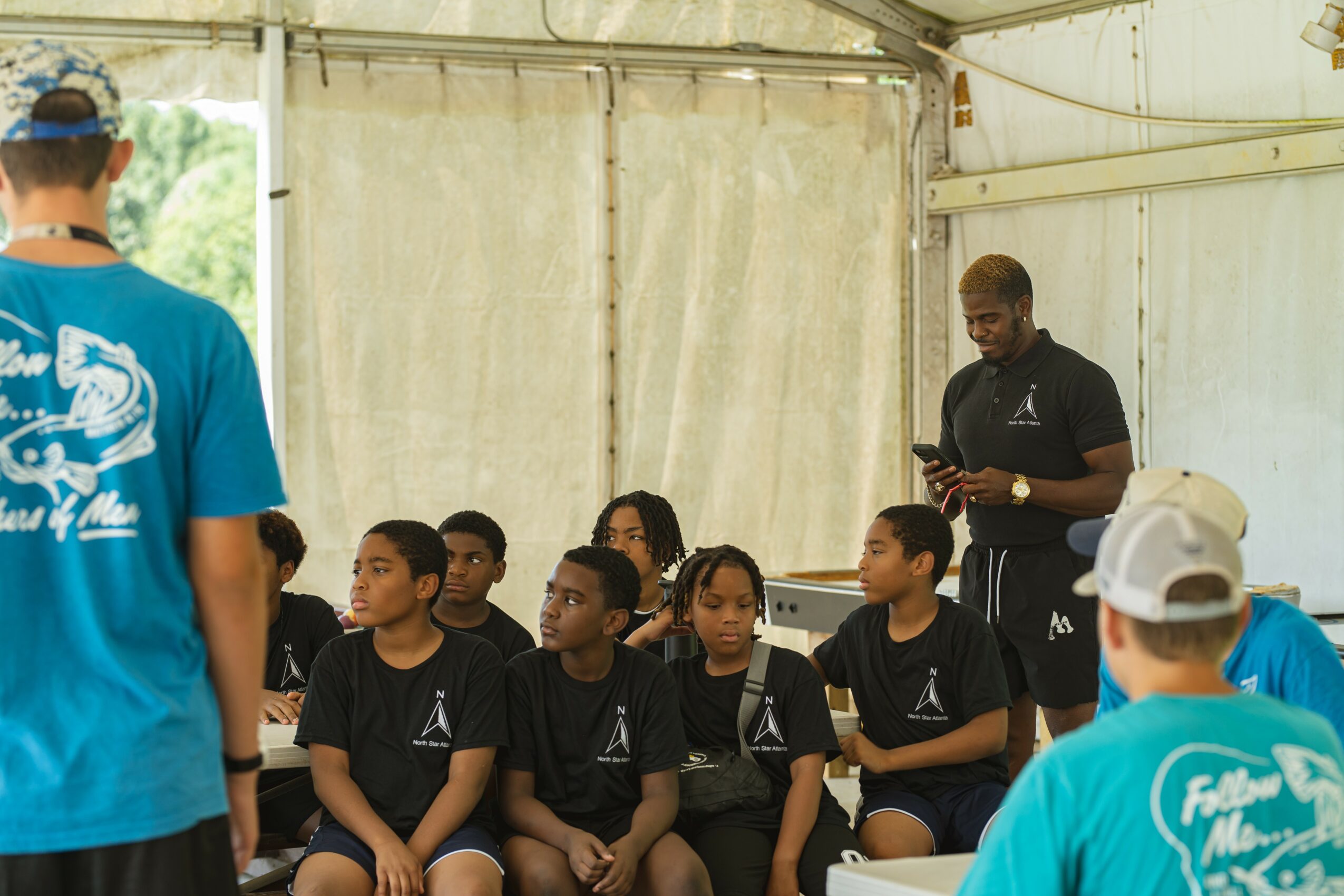
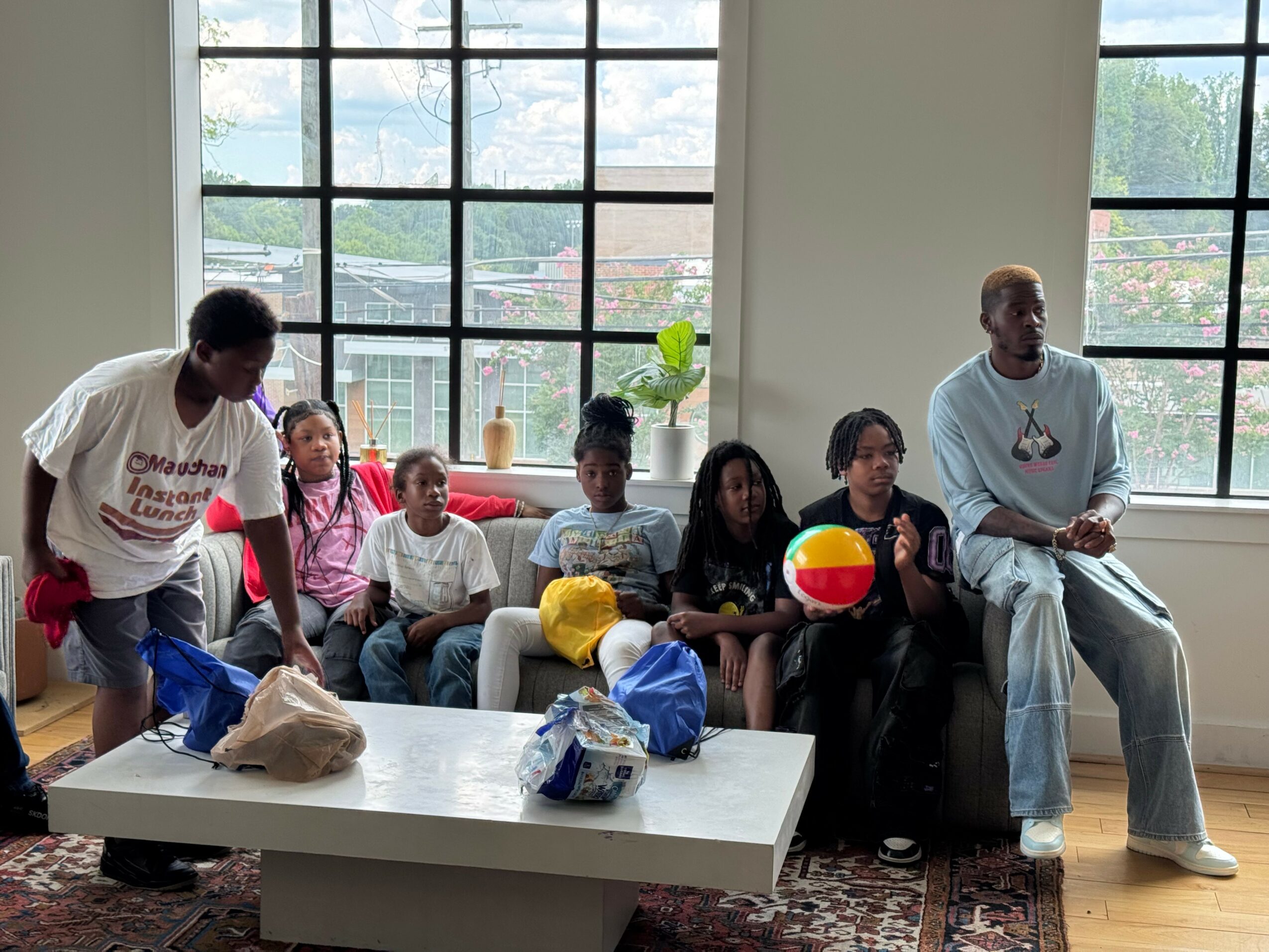
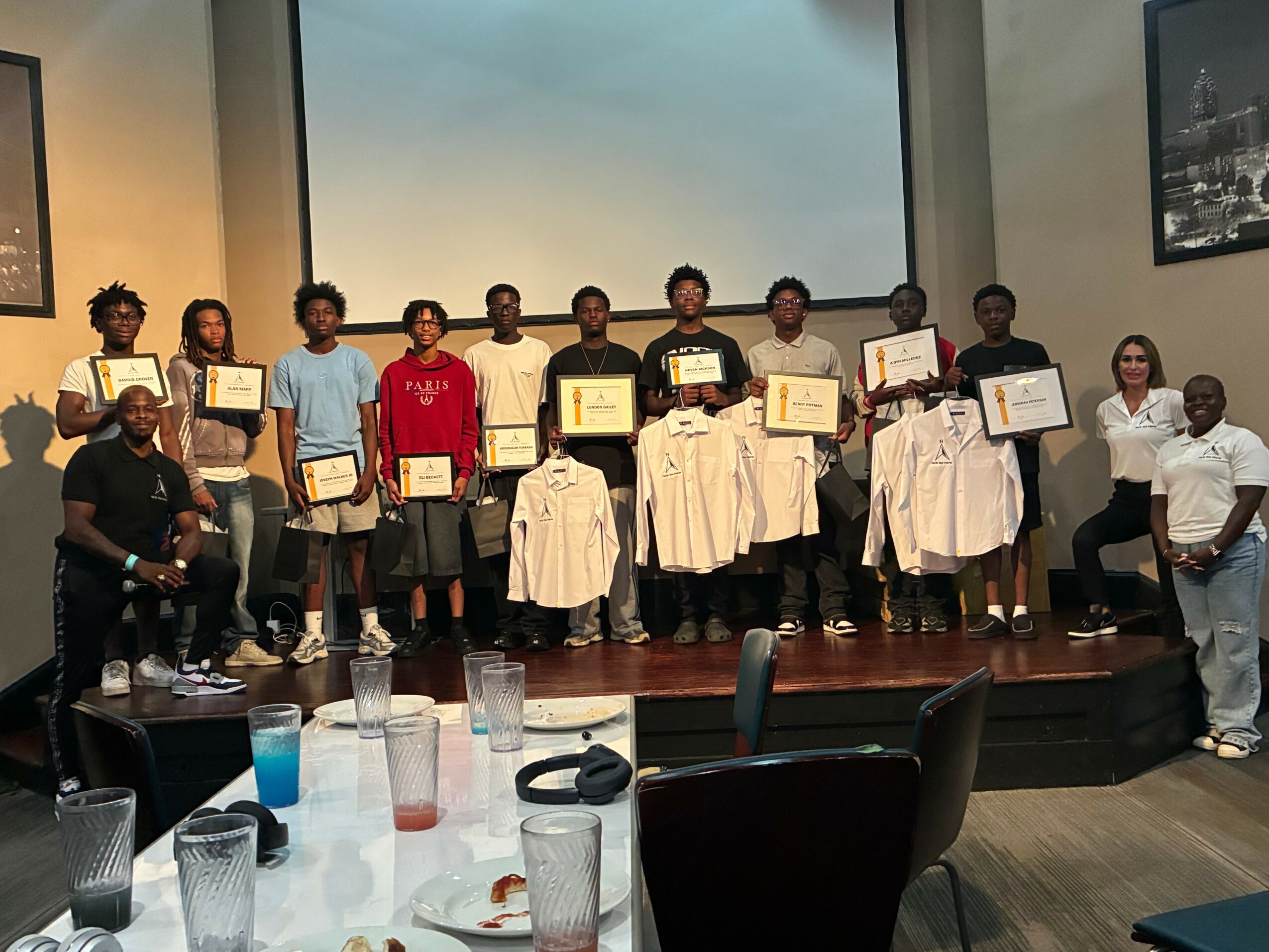
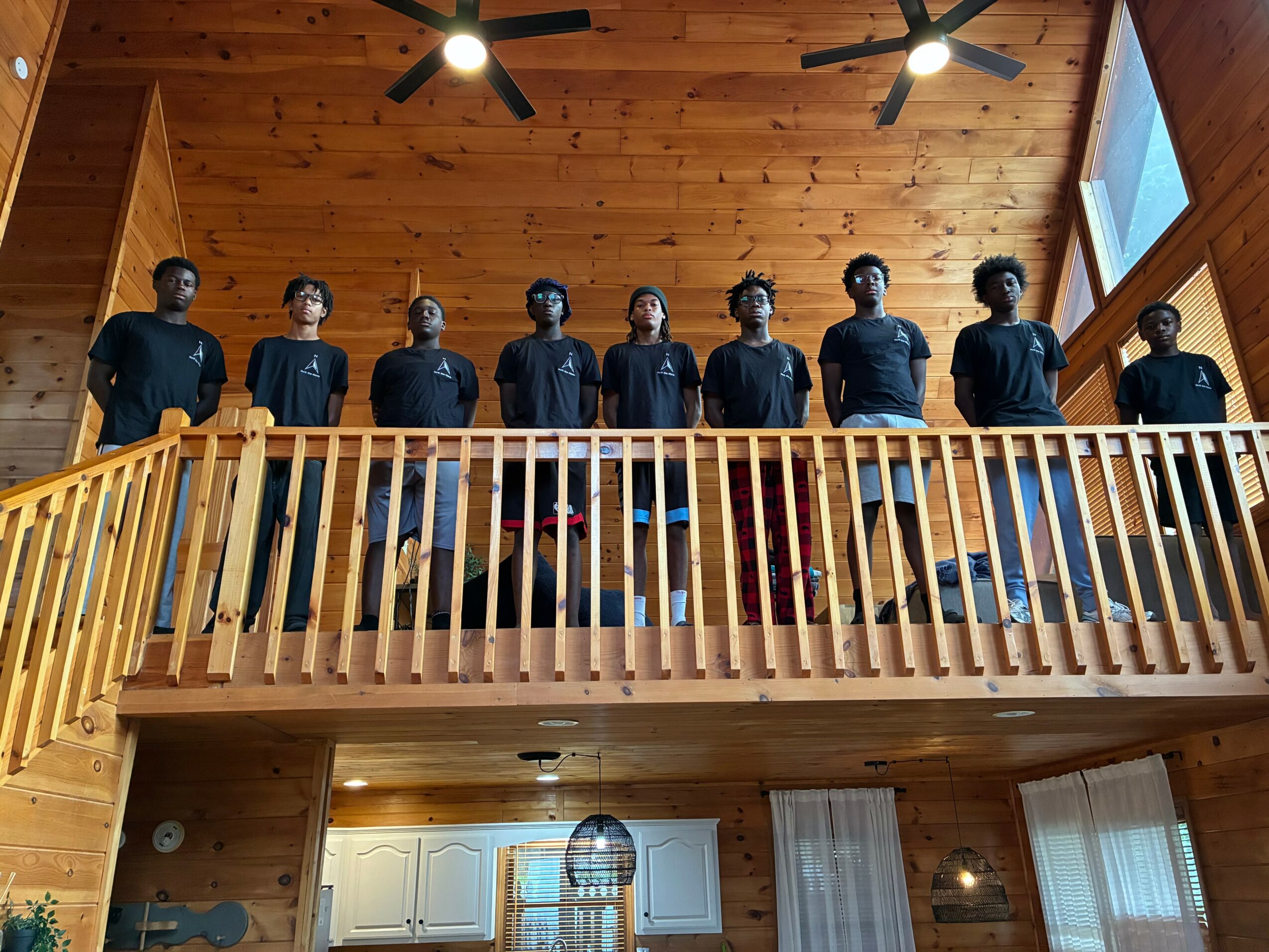
Image Credits
KolaProductions