

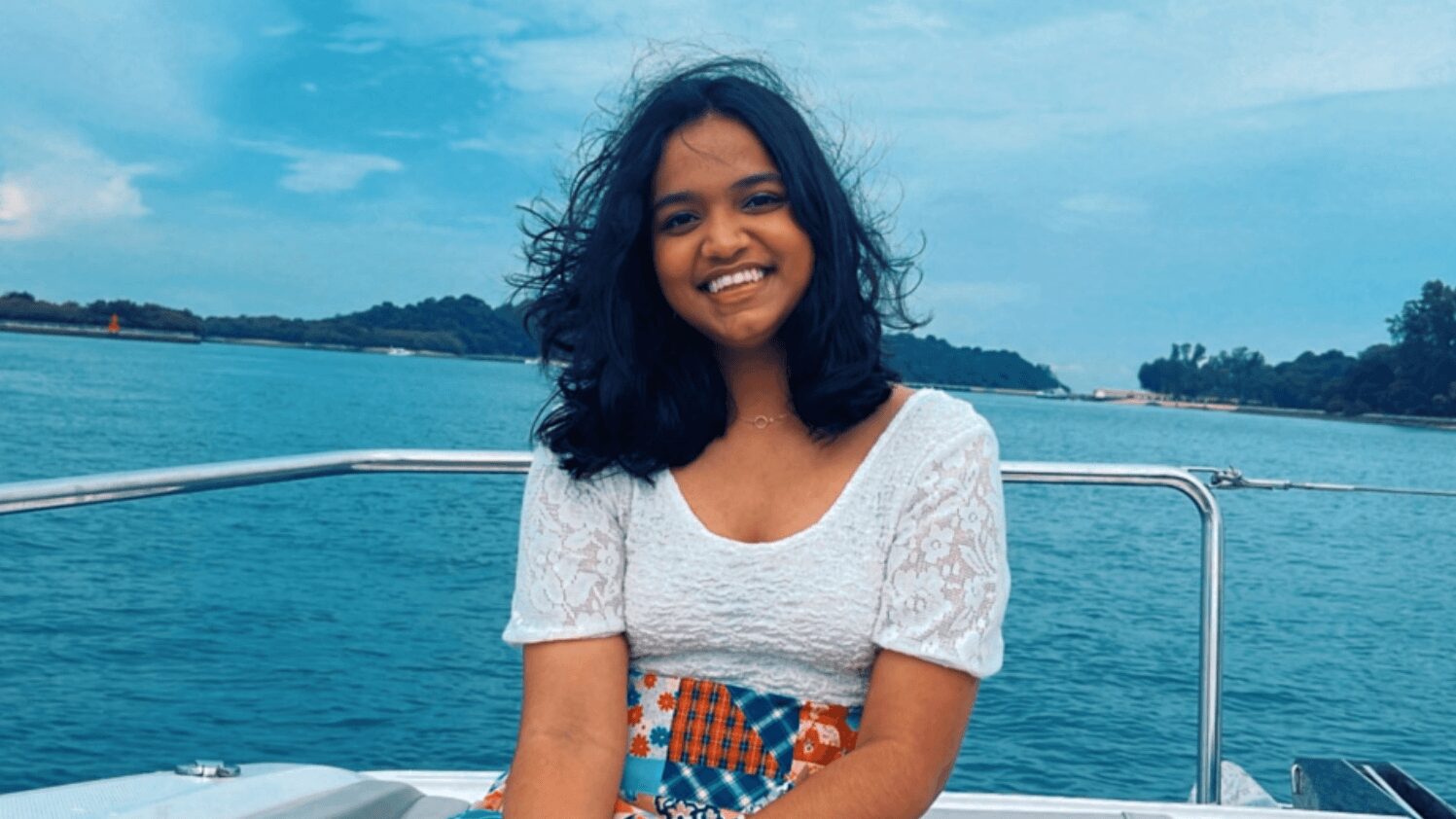
Today we’d like to introduce you to Siya Jain.
Hi Siya, we’re thrilled to have a chance to learn your story today. So, before we get into specifics, maybe you can briefly walk us through how you got to where you are today?
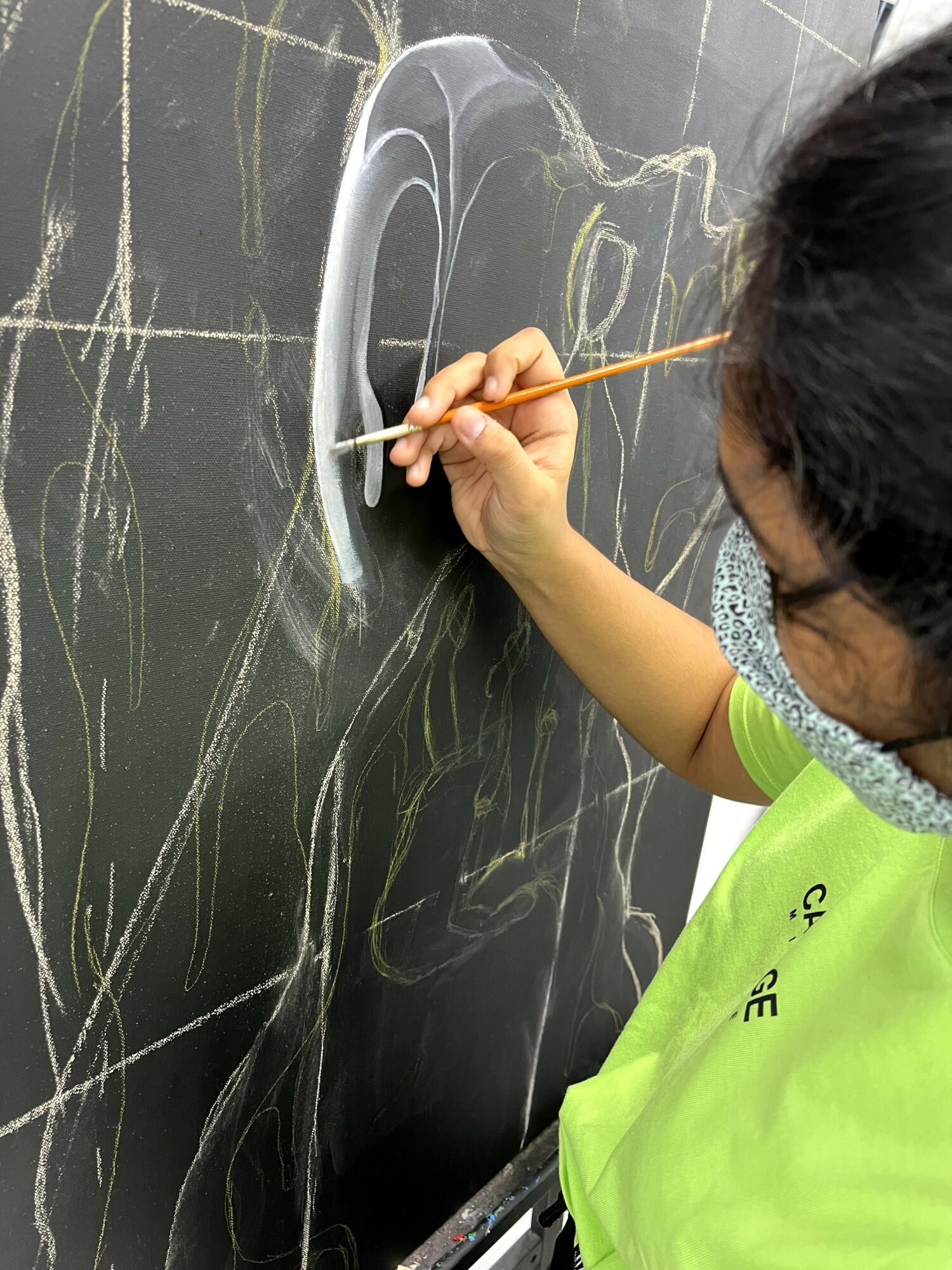
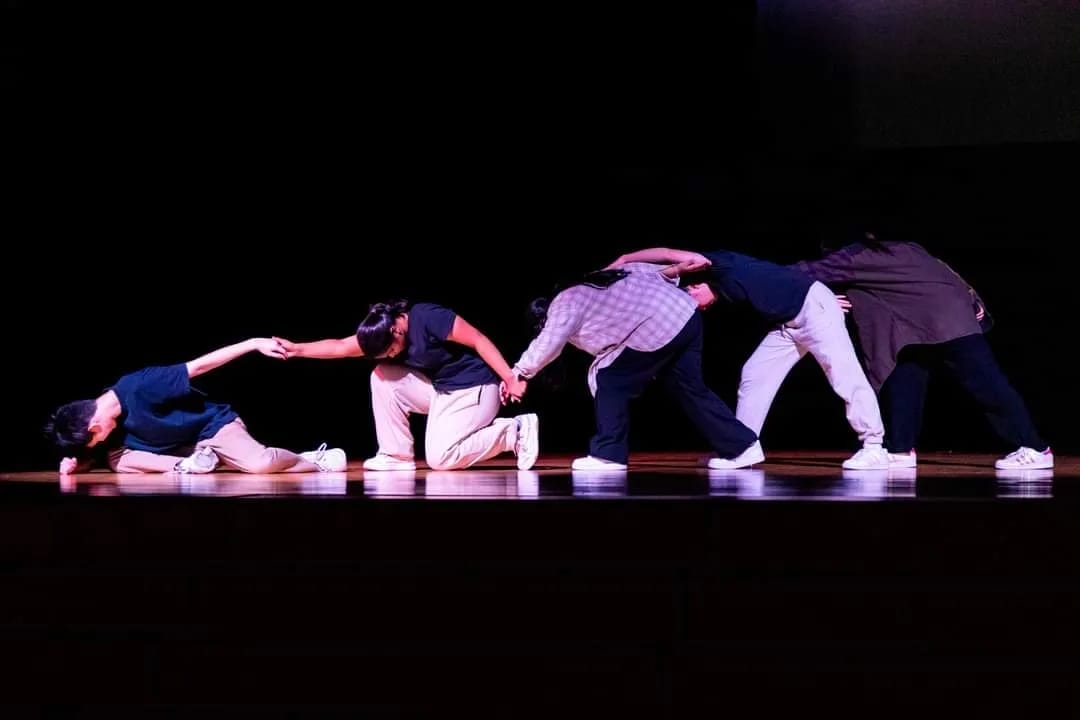
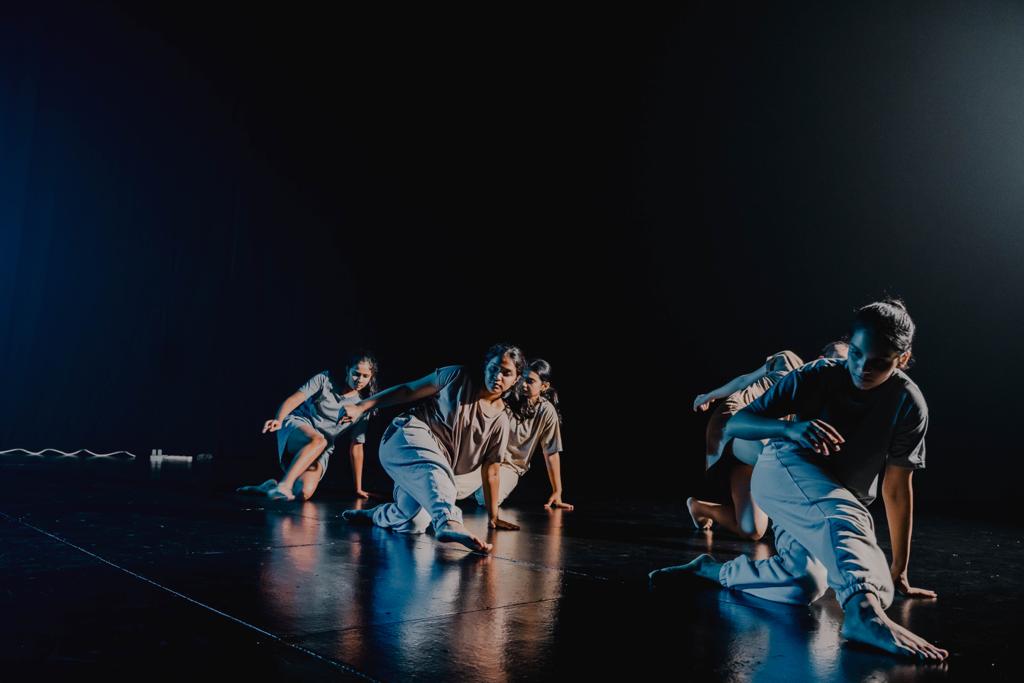
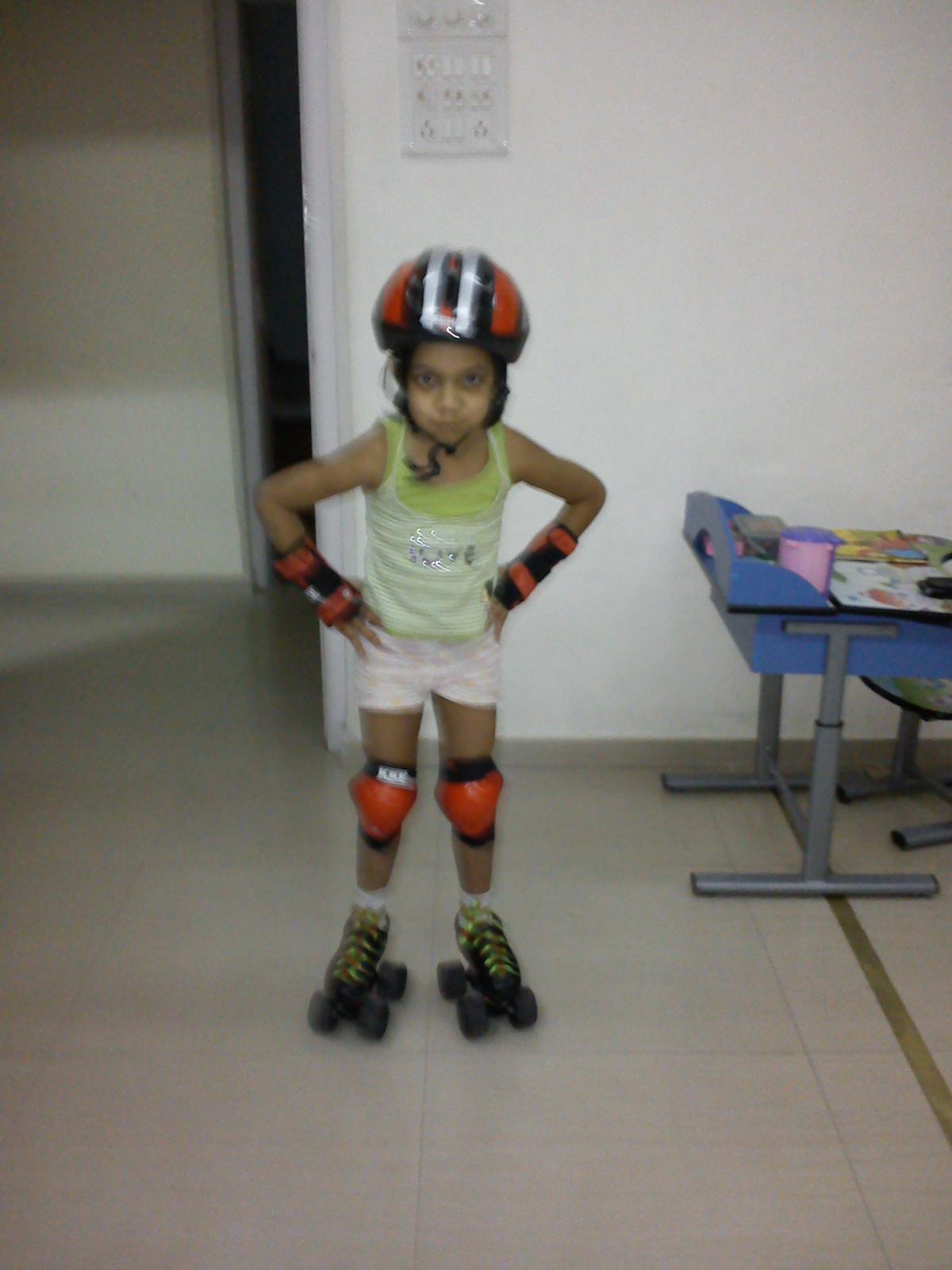
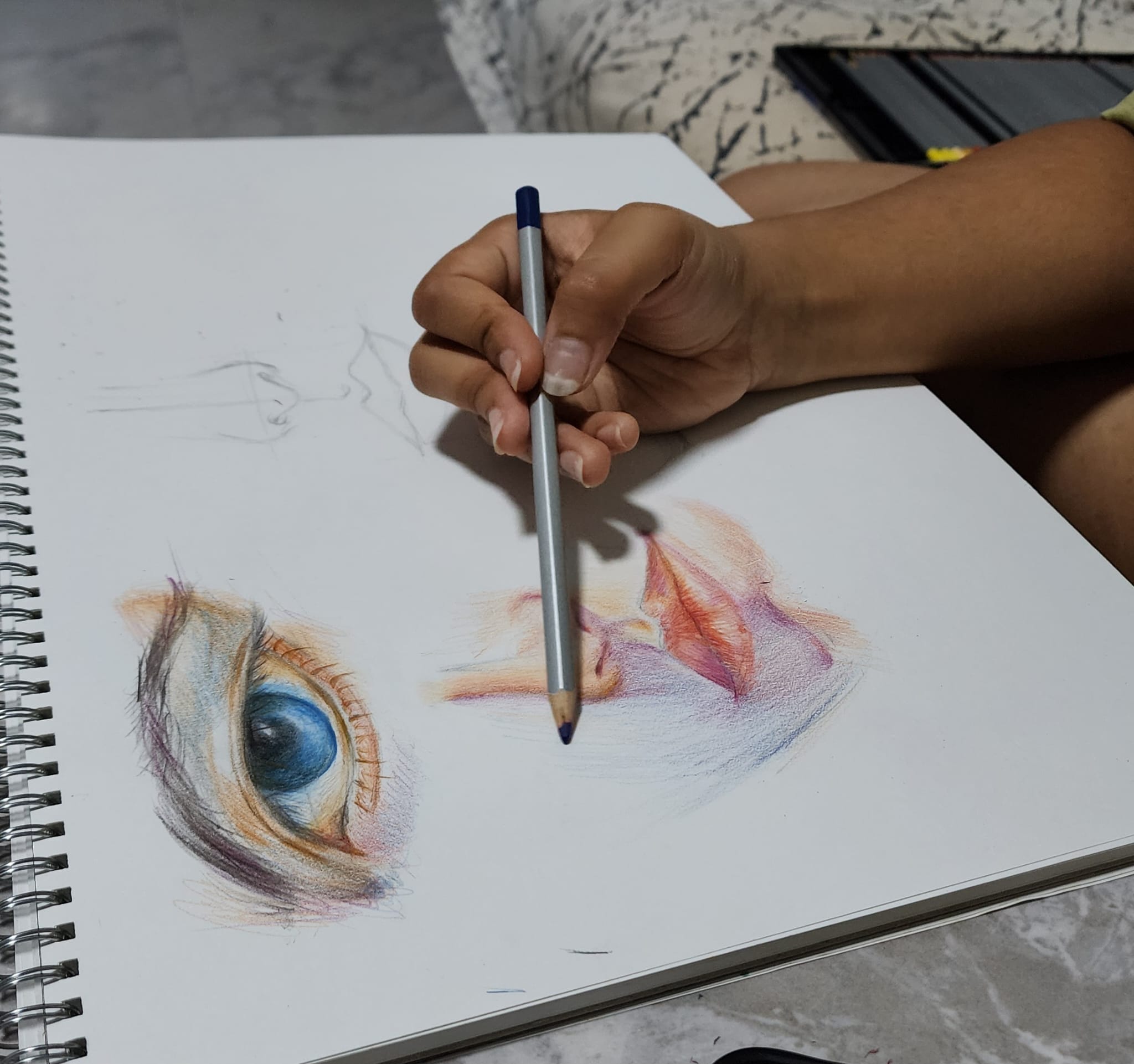
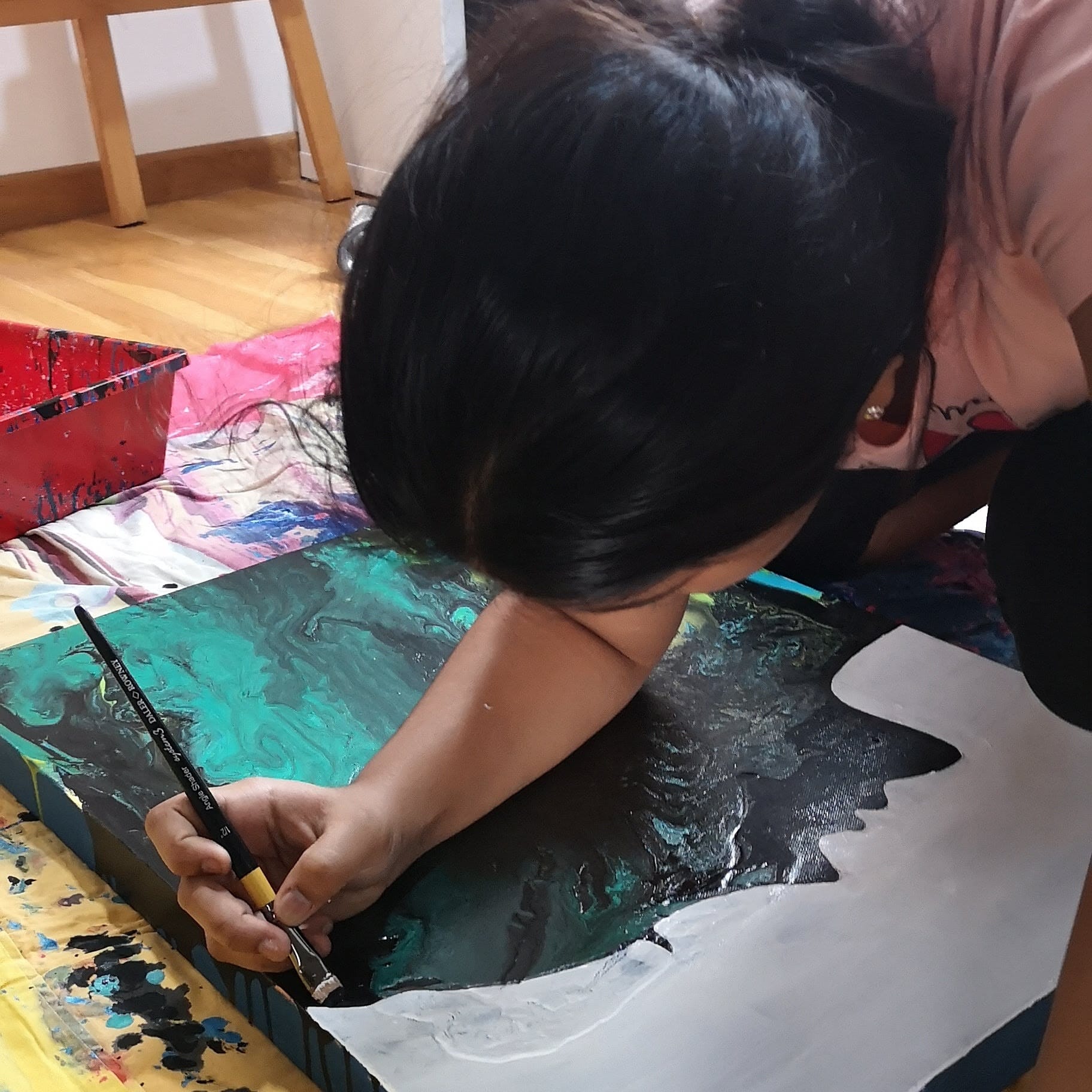
I would describe my creative journey as a seesaw, constantly shifting, dipping, and rising across different interests as I tried to understand who I am and what drives me. I grew up in a family of engineers, which taught me very early on what I didn’t want to pursue. It was a world that never sparked curiosity in me, and I found myself searching for something that did. So I explored everything. Gymnastics, roller skating, dancing, drumming, ice skating, you name it, I tried it. Each one taught me something about discipline, movement, rhythm, or balance, but none of them felt like me. And then one day, I held a paintbrush.
The entire studio faded into the background. It was just me, the canvas, and the sound of brushstrokes grounding me in a way nothing else had before. At that moment, I knew exactly what I wanted: to become an artist. I’ve been painting and creating since the age of eight, and from then on, I carried an unwavering conviction that this is what I wanted the rest of my life to look like.
High school is when everything expanded. I started seeing the overlap between art and technology. How creativity could evolve, adapt, and live in new forms. I learned 3D modeling, experimented with different software, and explored animation. That curiosity led me to my first internship at an NGO focused on raising awareness about plastic waste.
It was there that I realized my creativity wasn’t just for self-expression; it could become a tool for impact. The work I created had the ability to shift perspectives, spark conversations, and contribute to something bigger. I wanted my creativity to help people live better, fuller, more informed lives.
That path led me to where I am today, studying UI/UX design at the Savannah College of Art and Design. But I’ve never believed in limiting myself to a single title. While UX is my core, I’m constantly exploring everything around it: industrial design, graphic design, motion media, and any discipline that challenges me to think differently.
I don’t see myself as just a designer, I see myself as a creator who wants to merge art, technology, and purpose to build experiences that matter.
I’m sure it wasn’t obstacle-free, but would you say the journey has been fairly smooth so far?
In some ways, yes, because I always knew I wanted to pursue art. That clarity came early, so the direction of the road was never confusing. But that doesn’t mean the journey itself was smooth.
My biggest challenge wasn’t deciding whether to choose a creative path, but choosing which part of it belonged to me. I grew up exploring so many forms of expression that it felt like every creative door was open at once. With too many passions, narrowing them down became the hard part.
There were moments where I felt pulled in multiple directions, unsure if I should follow fine arts, commit to product design, or dive fully into UX. Each field excited me in different ways, and choosing meant letting go of something else I loved.
The real struggle was learning that creativity doesn’t always fit into a single box and that it’s okay for my path to be wide, nonlinear, and constantly evolving. Today, that diversity has become my strength, but getting here required a lot of trial, experimentation, and trust in myself.
Can you tell our readers more about what you do and what you think sets you apart from others?
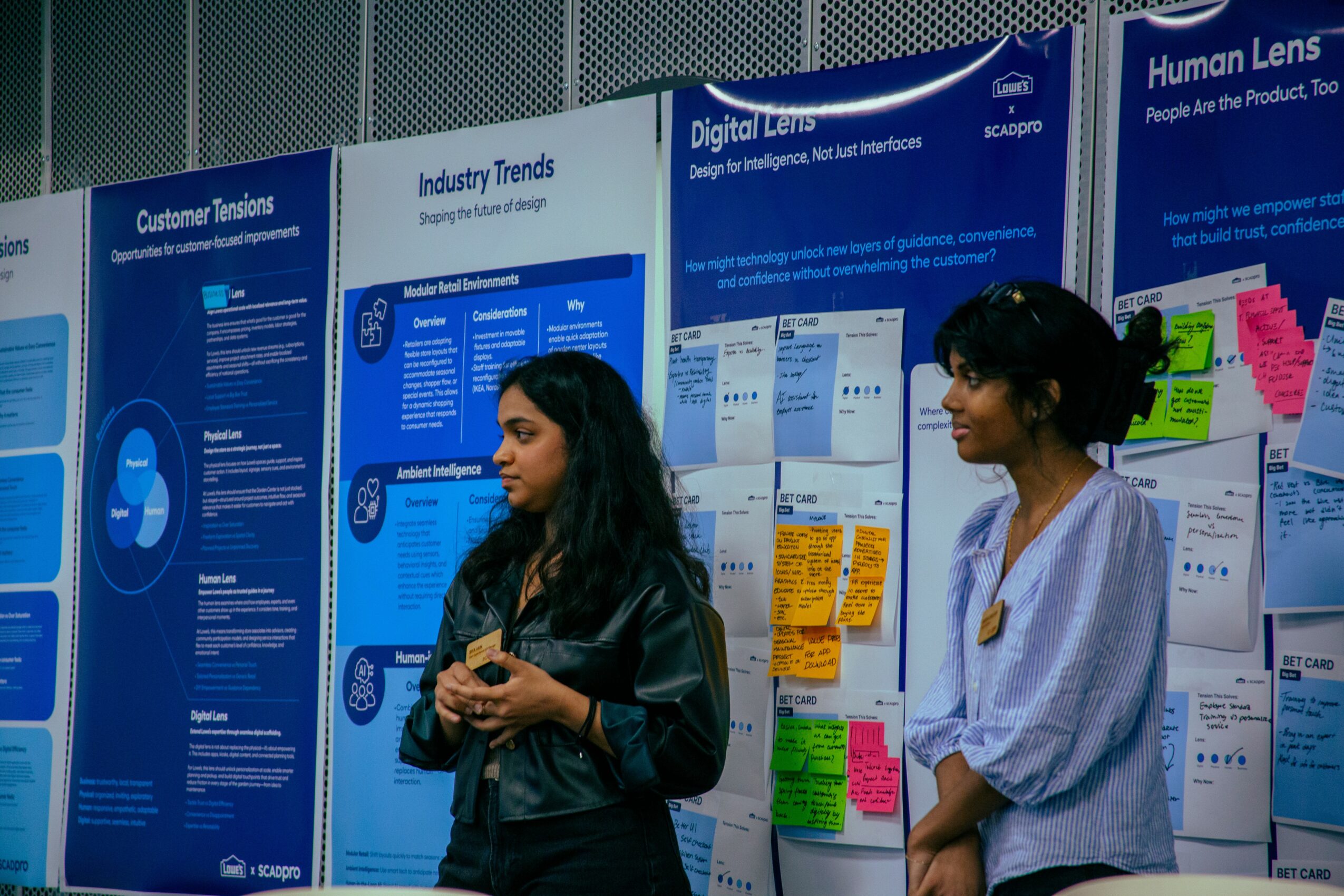
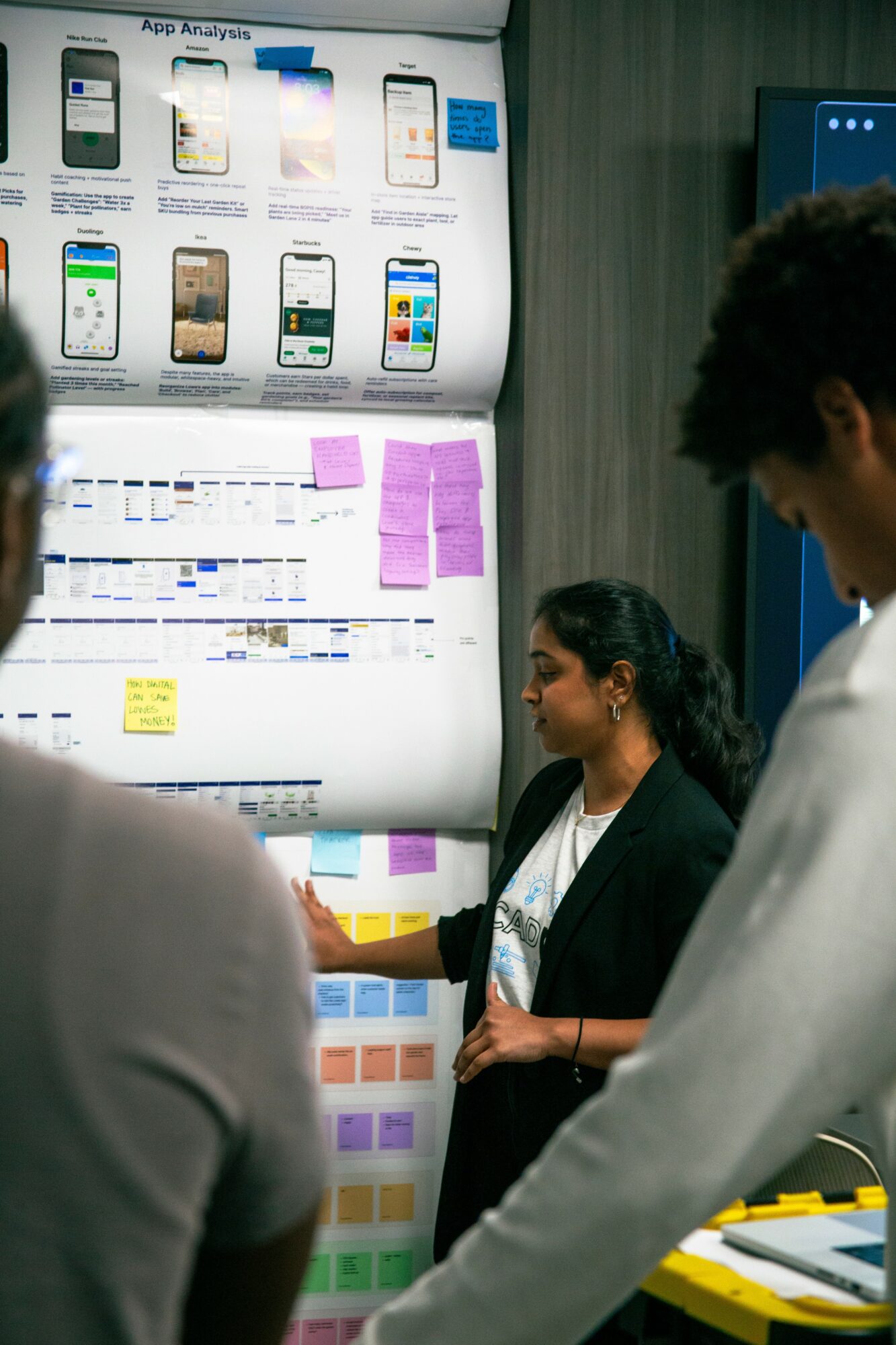
I’m a UX designer by discipline, but in practice, my work stretches far beyond a single domain. UX is my foundation but, I constantly pull from other creative fields to build more thoughtful, layered solutions.
I’m known for designing in a multidisciplinary way. I don’t see design as one straight path. I see it as an ecosystem. So I naturally bridge UX with service design, industrial design, visual design, and strategy. When I approach a problem, I look at the digital experience, the physical touchpoints, the communication, the systems around it, and the emotional journey. This allows me to create solutions that feel more complete and intentional, rather than isolated or one-dimensional.
I’m always exploring new corners of UX too, motion, interactions, storytelling, systems, research. I never want to limit myself this early in my career. Constant learning is a big part of who I am as a designer. Whether it’s new software, new perspectives, or entirely new disciplines, I enjoy pushing myself to grow in ways that shape how I design.
What I’m most proud of isn’t just a project or an award, it’s the patience, curiosity, and persistence I’ve built over time. I’ve learned to sit with hard problems, to keep iterating, to ask better questions, and to stay open to perspectives outside my own. That mindset has allowed me to evolve quickly and adapt to complex challenges.
What sets me apart from others is the way I blend creativity. I don’t design from a single lens, I design from many. I’m able to move between physical, digital, and strategic thinking. I connect disciplines instead of choosing between them. And I bring a calm, steady, patient approach to the chaos of design, one where I’m not afraid to experiment, fail, learn, and try again.
Ultimately, I’m not just focused on making something look good or function well. I’m focused on understanding people, understanding systems, and creating experiences that feel meaningful, intuitive, and human. That desire to build with depth and empathy is what truly defines my work.
Is there a quality that you most attribute to your success?
The quality that has shaped my path so far is my curiosity paired with adaptability. I’ve never been someone who stays confined to one skill or one way of thinking. If anything, my strength comes from constantly exploring, learning new tools, stepping into unfamiliar disciplines, and allowing myself to evolve with every project.
Curiosity keeps me open. It pushes me to experiment, ask questions, and dig deeper into problems instead of accepting surface-level answers. It also helps me see connections between fields that others might treat as separate, which is a big part of how I design.
Adaptability keeps me grounded. It allows me to pivot when things don’t work, adjust my approach when the problem changes, and remain patient through uncertainty. In the creative field, nothing is linear, and being able to move with the process, rather than resist it, has helped me grow faster and with more confidence.
Together, these qualities help me bring fresh perspectives and design with intention. They’re the reason I can navigate multiple disciplines and continually level up as a creator.
Contact Info:
- Website: https://siya-jain.com/
- Instagram: https://www.instagram.com/sisi_jain/
- LinkedIn: https://www.linkedin.com/in/siya-jain/
- Youtube: https://www.youtube.com/@siyajain9636