


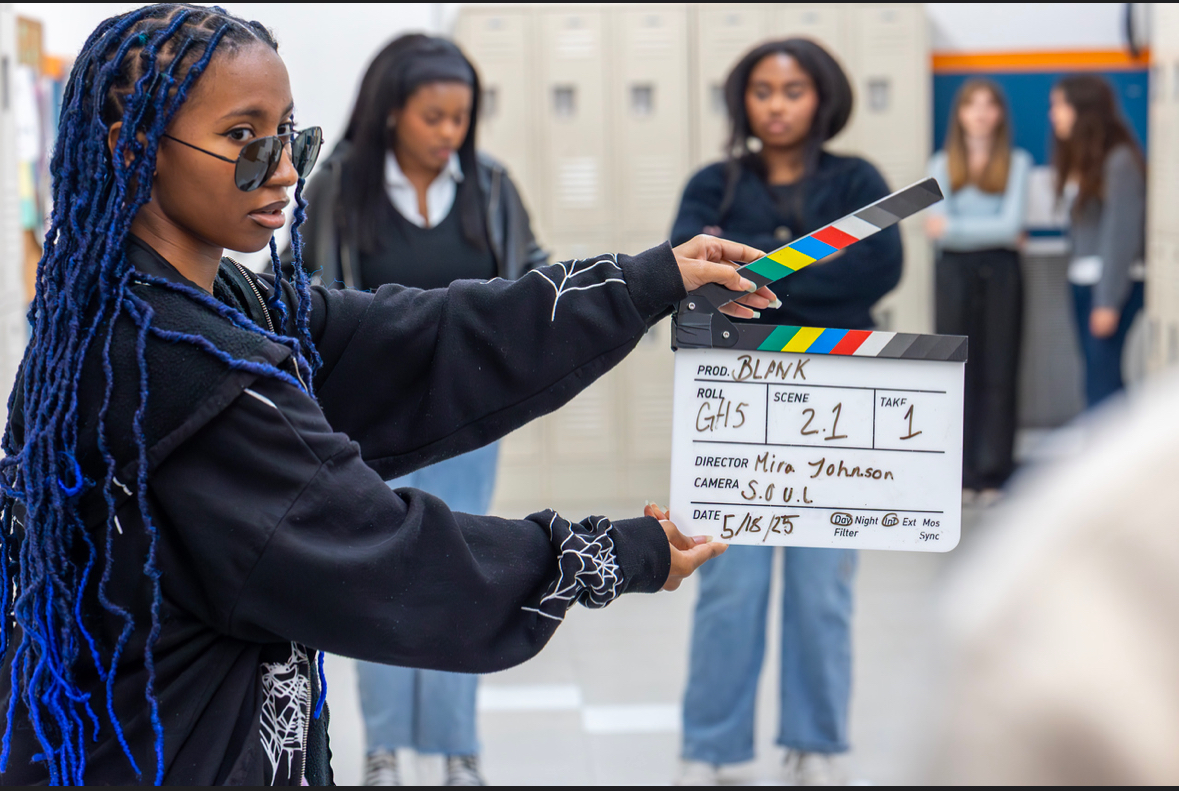
Today we’d like to introduce you to Terryn Pinder.
Hi Terryn , so excited to have you with us today. What can you tell us about your story?
My story really begins with being a weird little girl who loved the strange and unusual. While other kids were into whatever was popular at any given moment, I was obsessed with Monster High, Coraline, The Nightmare Before Christmas, Stranger Things, and anything that existed just a little left of normal. Movies weren’t just entertainment for me, they were my whole world.
Being homeschooled meant my social experiences were limited, so, like a lot of kids, I learned certain behaviors through cinema. But film also highlighted just how different I was. Most kids weren’t fascinated by music scores, lighting choices, or camera angles but I couldn’t stop paying attention to those things. I rewatched movies constantly, studying them long before I even understood that was what I was doing.
By age 10, I started writing scripts, terrible ones, but they were mine. At 13, I directed my first short film, which sealed the deal for me: I wanted to tell stories for the rest of my life. That passion naturally led me into acting, where I had the chance to work on projects like The Black Phone, Secrets of Sulphur Springs, and Genius: Aretha, and those experiences taught me how a set truly works from the inside out.
In my junior year of high school, I made my second short film, Desquamated, which went on to become a smash hit in the film festival circuit and showed me that my instincts, for the intense, the emotional, and the cinematic, could actually resonate with audiences.
My story is anything but usual, but I’ve come to realize that’s exactly what gives it its charm. Every odd interest, every limitation, every early experiment with writing and filmmaking shaped me into the artist
I’ve become someone who embraces the unusual and channels it into impactful storytelling on screen. These ambitions are the very reason I stand where I am now as an Oscar-qualifying filmmaker.
We all face challenges, but looking back would you describe it as a relatively smooth road?
It definitely hasn’t been a smooth road, but the challenges have shaped me just as much as the opportunities. Growing up homeschooled in a low-income household meant that resources were limited and I had to create most of my own opportunities. Nothing about my path was handed to me I had to seek out every chance to learn, work, and grow.
As I got older and became more vocal about my creative style, I discovered what might’ve been my biggest challenge mentally. People often saw my potential, but instead of nurturing it, most tried to force it into what they thought it should be. Adults would try position themselves as mentors, but not in the way I needed. Rather than listening or supporting my leadership, they wanted to take the reins. I learned early that having a clear vision can make some people uncomfortable especially coming from someone young, quiet, and deeply passionate about quirky storytelling.
Since I’m not bubbly or overly expressive, I am often mislabeled as “aggressive” or “disrespectful” simply for being firm in my artistic direction. My mom jokes that I’m a real-life Wednesday Addams, and honestly, she’s not wrong I’ve always had a calm, darker aesthetic, a fascination with weird things, and a personality that doesn’t demand the spotlight. But those traits, instead of being celebrated, sometimes made others underestimate me or misunderstand me.
On top of that, a lot of people didn’t (and still don’t) understand why I love horror as much as I do. I’ve been told it’s “too dark” for someone my age, or not the kind of genre a young woman should be pursuing. But I think those comments reveal more about other people’s limitations than my own.
Through all of this, I learned how to stay grounded in who I am. My quiet nature, my commitment to who I am as a creative, and my love for bold storytelling have pushed me to become a filmmaker who doesn’t shy away from vision or voice. The road hasn’t been smooth, but every challenge has strengthened my belief in the stories I want to tell and the confidence to keep telling them my way.
As you know, we’re big fans of you and your work. For our readers who might not be as familiar what can you tell them about what you do?
I consider myself a filmmaker in the fullest sense of the word. I’m not just a director or just an actress. I write, produce, shoot, light, do SFX makeup, and even build props when I need to. I love every part of the process. While directing and screenwriting are my primary focuses, I genuinely enjoy understanding all aspects of filmmaking because they all inform each other. The more I know, the stronger my vision becomes.
A common misconception about me is that I only make horror films. Horror is my favorite genre, it’s where my heart naturally gravitates, but I’m far from limited to it. I’m always excited to work in different genres because each one teaches me something new about storytelling, character, and emotion.
One of my favorite projects I’ve worked on was Sole Sista, a comedic coming-of-age short directed by my dear friend, Emerie Boone. The film explores the challenges of being different and learning to embrace it unapologetically. I served as Assistant Director on that project, and it remains one of the most joyful sets I’ve been on. The energy, the collaboration, and the heart behind the story reminded me why I fell in love with filmmaking in the first place.
I also recently worked on a drama called BLANK, directed by another incredibly talented filmmaker, Mira Johnson. Projects like these in genres outside my usual lane keep me sharp and remind me of how much I enjoy exploring new creative spaces.
My favorite part of filmmaking will always be the collaboration. This industry introduces you to some of the most passionate and imaginative people you’ll ever meet. Bringing a story to life together piece by piece, role by role is one of the most rewarding experiences you can have. I don’t ever want my sets to feel like work; we’re artists, and creating should feel exciting, connective, and fun.
What I’m most proud of is that every opportunity I’ve earned has come from hard work. I’m not someone who shrugs and says, “I’m just lucky to be here.” I’ve put in the hours, the learning, the risks, the effort and I take pride in knowing I’ve built my place in this industry step by step.
What sets me apart is my attention to detail and my respect for every job on set. I believe an effective director needs to understand how each department functions. You don’t have to master every skill, but you should know how it works so you can communicate better, plan smarter, and lead with empathy. If shooting in a certain order makes life easier for the editors, I’ll do it. If I’m asking my actors to get into freezing water for a scene, then I’m getting in there too — we freeze together.
At the end of the day, I want to be known as a passionate filmmaker with vision for days; someone who leads with creativity, collaboration, and a commitment to quality. I want people to walk away from my sets feeling inspired, respected, and proud of the work we created together.
Who else deserves credit in your story?
There are several people who deserve credit for where I am today, and my parents are at the top of that list. Beyond the obvious love and support, they made sure I grew up cultured in cinema. That might sound small, but it’s had a huge impact on my career. They believed a good filmmaker should be well-rounded, so I grew up watching everything from Jaws to Back to the Future to Star Wars. They taught me early on that understanding film history, the references, the language, the iconic shots, matters. If someone on set says, “Do the hero spin from the first Avengers movie,” and you’ve never seen it, you’re already behind. Their commitment to making sure I understood the foundations of cinema shaped me into the filmmaker I am today.
I also owe a great deal to my two mentors, BJ Emerson and Lee Tate, who have both played major roles in my creative journey.
BJ has been my film mentor since I was twelve. He’s one of the first people who recognized my passion and potential. After I attended a film camp he led, still one of the best experiences of my life, he told my parents that I had something special. That encouragement was the final push they needed to fully support me pursuing filmmaking seriously. BJ has guided me through so much of my early development as a filmmaker, and his belief in me has always meant the world.
Lee Tate, my music mentor, has impacted my work in a completely different but equally important way. He taught me the power of vibration and how sound and music shape emotion, tension, and atmosphere. He’s one of the most naturally gifted musicians I’ve ever met, and learning from him opened my eyes to how essential scoring is to storytelling. Because of him, music is now one of the most important elements I consider when creating a film.
Each of these people contributed something unique: my parents gave me foundation and exposure, BJ gave me direction and confidence, and Mr. Tate gave me a deeper understanding of how sound shapes a story. I wouldn’t be the filmmaker I am today without them.
Contact Info:
- Instagram: terrynpinder
- Facebook: terrynpinder
- LinkedIn: Terrynpinder
- Other: https://filmfreeway.com/TerrynPinder570
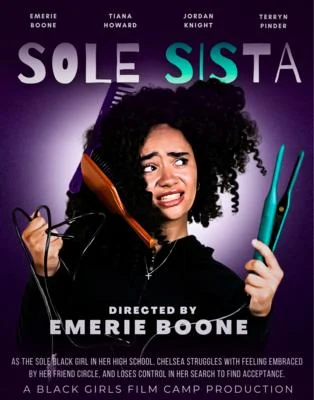
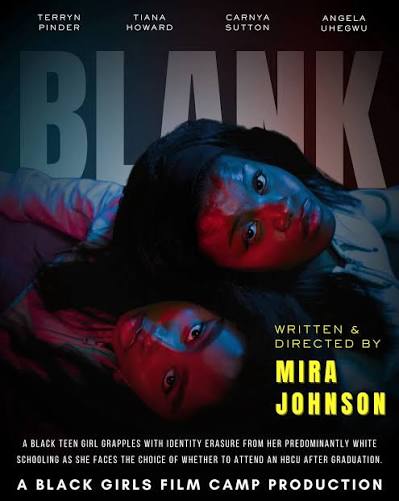
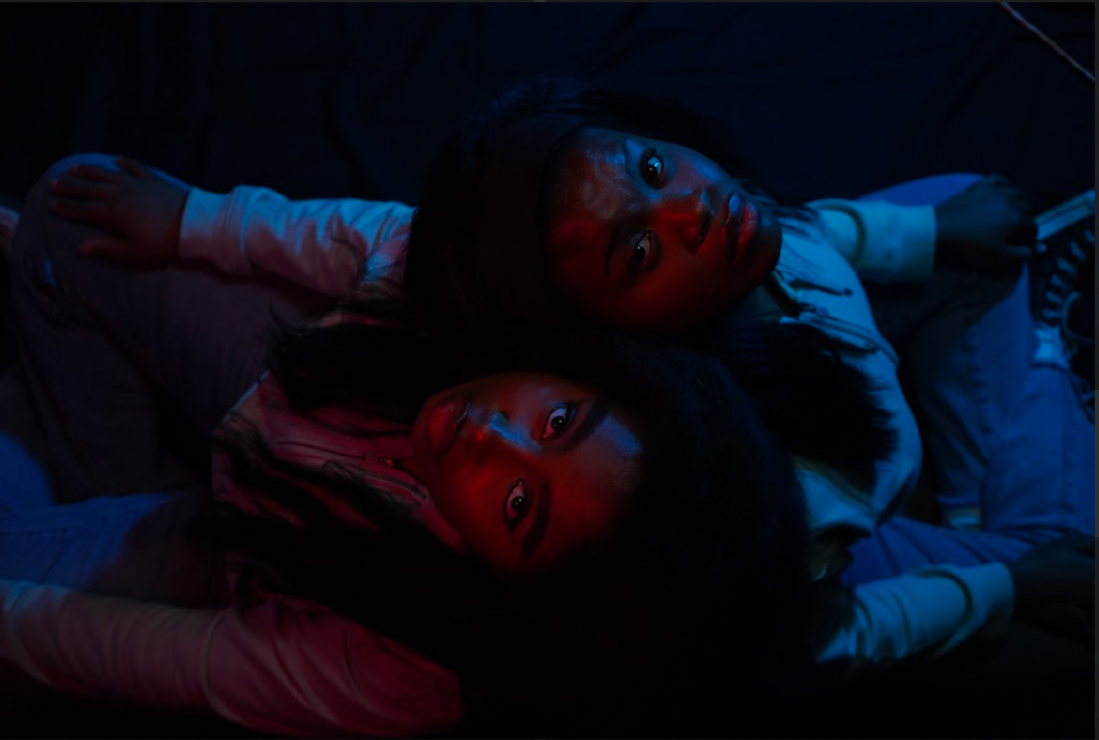
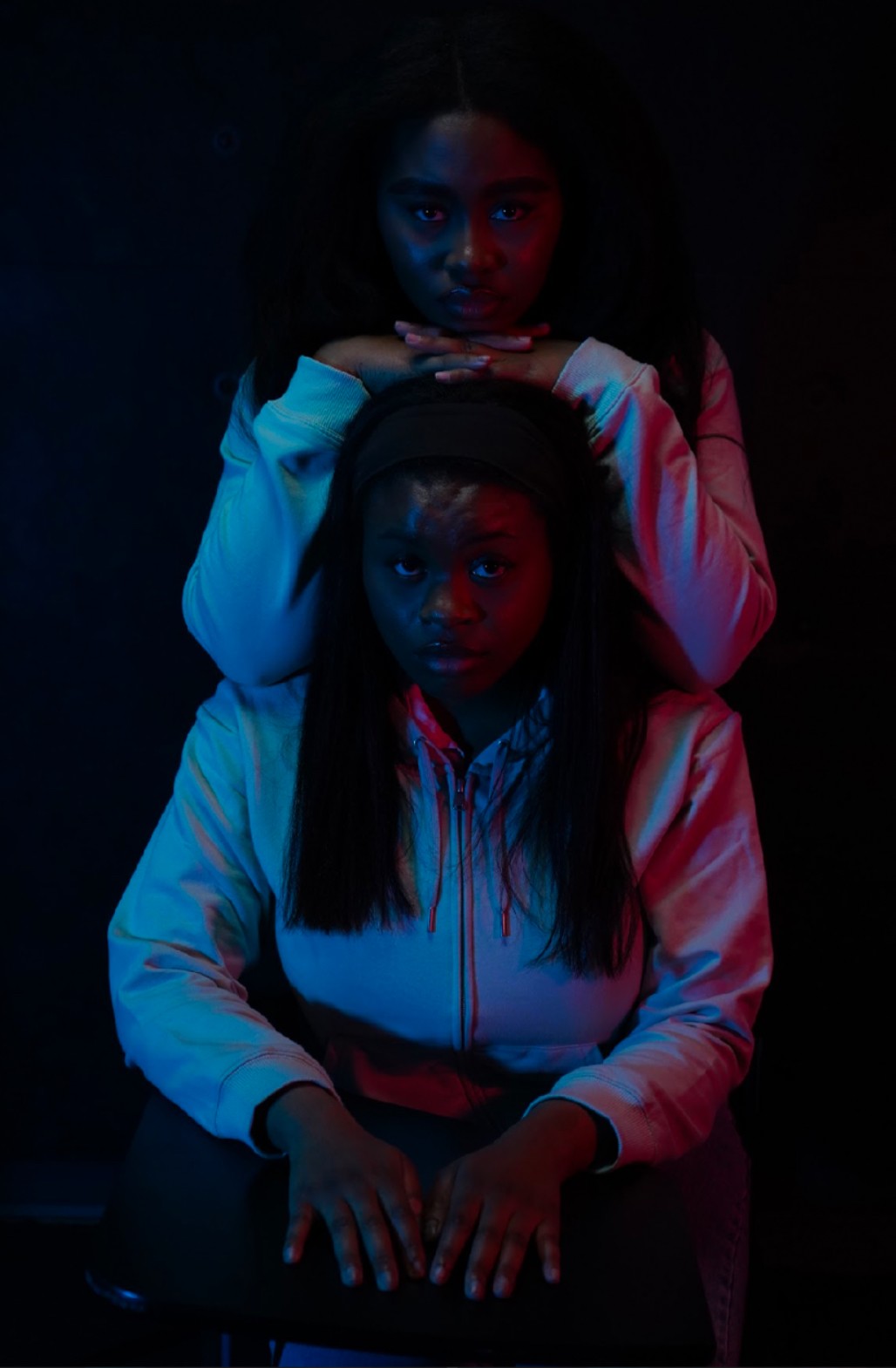
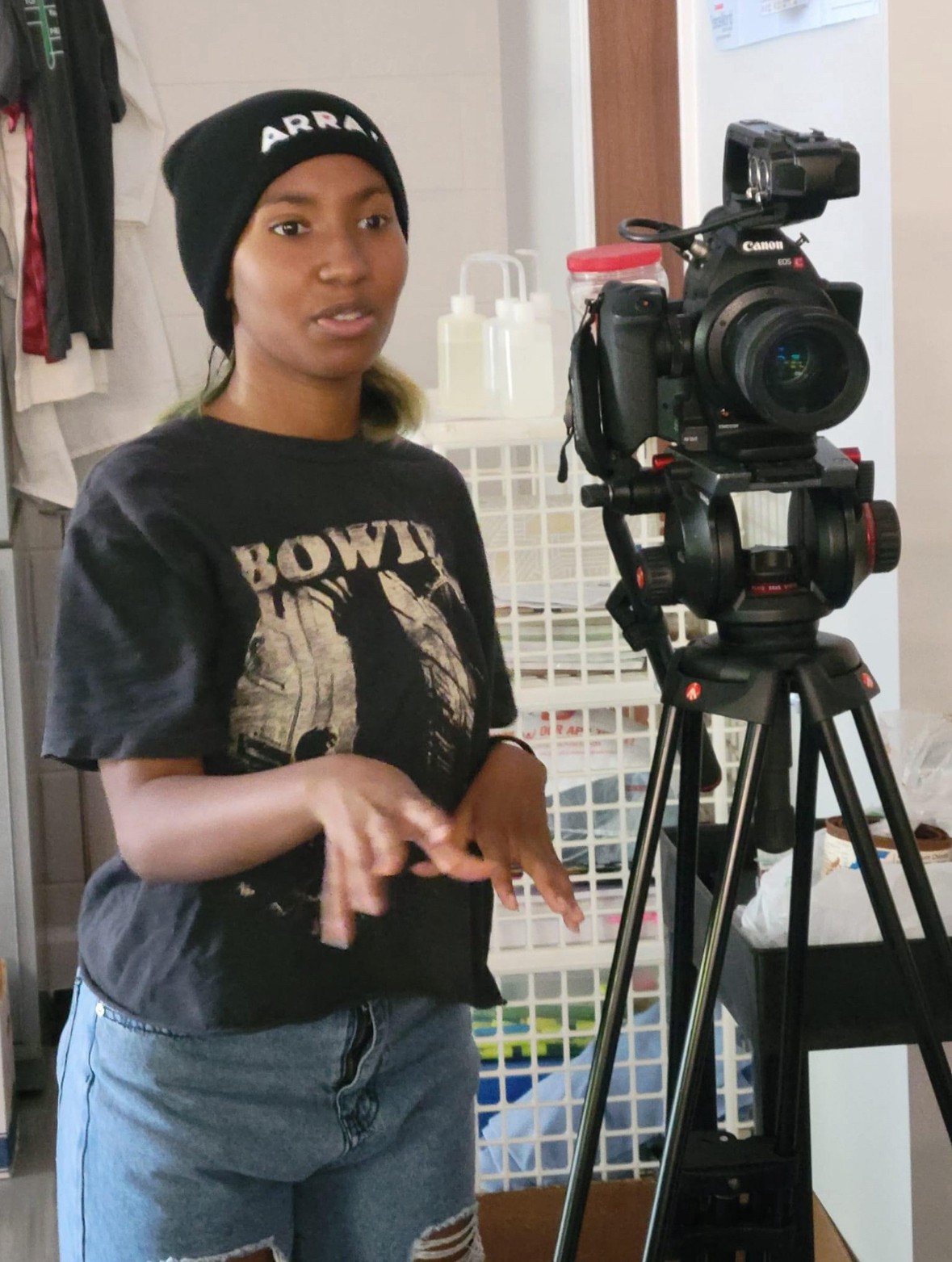
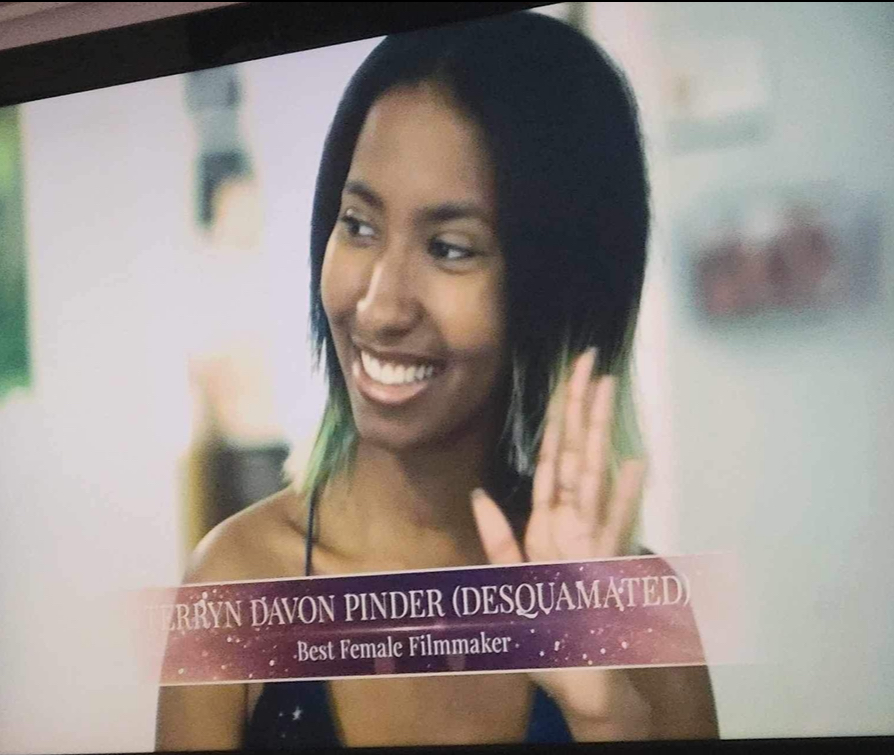
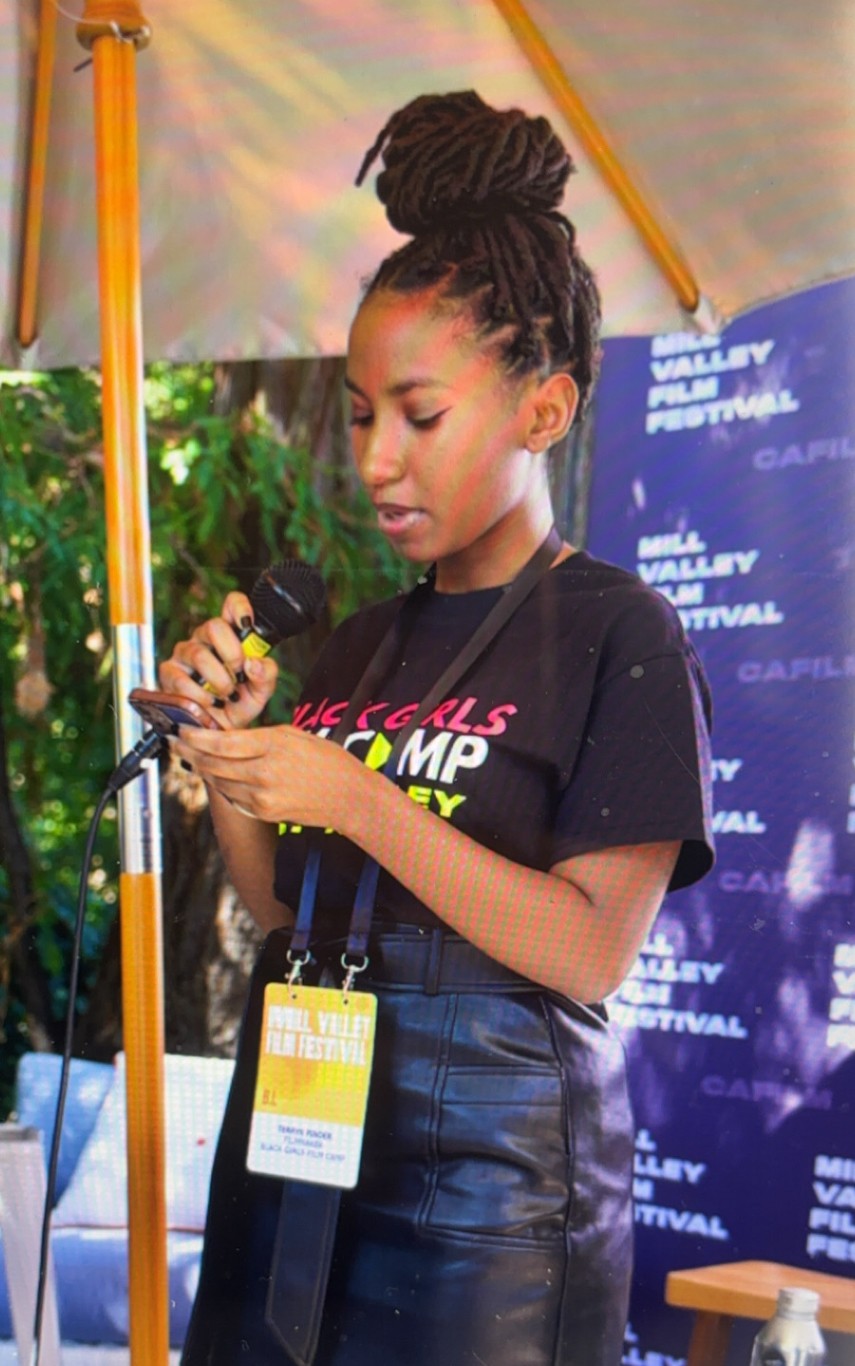
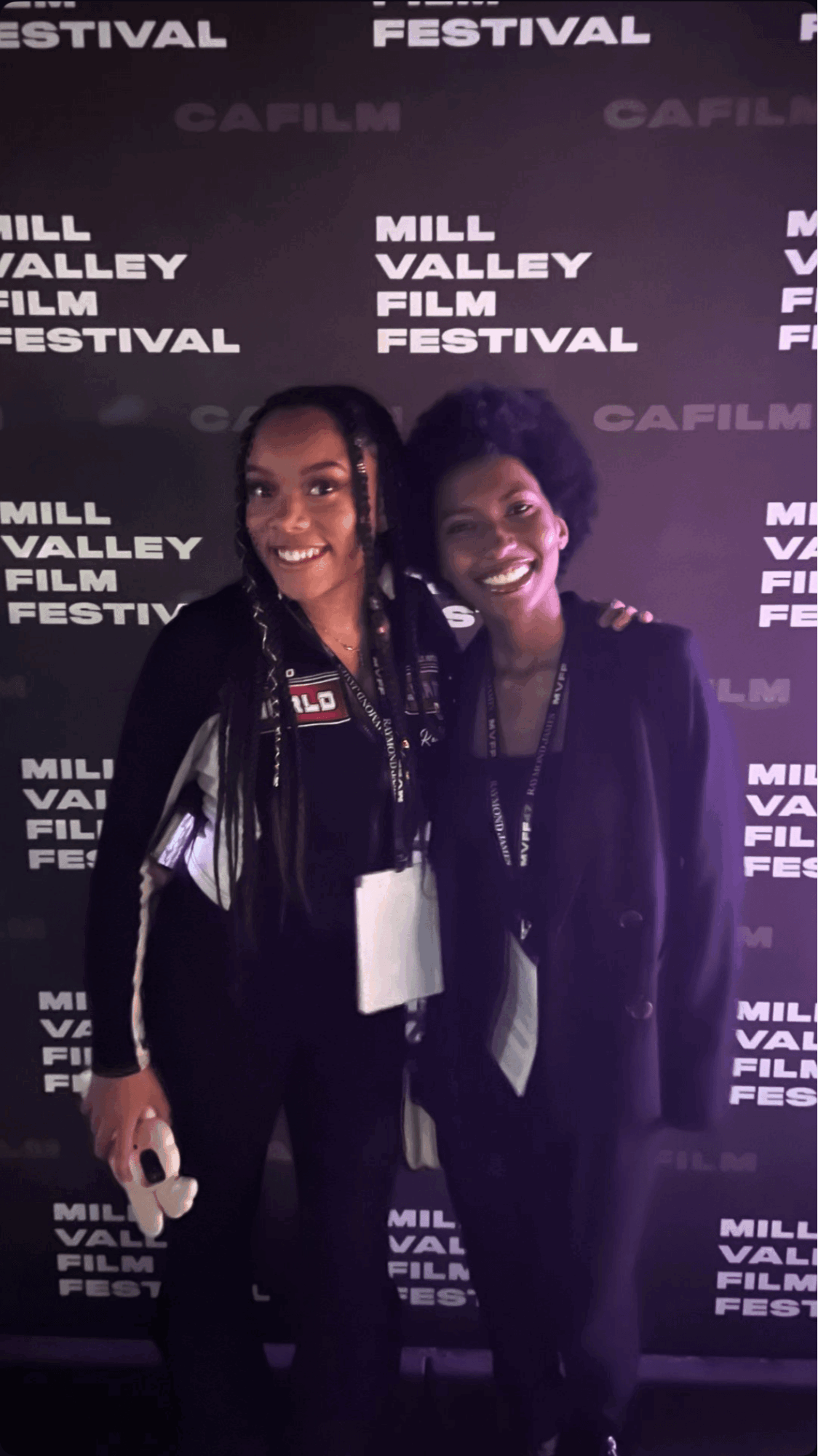
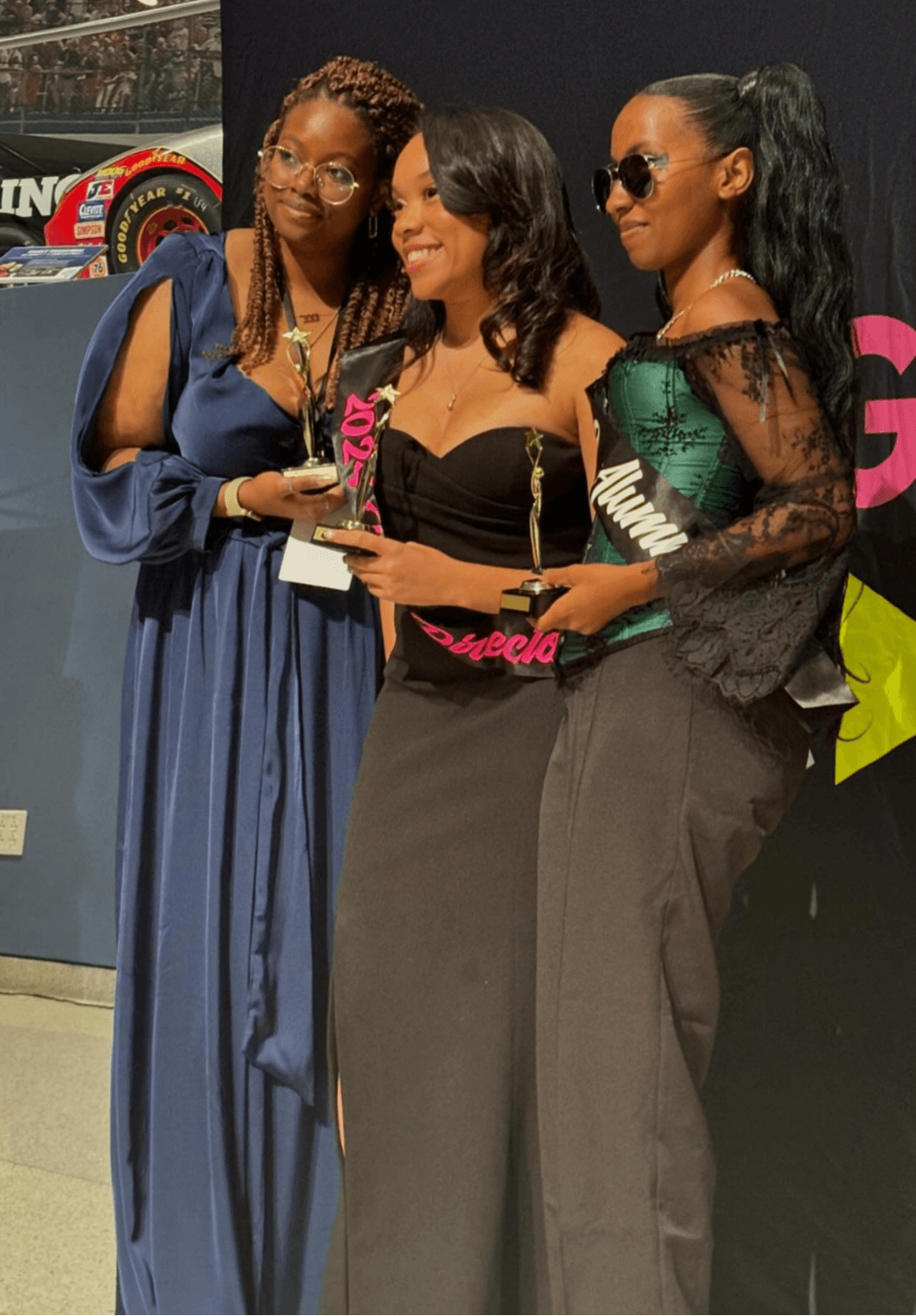
Image Credits
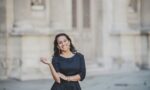
The first image credit goes to a photographer called The Legacy Photographer.
The two poster photos were professionally taken by me and I included of the raw photos from the BLANK poster that were also taken by me. The rest were simple photos taken on my phone either by me or my mom. The only other photo that was not taken by me is the one at Mill Valley where I’m holding the Mic and here is the description and bio info for that photo.
MIND THE GAP SUMMIT @ MVFF46 Black Girls Film Camp18 / 27
participants speak at the presentation of the Mind the Gap Award to Dr. Jimmeka Anderson for her Vision in Film Education | Photo © wejjr