



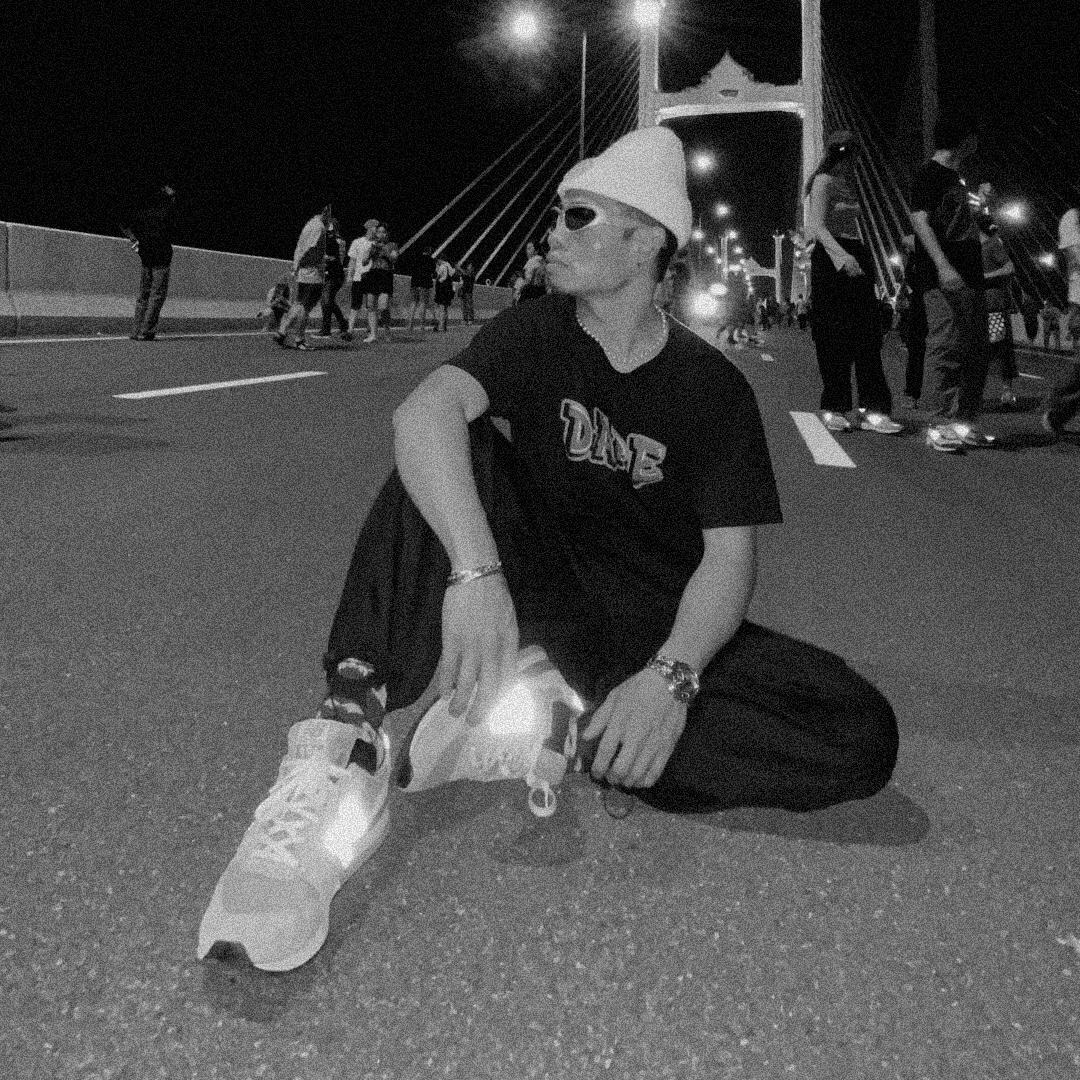
Today we’d like to introduce you to Vorrapon Jirakasemnukul.
Hi Vorrapon, thanks for sharing your story with us. To start, maybe you can tell our readers some of your backstory.
I’m originally from Bangkok, Thailand. I lived there until I was 10 before moving to the U.S. in search of a brighter future. Since then, I’ve moved around a lot, just following wherever school or work was taking me. From New Hampshire, Massachusetts, South Carolina, Ohio, Washington, and now Georgia, each place has taught me something different, from the people I met to the challenges I had to work through. For the past five years or so, I’ve basically packed up and moved every six months to a year, depending on what opportunity was in front of me.
I was never the “art kid” growing up. I was much more of a sports kid. That love for sports is what eventually pulled me into footwear. NBA basketball was huge for me. I was obsessed with the talent and the level of competition, but also with the personalities, the culture, and the stories being told through what players had on their feet. Shoes felt like this visual language that said something about who you are before you even speak. I knew pretty early on that I wasn’t going to be a professional athlete, but I still wanted to be close to that world of stars, products, and sports, and to somehow make a career in that space.
That curiosity led me to study fashion design for a year, until I learned that most of the footwear designers I looked up to came from industrial design. So, I switched. My undergraduate program was quite unique. It didn’t just focus on product, but also exposed me to architecture, interior, and automotive design. Looking back, that foundation was huge for me. It taught me human-centered design, problem-solving, and how to be a versatile creative who can adapt to different contexts. What I love most about design is that it’s not just about creating a vision for how something looks. It’s also about how it works, how it makes people feel, and how it can make someone’s life better in meaningful ways.
Footwear became the perfect medium for me. It blends art, science, and sport. It carries story and culture in a form that pretty much everyone understands, because we put shoes on our feet every day. My first big break into the industry was at Brooks Running, where I learned how to craft highly technical, performance-driven products and really deep dive into a specific sport category. That experience taught me a lot about factors that influence design, like biomechanics and fit, and how many tiny decisions go into creating a product that lives out in the world.
After that, I went on to work a dual role as a designer and developer with Maddy Hopper and Patara, which were more lifestyle-focused and leaned into sustainability. Those roles opened the door for me to design in new categories, like loafers, espadrilles, and court sneakers. I also got to work directly with overseas factories to bring ideas to life. It was surreal to go from an idea in my head to a sketch on paper to sitting down with technicians to figure out patterns, constructions, and how to make it real, all in just a few days. Because they were smaller brands, I wore a lot of hats. I touched everything from concept and design to development and sampling. That end-to-end view of the process was incredibly valuable. It trained me to think not only as a designer, but as someone who understands market trends, manufacturing constraints, and business strategy. At the end of the day, it’s still problem-solving, and I enjoyed every part of it.
Most recently, I had the chance to work at FootJoy, which brought me into completely unfamiliar territory, the world of golf. I love a good challenge, and this was definitely one of them. I had to learn the game, the consumer, and a category that’s very rooted in heritage and tradition. Over time, I genuinely fell in love with the sport, and I met some really great people along the way. That experience taught me how to respect what came before while still finding ways to push style, performance, and storytelling forward.
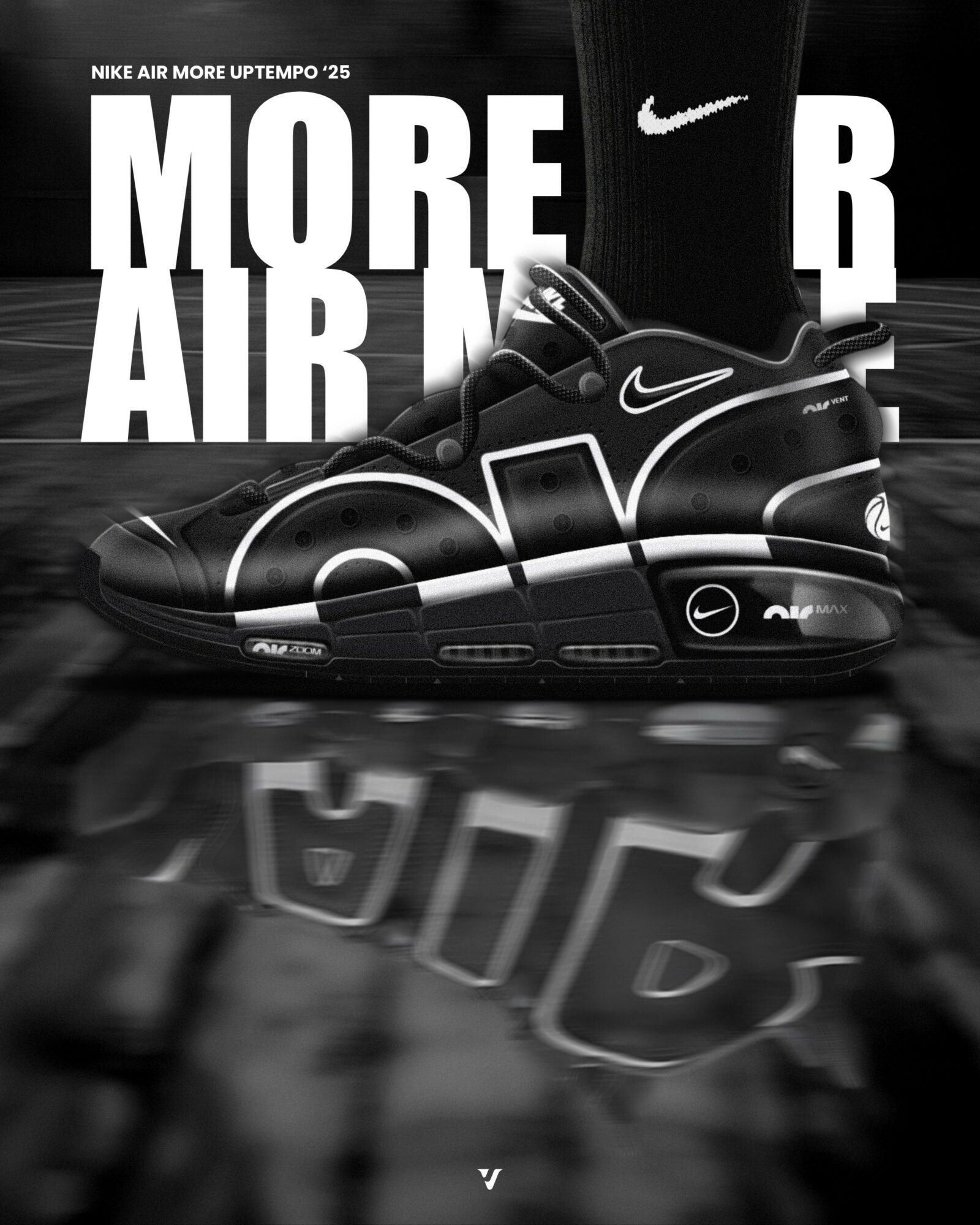
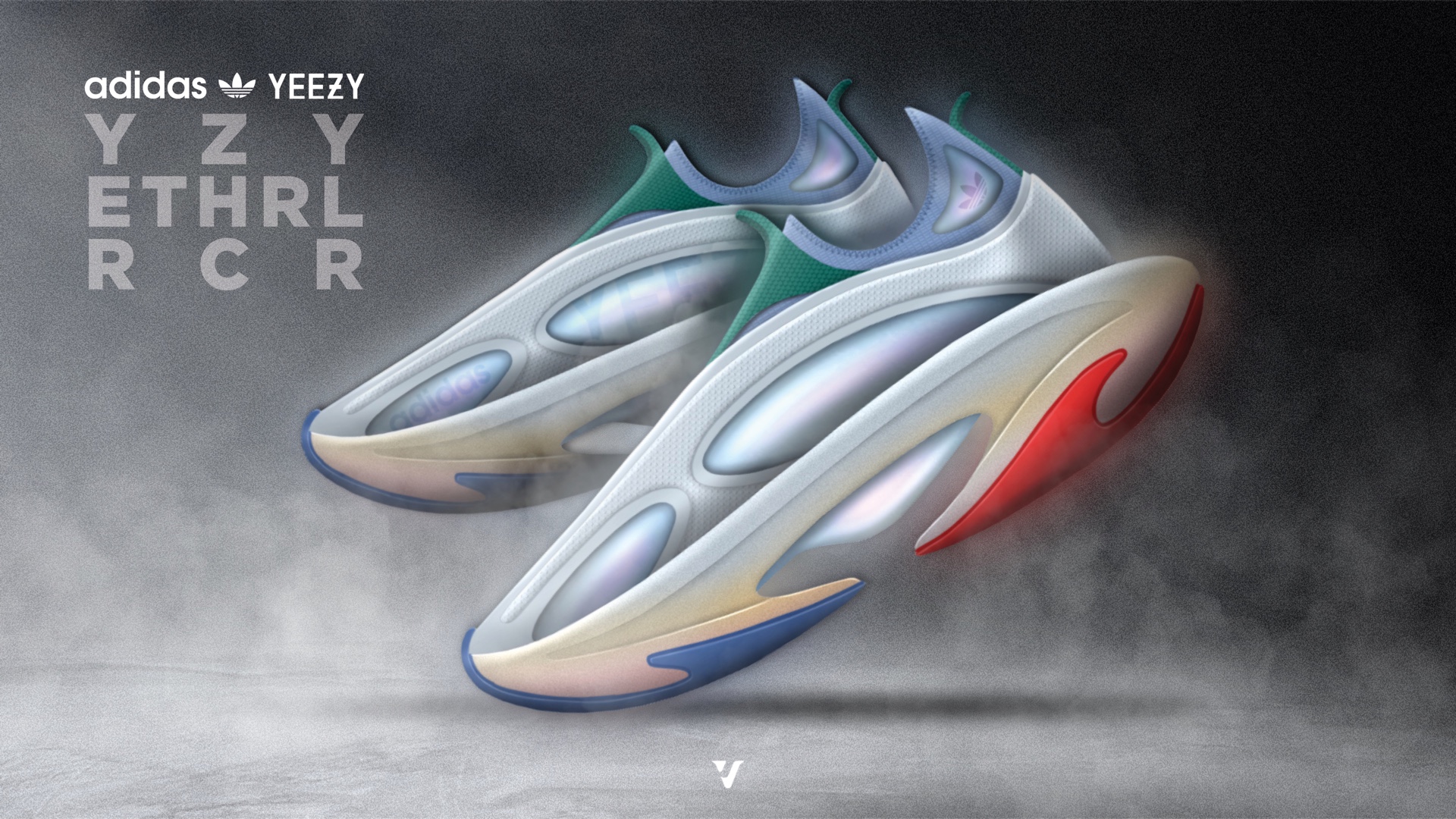
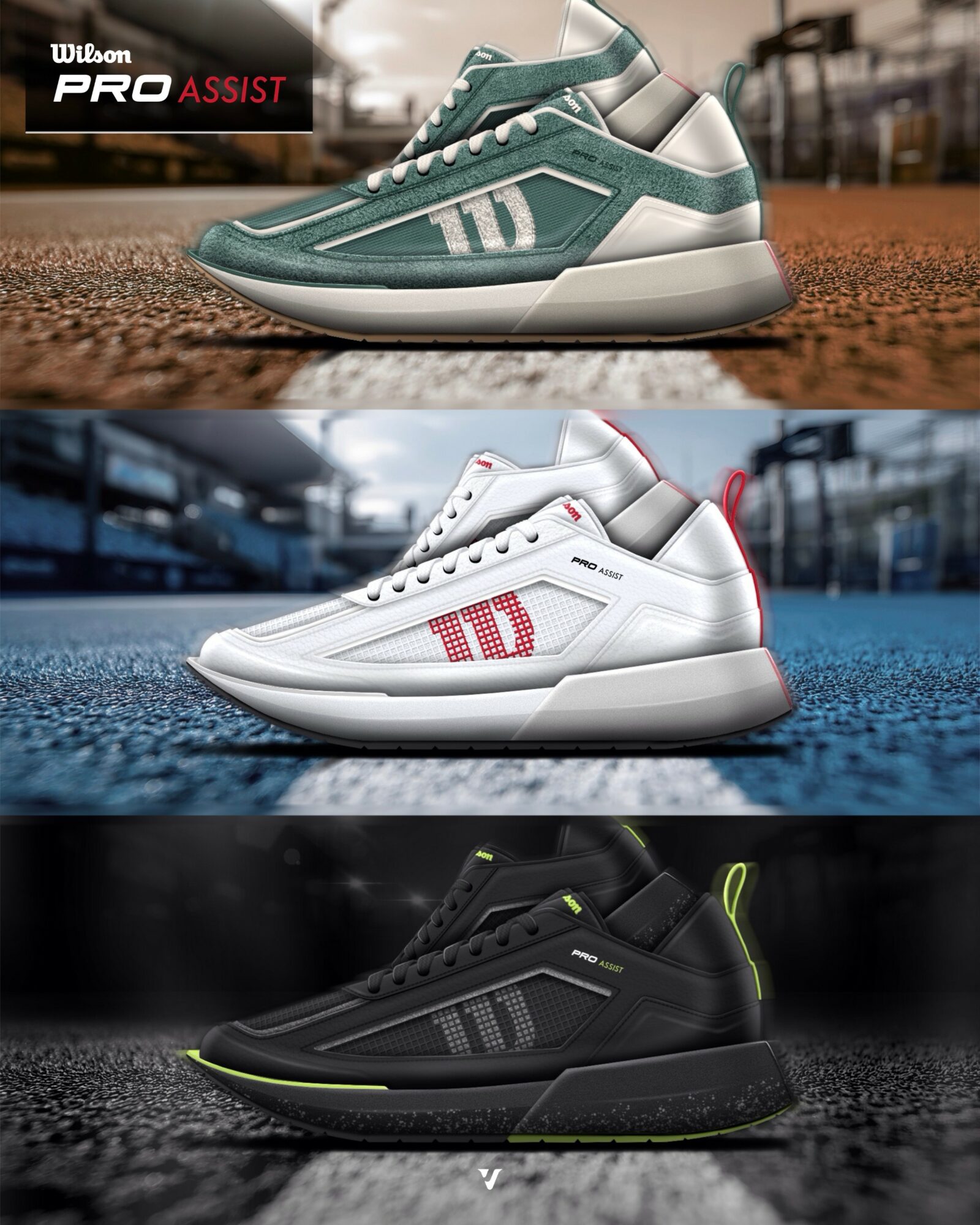
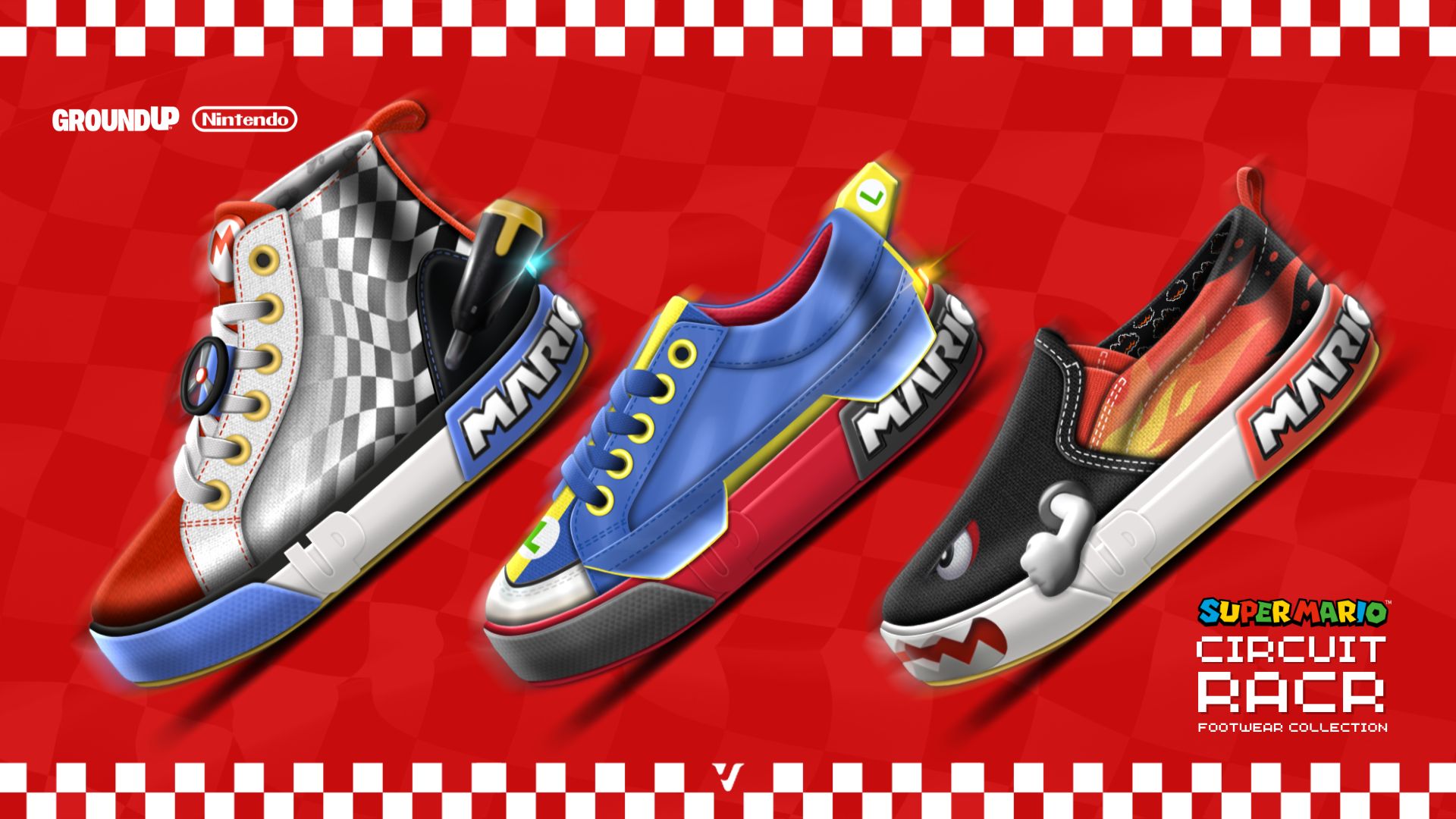
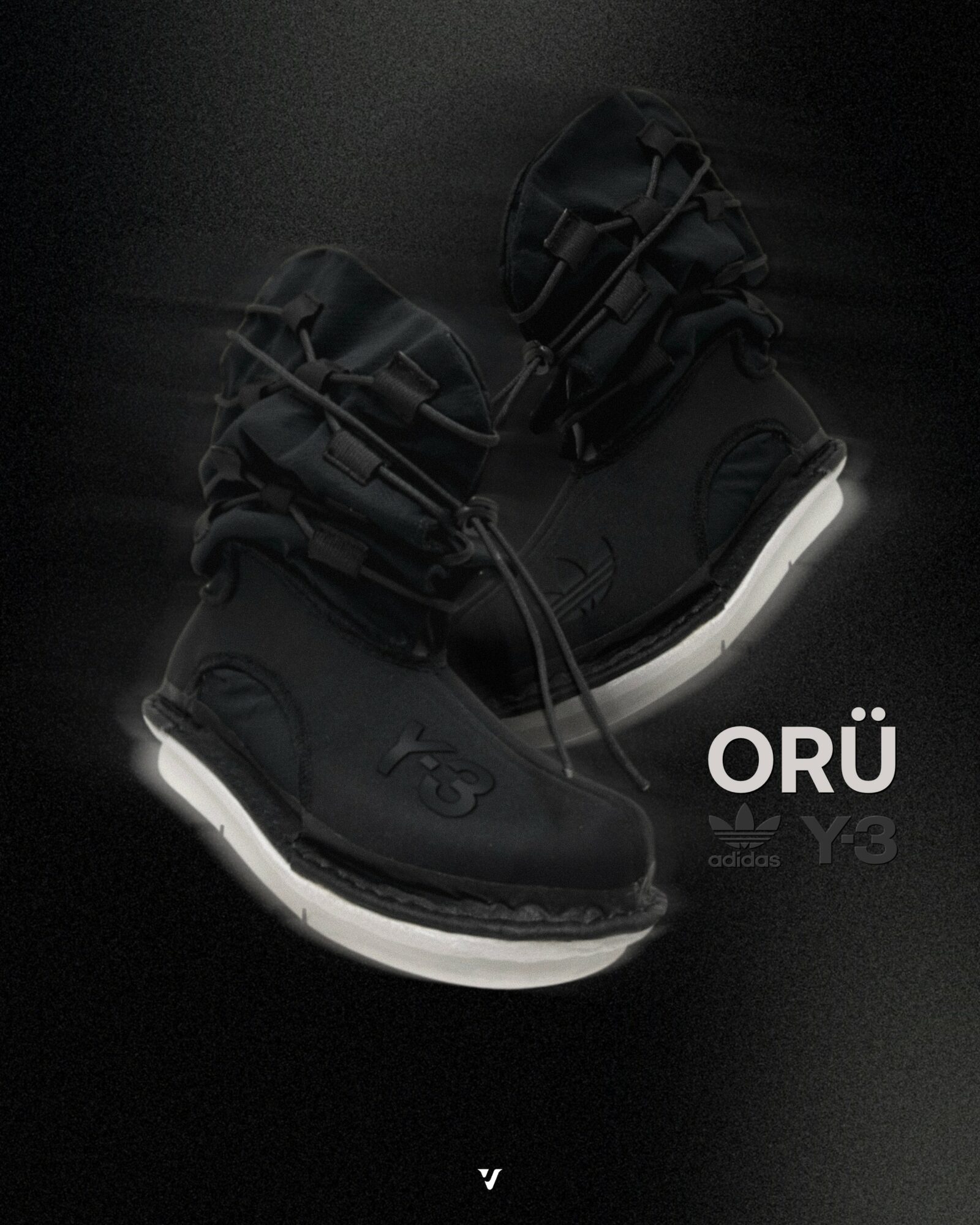
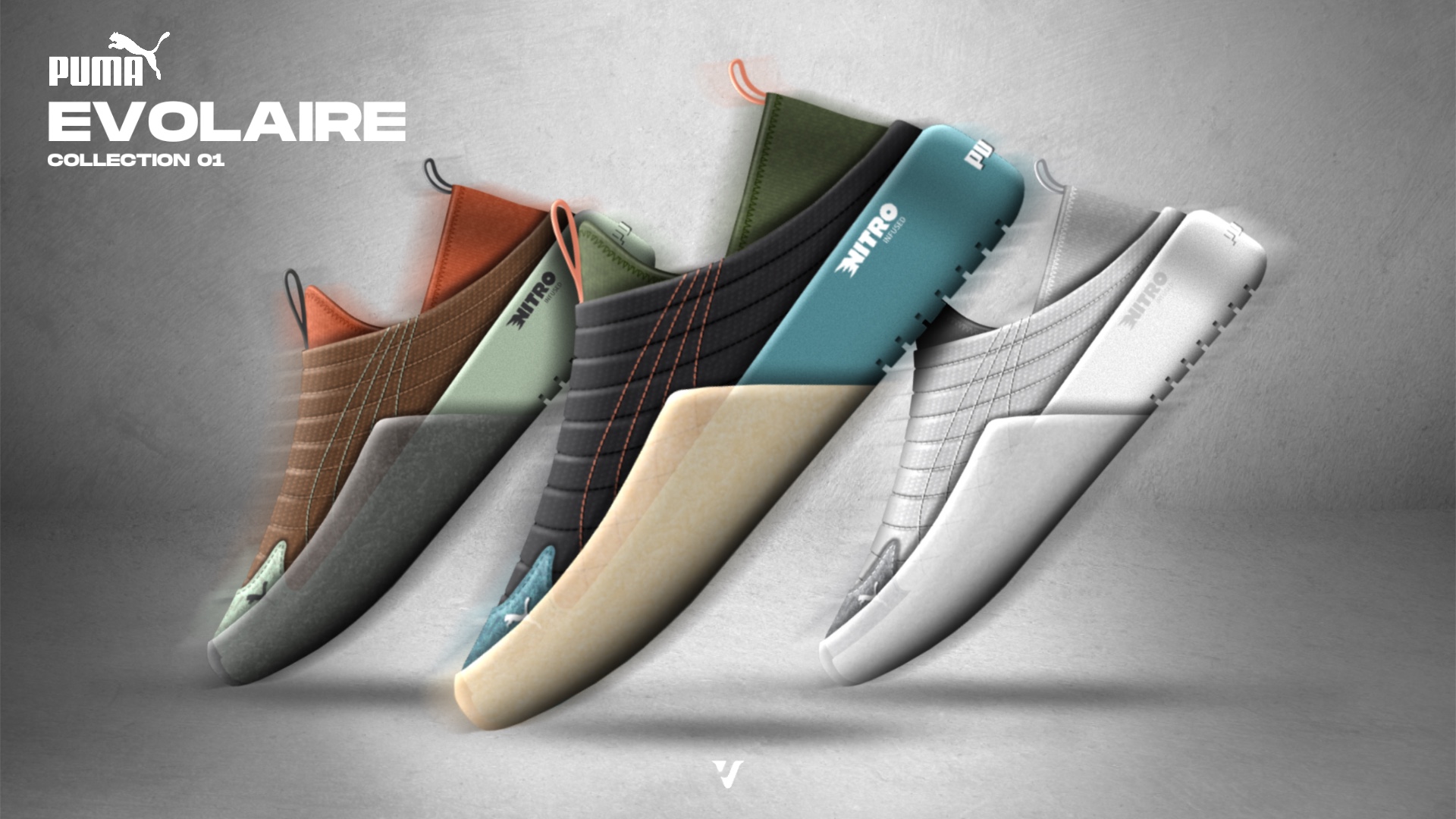
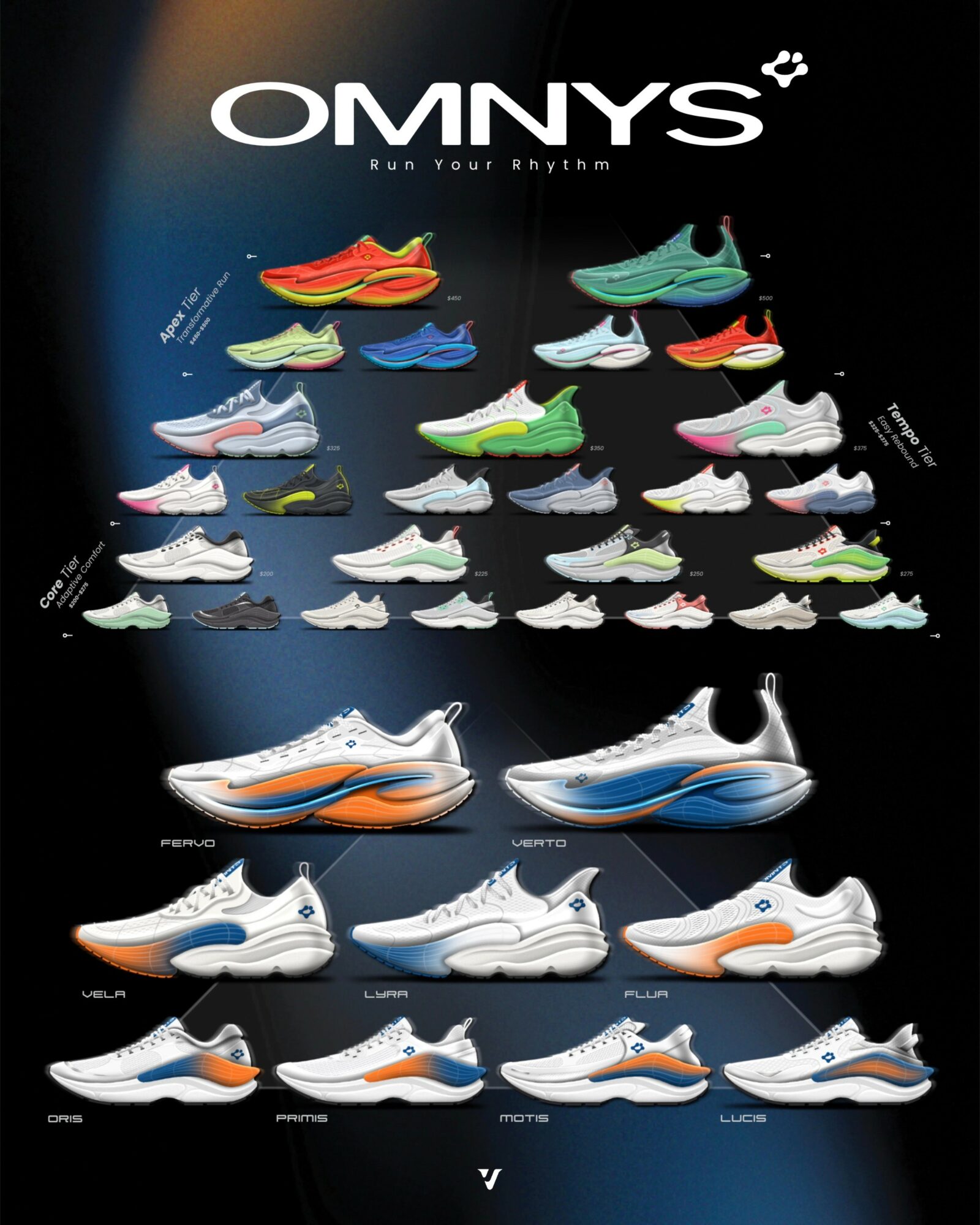
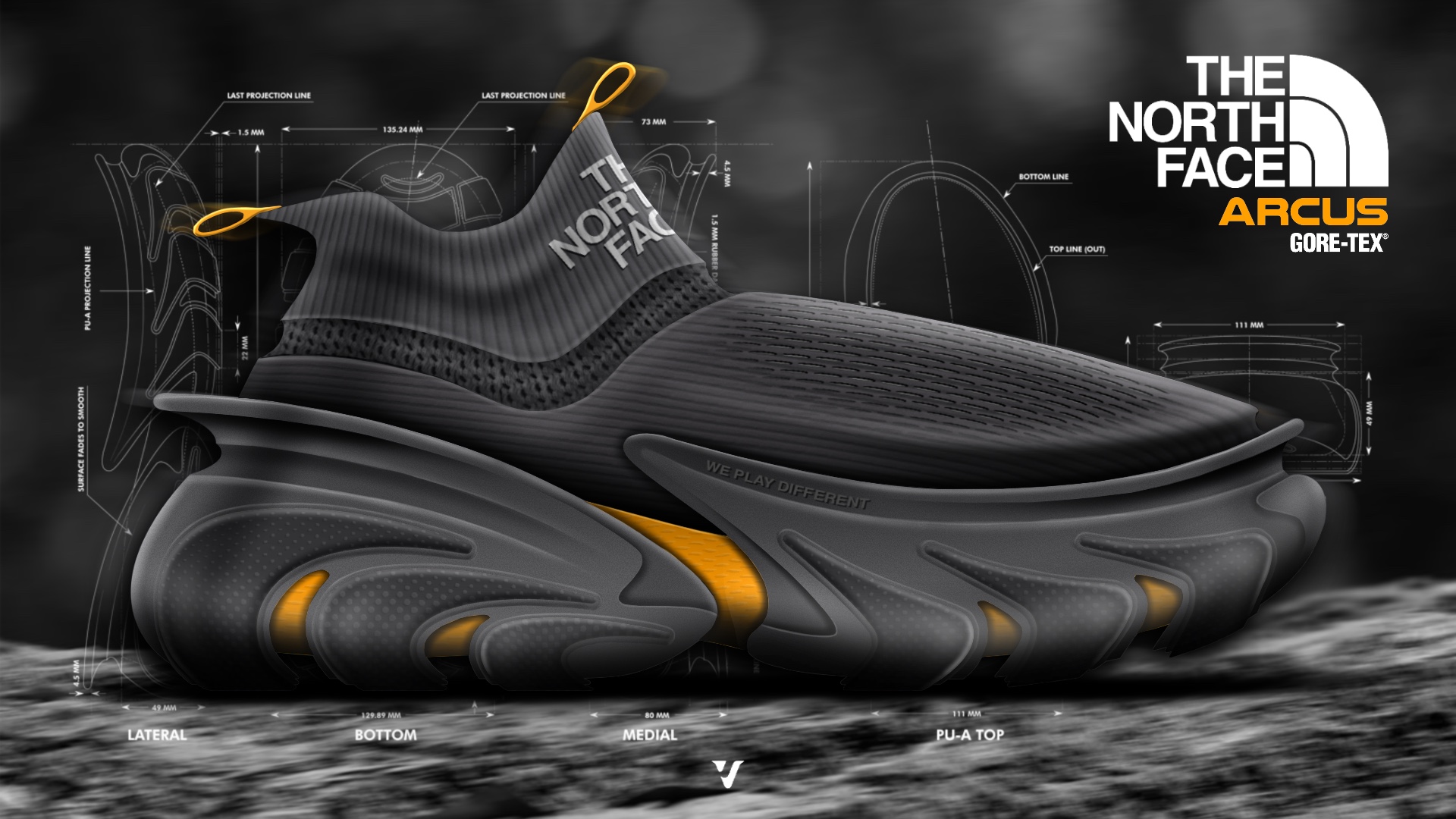
I also recently graduated from SCAD with my master’s in Sneaker Design. That chapter let me stretch in a different direction. In grad school, I could set aside real-world constraints like cost or strict commercial viability and really push concepts, storytelling, and form language beyond what I would normally do in a corporate setting. It gave me the space to ask, “What do I want the future of footwear to be?” and to explore new paradigms for what my designs communicate.
Right now, I’m in the in-between space, exploring what the next chapter of my career looks like. I’m excited about what’s to come, whether that’s designing in a new category, working closely with an athlete on a signature shoe, or contributing to a team that wants to build meaningful stories into the products they put into the world. Wherever I land, I know I want to keep learning, exploring, and putting out ideas in a way that feels honest to who I am as a designer, and to create with empathy for the people I’m designing for. I want to create footwear that’s not only functional but footwear that also resonates emotionally.
Can you talk to us a bit about the challenges and lessons you’ve learned along the way. Looking back would you say it’s been easy or smooth in retrospect?
Far from it, but I wouldn’t change a thing. I really believe everything happens for a reason, and hindsight is always much clearer.
Leaving my family and everything I knew to come to a foreign country, learning a new language, a new culture, and figuring out life away from familiar settings was one of the hardest things I’ve ever done. At that age, I didn’t fully understand what that meant, but I’m incredibly grateful for the people here who have supported me along the way. I wouldn’t be here without them. Humble beginnings build character, and I had to grow up fast to adapt to the changes around me.
This life of chasing opportunities in hopes of a better future sounds exciting on paper, but in reality, it often means starting over from scratch. Leaving community and close relationships behind to chase a dream. It feels selfish a lot of the time, but I can’t turn off the ambition that has made me who I am. There’s a kind of loneliness and uncertainty that comes with that lifestyle, but I’ve learned to embrace the journey instead of fixating only on the idea of “making it.”
Breaking into footwear specifically has also been challenging. It’s a small, competitive industry, and there’s no guaranteed path to get in or stay in. You not only have to put your 10,000 hours in, but you also have to be clear about why you’re different and what unique value you bring to the table. There will always be people who are more talented, but the key is to be authentic to who you are. What you love and what you’re into naturally shows up in your work, and I really believe taste can’t be taught.
I’ve had my work passed on, roles I really wanted go to someone else, and complete silence after interviews I thought went well. It stings in the moment, but at the end of the day, it’s part of the game. You keep your head up and keep grinding until you get that one “yes” from someone who believes in you, because sometimes that one “yes” can change everything, and you have to be ready for it.
Internally, a big ongoing challenge has been self-doubt, like most creatives. There were plenty of nights when I questioned whether all the sacrifices would be worth it, or if I was just stuck in my own ways, chasing this dream of mine. When you’re surrounded by incredible talent, it’s easy to slip into comparison mode. Am I good enough? Is my work meaningful? Do I even belong in this room? I’ve had to learn how to live with those questions without letting them paralyze me and instead use them as fuel to keep growing and sharpening my point of view as a designer.
All that said, I don’t see these obstacles as separate from my story. They’re woven into it. The moves, the cultural transitions, the rejections, the pressure, and the uncertainty have all taught me resilience, humility, and empathy. They’ve shaped the way I design and the way I try to show up for others. I’m still figuring things out, but I’m genuinely grateful for the bumps in the road, because they’ve made every small win feel earned.
Can you tell our readers more about what you do and what you think sets you apart from others?
I like to think I do more than just design shoes as utilitarian objects. I see footwear as a canvas to tell stories and talk about identity, emotion, and the planet we all share.
Whether it’s performance or lifestyle, every project brief is different, which means it deserves a unique solution. Throughout the creation process, you get to work with amazing people along the way. It almost feels like playing a team sport. In footwear, you collaborate with product managers who understand the consumer, developers who know how to build, merchandisers who understand the market, and so many others. Every team member brings a different point of view, and it’s such a fun process to work together toward a common goal: to bring the best possible product to consumers.
I try to approach each project with empathy. That means putting myself in the shoes of the people I’m designing for and asking what they would need and want. It helps take ego out of the equation, so the work can be judged more objectively. From there, I build a narrative and let every decision support that story, from the last shape and proportions to the material mix, color blocking, and even how the shoe is presented. I’m always asking, “What is this shoe trying to say?” and “How will someone feel when they see it or put this on for the first time?”
A shoe can look great, but if it doesn’t connect with people, it falls flat. The reverse is also true: if it resonates emotionally but isn’t comfortable, it still misses the mark. The challenge is to find that balance between performance, emotion, and business needs, and land on a solution that can truly live in the real world.
What sets me apart is the combination of my background and experiences. As a young designer who’s had the privilege to work across different companies and categories, I’m really grateful. It’s taught me to think big picture, to present a vision while still creating profitable products that speak to culture. I pay attention to the small details in how people dress, move, and express themselves, and those observations quietly show up in my work. I want what I create to feel thoughtful and intentional, not just visually interesting.
At the end of the day, I’m most proud when someone looks at a shoe I designed and says, “I want that,” for whatever reason matters to them. Seeing a complete stranger at the mall or the airport wearing something that started as an idea in my head is a feeling that never gets old. It’s a reminder that the work I do matters because it will eventually become a part of someone else’s life.
What would you say have been one of the most important lessons you’ve learned?
One of the biggest lessons I’ve learned is to fall in love with the process, not just the end result. The journey of “getting there” really is the best part. Life isn’t only about how successful you become, but about how you show up and how you make the people who cross your path feel along the way. There are always going to be tough moments, but how you handle those lows says a lot about who you are. The longer I’ve been on this road, the more I’ve realized that most of life happens in the in-between, so I try to embrace all of it, the highs and the lows, and hold on to the lessons that come with them.
I’ve also learned that the art of listening is really underrated. I see it in two parts: listening to others and listening to yourself. With other people, you learn so much more when you lead with questions instead of “I” statements. When you slow down, sit in the moment, and really listen, you often walk away with more than if you were trying to impress or win someone over. The second part is listening to your own gut. Your instincts can lead you in the right direction, even when things feel uncertain. In a world that constantly pushes you to conform, it feels important to stay grounded, know what you stand for, and trust that.
At the end of the day, I’ve learned to trust timing, stay curious, and keep showing up. Life is a gift, and I’m learning to just soak it all in.
Contact Info:
- Instagram: https://www.instagram.com/jvorrapon/
- LinkedIn: https://www.linkedin.com/in/jvorrapon/
Popular
-

Hidden Gems: Local Businesses & Creatives You Should Know
-

ATL’s Most Inspiring Stories
-

Portraits of Atlanta
-

What’s a moment that really shaped how you see the world?
-

What’s a belief or project you’re committed to, no matter how long it takes?
-

What part of you has served its purpose and must now be released?