






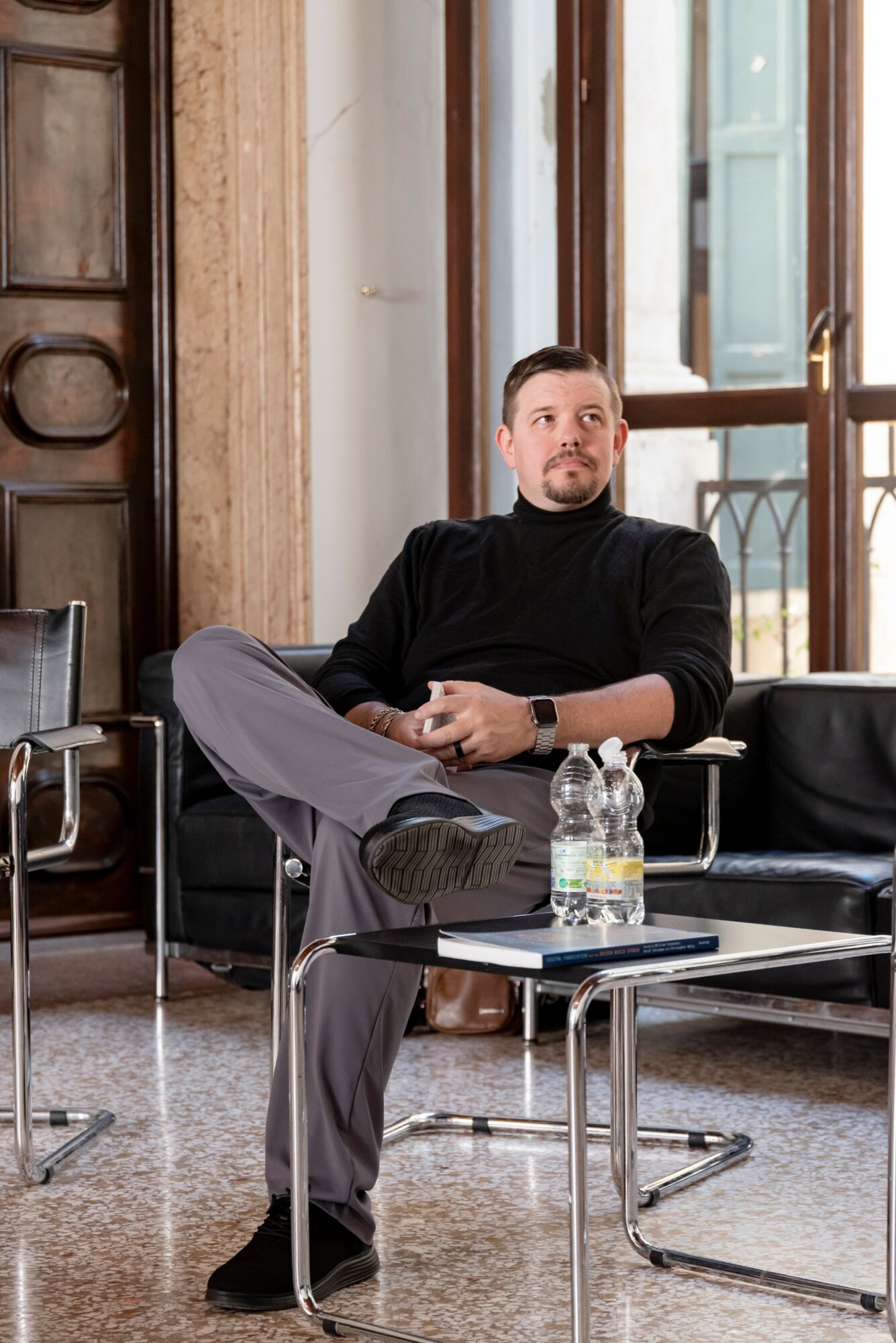
Today we’d like to introduce you to Chad Reineke.
Chad, we appreciate you taking the time to share your story with us today. Where does your story begin?
I didn’t arrive at architecture through a single moment of inspiration. I arrived through making. I was always drawing, building things, and trying to understand why certain places felt calm, serious, or memorable while others didn’t. By the time I was in school, architecture made sense to me not just as a profession but as a way of thinking — a discipline that sits somewhere between craft, responsibility, and judgment.
The real turning point in my career, though, was meeting Bill Carpenter. I first knew Bill as a teacher. What struck me wasn’t a particular style or aesthetic — it was the seriousness with which he treated practice. He talked about architecture less as an object and more as a form of conduct. Drawings, buildings, and details mattered, but what mattered more was how an architect decides, when to act, and when restraint is required.
After school I began working with him and eventually became part of Lightroom. Over time our relationship shifted from student and professor to collaborators and business partners. Lightroom grew out of that shared outlook. The office was never intended to chase a signature look; instead, it operates as a studio where each project is approached as a specific problem to be understood before it is solved. We spend a lot of time studying existing buildings, understanding how people actually live in them, and figuring out what not to change before deciding what should be changed.
My role in the firm gradually expanded from production and project management into leadership and operations. Today I serve as Chief Operating Officer, but in a small practice titles don’t fully describe the work. I still draw, still work through details, and still spend a lot of time in conversations with clients. Much of what I do now is helping translate the ideas of the studio into built work — coordinating consultants, managing construction, and protecting the intent of a project through the realities of budgets, codes, and schedules.
Lightroom has also become tied to teaching and writing. The questions that come up in practice — responsibility, judgment, and how architects actually learn to practice well — eventually led me to write Rules of Practice: The Ethics of Making Architecture. The book really came directly out of the office. It reflects what I learned working alongside Bill and what we try to model for younger architects and students: that architecture is not only about creativity, but about attention, patience, and accountability to the people who live with the results.
So my path hasn’t been a straight professional ladder. It has been a long apprenticeship that slowly turned into stewardship — helping carry forward a way of practicing architecture that values care and clarity over speed and novelty. Lightroom is, in many ways, the continuation of that apprenticeship, just now shared with clients, students, and the next generation of architects.
Can you talk to us a bit about the challenges and lessons you’ve learned along the way. Looking back would you say it’s been easy or smooth in retrospect?
It definitely hasn’t been a smooth road. Small architectural practices look stable from the outside, but internally they’re constantly balancing uncertainty. The biggest struggle wasn’t learning how to design — it was learning how practice actually works. School teaches you how to think about architecture; it doesn’t teach you how to carry responsibility for a project, a client, and a construction process where real money and real risk are involved.
Early on I realized the architect is often the only person in a project whose job is to care about the whole building. Contractors are managing construction, engineers are protecting their systems, and owners are managing cost and schedule. The architect has to understand all of those at once and still protect the integrity of the project. That takes time to learn, and you make mistakes — not catastrophic ones, but enough to understand that drawings are not theoretical documents. They have consequences.
There were also practical struggles that come with any small firm. Work comes in cycles. Some years you are overwhelmed, and other times you’re wondering what the next project will be. You learn quickly that architecture is both a profession and a business, and the two don’t always align comfortably. One of the hardest parts of growing into leadership at Lightroom was moving from focusing only on the design of a project to being responsible for the sustainability of the office — staff, schedules, contracts, and making sure the work can continue.
Working with Bill helped me through that transition. He had already experienced decades of practice and understood that longevity in architecture depends less on chasing trends and more on consistency, relationships, and trust. Many of our projects now come from people we have worked with for years or from clients referred by previous clients. That didn’t happen quickly — it came from doing careful work over a long period of time and standing behind it.
So the struggles were less about dramatic setbacks and more about maturation. Architecture is slow. Buildings take years, and reputations take longer. The challenge was learning patience — understanding that a career in this profession isn’t built through a single project or award, but through sustained, reliable work over time.
Appreciate you sharing that. What should we know about Lightroom Studio, LLC?
Lightroom is a small architecture practice, but we intentionally operate more like a studio than a production office. Our work ranges from houses and renovations to institutional and community projects, but the type of building isn’t really what defines the firm. What defines us is how we approach a problem.
We start with the existing condition. Most of our projects are not empty sites — they are buildings people already live in, work in, or care about. Before we design anything new, we spend a lot of time understanding what is already there: how light enters the space, how people move through it, which parts are meaningful, and which parts are simply not working. Often the most important design decision is identifying what should remain untouched.
Because of that, we don’t pursue a signature style. Two Lightroom projects may look completely different, but they share a common discipline: restraint. We try to make the smallest set of changes necessary to produce the greatest clarity in how a place functions and feels. Sometimes that means a significant addition; other times it means removing something rather than adding to it.
What probably sets us apart is that we stay involved through the entire life of a project. We don’t see architecture as stopping at drawings. We work closely with contractors during construction, review shop drawings carefully, and spend time on site resolving details. The goal is not just to design a building but to make sure the built work actually reflects the intention of the design. Clients often tell us that the construction phase is where the value of an architect becomes most visible, and we take that responsibility seriously.
The office is also closely tied to teaching and writing. Bill has taught for decades, and I continue to work with students and young architects. Many of the conversations we have internally about judgment, responsibility, and professional conduct eventually found their way into my book Rules of Practice: The Ethics of Making Architecture. In that sense, the firm and the writing inform each other — practice generates the questions, and writing helps clarify them.
Brand-wise, what we are most proud of is trust. Much of our work comes from returning clients or from people referred by someone we previously worked with. That tells us the buildings are doing more than functioning; they are supporting people’s lives over time. We don’t measure success by size or volume of projects. We measure it by whether someone chooses to work with us again years later.
What we want readers to understand is simple: architecture does not have to be dramatic to be meaningful. A careful change to an ordinary place can significantly affect how someone lives every day. Our role is to pay attention, make thoughtful decisions, and carry responsibility for the results. That is really what Lightroom offers — not a particular look, but a particular level of care.
Do you any memories from childhood that you can share with us?
One of my strongest memories growing up was building things that weren’t really toys and weren’t really finished objects — forts, worktables, improvised shelves in the garage, anything that created a place rather than just an object. I was less interested in owning something than in making a space I could inhabit for a while. I remember adjusting boards or openings just to see how light would come in differently or how it changed the feeling inside.
At the time I didn’t think of it as architecture, but looking back it probably was the beginning of it. I was trying to understand why certain spaces felt calm and others didn’t, even if I didn’t have the language for it yet.
That memory still connects to what I do now at Lightroom. Much of our work is still about small adjustments — changing an opening, aligning a wall, introducing light in a controlled way — and watching how a place becomes more settled and usable for the people living there. The scale is different now, but the curiosity is the same.
Pricing:
- We begin most projects with a paid on-site consultation to review the building, discuss goals, and identify zoning, code, and budget considerations before full design work starts.
- Architectural fees are typically structured as a percentage of construction cost or a defined scope proposal depending on project complexity, rather than hourly drafting.
- We encourage clients to establish a realistic construction budget early and can help coordinate preliminary contractor pricing during design.
- Our services usually continue through construction, including contractor coordination, shop drawing review, and site visits to help ensure the built work reflects the design intent.
- As a small studio we take on a limited number of projects at a time and prioritize collaborative clients interested in thoughtful design rather than permit drawings only.
Contact Info:
- Website: https://www.lightroom.tv
- LinkedIn: https://www.linkedin.com/in/chad-reineke-aia-riba-iida-ncarb/
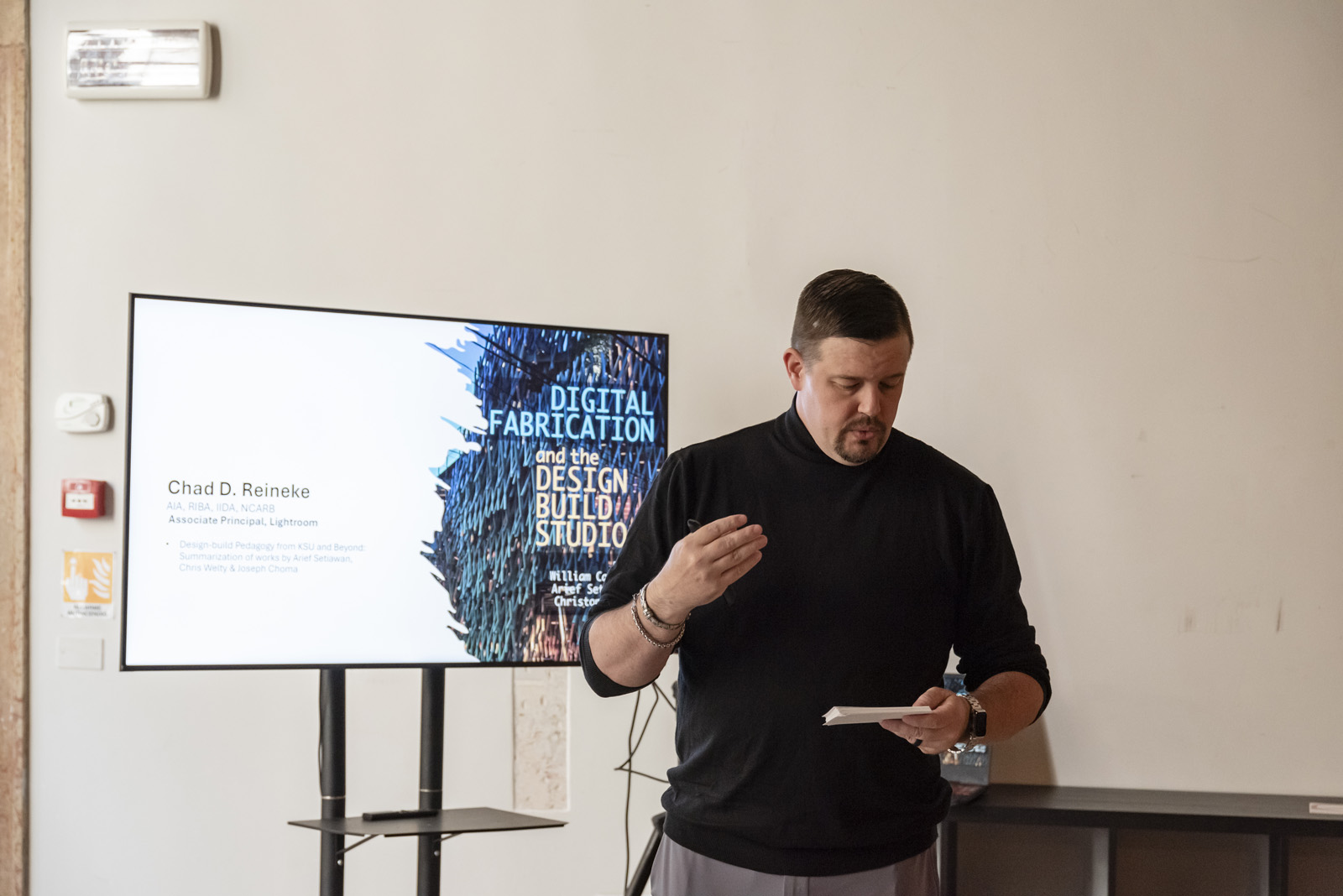
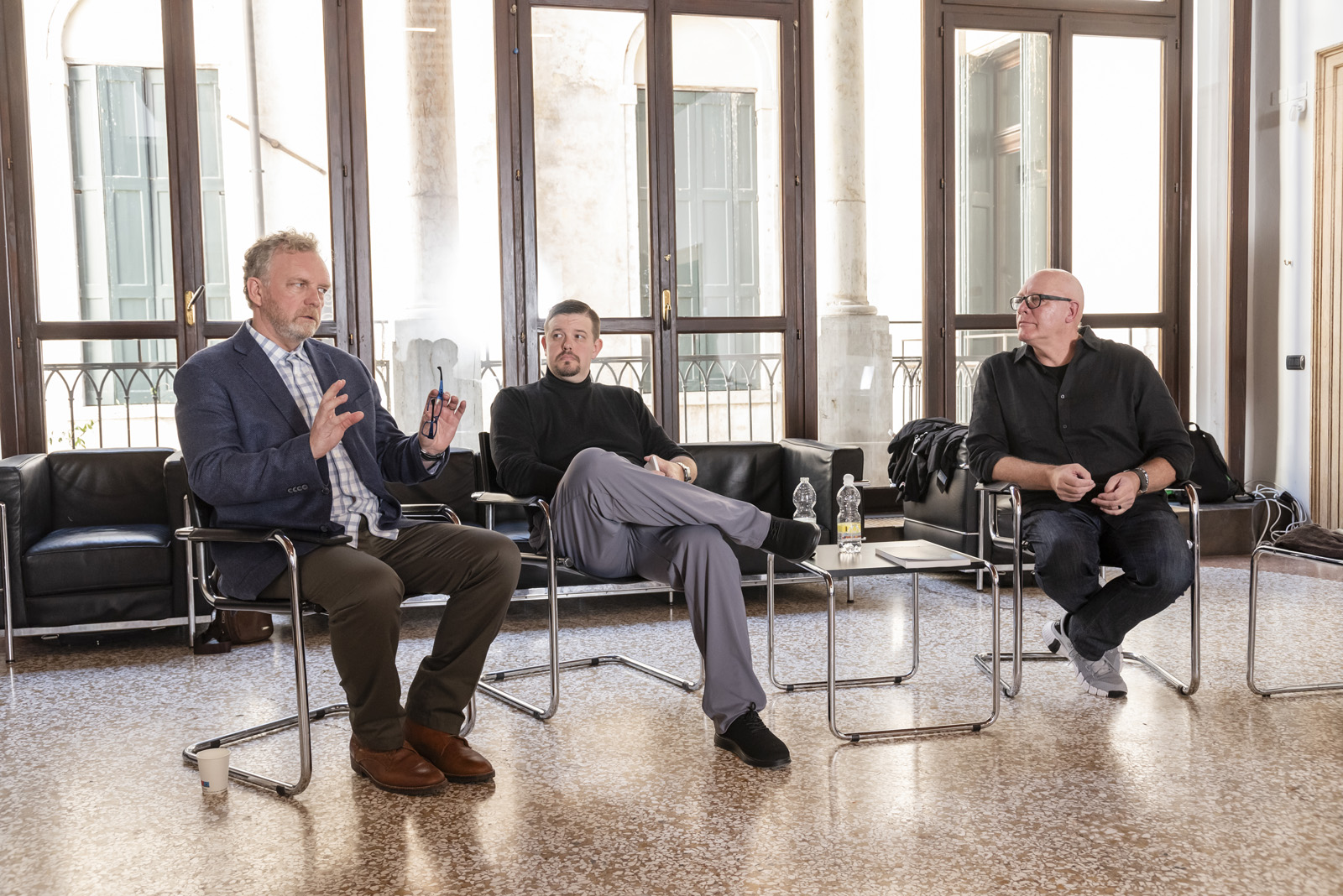
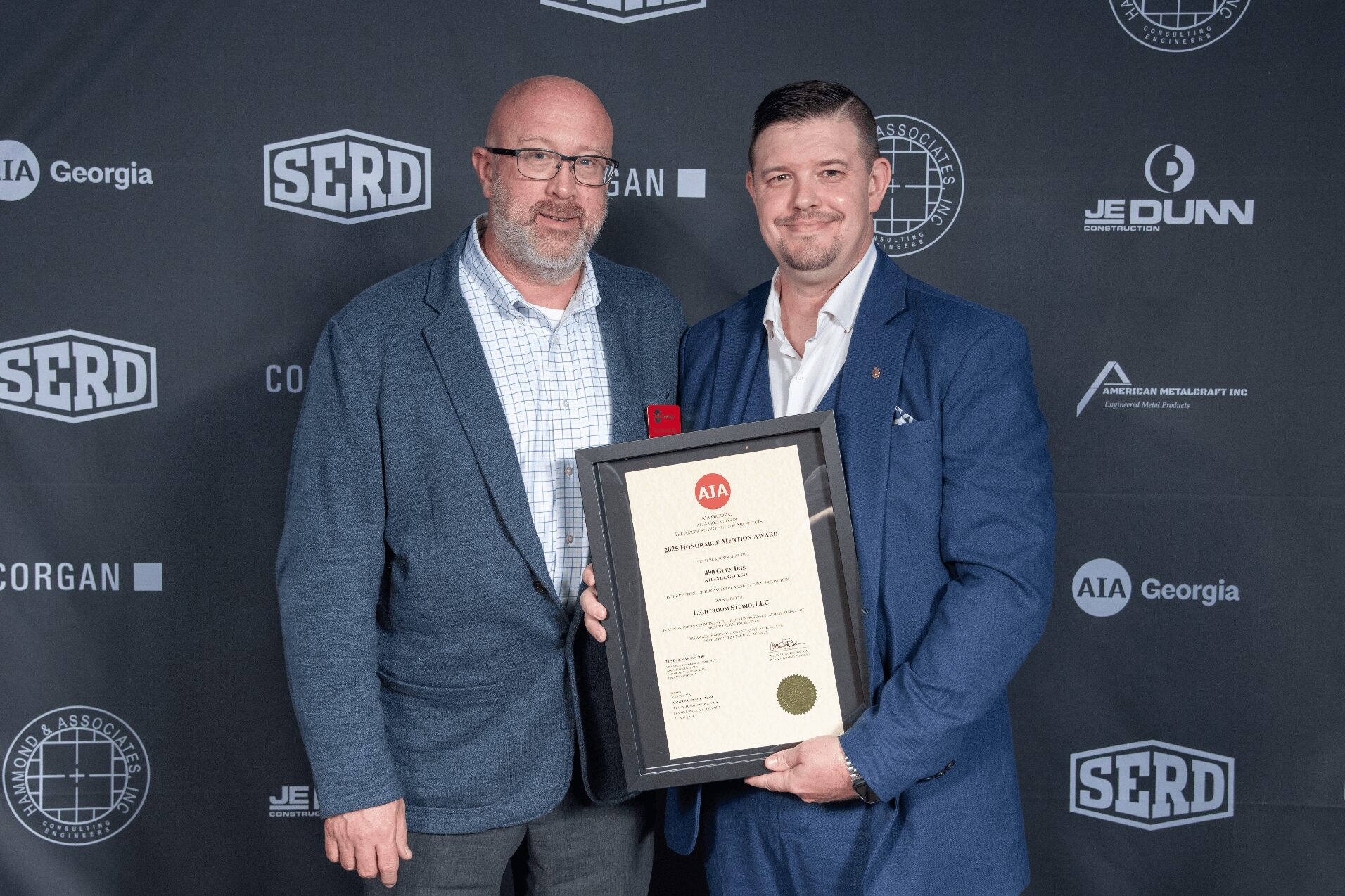
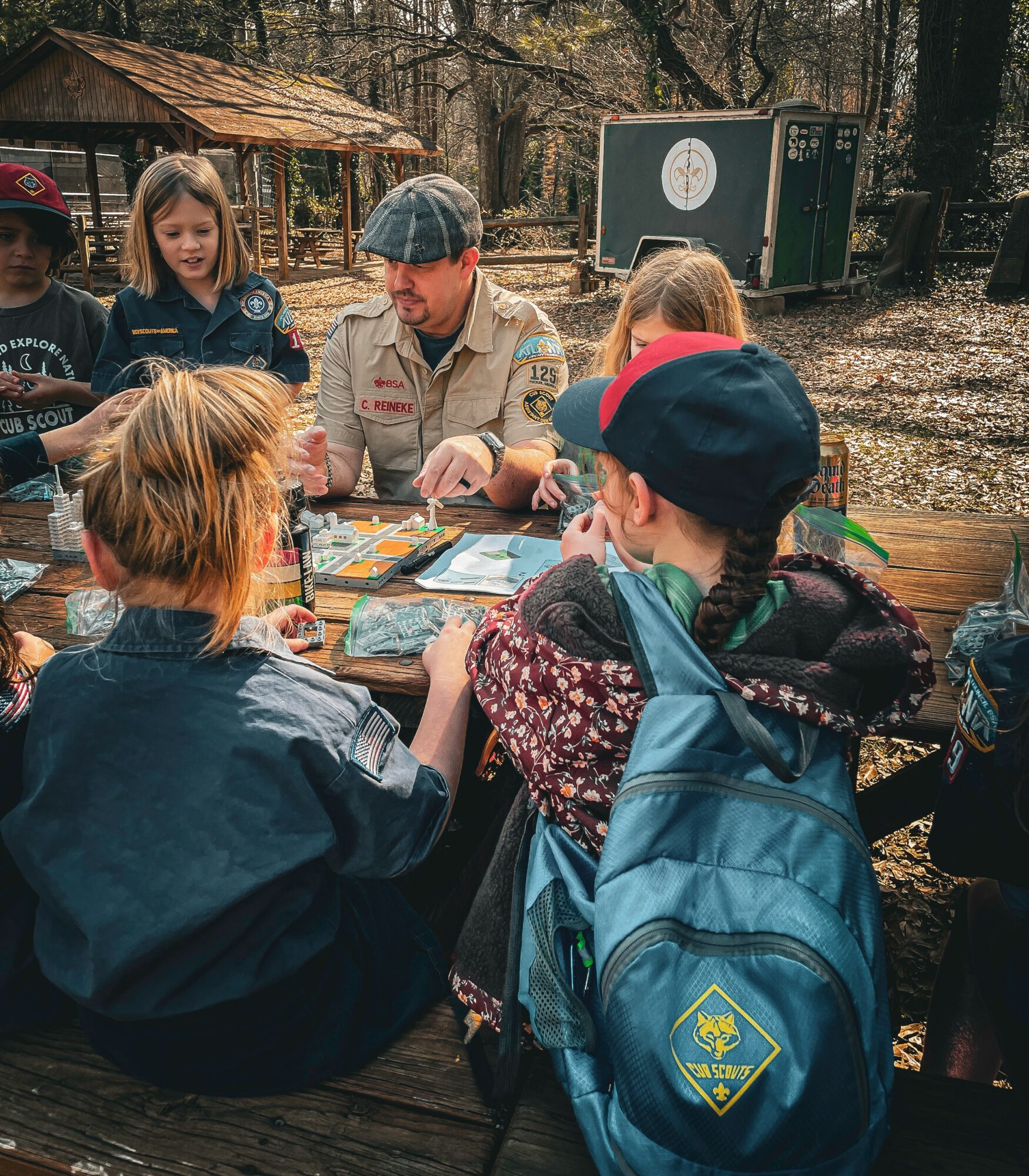
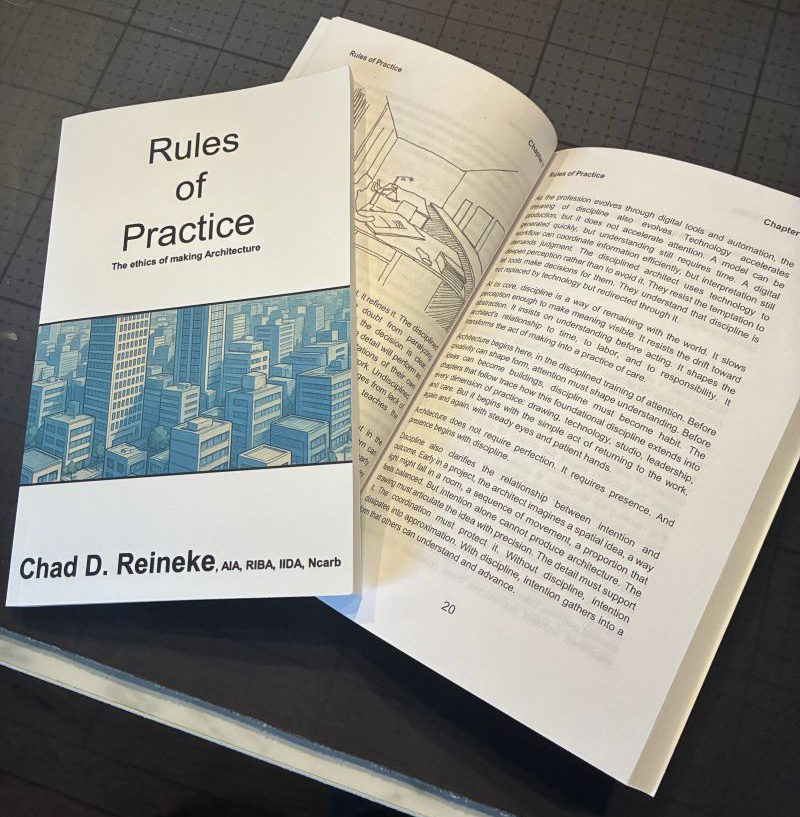
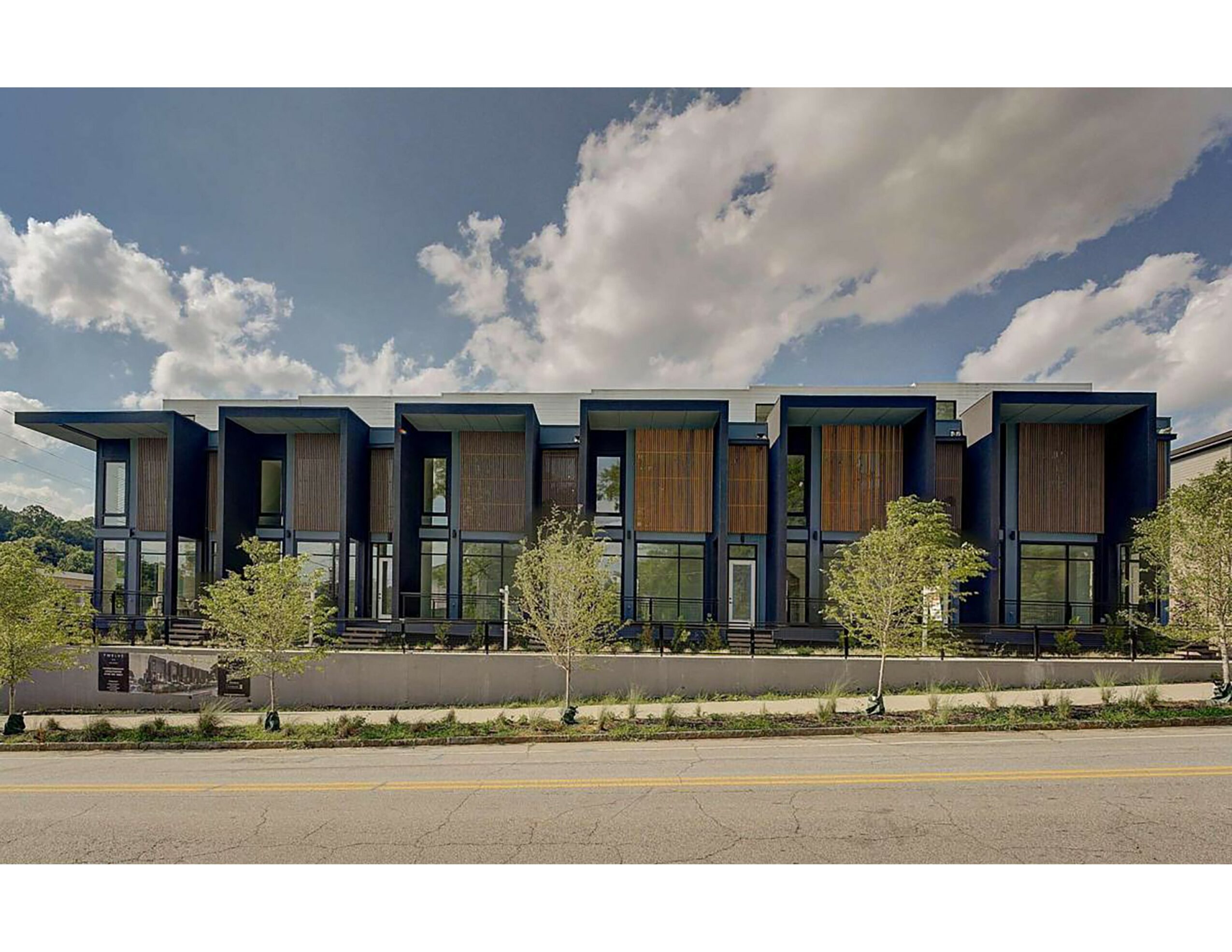
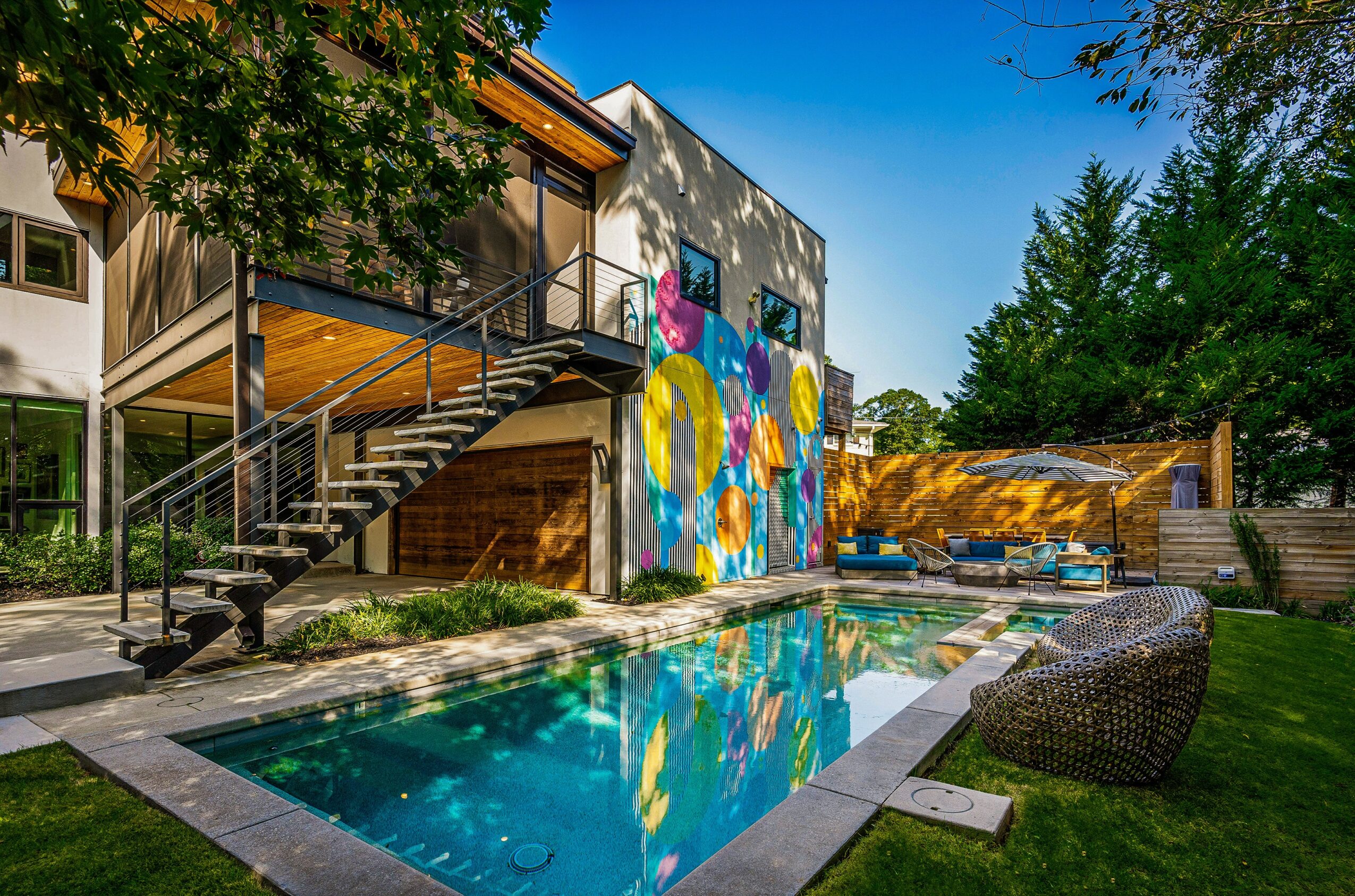
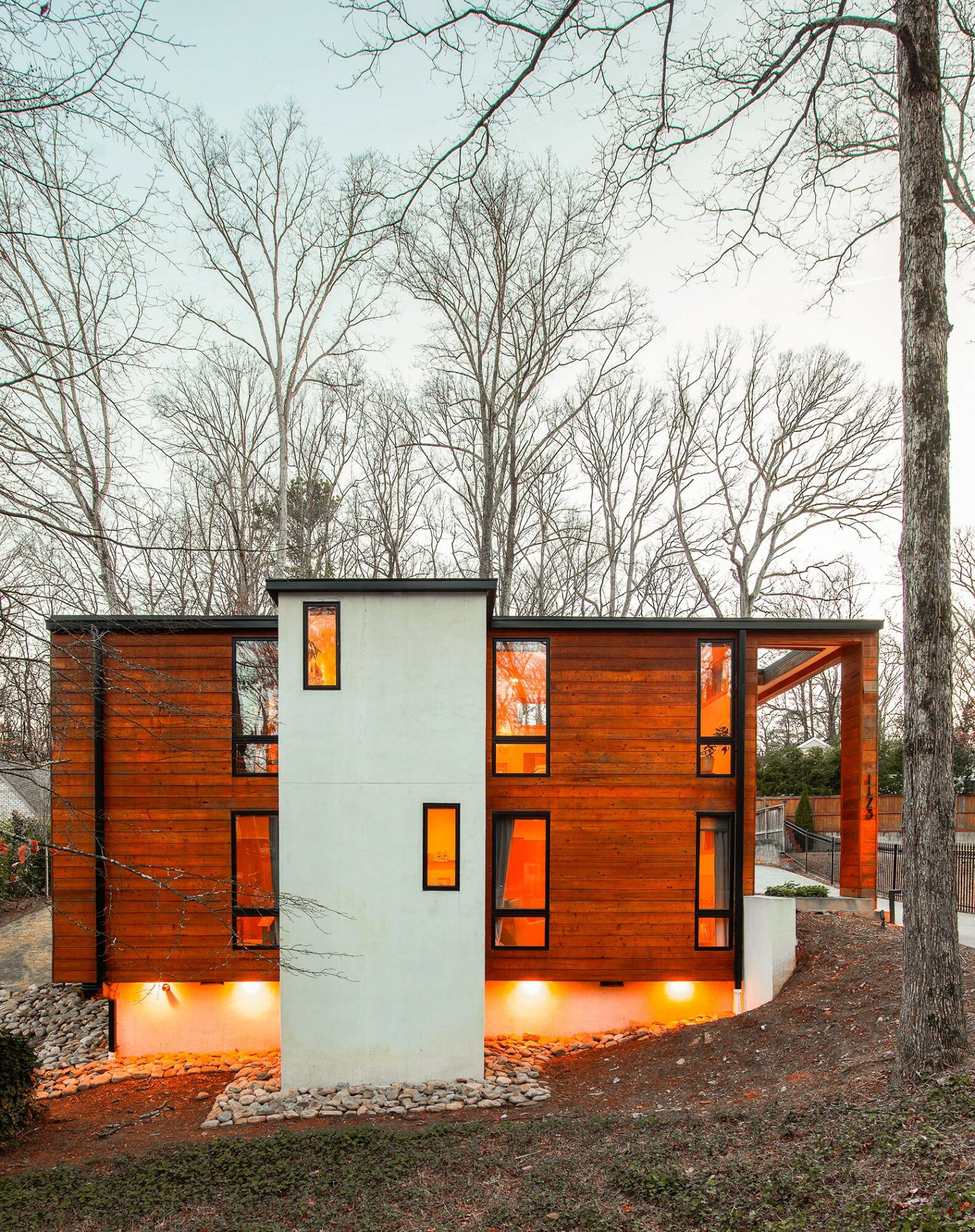
Image Credits
AIA Georgia
Lightroom Studio, LLC
Popular
-

Choosing Impact Over Control: Susana’s Intentional Evolution of Fro Butter
-

Where Faith, Code, and Soul Converge
-

Breaking Cycles, Answering the Call Forward
-

Leadership Rooted in Dignity and Continuity
-

Healing as Leadership: How LaCora Monet Is Redefining Sustainable Success
-

Returning to Herself: How Thalorah Is Building Veloria™ as a Sanctuary for Feminine Sovereignty