




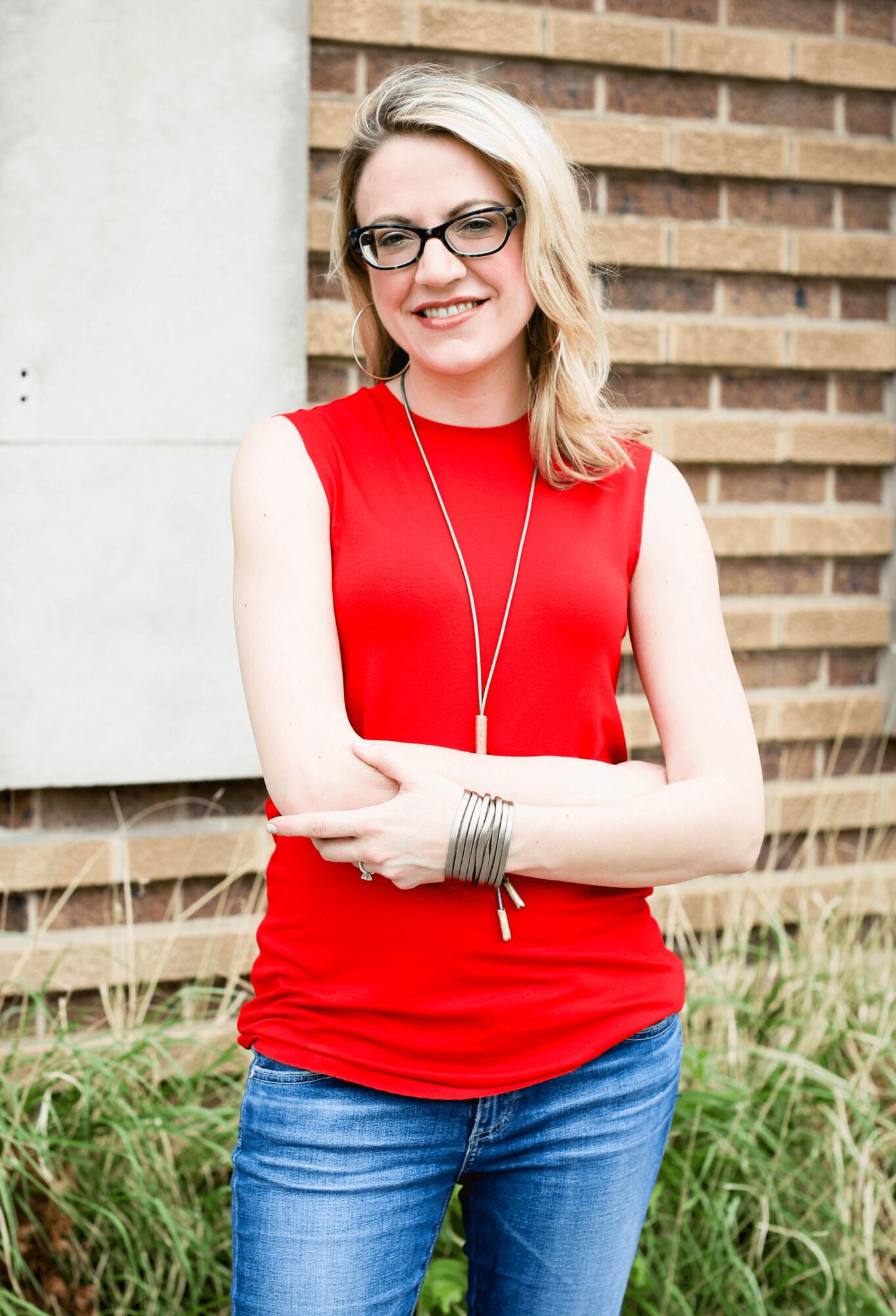
Today we’d like to introduce you to Christie Garton.
Hi Christie, thanks for sharing your story with us. To start, maybe you can tell our readers some of your backstory.
My journey started well before founding my nonprofit in 2016, called 1,000 Dreams Fund. I got my start in the nonprofit world when I was attending the University of Kansas at age 19. Here, I created an organization called Music Mentors, which paired professional musicians with students who lacked access to formal music education.
That experience opened my eyes to something that would ultimately shape my career. Talent was everywhere, but access was not. So many students were being held back not by ability or ambition, but by the lack of resources, mentorship and exposure outside the classroom.
As I continued working with students, I saw the same pattern repeat itself across industries. Tuition was only part of the equation. The unspoken barriers were often the “extras” like equipment, training, travel and hands-on experience that make career dreams feel attainable. That realization led me to found 1,000 Dreams Fund with the goal of rethinking what meaningful support for young women and underserved students could look like.
I created 1,000 Dreams Fund to move beyond traditional scholarship models and build a true launchpad for individuals with big ambitions but limited access to opportunity. Our mission is to provide funding, mentorship and career-readiness opportunities that help turn dreams into action. Through programs that combine financial support with one-on-one mentorship, networking and experiential learning, we help participants gain both confidence and real-world experience.
Now, nearly 10 years later, the impact of that model is reflected in the stories of the women we serve, including the growing community of fellows and partners we work with in cities like Atlanta, where industry access and creative opportunity intersect in powerful ways.
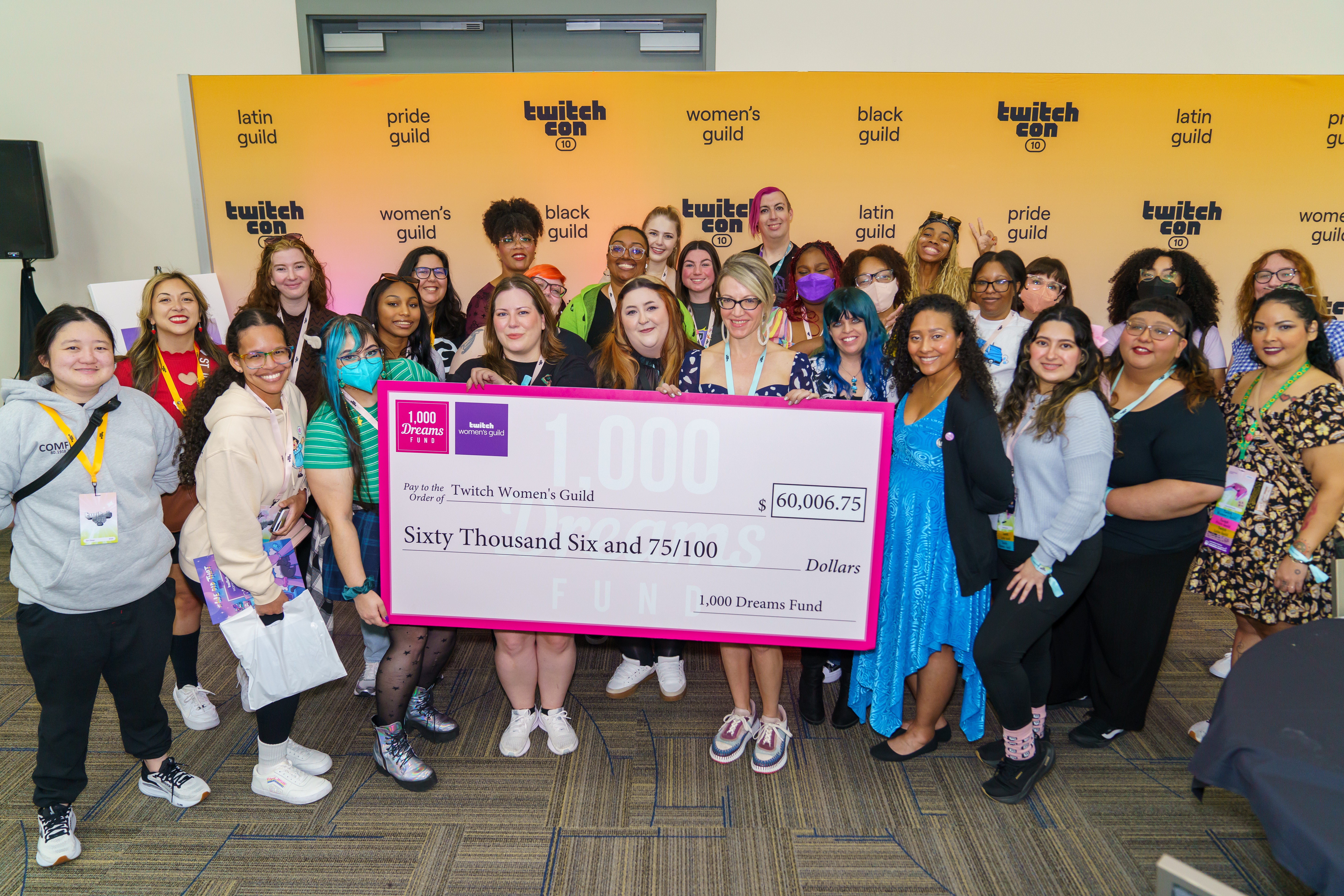
One example is the BroadcastHER Academy, created in partnership with Atlanta-based company, Skillshot. This in-person program opens doors for women in esports and gaming broadcast, an industry where representation has historically been limited. Participants receive funding, mentorship and hands-on training inside a professional broadcast environment, giving them direct exposure to careers they may not have otherwise imagined. Atlanta has played a meaningful role in this program, serving as the host city for an immersive, week-long experience where fellows trained, networked and learned directly inside a live broadcast ecosystem. Many graduates have gone on to pursue roles across gaming, esports production and related fields.
Through this work, I’ve seen firsthand how access changes everything. My goal has always been to uplift individuals to reach their fullest potential while expanding opportunity in spaces where it hasn’t traditionally existed. Seeing that transformation happen in Atlanta, a city with a deep creative and media footprint, reinforces why localized, place-based access matters. Partnerships like Skillshot help make that vision real.
Alright, so let’s dig a little deeper into the story – has it been an easy path overall and if not, what were the challenges you’ve had to overcome?
It definitely hasn’t been a smooth road. When I started 1,000 Dreams Fund, we were challenging a very traditional idea of what support for students should look like. Early on, one of the biggest hurdles was helping people understand that tuition alone isn’t what determines long-term success. The real gaps often show up in access to experiences, equipment, training and networks, and that wasn’t always easy to communicate.
Building credibility around that model took time. As a young founder, I had to consistently demonstrate that pairing funding with mentorship and real-world experience wasn’t just a good idea, but something that actually worked. That meant engaging our partners beyond collecting donations and proving impact year after year, often with limited resources, while staying focused on the communities we were trying to serve. Launching in-person programs like BroadcastHER in Atlanta required an added layer of trust-building and coordination, especially when introducing a new model into fast-moving industries, like esports and broadcast media.
Growth also brought its own challenges. As more students applied and demand increased, we had to be thoughtful about scaling responsibly. It was important to grow our programs without losing the personal support and hands-on access that make them effective.
Those challenges ultimately strengthened the organization. They pushed us to be more intentional in our partnerships and more disciplined in how we build programs. Looking back, those moments didn’t slow us down. They shaped our approach and reinforced why this work matters.
Appreciate you sharing that. What should we know about 1,000 Dreams Fund?
1,000 Dreams Fund is a nonprofit focused on helping young women and underserved students turn ambition into opportunity. What sets us apart is our approach, as we’re not your traditional, run-of-the-mill scholarship organization. Instead of focusing solely on tuition, we invest in the real-world experiences that often determine long-term career success.
We specialize in pairing opportunities with access, which consists of financial support for the “extras,” such as professional training, equipment, industry experiences and career exposure, alongside mentorship and direct pathways into emerging fields. Our programs are intentionally designed to sit at the intersection of funding, workforce development and industry access.
We are best known for creating customized, industry-specific programs in partnership with leaders across the public and private sectors. From esports and gaming to STEAM, music, healthcare and athletics, we work closely with companies and organizations to design programs that reflect real workforce needs and deliver tangible outcomes for participants. Atlanta has become an important hub for this work, particularly in esports and media, where we’ve been able to embed fellows directly into professional environments through partnerships like Skillshot. These are not one-size-fits-all initiatives. Each program is built with intention and aligned to the industries they serve.
From a brand perspective, what I’m most proud of is the trust we’ve built over time. Operating for a decade in 2026, 1,000 Dreams Fund is known for delivering meaningful impact while staying deeply connected to the people we support. That trust is reflected in our ability to bring programs into cities, like Atlanta, and collaborate with local industry leaders who open their doors to our fellows. We’ve grown responsibly, remained mission-driven and built long-term partnerships with organizations that believe in investing in the next generation of leaders.
What I want readers to know is that our work is about helping people move forward in a real, tangible way. When barriers are removed and the right support is in place, talent has room to grow and opportunity becomes possible.
Networking and finding a mentor can have such a positive impact on one’s life and career. Any advice?
One thing I’ve learned is that mentorship doesn’t have to start with a formal ask or a perfect introduction. A lot of the relationships that shaped my path began by simply showing up, asking thoughtful questions and being open to learning.
That belief is a big part of why 1,000 Dreams Fund exists. Many talented students don’t lack drive or ambition. They lack access. When you don’t have a built-in network, finding a mentor can feel intimidating or even impossible. Organizations like 1,000 Dreams Fund help bridge that gap by intentionally pairing mentees with professionals in the fields they’re interested in, and therefore creating connections that might not otherwise happen. We see this firsthand in places like Atlanta, where bringing people into the same physical space has led to mentorship relationships that continue long after a program ends.
What’s worked well for me personally is reaching out with genuine curiosity and being clear about what I’m hoping to learn. It’s less about asking for something upfront and more about starting a conversation and letting the relationship grow over time.
I also encourage people to think differently about who a mentor can be. Sometimes the most valuable guidance comes from someone just a step ahead who understands the challenges you’re navigating right now.
At the end of the day, mentorship and networking should feel human. When access is expanded and people feel supported in making those connections, it becomes easier to build relationships that are meaningful and lasting.
Contact Info:
- Website: https://www.1000dreamsfund.org
- Instagram: https://www.instagram.com/1000dreamsfund/
- Facebook: https://www.facebook.com/1000DreamsFund/
- LinkedIn: https://www.linkedin.com/company/1-000-dreams-fund
- Twitter: https://x.com/1000DreamsFund
- Youtube: https://www.youtube.com/channel/UCdLt35ZVHMhG_pnUcc11rAw
- Other: https://www.twitch.tv/1000dreamsfund