



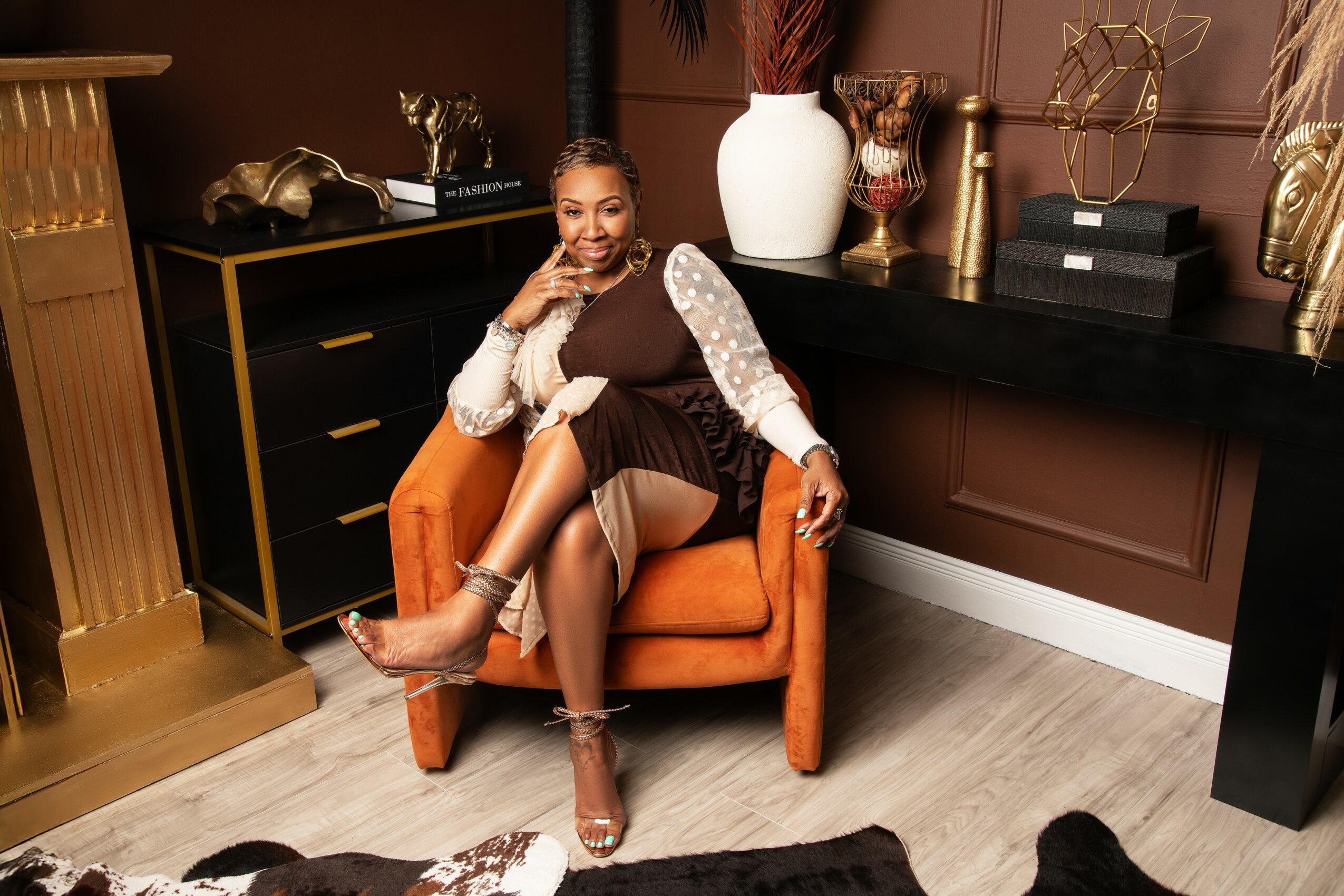
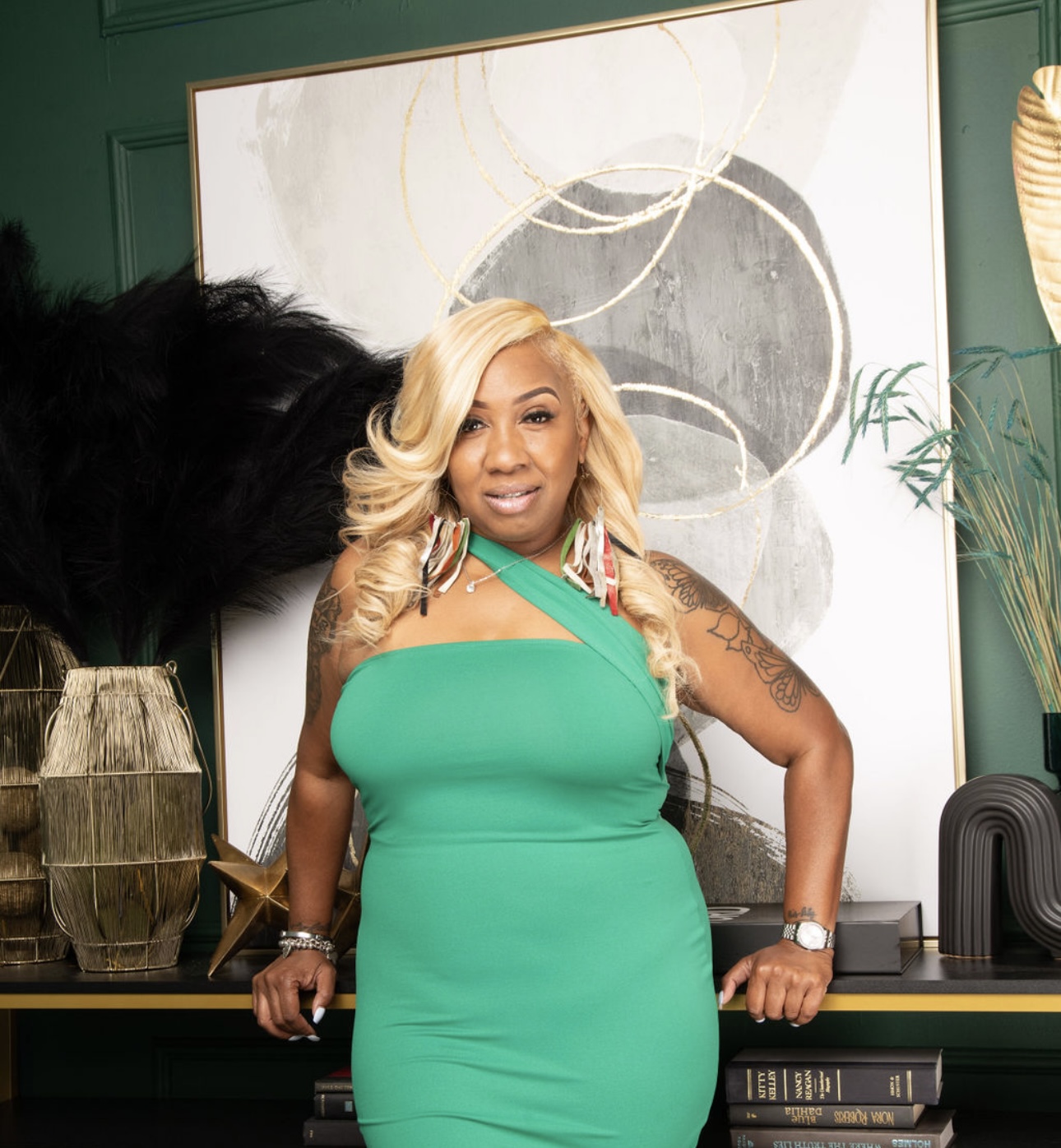
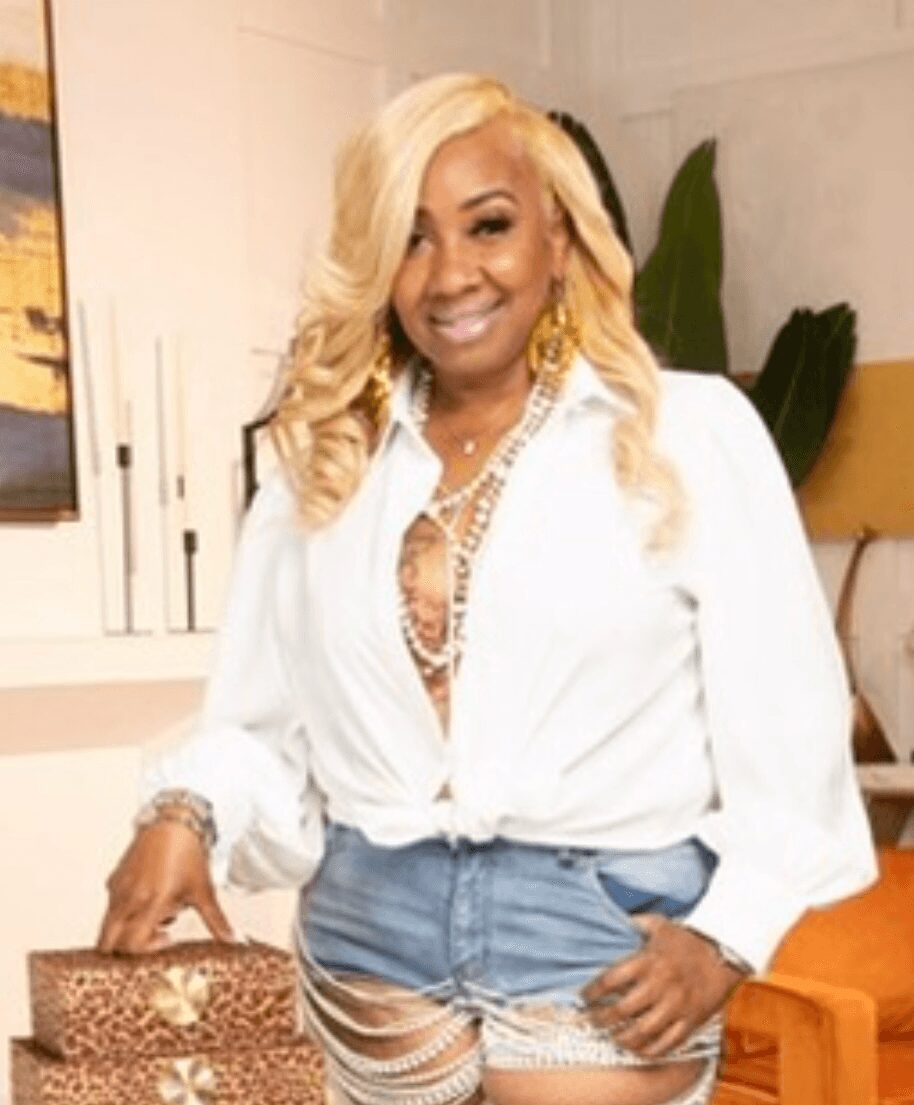
Today we’d like to introduce you to Dr Cynthia Williams.
Hi Dr Cynthia, we’re thrilled to have a chance to learn your story today. So, before we get into specifics, maybe you can briefly walk us through how you got to where you are today?
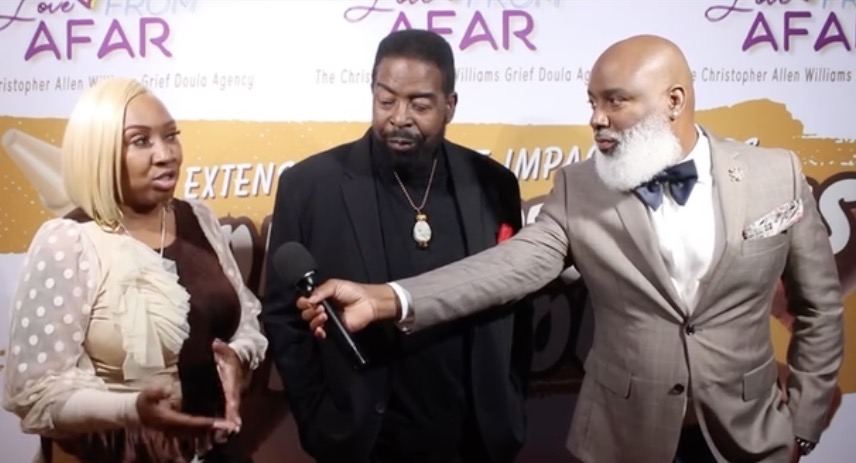
Today, I serve as a grief and trauma specialist, author, speaker, and community advocate, leading Love From Afar: The Christopher Allen Williams Foundation and Parents Against Distracted Driving (P.A.D.D.). My work centers on helping individuals, families, and communities process grief, trauma, and life disruption with honesty, structure, and dignity. I create spaces where healing is not rushed, minimized, or stigmatized—especially for youth and families who are often expected to “be strong” without support.
The reason I do this work is deeply personal.
The death of my son, Christopher Allen Williams, was the greatest loss of my life. But his death did more than break my heart—it regurgitated every loss I had survived and never fully dealt with. I could not hold space for the greatest loss of my life without finally confronting the smaller ones I had learned to carry quietly.
Long before Christopher, I experienced childhood sexual abuse, my parents’ divorce, teen dating and teen parenting, and early exposure to street life—including drug dealing and survival-based decision-making. I knew incarceration and the pain of being separated from my children while trying to find my footing. I lived through divorce again and domestic abuse within a marriage that was supposed to be safe.
I survived all of it—but survival is not the same as healing.
When Christopher died, grief demanded honesty. Healing demanded that I stop compartmentalizing pain. And purpose demanded that I use my lived experience—not as a liability, but as a lens.
That is how my work was born.
Through my books—Concrete Soil, After My Daddy Left, and What’s in Your Lemonade and my grief recovery manual Better Healws Than UnHealed and through my programs and advocacy, including my grief recovery app Still Color, I help others understand that healing is possible when we tell the truth about what shaped us. I don’t just speak about resilience; I teach people how to build it.
I often say, “You are better healed than unhealed.”
My life’s work is proof that confronting your story—fully and honestly—can transform pain into purpose and loss into legacy.
Would you say it’s been a smooth road, and if not what are some of the biggest challenges you’ve faced along the way?
It has never been a smooth road.
One of the greatest challenges I faced was learning that survival does not equal healing. For years, I knew how to endure—how to push through pain and keep going. But endurance without healing eventually becomes a liability, not a strength.
Forgiveness was another major roadblock. For a long time, I carried unresolved resentment and self-blame. It wasn’t until my conscience required me to take an honest inventory—of who I needed to forgive and for what—that real healing began. I started with myself. Forgiving myself for decisions made in survival mode made it possible to forgive others, not to excuse harm, but to free myself from it.
Another ongoing challenge has been navigating the mental health and grief space in the age of social media. What should be sacred work has, at times, been reduced to a trend. I’ve watched lived experience be overshadowed by visibility, and the loss of a child be unintentionally treated as something competitive—when in reality, no loss is greater or lesser than another.
Grief is not a brand. Healing is not a moment. And mental health is not a bandwagon.
The flyer-jumping, the performative advocacy, and the rush to be seen have often taken attention away from the daily, unglamorous work of actually helping communities heal. While some move from movement to movement, there are organizations and individuals doing the work consistently—often with limited resources, minimal support, and little recognition—yet expected to carry the weight of community healing alone.
That expectation is unrealistic and unsustainable.
No one can do this work alone. No organization can address an epidemic alone. Until we understand that the force we have together is far greater than the movement we attempt alone, we will continue running on a hamster wheel—exhausting those who are truly committed while others move on to the next “infectious” cause.
The work requires collaboration, humility, shared resources, and respect for lived experience. Our communities deserve more than visibility—they deserve tools, infrastructure, and long-term investment. And that only happens when we stop competing and start building—together.
As you know, we’re big fans of Love From Afar The Christopher Allen Williams Foundation. For our readers who might not be as familiar what can you tell them about the brand?
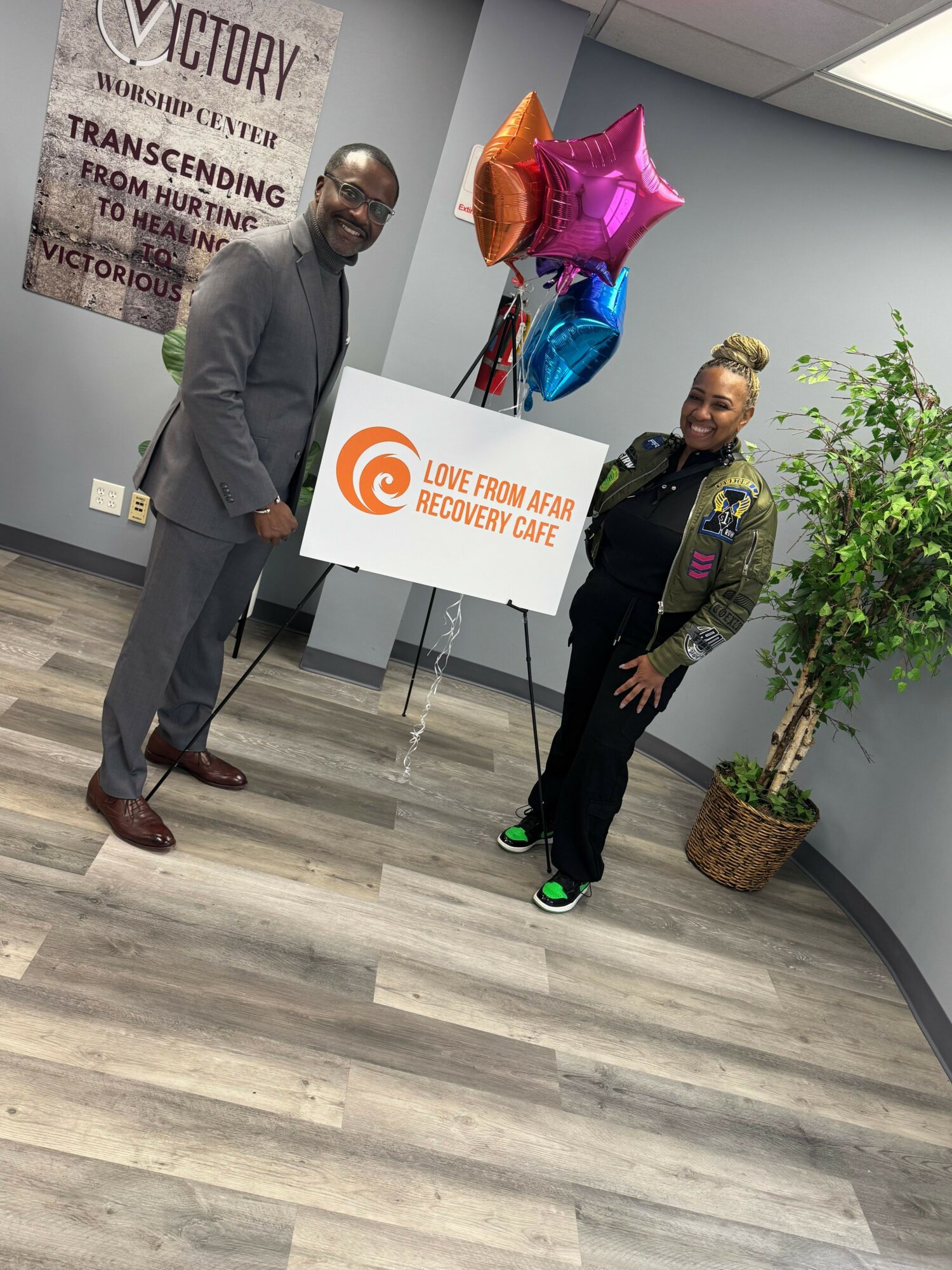
Love From Afar: The Christopher Allen Williams Foundation is a grief recovery and community healing organization that operates through a hybrid model of non-clinical leadership and licensed clinical support. While I am not a licensed therapist, our work is strengthened by clinical therapists who are part of our team and partner network, ensuring ethical practice, appropriate referrals, and trauma-informed care.
What should be known about Love From Afar is this: we respect scope, structure, and sustainability. Our programs do not replace therapy; they work alongside it. We provide non-clinical grief education, emotional skill-building, prevention initiatives, and facilitated healing spaces, while our licensed clinicians support program design, participant safety, and pathways to clinical care when needed.
We specialize in:
• Grief recovery and trauma education (non-clinical)
• Healing-centered, culturally responsive programming
• Youth mental health awareness and emotional literacy
• Prevention, safety, and accountability initiatives
• Conflict resolution, mediation, and restorative dialogue
• Survivor-led education supported by clinical oversight
A core part of our work includes two annual national summits:
• The Distracted Driving Awareness & Prevention Summit, in partnership with Parents Against Distracted Driving (P.A.D.D.), addressing preventable loss through education, survivor advocacy, and community collaboration.
• The Broken Crayons Still Color Youth Safety & Mental Health Summit, also with P.A.D.D., which brings together youth, families, educators, clinicians, and community leaders to provide education, resources, and support in a safe, trauma-informed environment.
Through Parents Against Distracted Driving (P.A.D.D.), we also deliver high-impact prevention programming, including the Mock Car Crash Series—a staged mock crash, mock funeral, and mock trial designed to demonstrate the emotional, legal, and lifelong consequences of distracted driving.
Beyond summits and prevention work, Love From Afar provides:
• Grief recovery workshops and group support
• School- and community-based programming
• Justice-involved and at-risk youth initiatives
• Healing-centered curriculum and facilitated dialogue
• Survivor-led advocacy supported by clinical professionals
I am the author of four books, including Concrete Soil, After My Daddy Left, What’s in Your Lemonade?, and the Better Healed Than Unhealed Grief Recovery Manual. These works are informed by lived experience and reinforced by professional insight, offering practical tools that complement clinical care.
One of our newest initiatives is the NIL Students Grief Recovery Program, created for student-athletes who leave home early to pursue sports opportunities. While these athletes may be high-performing on the field, many are still teenagers navigating separation, grief, identity shifts, and pressure without consistent family support. This program combines non-clinical education with clinician-informed support and referral pathways.
What truly sets Love From Afar apart is ethical clarity. We are transparent about roles, respectful of professional boundaries, and committed to collaboration. We don’t overstep, we don’t compete, and we don’t perform healing—we build infrastructure for it.
Brand-wise, what I am most proud of is trust. Communities trust us because we lead responsibly, partner wisely, and stay committed long after the spotlight fades.
What I want readers to know is this: Love From Afar is community-centered, clinician-supported, and impact-driven. Healing happens best when lived experience and professional expertise work together—and that is exactly how we operate.
Do you have recommendations for books, apps, blogs, etc?
I’m intentional about the content I consume because what you take in shapes how you show up.
Outside of my own work, my favorite book is The Coldest Winter Ever. It’s raw, layered, and honest about survival, identity, and the consequences of choices—especially for people navigating environments shaped by trauma and limited options. That kind of storytelling matters because it reflects real life, not sanitized versions of it.
Podcast-wise, I regularly listen to the In and Out Podcast with Eric Girault. What I appreciate most is its focus on the full human story—who people were before prison, what happened during incarceration, and who they become afterward. It centers lived experience, accountability, and transformation, which aligns closely with how I approach healing and reentry conversations.
I also intentionally revisit archived episodes of Iyanla Vanzant. Her work resonates with me because my services are offered in a doula-style approach—walking with people through hard transitions rather than trying to fix or diagnose them. Many of my methods and philosophies mirror that same space-holding, truth-telling, and emotional accountability that she modeled so powerfully.
I don’t consume content just for inspiration—I consume it for alignment. Everything I read, listen to, or revisit helps me stay grounded, ethical, and effective in how I serve others.
Contact Info:
- Website: www.drcdub.com and www.lovefromafar.org
- Instagram: https://www.instagram.com/lovefromafar
- Facebook: https://www.facebook.com/share/1GQQdgS2UJ/
- LinkedIn: https://www.linkedin.com/in/dr-cynthia-williams-2b863521
- Twitter: https://x.com/lovefromafar
- Youtube: https://youtube.com/@lovefromafar
Popular
-

Opening Up to Move Forward: Diane Martinez on Vulnerability, Small Steps, and Getting Unstuck
-

Hidden Gems: Local Businesses & Creatives You Should Know
-

ATL’s Most Inspiring Stories
-

Portraits of Atlanta
-

Storytelling, Wellness, and Community: Dayana Preval on Finding Alignment Through Creative Expression
-
Rewriting the Rules of Publishing: How Jalisa Rose Ray Is Building an Author‑First Legacy with JRose Publishing