




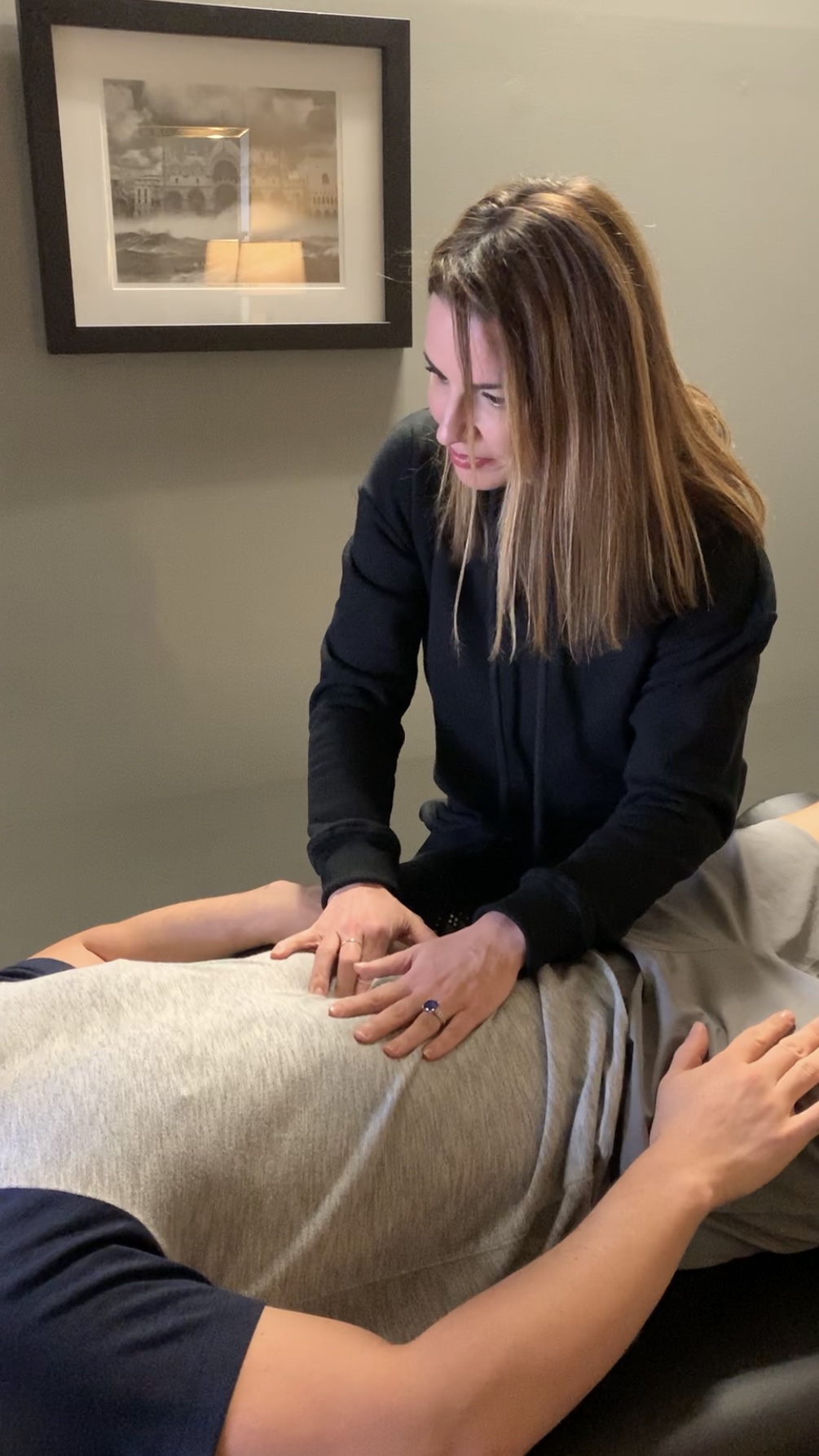
Today we’d like to introduce you to Dr. Erin Policelli, DPT.
Hi Dr. Erin, thanks for sharing your story with us. To start, maybe you can tell our readers some of your backstory.
Thank you so much for the opportunity to share my journey. Like many careers in healthcare, mine didn’t follow a straight, predictable path. I began as a pediatric and NICU nurse. Those early years shaped the kind of clinician I wanted to be.
After earning my Doctorate of Physical Therapy from Duke University, I participated in one of the first women’s health internships in 2000. Pelvic health wasn’t widely acknowledged back then, and very few people were talking about the connection between pain, the pelvic floor, and women’s quality of life. I realized there was a massive gap in care, and I felt called to be part of the solution.
I went on to work in major women’s hospitals in Baton Rouge and Houston, treating women through pregnancy, postpartum recovery, pelvic pain, SI dysfunction, and incontinence. Along the way, I became deeply curious about how the fascial and visceral systems influence movement and pain; this was long before it was a mainstream concept.
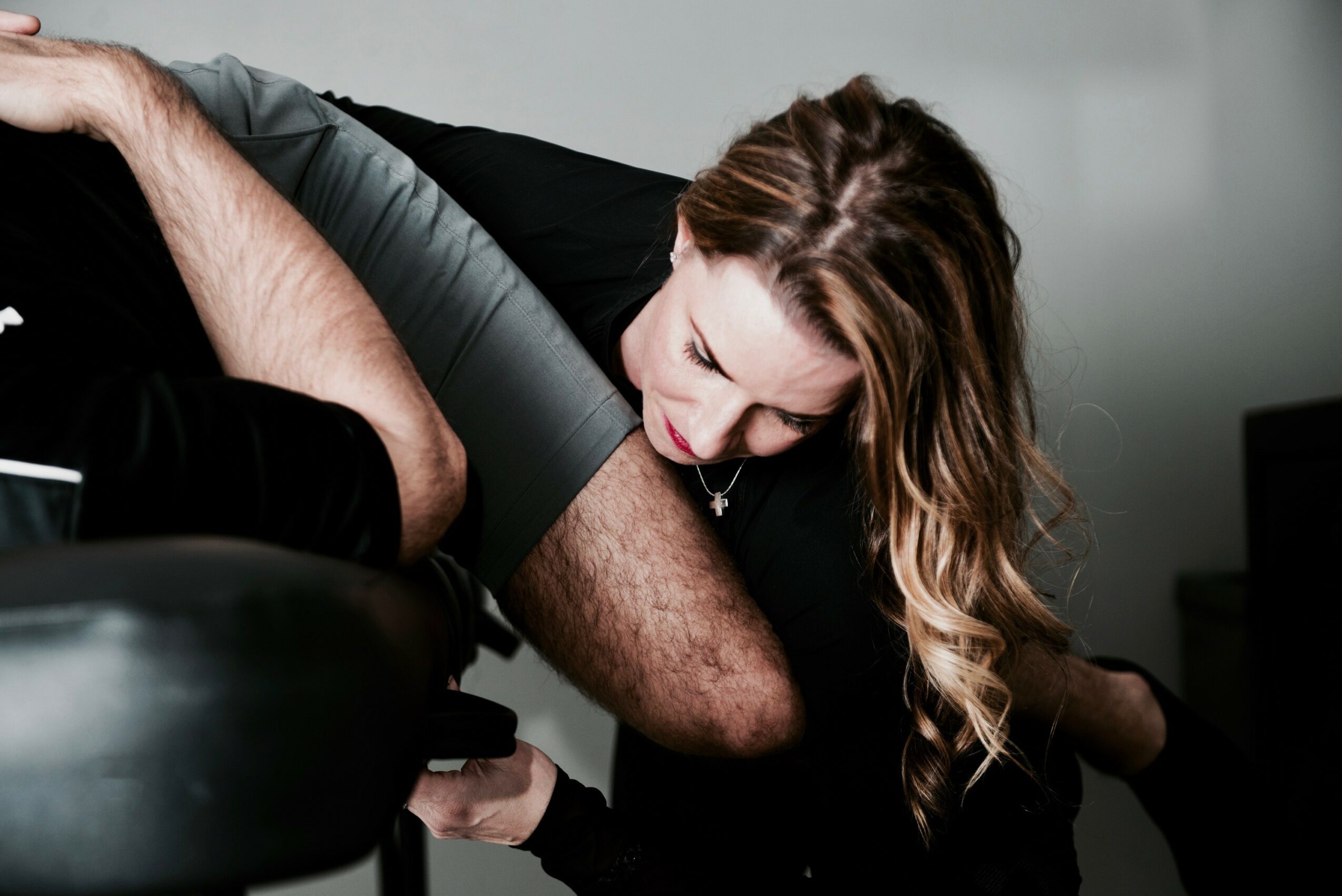
In 2004, I earned my first certification in Fascial Stretch Therapy and started working hands-on with athletes. That experience opened doors to working with executives, professional athletes, and eventually supporting athletes at the 2012 Olympic Swimming Trials. It also changed the way I approached physical therapy. I started to view it as not just rehabilitation, but as a pathway to prevention and long-term wellness.
That philosophy led me to found STRETCH Kinetics in 2013, bringing mobility, recovery, and fascial stretching into a wellness-focused model. It was ahead of its time, but I knew that preventing injuries and optimizing movement mattered just as much as treating pain once it showed up. STRETCH Kinetics allowed me to bridge the worlds of therapy, myofascial performance, and proactive care.
Then, in 2015, my story took a personal turn. I was diagnosed with low ovarian reserve and told IVF using donor eggs was my only option. What followed was a six-year fertility journey filled with setbacks which included a SCAD-related heart attack in 2020; something that is almost exclusively seen in young, healthy women. It was one of the hardest seasons of my life, but it reshaped my purpose in a profound way. When I finally welcomed my twin boys, Luca and Marcello, I gained not only a family but a new level of empathy for the women struggling silently with infertility, endometriosis, pelvic adhesions, and pain.
That experience ignited my next chapter.
I founded Femina Atlanta to offer specialized pelvic health physical therapy rooted in evidence, movement, compassion, and whole-body connection. My mission is simple: help women move without pain, heal without shame, and feel confident in their bodies whether they’re postpartum, perimenopausal, recovering, or simply trying to live fully.
Atlanta has become the heart of my family and my work. I love this community. I have patients here that I have helping live fully for over 18 years! Every day, I have the privilege of helping women and active adults reclaim comfort, confidence, and freedom in their bodies. It is selfish the most rewarding feeling one can have.
My path has had twists, triumphs, and challenges I never expected but every step led me to exactly where I’m meant to be.
Alright, so let’s dig a little deeper into the story – has it been an easy path overall and if not, what were the challenges you’ve had to overcome?
The road to where I am today had plenty of twist, turns and up hill sections. Professionally, I was building a career in a specialty that barely existed when I started. I often had to justify why pelvic health and fascial work mattered when few people understood it. There were financial risks, long stretches of doubt, and the pressure of launching STRETCH Kinetics before the wellness industry was what it is now. Personally, the struggle was even heavier. Balancing a demanding career with years of infertility treatments, setbacks, and the emotional weight of not knowing if motherhood would ever be part of my story. Then came SCAD (spontaneous coronary artery dissection) which resulted in an unexpected heart attack that forced me to hit pause on everything including IVF. I have learned resilience, patience, and perspective. Success isn’t about a straight climb; it’s about surviving the valleys, shifting when life demands it, and finding purpose in the parts of the journey you never saw coming – like a heart attack and having to use an egg donor to have your children.
Thanks – so what else should our readers know about Femina Atlanta and STRETCH Kinetics?
Femina Atlanta is the core of my work. It is a pelvic health physical therapy practice in Buckhead dedicated to helping women overcome issues like pelvic pain, painful intercourse, urinary leakage, SI dysfunction, endometriosis-related pain, and postpartum recovery.
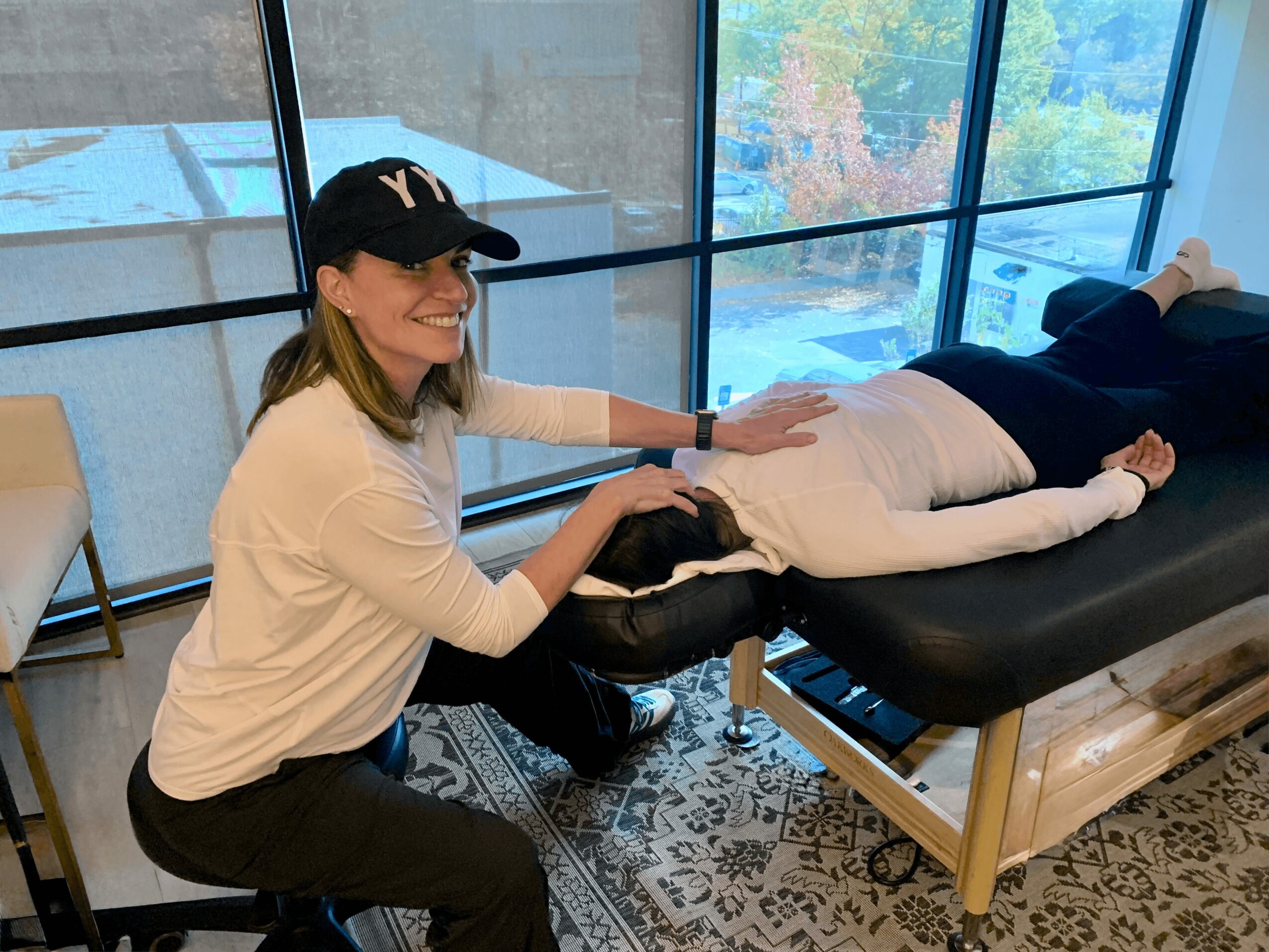
What makes Femina different is our whole-body, one-on-one approach. We don’t just look at the pelvic floor. We assess the hips, spine, fascia, breath, posture, and movement patterns because pelvic symptoms are rarely isolated. We combine manual therapy, myofascial and visceral techniques, pelvic rehab, and movement retraining to help women move without pain and feel confident in their bodies again.
Brand-wise, I’m most proud that Femina is a shame-free, judgment-free space. So many women have been told their pain is “normal” or “just part of being a woman.” Our message is the opposite: your pain is real, you deserve answers, and healing is possible.
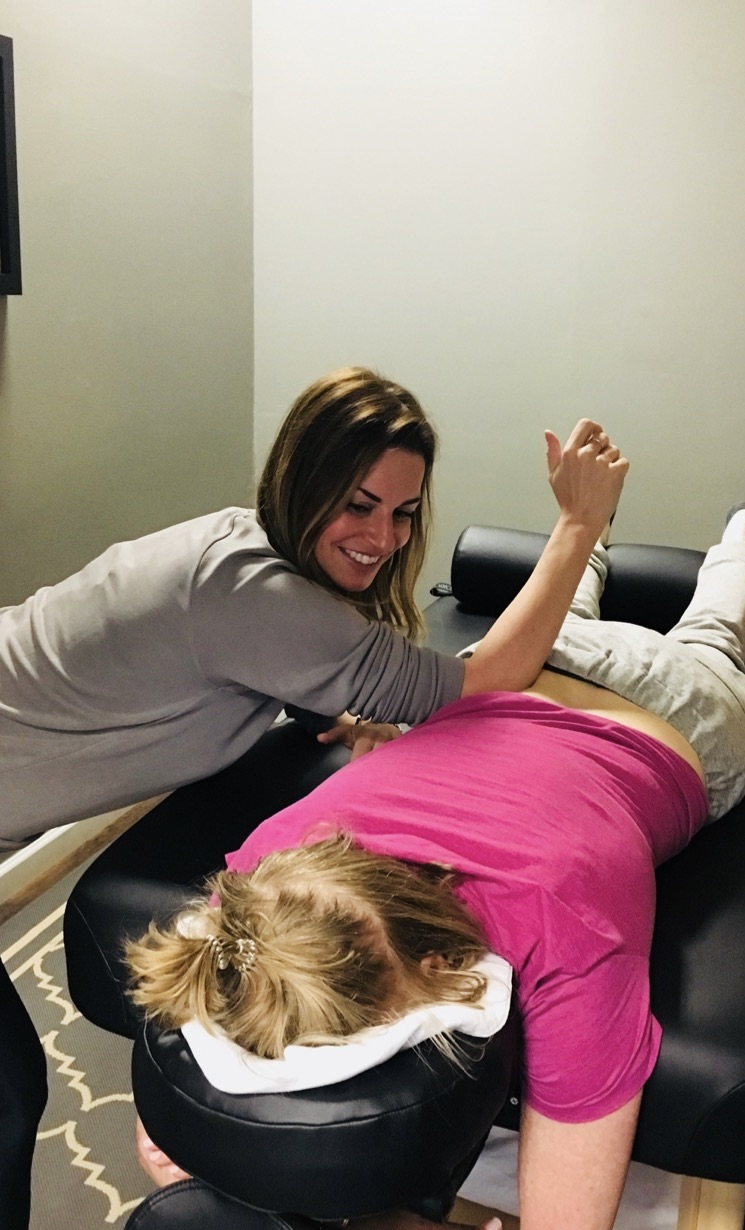
Founded in 2013, STRETCH Kinetics is our mobility and stretch therapy studio focused on flexibility, recovery, and performance. We work with athletes and active adults to improve movement, prevent injury, and optimize how the body functions using advanced fascial stretch therapy and manual therapy.
Both brands share one mission: helping people move, heal, and thrive.
Femina focuses on women’s pelvic health, and STRETCH Kinetics focuses on mobility and prevention, creating a continuum of care that supports women through every stage of life.
Where do you see things going in the next 5-10 years?
I think we’re on the edge of the biggest shift women’s pelvic health has ever seen. For decades, issues like painful intercourse, leaking with exercise, endometriosis pain, and postpartum dysfunction were either minimized or ignored. In the next 5–10 years, pelvic health is going to move from a niche specialty to a mainstream, first-line treatment—not a last resort.
Women are speaking up, providers are listening, and social platforms are breaking the silence around pelvic pain, intimacy pain, and postpartum recovery. I believe pelvic floor physical therapy will become as common a referral as orthopedic PT, especially after childbirth and during perimenopause and menopause (which are having their own moment – YAY!)
The industry is moving beyond “just Kegels.” There’s growing recognition of fascia’s role in pain and mobility, the core-breath-pelvis connection, and the influence of the hip, spine, and posture, This aligns is what Femina is all about. That pelvic symptoms are rarely isolated, and treatment shouldn’t be either. Basically, women’s pelvic health is moving from the shadows to center stage. The next decade will be about awareness, access, advocacy, and whole-body treatment.
On the wellness side, the mobility/stretch industry is already having a moment but as people live longer, stay active longer, and spend more time sitting, fascial health, recovery, and prevention will become core pillars of fitness not add-ons.
Also, Insurance doesn’t always keep up with innovation. As a result, we’ll see more boutique, one-on-one, specialized practices, like Femina and STRETCH Kinetics, where care is personalized, with longer treatment times, and rooted in outcomes, not quotas.
Contact Info:
- Website: feminapt.com stretchkinetics.com