






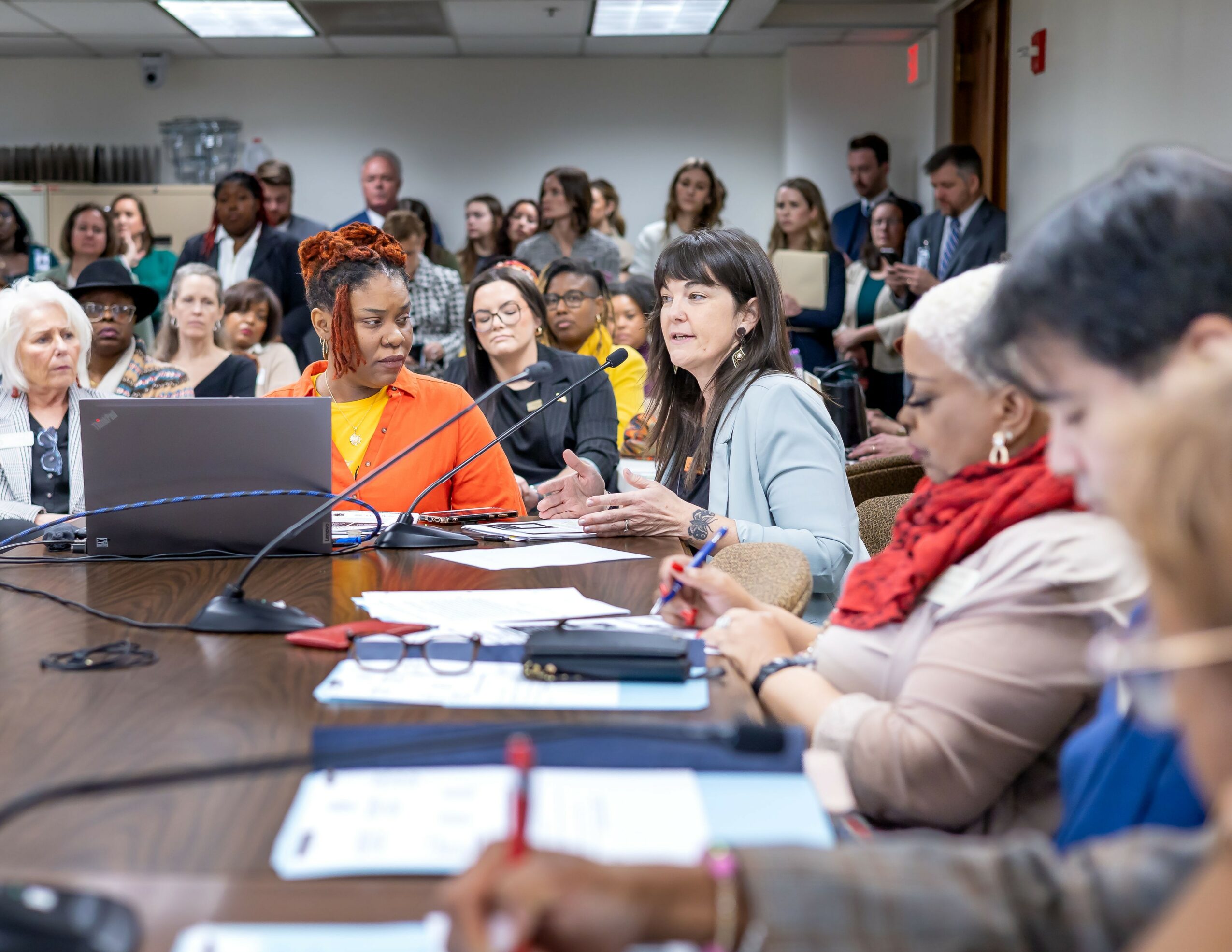
Today we’d like to introduce you to Missi Burgess.
Hi Missi, thanks for joining us today. We’d love for you to start by introducing yourself.
I knew that I wanted to be a birth worker when I witnessed my mother’s pregnancy and birth at the age of about 12. I was obsessed with all of her books on pregnancy and read them cover to cover, but was disappointed in her birth experience because it did not match what I had read about. When I was in high school I became a Certified Nurse Assistant and again was privileged to witness some births in the hospital. Again, I walked away disturbed at what I saw, intuitively aware that this was not the way childbirth should be.
Fast forward a few more years and I was pregnant with my first child, searching for options for natural birth and coming up empty. My husband suggested I should try a home birth midwife, which I had not read about in my mother’s books! We found one, and went on to have five children at home with her skillfully watching over my deliveries. About 9 months after my last child was born, my midwife passed away and I knew it was time for me to answer the call to become a midwife.
I graduated from Midwives College of Utah, that offers a blended learning of online, synchronous didactic learning and local clinical apprenticeship for hands on skills. Right around the time that I graduated, we found out that the midwifery laws had been changed in Georgia, and we were actually all practicing illegally! At that point I was launched into a campaign to restore the legal right to choose to birth at home with a trained midwife in Georgia, and have been fighting for this ever since. I’ve also had the honor of catching over 350 babies while doing so.
Alright, so let’s dig a little deeper into the story – has it been an easy path overall and if not, what were the challenges you’ve had to overcome?
The biggest struggle is the restrictive legislation around midwifery practice in Georgia. Without a pathway to licensure for midwives who are not nurses, we have trouble accessing medications and supplies for our jobs, our clients can’t use insurance to pay us, and now we are being barred from midwifery school admittance since Georgia has made it illegal to practice non-nurse midwifery.
We’ve been impressed with NACPM Georgia, but for folks who might not be as familiar, what can you share with them about what you do and what sets you apart from others?
NACPM Georgia is the professional association of Certified Professional Midwives in Georgia. Certified Professional Midwives are trained and nationally credentialed to offer expert care, education, counseling and support to women for pregnancy, birth and the postpartum period. CPMs practice as autonomous health professionals working within a network of relationships with other maternity care providers who can provide consultation and collaboration when needed. We take care of low-risk people who want an alternative to hospital birth. In particular, CPMs have great maternal and infant health outcomes, and states that license and integrate us also have better outcomes. As you may know, Georgia has some of the worst maternal and infant health outcomes in the United States!
Our mission is to help resolve many of the issues keeping Georgia from having positive birth outcomes.
Licensing direct-entry midwives is a crucial step to effectively increase the perinatal workforce in Georgia. By formalizing the role of midwives within the healthcare system, Georgia can enhance access to maternal care, especially in underserved areas. Licensing ensures that midwives meet standardized training and competency requirements.
Alongside this effort, promoting inter-professional collaboration among Georgia’s perinatal providers is essential. Encouraging partnerships between midwives, obstetricians, pediatricians, and other healthcare professionals can lead to improved health outcomes, as it allows for the sharing of knowledge, resources, and best practices, ultimately benefiting families across the state.
Supporting equity in accessing midwifery education and services is crucial for fostering a healthcare system that is inclusive and responsive to the needs of Georgia’s diverse populations. Ensuring that aspiring midwives from all backgrounds have equal opportunities to pursue education and training not only diversifies the profession but also enhances cultural competence within the field.
To further safeguard the quality of midwifery practice, it is essential to implement mechanisms such as continuing education, quality improvements, and peer review. By prioritizing both equitable access to education and rigorous professional standards, the midwifery profession can continue to evolve and positively impact maternal and infant health outcomes.
Risk taking is a topic that people have widely differing views on – we’d love to hear your thoughts.
It is a risk to practice as a midwife in Georgia. You have no legal protections or permissions, and yet are very needed by the communities you serve. Women are choosing to have their babies at home and deserve to have a skilled attendant by their side. Midwives in Georgia take the risk of prosecution just by doing their jobs, even if you do a great job.
Contact Info:
- Website: https://www.georgiacpm.org
- Instagram: ga.nacpm.midwives
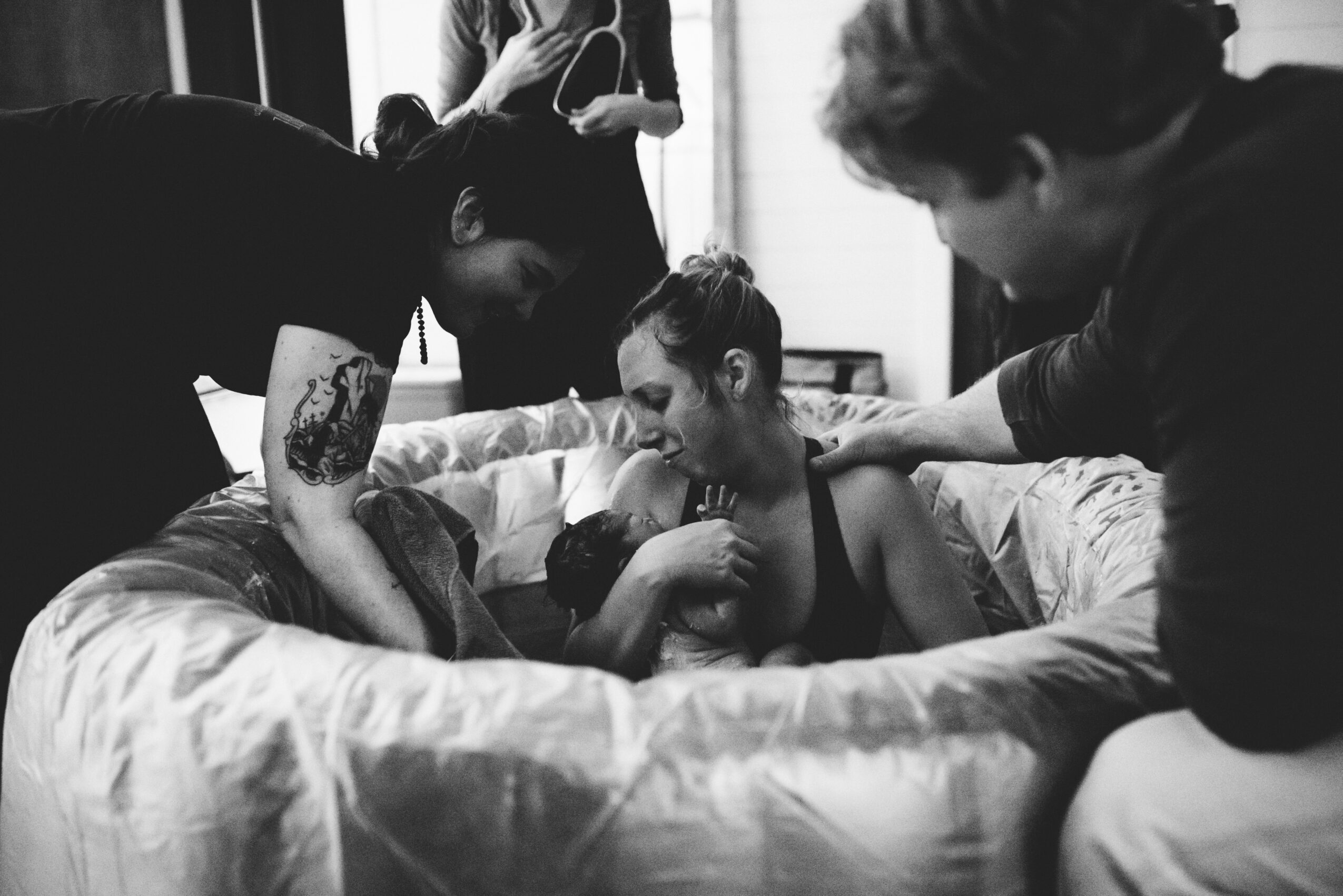
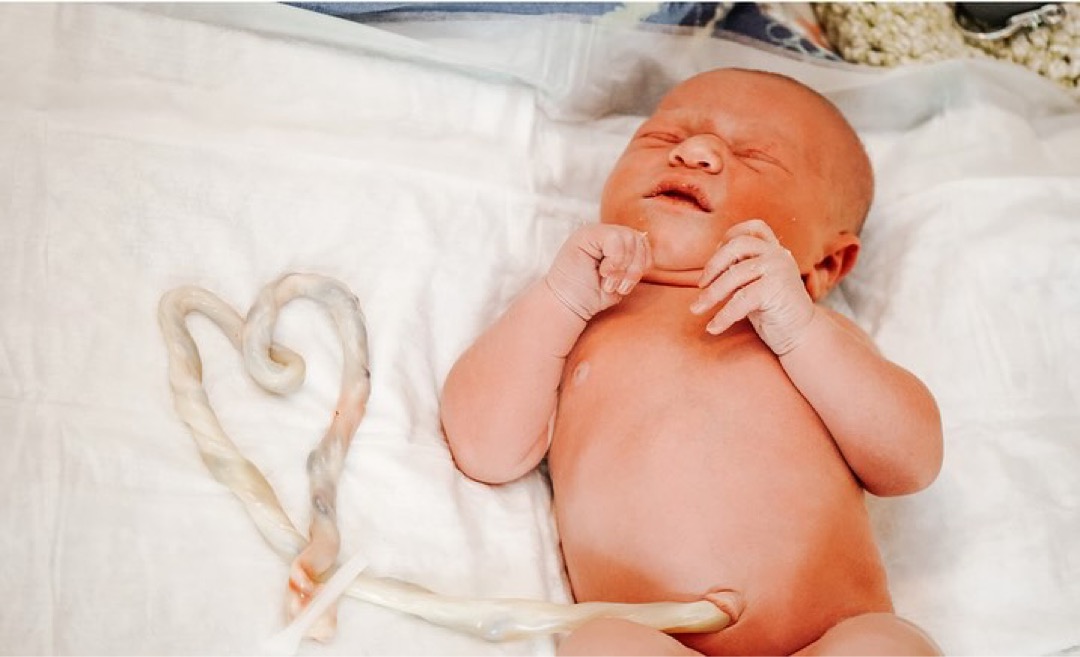
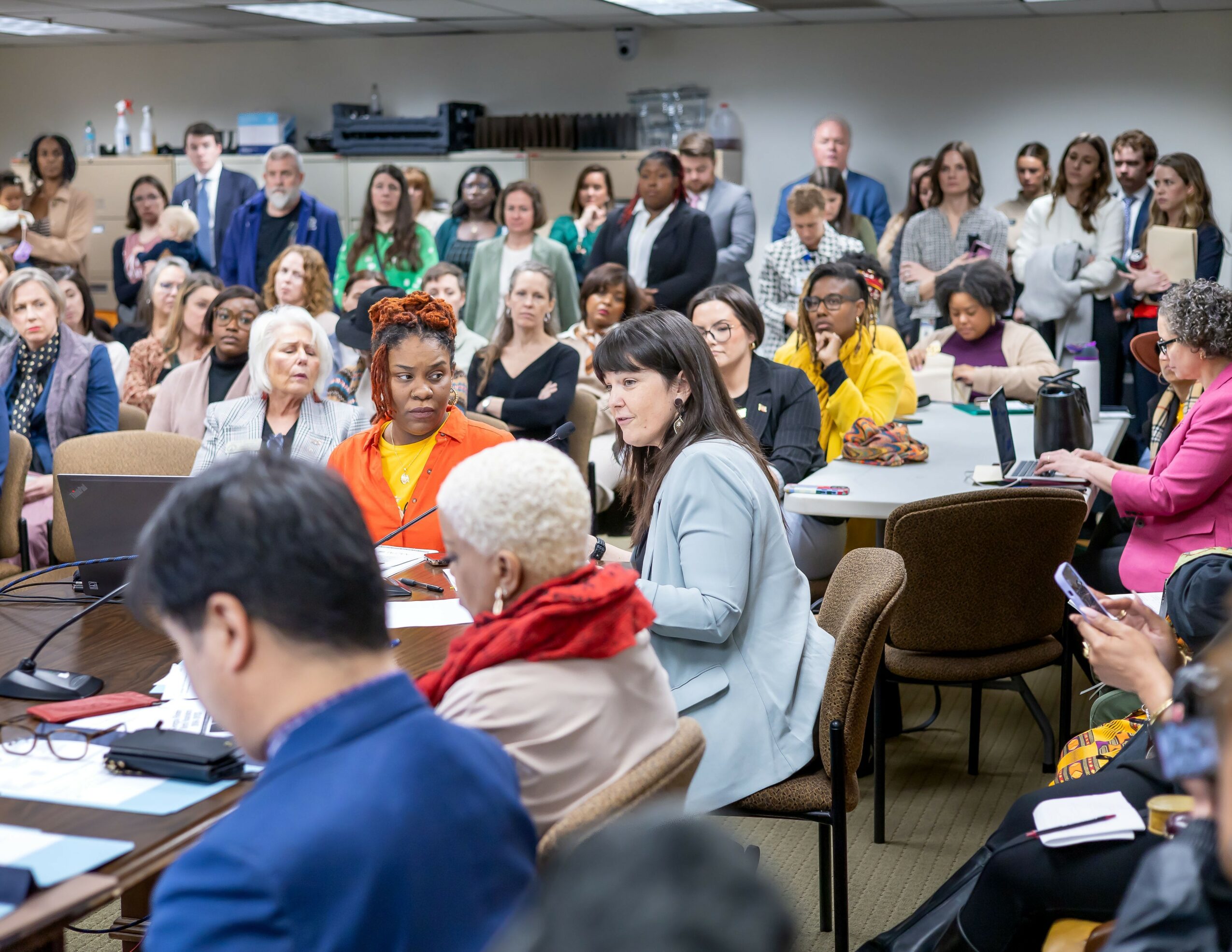

Image Credits
Hearing photos are Rosalind Williams Photography