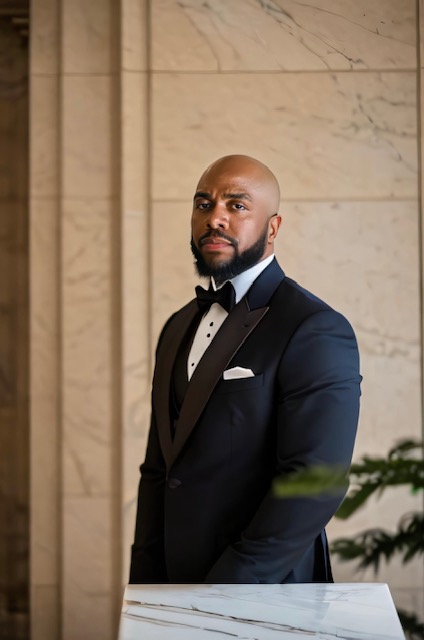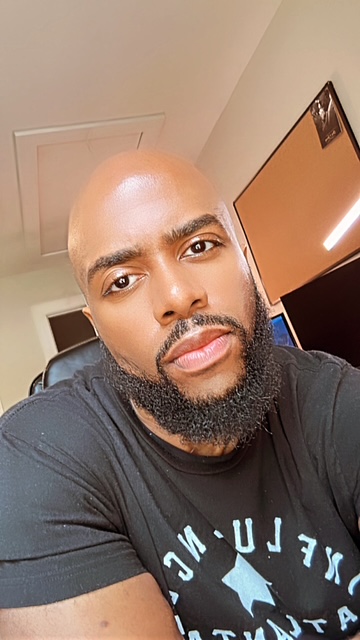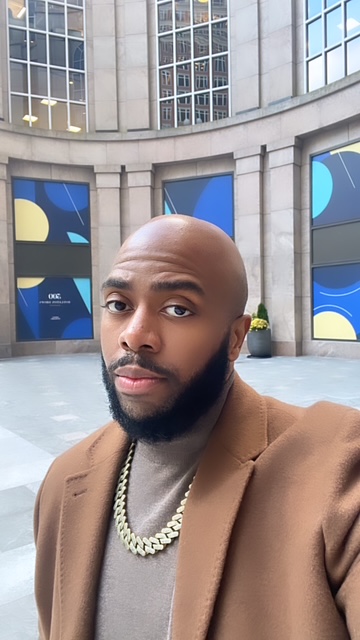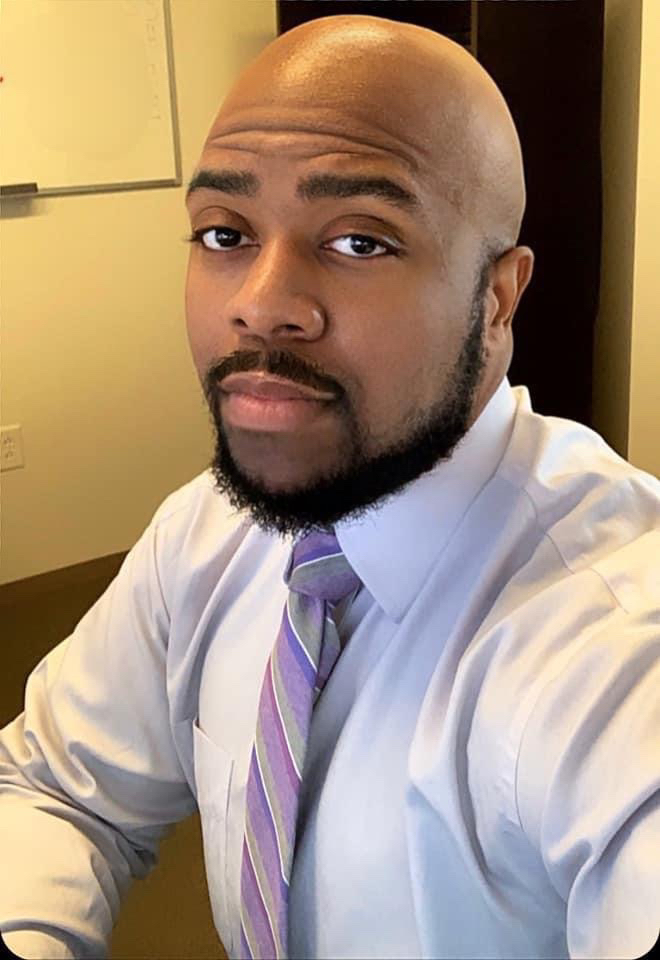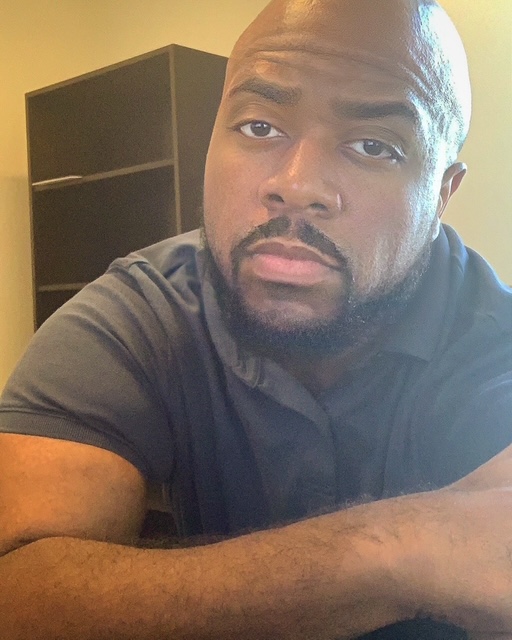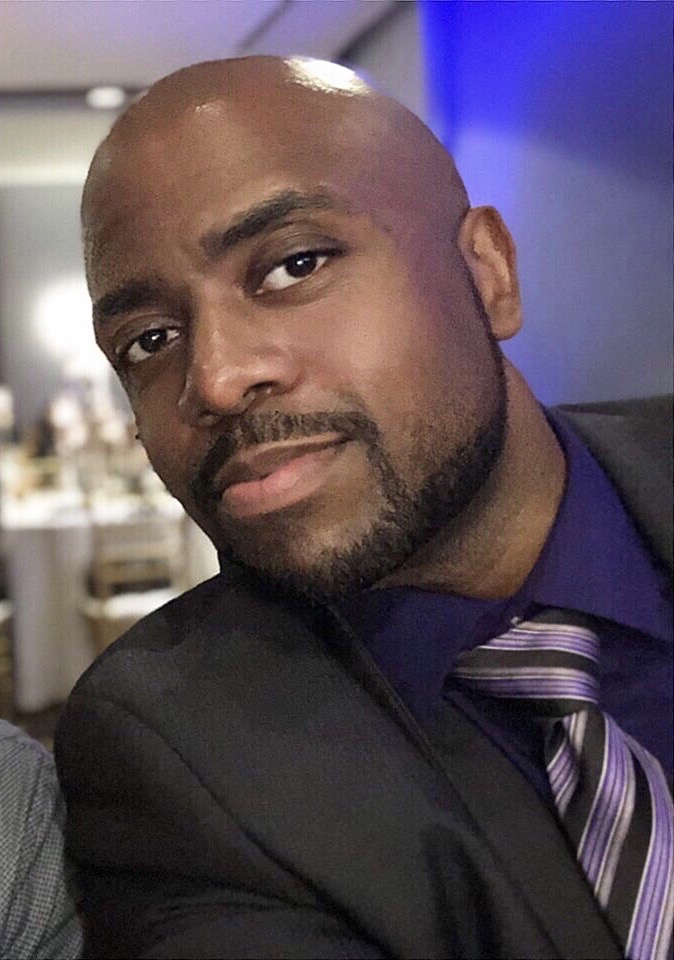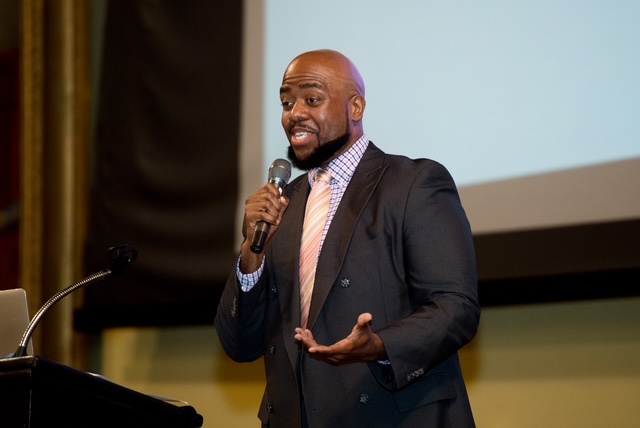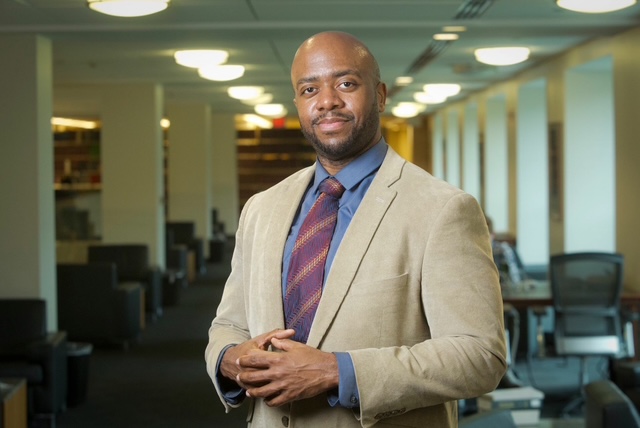





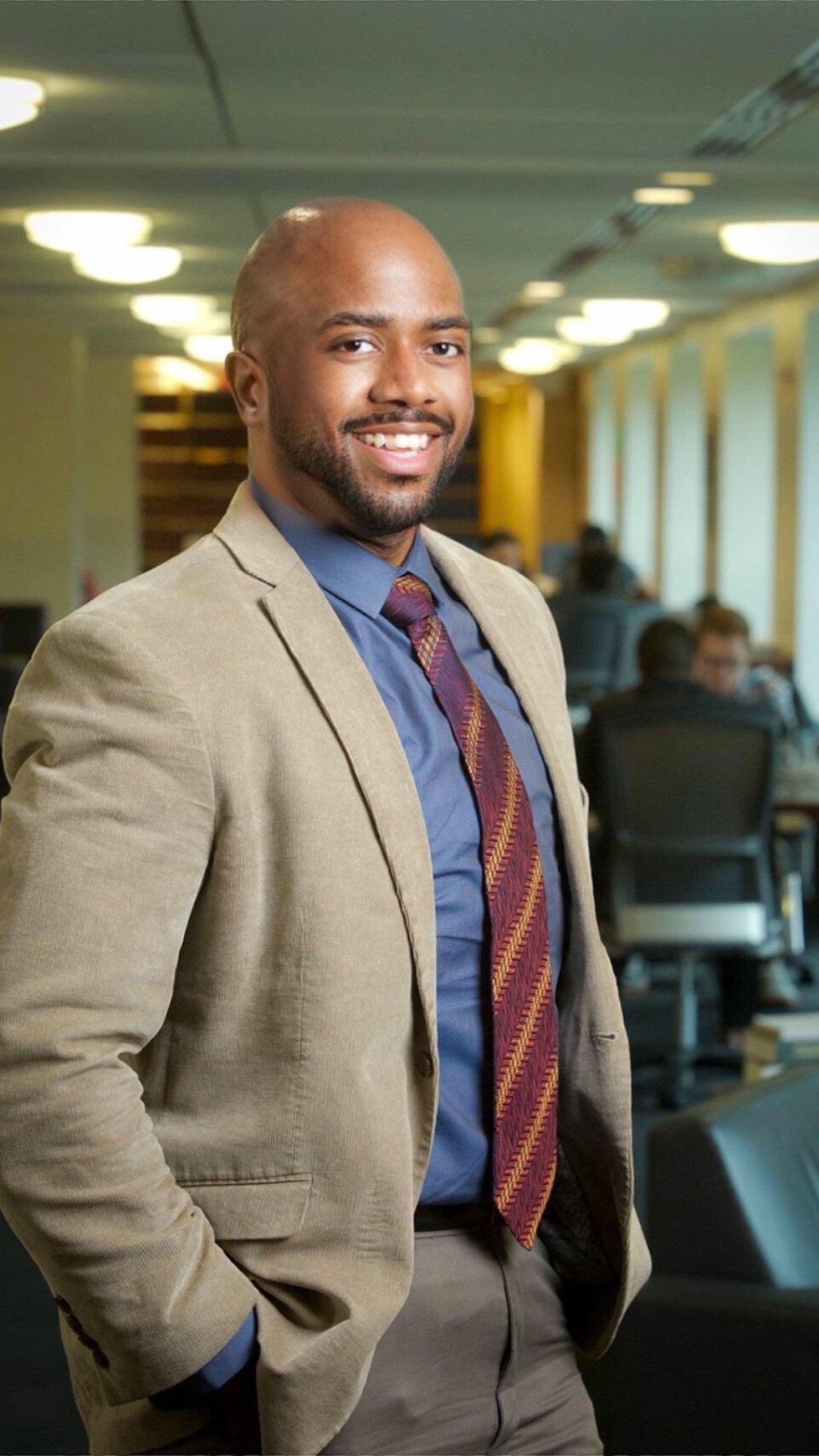
Today we’d like to introduce you to Seth Pearson.
Hi Seth, we’d love for you to start by introducing yourself.
I grew up in Syracuse, New York, and I’ve always been a little different — in the best and hardest ways. I was a Black kid in a pretty mixed environment, and in some ways that created a “bubble.” We grew up together — white, Black, Latino, Asian — and there were definitely lines and divides, but they didn’t fully prepare me for what it would feel like to leave home and navigate the broader world as a Black gay man with big ambition.
I started college at 17 — always the youngest in the room because of how my birthday fell — and I simply wasn’t emotionally ready. I made a lot of bad decisions, and I flunked out. Then I made what I now call one of my early “screaming at trees” decisions: I moved from New York to Alabama — deep South — believing I could be fully myself and it would be fine. It wasn’t. I experienced open cruelty and harassment that wore me down over time. I was proud, I wasn’t going to be intimidated, but eventually I shut down, stopped leaving my room, and flunked out again. My dad came and got me and brought me home.
I restarted at the University at Buffalo in a different headspace, but still trying to force a path that wasn’t mine. That didn’t work either. For a long time after that, I carried this belief that I had “broken” my own future — that I had done too much damage and wouldn’t recover.
During that season, I worked and served wherever I could — teaching nonprofit curriculum in the Buffalo City School District, working with youth, doing Boys & Girls Club work at night, serving in ministry — doing what it took to eat and keep going. But the deeper tension was this: I was teaching kids that education and purpose mattered, while my own life felt stalled.
Eventually, I moved to Atlanta. Things still didn’t go smoothly. I experienced homelessness. My health spiraled. I gained significant weight. I got arrested a couple of times. And I hit a point where I genuinely believed I might never recover — not because I lacked talent, but because I was exhausted and ashamed and overwhelmed.
Then something changed. On my 28th birthday, I was alone, and I made a promise to myself — and to God — that even if I couldn’t fix everything at once, I could fix something. And then I did what I’ve done ever since: I started stacking small, disciplined moves. Moment by moment. Decision by decision. I rebuilt.
Today, I’m a Duke Law graduate and a corporate attorney focused on emerging companies and venture capital. I’ve worked in high-trust environments, including in the White House during the Obama administration. I’ve spent my career advising founders and investors through complex, high-stakes moments — helping companies raise capital, grow responsibly, and execute deals that change the trajectory of real people’s lives.
I’ve also transformed my health in a major way, losing hundreds of pounds and learning the kind of discipline that has nothing to do with motivation and everything to do with systems.
And I own my whole story. I’m not ashamed of who I was when I was living in my car and trying to figure out how to make a meal out of nothing. That was me, too. I didn’t deserve love less then than I do now. I’m not better than anybody in any room I walk into — but I’m also not walking into any room where somebody is better than me. I’ve earned my footing, and I’m grateful for it.
Would you say it’s been a smooth road, and if not what are some of the biggest challenges you’ve faced along the way?
It has not been smooth — at all.
I’ve dealt with identity-based cruelty early in life, especially when I left my hometown bubble and learned what it meant to be “the different one” in spaces that weren’t built for me.
I’ve also dealt with the consequences of my own decisions. Flunking out of school twice, being in survival mode, homelessness, health challenges, and arrests — those are not the kinds of things you put in your five-year plan. But they taught me something I still rely on: you can’t fix everything at once, but you can always fix something. And if you keep stacking those “somethings,” your life starts to change.
The other struggle people don’t always see is the internal one: learning how to believe in yourself again after you’ve disappointed yourself. Learning how to rebuild trust with yourself. That’s real work.
Now I operate with systems — and with accountability. And I’m very honest about what it took, because people need to hear that transformation is possible without pretending it’s pretty.
Great, so let’s talk business. Can you tell our readers more about what you do and what you think sets you apart from others?
My day job is as an emerging companies and venture capital attorney. I advise startups, founders, and investors — depending on the deal — on how to raise and deploy capital, structure growth, and navigate the legal and strategic decisions that show up as a company scales.
What I love about this work is that it sits at the intersection of vision and discipline. Founders are building the future in real time, and investors are placing bets on what they believe can become true. My role is to help people move with clarity — to reduce avoidable risk, to protect relationships, and to make sure the legal foundation supports the business reality.
I’ve learned that the best deals aren’t just about getting to “yes.” They’re about building something that can last: clean structures, aligned expectations, and strong trust.
Outside of my legal practice, I’m building Pearson Playbook, LLC — which is really a coaching and systems platform at its core. We build playbooks designed to help people move from intention to execution. I’m obsessed with the idea that most people don’t fail because they aren’t smart — they fail because they don’t have systems, support, or a roadmap that matches their real life.
We’re also building an AI coaching and integration platform focused on practical implementation for small businesses — especially in rural communities across Georgia and the broader Southeast. A lot of the conversation around AI is framed for early adopters and tech insiders. But what I see is a widening gap: people who know how to use these tools will compound faster, and people who don’t — especially older adults and rural small business owners — risk getting left behind.
Our goal is to close that gap with hands-on training, playbooks, and ongoing support — including one-on-one coaching, bootcamps, and “executive AI coach” style support that helps business owners apply tools in a way that actually increases revenue, saves time, and improves operations. We’re also exploring grant funding to support that work so it can reach the communities that need it most.
Alright so before we go can you talk to us a bit about how people can work with you, collaborate with you or support you?
There are a few different ways.
Working with me (clients):
If you’re a founder, operator, or investor who values clarity, responsiveness, and a strategy-forward legal approach, that’s where I do my best work. I’m especially aligned with people who want to build something real and durable — not just “close a deal,” but build a company that can stand up over time.
Collaborating with me (partners):
To me, collaborators are true partners. I’m always open to exploring partnerships around strong ideas — especially around playbooks, education, and practical AI implementation — but I’m very clear about one thing: collaboration has to be value-driven. Bring something meaningful to the table, and I’ll do the same. I love partnerships where one plus one equals three.
Support (community + momentum):
I’m generous with support when people are genuinely committed. What I don’t do is “do it for you.” A lot of people ask for support when what they actually want is rescue. I can’t want your life more than you do. The reason people have supported me over the years is because they saw that I was relentlessly committed to rebuilding my life. When I see that same level of ownership in someone else, they will consistently have my support.
Pricing:
- Legal services: Engagements are typically structured based on scope, complexity, and timeline (often as project-based or retainer arrangements).
- Speaking / workshops / trainings: Pricing depends on the format (keynote vs. workshop), audience size, and whether materials/playbooks are included.
- Pearson Playbook / AI coaching offerings: We anticipate tiered options (intro bootcamps, 1:1 implementation support, and ongoing coaching), with final pricing set based on program design and funding partnerships.
- I’m always happy to discuss fit and scope up front so expectations are clear on both sides.
Contact Info: