





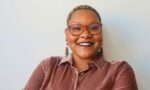
Today we’d like to introduce you to Danithea Ward.
Hi Danithea, thanks for joining us today. We’d love for you to start by introducing yourself.
100 Girls of Code began in 2015 as a local chapter in Conyers, Georgia, operating under the umbrella of the Upper Cumberland Entrepreneurial Foundation in Crossville, Tennessee. What started as a chapter quickly became a labor of love and purpose. As Chapter Organizer, I immersed myself fully—researching every aspect of coding, STEM, and esports to ensure our programming was both relevant and impactful. I recruited and trained female volunteers, designed all marketing materials, built relationships with corporate sponsors and community partners, and served as the central point of communication for every workshop. From securing locations and purchasing supplies to traveling for meals and managing logistics, I handled every detail, except being a facilitator, to ensure each experience was meaningful for the girls we served.
Over time, chapters across the country and abroad began to dissolve, yet 100 Girls of Code Conyers, GA Chapter endured. As the last remaining chapter, I recognized the responsibility—and opportunity—to protect and expand the mission. In 2022, I secured the rights to the organization and founded the Henderson Foundation Corporation, named in honor of my grandparents, Horace and Joyce Henderson, whose values of service, education, and community continue to guide my work. Under this new structure, 100 Girls of Code became the Foundation’s signature program, allowing for greater sustainability, growth, and impact.
Today, 100 Girls of Code is headquartered in Atlanta and continues to serve girls ages 9 to 16 from underrepresented communities across the globe. What began as a single chapter has evolved into a mission-driven organization committed to educational equity, leadership development, and preparing the next generation of girls to thrive as innovators, creators, and leaders in technology and beyond. In addition, we’ve expanded to include a Collegiate Chapter under the leadership of Dana Ward, Danielle Smith, and Chelsea Scarlett. Through this initiative, high school Juniors and Seniors are mentored on their pathway to secondary education.
Can you talk to us a bit about the challenges and lessons you’ve learned along the way. Looking back would you say it’s been easy or smooth in retrospect?
One of the greatest challenges was building and sustaining the organization with limited resources. In the early years, funding was scarce, which meant personally covering costs, stretching donations, and finding creative ways to deliver high-quality programming without compromising impact. Every workshop required careful planning, budgeting, and persistence.
Another significant struggle was volunteer recruitment and retention. I didn’t want to tax the phenomenal ladies that had bought into the vision, and who were committed to the cause. While many supported the mission, maintaining consistent engagement—particularly among volunteers with competing personal and professional demands—proved difficult. As a result, much of the responsibility fell on my shoulders, requiring long hours and constant adaptability. However, it was here that I found my happy place.
There was also the challenge of visibility and credibility. As a grassroots initiative led by a woman of color, gaining trust from corporate partners and institutions often required proving the value of our work repeatedly. Building partnerships meant continuous networking, relationship-building, and demonstrating outcomes before resources followed.
When other chapters dissolved nationwide and internationally, the uncertainty of whether 100 Girls of Code could survive was real. Rather than allowing the mission to fade, I faced the complex task of securing organizational rights and restructuring under a new nonprofit framework—navigating legal, operational, and leadership demands without institutional backing. Maneuvering new unchartered waters was a task all in itself. Yet I was learning as I continued to persevere.
Despite these challenges, each obstacle strengthened the organization’s foundation. The struggles clarified the mission, reinforced the importance of sustainability, and deepened my commitment to creating lasting opportunities for girls who deserve access, representation, and pathways to success.
Alright, so let’s switch gears a bit and talk business. What should we know about your work?
As an educator, my work is rooted in equity, access, and transformation. I am a tenured third-grade teacher in a turnaround school, where I specialize in building strong academic foundations for students who often face systemic barriers to success. I am known for creating structured, culturally responsive learning environments that prioritize literacy, critical thinking, and confidence—because I understand that third grade is a pivotal year where students move from learning to read to reading to learn.
What I am most proud of is my ability to meet students where they are and move them forward—academically, socially, and emotionally. In a turnaround setting, progress is not accidental; it requires intentional instruction, data-driven decision-making, and an unwavering belief in every child’s potential. I specialize in breaking down complex concepts, closing learning gaps, and helping students develop the self-belief needed to succeed beyond the classroom.
What sets me apart from others is my dual perspective as both an educator and a community leader. I do not see teaching as limited to the classroom; I see it as a catalyst for generational change. My work extends beyond school walls through curriculum development, mentorship, and STEM advocacy for girls in underserved communities. This allows me to connect classroom instruction to real-world relevance, helping students envision futures they may not yet see for themselves.
Ultimately, I am known for persistence, purpose, and impact. Whether in a turnaround classroom or through community programming, my work is driven by the same mission: to ensure that students—especially those most often overlooked—are equipped with the skills, confidence, and opportunities they deserve. Moreover, I am a proud alum from THE Clark Atlanta University, Central Michigan University, and Walden University; as well as, a member of Delta Sigma Theta Sorority, Inc.
If we knew you growing up, how would we have described you?
My upbringing was definitely different from most. Growing up as an only child in Decatur, Georgia, I was shaped by a childhood that was both sheltered and intentionally structured. From an early age, I was groomed to be strong, independent, and disciplined—values that became the foundation of who I am today. Being an only child required me to be self-directed and self-aware, comfortable in my own company, and confident in my voice. I learned early how to take responsibility, manage my time, and hold myself to high standards.
Personality-wise, I was observant, thoughtful, and quietly determined. While I didn’t ALWAYS seek the spotlight, I was deeply curious and intentional about the world around me. I paid attention to how things worked, how people interacted, and how systems could either support or limit potential—insights that would later influence my work in education and community leadership.
My interests reflected both culture and creativity. I was drawn to all things HBCU—the pride, tradition, excellence, and sense of belonging deeply resonated with me and helped shape my identity and aspirations. More importantly, music was another constant in my life. I could thank my parents for that! I loved concerts and live performances, where storytelling, rhythm, and energy came together to create unforgettable experiences, whether they were seen on HBO, or at the Omni in downtown Atlanta. Music became both an outlet and an inspiration, reinforcing my appreciation for expression, discipline, and excellence.
That combination of structure and creativity—discipline balanced with cultural pride and artistic appreciation—defined my upbringing. It prepared me to navigate the world with confidence, resilience, and purpose, while remaining deeply connected to community, culture, and the power of possibility.
Contact Info:
- Website: https://www.100girlsofcode.com
- Instagram: @100girlsofcodeworldwide
- Facebook: 100 Girls of Code
- LinkedIn: 100GirlsofCode
- Twitter: @100GOCConyersGA
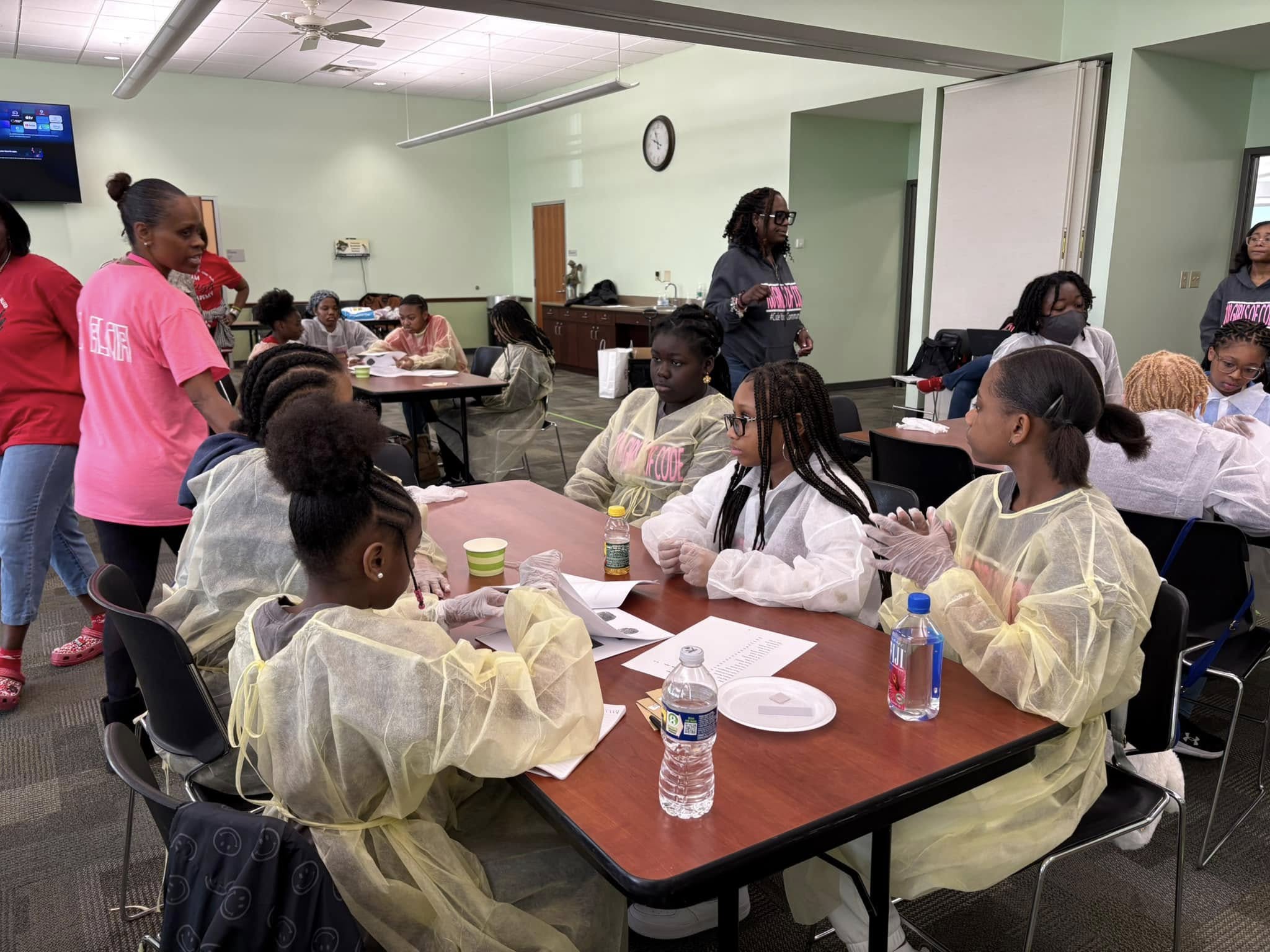
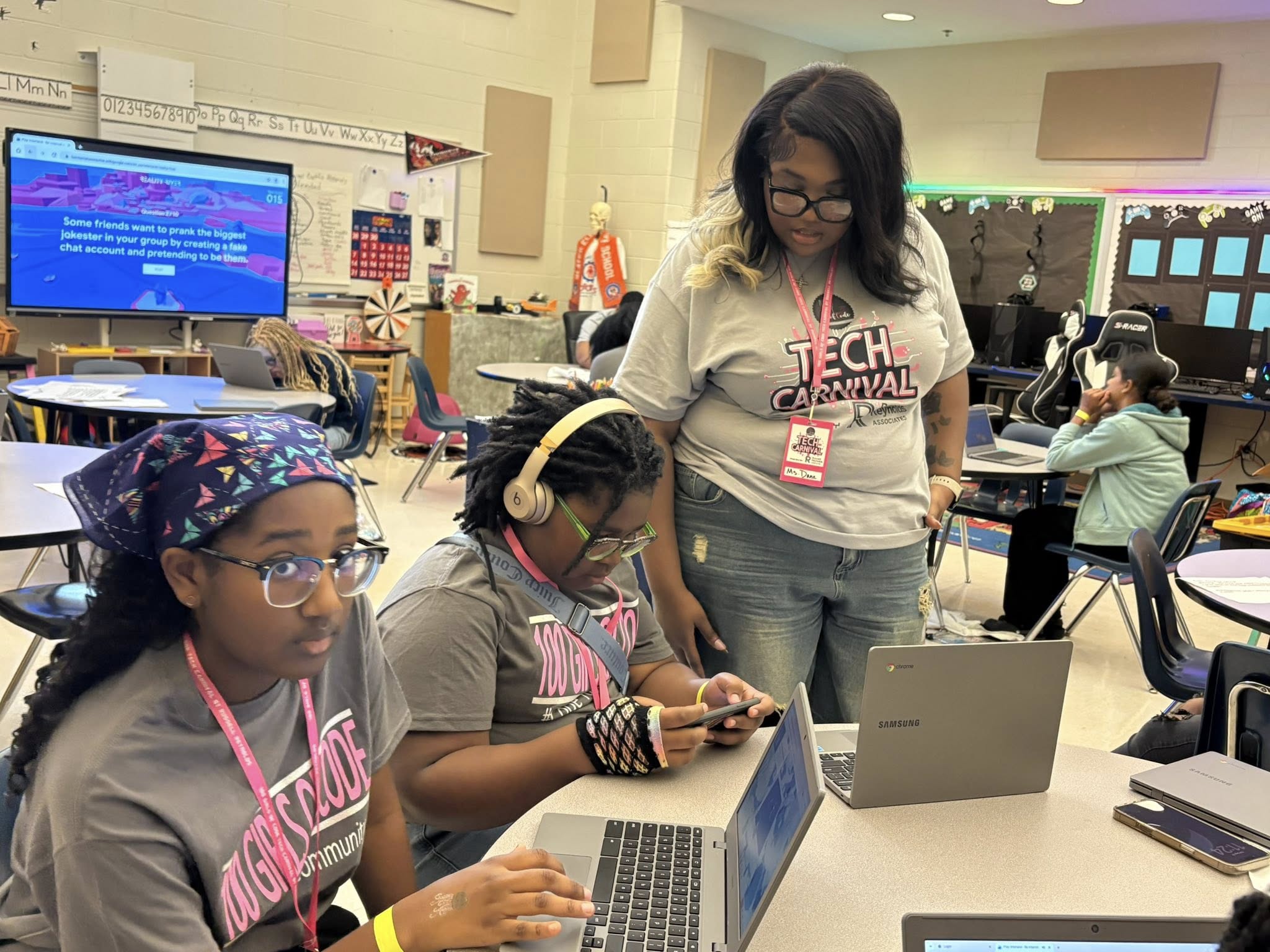
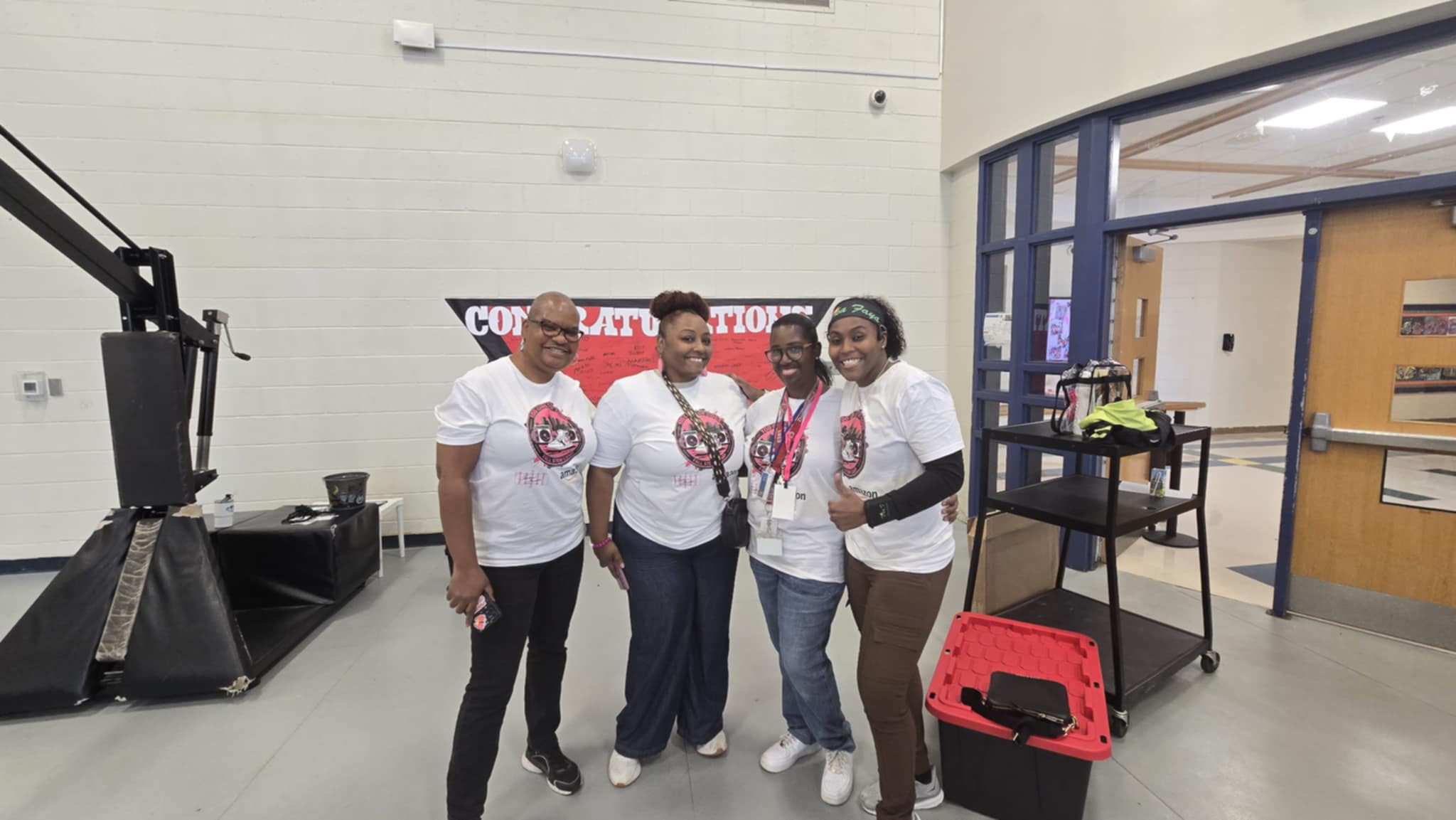
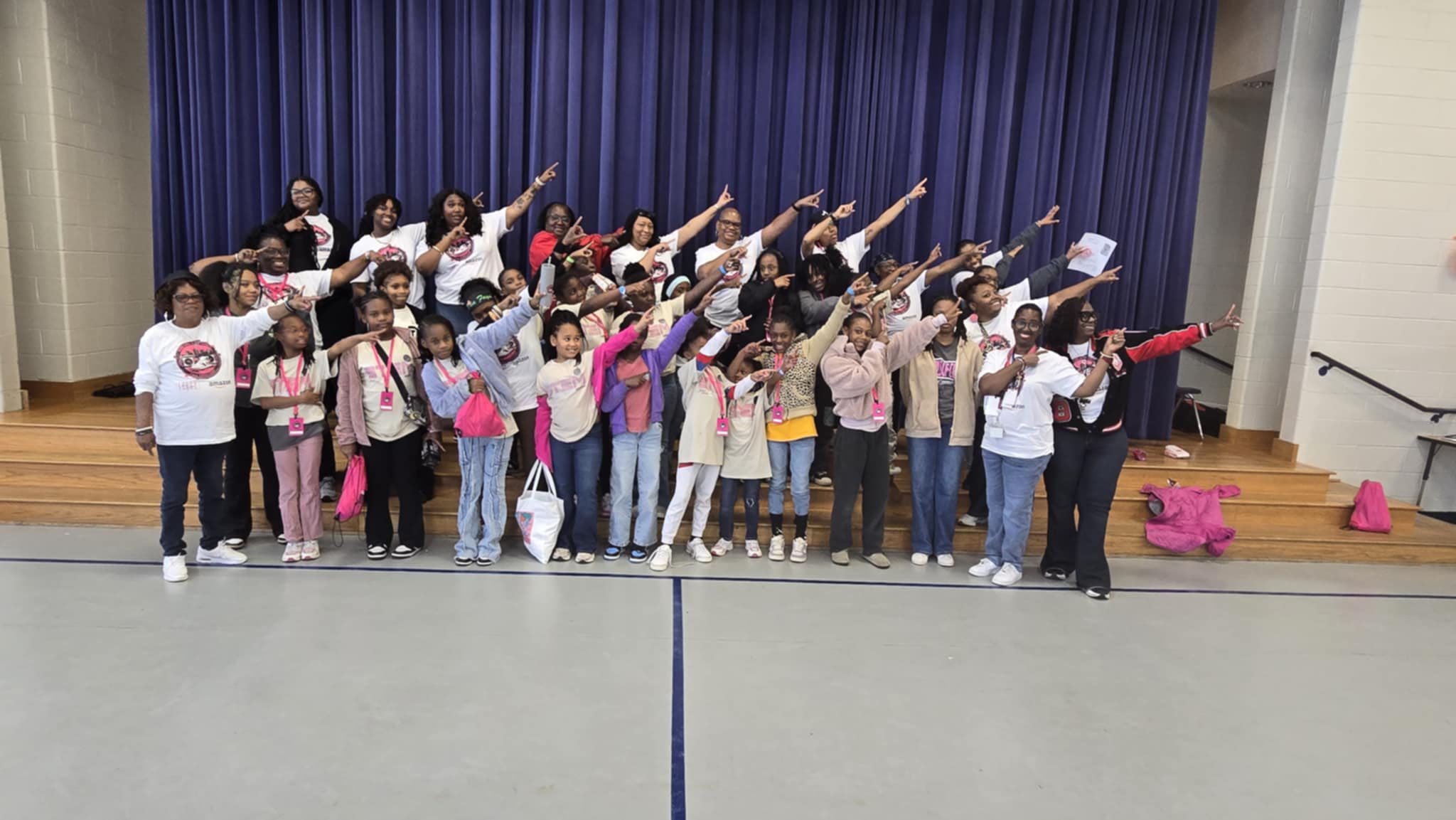
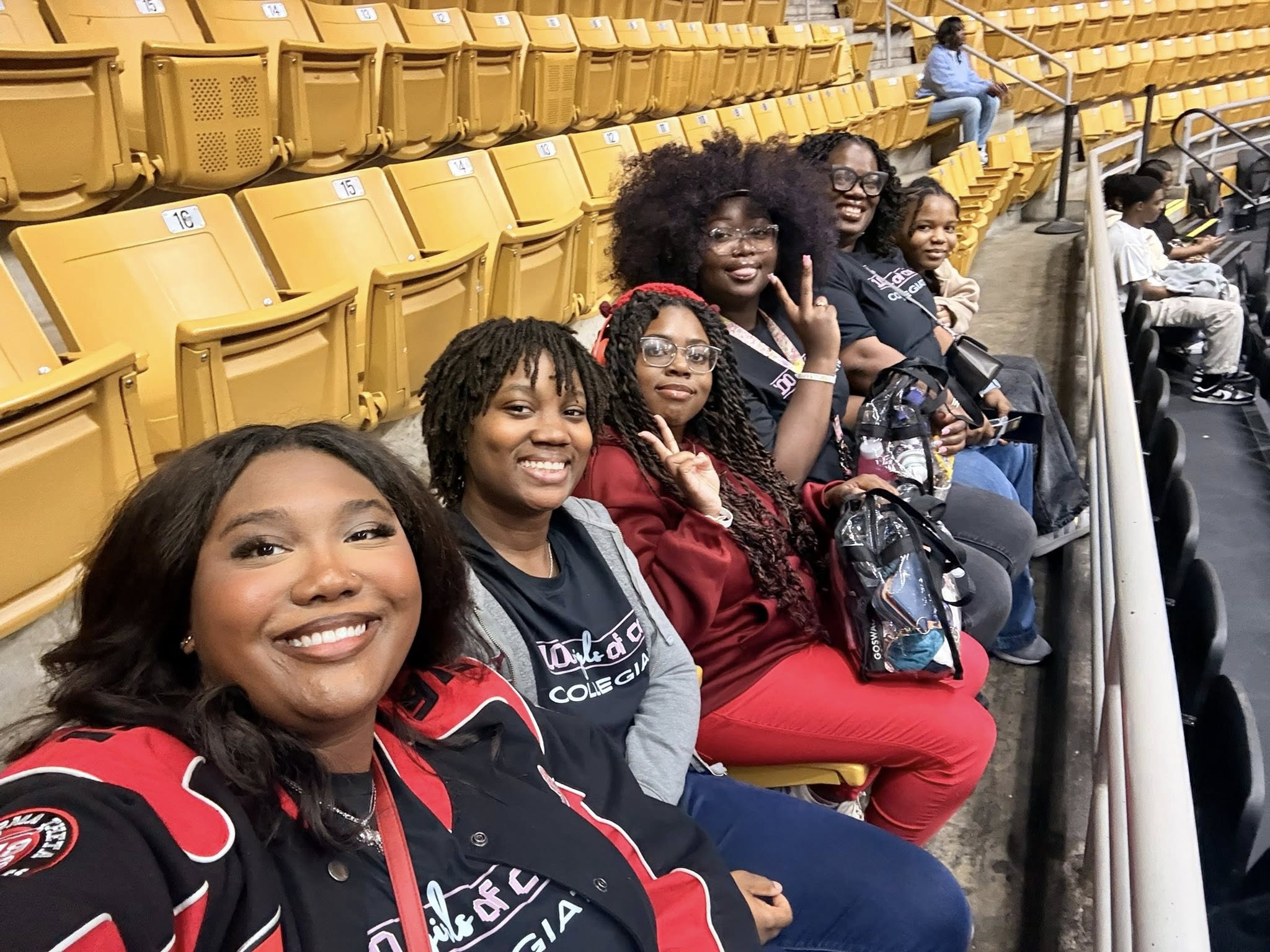
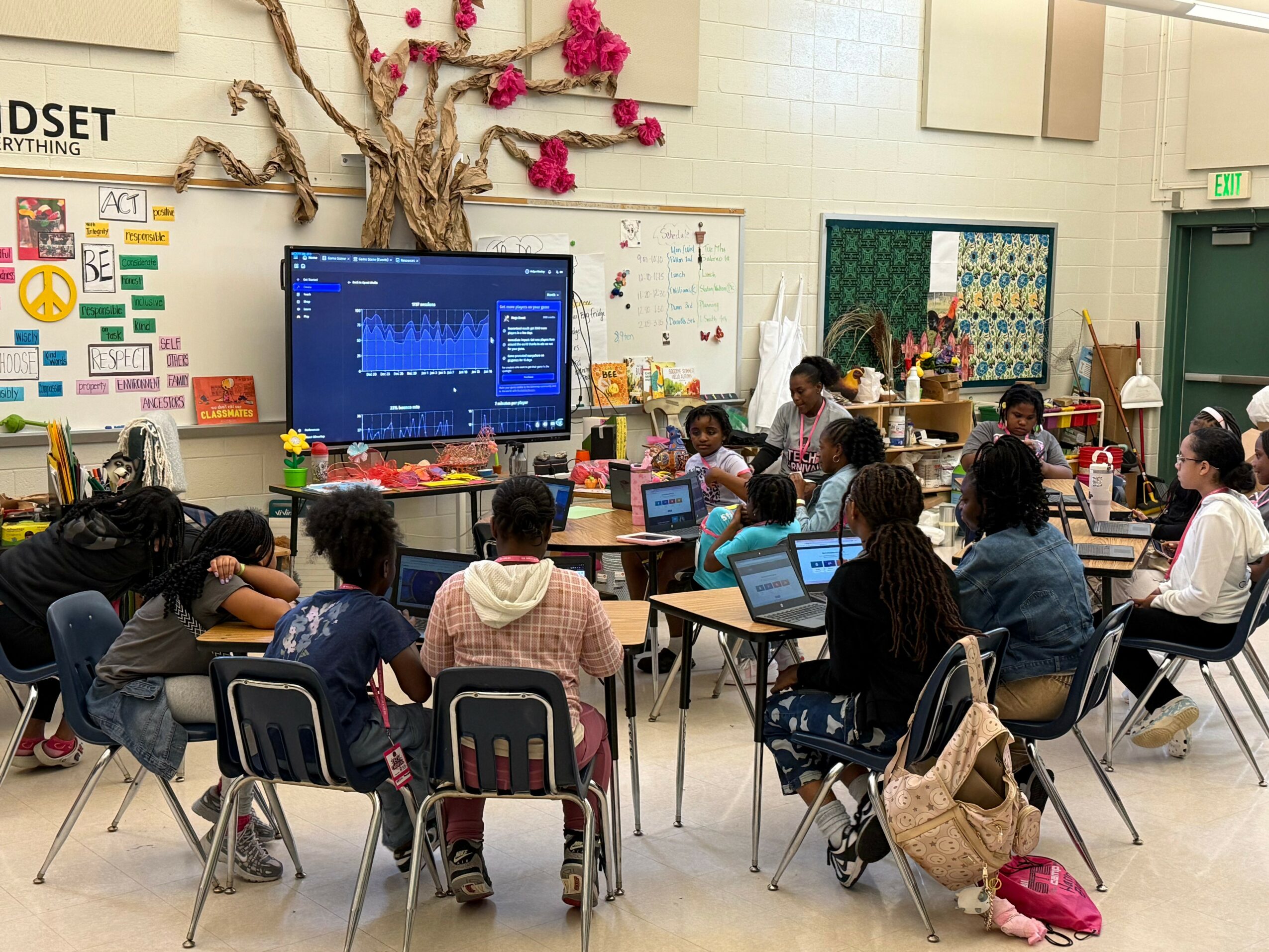
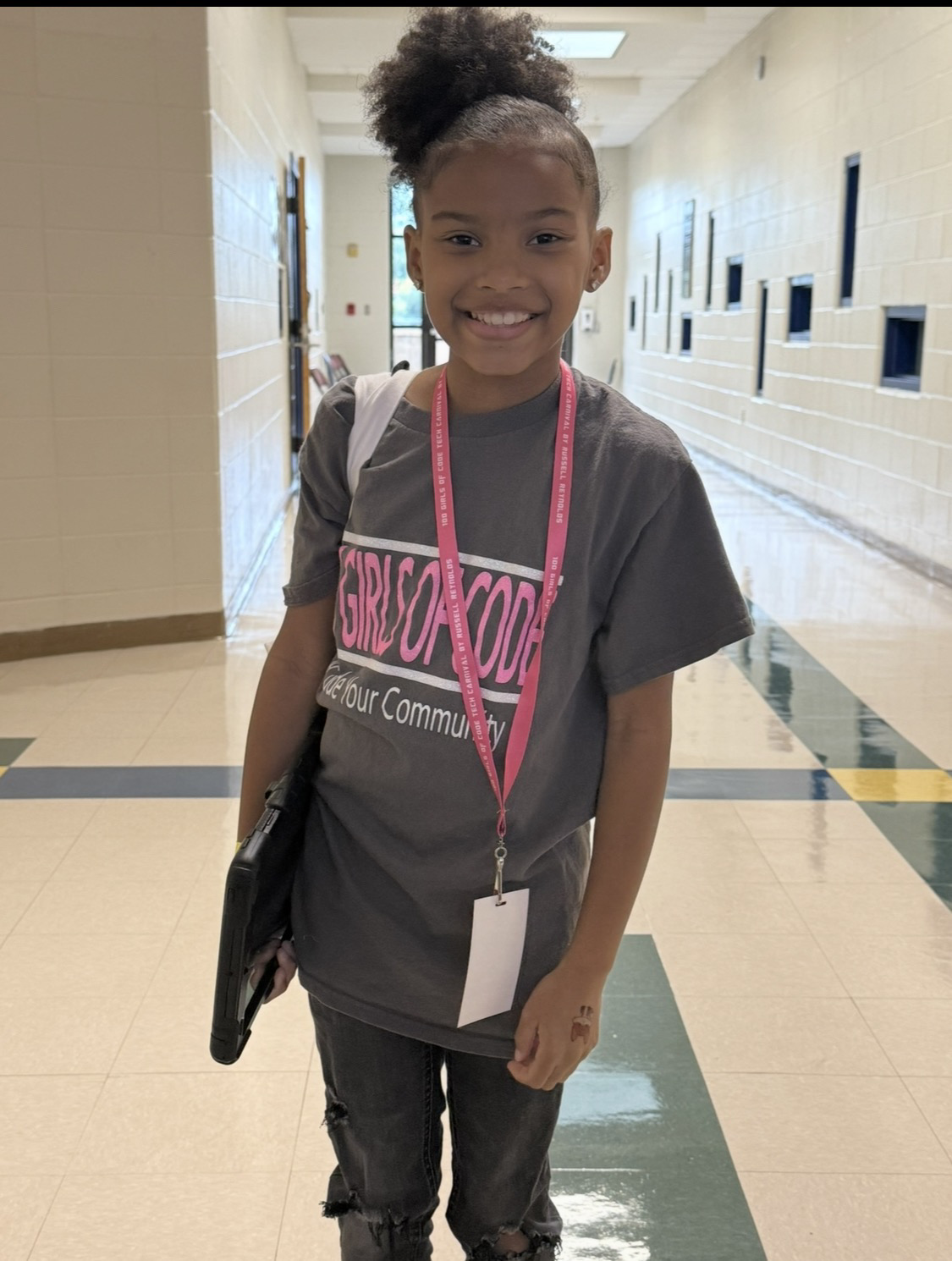
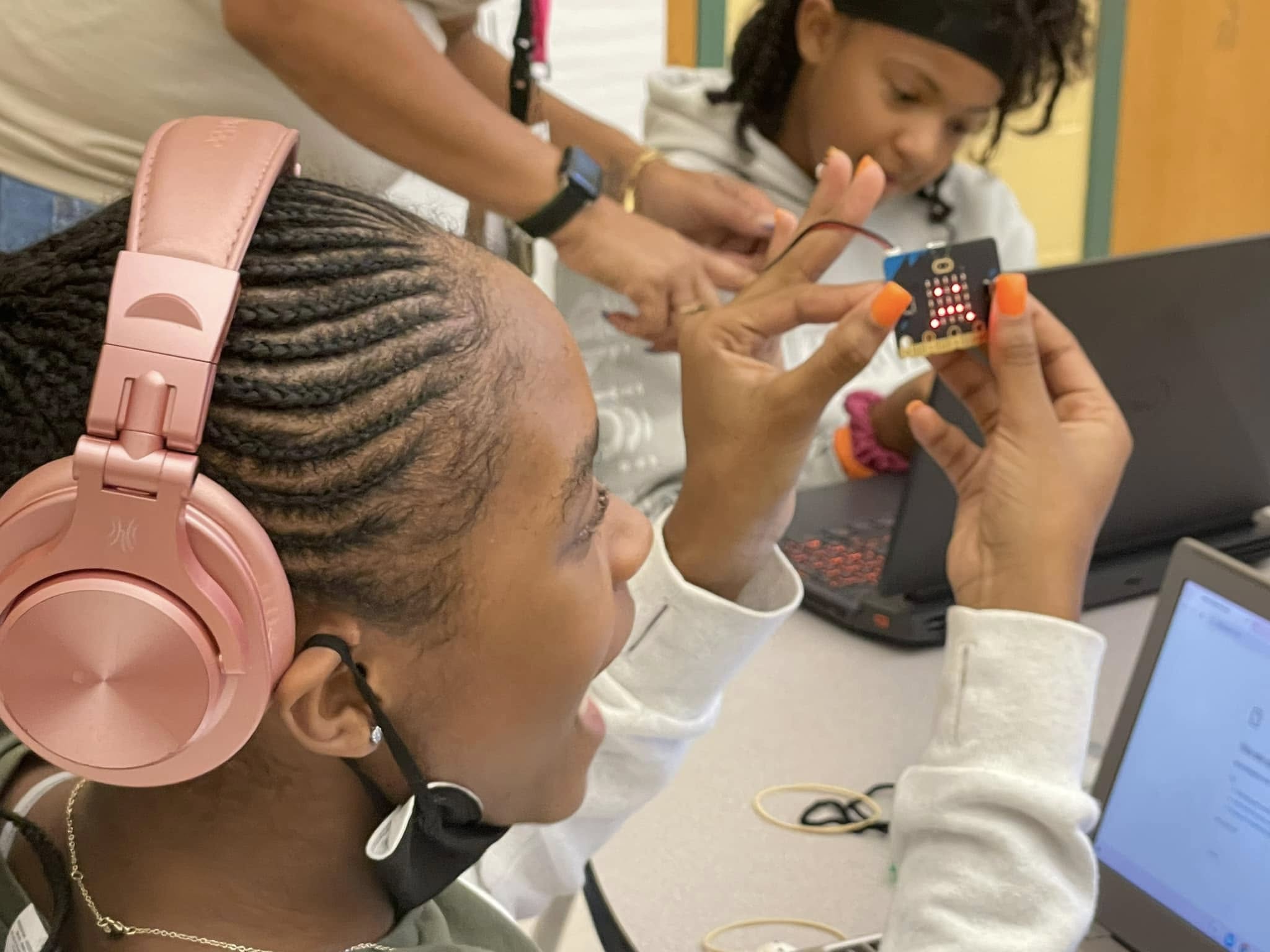
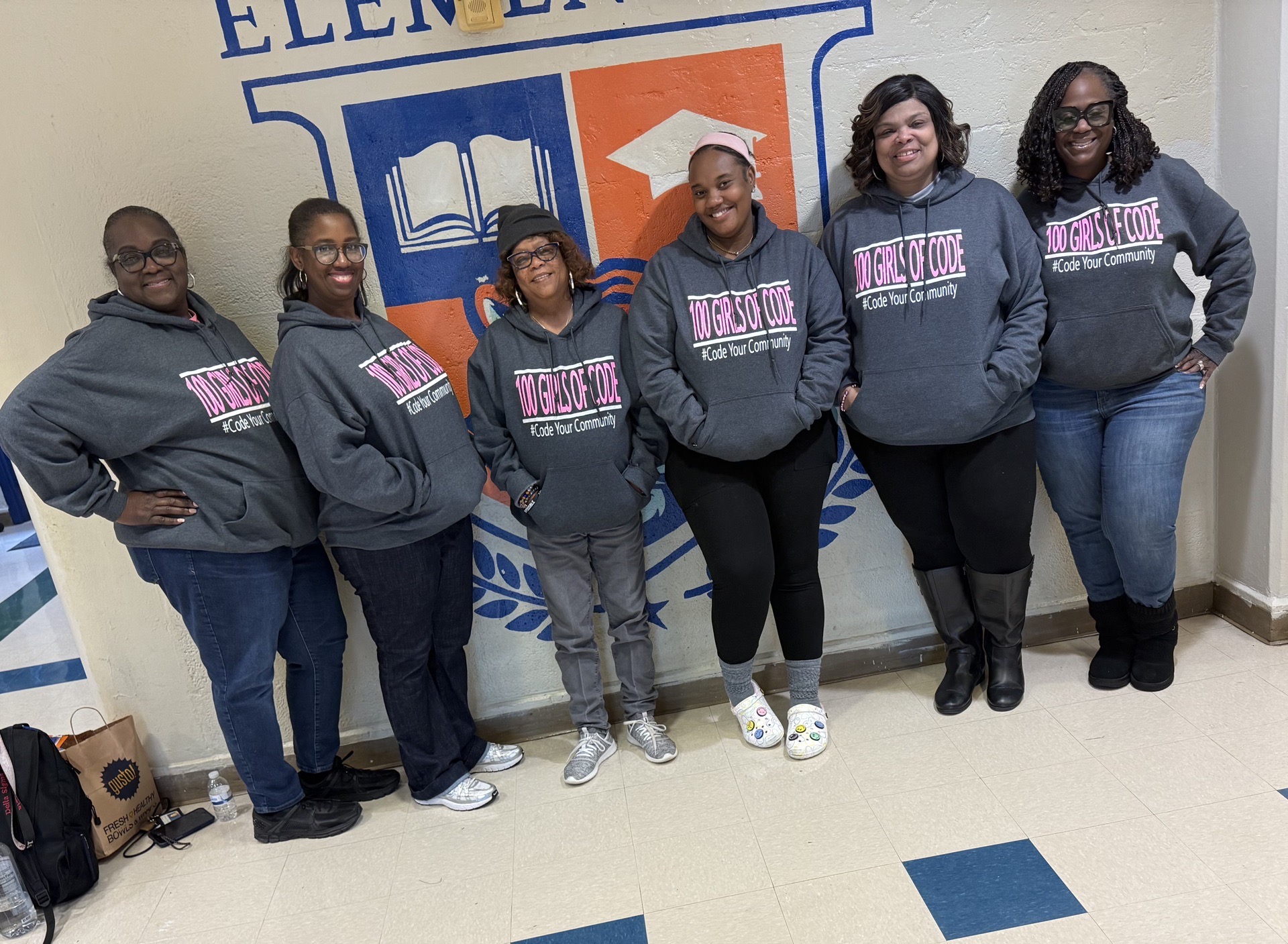
Image Credits
Richard Woumn Photography
Popular
-

Opening Up to Move Forward: Diane Martinez on Vulnerability, Small Steps, and Getting Unstuck
-

Hidden Gems: Local Businesses & Creatives You Should Know
-

ATL’s Most Inspiring Stories
-

Portraits of Atlanta
-
Storytelling, Wellness, and Community: Dayana Preval on Finding Alignment Through Creative Expression
-

Rewriting the Rules of Publishing: How Jalisa Rose Ray Is Building an Author‑First Legacy with JRose Publishing