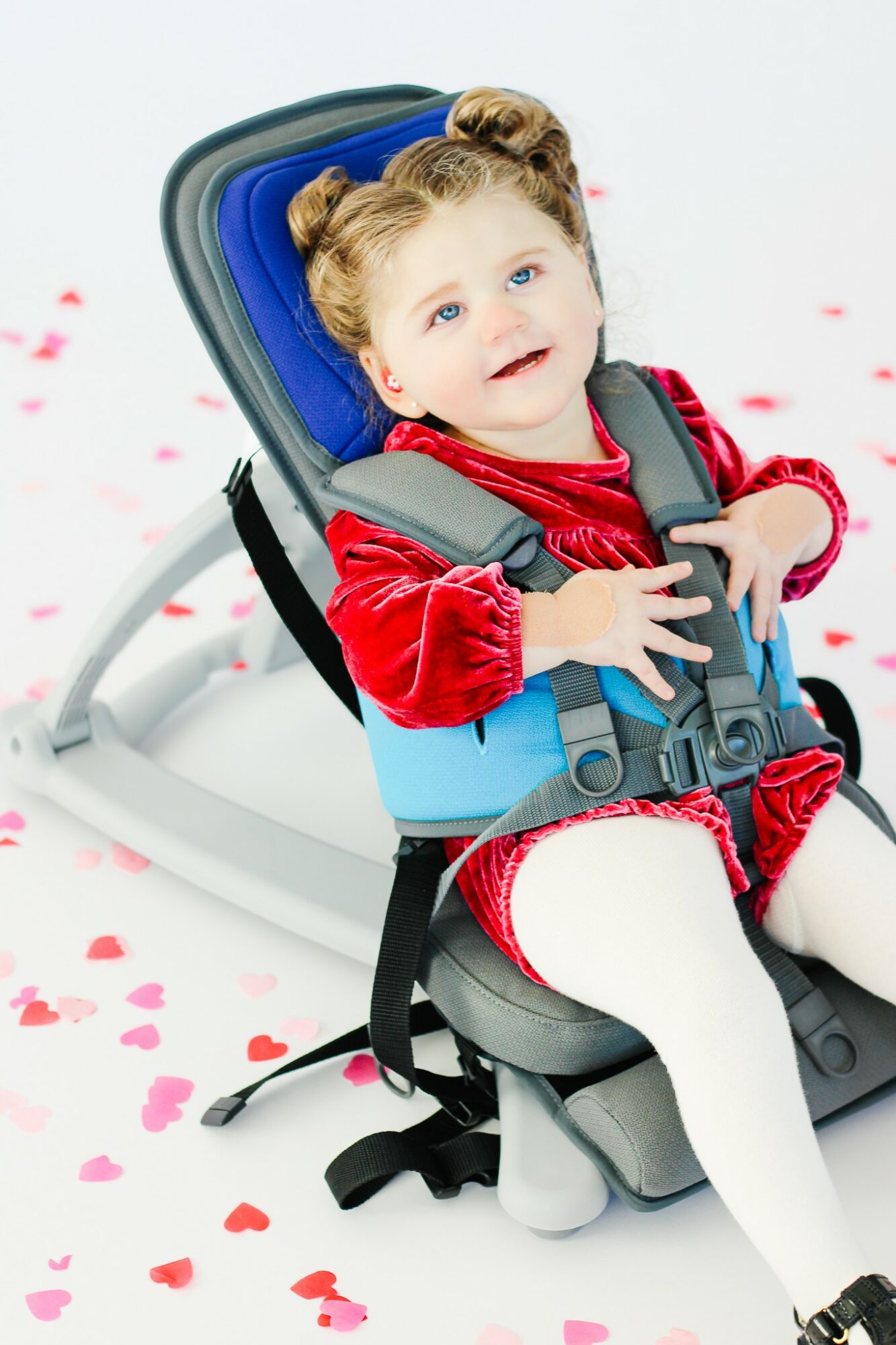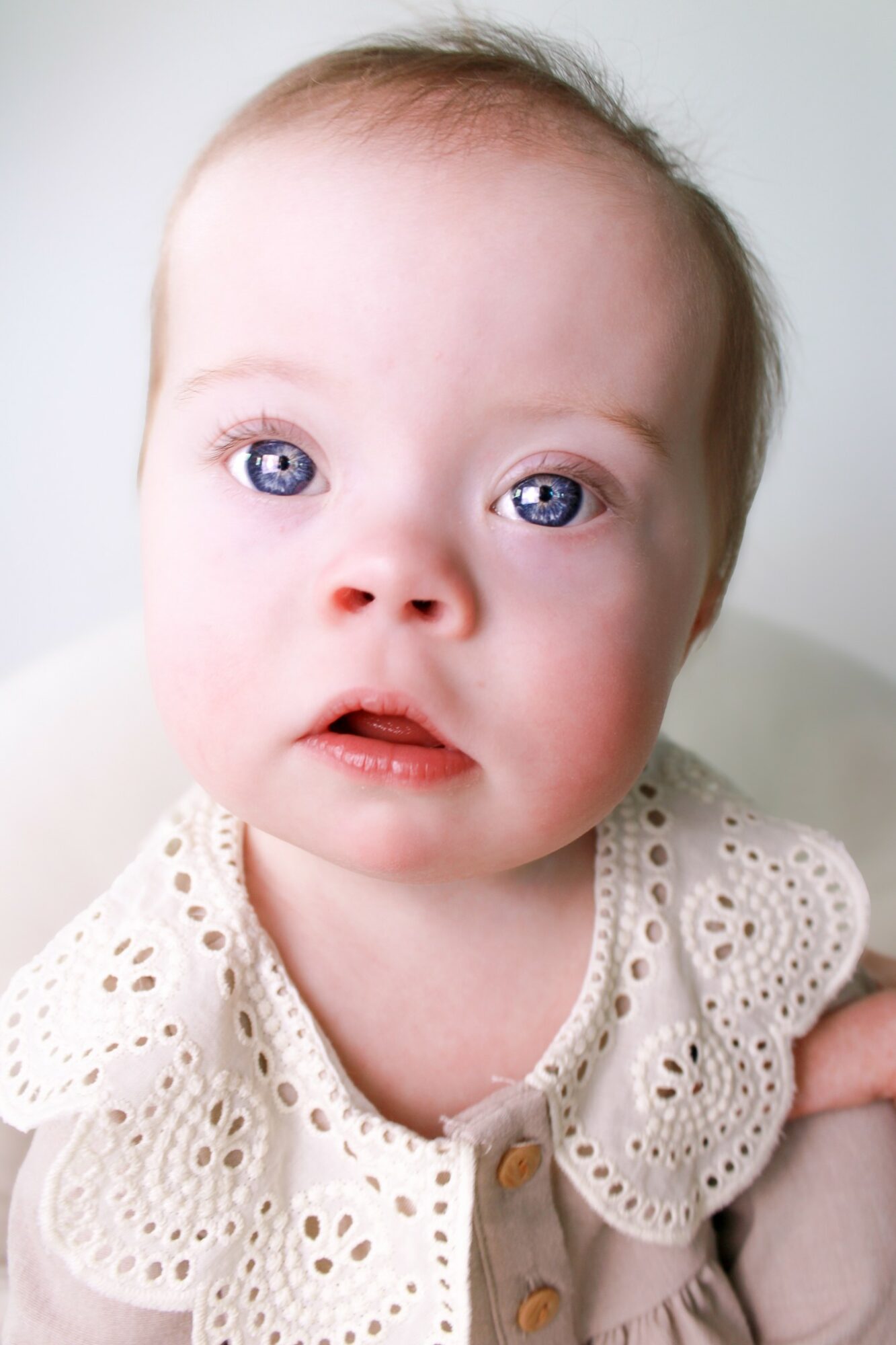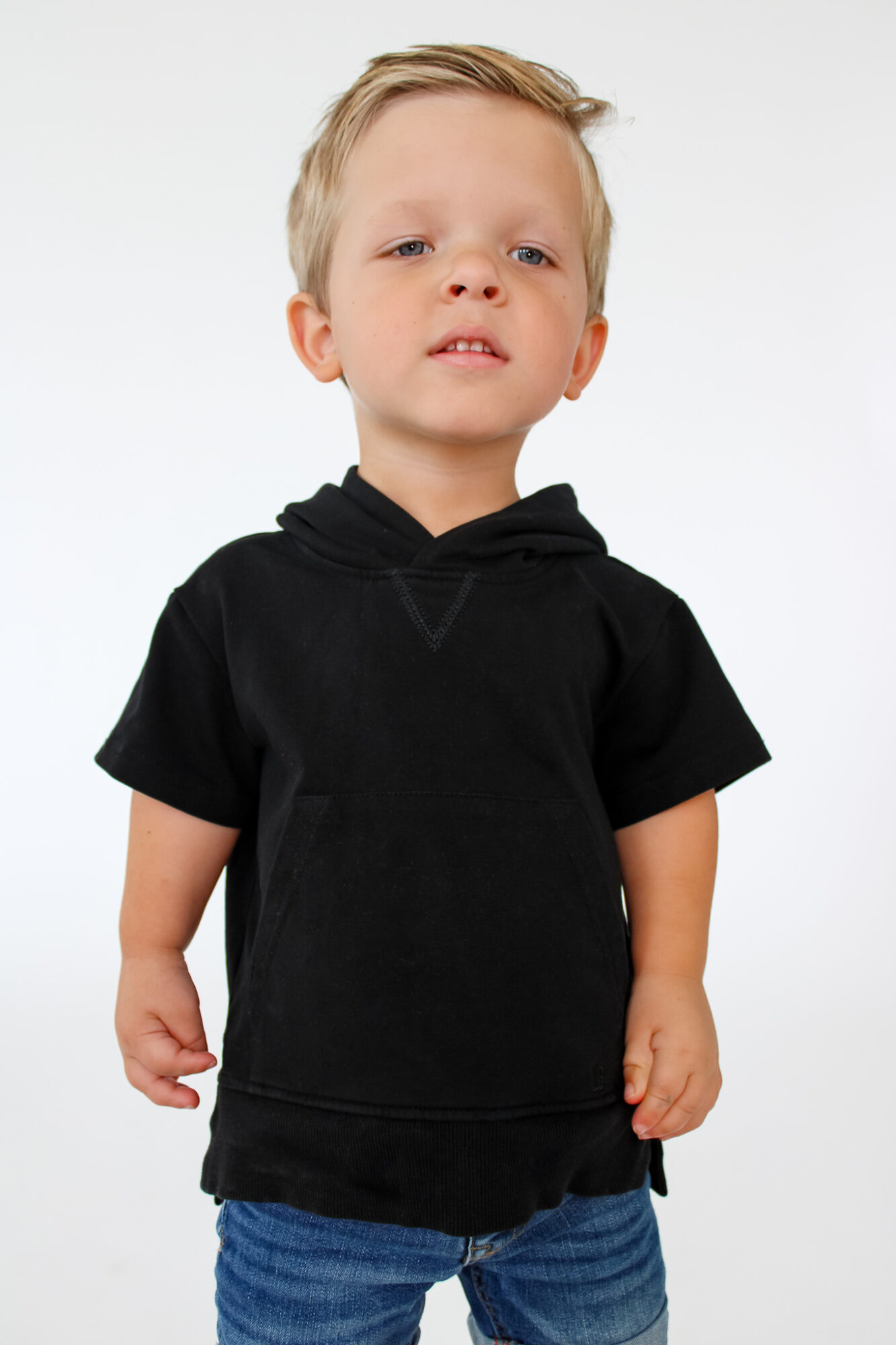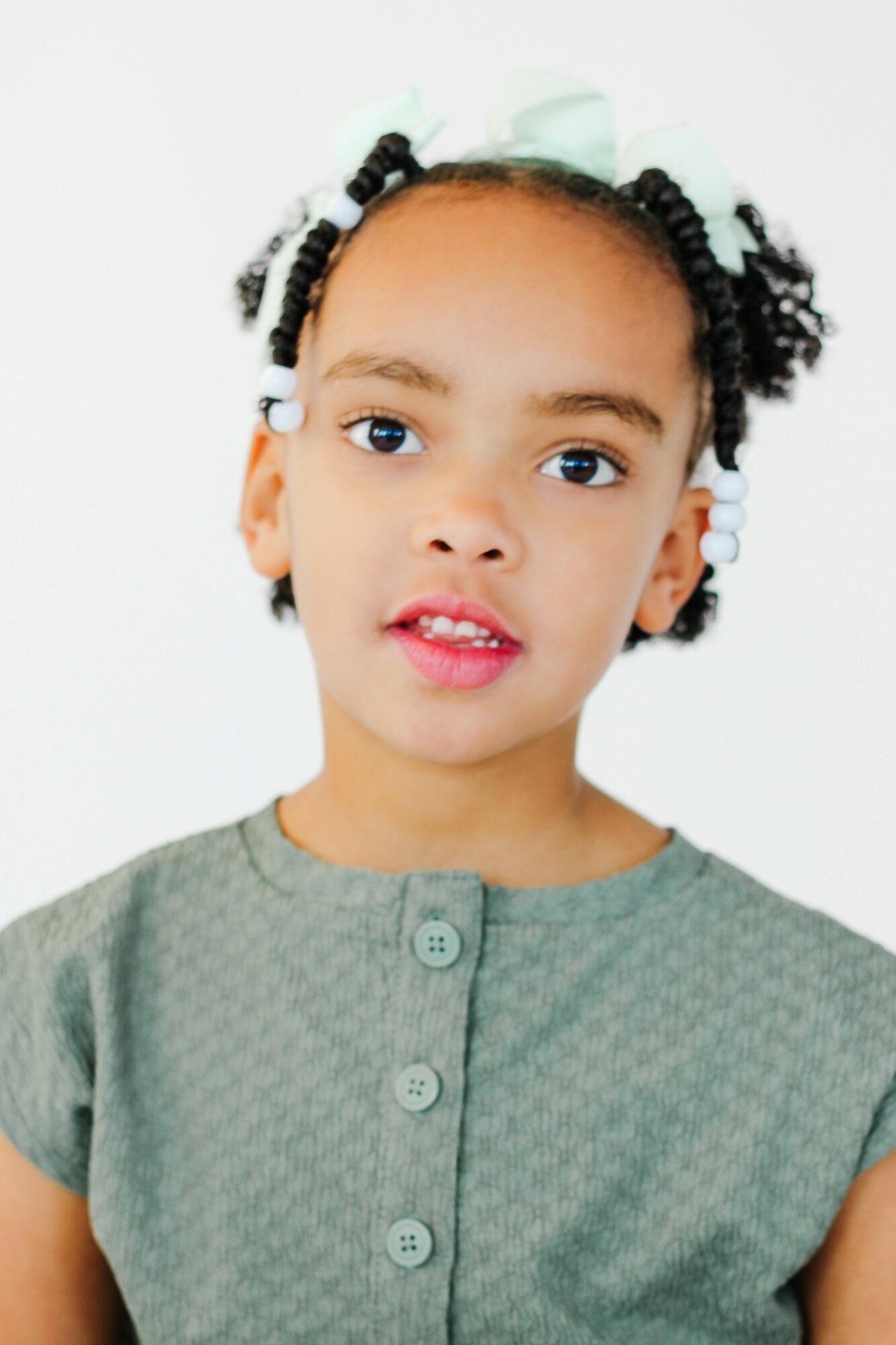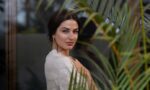

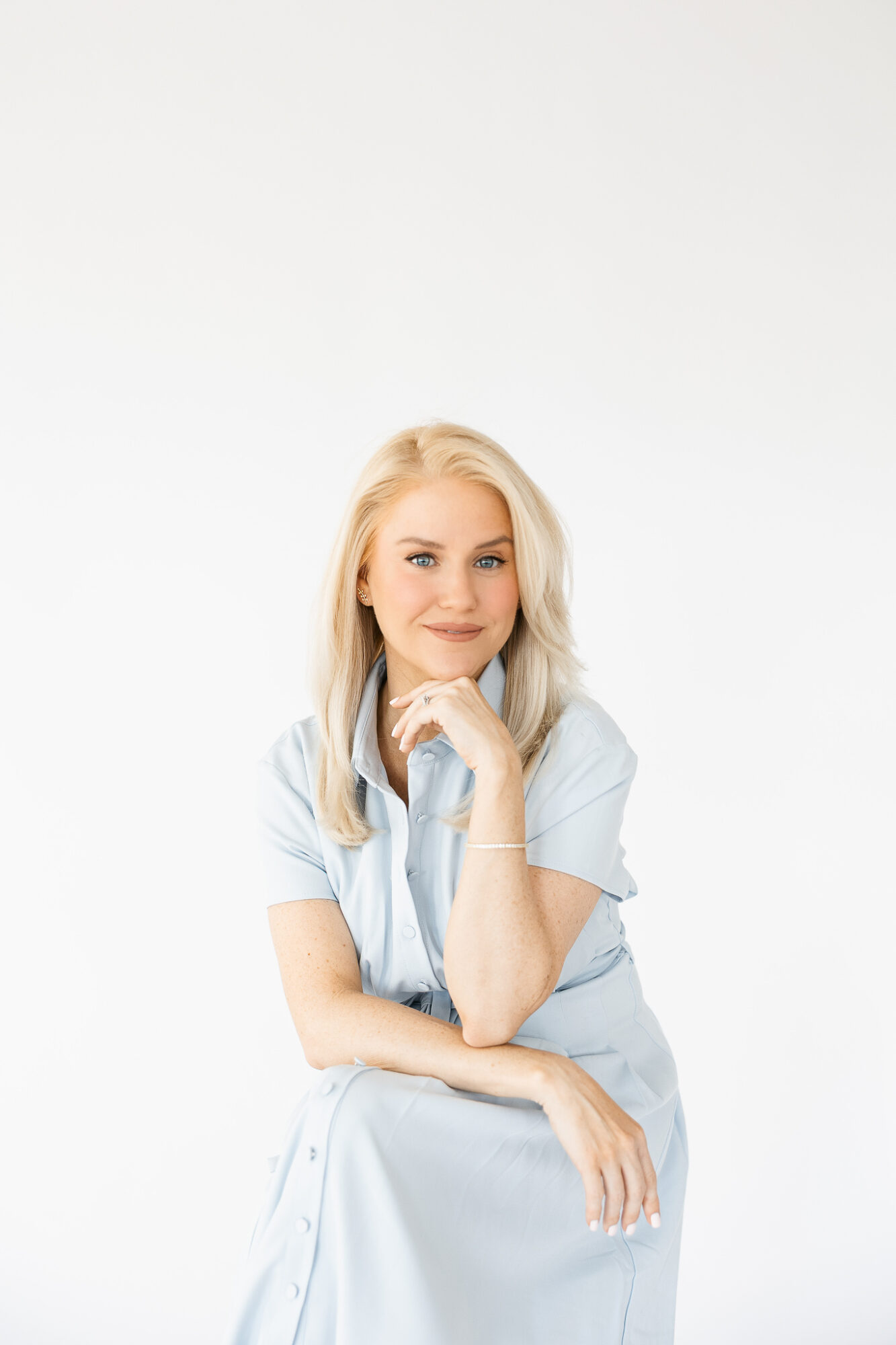
Today we’d like to introduce you to Elizabeth Carroll.
Hi Elizabeth, so excited to have you with us today. What can you tell us about your story?
I started Jude&Jojos Photography in June of 2025, just under five months postpartum with my third baby boy at a time when life already felt full in every possible way. My oldest son, Jude, the namesake behind JJP, was diagnosed with Level 2 Autism, epilepsy originating in the left temporal lobe, and a neurological birth difference called incomplete hippocampal inversion, all before the age of four. The hippocampus is the part of the brain responsible for memory processing, emotional regulation, and learning patterns. In his case, it didn’t fully fold the way it typically does during development, which affects how his brain interprets and responds to the world around him. It influences communication, regulation, sensory processing, and the way he experiences everyday environments.
Very quickly, I realized a hard lesson… the world expects children and adults like Jude to confine themselves to it, instead of allowing space for them to breathe. That became especially obvious in photography spaces. Sessions were loud, rushed, overstimulating, and structured around compliance instead of connection. Families like ours were often apologizing for behaviors that were simply a part of the journey. Over time, I realized many stopped booking photos altogether, not because they didn’t want memories, but because they didn’t feel welcome or were nervous.
So I created a space where families know, upon entering, that we are ready.
I found a studio that offered a small white backdrop and accessibility, allowing me the space for patience, regulation, and trust. What started locally grew faster than I could have imagined. Families began booking their next sessions and spreading through word of mouth. Therapists and nonprofits reached out. The images weren’t just portraits; they became validation. For many parents, it was the first time they saw their child represented without either the fear OR the perfection leading their story.
Today Jude&Jojos Photography has expanded into a multi-state storytelling and photography initiative, working alongside advocacy organizations and building a community of photographers with personal experience and trained to photograph individuals with different needs in a respectful, supportive way. We also created a philanthropic arm to help families access sessions and resources, because representation should never be a luxury.
At its core, everything traces back to our Jude. He changed how I see communication, behavior, and connection, and ultimately changed the direction of my life as a mother and businesswoman. I didn’t set out to build a brand. I set out to build the kind of world I wanted him to grow up in, in an area where doors hadn’t opened yet.
Alright, so let’s dig a little deeper into the story – has it been an easy path overall and if not, what were the challenges you’ve had to overcome?
It definitely hasn’t been a smooth road. JJP has grown incredibly fast, but it’s still very much in its infancy. When something moves that quickly, you don’t get the luxury of feeling “ready.” You’re constantly building while questioning, wondering if this is the right path, if what you’re creating actually matters, or if anyone will truly care about it long term. The doubt tends to creep in during the exact moments you’re being asked to grow the most.
The biggest challenge hasn’t been photography itself… It’s been sustainability. The heart behind this work is providing services to families who often can’t afford them because they’re already carrying the weight of therapies, medical equipment, specialists, and daily care costs. I never wanted this to be something only accessible to a certain group of people, but making a mission-driven business financially viable while still giving back requires constant creativity, faith, and risk.
There are seasons where you’re pouring everything into it before you ever see proof that it will work. But every time a parent tells me it was the first time they felt their loved one was truly seen, it reminds me why I keep choosing this path, even on the hard days.
Alright, so let’s switch gears a bit and talk business. What should we know about your work?
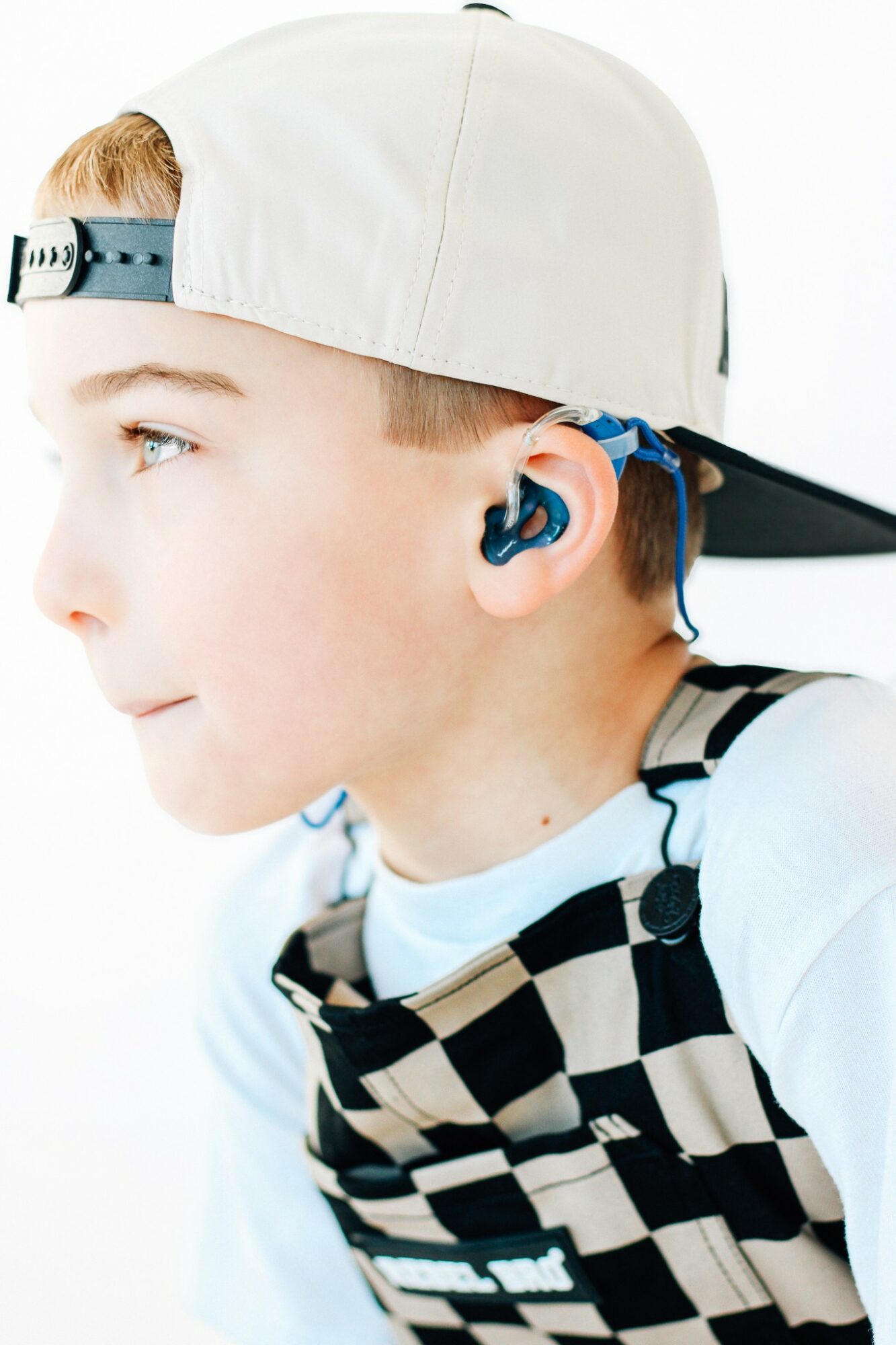
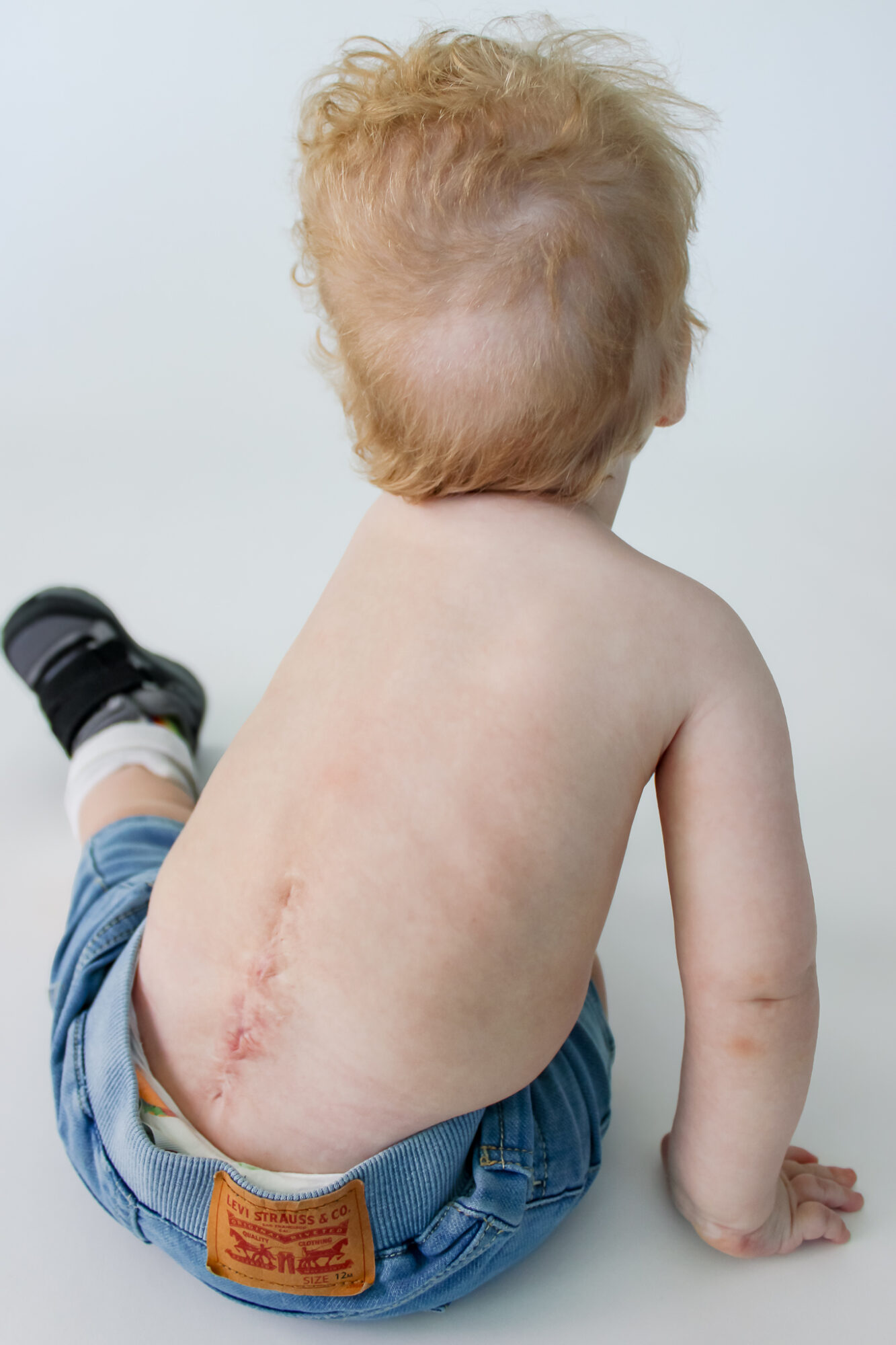
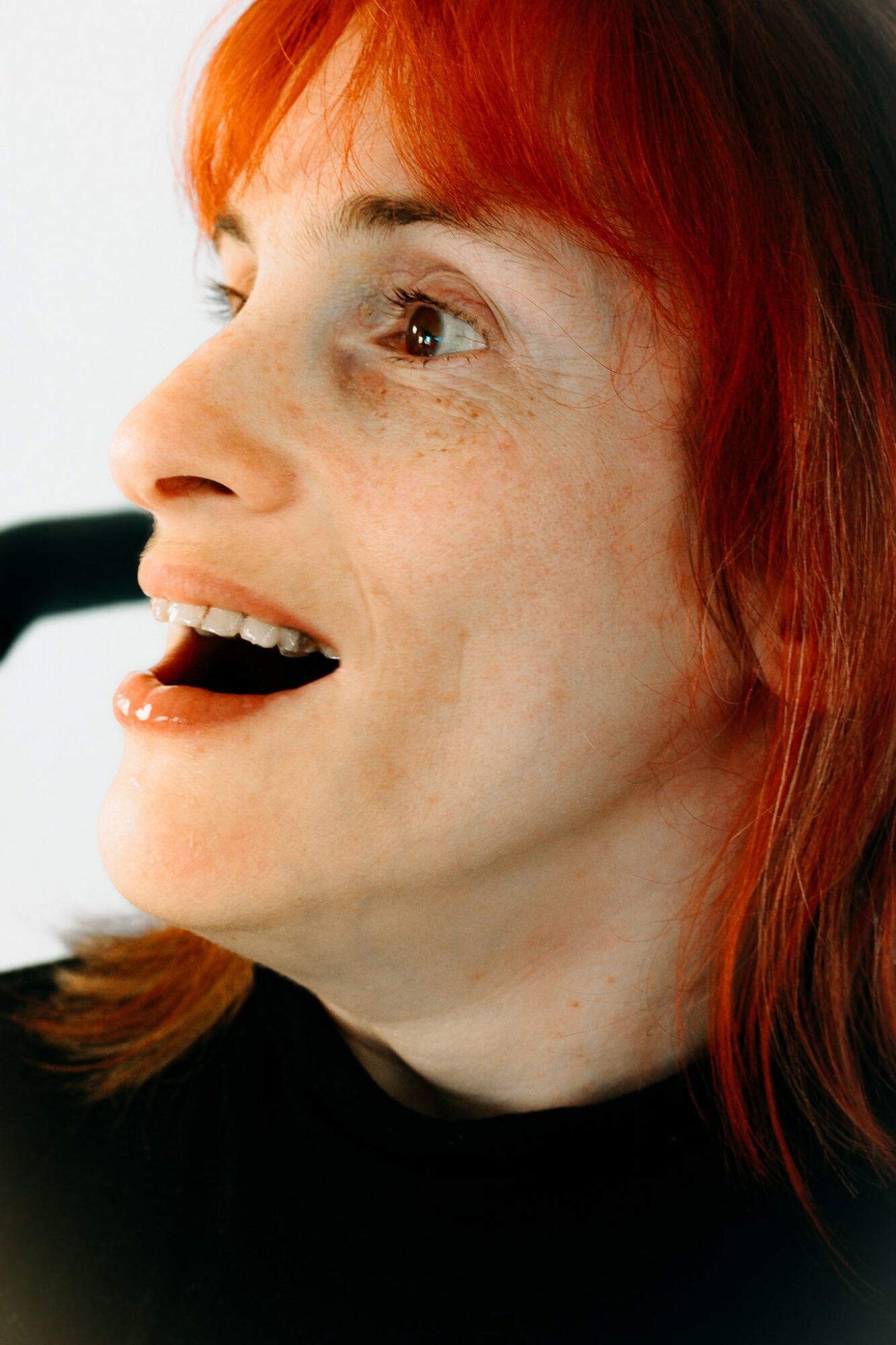
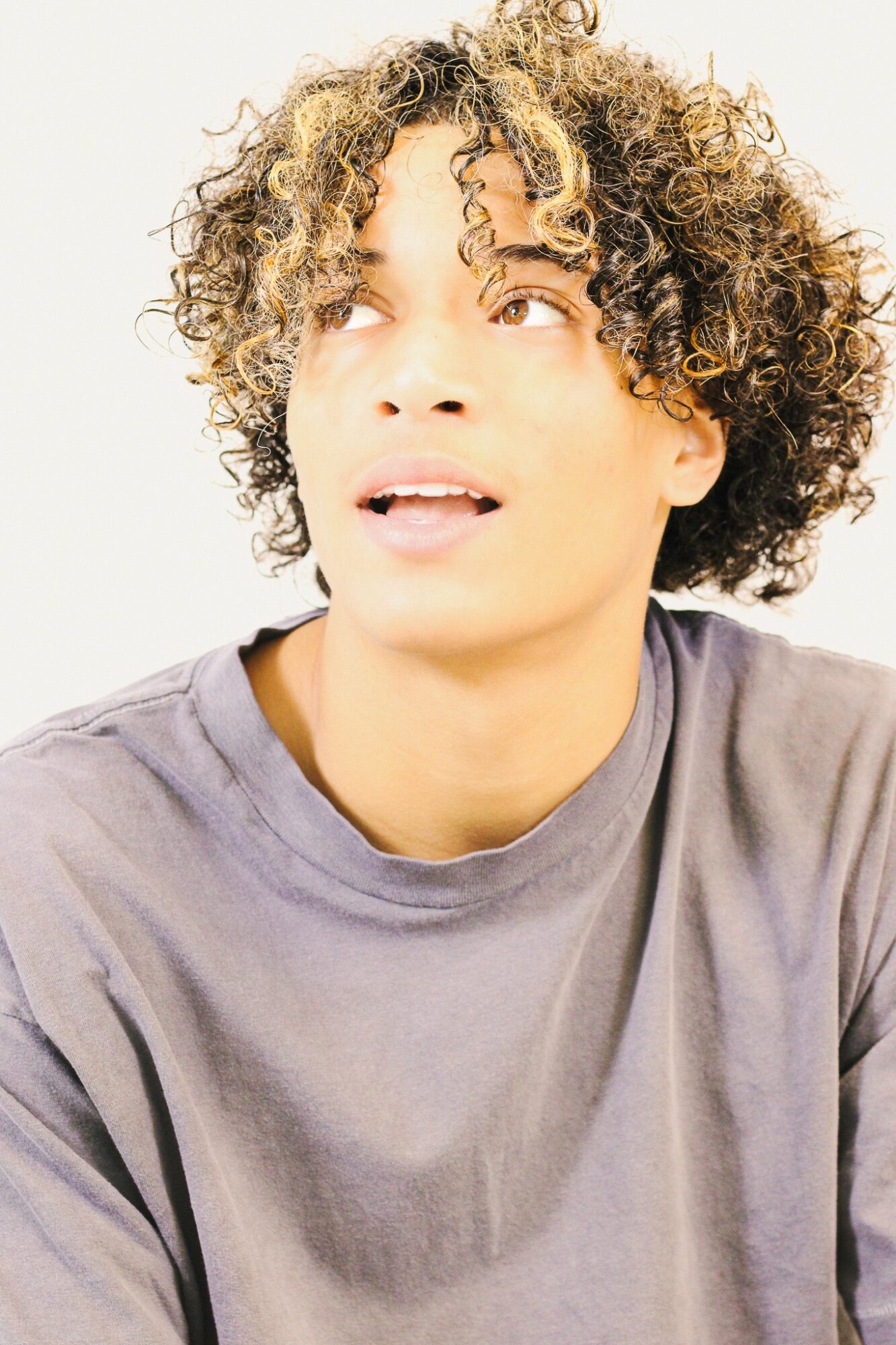
I’m a photographer, but more accurately, I’m a storyteller and environment builder. Through Jude&Jojos Photography, we specialize in capturing children and families within disability, medical complexity, foster and adoption communities, not as a niche, but as the standard. Our sessions are intentionally structured around regulation, communication differences, sensory needs, and trust-building rather than poses or performance. We slow down, follow the individual’s lead, and document who they actually are, rather than asking them to become someone else for the camera.
Over time, the work has become known less for its visual style and more for its feeling. Families often tell me it’s the first time they haven’t had to apologize during a session. The goal isn’t perfection, it’s recognition. The photos become a byproduct of the experience.
What sets this apart is that it isn’t simply inclusive marketing; the entire process was built from lived experience as a parent raising a child the world sees as “different.” The training, pacing, setup, photographer education, and expansion into multiple states all revolve around accessibility first, artistry second. Most photography adapts individuals to the session; we adapt the session to the individual.
I’m most proud that it’s grown beyond me. We now have photographers and ambassadors learning how to serve families in a way that preserves dignity and autonomy, and partnerships with organizations who want these stories told responsibly. Watching families who once avoided photos and kept their journeys hidden now proudly share them publicly has been the most meaningful measure of success.
At the end of the day, I don’t think we’re known for taking pictures. I think we’re becoming known for changing the experience of being photographed and advocating.
Do you have any advice for those looking to network or find a mentor?
For me, mentorship didn’t come from traditional networking; it came from proximity and participation.
Before this was ever a business, I spent time volunteering and simply being present in spaces that mattered to my family. Through therapy centers, community events, and advocacy groups, I built relationships with therapists, nonprofit leaders, educators, and other parents. My lived experience as a parent navigating disability naturally opened conversations, and those conversations became guidance. I wasn’t asking people to mentor me; I was learning from the people already doing the work.
What I found is that when you consistently show up to serve instead of to gain, people begin to invest in you. They share insight, include you in opportunities, and help you avoid mistakes because they know your intentions are aligned with the community. So my advice would be to start by participating, not promoting. Volunteer, listen, and contribute before you ever introduce yourself as a business owner. Relationships built that way tend to be deeper and more lasting, and the mentorship happens organically over time.
For me, the most meaningful mentorship has been collectively shaped by many voices, all rooted in shared lived experience rather than formal titles.
Contact Info:
- Website: https://www.judejojosphotography.com
- Instagram: https://www.instagram.com/judejojosphotography/
- Facebook: https://www.facebook.com/profile.php?id=61560211221746&ref=NONE_xav_ig_profile_page_web#