


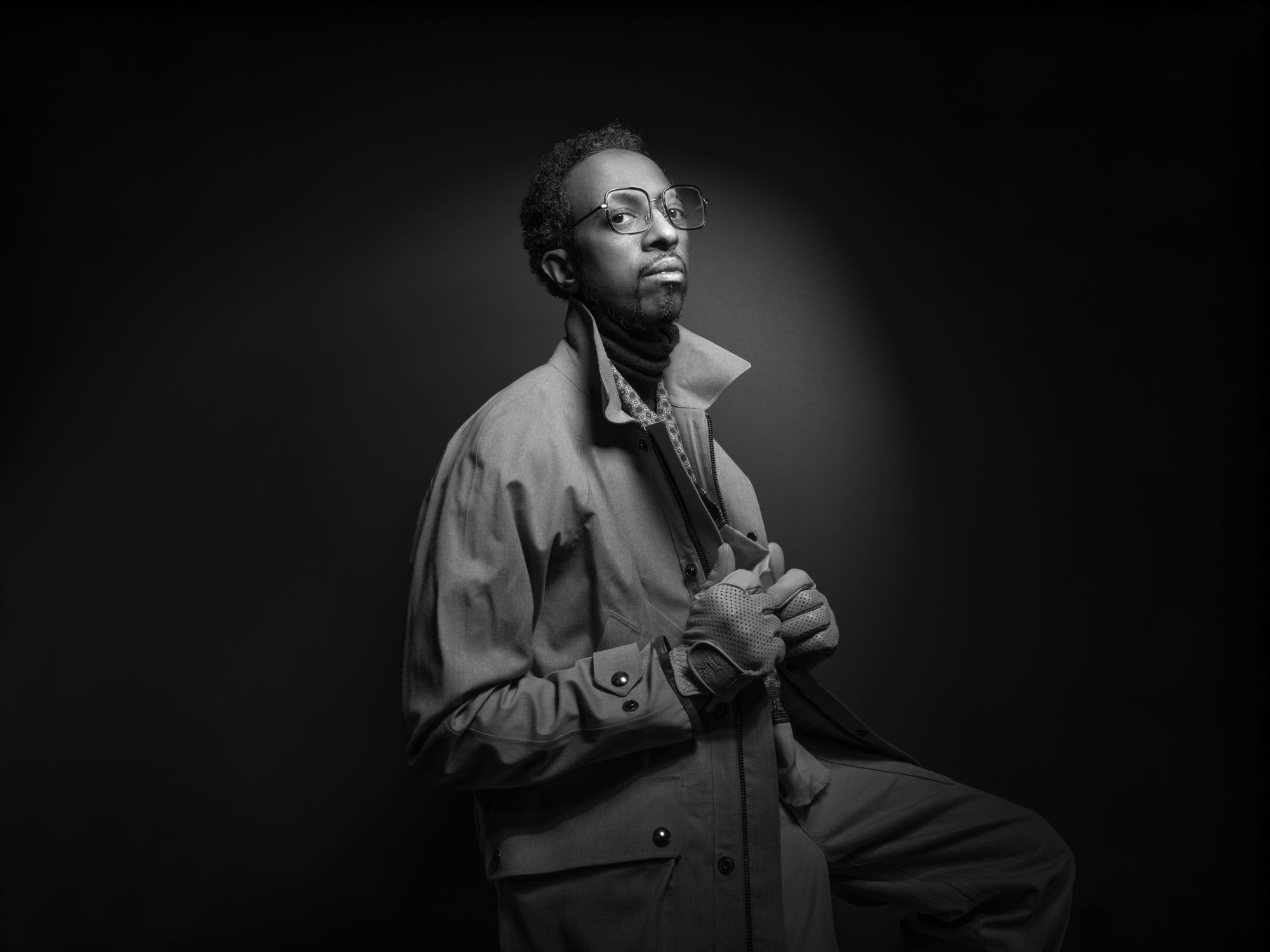
Today we’d like to introduce you to Hopeton St.Clair Hibbert.
Hi Hopeton St.Clair, we’d love for you to start by introducing yourself.
I am an Atlanta-based intra-disciplinary artist whose practice explores transformation, resilience, and legacy. Born in New Jersey in 1975 I was shaped early by my mother’s creativity and my family’s deep sense of perseverance—values that continue to ground my work.
I began my professional life in the culinary arts, graduating from Johnson & Wales University in 1998 and working in some of Atlanta’s most respected kitchens, including the Buckhead Life Group, Eclipse Di Luna and Atmosphere Bistro. The discipline, service, and endurance of kitchen life continue to inform my approach to making art.
A camera gifted to me by my mother during my early culinary years opened a parallel path in visual art. What began as personal exploration evolved into a public practice through early exhibitions, leading to two defining photographic series: ‘Cotton Ghosts’, a meditation on heritage and memory, and ‘The London Plane Tree Study’, which examines the duality of self through abstraction. My work later expanded into sculpture with Ode to John Henry, a series built from salvaged railroad materials, wood, and rebar that reflects on Black labor and the tension between humanity and machine.
In 2017, I became a caregiver for both of my parents—an experience that deepened my reflections on sacrifice, legacy, and endurance and continues to shape my practice. I am also the founder of the UpperCircle Artist Collektive, a nonprofit dedicated to bridging generations of artists and amplifying underrepresented voices.
Rooted in food, family, and art, my work reflects a lifelong commitment to resilience, memory, and creative survival.
Would you say it’s been a smooth road, and if not what are some of the biggest challenges you’ve faced along the way?
It hasn’t been a smooth road. One of the most profound challenges I’ve faced in my life was caring for my mother during her battle with dementia. That period required an enormous emotional, mental, and physical commitment, and it reshaped how I understood responsibility, patience, and resilience. Balancing caregiving with sustaining my creative and professional life forced me to move more deliberately and to redefine what progress looked like during that time.
That experience deeply informed both my work and my outlook. It taught me how to hold space for vulnerability while continuing to move forward, even when momentum slowed. In many ways, it reinforced my belief in endurance—not just as a concept I explore in my work, but as a lived practice. The challenges I faced during that time strengthened my sense of purpose and continue to influence how I approach both my art and my life.
Thanks – so what else should our readers know about your work and what you’re currently focused on?
My work sits at the intersection of art, craft, and lived experience. I am a multidisciplinary artist whose practice spans sculpture, photography, and mixed-media assemblage, often drawing from industrial materials, natural textures, and historical references. Much of my work explores themes of labor, endurance, identity, and transformation—how time, pressure, and environment leave their mark on both materials and people.
I’m best known for bodies of work like Ode to John Henry, a sculptural series that uses salvaged wood, metal, and industrial remnants to reflect on work ethic, resilience, and inherited narratives of labor, and The London Plane Tree Study / Double Consciousness, a photographic series that transforms the textures of tree bark into psychologically charged, mirrored abstractions. Across mediums, my approach is rooted in material honesty and process—I let the materials guide the final form rather than imposing a predetermined outcome.
What I’m most proud of is having built a practice that is both disciplined and authentic. I’ve remained committed to my voice while navigating multiple creative paths, allowing my background in the culinary arts to inform my understanding of process, timing, and transformation in the studio. That cross-disciplinary foundation has shaped how I work and how I think.
What sets me apart is this ability to move fluidly between disciplines while maintaining a cohesive conceptual throughline. Whether I’m working with steel, wood, or photographic surfaces, my work is unified by a respect for labor, history, and craft—and by a willingness to slow down, listen to materials, and let meaning emerge through making rather than force it.
We’d be interested to hear your thoughts on luck and what role, if any, you feel it’s played for you?
I consider myself a pretty lucky person, but I don’t believe luck is what ultimately got me where I am in my career. What sustained me has been persistence, discipline, and a deep commitment to staying true to my originality. There have been moments where timing or opportunity certainly helped, but those moments only mattered because I was prepared to meet them. I’ve learned that what often looks like luck from the outside is really the result of showing up consistently, doing the work, and refusing to compromise my vision. Over time, that dedication creates its own momentum—and that’s what has shaped my path far more than chance ever could.
Contact Info:
- Website: Hopetonstclair.com
- Instagram: @Hopeton_stclair_hibbert
- Youtube: stclairrenaissancestudio
- soundcloud: https://on.soundcloud.com/SgnoAnDsPo425gzrB0
- Other: https://uppercircle.org/
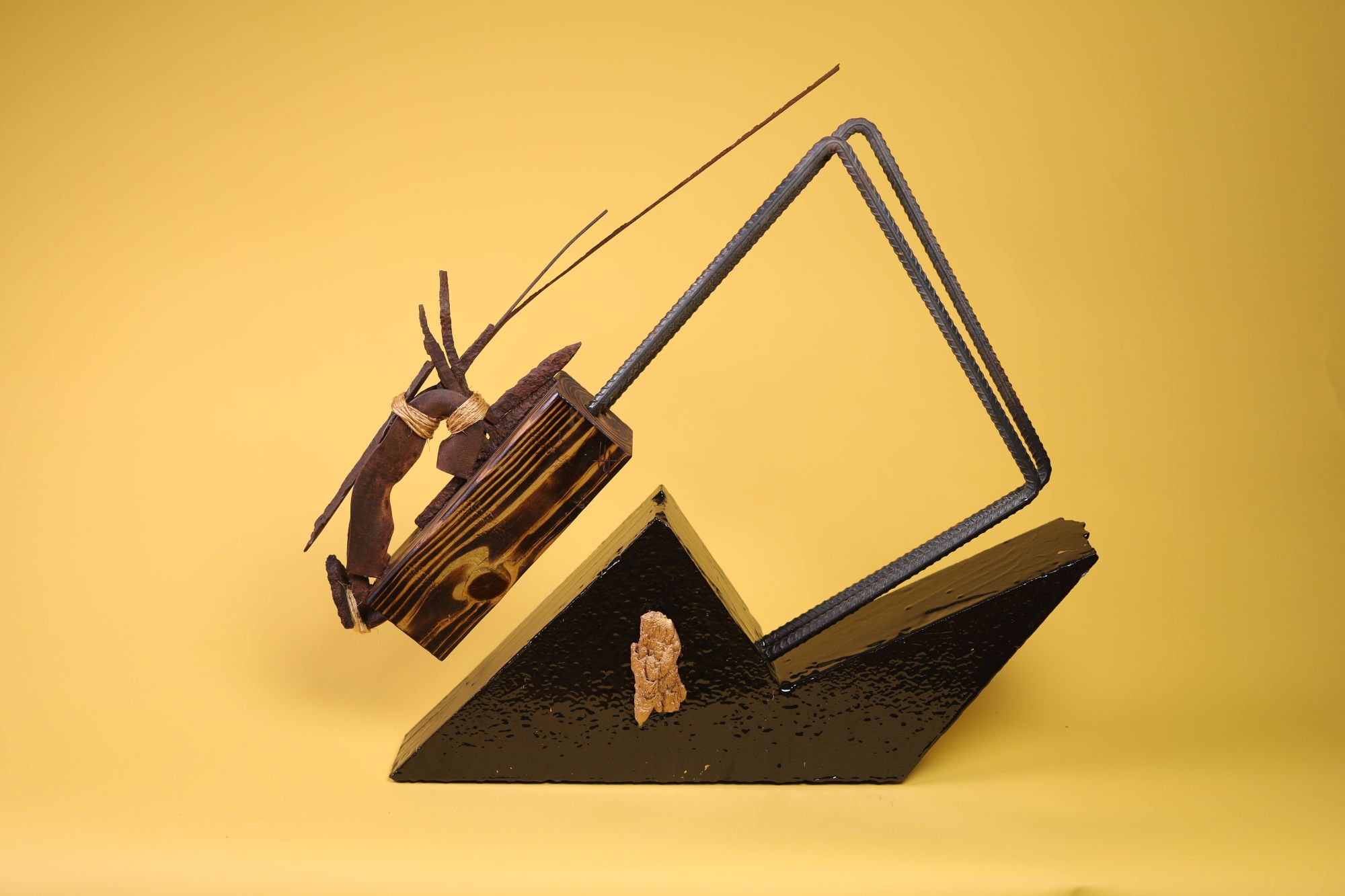
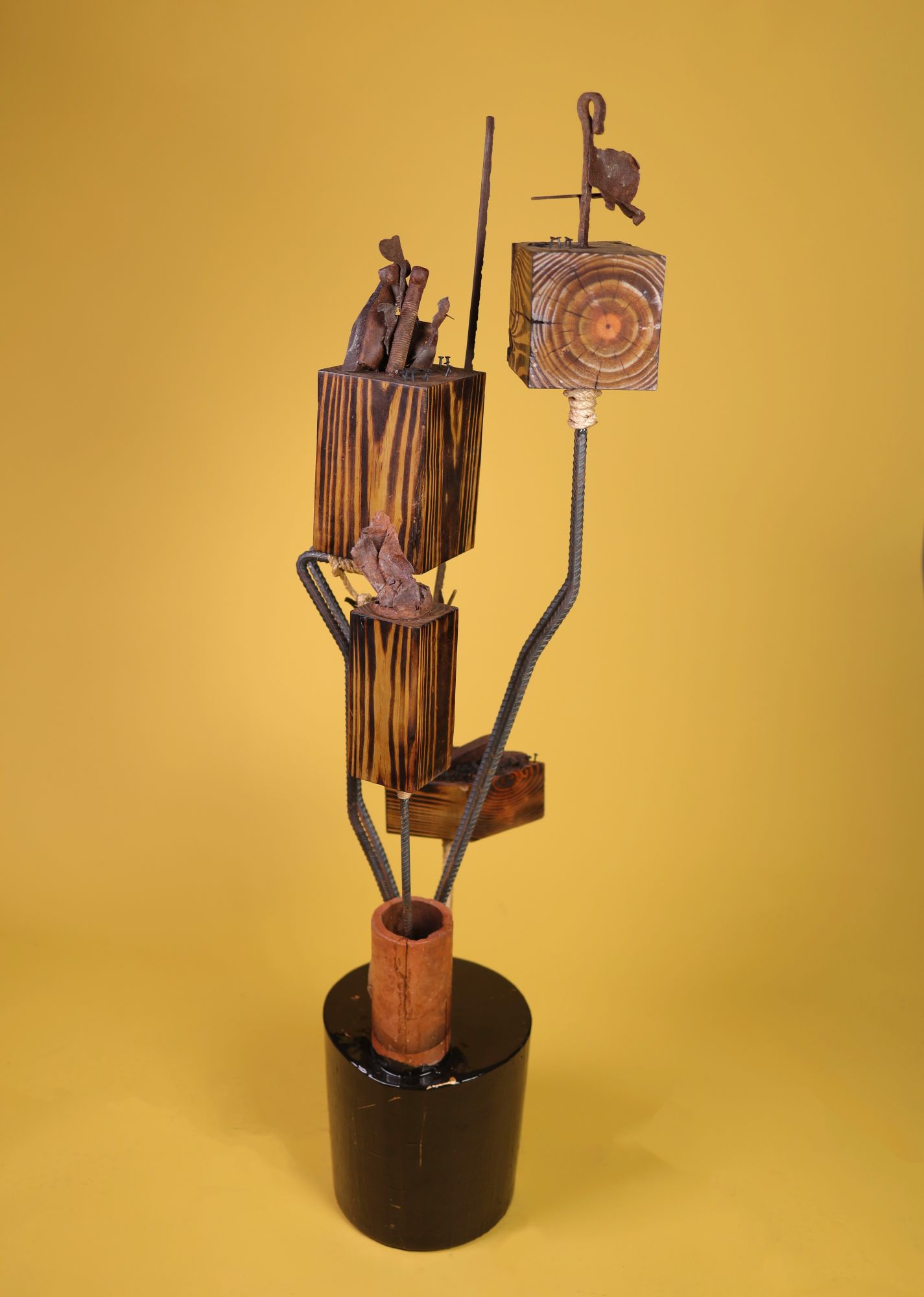
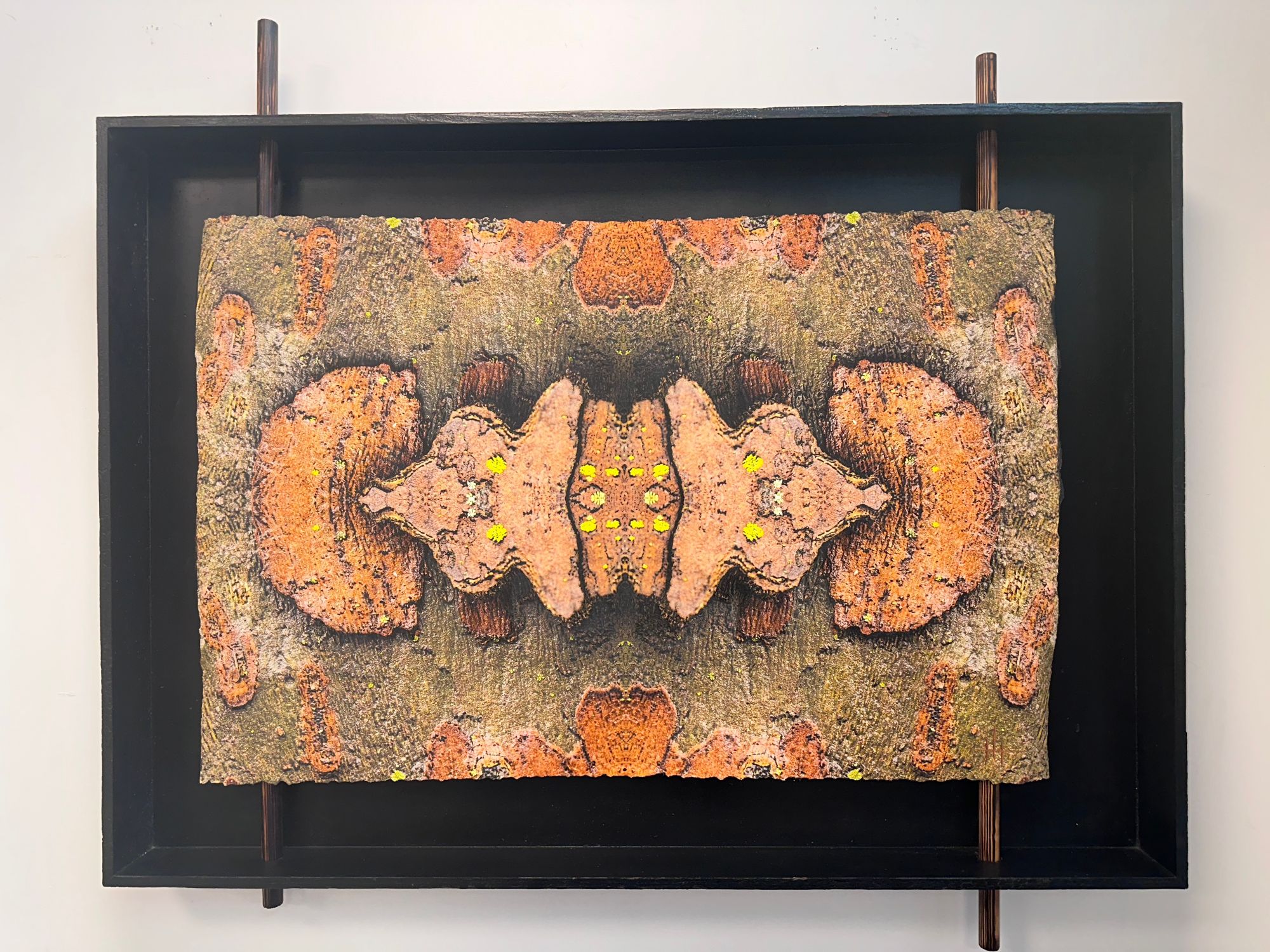
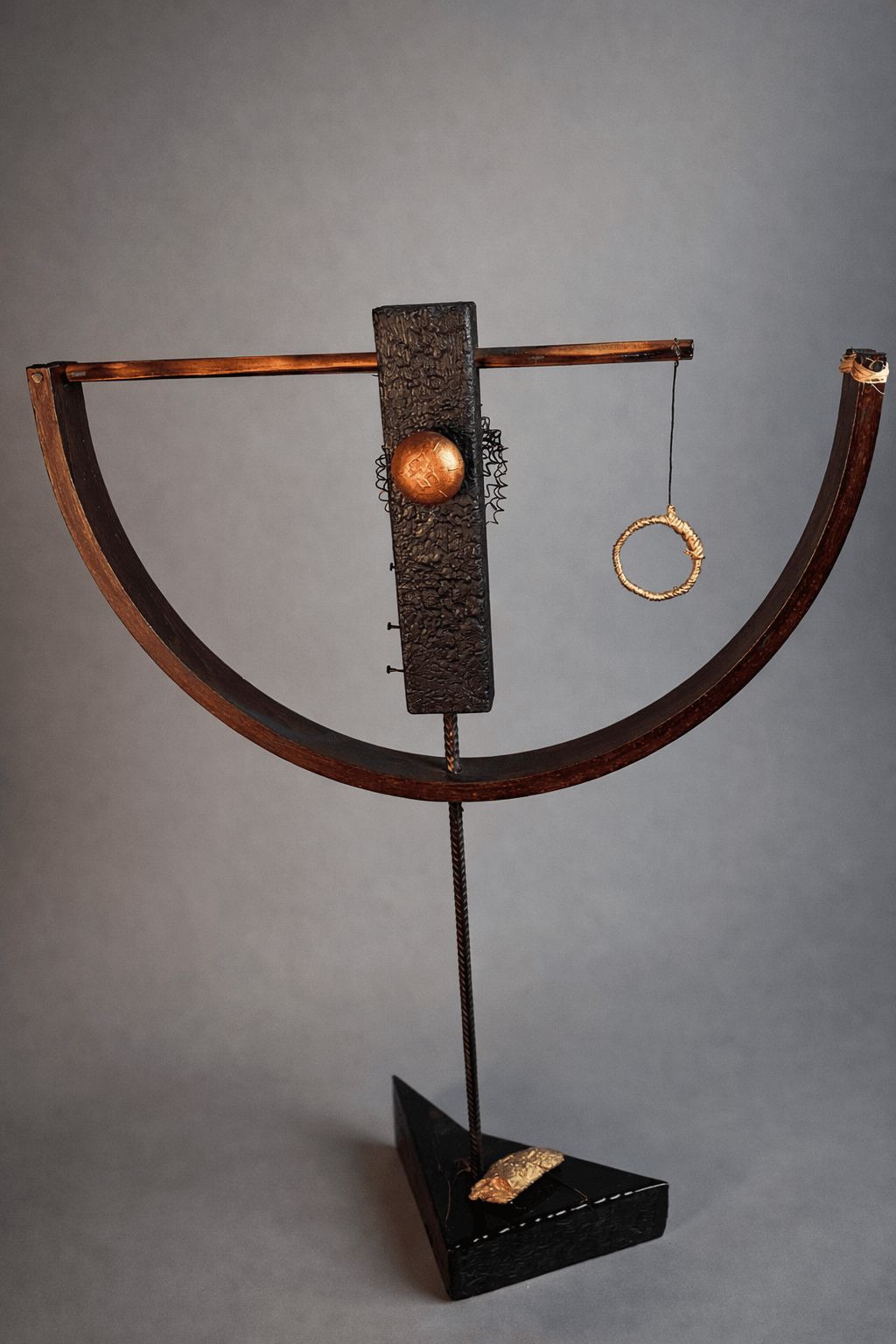
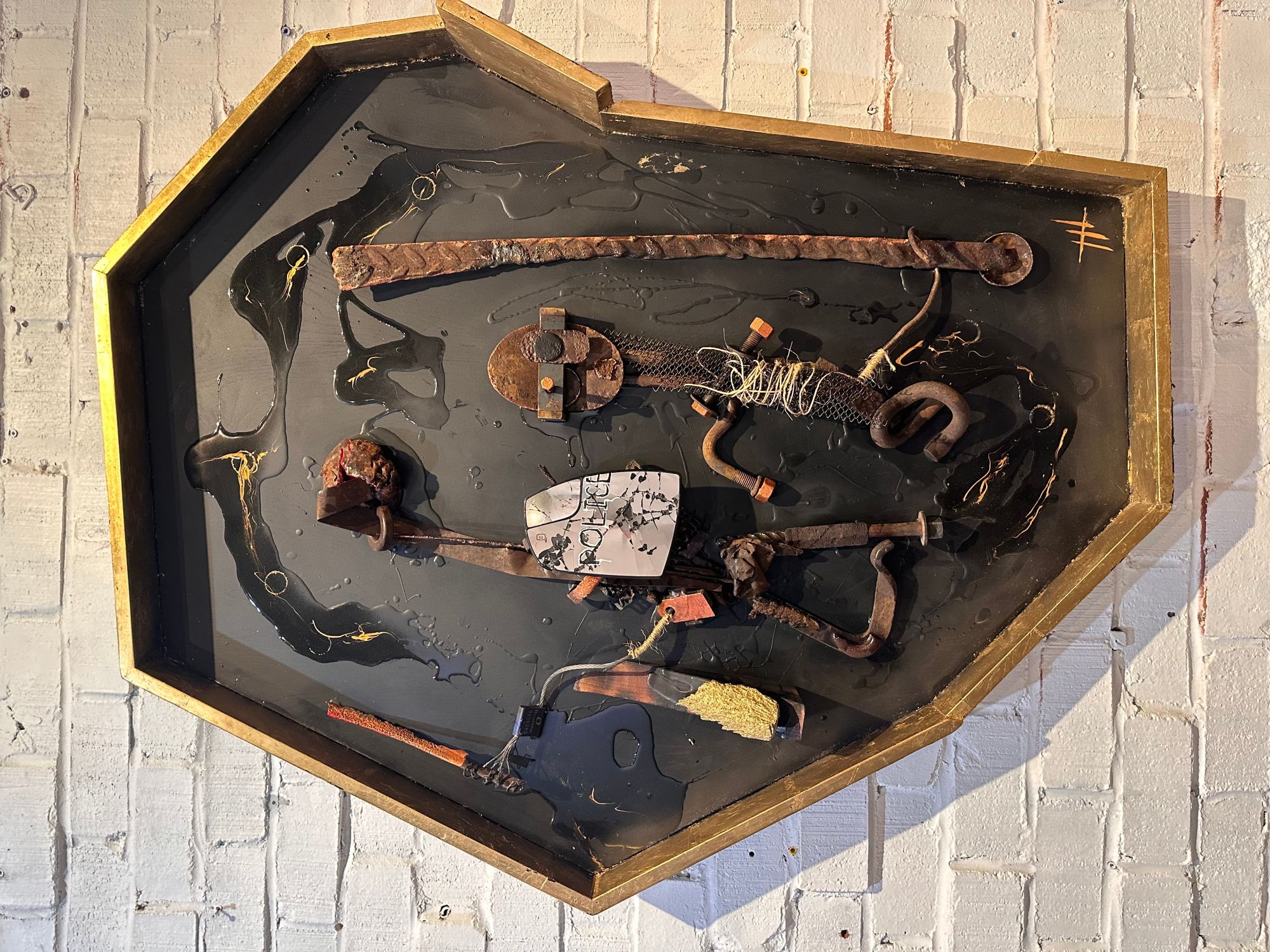
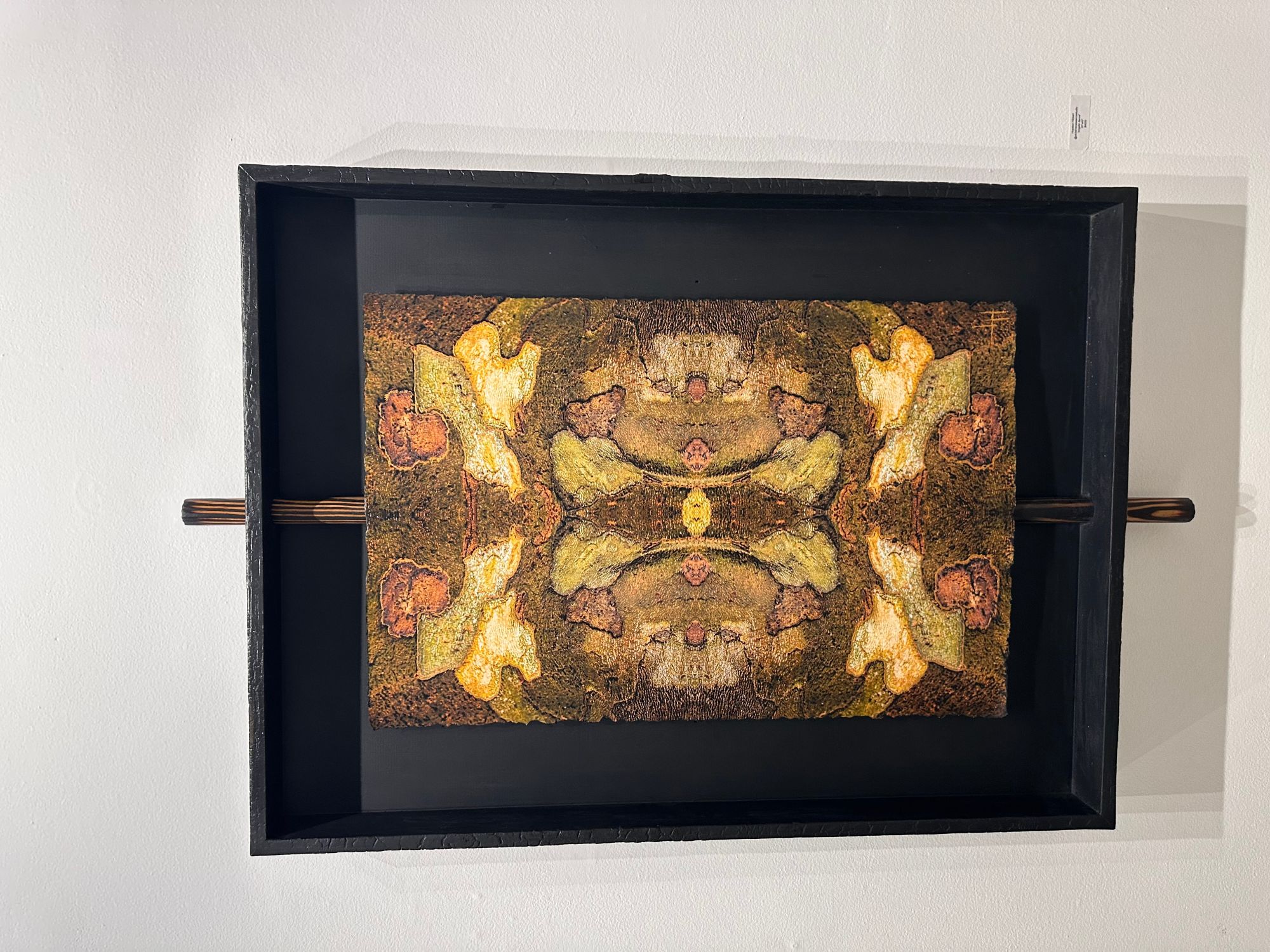
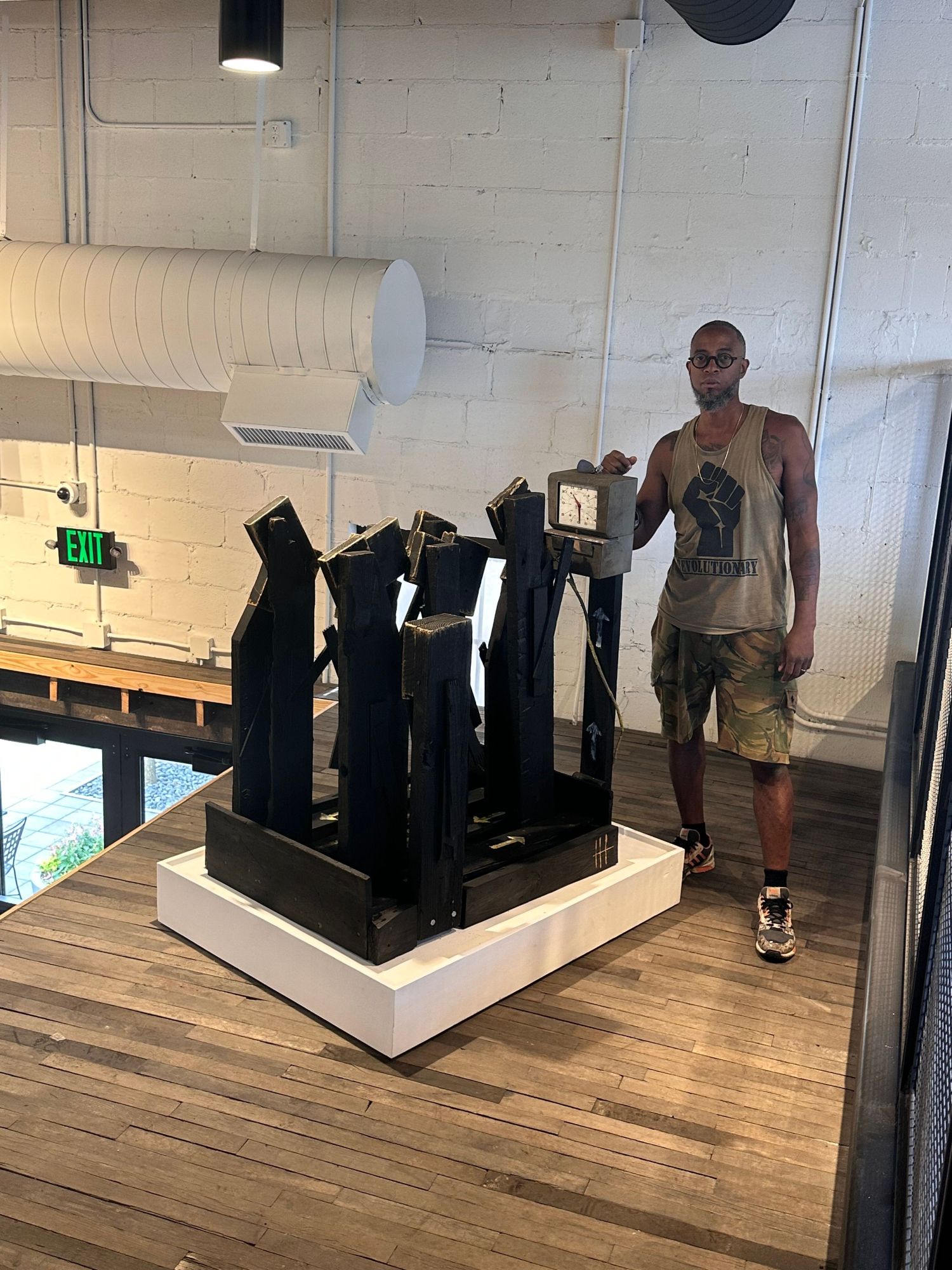
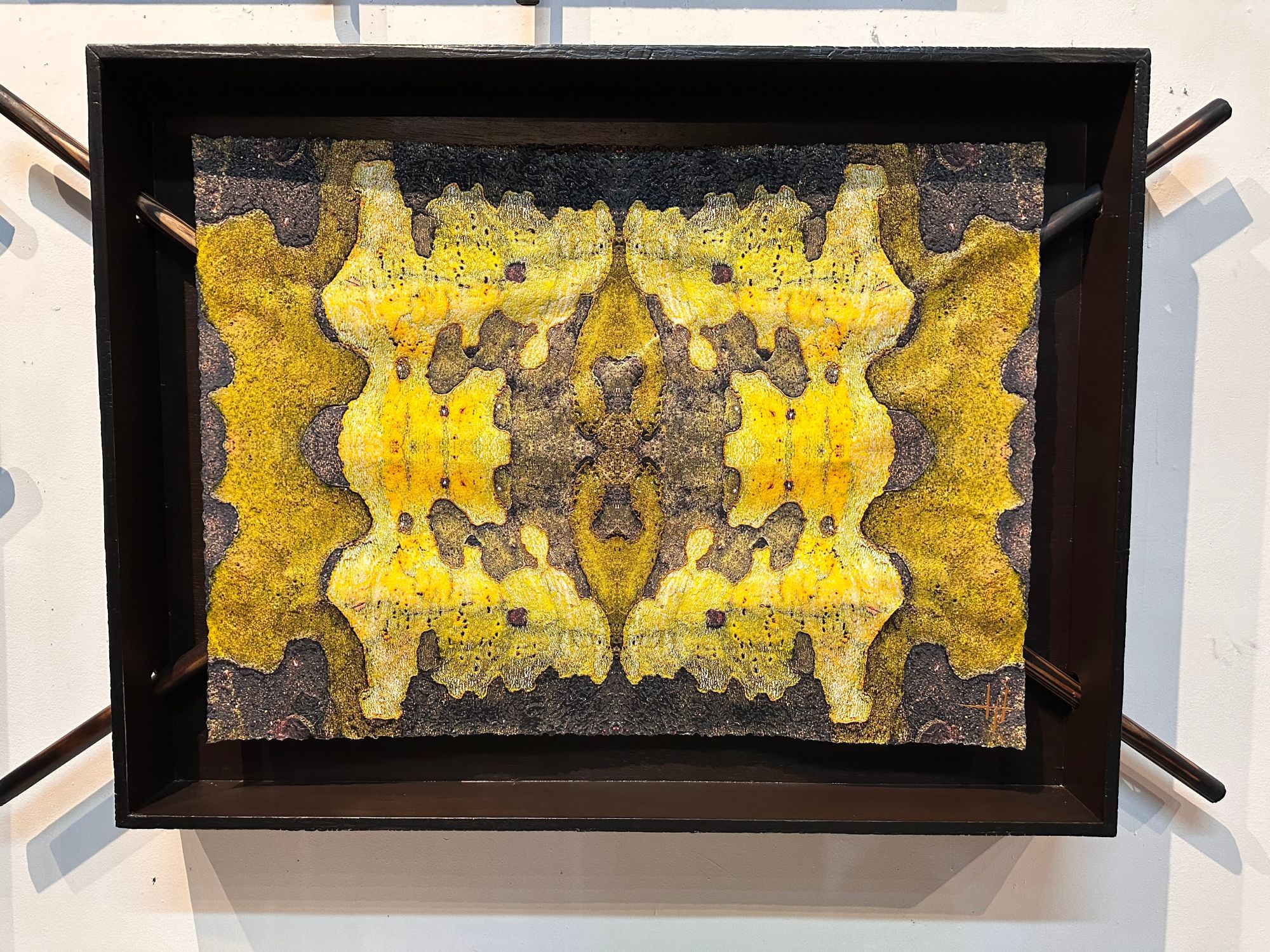
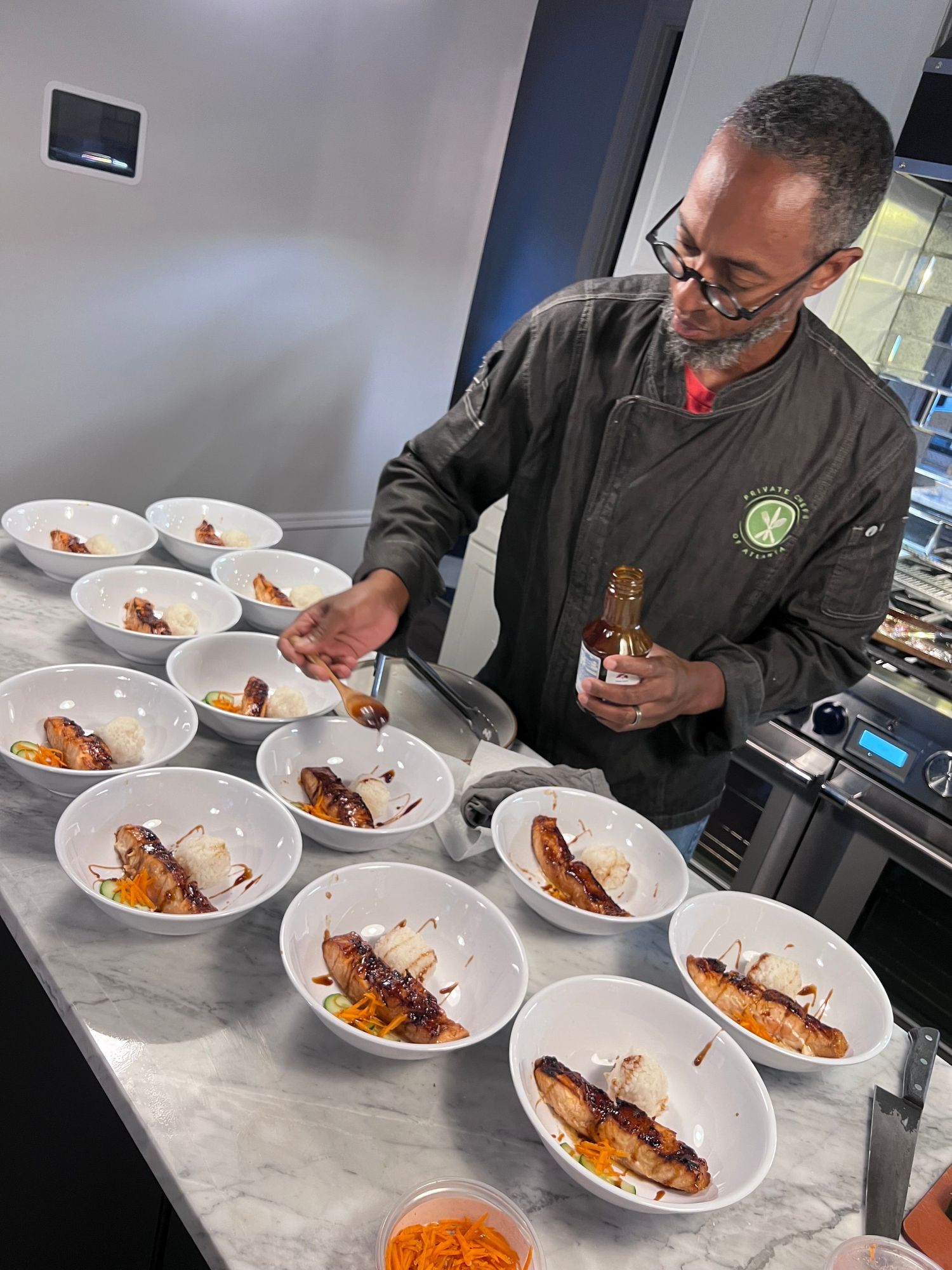
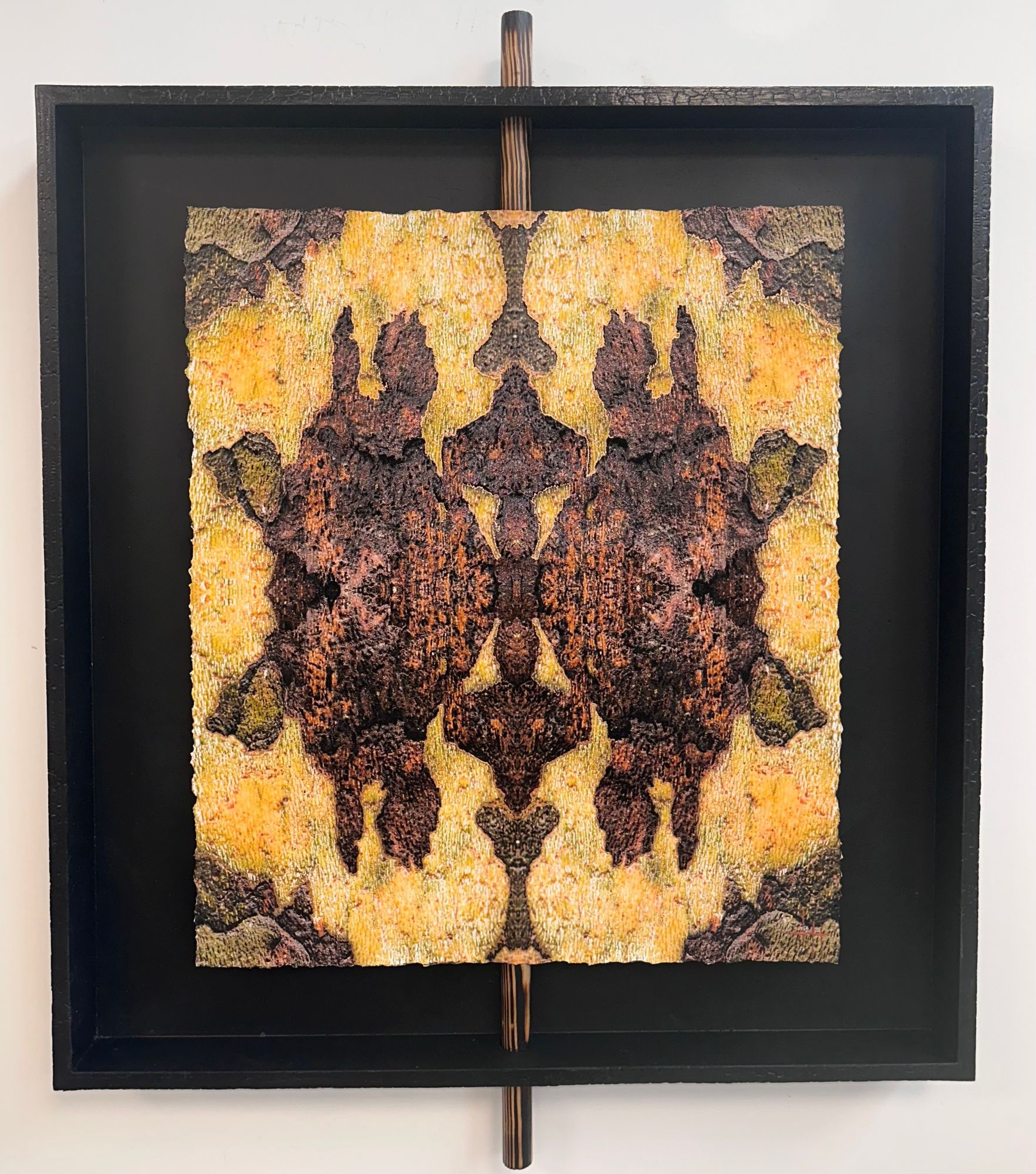
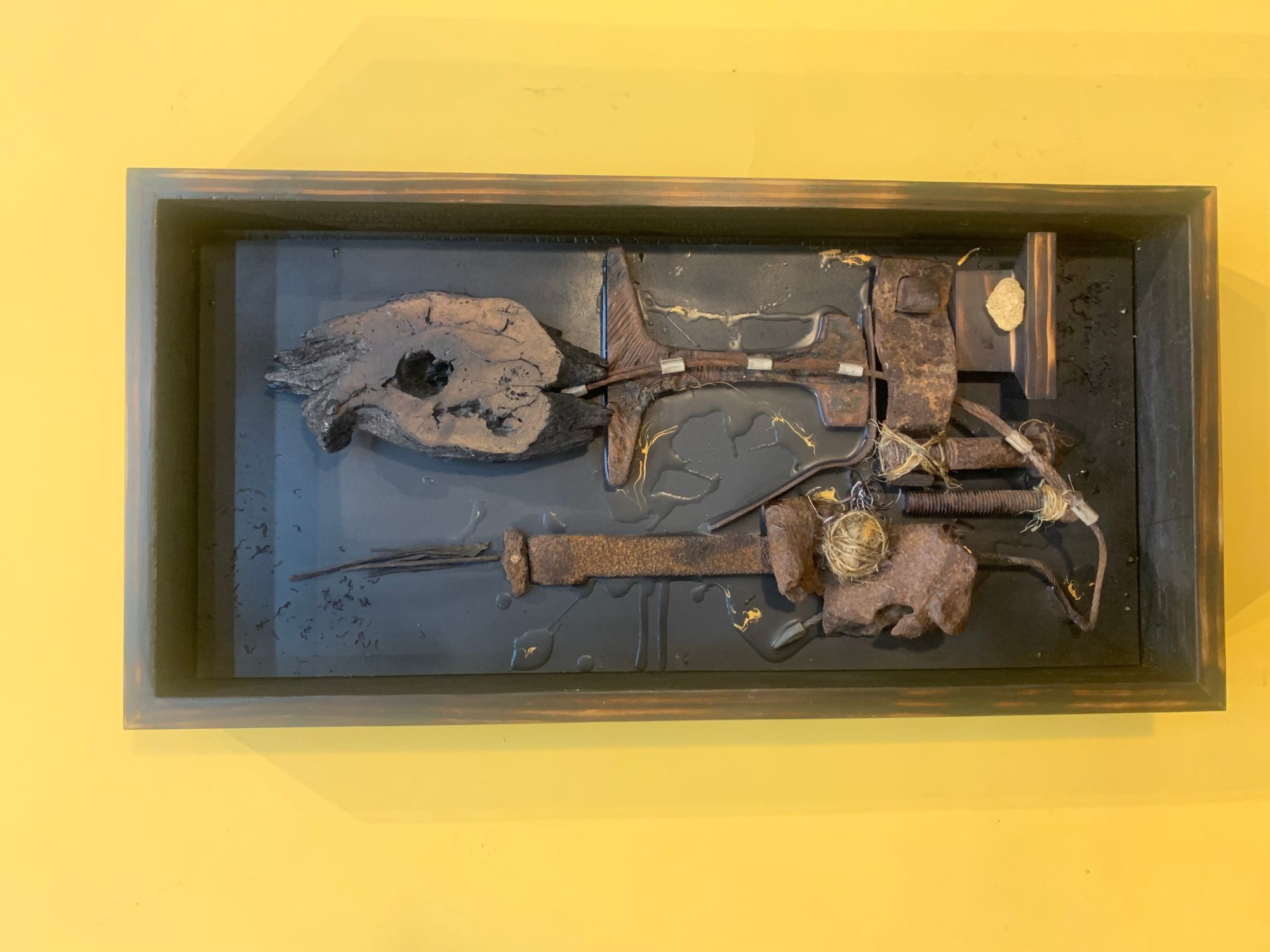
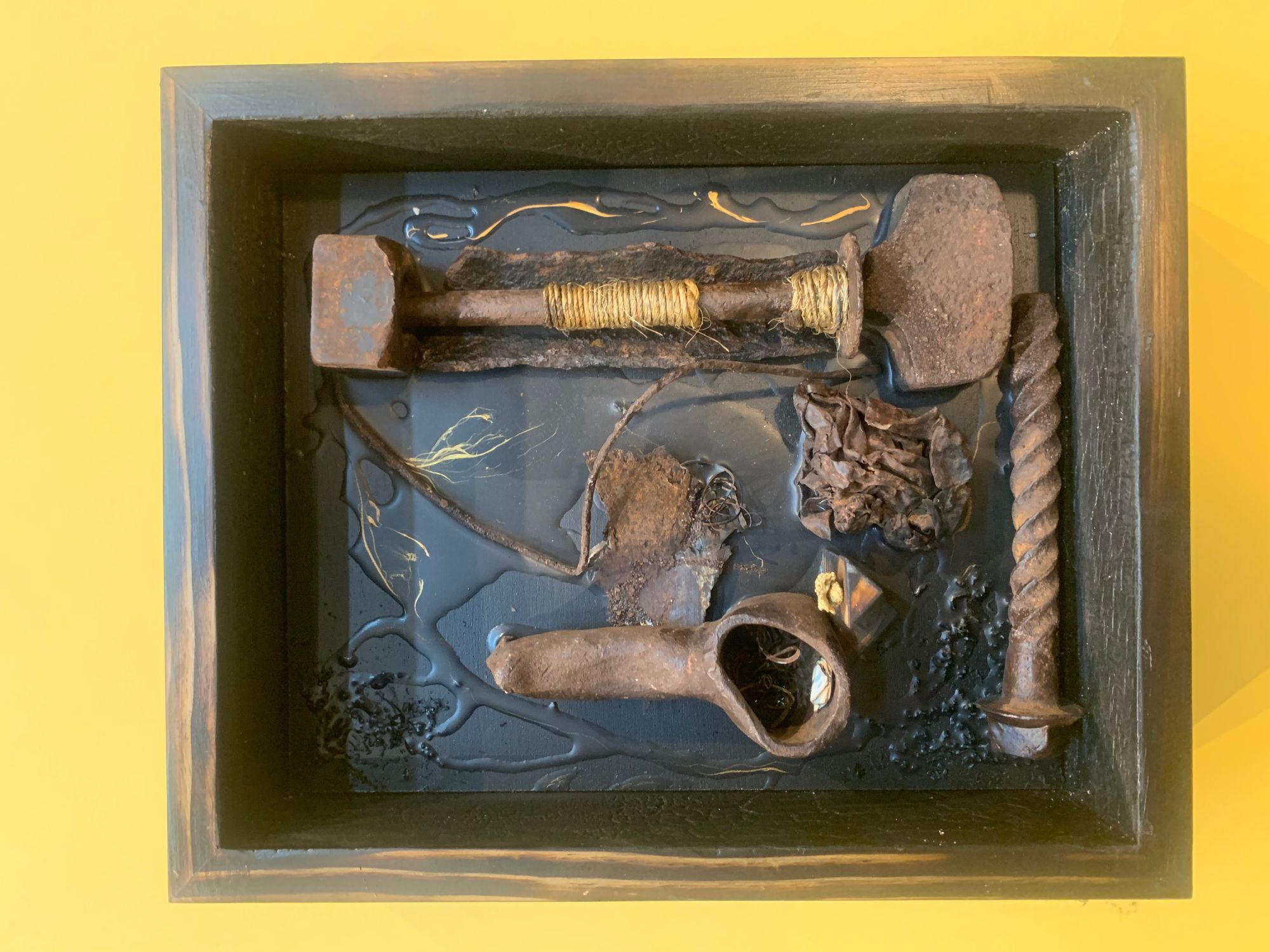
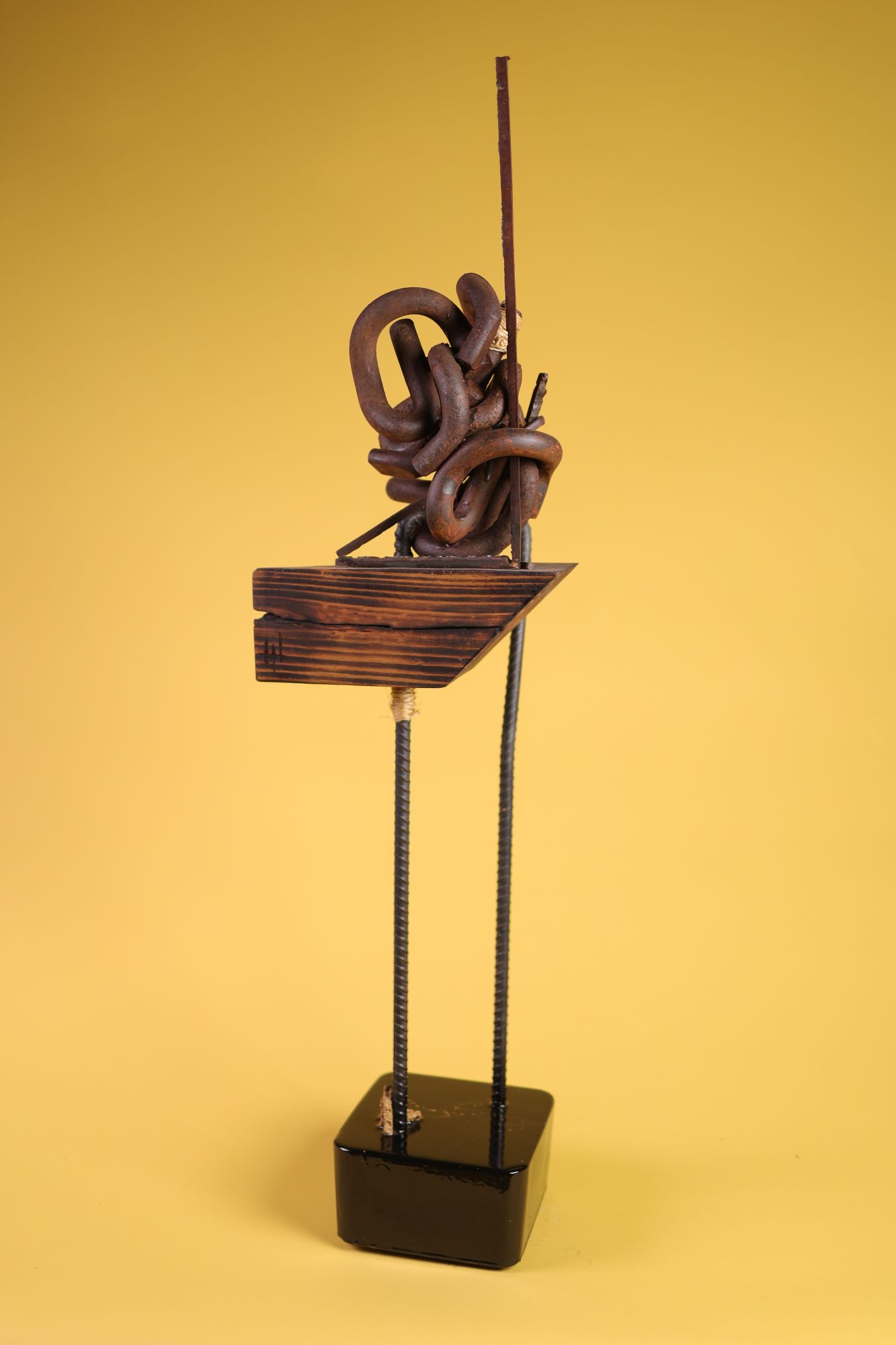
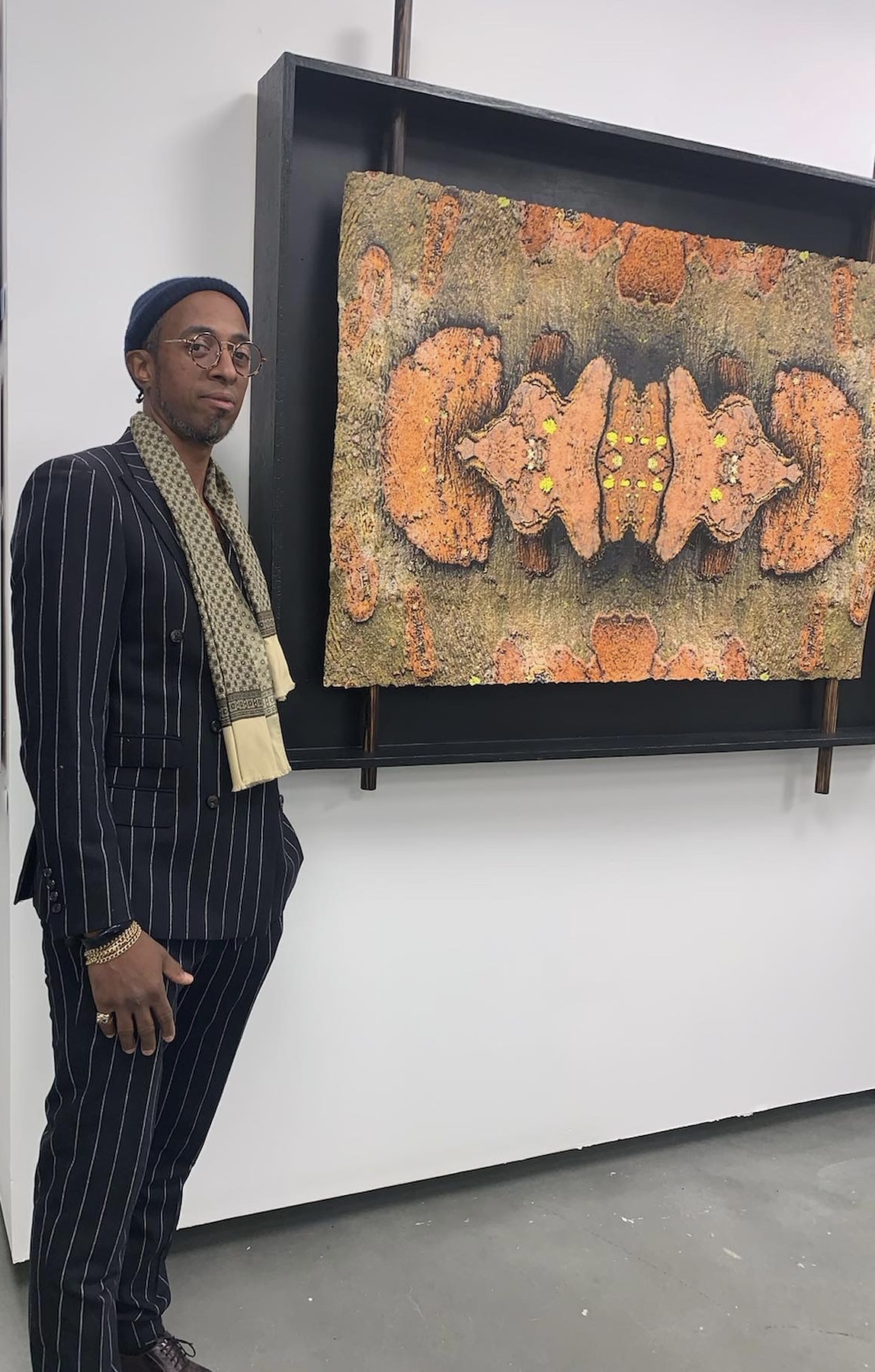
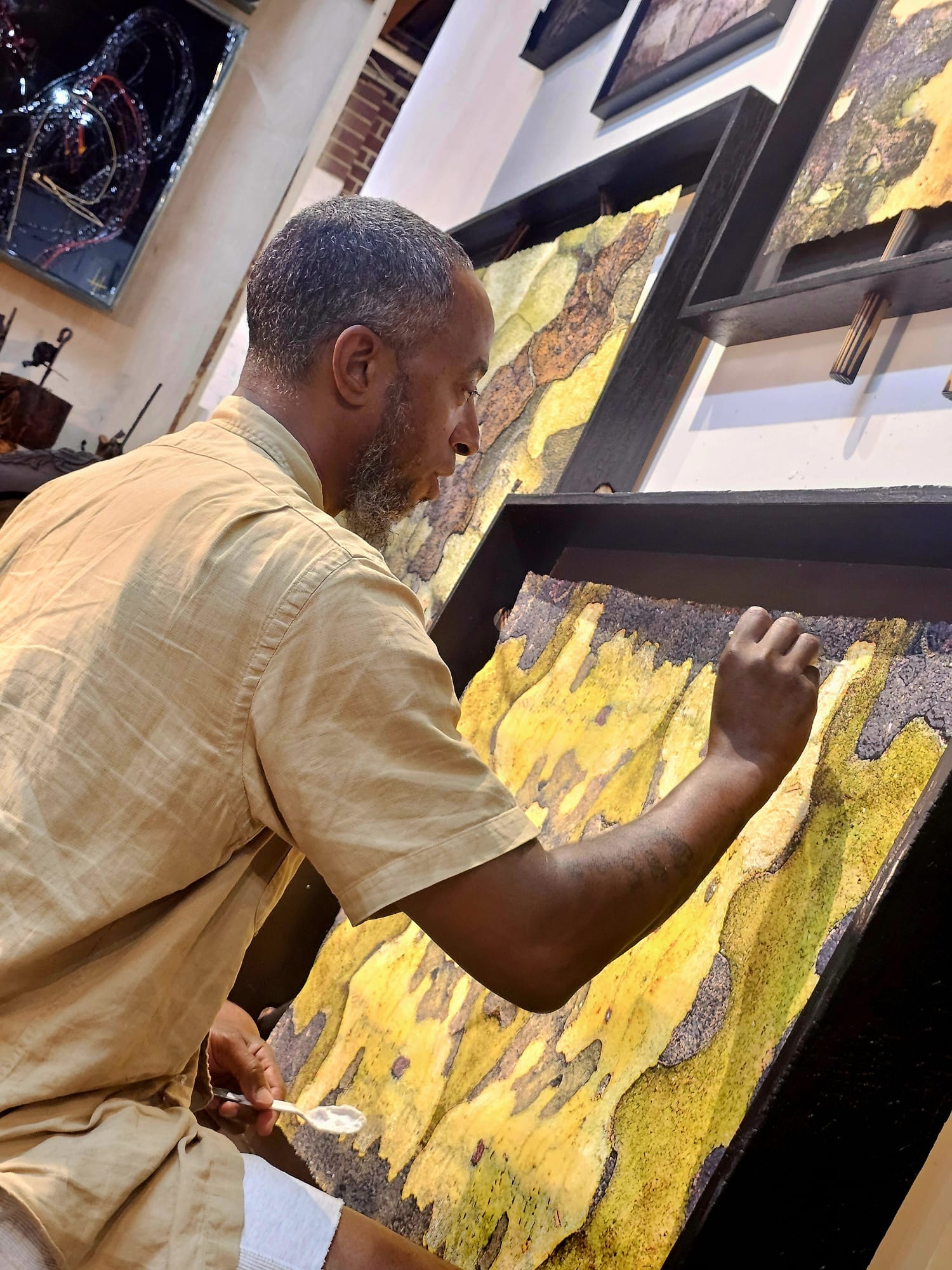
Image Credits
Alex Martinez -b/w portrait