



Today we’d like to introduce you to Jeffery Spicer.
Hi Jeffery, so excited to have you with us today. What can you tell us about your story?
I’ve been making images for as long as I can remember. One of my earliest memories is from kindergarten when a teacher told me I would never be an artist because I colored outside the lines. Being a stubborn kid from rural Kentucky, I decided right then that I would prove her wrong.
Growing up, school was difficult for me because of severe dyslexia. For a long time I couldn’t read well, and that made me feel like I didn’t belong in the classroom. But art gave me another way to understand the world. Where words failed me, images made perfect sense.
Two teachers changed the course of my life. A special education teacher spent several summers teaching me how to read, and my art teacher encouraged my ability to draw and helped me see that what made me different could also be a gift. Those two influences gave me confidence and direction when I needed it most.
I later served in the U.S. Air Force as a medical illustrator, where I studied anatomy and learned to observe the human form with precision. After that I continued my formal training at Murray State University, focusing on painting and figurative art.
For the last four decades I’ve worked as a professional portrait artist. My work has taken me all over the country and into both private and institutional collections. Most recently I’ve been honored to paint a series of portraits for the Martin Luther King Jr. International Chapel at Morehouse College.
At the heart of everything I do is a fascination with the human condition. Every face tells a story. My goal as an artist is not just to capture a likeness, but to reveal something of the spirit and individuality of the person I’m painting. When a portrait feels alive when someone looks at it and says, “That’s them then I know I’ve done my job.
Can you talk to us a bit about the challenges and lessons you’ve learned along the way. Looking back would you say it’s been easy or smooth in retrospect?
It definitely hasn’t been a smooth road. Like most artists, I’ve had to build a career one painting at a time.
Early on, I struggled with dyslexia, which made school difficult and affected my confidence for many years. Learning to read later than most people was a challenge, but it also pushed me toward visual thinking and ultimately toward art.
Another challenge has simply been the reality of making a living as an artist. Portrait painting is an old tradition, but it’s also a niche profession. There were years when I deliberately kept my prices low so people in my community could afford portraits, which meant financial stability didn’t always come quickly.
I’ve also had moments where being open about who I am created obstacles. Some clients embraced my work wholeheartedly, while others were uncomfortable with aspects of my figurative work or with the fact that I’m a gay man. Those experiences were painful at the time, but they also helped clarify something important for me: I can only create honest work if I’m willing to be honest about who I am.
Over time I’ve learned that persistence matters more than perfection. Every challenge—whether financial, personal, or professional has shaped the way I see people and the way I approach a portrait. In many ways those struggles have deepened my empathy, and empathy is at the heart of portraiture.
Alright, so let’s switch gears a bit and talk business. What should we know about your work?
I’m a portrait and figurative artist working primarily in oil and pastel. For more than forty years my focus has been the human face and figure. I’m fascinated by the individuality of people—the subtle differences in structure, expression, and spirit that make every person unique.
My process usually begins with a conversation. I like to spend time with the person I’m painting, listening to their story and observing how they move and express themselves. When I begin the painting, I often start with the eyes because that’s where the connection happens. From there the portrait grows outward.
Over the years my work has found its way into private collections as well as institutional settings. I’ve been honored to paint portraits for the Martin Luther King Jr. International Chapel at Morehouse College, which is deeply meaningful to me.
But in truth, I feel just as honored painting an everyday person as I do painting a public figure. Whether it’s a child, a mother raising a family, a business leader, or someone with a lifetime written in the lines of their face, they are all beautiful human beings with stories worth remembering. Portraiture, at its core, is about honoring that shared humanity.
What sets my work apart is the attention to the inner life of the subject. In college, one of my professors explained that artists must learn to paint “from the inside out,” understanding the bones and muscles beneath the skin. I remember quietly smiling during that lecture because I had already spent several years in the Air Force working as a medical illustrator, studying anatomy and drawing cadavers. In a very literal way, I had already learned to see the human form from the inside out.
That experience stayed with me. When I paint a portrait today, I’m not just looking at surface features. I’m thinking about structure, movement, personality, and spirit. My goal is always to move beyond likeness and capture something of the living person inside.
We all have a different way of looking at and defining success. How do you define success?
For me, success isn’t measured only by recognition or financial achievement. Those things can be helpful, but they aren’t the reason I became an artist.
I think success is found in service. Service to God, service to your family and loved ones, service to your community, and service to the broader human story we’re all part of. I’ve been blessed to live a life where my work allows me to contribute in those ways.
As a portrait artist, I’m always struck by something almost miraculous. Paint and canvas are very humble materials, and the artist using them is just a fallible human being trying their best. Yet somehow those simple marks can touch another person so deeply that they feel seen, remembered, or honored.
To me, that ability, human creativity reaching out and connecting one soul to another, is one of the most wondrous things we’re capable of. If my work can do that even occasionally, then I consider my life and career a success.
Pricing:
- Portrait commissions vary depending on size, complexity, and the needs of the project. Because every portrait is unique, pricing is typically discussed during an initial consultation with the client. In general, commissioned portraits are an investment in a work of art that is intended to last for generations. Many of my clients are families, institutions, or organizations who want to preserve the legacy of an important person or moment in their history. I work closely with each client to determine the best format, size, and approach for the portrait so the final piece reflects both the individual being honored and the story they represent.
Contact Info:
- Website: https://JefferySpicer.com
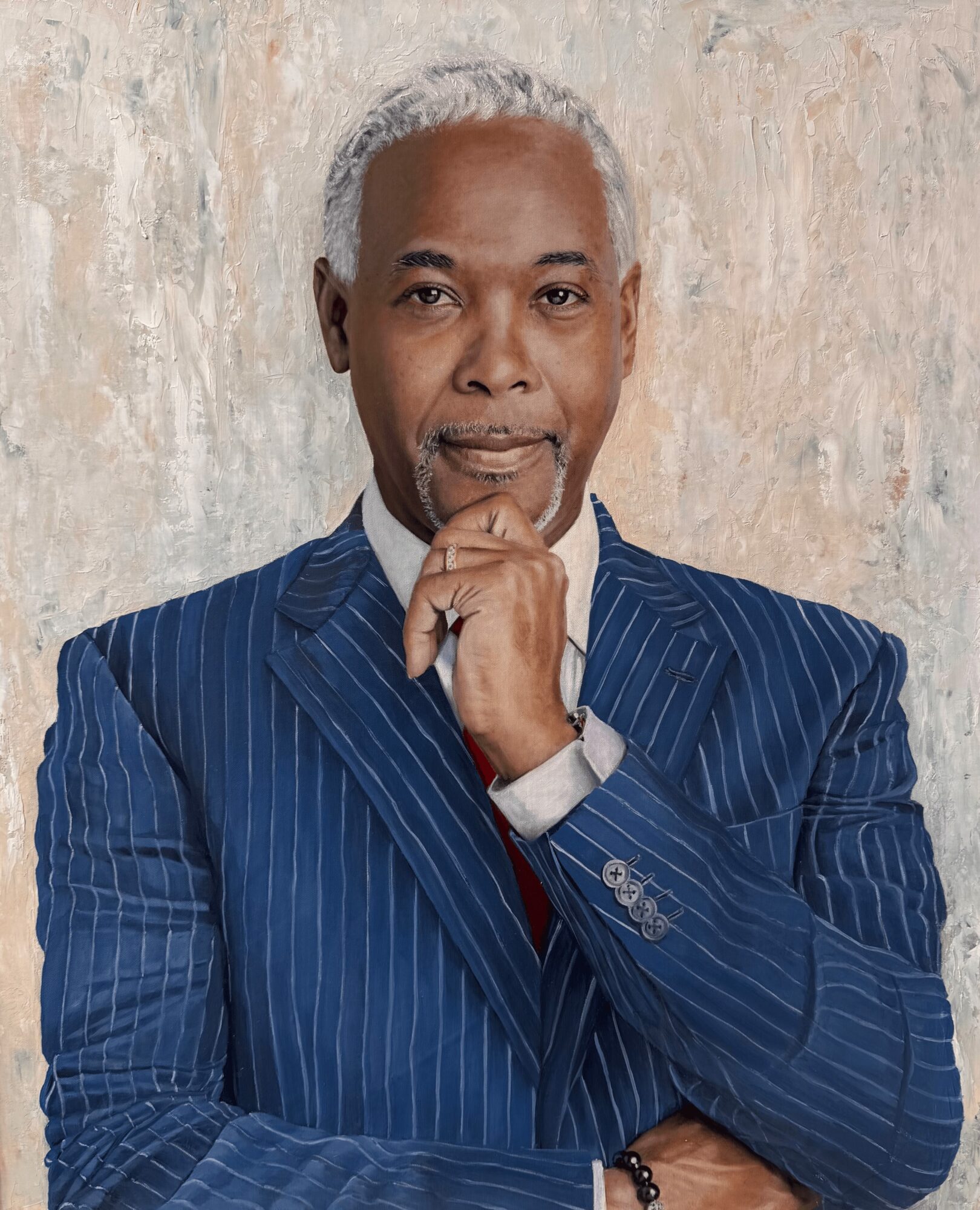
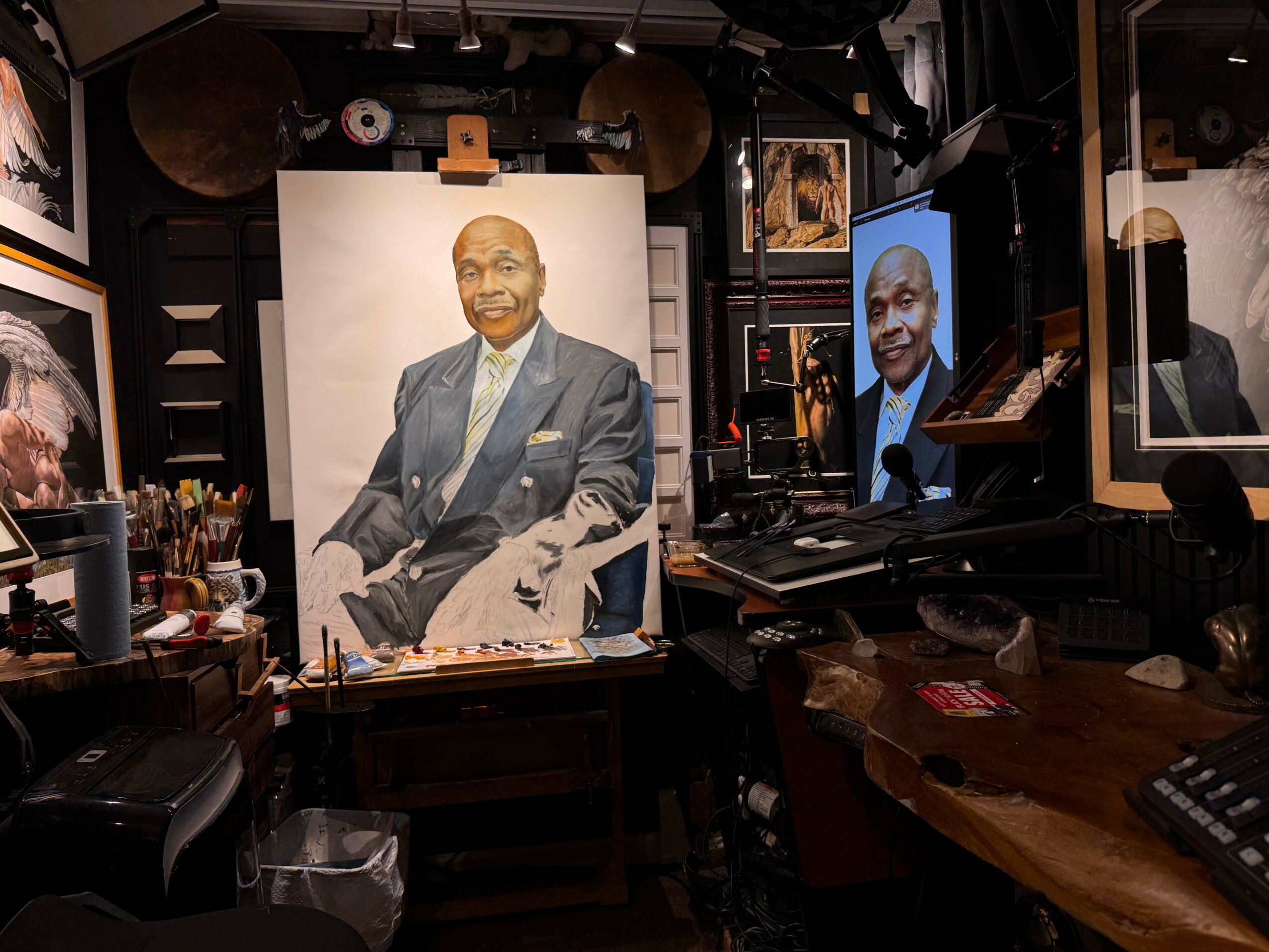
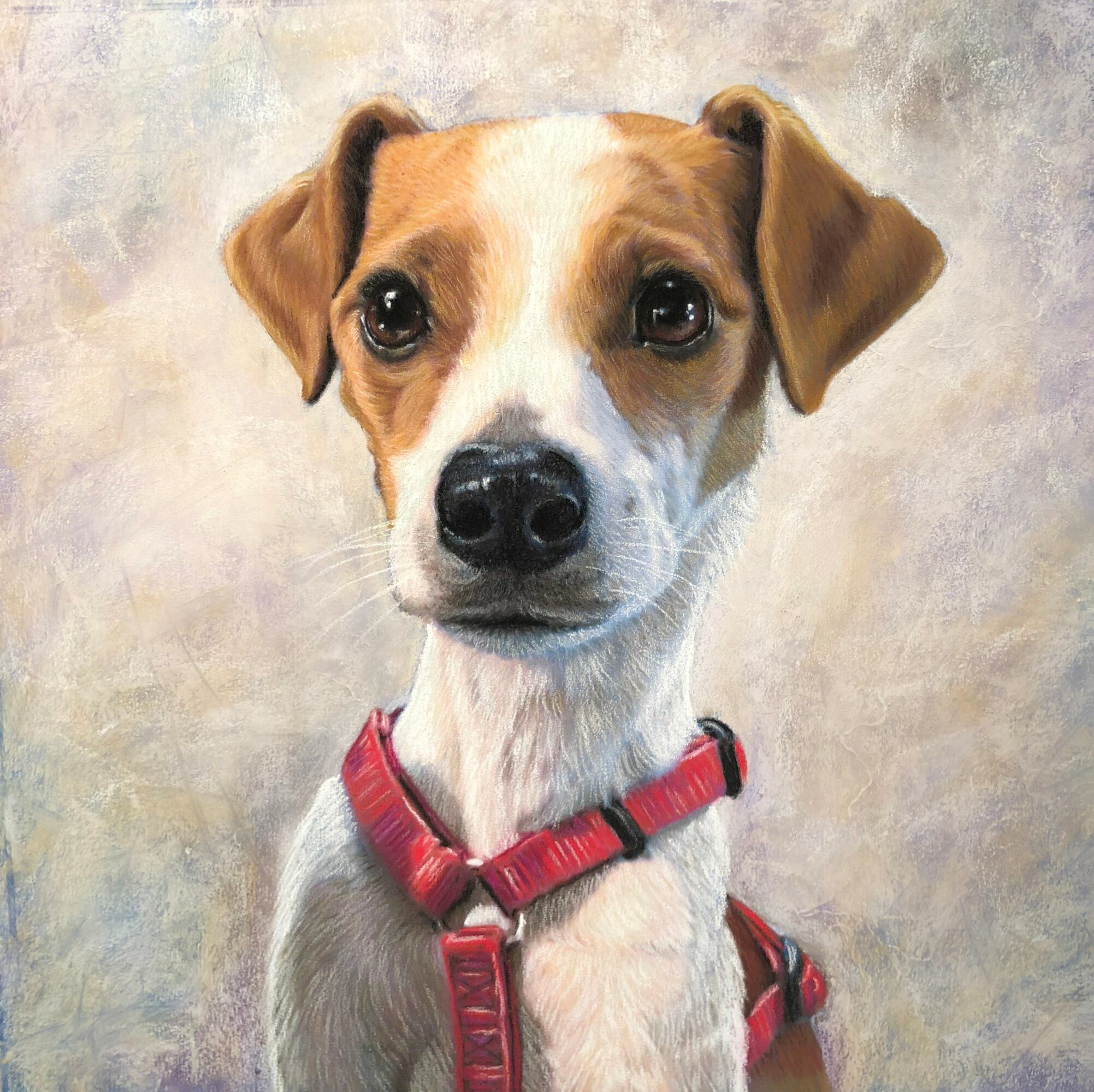
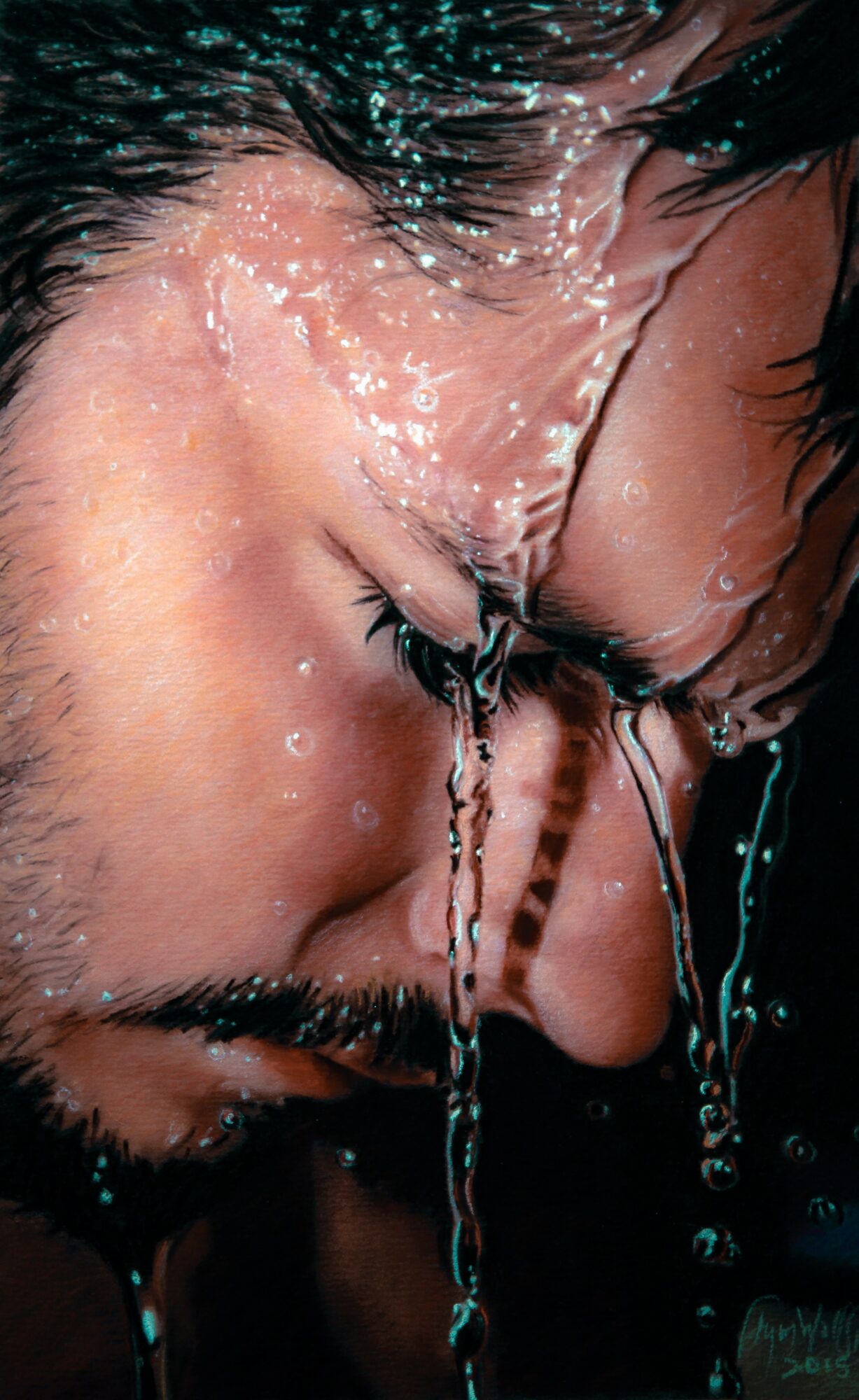
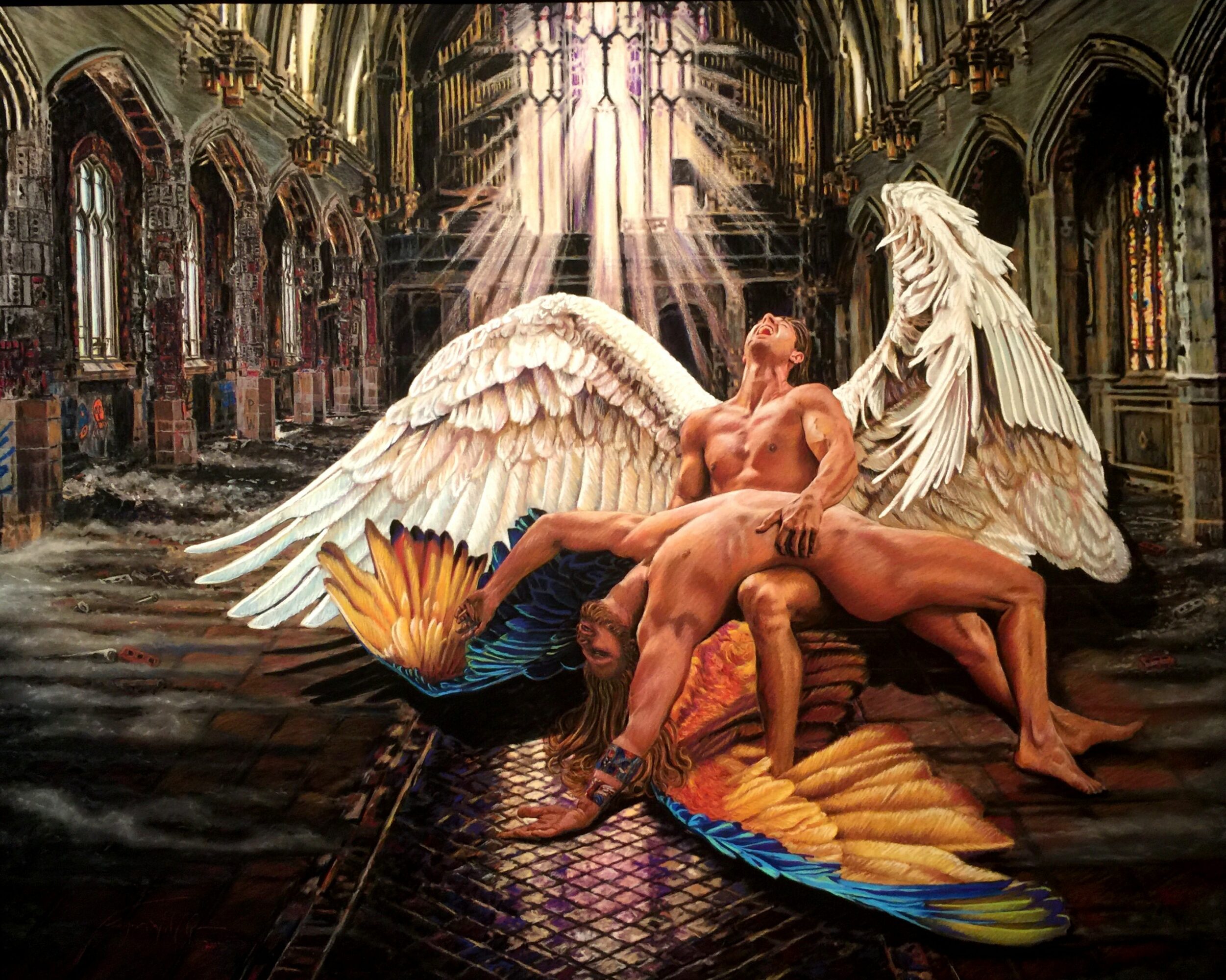
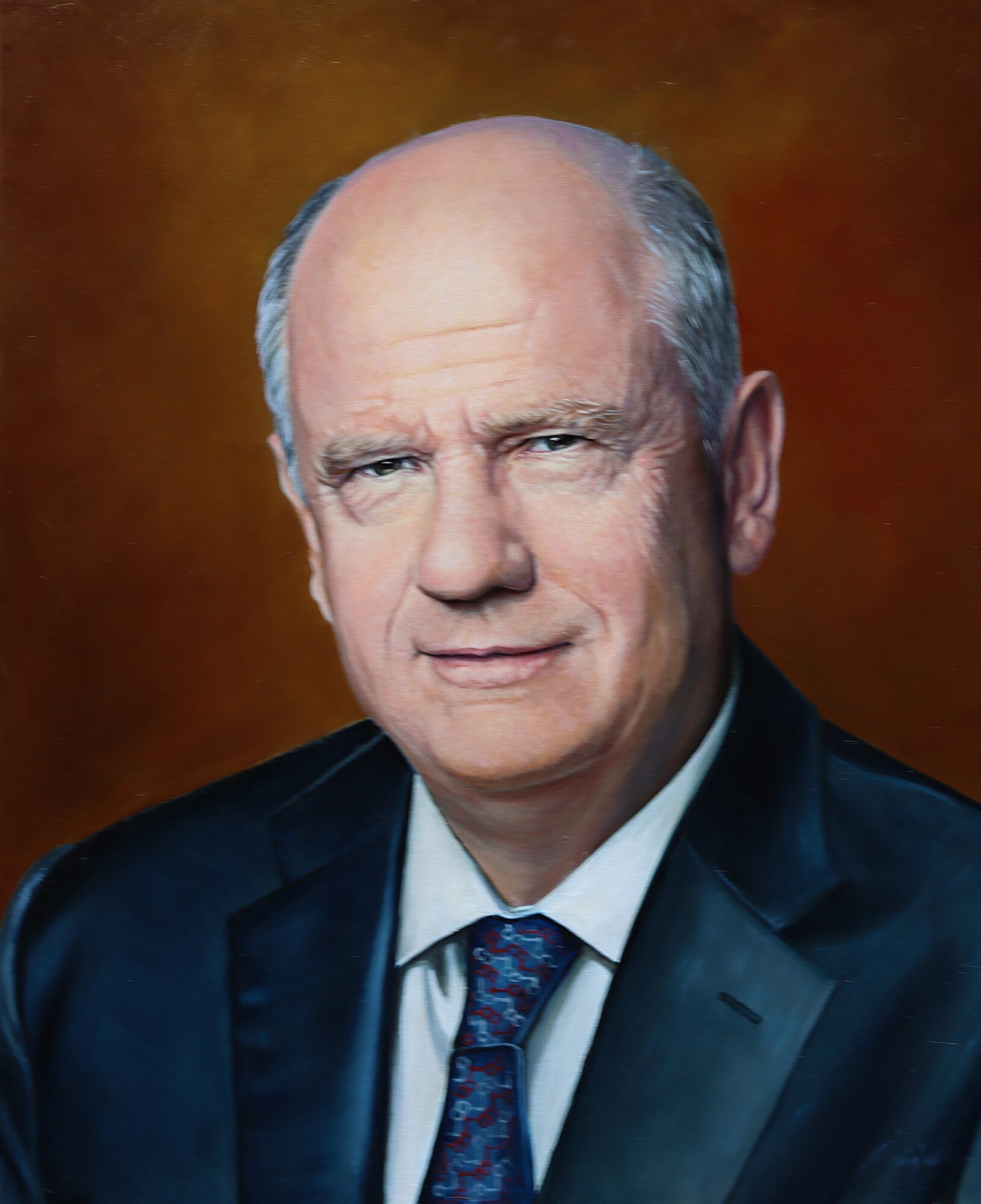
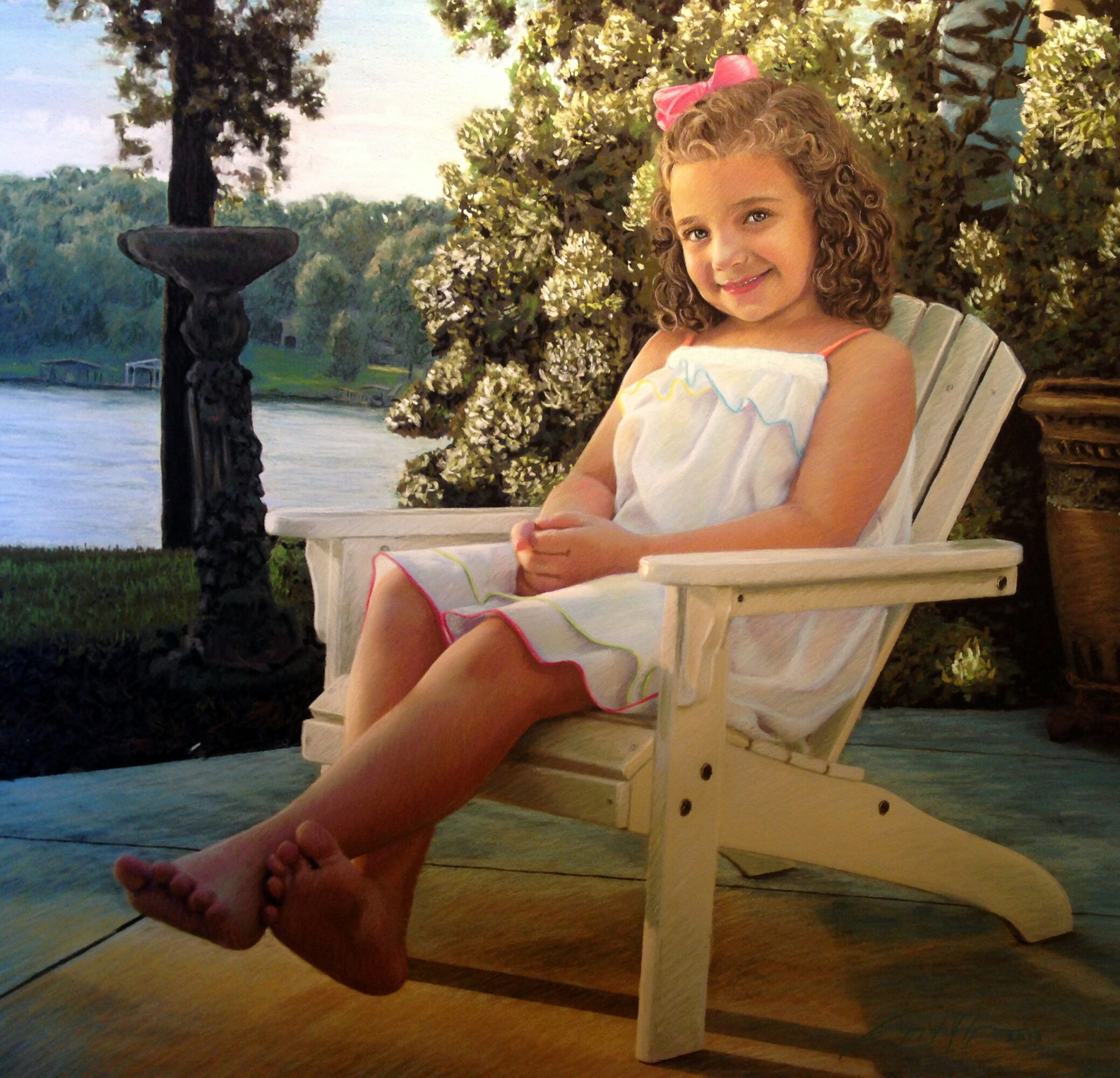
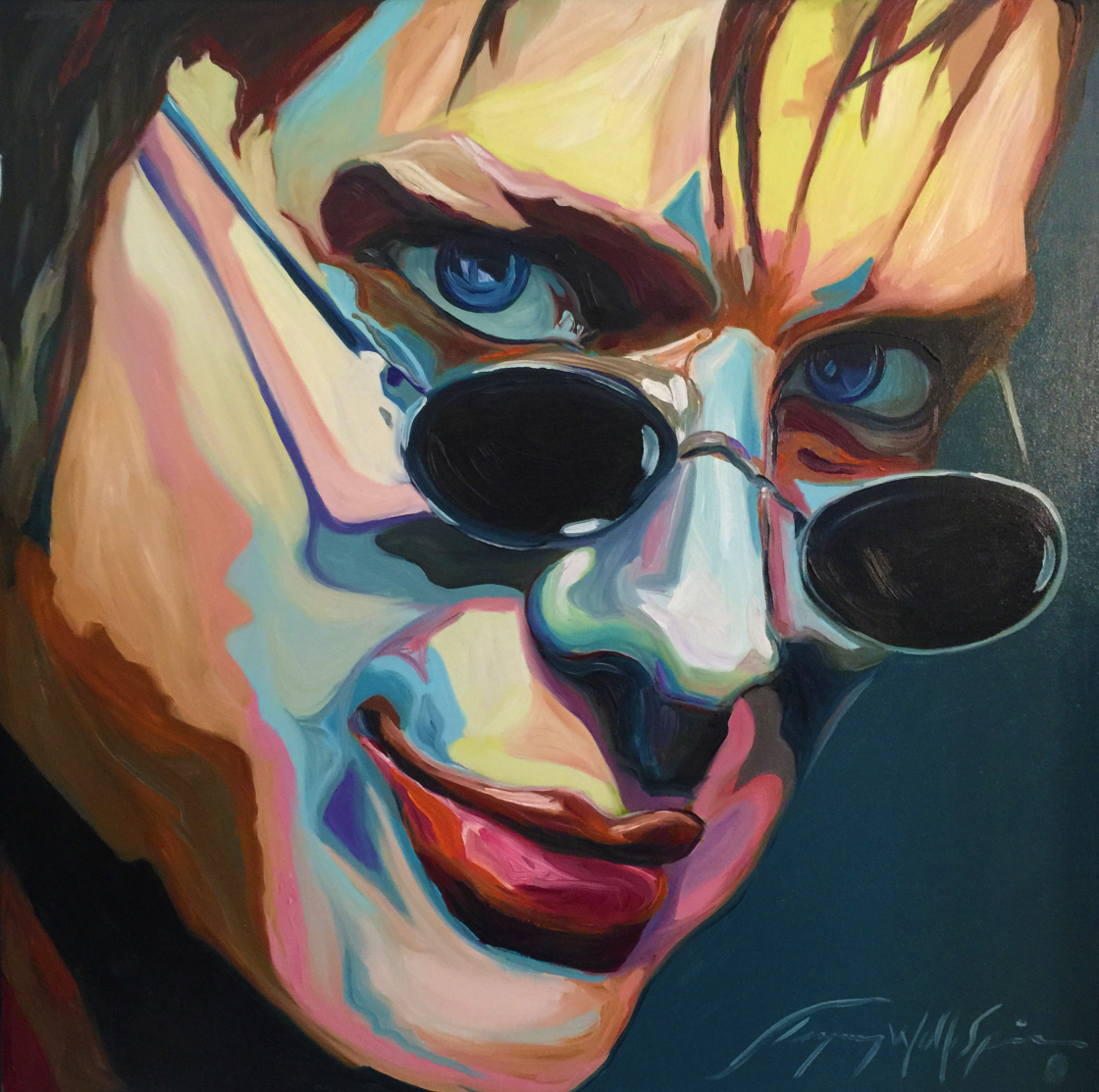
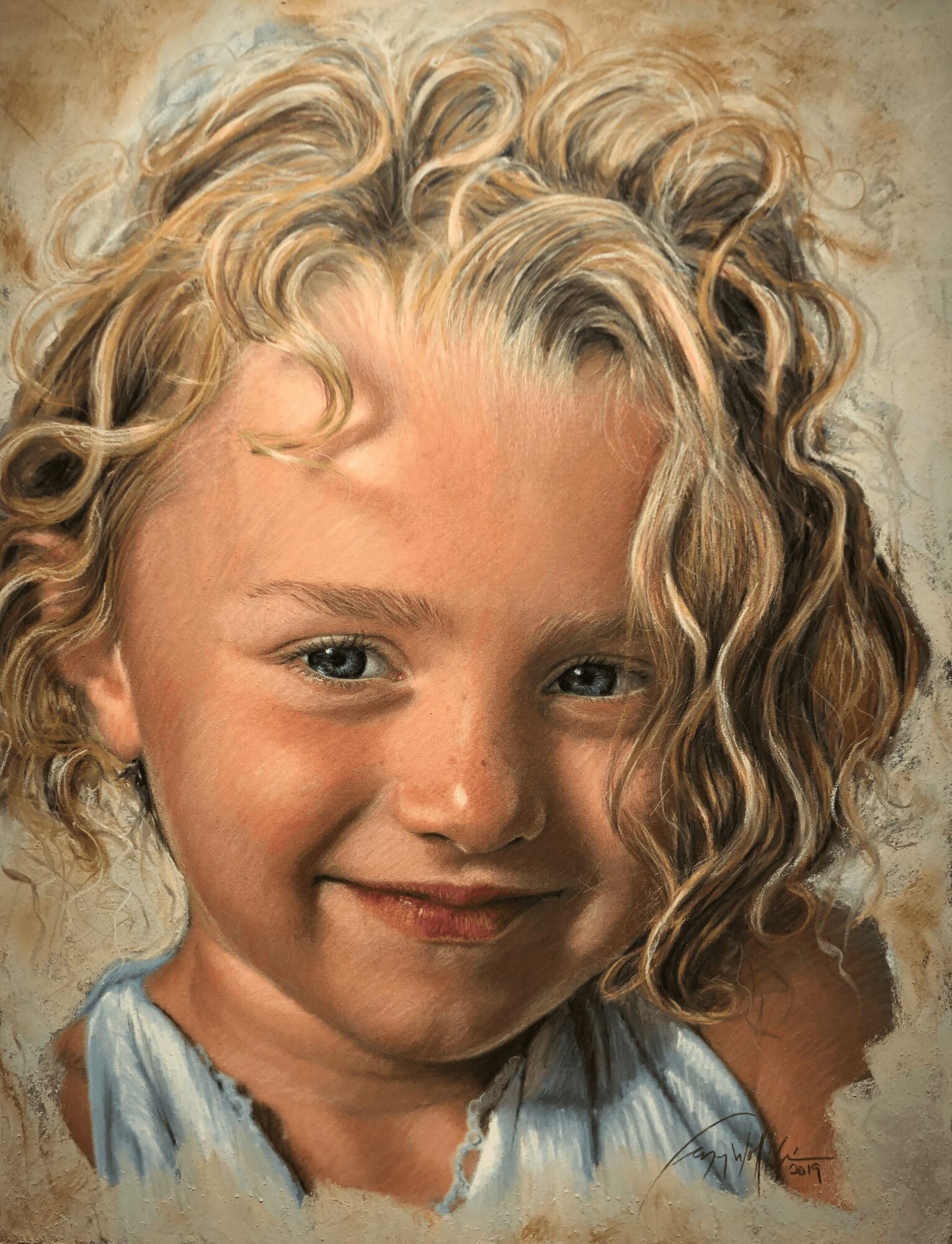
Image Credits
Just me they’re all my paintings or drawings Jeffery Spicer and I took the pictures