


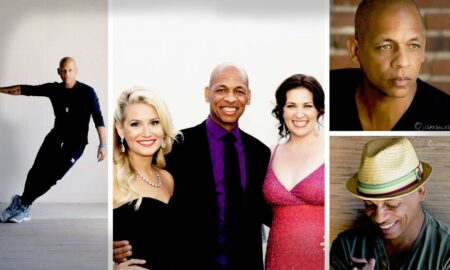



Today we’d like to introduce you to Jerome Hardaway.
Hi Jerome, thanks for sharing your story with us. To start, maybe you can tell our readers some of your backstory.
I’m an Air Force veteran. I served in Security Forces, focused on law enforcement, base security, FAST teams, and QRF work, with multiple deployments around the world. When I left the military around 2009 to 2010, it was the height of the Great Recession and I was trying to figure out my next move. I remember how blunt the transition felt: despite years of operational experience, I kept hearing that I was “unqualified” in the civilian market. That moment pushed me toward self-education. I saw a random commercial about coding, laughed at it, then got curious anyway. I bought a book on SQL at a Starbucks and taught myself until I could actually do the work. That decision paid off fast. I got hired into the Department of Homeland Security TWIC program as a data analyst. It was a big shift. I went from being told I didn’t have skills that fit anywhere to landing a job that paid about double what I was making in uniform, with benefits, air conditioning, and a totally different quality of life. That was the first time I truly felt the power of skills-based learning, and I knew I was never going back.
A few years later, around 2013 to 2014, I got a call from a friend about a veteran family in need. I stepped in and used my technical skills to help raise $10,000 in about 27 hours. That single event changed my trajectory. I went from being someone doing community work to being pulled into a bigger national tech ecosystem. I was sponsored by LinkedIn and Microsoft for accelerated training in New York, and that’s when I completed my transition from data and analytics into full-time software engineering.
As that was happening, I also started Vets Who Code. I didn’t start it because I had some grand plan. People kept asking what I was going to do next, and honestly I wanted to sleep. But I also felt a responsibility to make the path I’d stumbled into more obvious for other veterans. So I built a program that taught veterans how to code, how to build websites, and how to make them look good, with a heavy front-end focus in the early days and a mission centered on real career outcomes.
Not long after, I got a call from the White House inviting me to Demo Day. Fewer than 50 people were selected, and I was the only African-American male who was a combat veteran and running a social enterprise in that group. Being highlighted at the White House on President Barack Obama’s birthday for my work in tech was one of those moments that still feels surreal. That recognition opened doors, and the work started getting national attention. I’ve been highlighted by outlets like Business Insider, HuffPost, and others for the impact Vets Who Code has had in the veteran community and in tech.
Since then, I’ve helped over 300 veterans across the country break into software engineering. I’ve spoken internationally, served as a technical reviewer for books, and built software across a wide range of industries. I’ve worked on projects for sites like ComicBook.com and on serious, high-impact systems like AI-driven efforts to track misinformation and disinformation as it moves from fringe communities into the mainstream, especially among 18 to 29-year-olds in the U.S. My work has touched civic engagement, politics, higher education, finance, and more. At my core, what I do now is teach driven, impact-focused veterans how to change their lives through technology, and I’ve made it my mission to keep opening doors for the people who are ready to walk through them.
Alright, so let’s dig a little deeper into the story – has it been an easy path overall and if not, what were the challenges you’ve had to overcome?
No, it hasn’t been a smooth road. Like most real success stories, mine has had plenty of ups and downs. If you told the 24-year-old version of me that I would grow into a career where I write code for a living, help other veterans and military spouses learn to do the same, and receive the kind of recognition I’ve gotten along the way, he wouldn’t have believed you. Honestly, he probably would have thought you were joking. Back then, I couldn’t picture a future where I’d be in rooms I once assumed weren’t built for people like us, or where my work with technology would lead to opportunities that felt almost unreal.
That perspective is part of why I describe myself as a wartime kind of leader. I’m not the person people look to when everything is calm and comfortable. I tend to show up, and people tend to listen, when the stakes are high and the easy advice stops working. I’ve learned how to operate in those moments, and I’ve built a career around solving hard problems under pressure.
Some of the tougher chapters in my story eventually led me to the Southeast. Even though the last several years have gone well, those earlier experiences shaped how I move. In one startup ecosystem I spent time in, I saw a lot of energy go into pitch decks, optics, and social rituals, sometimes more than into building real products or serving real people. My focus was impact, specifically using technology to help veterans, and that didn’t always align with what was expected. I remember a managing director expressing frustration because even with strong outcomes, we weren’t constantly present at every meeting, event, or social function. I was direct in my response. We were adults with careers, families, and responsibilities, not students experimenting for fun. A lot of incubator models are built for people who can afford to pause real life for a while. If you have obligations or a mission bigger than personal visibility, that structure can feel disconnected. The irony was that around the same time those concerns were being raised, I was being invited to the White House for work that hadn’t initially been taken seriously.
That experience taught me something I’ve carried forward. I don’t rush to belong. I take my time with community and I’m intentional about where I invest my energy. I don’t enter spaces just because they describe themselves as supportive. Over the past couple of years I’ve leaned in more, especially with veteran communities, but I stay focused on high-impact relationships and networks that actually move the mission forward.
When I later spent time in another city, I felt a pressure that a lot of people like me recognize. In some environments, you’re expected to flatten parts of yourself to fit a narrow idea of success. You’re asked, implicitly or explicitly, to pick one lane and leave the rest behind. That’s difficult when there isn’t much visible culture celebrating the full combination of who we are. What’s felt different about Atlanta is that I’m finally seeing an ecosystem where that full composite isn’t treated like a contradiction. I’m connecting with people like Jared Turner and Rodney Bullard, and for the first time in a while, I’m in spaces that feel genuinely welcoming to all of me. That matters.
The biggest struggle has been learning how to succeed without shrinking myself to do it. Being a Black man in America is central to who I am. Being a combat veteran is central. Being a software engineer is central. I don’t separate those parts. I see them as reinforcing each other. The adaptability I learned in combat, working in fast-moving teams under real pressure, shows up directly in my work as an engineer. When contracts change, when code breaks, when timelines collapse, that environment feels familiar. Recently, I had to replace a critical API tied to a $100B AUM portfolio within a single sprint, under a timeline that normally would have taken a month. It landed on my plate, and I delivered with days to spare. That’s the same adapt-and-overcome muscle, just applied in a different arena.
When I look at Vets Who Code, I’m proud that we’ve endured and grown without the kind of backing much larger organizations often take for granted. I trace that back to how I learned to operate in Iraq with limited resources. It taught me to be lean, strategic, and mission-first. Even becoming the first digital nonprofit came out of necessity. I didn’t have the luxury of waiting on traditional gatekeepers to validate what I was building. I had to build anyway.
So when I talk to people, especially young Black folks and others from underrepresented backgrounds who want to get into tech, I tell them the truth. The obstacles are real, but overcoming them is what makes you formidable in the best way. The pride doesn’t come from pretending the road was easy. It comes from knowing I kept building, kept serving, and kept moving forward anyway. That’s the story I carry, and that’s the story I try to pass on.
Appreciate you sharing that. What else should we know about what you do?
By day, I’m a Senior AI Engineer. This year alone I’ve worked on civic engagement projects, built AI-driven systems that detect misinformation and disinformation targeting young men ages 18 to 29, and built an AI-powered educational content generation platform that turns textbooks and uploaded documents into personalized study materials like flashcards, quizzes, and podcasts at enterprise scale. I do this work in software-focused environments where AI ships into real products and initiatives, so while a lot of people are online debating what AI might become, I’m deploying it into major programs and seeing it used by real people in production. That exposure forces me to learn the laws, constraints, and realities of multiple industries in real time, and I bring those lessons directly into my work with veterans.
On evenings and weekends, I serve as the Executive Director of Vets Who Code, a nonprofit that provides free software engineering training to military veterans. We transform combat-tested leaders into production-ready engineers who can contribute from day one at any tech company. With 15 years in tech, ranging from front end to AI, everything I teach is grounded in what I’m actively building in the field.
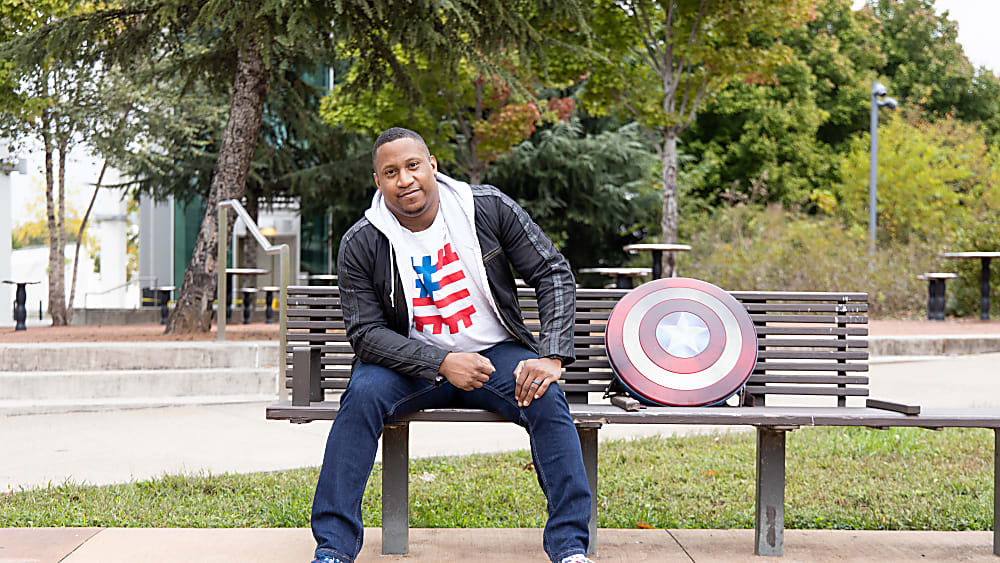
About eleven years ago, President Obama called me the “Captain America of Code,” and the name stuck because it reflects how I operate. I lead from the front. I don’t teach theory I haven’t tested. I’ve navigated the job market, negotiated offers, shipped production code, and made the mistakes so my veterans don’t have to. I’ve been featured in Business Insider, Black Enterprise, and HuffPost, taught courses on LinkedIn Learning and Frontend Masters, and written for the GitHub ReadME Project and Stack Overflow.
What sets me apart is how I take what I’m building in the real world, meaning production AI systems, enterprise constraints, and the wins and failures that come with them, and translate that directly into a playbook that turns veterans into real, job-ready engineers. I don’t just teach concepts. I teach the standards, workflows, and problem-solving habits that industry demands, because I’m living them every day. I’m most proud of watching veterans who once doubted they were “technical enough” land roles at companies like Microsoft, Google, Home Depot, and high-growth startups across the industry. Every success story is proof that the mission works.
What do you like best about our city? What do you like least?
What I like about Atlanta is that it’s the first city where I’ve felt like I could bring my whole self. A lot of companies talk about that kind of openness less and less these days, but Atlanta has felt real to me in a way other places didn’t. In Memphis and Nashville, I personally ran into veteran and BIPOC business spaces that felt unhealthy. The vibe in those rooms was often about pattern-matching performative behaviors that did not actually serve the community. Atlanta hasn’t shown me that, at least not in the circles I’ve chosen to move in. I also waited years on purpose before stepping into the local scene because I wanted to do it on my own terms.
In 2024, I went to my first veteran event here. I felt guilty that with all the work I’ve done with startups, media, and enterprise companies, I still wasn’t connected to many veterans locally. I showed up to Atlanta VetsFest (IVMF) in 2024 bracing for the usual experience, but I was genuinely surprised. It was a room full of veterans who looked like me and were serious about doing good work. That hit different, and it made me feel like I’d finally found my people in my own city.
What I dislike most about Atlanta is that the city doesn’t really sell itself in a way that speaks to people like me. I remember the day after meeting President Obama, Rodney Sampson invited me down and talked to me about Tech Square and the culture here, but I declined. The pitch turned me off because it felt like it was framed the way a civilian would pitch it to another civilian. It wasn’t grounded in the ethos that had become a core part of me.
If he had led with what would have mattered to me, it would have landed differently. Something like: “There’s a community of high-speed, low-drag African-American GWOT veterans here who believe in doing good work with Integrity, Service, and Excellence. You can eat food from every country you’ve been to, without the danger. And it’s one of the few places in the South where you can find Muay Thai, Dutch kickboxing, and Sanda.” If he had put it to me like that, I would have been on the first flight.
Contact Info:
- Website: https://vetswhocode.io/
- LinkedIn: https://www.linkedin.com/company/vets-who-code
- Youtube: https://www.youtube.com/@vetswhocode
- Other: https://github.com/Vets-Who-Code
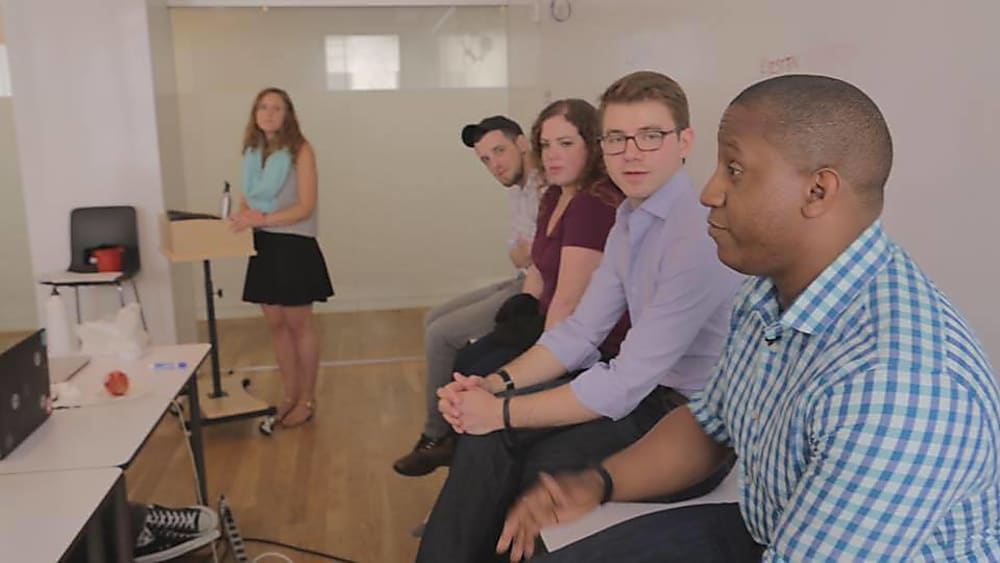
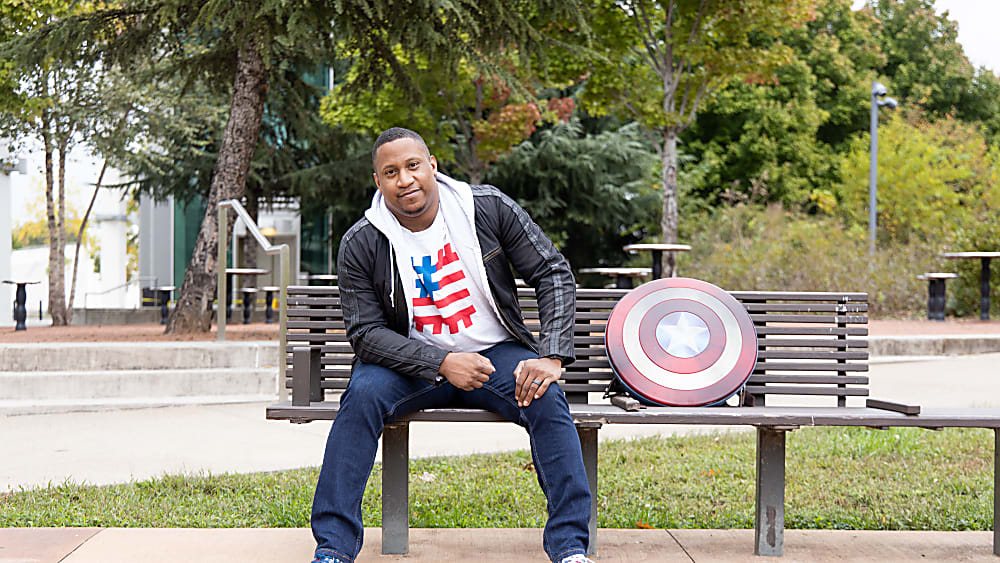

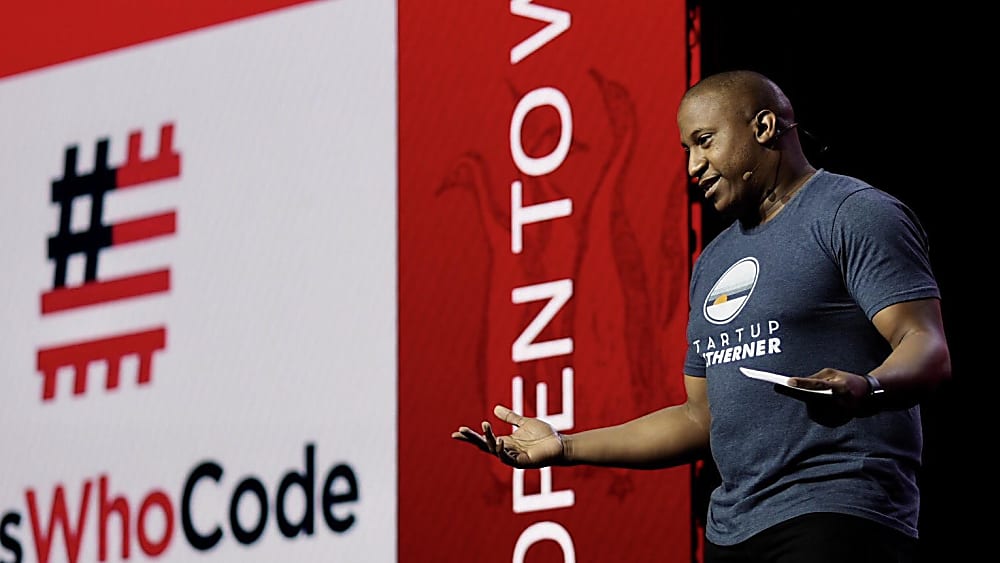
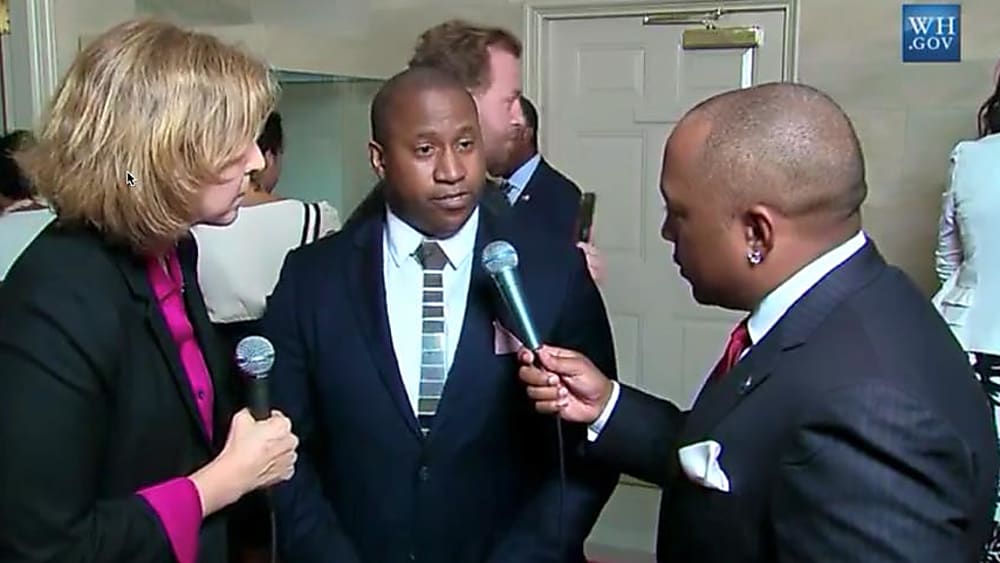

Image Credits
Two are from the White House, three are with a photo shoot from Github
Popular
-

Hidden Gems: Local Businesses & Creatives You Should Know
-

ATL’s Most Inspiring Stories
-

Portraits of Atlanta
-

What’s a moment that really shaped how you see the world?
-

What’s a belief or project you’re committed to, no matter how long it takes?
-

What part of you has served its purpose and must now be released?