




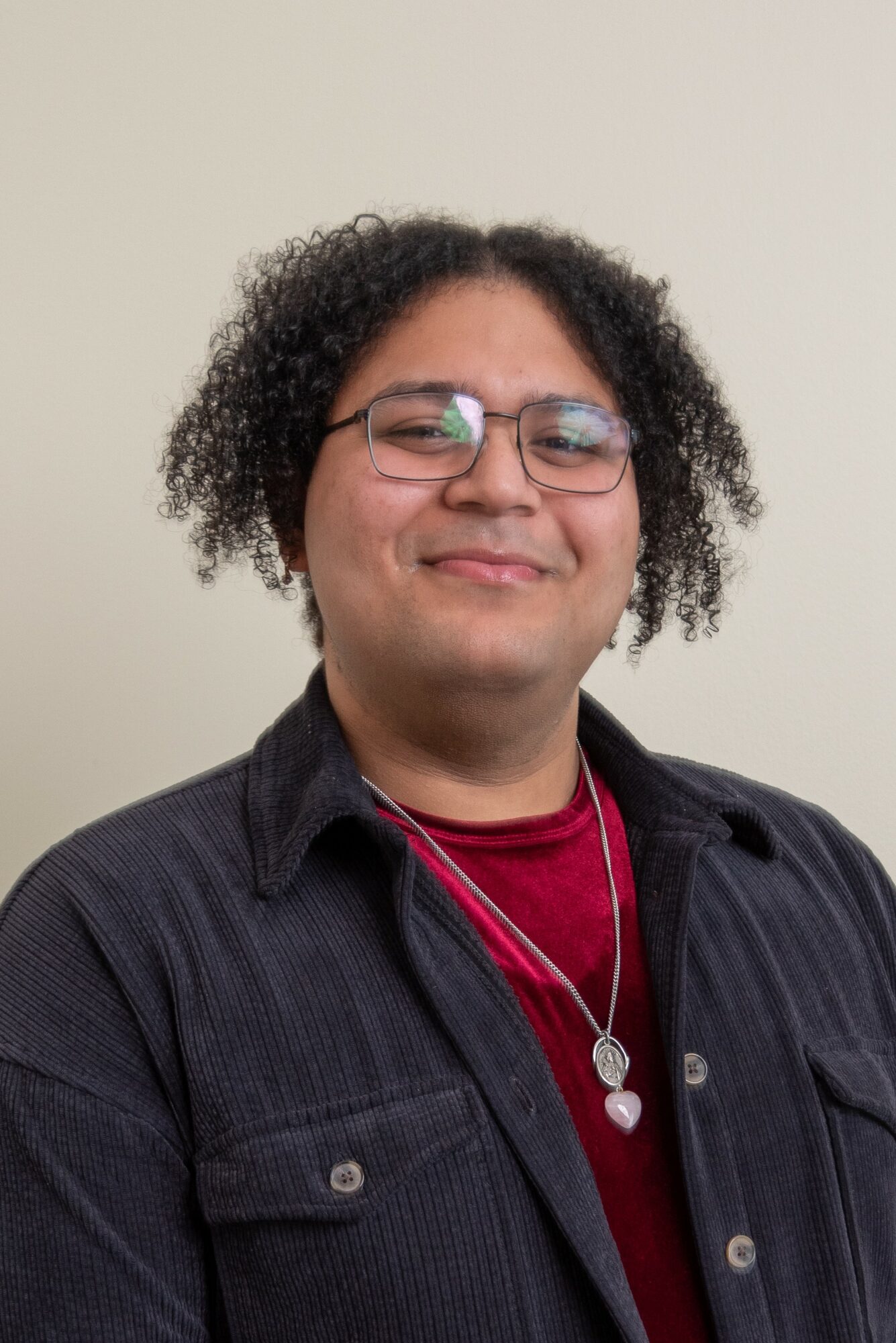
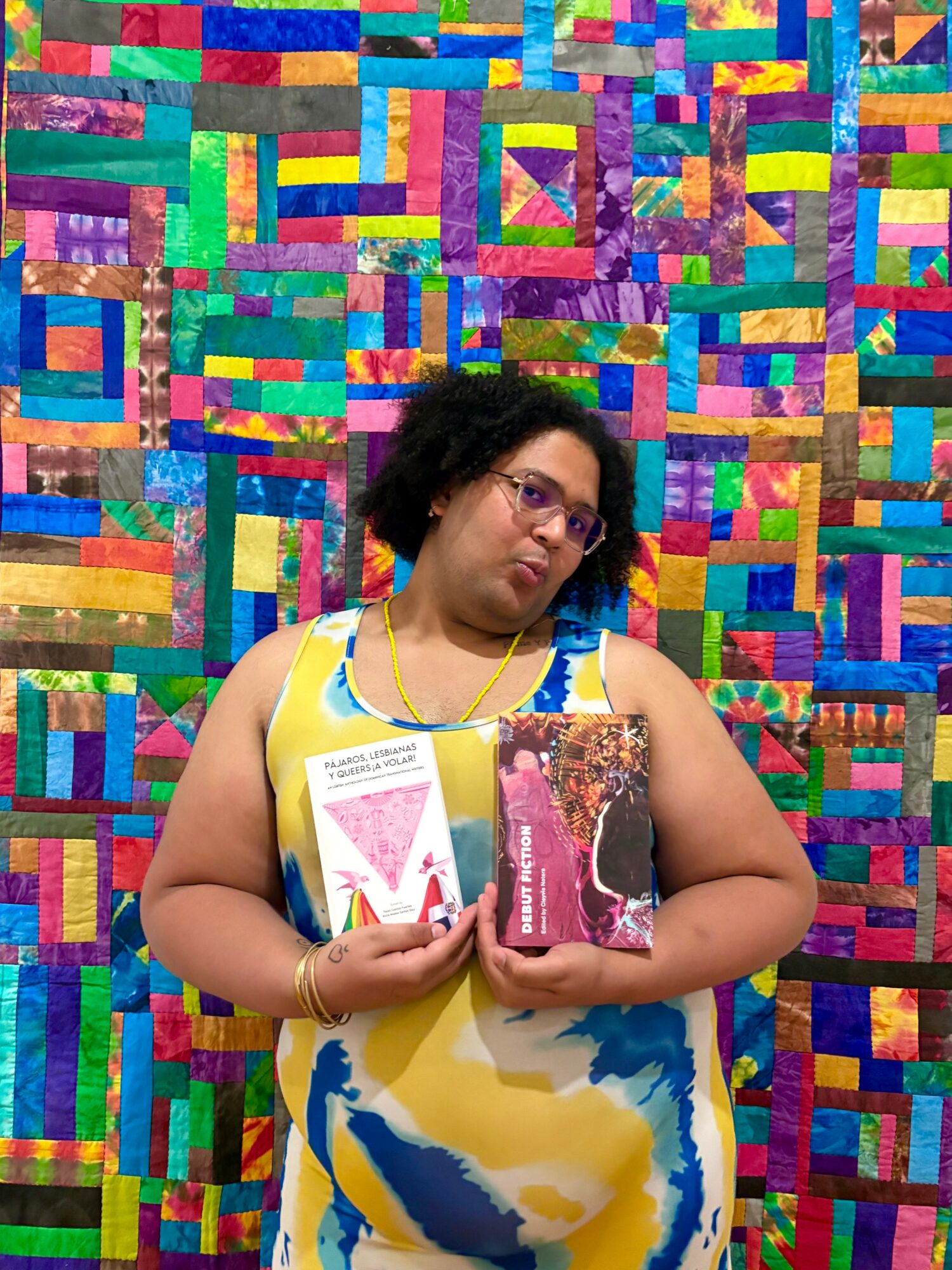
Today we’d like to introduce you to Leo D. Martinez.
Hi Leo D., so excited to have you with us today. What can you tell us about your story?
I am a first-generation Black Dominican American and trans writer based in Atlanta, GA, from Harlem, NYC.
I still remember the first story I ever wrote. I was in the 8th grade, and during morning announcements, Ms. F.S. advertised that she was starting the Authors’ Club. By that time, I had become obsessed with fiction to the point where I’d carry a book with me to read in my mom’s taxicab, my aunts’ apartments, the subway, clothing stores, the bank, etc. It was my shield from New York City’s overstimulation and an escape to a new world. At school, I found community with a group of classmates who loved YA series and came together to gossip about the characters and plot.
On the Author Club’s first day, we sat in the library as Ms. F.S. handed us a sheet of paper and instructed us to draft a story. I paused for a moment because it never occurred to me that I could write a story. The pen between my fingers felt heavy until an idea rose like a sprout and, smiling, I began to write. Adrenaline surged through me as I spun this tale: a woman in a nursing home remembers an old boyfriend with jet-black hair who drove a motorcycle. After a while, Ms. F.S. instructed us to put down our pens, and I jotted down, “To be continued…”
For fourteen years, I have continued to devote myself to storytelling. When I sit down to write, I strive to evoke the experiences of that day: an empowering rapture that allows me to invent stories only I can tell, ones that break down the barriers of time, space, and reality.
Would you say it’s been a smooth road, and if not what are some of the biggest challenges you’ve faced along the way?
Unfortunately, knowing your calling does not guarantee success. I suffered from intense insecurities and battled with my inner critic during my early years. My inner critic, jealous of other people’s success, told me my stories were not enough and needed to be better; however, teachers and professors insisted that I must keep writing. Ultimately, I struggled to appreciate my voice when I couldn’t be my authentic self; like a flower bursting to bloom, it was painful to embrace myself.
I embarked on my healing journey to unlearn my transphobia, anti-blackness, fatphobia, and the capitalistic pressure to be the best. With compassion from my chosen family, encouragement from mentors, and sessions with my therapists, I began to see that writing gives me the freedom to embrace myself. I practice trusting myself as I did in that small library to conjure stories with wild concepts that will hopefully resonate with my readers.
Can you tell our readers more about what you do and what you think sets you apart from others?
Through my art, I elevate the sacredness of being trans. So much of modern history has labeled us as unnatural that we had to argue that we are humans. While highlighting our humanity is life-saving, I am unveiling the profane to reveal our sacred nature. In honor of our trans elders and ancestors, my writing is committed to our paradise. By centering queer Afro-diasporic people, I affirm our capacity to decolonize ourselves, love even when it’s too vulnerable, and fight back. Our sacred spirit has endured; our love always grows back.
My stories slip between realism and speculative fiction with a voice that blends the straightforward and the lyrical. Myths and folklore from Africa, the Caribbean, and the African Diaspora at large sustained this passion as they taught me archetypal motifs that have resonated for centuries and even helped my ancestors to survive and thrive under hardship. I center queer and trans Afro-diasporic characters with intense internal conflicts who face fantastical challenges to understand that they have the power to change. Fiction is my preferred medium to spread the hope to love ourselves completely and courageously.
If you had to, what characteristic of yours would you give the most credit to?
My philosophy is that I must use my power to empower others to value their voices and articulate their agency to the world. Looking back, I would not be the writer without my teachers who took my writing seriously and empowered me to express myself. In middle and high school, they always made time in their busy schedules to read my first drafts and encourage my ideas; my 10th-grade English teacher cried after I shared a deeply personal story about my traumas. They were my first editors, mentors, and champions; their influence altered my future.
In college, I met amazing professors who were working writers themselves. They modeled what it looked like to teach with passion while nurturing their own practices. Nelly Rosario, for example, guided me through my senior thesis, a short story collection exploring queerness, myth, and healing. She taught me how thin the veil between the personal and fictional is, how readers may conflate the two, and how I could use that tension to expand emotional truth. Her guidance sharpened my craft and helped me to own my voice. She provided the example of the teacher I hoped to be: one who listens deeply and encourages students to imagine beyond what they believe possible.
Since graduating, I have worked at two youth-serving nonprofits through fundraising and grant coordination. My favorite part of these roles was talking with the youth, hearing their stories of resilience and hope. After leaving the first non-profit, I continued volunteering for two years as a college coach to four first-generation freshmen. I helped them navigate their collegiate systems, manage the setbacks, and affirmed that they should be bold with their dreams.
It confirmed that I love engaging with students. I checked in with them monthly and always shared the lessons of my experiences to instill that uncertainty and insecurity are a part of embracing yourself. I remember helping one of my students with a fellowship application; although she was not selected, I continuously reminded her that her talents would be valued and her authenticity would take her far; by the end of the school year, she was selected for a prestigious summer internship. By encouraging them to trust their choices and not give up after setbacks, I had empowered my students to see themselves in high places.
I desire my legacy to speak on my positive obsession to create more magic that, like soft water, will dissolve pretenses and reveal our true selves. Though I cannot foretell my story’s unfolding, I am certain of one important truth: I am standing on the shoulders of those who came before me and wrote their own dreams. Their books have transformed me into a woman with an authentic voice. Now, I am preparing a space where the following generation can achieve even more.
Contact Info:
- Instagram: https://www.instagram.com/leyesoy
- LinkedIn: https://www.linkedin.com/in/leo-d-martinez/
- Other: https://linktr.ee/leo_martinez
Popular
-

What are you being called to do now, that you may have been afraid of before?
-

What are the biggest lies your industry tells itself?
-
Was there ever a time you almost gave up?
-

Is the public version of you the real you?
-

If you could say one kind thing to your younger self, what would it be?
-

Local Highlighter Series