


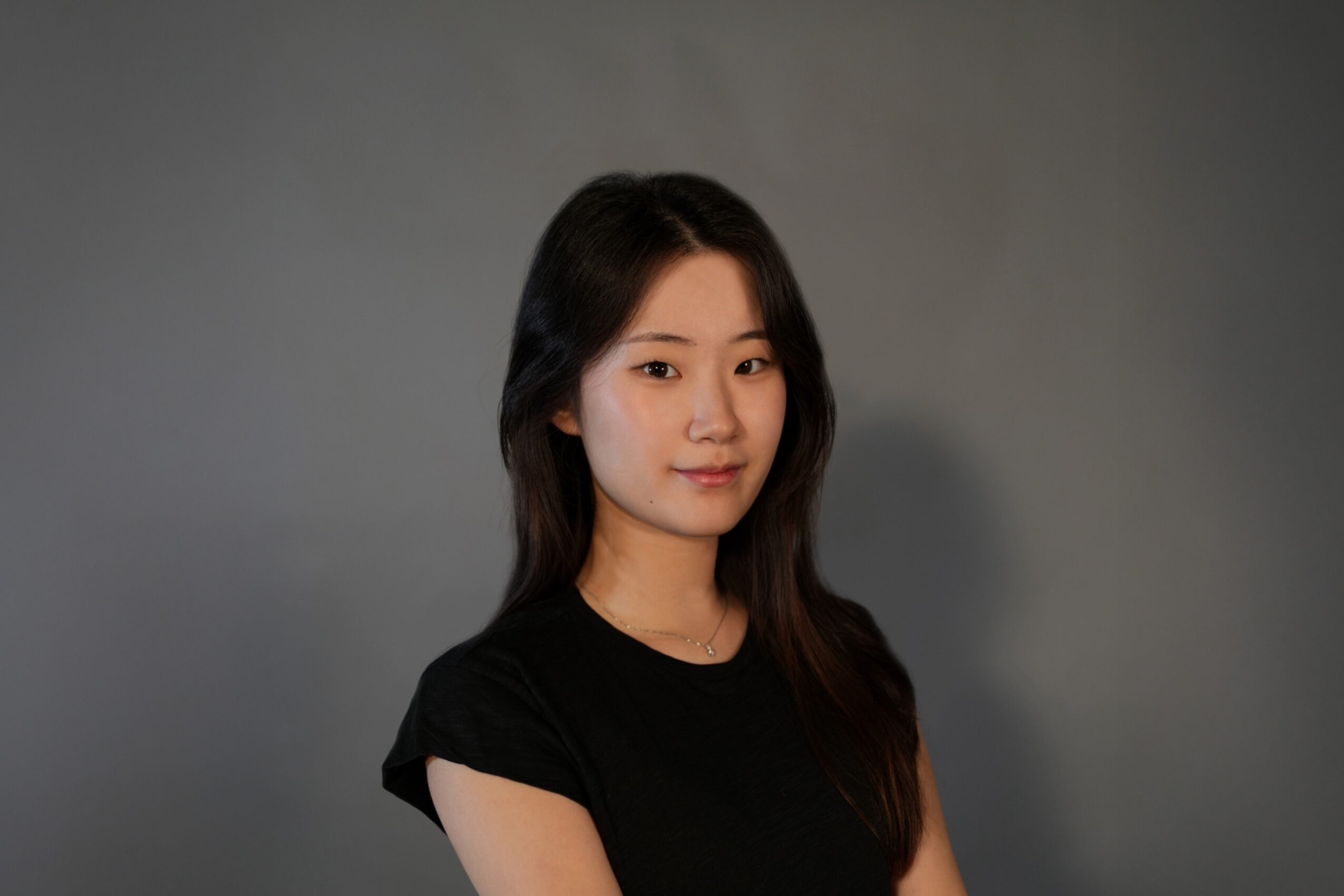
Today we’d like to introduce you to MJ Park.
Hi MJ, thanks for joining us today. We’d love for you to start by introducing yourself.
I started my career with a strong interest in designing work that’s both visually strong and operationally meaningful. Early on, I explored branding and identity projects, which helped me build a solid foundation in visual systems, storytelling, and consistency across touchpoints.
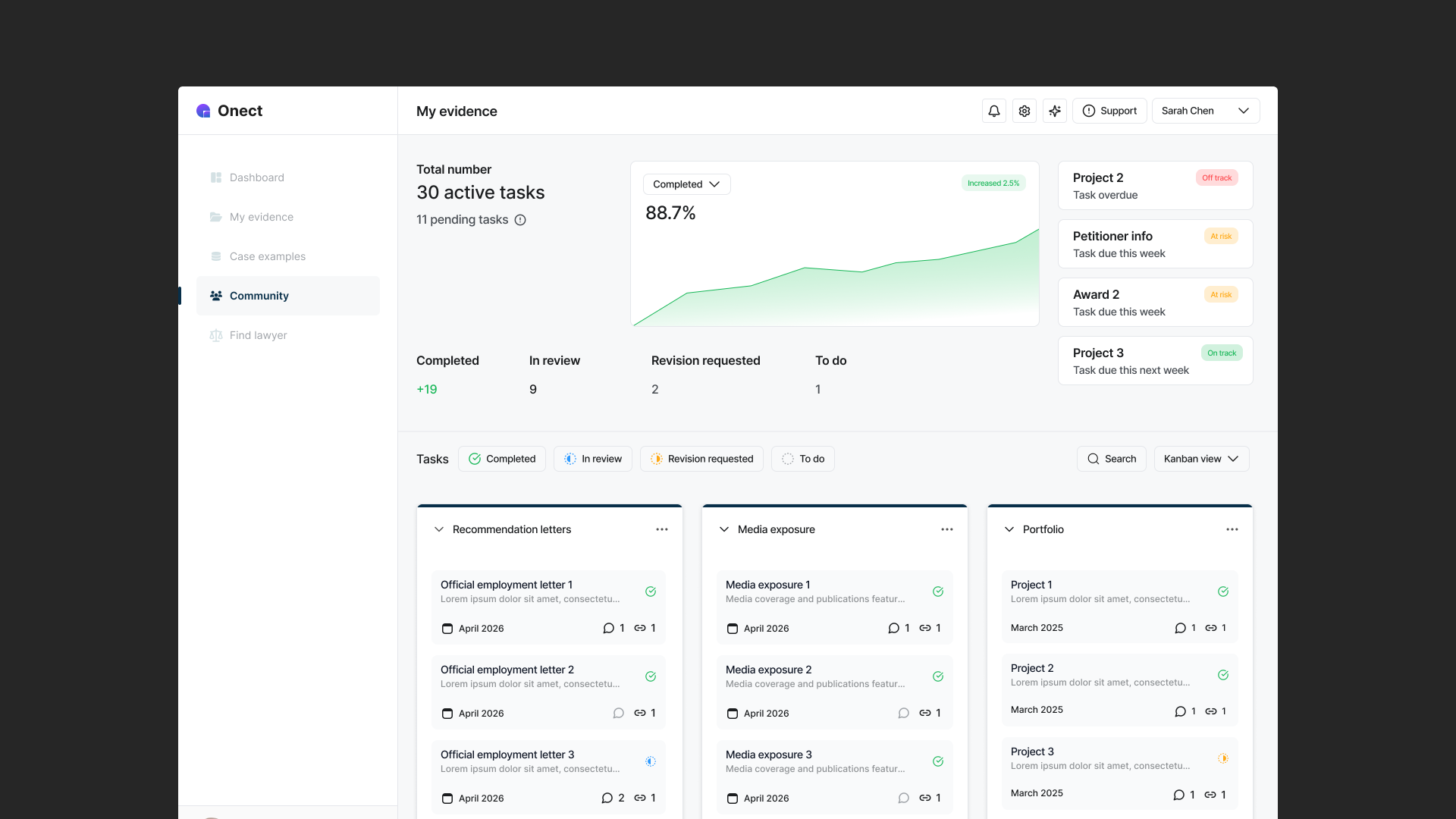
More recently, I worked as a product designer at PJ Creative Group, where I led end-to-end design for an internal platform used by both customers and internal teams. I designed and developed a management tool that addressed a complex workflow problem, significantly reducing time spent on onboarding and project management by over 35%. The platform scaled to 500+ customers, achieved a 95% success rate, and drove a 30% return rate, which really showed me the impact thoughtful product design can have at scale.
In that role, I built a comprehensive design system, mapped user flows for both customer-facing and internal dashboards, and conducted multiple rounds of user testing to validate ideas and continuously improve the product. That experience strengthened my ability to balance strategy, usability, and execution while working closely with stakeholders and developers.
Alongside product work, I’ve continued to take on branding projects, such as Press Here, where I helped modernize the logo and built a cohesive brand system across guidelines, an intro video, a landing page, and both print and digital ads. Working across both product and brand has shaped how I approach design holistically—thinking not just about how things look, but how they function, scale, and communicate value.
Overall, my path has led me to where I am today: a designer who enjoys solving complex problems, building systems, and creating experiences that are clear, effective, and impactful.
Can you talk to us a bit about the challenges and lessons you’ve learned along the way. Looking back would you say it’s been easy or smooth in retrospect?
It hasn’t always been completely smooth, but the challenges have been valuable learning experiences. One of the main areas I’ve grown in is cross-functional collaboration. I really enjoy working with people from different departments, but I’ve learned that the same situation can be viewed very differently depending on someone’s role, priorities, or work style.
At times, that can create friction—especially when timelines, constraints, or expectations don’t fully align. What I’ve learned is how important it is to take a step back, understand where others are coming from, and respect their expertise and process. Rather than pushing for a single solution, I try to create space for open communication and shared understanding.
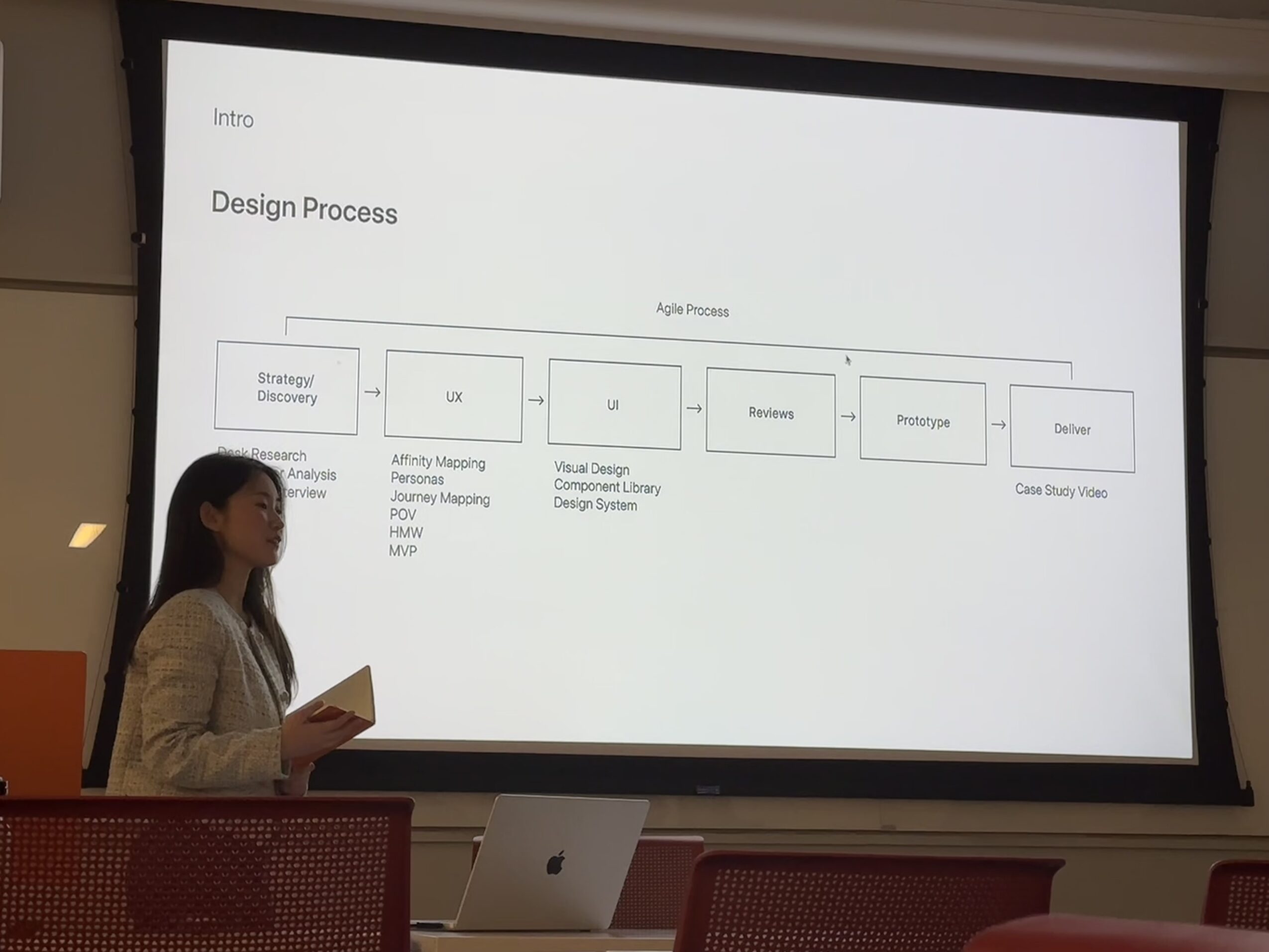
I focus on smoothing the process by clarifying goals early, visualizing ideas through flows or prototypes, and adapting how I communicate based on who I’m working with. Over time, this approach has helped reduce friction, build trust, and move projects forward more efficiently. Those experiences have made me a stronger collaborator and a more thoughtful designer.
Alright, so let’s switch gears a bit and talk business. What should we know about your work?
I’m a product designer who specializes in building clear, scalable systems that solve real operational and user problems. My work sits at the intersection of product strategy, UX, and visual design—I enjoy taking complex workflows and turning them into intuitive, efficient experiences.
I’m especially known for end-to-end ownership. At PJ Creative Group, I led the design of an internal management tool used by both customers and internal teams. I designed everything from user flows and dashboards to a comprehensive design system, and the result reduced onboarding and project management time by over 35%, scaled to 500+ users, and drove strong retention. I take pride in designing with a high level of execution and care, while always keeping business and user outcomes in mind.
Alongside product work, I also have a strong background in branding and visual design. I’ve worked on projects like Press Here, where I modernized the visual identity and built cohesive brand guidelines across digital and print touchpoints. This background helps me create products that not only work well, but also communicate clearly and feel consistent and polished.
What I’m most proud of is my ability to collaborate across disciplines and smooth complex processes. I enjoy working with engineers, product managers, and stakeholders, and I’m intentional about adapting my communication style to reduce friction and align teams. What sets me apart is that I combine strategic thinking, strong visual execution, and empathy for both users and teammates—allowing me to design solutions that are practical, scalable, and impactful.
Where do you see things going in the next 5-10 years?
I see AI as one of the biggest shifts shaping the design and product industry over the next 5–10 years, not in terms of replacing designers, but in changing how we create.
AI isn’t about pixel-perfect control—it’s about guiding the creative process, having a clear concept, and maintaining authorship over the outcome. As execution becomes faster and more automated, the designer’s role will increasingly focus on problem framing, decision-making, and setting strong creative direction.
I also think authentic storytelling through technology will matter more than pure aesthetics. With so many tools available, what gives design lasting value is the narrative behind it—the intent, the thought process, and how well it connects to real human needs.
The most impactful creatives, in my view, will be those who blend experimentation with empathy. Using tools like AI to explore ideas, test assumptions, and expand possibilities—while still grounding their work in clarity, ethics, and user understanding. Designers who can balance innovation with responsibility and human-centered thinking will be the ones shaping the future of the industry.
Contact Info: