






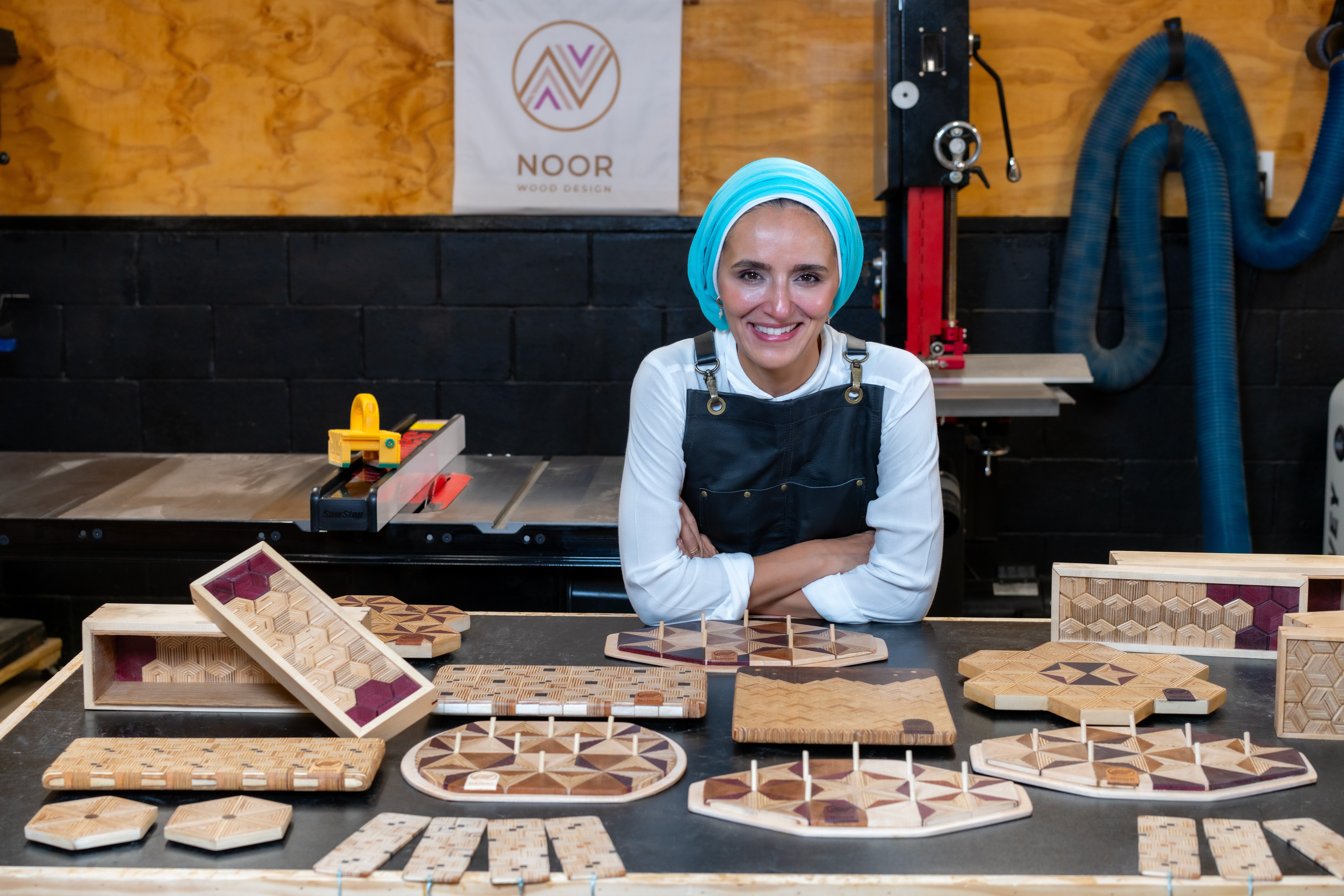
Today we’d like to introduce you to Noor Abbady.
Hi Noor, we’d love for you to start by introducing yourself.
I grew up in Jordan, and from a young age I was drawn to geometry and to anything that involved working with my hands. I experimented with paint, textiles, and drawing, but never wood, as it wasn’t accessible to me then. What I did know early on was that patterns and making things felt intuitive. After moving to the U.S., I carried a longing to stay connected to my roots, and over time I found myself increasingly drawn to trees and wood as reminders of land and place.
In 2017, I needed a dining table and decided to build one instead of buying it. That project changed something for me. I realized how deeply satisfying it was to design, problem-solve, and build something with my hands. When COVID hit, that pull became stronger, and I spent long hours in the basement experimenting and learning through trial and error. Geometry became a way of thinking, and I started seeing patterns everywhere.
In a different way, patterns also shaped my academic life. I’m a linguist by training, and I spent years studying and analyzing patterns in language in a field called “corpus linguistics”, where we look closely at repetition, structure, and variation and how they shape meaning. In hindsight, that way of thinking never really left me. I just moved from language to material.
Being surrounded by artists and designers through my work at SCAD gave me the confidence to take the work more seriously. I was constantly inspired by conversations and projects around me, and that environment pushed me to refine what I was doing. Noor Wood Design emerged naturally from that space, guided by the ideas of beauty, precision, and purpose.
Can you talk to us a bit about the challenges and lessons you’ve learned along the way. Looking back would you say it’s been easy or smooth in retrospect?
It hasn’t been a smooth road, and I don’t think it ever is when you’re building something intentionally. Woodworking has a steep learning curve, and much of what I’ve learned came through trial, error, and making peace with the process. I didn’t grow up with woodworkers in my family, nor did I have access to shop classes at school. Woodworking is also an expensive pursuit, so building a shop and acquiring the necessary tools took time.
There were also moments of navigating a field that is largely male-dominated. Being a woman in that space meant learning to move past assumptions and working intentionally to maintain my confidence. That said, I’ve been met with a great deal of generosity and support from the woodworking community,It’s not something I dwell on, but it has shaped how I move through the work.
Now balancing all this alongside career and family has been another challenge. I’ve had to learn how to let the work grow steadily while staying focused on the craft itself, rather than on visibility or growing a social media following.
Appreciate you sharing that. What else should we know about what you do?
I build functional wood pieces using baltic birch plywood and exotic hardwoods, and I spend a lot of time thinking about geometry: how small changes in angle, arrangement, or color can completely change a pattern. I’m interested in making objects that are meant to be used, but that also invite you to slow down and really look.
What I specialize in—and what I’m often known for—is patterned plywood. Sometimes I use it as the primary material; other times, as a decorative layer. I just find patterns mesmerizing, and I spend countless hours in the shop exploring variations and building with them.
I think what sets my work apart is that I’m not interested in trends or mass production. I make everything myself in small batches, and I care about creating pieces that feel distinctive, they invite a discerning eye to look and look again, and wonder how in the world was that pattern built!
Sharing this work with others has been one of the most rewarding parts of the journey. Last year, I was invited to give a workshop for members of the Woodworkers Guild of Georgia, a group that includes some of the finest woodworkers in the state. The encouragement and support I received there were deeply meaningful and led to an invitation to join the board. A year later, I was voted Vice President of the Guild. It’s a recognition I value greatly.
We all have a different way of looking at and defining success. How do you define success?
I’ve learned that if the work doesn’t bring both meaning and joy, no matter what else it brings, it doesn’t feel like success. So I would say success is finding joy and meaning in the work and being able to sustain both over time
Contact Info:
- Website: https://www.noorwooddesign.com
- Instagram: https://www.instagram.com/noor.wood.design/

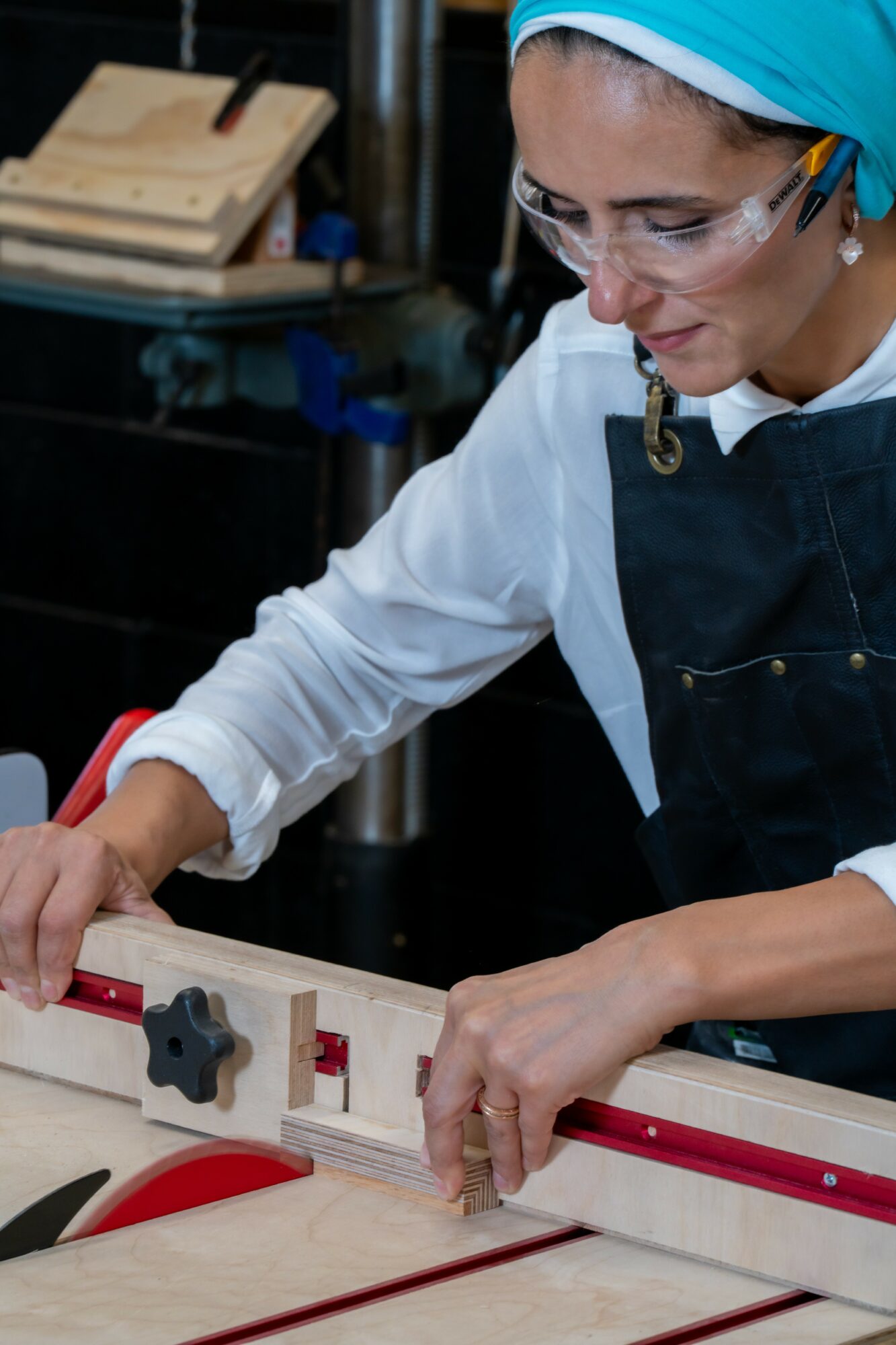
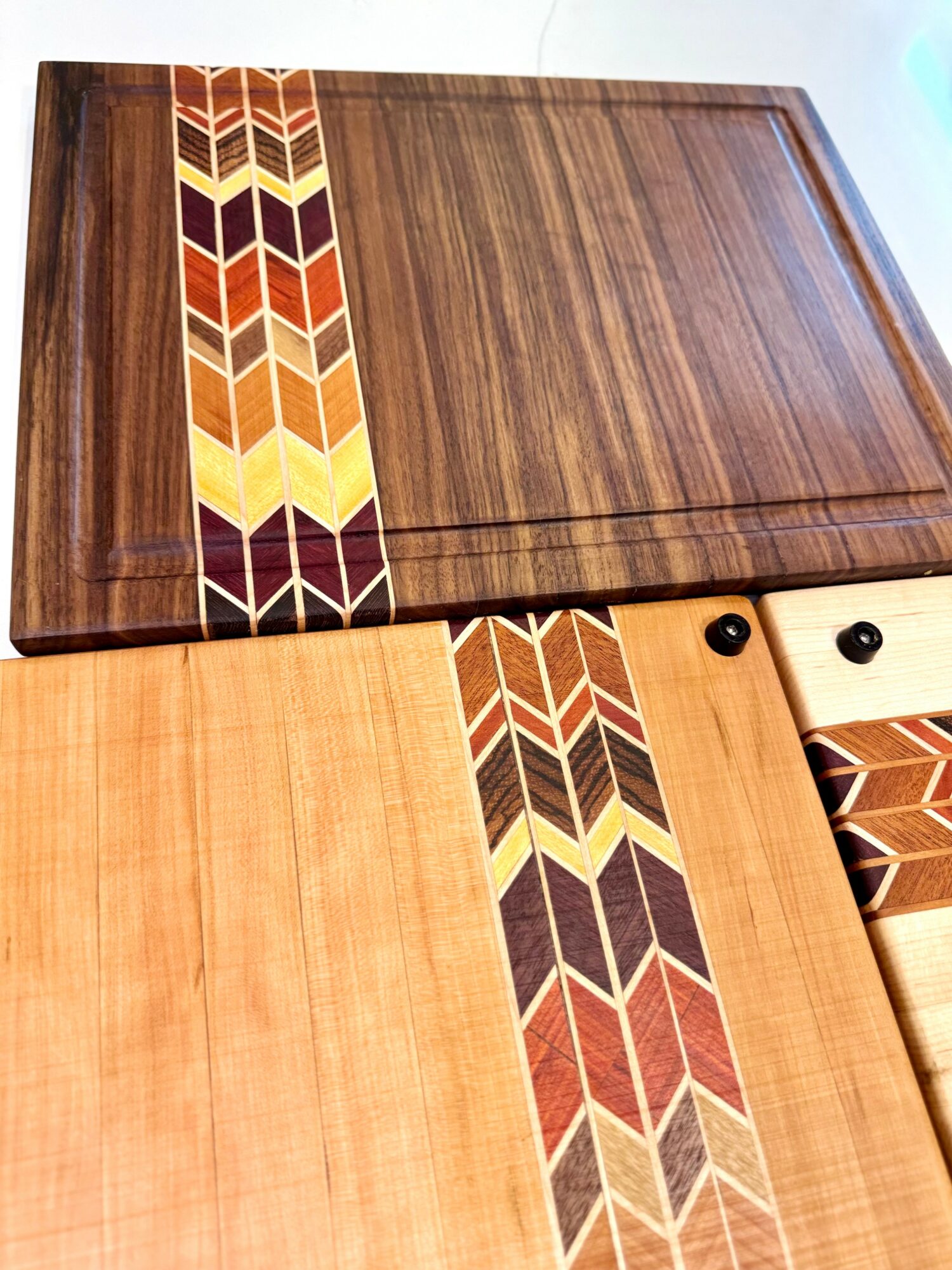
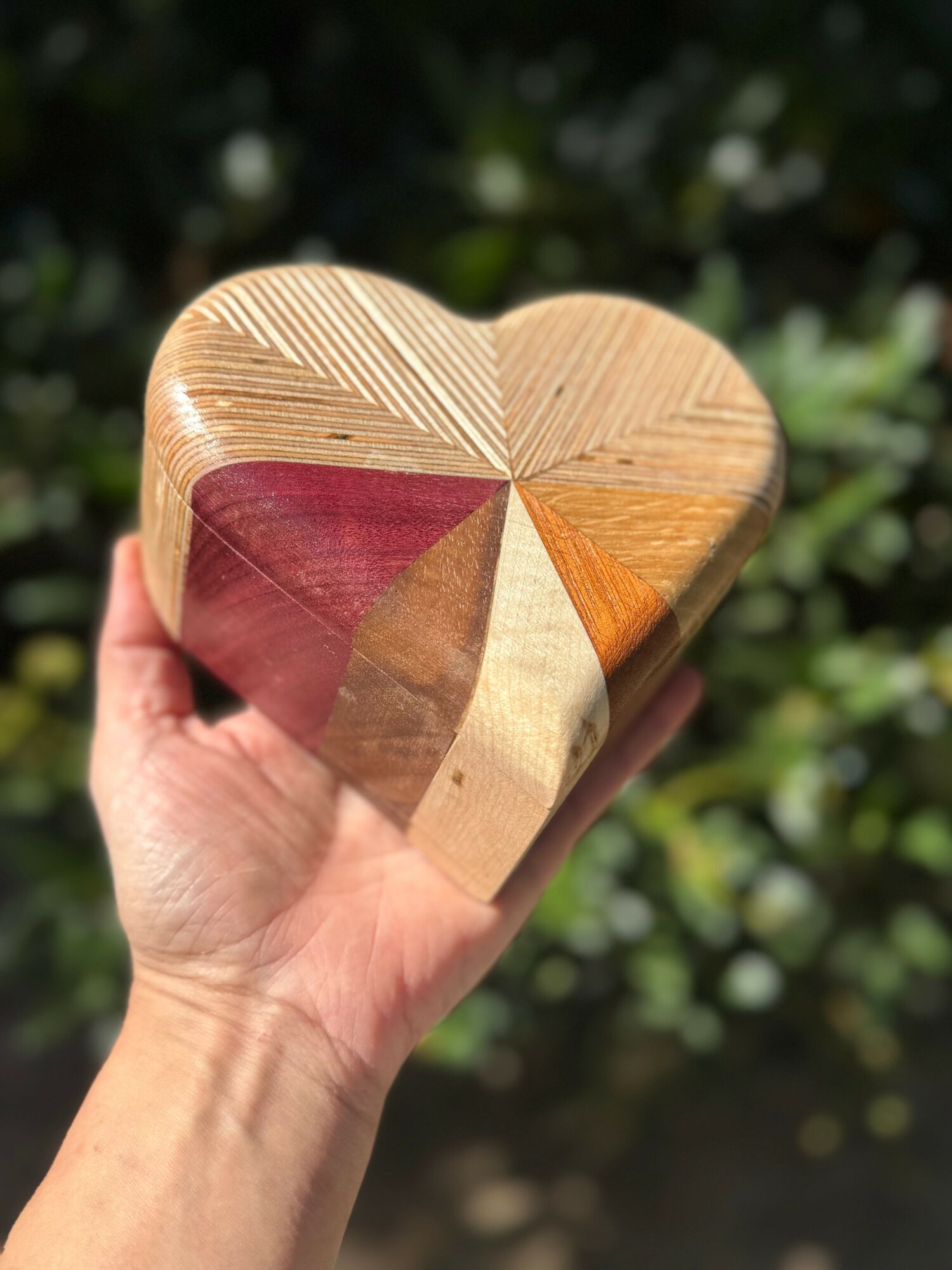
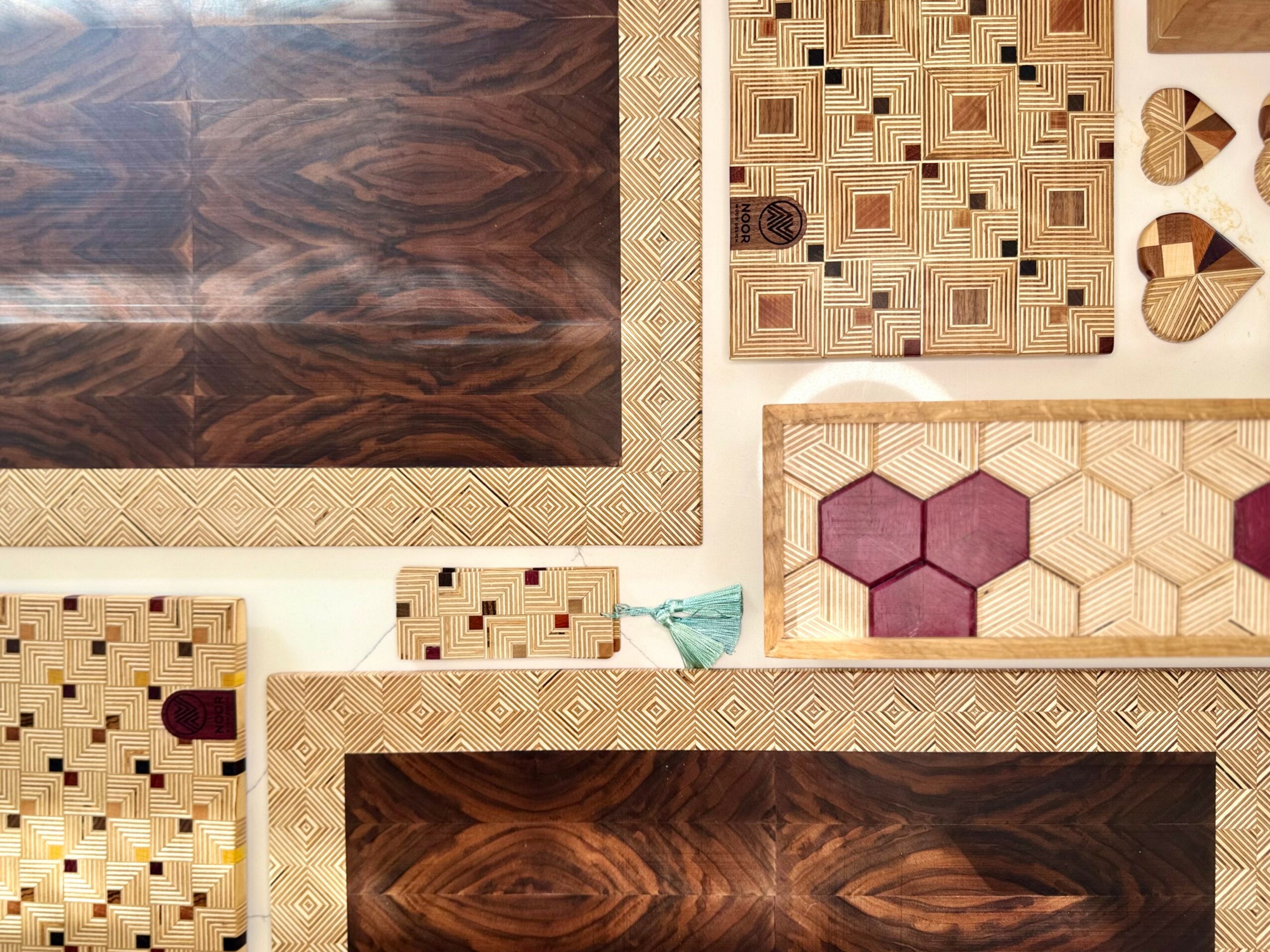
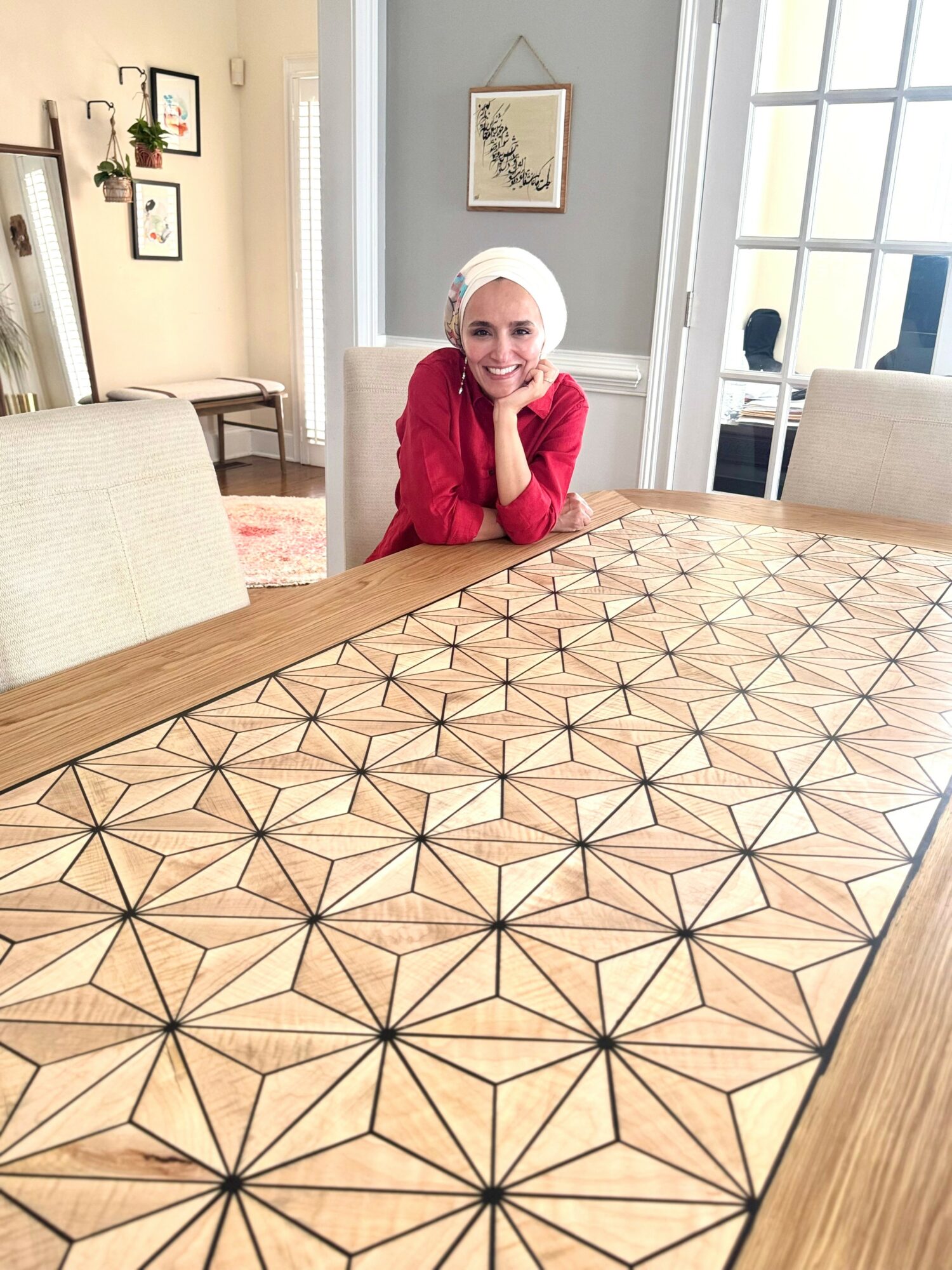
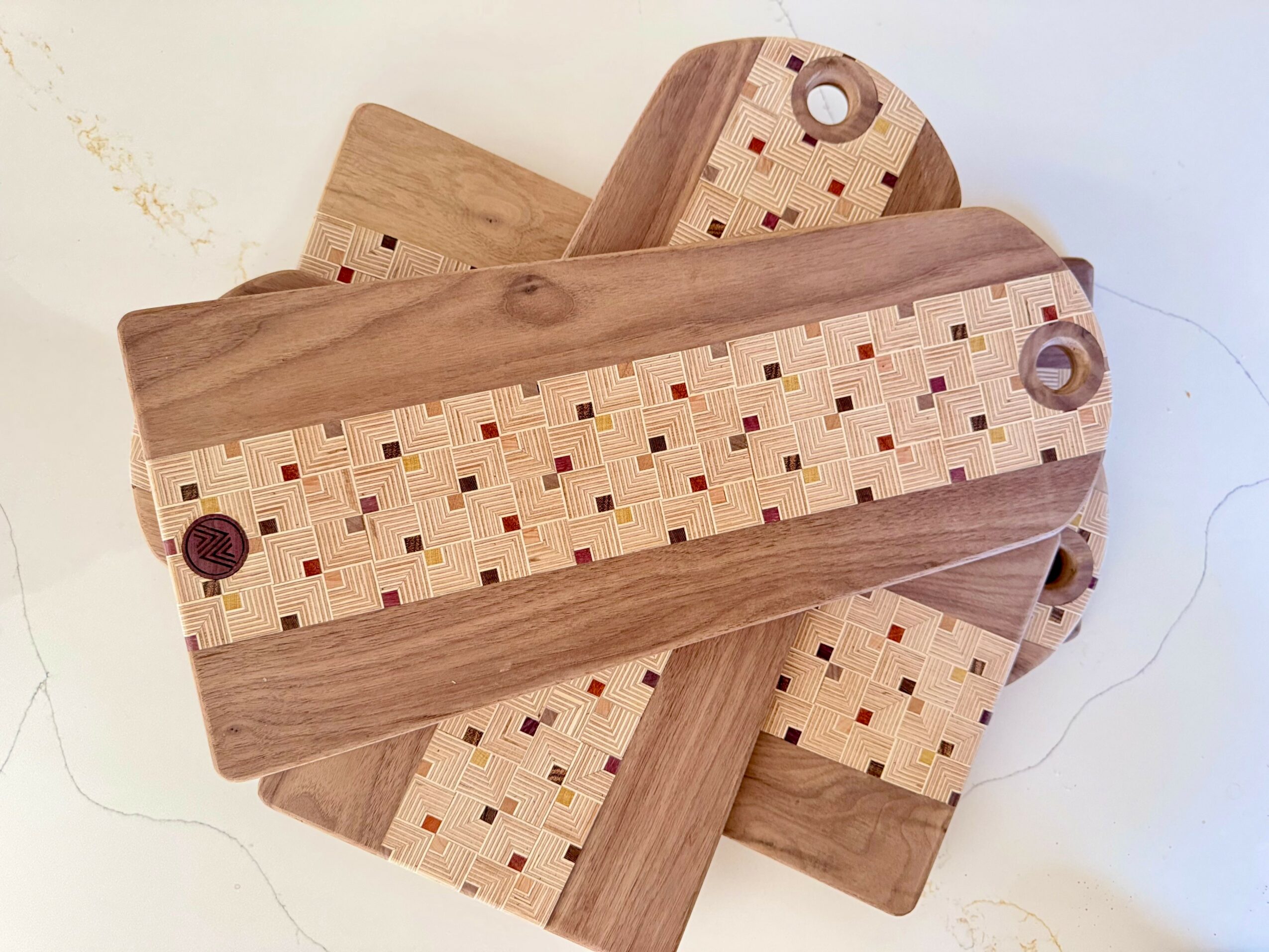
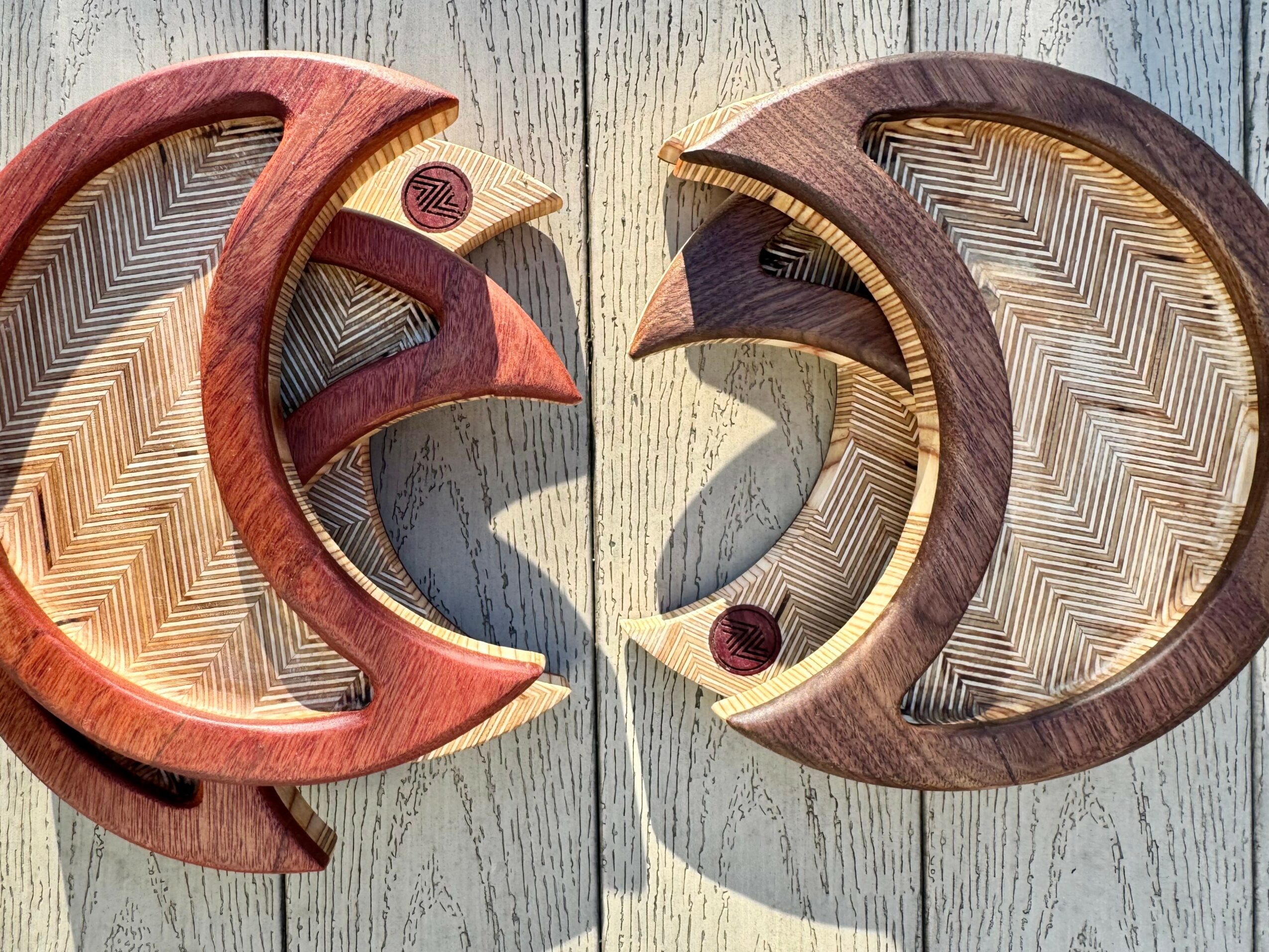
Image Credits
Photos with me in them are taken by Iman Al-Amoudi (the photographer who referred you to me!)