





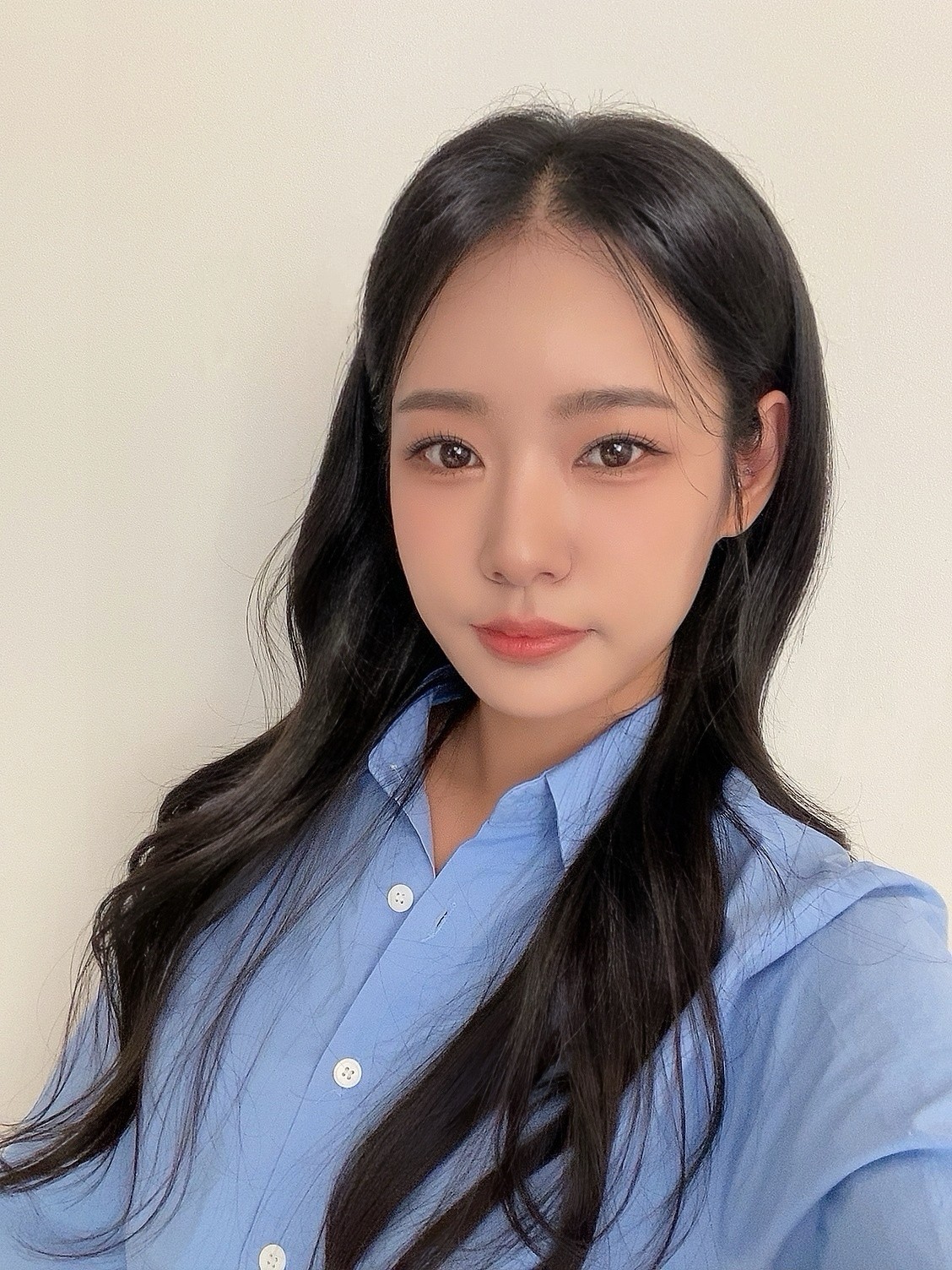
Today we’d like to introduce you to Olivia Park.
Olivia, we appreciate you taking the time to share your story with us today. Where does your story begin?
I am currently working in Korea as a VFX Project Manager, supporting large-scale visual effects productions from planning through delivery. My journey to this role has been shaped by a global upbringing and a long-standing interest in visual storytelling.
I spent much of my childhood moving between countries such as New Zealand, China, and the United States. Growing up across different cultures taught me to observe people, emotions, and environments closely. From an early age, drawing became a way for me to make sense of what I was seeing and feeling. What began as a simple habit gradually became a personal language—one that allowed me to process experiences and express emotion visually.
I was especially drawn to moments when feelings could be translated into images, and over time, that curiosity expanded into a broader fascination with how stories and emotions are communicated through visual media. A pivotal moment came when I watched Toy Story for the first time. It was my first realization that technology, artistry, and collaboration could come together to create something emotionally powerful. The idea that imagination and narrative could be built frame by frame left a lasting impression on me.
That experience naturally led me toward animation and visual effects. As I pursued this path, I gained experience across both creative and production roles, which eventually guided me into project management within the VFX industry. Today, I work at the intersection of creativity and structure—coordinating teams, navigating complex pipelines, and helping creative visions move smoothly from concept to screen.
Currently, I am involved in a Netflix project scheduled for release in the first half of 2026. In addition, one of the projects I previously worked on is now airing as a television drama in Korea. Seeing these stories reach audiences has been especially meaningful, reminding me why I was drawn to this field in the first place.
Alright, so let’s dig a little deeper into the story – has it been an easy path overall and if not, what were the challenges you’ve had to overcome?
It has not been a completely smooth road. There were several moments of uncertainty and redirection along the way.
The year I graduated with a focus in VFX coincided with a major turning point in the industry. In the United States, the writers’ strike began as an effort to address the unregulated use of AI in creative fields, and its impact quickly spread across the global entertainment and VFX industries. Production slowed significantly, and opportunities for emerging talent became increasingly limited. Entering the VFX industry at that time was far more challenging than I had anticipated.
While it was difficult to establish myself in VFX immediately, I came to embrace the idea that “rejection is redirection.” During that period, I had the opportunity to gain experience in other industries. With a strong interest in a wide range of content formats, I joined Naver, a major tech company in Korea, where I worked as a global short-form content marketer for mobile applications. That role allowed me to develop a deeper understanding of audience behavior, platform-driven storytelling, and content strategy at scale.
Despite gaining valuable experience outside of VFX, my commitment to the field never faded. The time spent exploring adjacent industries ultimately strengthened my perspective and skill set. I eventually returned to VFX, this time as a Project Manager, where I could combine creative understanding with production and coordination expertise. Looking back, those detours were not setbacks but essential steps that shaped how I approach my work today.
Alright, so let’s switch gears a bit and talk business. What should we know about your work?
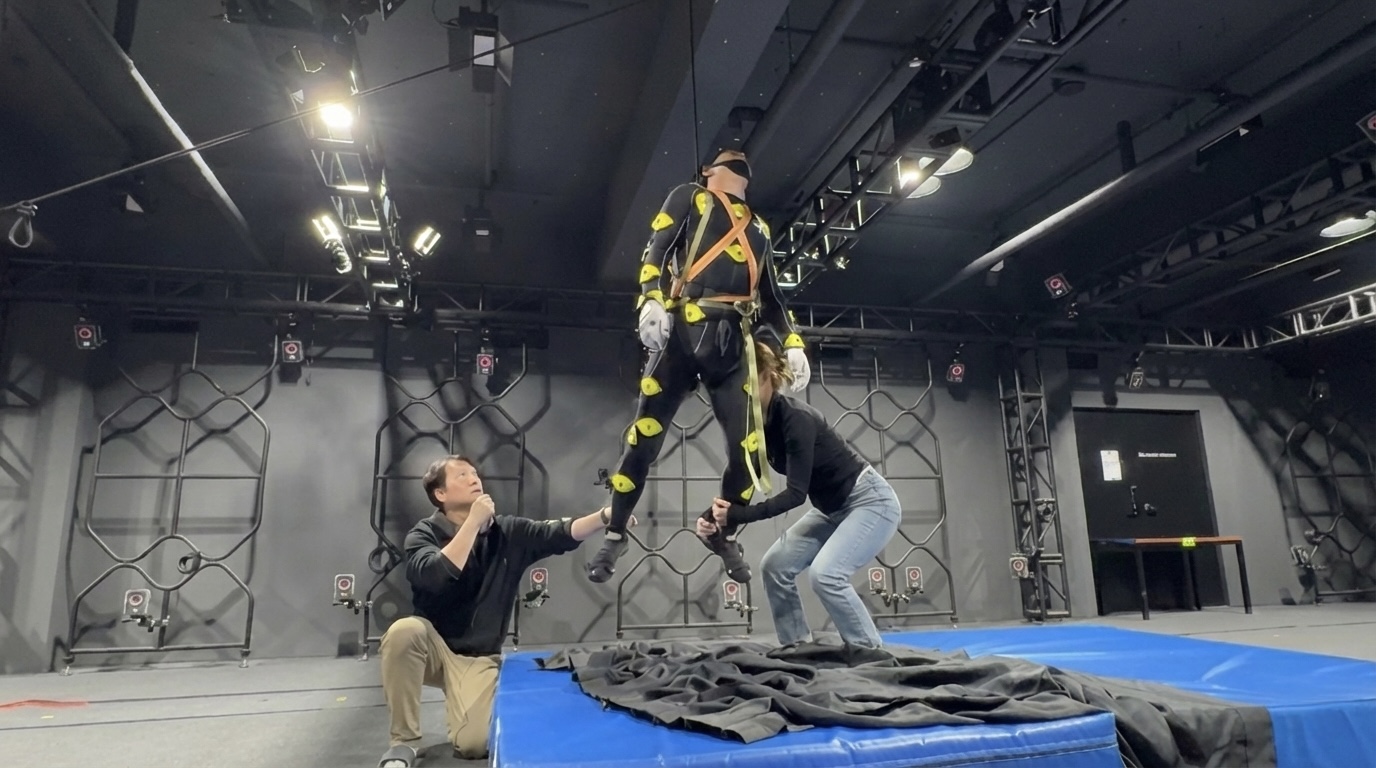
As a VFX Project Manager, I work closely with creative teams, production, and stakeholders to keep the visual effects process moving smoothly. While I manage schedules and pipelines, my role is really about helping teams collaborate effectively and creating the right environment for great work to happen.
I am most proud of projects that faced real challenges behind the scenes but still made it to audiences. Watching work shaped through tough decisions and close teamwork come together on screen and knowing people are connecting with it is incredibly rewarding. In those moments, it feels less like managing a project and more like helping a story reach its final form.
What sets me apart is my ability to balance people and process. Growing up in multiple countries and working across VFX, tech, and marketing has given me a broad, adaptable perspective. I approach challenges by listening to different viewpoints, building trust through clear communication, and making thoughtful, structured decisions an approach that helps me navigate complex production environments with consistency and clarity.
What sort of changes are you expecting over the next 5-10 years?
Over the next five to ten years, the VFX industry is likely to change in ways that go far beyond new tools or technical upgrades. We are already seeing shifts in how projects are made, including short films created almost entirely with AI, without relying on traditional VFX pipelines. These examples make it clear that the production landscape is evolving quickly, and that change is only accelerating.
As this happens, the role of the VFX Project Manager becomes even more important. When technology moves fast, someone needs to help teams understand how to use it in practical, realistic ways. It is not just about adopting the latest tools, but about figuring out where they actually make sense and how they can support both creative goals and production needs.
Alongside my work as a VFX Project Manager, I also spend time researching and testing AI tools that could be useful in VFX production. I look at how these tools can support artists, streamline workflows, and reduce production time without sacrificing quality. Being involved at this level helps me bridge the gap between emerging technology and day-to-day production realities.
Looking ahead, I think project managers will need broader perspectives and stronger judgment than ever before. The VFX PM role is gradually shifting from pure coordination to something more strategic helping shape workflows, guide creative direction, and support more sustainable ways of making work in an increasingly complex industry.
Contact Info:
- LinkedIn: https://www.linkedin.com/in/oliviap97
- IMDb: https://m.imdb.com/title/tt39137681/ (kdrama)
- Other: https://biz.chosun.com/en/en-entertainment/2025/03/06/YJD7IDTWWZHG3IQI2KEOH3UVFY/ (article of ‘Girigo’, a project I’m participating in as a VFX Project Manager / will release in summer 2026.)
Popular
-

Opening Up to Move Forward: Diane Martinez on Vulnerability, Small Steps, and Getting Unstuck
-

Hidden Gems: Local Businesses & Creatives You Should Know
-

ATL’s Most Inspiring Stories
-

Portraits of Atlanta
-

Storytelling, Wellness, and Community: Dayana Preval on Finding Alignment Through Creative Expression
-

Rewriting the Rules of Publishing: How Jalisa Rose Ray Is Building an Author‑First Legacy with JRose Publishing