




Today we’d like to introduce you to Scott Stewart.
Hi Scott, can you start by introducing yourself? We’d love to learn more about how you got to where you are today?
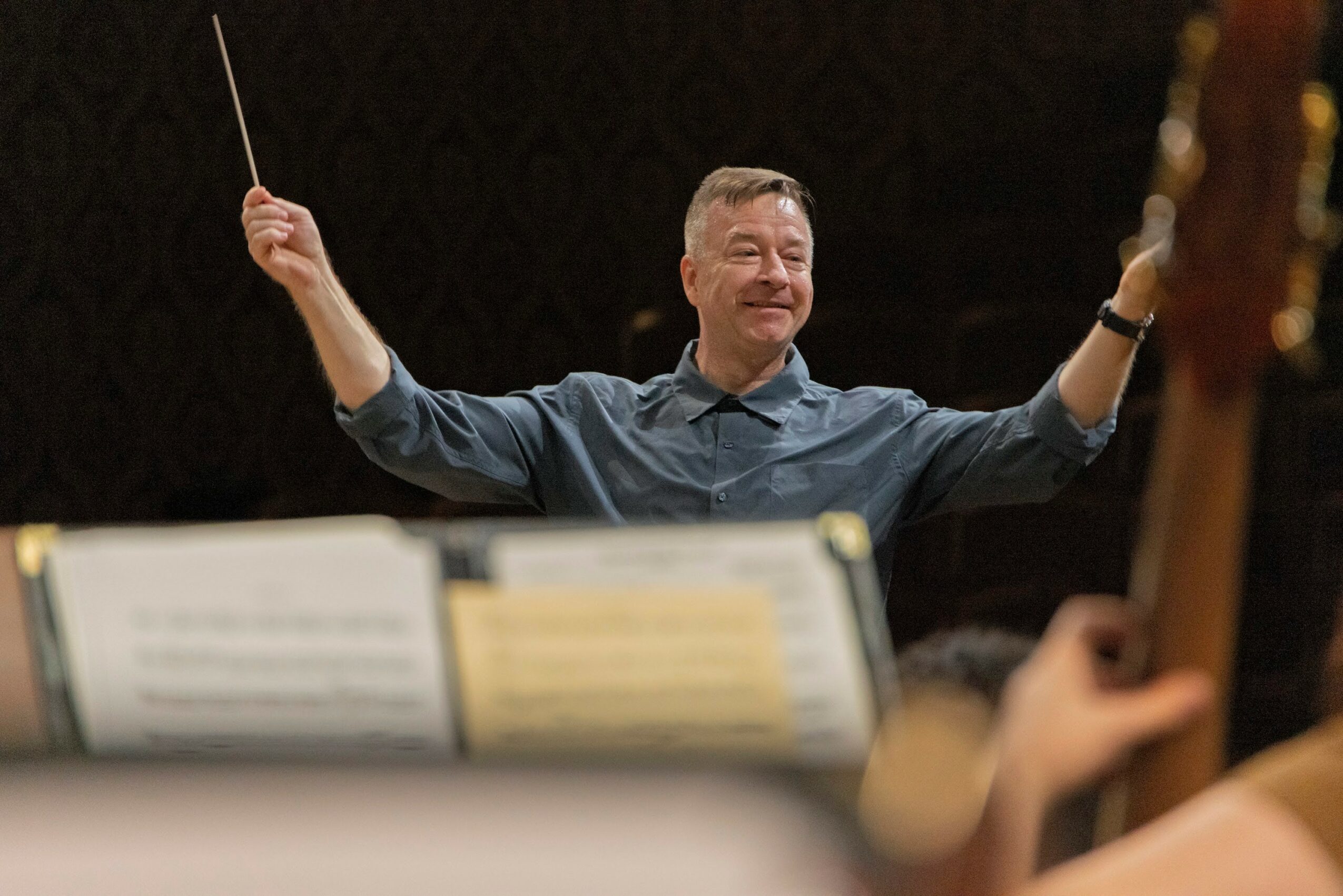
The Atlanta Youth Wind Symphony (AYWS) was founded in 1988 as the premier honor concert band/wind ensemble for high school youth in the Atlanta metropolitan area. Its purpose is to provide a positive musical experience in an artistic environment for advanced instrumentalists in wind and percussion performance. The AYWS rehearses and performs grade five and six (collegiate and professional) original wind band literature composed over a wide span of stylistic compositional periods. As an ensemble, it is one of the most visible ambassadors of culture and youth performance for Atlanta and the state of Georgia.
The AYWS typically performs four concerts annually. Additionally, the group has participated in commissioned compositions, world and regional premieres, professional music conferences, and tours. Guest composers, soloists, and conductors of international renown are regularly invited to perform with the students.
AYWS has performed in Carnegie Hall, Alice Tully Hall (New York), Severance Hall (Cleveland), New World Center (Miami), Walt Disney Concert Hall (Los Angeles), the Strathmore (New Bethesda, MD), the Midwest Clinic (Chicago), and numerous Georgia Music Educator Association state conferences (Savannah and Athens). They will play a concert in Chicago Symphony Orchestra Hall in June 2026.
Would you say it’s been a smooth road, and if not what are some of the biggest challenges you’ve faced along the way?
Jack Delaney (now at SMU in Dallas) founded the AYWS in 1988 as an outreach and recruitment wing of Emory University. It was loosely affiliated with Emory–basically using the facilities for rehearsals and concerts–but did not have its own identity, branding, and business plan. I assumed leadership of AYWS when I arrived at Emory in 1999 and AYWS already had a strong reputation, attracting the metro area’s most accomplished woodwind, brass, and percussion musicians (from as far as Augusta, Warner Robins, Cartersville, and even Birmingham!) Emory–in general–was not interested in developing a youth program or any type of formalized pre-college program, and in fact several academic faculty bristled at the positive effect AYWS was having on recruiting students to Emory (it caused the music major pool to grow, thus causing several of them to teach more classes…). “Big Emory” was also not thrilled with the idea of a business operating within a business, and there were many roadblocks to grants, donations, and corporate sponsorship due to the fact that all requests had to go through university advancement.
The AYWS Foundation was established in 2009 as the business and fundraising arm of the group, which allowed for a non-Emory business entity to facilitate fundraising. When I left the university in 2013, AYWS was fully incorporated as a 501(c)3 non-profit youth/arts/education organization.
Thanks – so what else should our readers know about your work and what you’re currently focused on?
I was raised in a small farm town in Indiana (Cicero) in the 1970s-80s and attended Indiana University Bloomington for my undergraduate degree. I began in Biology (pre-med), considered a shift to English, and ended up in music education. I felt “behind” at a world class music school where many students had studied privately for many years, participated in youth ensembles and summer programs, and had a much stronger background. I was fortunate to have world-renowned saxophonist and pedagogue Eugene Rousseau as my applied faculty, and he helped guide me–without judgement–in my music education journey. I also found a wonderful niche in the IU Department of Bands with mentors Ray Cramer and Stephen Pratt.
I moved to Austin, Texas upon graduation and taught middle school and high school band and orchestra. I also completed my Masters degree at the University of Texas at Austin. I returned to Bloomington for my doctorate in conducting 1995-1999.
I joined the Emory faculty in 1999, where I conducted the wind ensemble and orchestra and taught courses in conducting, wind band literature, and film music. It was during this time that I connected with Lois Reitzes at 90.1 WABE–Atlanta’s NPR affiliate–and began to appear as a regular music contributor and also founded “Strike Up the Band”–a 20-year show highlighting the music of the wind band/ensemble. I taught at the Westminster Schools in Buckhead from 2013-2022 and am now concentrating mostly on Atlanta Youth Wind Symphony, now in my 26th year. I have had an interesting career as school teacher, professional conductor, saxophonist, speaker, clinician, author, and broadcaster!
What sort of changes are you expecting over the next 5-10 years?
Great question! Classical music in our culture exists either as a “museum piece” (something from the past that is occasionally attended by niche audiences) or an updated “here and now piece” (an artistic event that finds relevance with living audiences). Both have struggles and stigmas (like stuffiness connected to the socioeconomic elite) to overcome, and both depend on music in a social setting when much of music consumption today is by AirPods–distinctly non-social. Classical music also largely depends on acoustic instruments–strings, woodwinds, brass, and percussion–in a pop culture where music is largely produced electronically.
In many ways, classical music has returned to its Classical and Romantic era salon concert ideals–people who attend events are family and friends of the performing musicians (composers prior to Beethoven would not have envisioned any sort of mass, impersonal audience attending a concert of their music, and they certainly would not have endorsed listening to music by people who were no longer alive!)
AYWS exists supports students who have a potential career trajectory in music performance, education, and/or industry, but equally celebrates the artistry, creativity, and fellowship gleaned by all students, regardless of their future academic
Pricing:
- 15.00 concert ticket
- 0.00 ticket for educators and people under 12
Contact Info:
- Website: https://ayws.org
- Instagram: https://www.instagram.com/aywsmusic/
- Facebook: https://www.facebook.com/atlantayouthwindsymphony
- Youtube: https://www.youtube.com/@atlantayouthwindsymphony
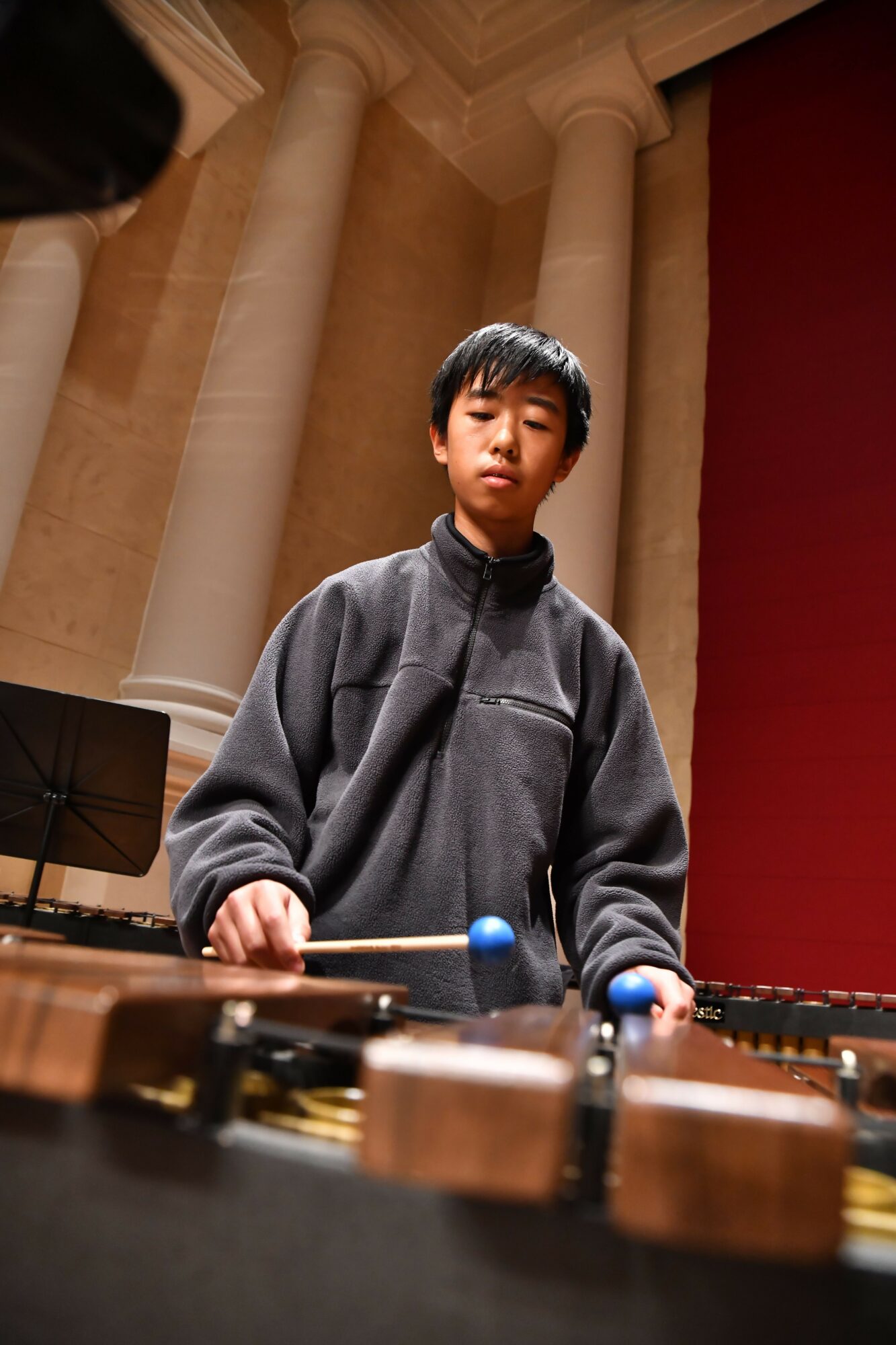
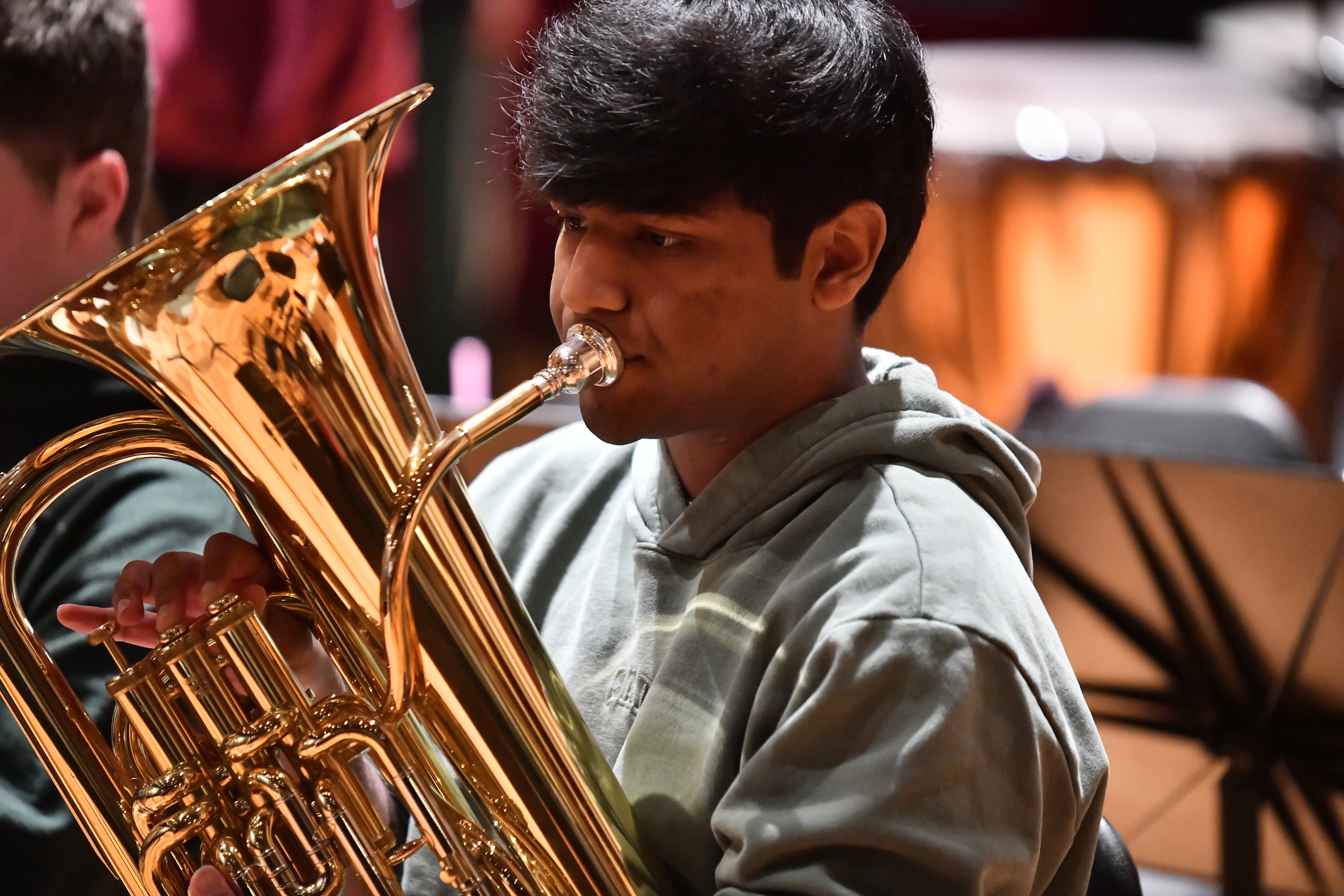
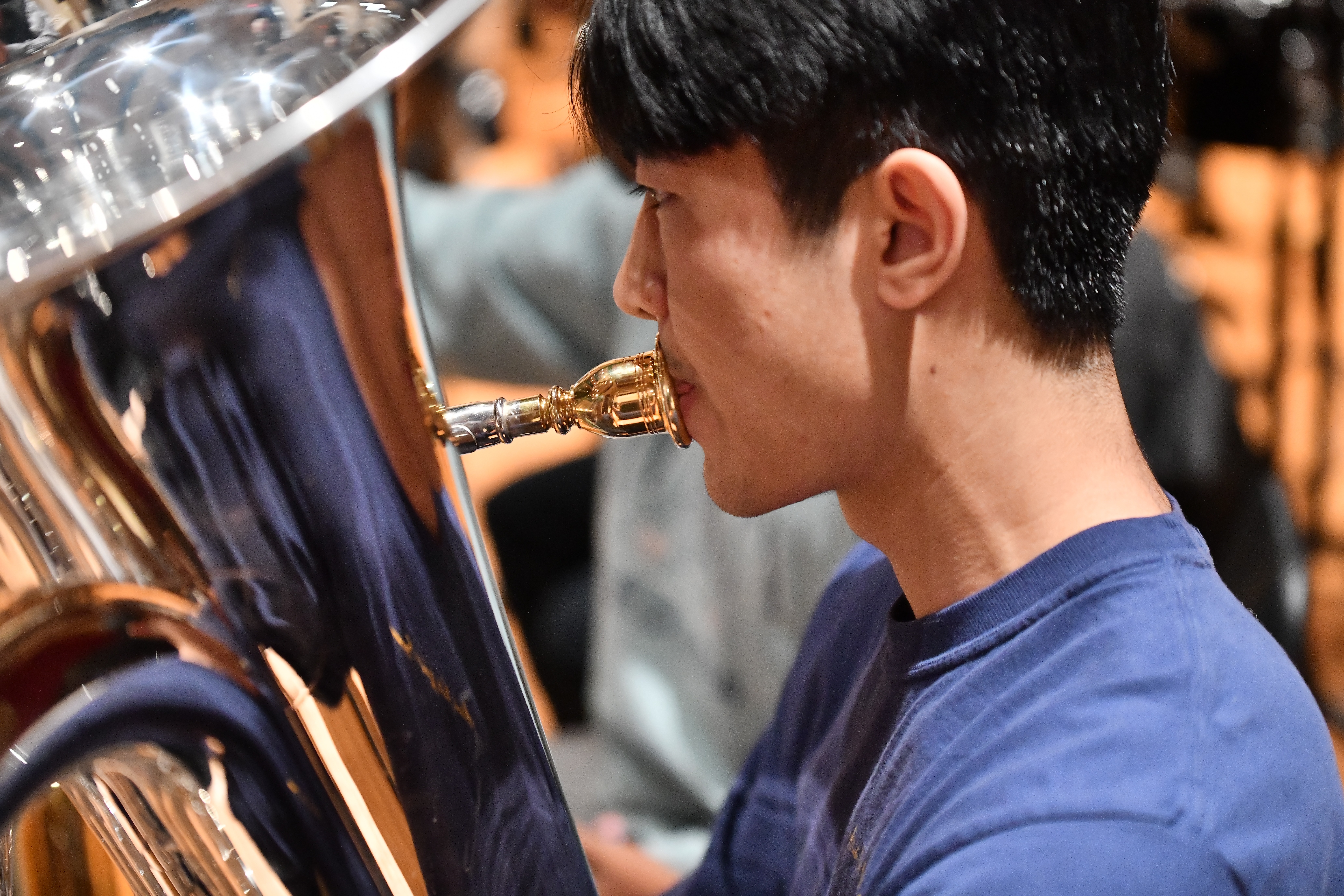
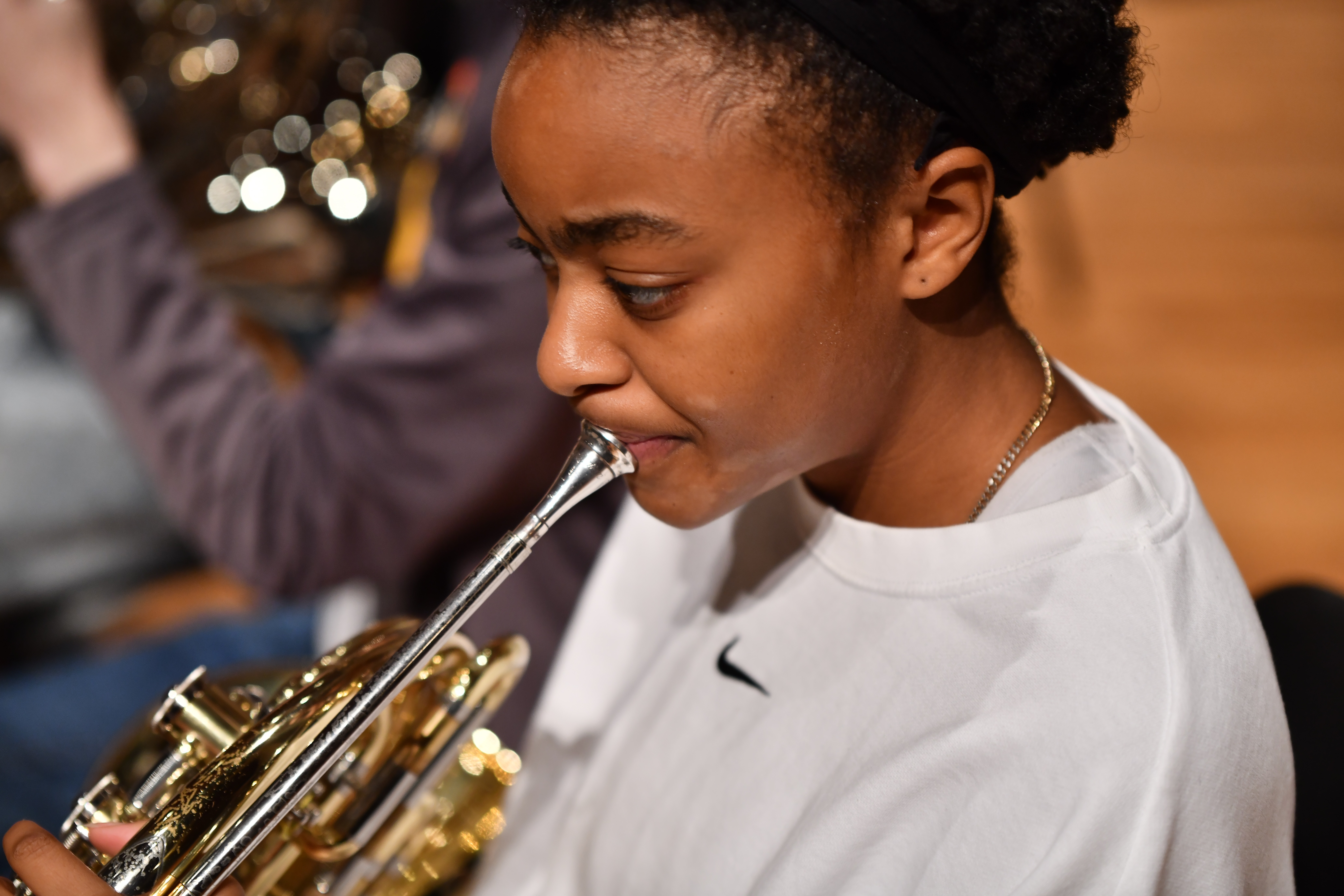
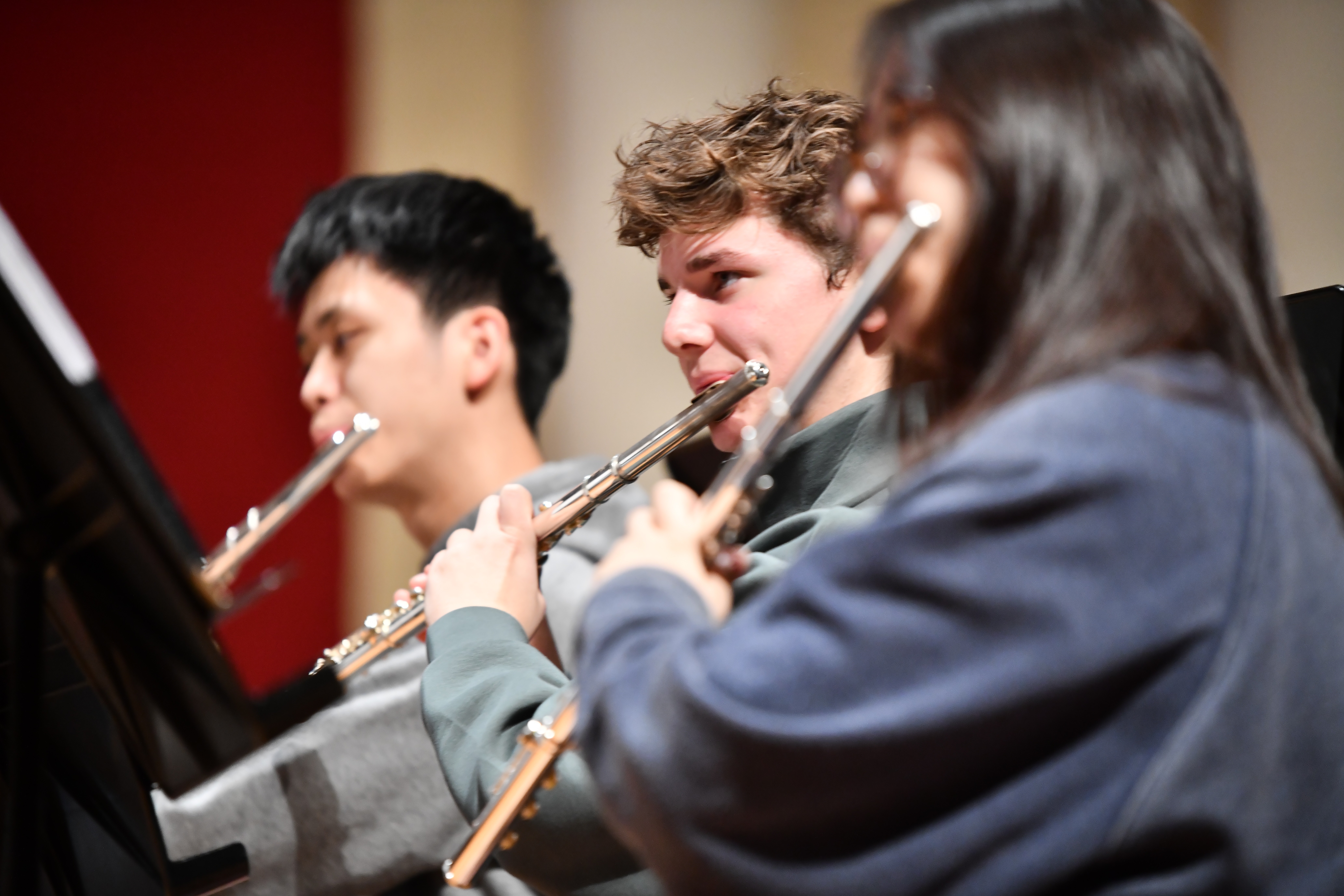

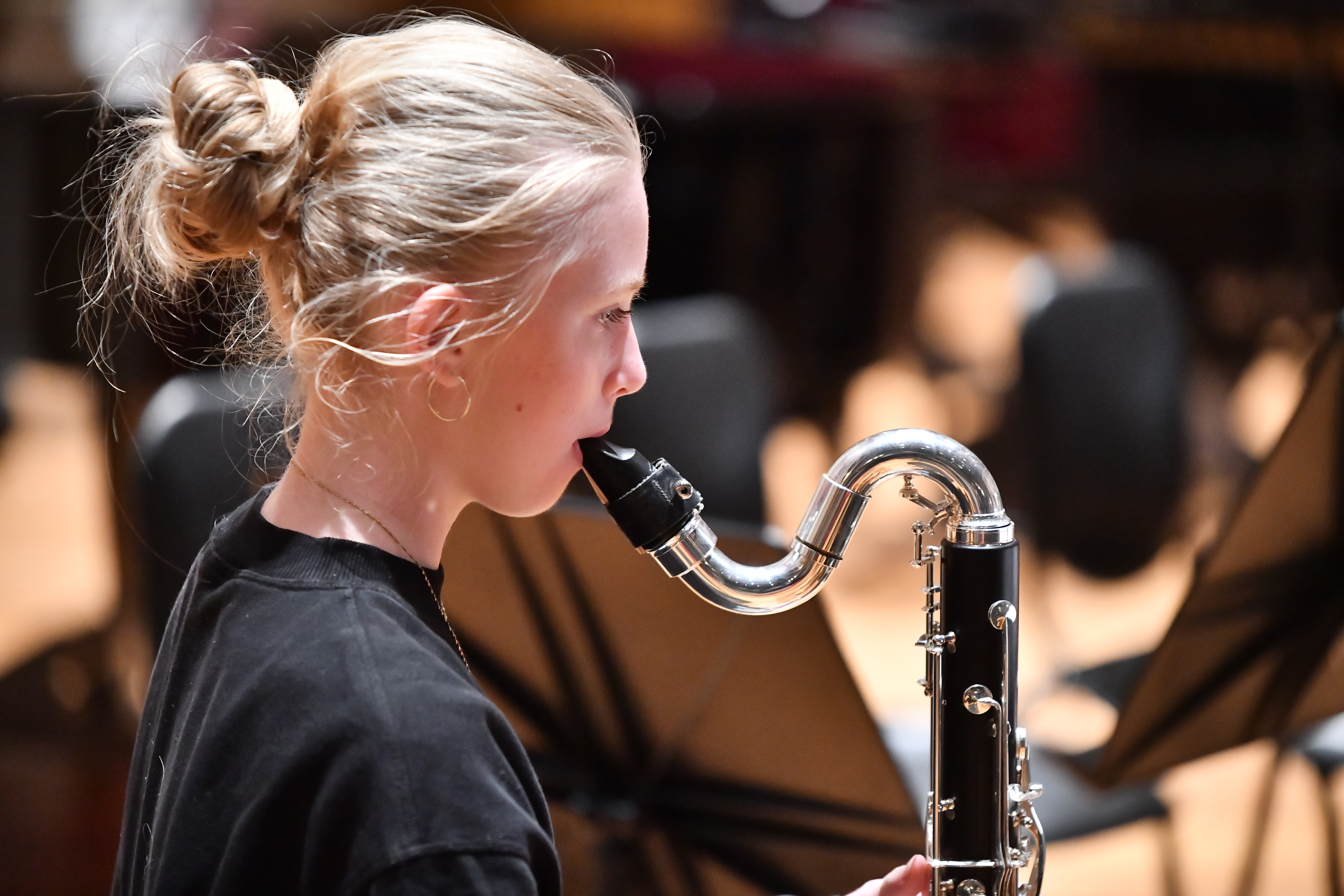
Image Credits
Eric Richards Photography
Popular
-

Choosing Impact Over Control: Susana’s Intentional Evolution of Fro Butter
-

Where Faith, Code, and Soul Converge
-

Breaking Cycles, Answering the Call Forward
-

Leadership Rooted in Dignity and Continuity
-

Healing as Leadership: How LaCora Monet Is Redefining Sustainable Success
-

Returning to Herself: How Thalorah Is Building Veloria™ as a Sanctuary for Feminine Sovereignty