





Today we’d like to introduce you to Sydney Sevdalis.
Alright, so thank you so much for sharing your story and insight with our readers. To kick things off, can you tell us a bit about how you got started?
I’ve always been drawn to the space where food, community, and place intersect. My background spans media, events, and community organizing, but the common thread has always been creating environments where people feel connected.
This instinct also shaped my work with large scale events, including helping organize the Ormewood Park Makers Festival, a neighbor and volunteer-driven festival that supports local artists, small businesses, and nonprofit partners. This year we brought together over 60 artists, 44 sponsors, 20 nonprofit organizations, 15 workshops, 10 live bands, and 10 pop up chefs boasting a thoughtfully designed food program intended to make festival dining welcoming and accessible across a range of dietary needs.
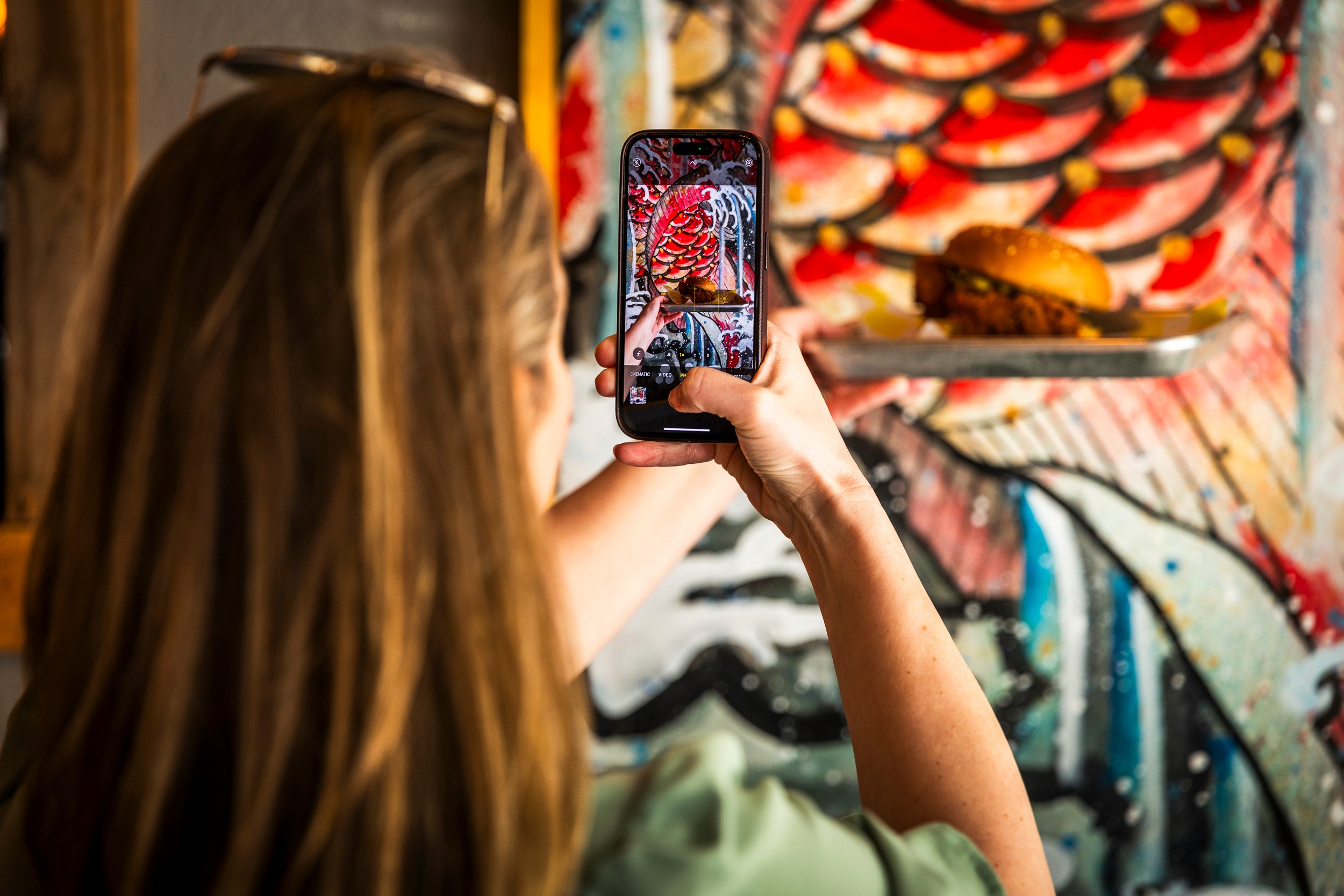
Neighborhood Supper Club grew out of the same values. I started it as a way to support chefs who needed flexible, respectful platforms to cook, experiment, and reach new audiences, while also activating neighborhood spaces people already loved. What began as a small pop up series quickly became a community-driven program, featured by Eater Atlanta and Resy, and supported by neighbors who showed up again and again.
Along the way, I found myself operating not just as a curator, but as a connector. I work closely with chefs, venue partners, photographers, and community leaders to build experiences that are thoughtful, well run, and purposeful. I’m deeply invested in Southeast Atlanta, where I live and work, and I care about building models that are sustainable for creatives taking their first steps into small business ownership, as well as the communities they serve.
Today, my work continues to evolve, but the goal remains the same: create platforms that help good food thrive, support the people behind it, strengthen my community, and enjoy the process of building something meaningful.
Can you talk to us a bit about the challenges and lessons you’ve learned along the way. Looking back would you say it’s been easy or smooth in retrospect?
It has not been a smooth road, haha, but smooth seas don’t make better sailors. Like any good service or event, the work looks effortless from the outside, but the real lessons come from what happens behind the scenes.
Much of the work I do lives in the space between creativity and logistics, and that means navigating competing priorities, limited resources, a lot of invisible labor, and very tight margins. Building community-centered food and cultural programming requires trust, patience, and a willingness to solve problems in real time, often behind the scenes.
One of the biggest challenges has been sustainability. Pop ups and community events are powerful, but they rely on careful planning, clear communication, and fair partnerships to truly work for the people involved. I’ve learned a lot by experiencing what doesn’t work, especially around operational alignment and shared expectations, and I’ve used those lessons to build clearer, more respectful models going forward.
There’s also the challenge of growth. As projects gain visibility, the stakes increase, and so does the responsibility to protect the integrity of the work. I’ve had to learn when to say no, when to step away from situations that no longer align, and how to prioritize long-term health over short-term momentum.
Those challenges ultimately sharpened my approach. They reinforced the importance of structure, transparency, and values-driven decision making. The road hasn’t been smooth, but it’s shaped the way I build now, with more clarity, intention, and confidence.
Alright, so let’s switch gears a bit and talk business. What should we know about your work?
My work sits at the intersection of food, community, and operations. I specialize in building and running food-centered experiences that are both creatively ambitious and operationally sound, whether that’s an intimate pop up dinner or a large-scale neighborhood festival.
I’m best known for creating platforms that work for the people involved. For chefs, that means thoughtful curation, clear expectations, and environments where they can cook well and be financially successful. For venues and community partners, it means programming that is organized and values-aligned. Much of my work focuses on Southeast Atlanta, where I live, work, raise my 2 year old son, and where long-term trust matters.
What I’m most proud of is the consistency of the work. Projects like Neighborhood Supper Club and the Ormewood Park Makers Festival didn’t succeed because of one moment or one headline, but because people kept showing up, chefs kept saying yes, and neighbors felt included and cared for. That kind of durability doesn’t happen by accident.
What sets me apart is my ability to bridge worlds. I understand creative talent, but I’m equally fluent in logistics, partnerships, and execution. That work has increasingly expanded into supporting chefs as they move toward brick-and-mortar, including engaging with financial and institutional partners to help translate pop-up success into sustainable, long-term businesses. I care deeply about how things feel, but I’m just as focused on whether they actually work. That balance allows me to build experiences that are forward-thinking and welcoming, while laying real groundwork for what comes next.
Do you have any advice for those just starting out?
Build slowly. Early on, it’s tempting to say yes to every opportunity, but not every opportunity is aligned, and not every partnership is worth the long-term cost. Learning to be selective, even when things feel exciting or uncertain, is one of the most important skills you can develop.
I also wish I had understood sooner how much structure matters. Creative work thrives when expectations are clear, communication is direct, and agreements are fair. Putting systems in place early doesn’t limit creativity, it protects it and the people involved.
Finally, invest in trust. Relationships, especially in food and community work, are everything. Show up consistently, do what you say you will, support your neighbor, and be willing to walk away from situations that compromise your values. The work lasts longer and feels better when it’s built on respect.
Contact Info:
- Instagram: @neighborhoodsupperclub
- LinkedIn: https://www.linkedin.com/in/sydneysevdalis/
- Other: @Sydney.sends.it
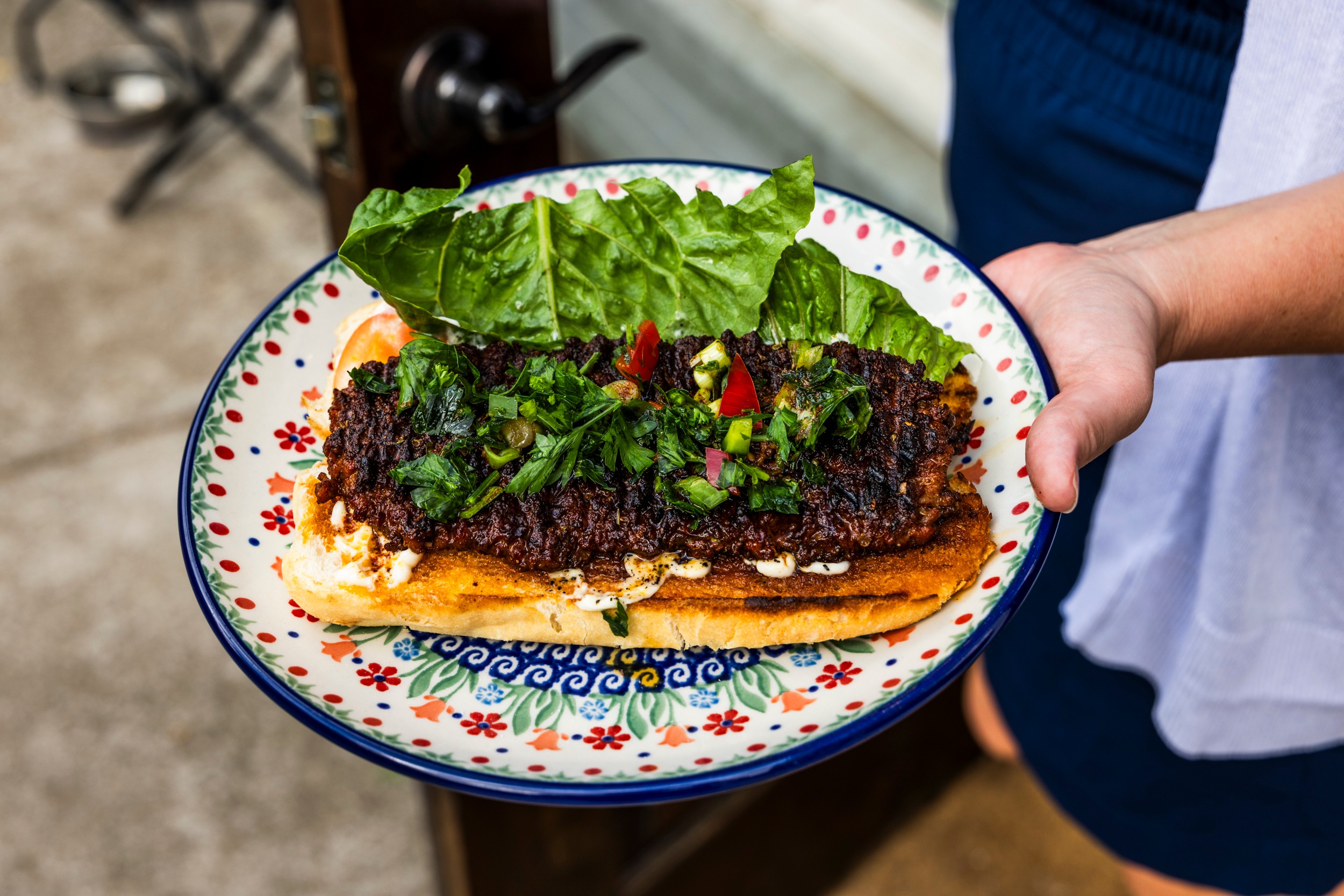
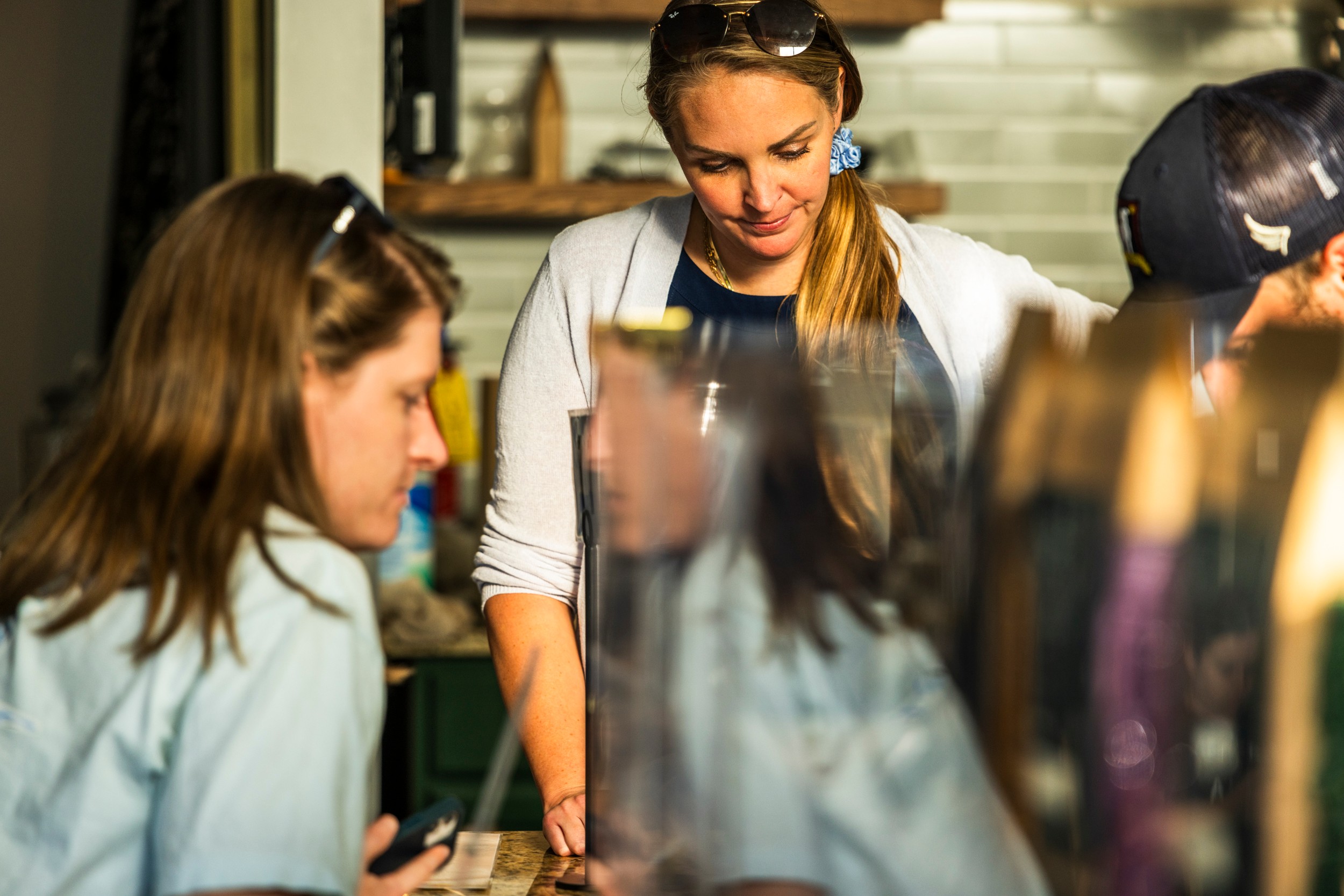
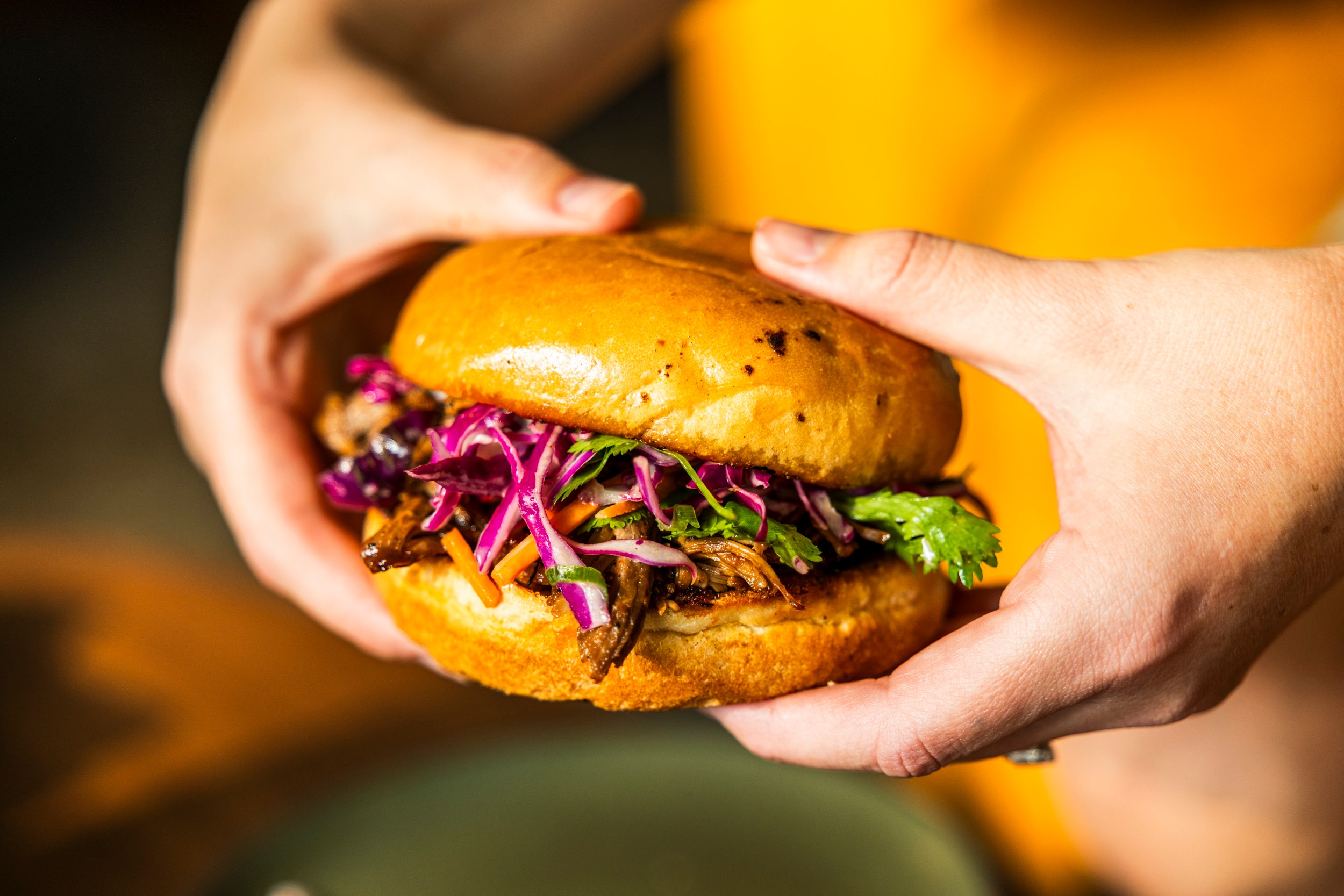
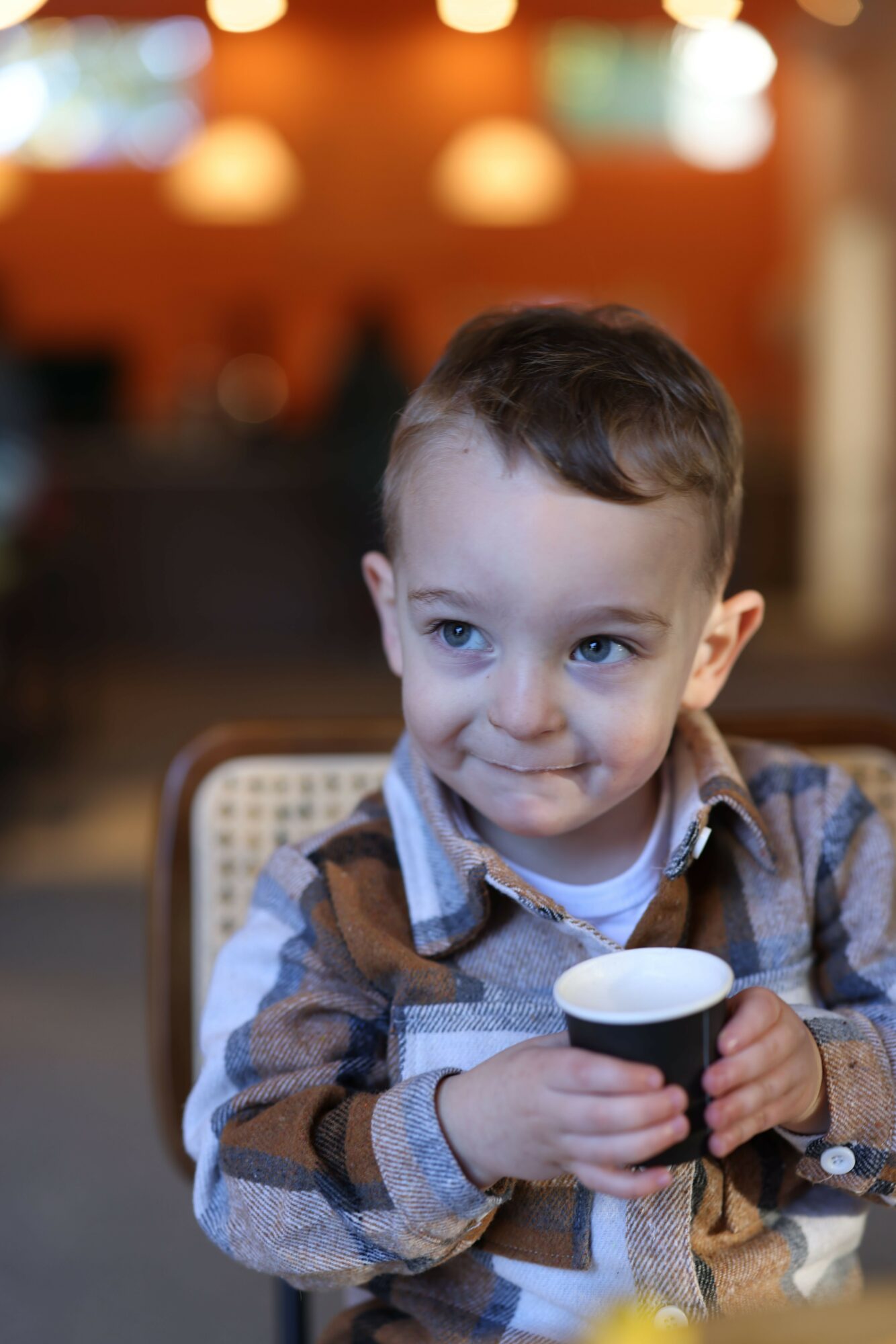
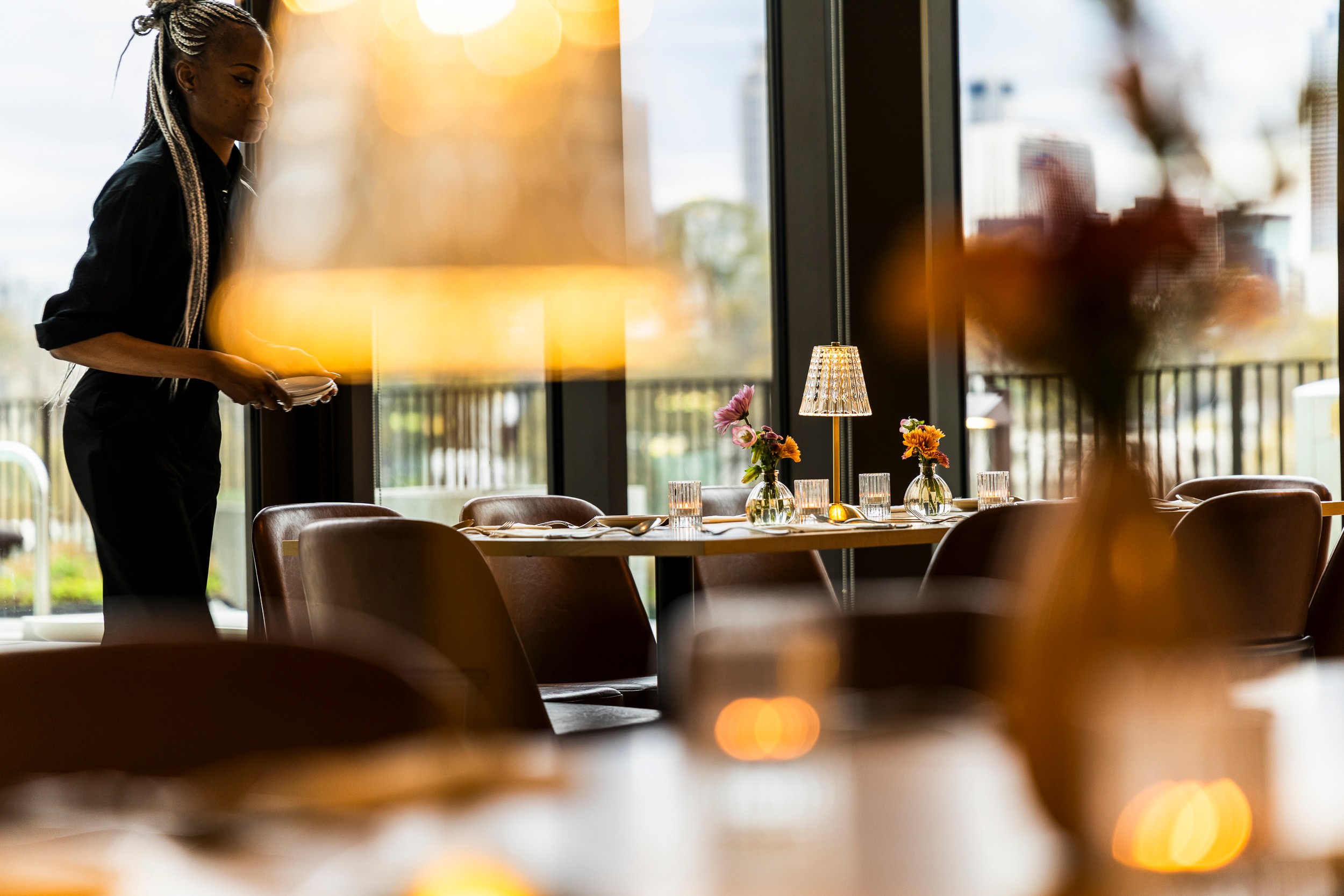
Image Credits
Please tag the amazing Andrew Hetherington @andrew__hetherington
Popular
-
What are you being called to do now, that you may have been afraid of before?
-

What are the biggest lies your industry tells itself?
-

Was there ever a time you almost gave up?
-
Is the public version of you the real you?
-

If you could say one kind thing to your younger self, what would it be?
-

Local Highlighter Series