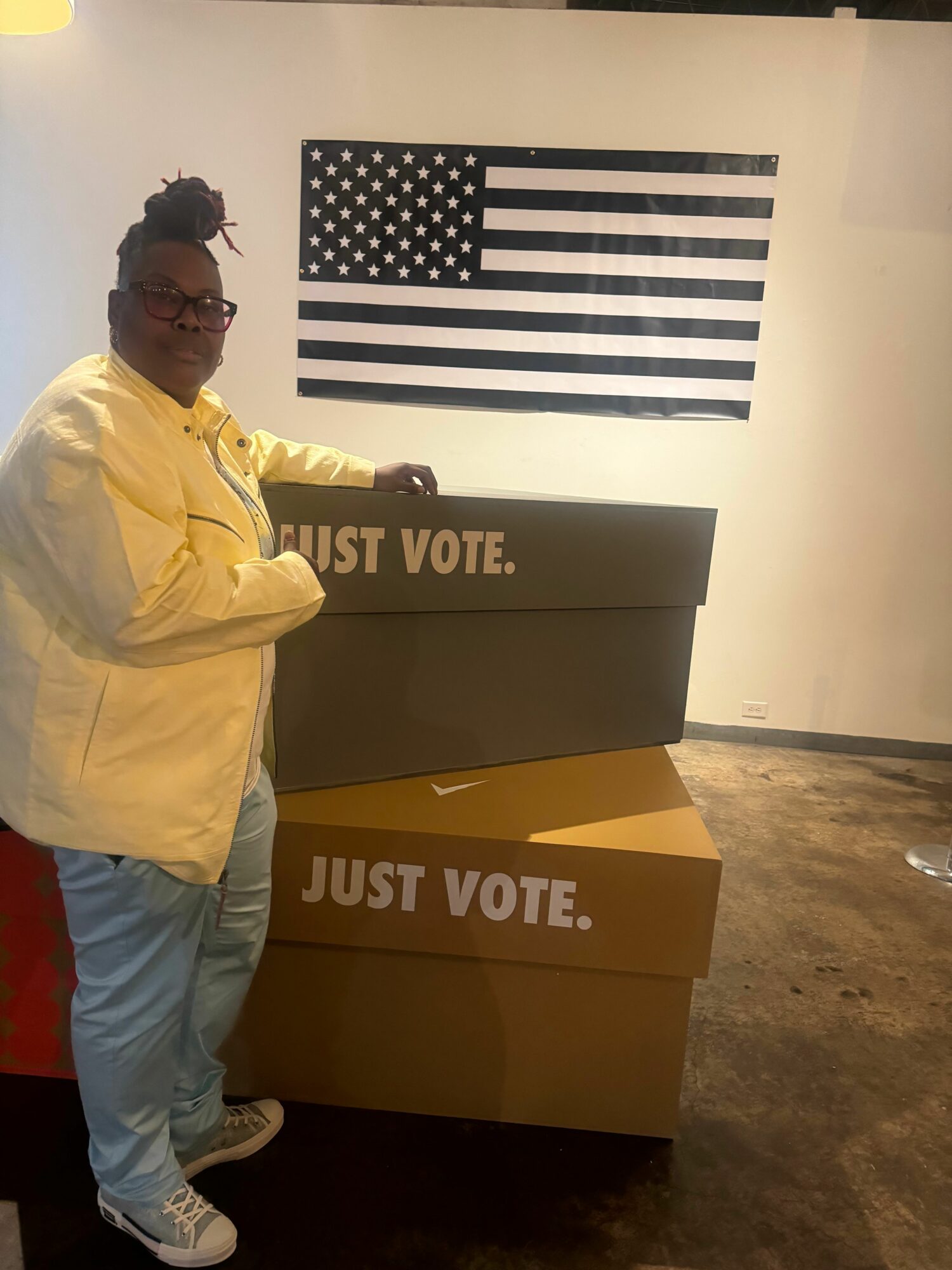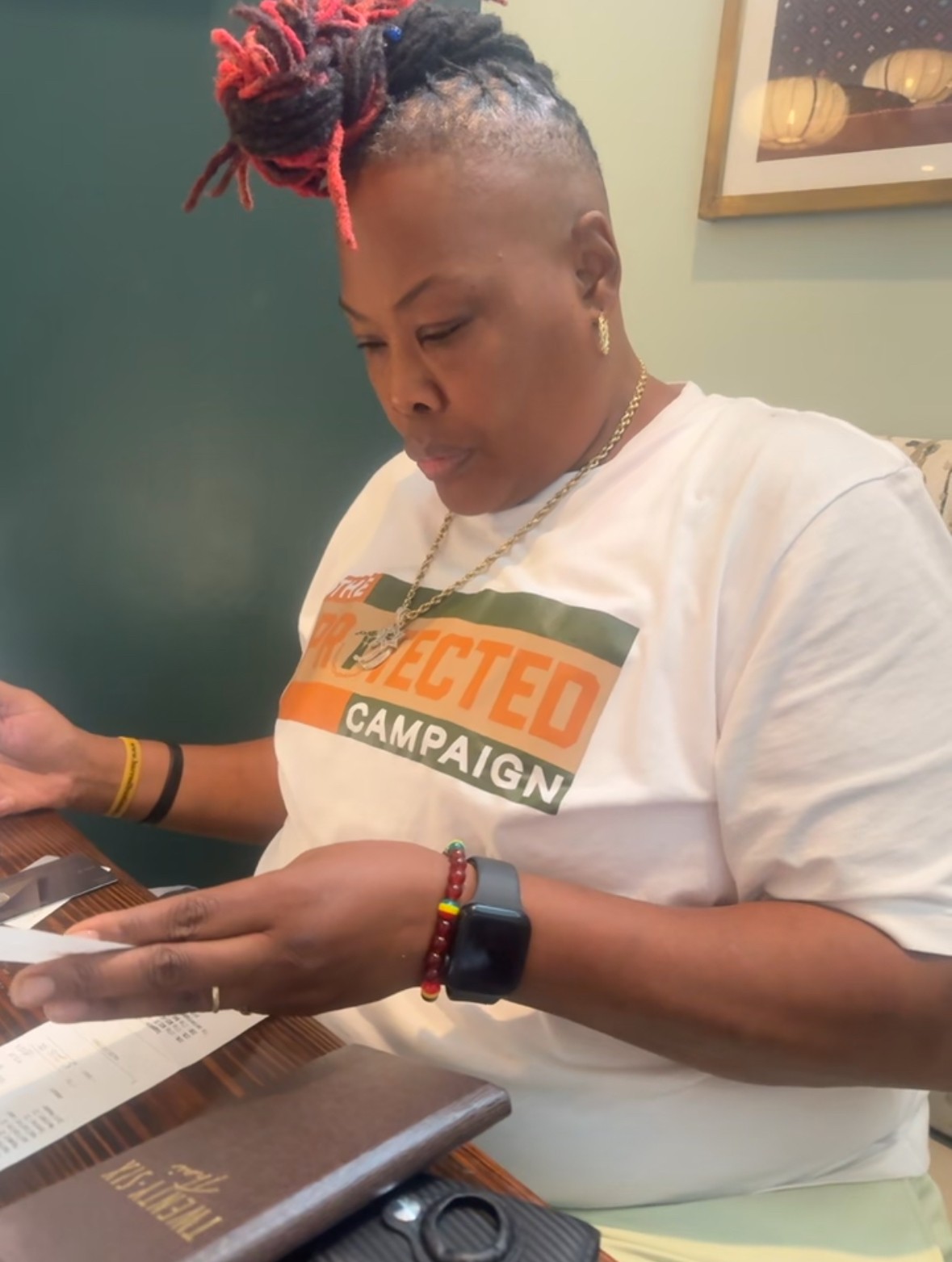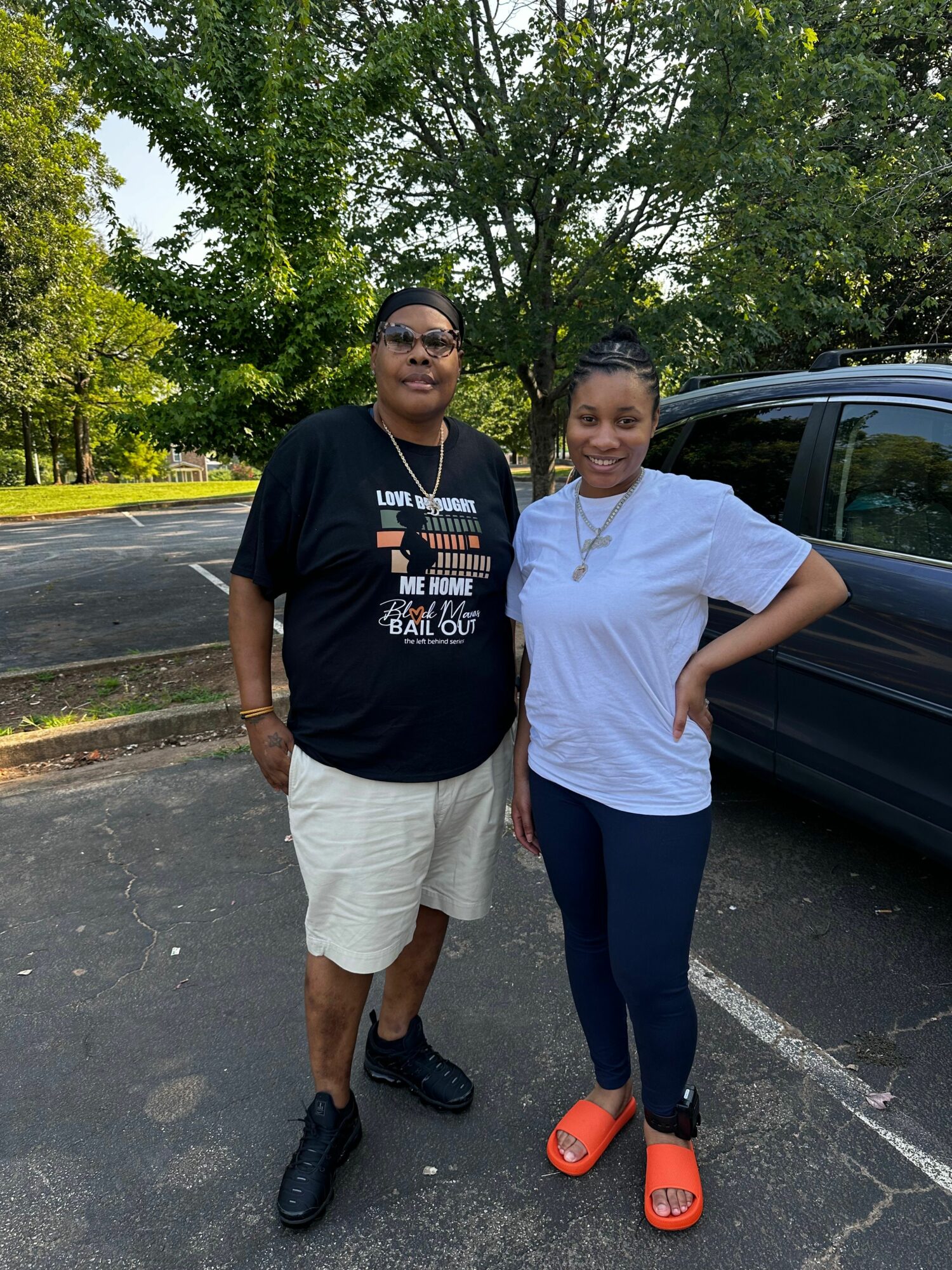





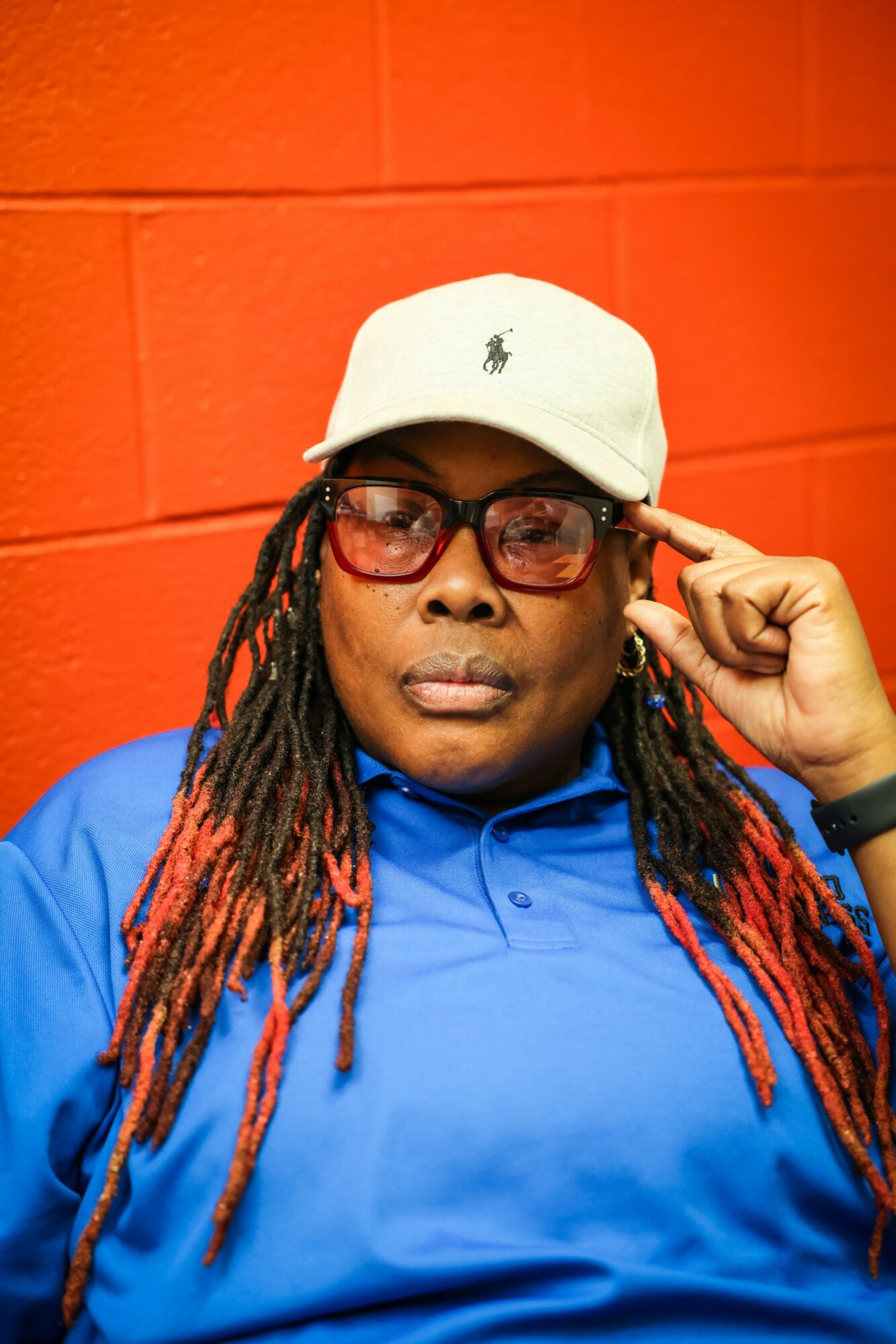
Today we’d like to introduce you to Denise Ruben
Denise, we appreciate you taking the time to share your story with us today. Where does your story begin?
My name is Denise LaShawn Ruben, and I am originally from Atlanta, where I was raised in the SWATS by both of my parents. I graduated from D.M. Therrell High School in 1989 and subsequently enrolled at Fort Valley State University that fall. However, I was expelled the following winter due to an altercation with another student. After returning home, I attended Atlanta Metropolitan College and began to engage with the local LGBTQ+ community.
During this time, I found myself in a situation where I assisted an acquaintance by giving him a ride to evade the police. Upon checking my father’s van after his departure, I discovered 28 bags of crack cocaine. The next day, I sought assistance from a friend’s brother, who helped me sell the drugs at $10 each. This marked my entry into the underground economy, where I quickly learned how to generate significant income, often doubling my profits within 24 hours.
Realizing that I did not want to limit my enterprise to low-value items typically found in my neighborhood, I transitioned to Midtown, where I recognized the potential to sell $10 bags for $20 and engage with a clientele that had greater financial resources. This shift led me to become established as a prominent figure in the Midtown business scene. I formed connections with a group of individuals known as Turbo and Heartac, which led to my rise as a prominent figure in the Midtown streets. My territory spanned from Peachtree from 10th and Crescent to Myrtle and North Avenue to Rico’s on Ponce, where I honed my ability to recognize the sound of approaching cars without needing to look. In Midtown, I encountered a diverse array of affluent individuals, and I earned the nickname “Big Dee” for my reputation. As the only female presence in the area, I dominated the scene.
One evening, after finishing my work, I was socializing with my chosen family at the Gallus Basement Bar, where my sister, CoCo, one of the first transgender women I befriended, was present. During our time there, an altercation broke out between CoCo and a white bartender named Rose, which escalated when CoCo threw an ashtray, leading to a brawl. The incident resulted in us being kicked out of the bar. As we walked up the street, the club’s bouncer alerted the police, and I was arrested for criminal trespass, marking the beginning of a challenging period of incarceration in my life.
Two years later, just a few blocks away, I faced another arrest for my first drug charge in 1992. Following that period, I faced numerous arrests for various offenses, including domestic violence, altercations with volatile relationships, additional drug charges, possession of stolen vehicles, and firearms-related issues. My life was spiraling out of control. In 2003, while incarcerated, I read “Battlefield of the Mind” by Joyce Meyer, which inspired me to seek change and pursue a better path.
Upon my release, I met a new girl, whom I had dreamt about during my time in jail, and we embarked on a journey together, opening several businesses while navigating life on the run. However, my life took another turn when I was diagnosed with lupus in 2007, and that relationship ultimately ended in 2008. Faced with new challenges, I returned to what I felt I knew best: selling, confident in my ability to make money in that arena.
As I regained my footing, I encountered a new clientele that included doctors, lawyers, judges, educators, politicians, and even corrupt police officers. By networking with these individuals, I experienced significant financial success. In 2011, I was arrested once more on drug charges, resulting in a six-month prison sentence. Despite my incarceration, I continued my operations while inside, with a stripper I met a few months prior to turning myself in left her with my phone and all the product and I resumed selling immediately upon my release.
In 2015, I found myself incarcerated three different times and was ultimately sentenced to serve ten years, with a possibility of parole after four. This time marked a profound realization for me; I understood that this was my final opportunity to make a change, and I committed myself to substantial personal work from 2015 to 2017.
In 2018, I was transferred to a transitional community, where I continued my journey of transformation and was released in 2019. My newfound purpose led me to begin volunteering with the organization Women On The Rise(WOR), and I became a part-time organizer in 2020.
When the pandemic hit and PPP loans became unavailable, My best friend and I launched Barred Business in 2020, which has allowed me to empower others while navigating unexpected challenges. My work is rooted in my journey; I am dedicated to being the voice for the voiceless. My experiences have shaped me into the change agent I am today. I recognize the importance of speaking authentically to those impacted by injustice, as my own experiences have made me uniquely qualified to advocate for justice-impacted individuals.
We all have a calling and a purpose. Mines is to build power alongside those who have been justice impacted, creating a united front for meaningful change. We show up where we are needed!
We all face challenges, but looking back would you describe it as a relatively smooth road?
I realized I had to get out of my own way. It wasn’t until my third arrest in one year that I truly understood it was time for a change. I had walked down the same path too many times, repeatedly falling into the same hole. During that time, I felt lost and struggled to find my direction.
Grief weighed heavily on me, especially after losing my father in 1993; I mourned for a decade. It wasn’t until 2003 that I began to awaken and confront my pain. Losing my dad felt like losing a part of myself—I was just 21, still navigating the world as a kid. The ache of that loss was profound, impacting me in ways I still find difficult to articulate.
However, through my journey, I eventually began to rediscover who I was. That process of healing allowed me to confront my past, learn about myself, and ultimately find my way back to a life of purpose and resilience.
Thanks – so what else should our readers know about your work and what you’re currently focused on?
As the Deputy Director and Co-Founder of Barred Business, I’m proud to lead a justice-impacted organization dedicated to healing, activating, resourcing, and empowering justice-impacted individuals, their families, and communities. Our focus is on uplifting people, as we understand that our experiences in the world are distinct.
Justice-impacted individuals often face stigma and systemic barriers that hinder our ability to become our best selves after incarceration. We find ourselves in stagnant situations, with poor quality of life and little support. At Barred Business, we seek to change that narrative by investing in our communities and ensuring that justice-impacted individuals have access to the same opportunities as everyone else in Atlanta.
It is our duty to fight for our freedom—freedom from discrimination, liberation from oppression, and the pursuit of stability and inclusion. We strive to address the criminal neglect that stems from the crime of poverty. In 2022, we achieved a significant milestone by successfully advocating for legislation that recognizes justice-impacted individuals as a protected class in the city of Atlanta.
By working collectively and focusing on what we know we need to thrive, we aim to create a more equitable future for our people, allowing justice-impacted individuals to flourish and reclaim their agency in society.
What do you like and dislike about the city?
What I appreciate most about Atlanta is the opportunities it presents. It’s often referred to as The Black Mecca, a place that symbolizes potential and progress for many. However, despite this perception, the infrastructure needed for everyone to thrive isn’t fully established, leaving many behind. I firmly believe we can change that narrative.
On the flip side, what I like least about our city is its political landscape. There’s a concerning lack of care and support for our people. Systemic issues remain entrenched in our laws, binding us to cycles of oppression. The recent closures of hospitals highlight the grim reality we face; while vital health services are shut down, funding flows into projects like Cop City.
This prioritization of profit over people reflects a troubling truth: the love of money is indeed the root of all evil. We must recognize that we are not truly free until everyone in our community is free. It’s essential to challenge these systems and advocate for change that uplifts all individuals, creating a just and equitable society for everyone.
Contact Info:
- Website: https://www.barredbusiness.org
- Instagram: https://www.instagram.com/barredbusiness/?hl=en
- Facebook: https://www.facebook.com/officialbarredbusiness?mibextid=ZbWKwL
- LinkedIn: https://www.linkedin.com/company/barred-business/
- Twitter: https://x.com/BarredBusiness?s=09
- Youtube: https://youtube.com/@barredbusiness?si=3GNrirIZgaAGnCEk