






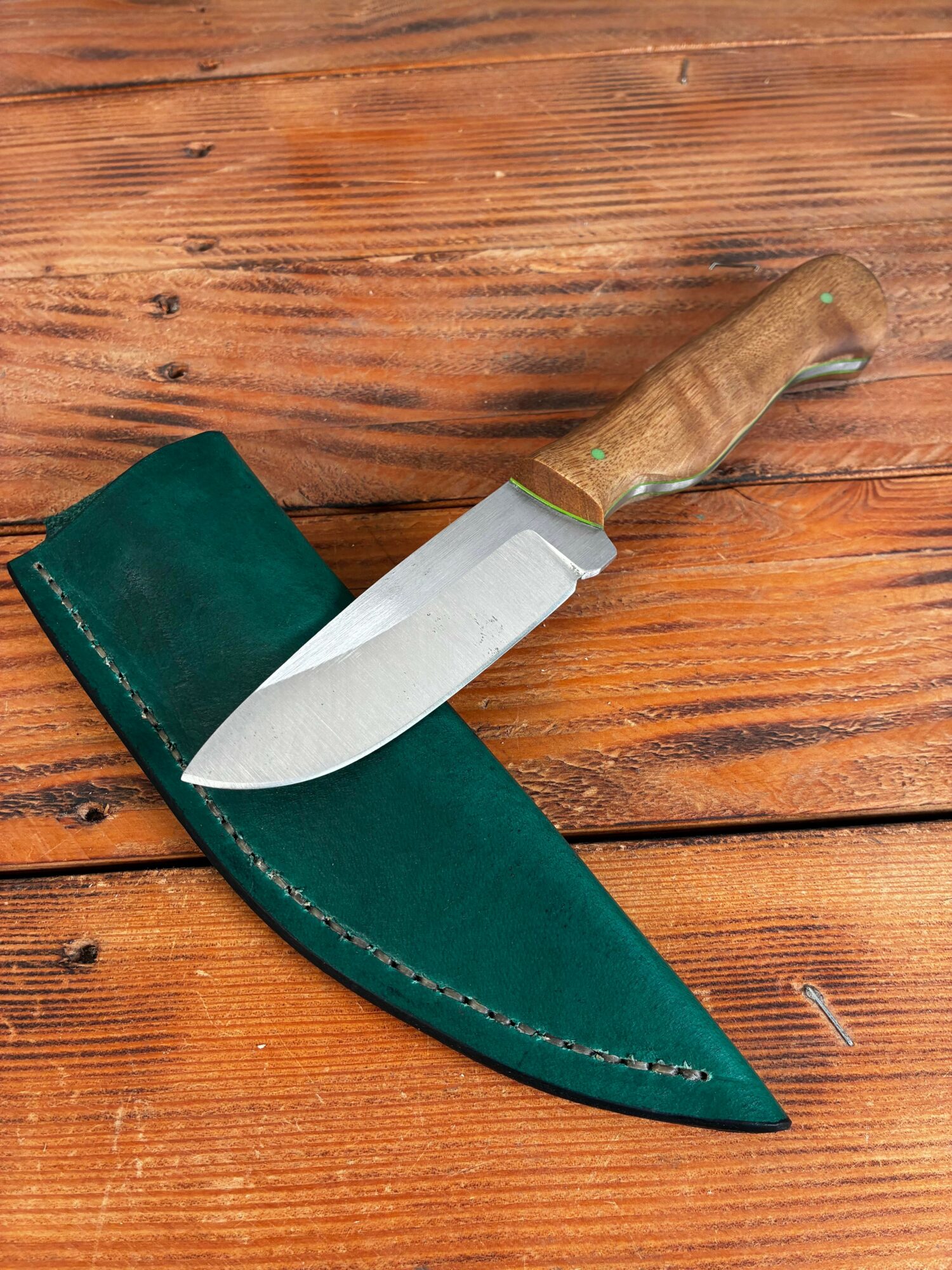
Today we’d like to introduce you to Grier Friedman.
Hi Grier, so excited to have you on the platform. So before we get into questions about your work-life, maybe you can bring our readers up to speed on your story and how you got to where you are today?
My name is Grier Friedman, and the earliest memory I have of a knife in my hand was stealing a boxcutter from the garage to open a toy sealed in that obnoxious plastic casing crimped all the way around — the kind cheap kitchen scissors couldn’t even dent. Ever since then, I’ve been fascinated with knives. From medieval swords to the steak knife at the dinner table, I’ve always had an infatuation with their style and utility.
As I got older, my collection and passion grew, and once I could afford the tools I needed, I decided I would make them. Under the tutelage of Tim Rowland of Rowland Cutlery, a local knifemaker, I asked a billion questions about metallurgy, edge geometry, and exotic handle woods, and put just about every dime I had into building my shop.
I began in 2022 as Jester Leather, making custom sheaths for customers out of the store where I worked. Later, I rebranded to Jester Knifeworks, and by 2025, I felt I had knives worthy of presentation — ground, heat treated, handled, and sheathed entirely out of my home shop.
Now, in between school and work, I spend every week refining my process and expanding the styles I can create. Although I’m a young knifemaker, I look forward to pursuing excellence in this trade for the rest of my life.
Would you say it’s been a smooth road, and if not what are some of the biggest challenges you’ve faced along the way?
Luckily, it has been a very smooth road. Between Tim, Mitch (Wolf Spirit Crafts), and many other friends I have made in the industry, I have had an excellent group to discuss business, processes, skills, and complain about how cold our shops are in the winter.
Can you tell our readers more about what you do and what you think sets you apart from others?
The process of knifemaking is fairly simple in terms of steps, but it becomes endlessly complicated once you decide you want to perfect any one of them. The breakdown is as follows: forge or grind a blade to the right shape, heat treat or “harden” the blade, finish grinding the blade so it looks nice, add a handle, and, optionally, make or acquire a sheath.
The specifics from there are where style comes into play. Right now, I’m working on grinding all of my blades freehand and using a mix of interesting synthetic and natural handle materials to make fun knives that can be used day in and day out. Eventually, I want to make what is called a “slipjoint” pocket knife — a style where there is no lock to hold the blade open, only a backspring applying pressure. If you imagine the Case knife your grandfather carried, then you know exactly what I’m talking about.
Let’s talk about our city – what do you love? What do you not love?
Many people are surprised to find out that the largest knife show in the world takes place right here in Atlanta. At the Cobb Galleria, the first weekend in June every year, two ballrooms filled with over 1,000 vendors display knives from across the world and across time. Large production companies, custom makers like myself, and vintage collectors all gather to enjoy and network within this small but vibrant industry.
Many people may see Atlanta for the Fox Theatre, Mercedes-Benz Stadium, the birthplace of Martin Luther King Jr., and all of those things are true — but I see it as the most important meeting place for anyone who makes or loves knives.
Contact Info:
- Website: https://jesterknifeworks.com/
- Instagram: https://www.instagram.com/jester_knifeworks/
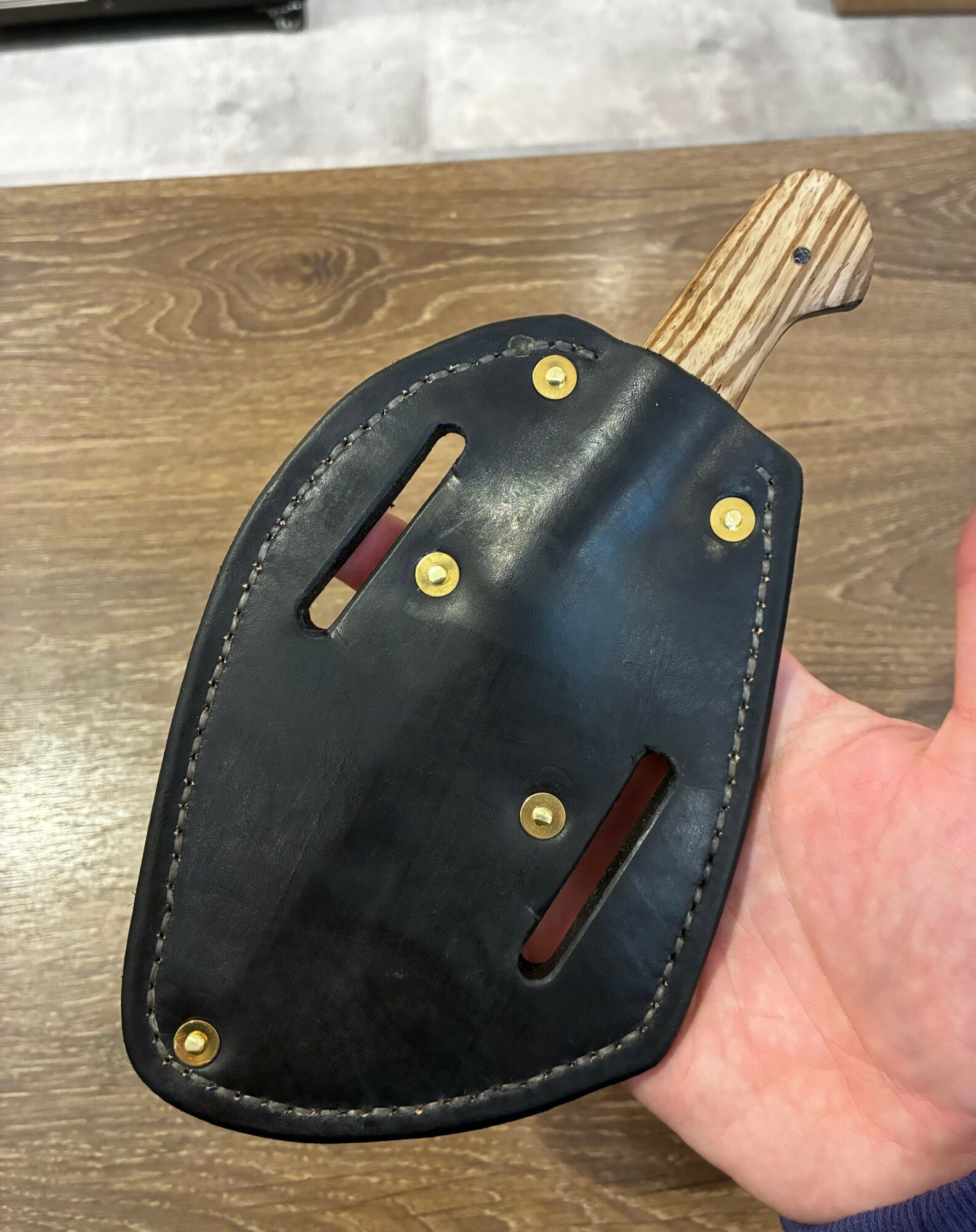
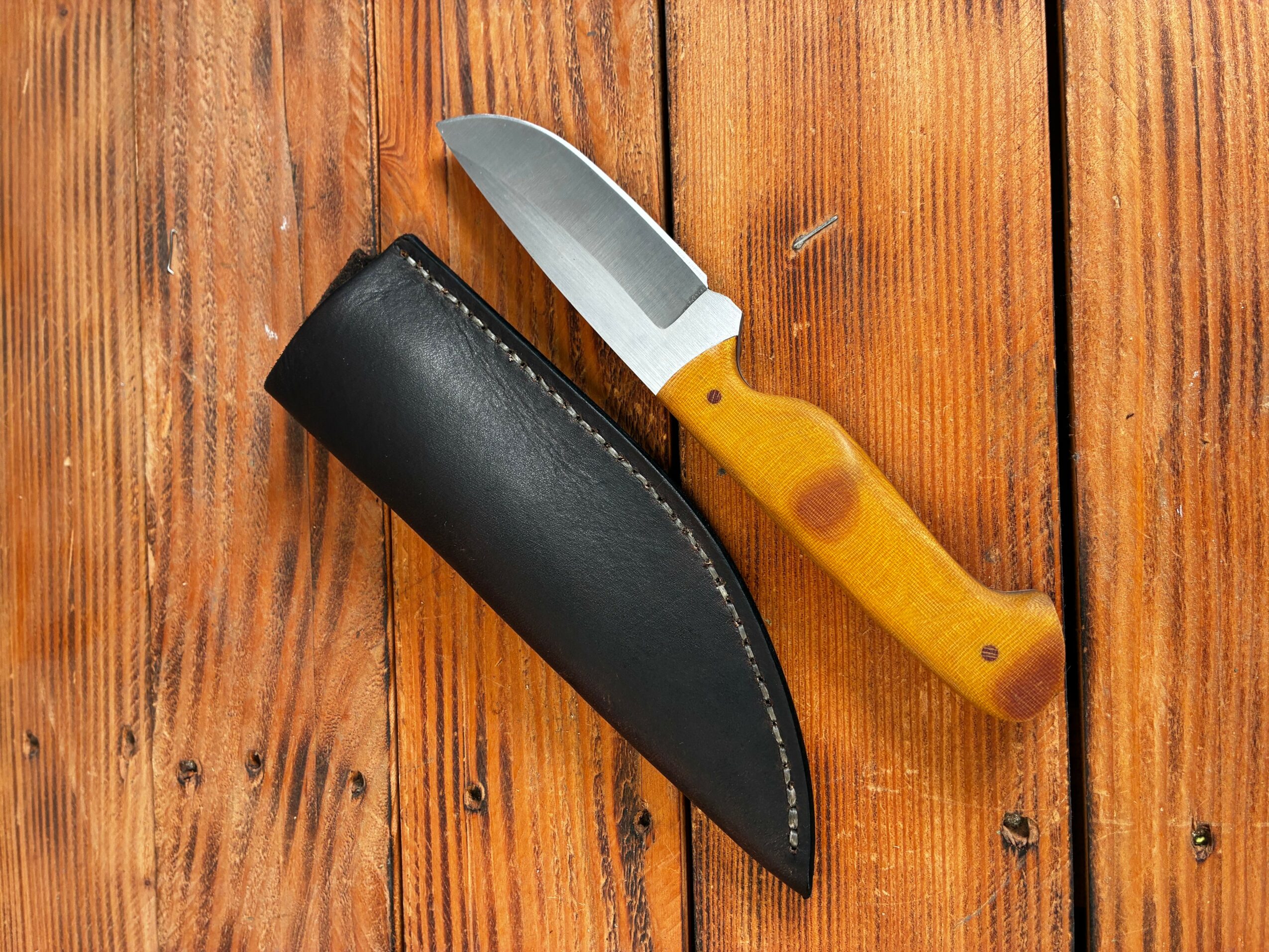
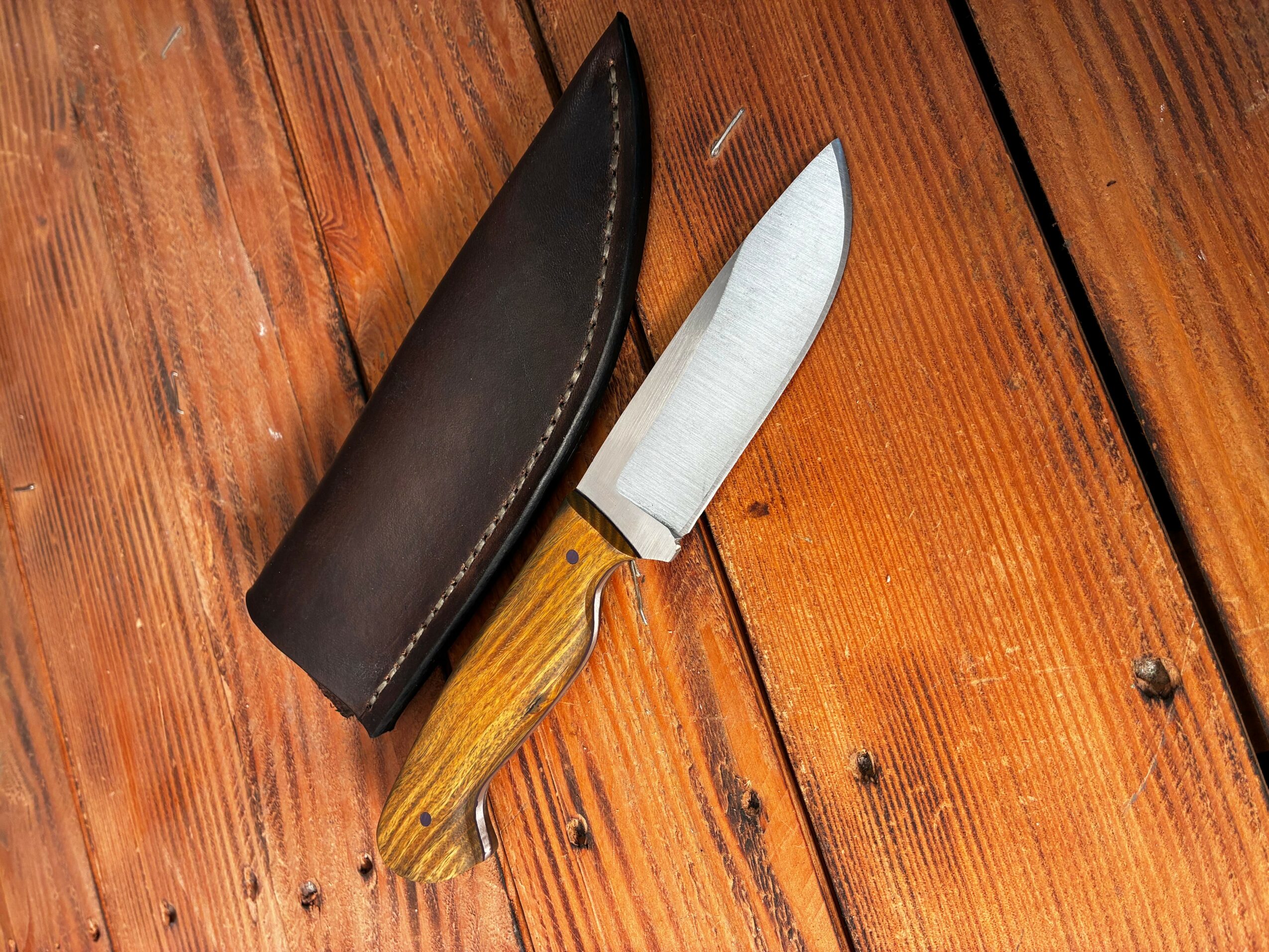
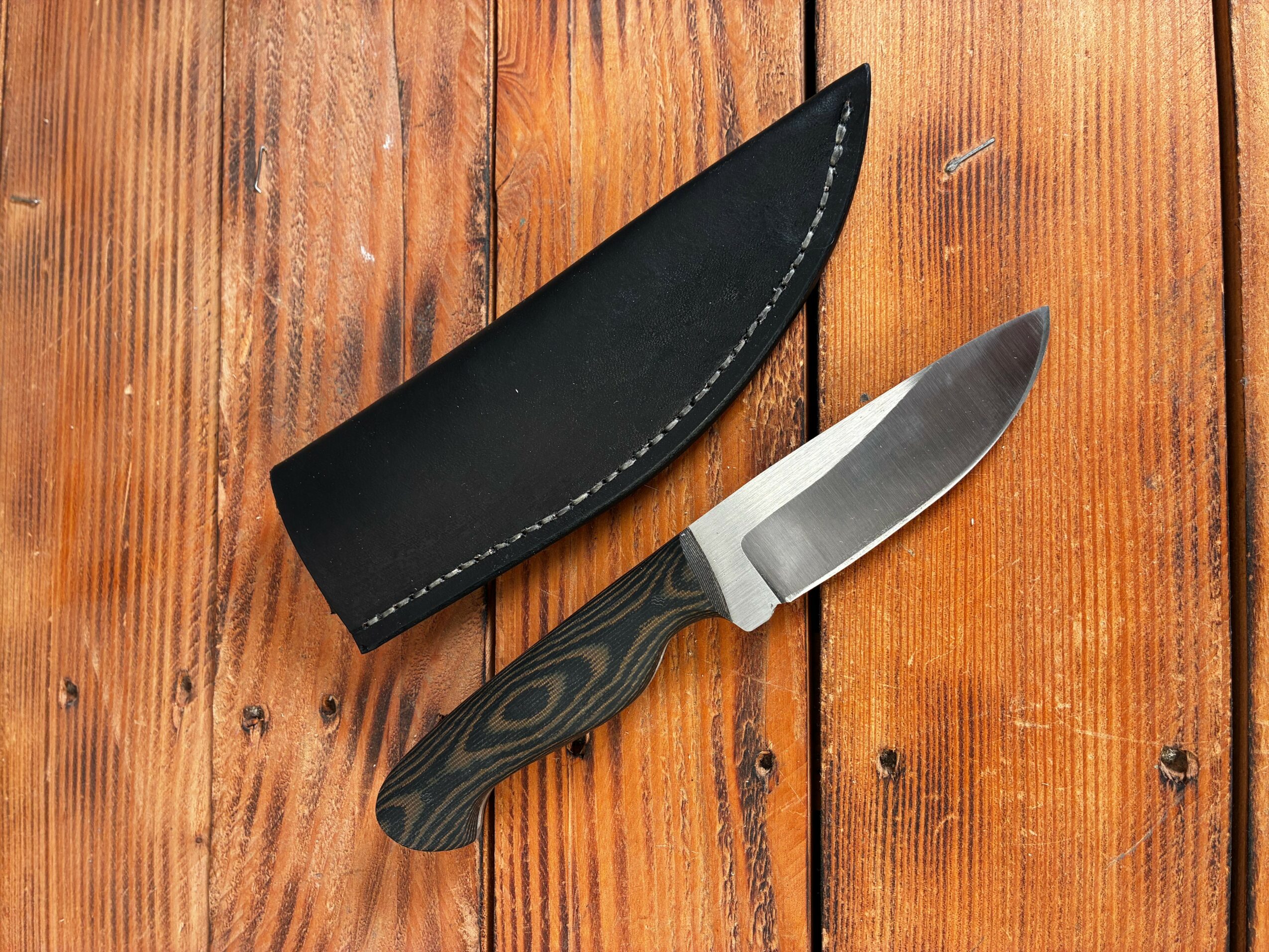
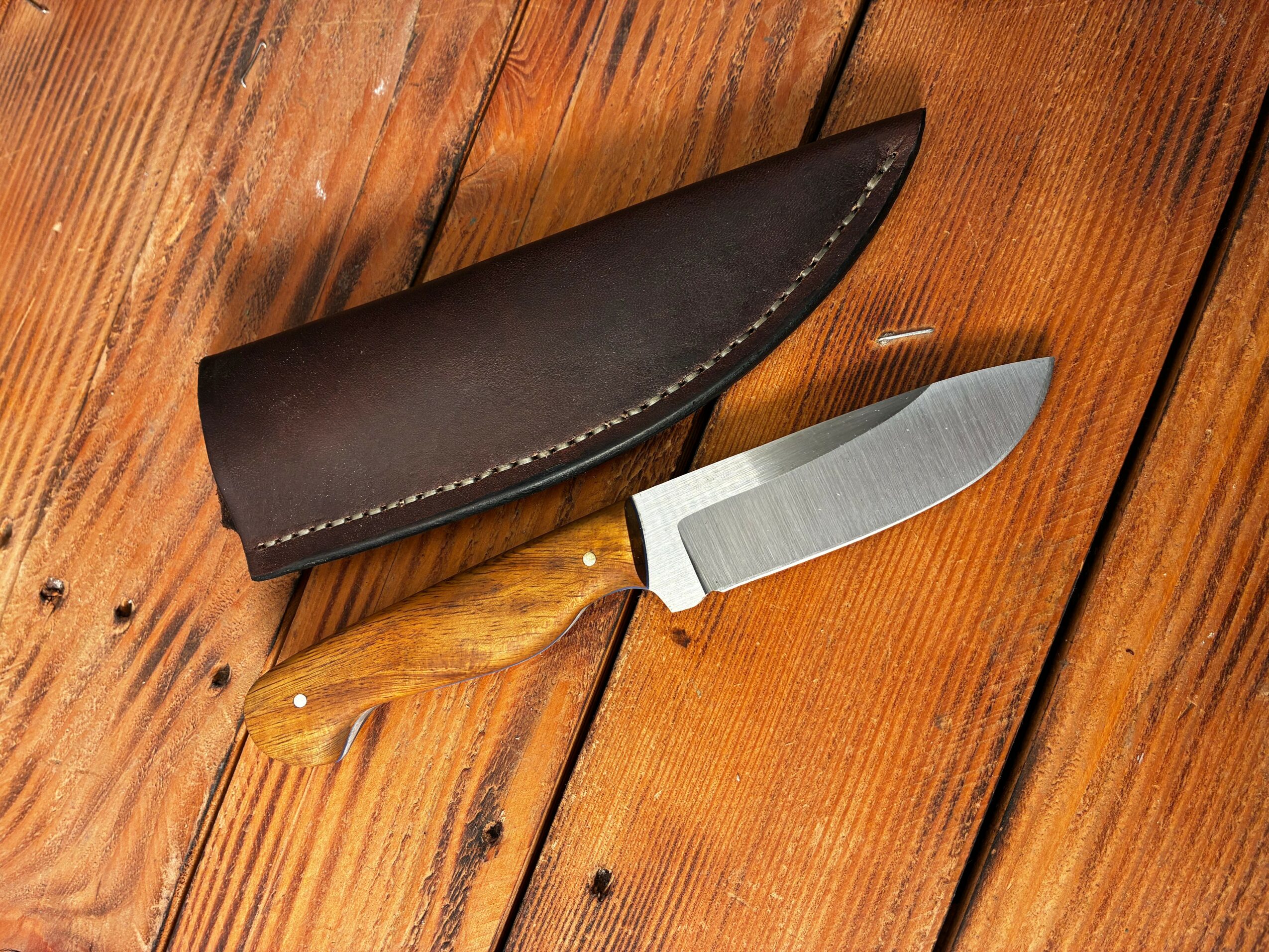
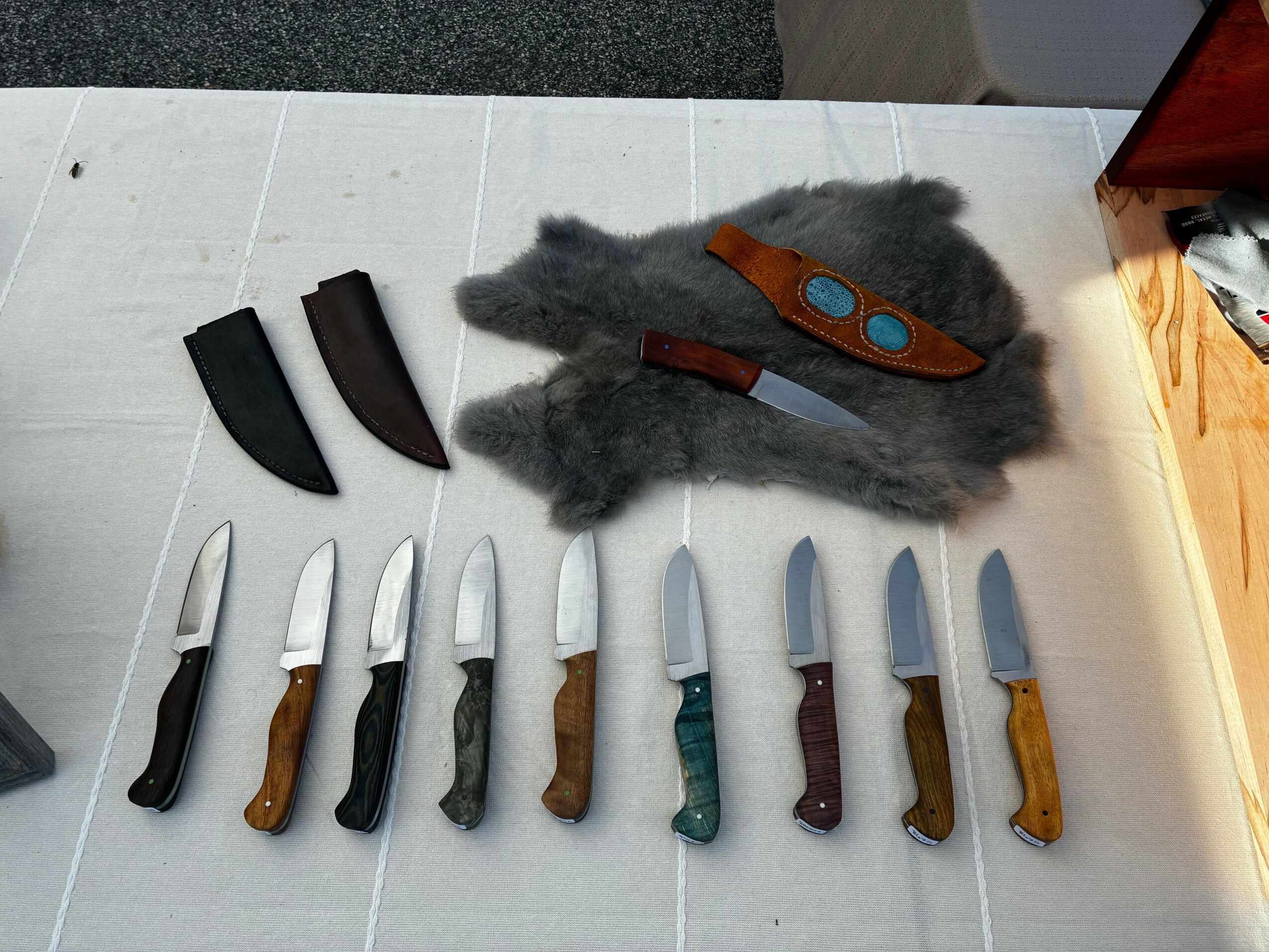

Image Credits:
Grier Friedman
Popular
-

Opening Up to Move Forward: Diane Martinez on Vulnerability, Small Steps, and Getting Unstuck
-

Hidden Gems: Local Businesses & Creatives You Should Know
-

ATL’s Most Inspiring Stories
-

Portraits of Atlanta
-

Storytelling, Wellness, and Community: Dayana Preval on Finding Alignment Through Creative Expression
-

Rewriting the Rules of Publishing: How Jalisa Rose Ray Is Building an Author‑First Legacy with JRose Publishing