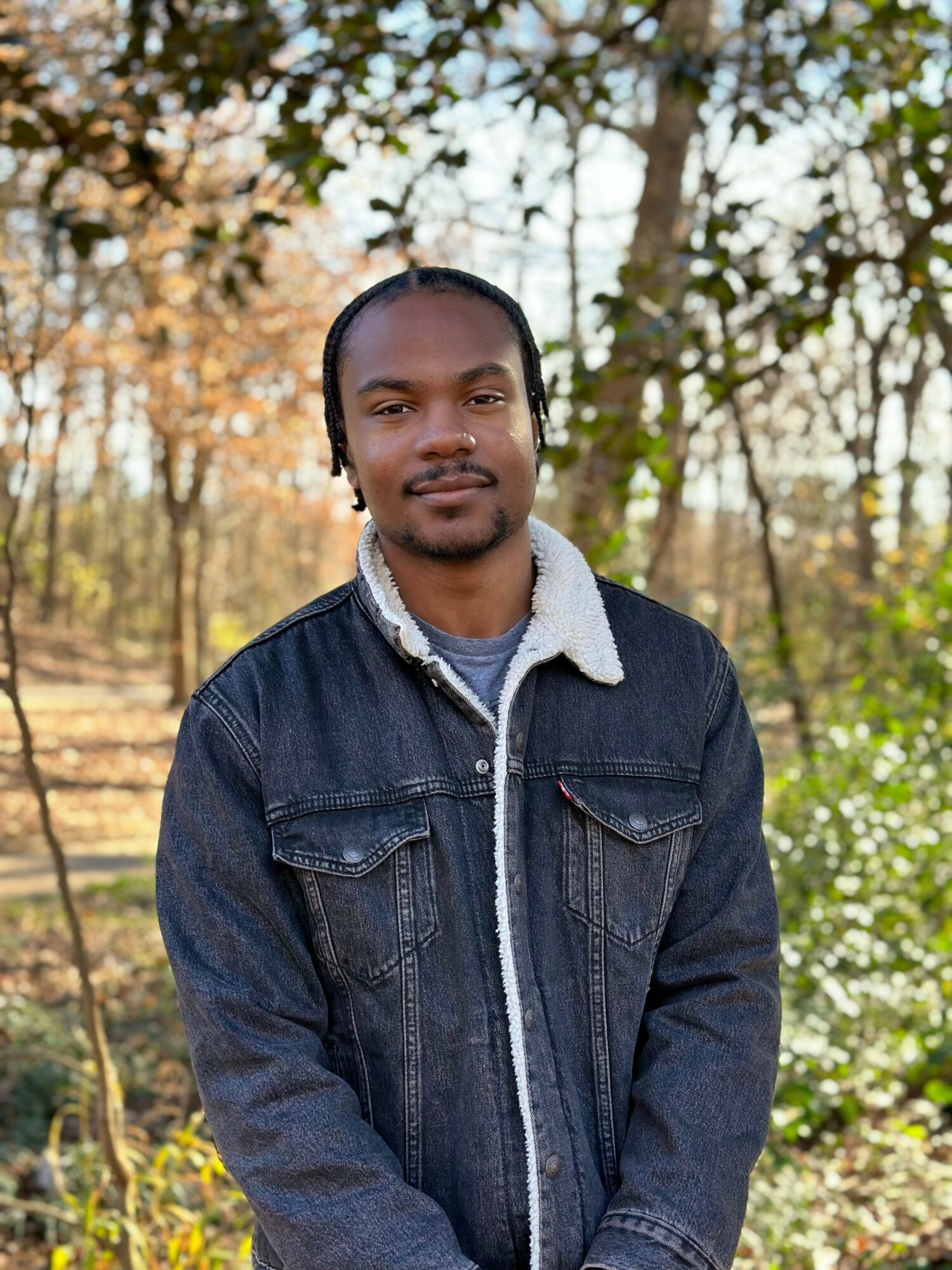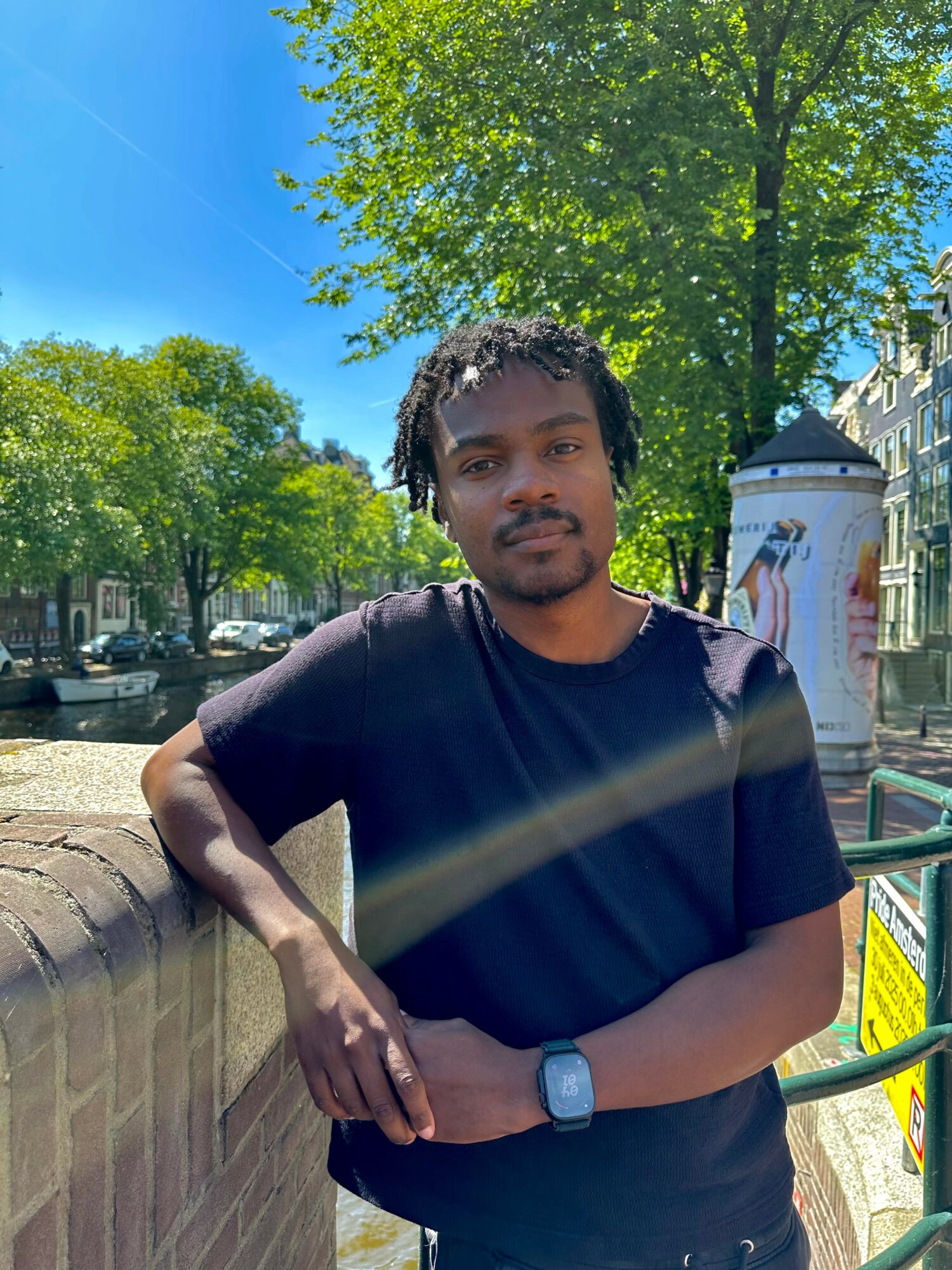





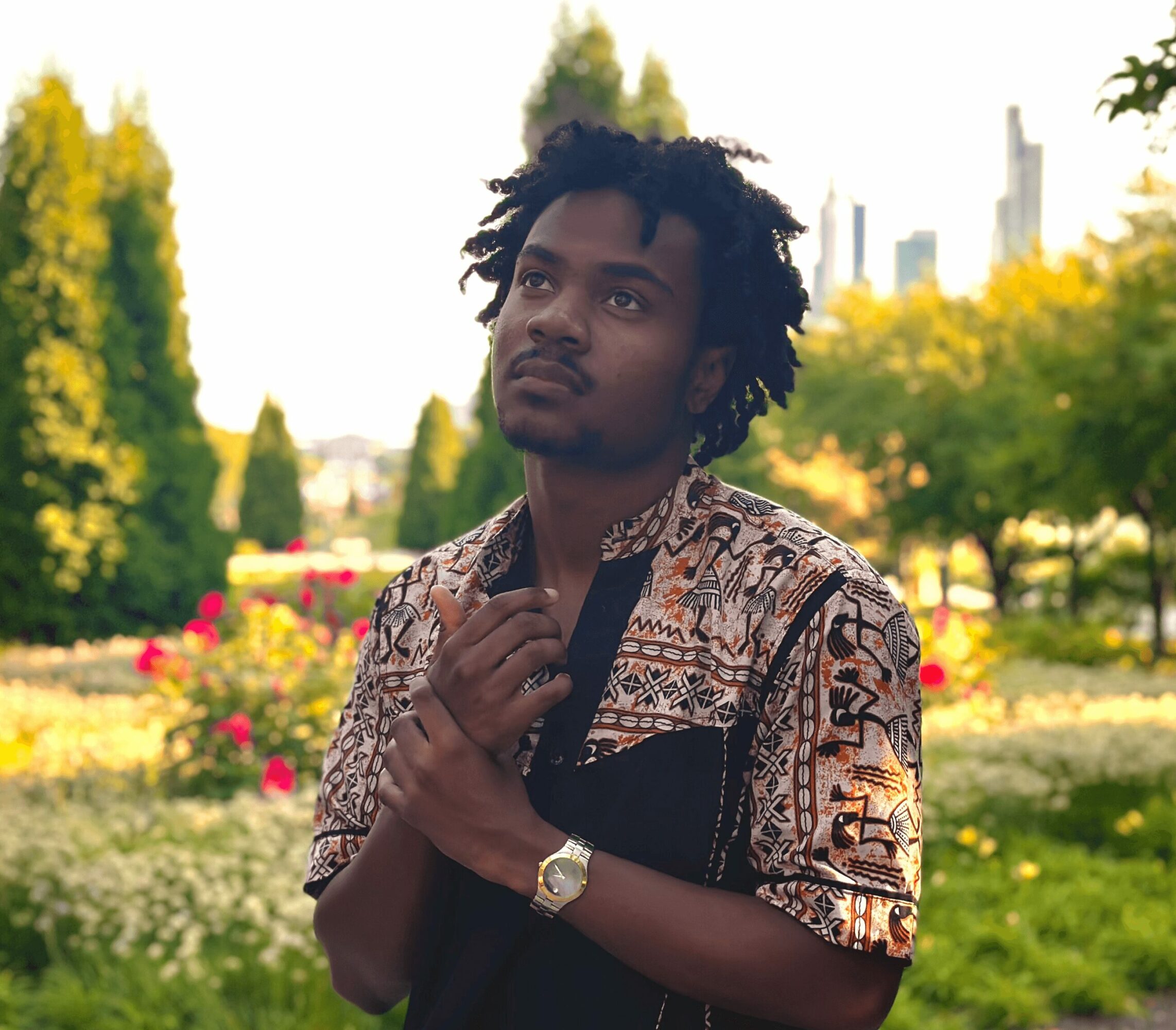
Today we’d like to introduce you to Maximillian Polhill.
Hi Maximillian, it’s an honor to have you on the platform. Thanks for taking the time to share your story with us – to start maybe you can share some of your backstory with our readers?
I’ve been drawn to computers for as long as I can remember. My grandmother gifted me a laptop when I was very young, and I was fascinated by the little games and worlds that lived inside it. By the time I was around ten, I was constantly imagining my own games. I would write documents describing virtual worlds I wished existed, even though I didn’t yet know how to build them.
At thirteen, I discovered computer programming. That was the moment everything clicked. I realized that the worlds I imagined didn’t have to stay in my head, they could actually be built by me. I became obsessed with learning JavaScript and C++, and by fourteen I had published my first mobile game, “Stellar Alien.”
From there, software engineering didn’t feel like a choice so much as a natural path. I studied computer science at Arizona State University and graduated in 2021. Since then, I’ve worked as a software engineer at major tech companies, continuing to sharpen my technical foundation.
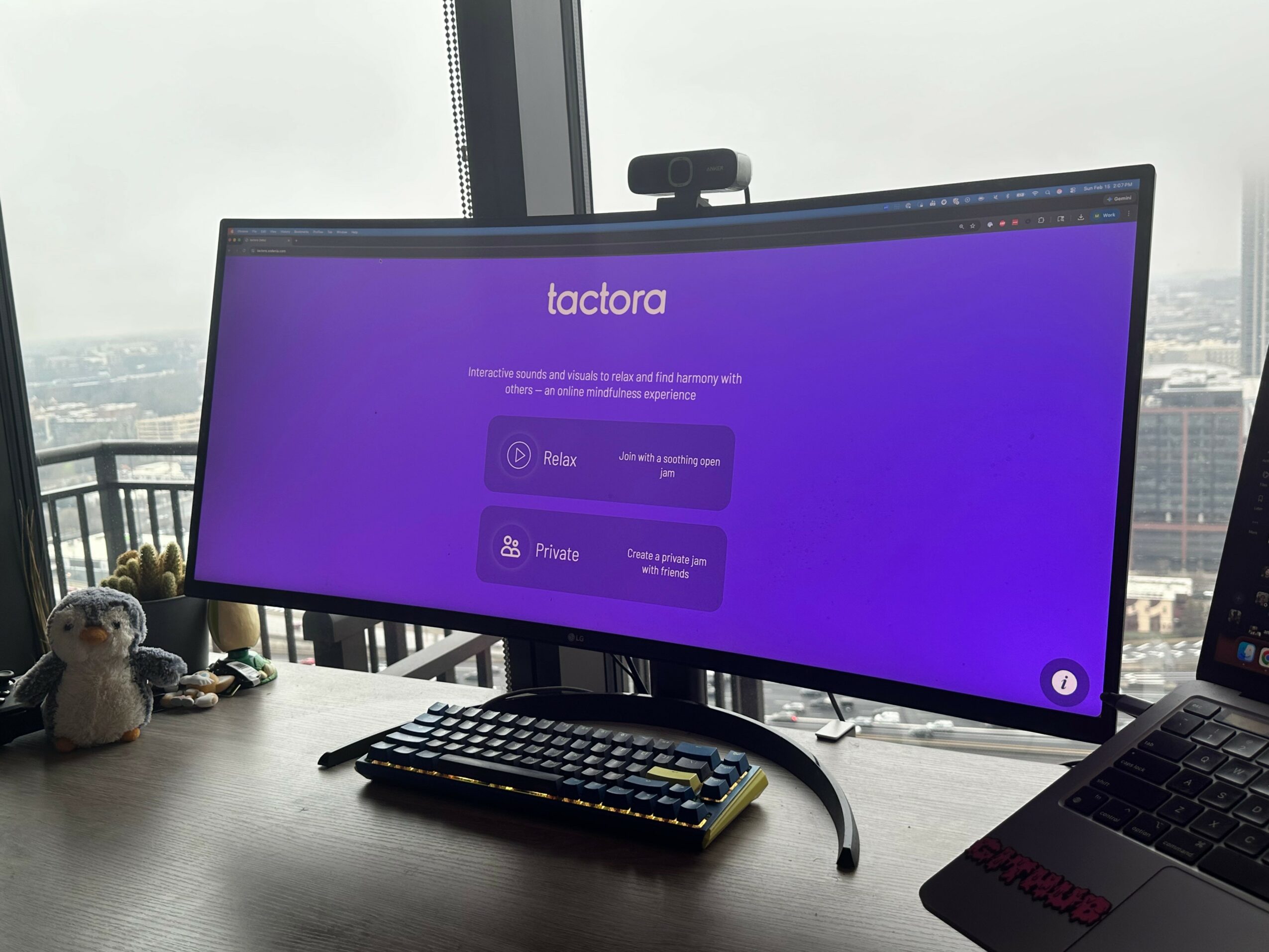
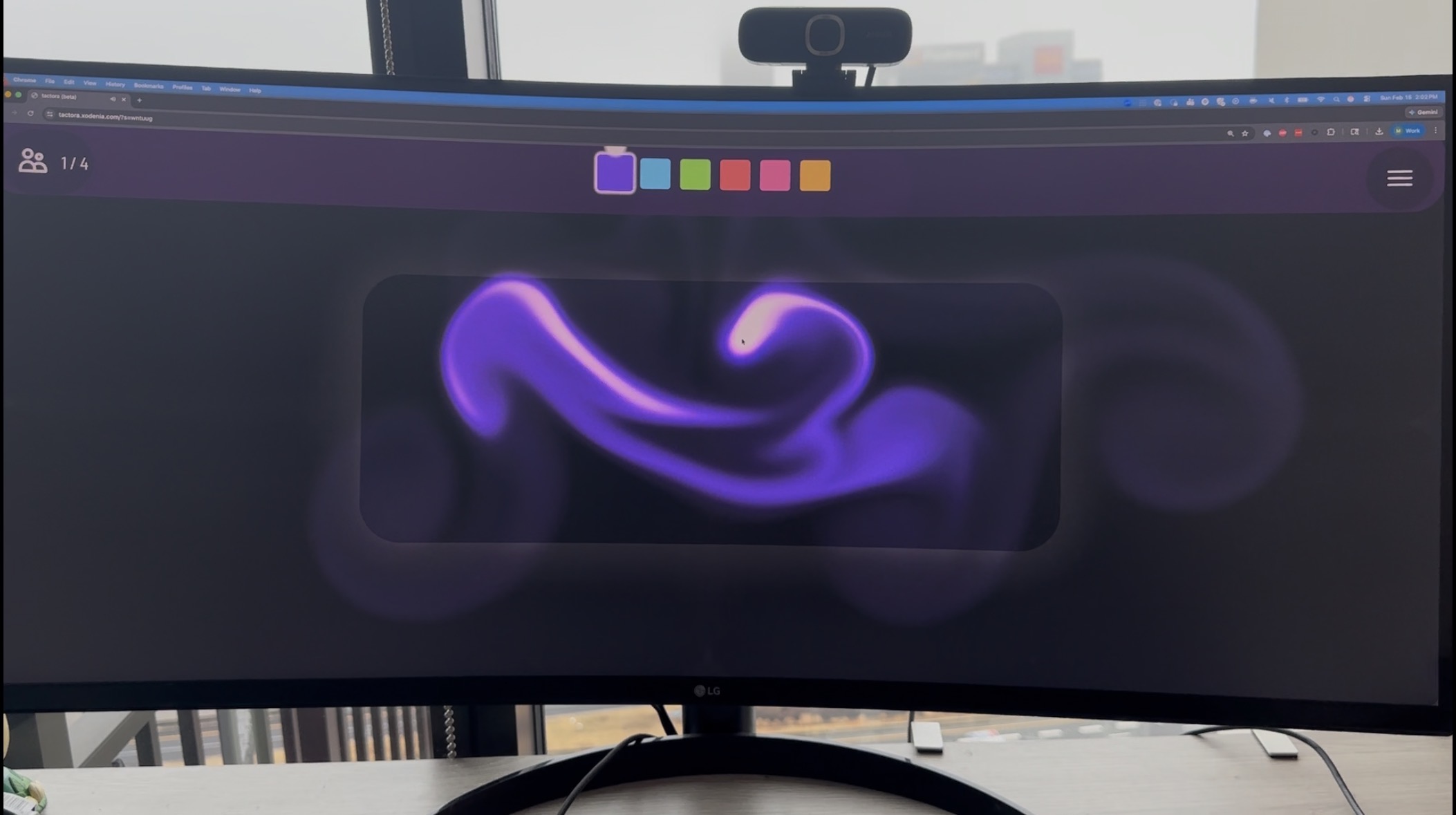
But alongside that professional path, I’ve always held onto the creative thread. In my free time, I was building interactive experiences that blend music, play, and technology. That exploration led me to create “Tactora” a real-time mindful audio experience where people can create soothing, ambient music together online; whether with friends or complete strangers across the world.
Building that app made something clear to me: I didn’t just enjoy engineering, I loved creating experiences that bring people into a shared space. That realization led me to start my own independent creative studio, “XODENIA” , a home for my projects that sit at the intersection of technology, culture, and play.
Through XODENIA, I’m continuing to explore collaborative music-making and interactive storytelling. Recently, that exploration has brought me back to game development; this time through a project influenced by the culture and energy of Atlanta. It’s still in development, but it represents a deeper step into building interactive worlds that reflect lived experience and community.
For me, the studio isn’t just a business structure, it’s a container for the ideas I care deeply about. I only pursue projects I genuinely love and feel compelled to bring into the world. Whether it’s a meditative web experience or a culturally inspired game, the most fulfilling part is translating an abstract idea into something people can actually interact with and feel.
Can you talk to us a bit about the challenges and lessons you’ve learned along the way. Looking back would you say it’s been easy or smooth in retrospect?
There were definitely moments where balancing a traditional tech career with creative work felt uncertain. Early on, it sometimes felt like I was living in two different worlds. But over time, I realized they actually strengthen each other. At work, I learned how to collaborate effectively, operate under deadlines, and ship reliably. In my creative projects, I was able to take those same technical skills and push them further; experimenting more freely and exploring the edges of what I could build.
With creative work especially, there’s always a quiet doubt in the background. A voice that says, “No one will care about this,” or “Why not just build something trendy and safe?” Learning to work past that voice can be one of the biggest challenges as a creative. But the reality is that creative projects rarely begin fully formed, they often evolve through trial, frustration, and iteration.
That was definitely true for Tactora; That app went through many phases and false starts before I understood what it really wanted to become. There was a moment where the direction finally clicked: when I saw others use it and tell me “I’ve never seen a website or app that felt like this before, it was so soothing.” and from there it was about trusting that instinct and committing to it, even without guarantees.
Appreciate you sharing that. What else should we know about what you do?
I’m a creative software engineer who builds interactive experiences that sit at the intersection of engineering and feeling. Technically, I specialize in real-time interactive software; things that respond instantly and create a sense of shared space online, whether through sound or play. Creatively, I’m drawn to projects that invite people to participate rather than just consume.
What I’m most proud of is creating experiences that feel intentional and polished, even when they’re experimental. With my project Tactora, for example, it wasn’t just about syncing sound across devices and making pretty visuals; it was about creating a calm, shared atmosphere that people could step into. That balance between strong technical foundations and thoughtful design is something I care deeply about.
I think what sets me apart is that I approach software as a medium, not just a tool. My background in computer science gives me the structure and discipline to get rigorous technical projects done, yet my creative instincts push me to build things that are expressive and meaningful. I’m not interested in building for the sake of trends, I’m interested in building experiences that resonate with people. The projects I make can contain culture, atmosphere, and story just as much as it is technically sound.
What do you like and dislike about the city?
What I love the most about Atlanta is how welcoming it is to everyone, it has a comfy feeling once you allow yourself to be present and be open to what is around you. On weekends, there’s always a sense of a cool event or activity out there for you to participate in. There’s so many kinds of people in Atlanta that I think anyone can find their own crowd here if they put themselves out there. I also love the beautiful trees of the city, it’s especially gorgeous in the Spring where everything is blooming and coming alive again; It’s hard to be in a bad mood when you’re around so much greenery.
I think it goes without saying that the traffic / highway structure in ATL is pretty bad , and of course I wish the public transit was more accessible in more areas. But the city still has so much going for it, it’s a unique place.
Contact Info:
- Website: https://tactora.xodenia.com
- LinkedIn: https://www.linkedin.com/in/maximillianpolhill/
- Youtube: https://www.youtube.com/channel/UCHX5UuEjXuwcUIxFt02XY3g