


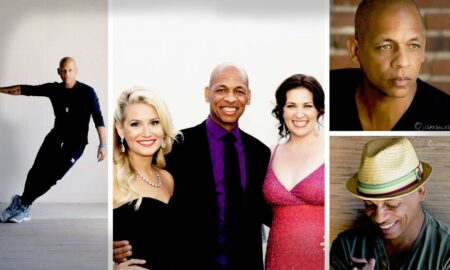



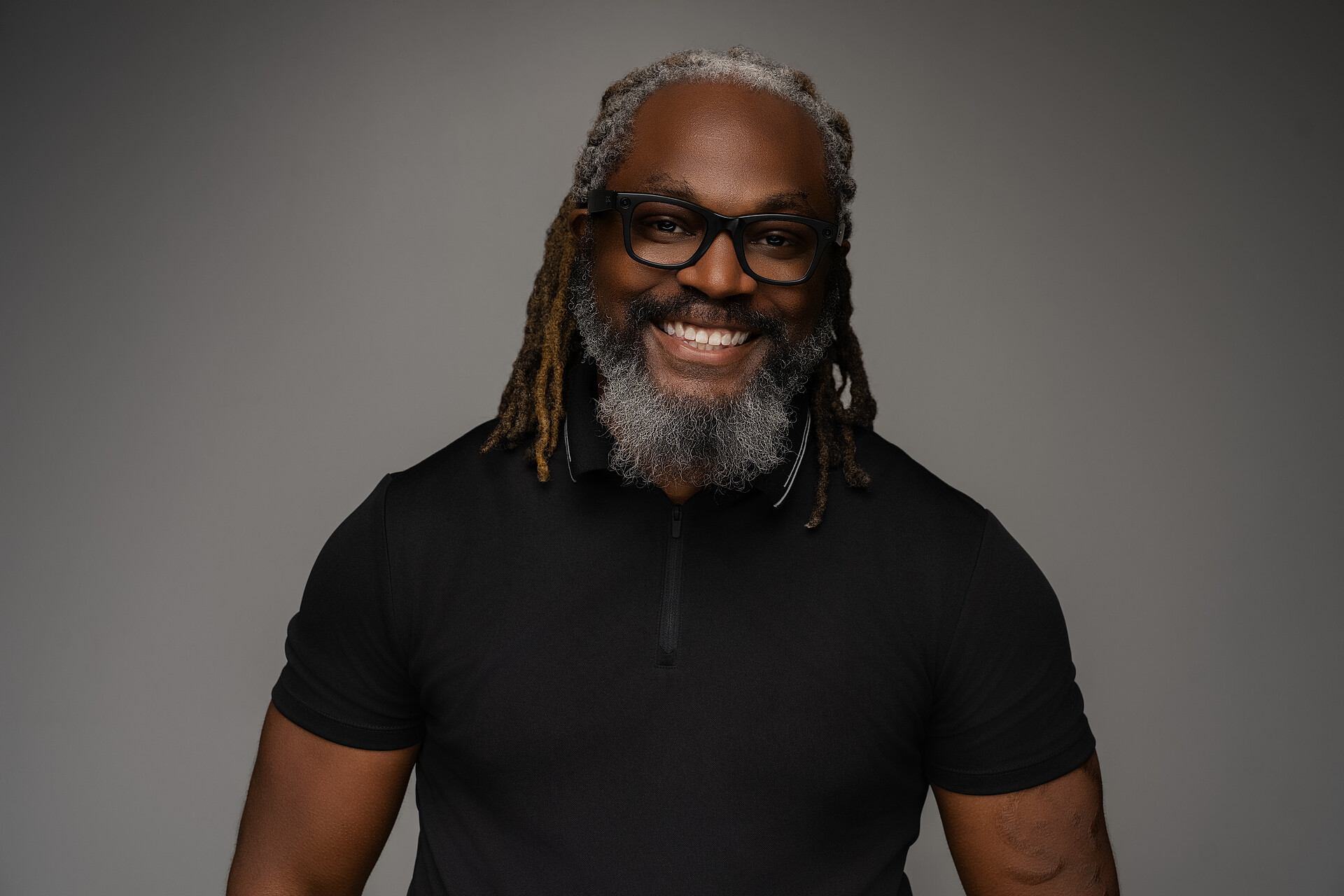
Today we’d like to introduce you to Peuge Benjamin.
Hi Peuge, so excited to have you on the platform. So before we get into questions about your work-life, maybe you can bring our readers up to speed on your story and how you got to where you are today?
My relationship with travel started early. My first trip was to Haiti when I was about six years old, and I remember it vividly—the excitement of getting on a plane, the feeling of going somewhere completely different. Haiti is my parents’ homeland, so to me it wasn’t just a trip; it was an opportunity to see and experience where they came from. Growing up in Brownsville, Brooklyn, anything outside of my immediate environment felt like an adventure, and travel quickly became a way for me to see that the world was bigger than what I knew.
From there, travel became a regular part of my life—summer trips to the Poconos, Lake George, Canada, different states, and back to Haiti. As a kid, I had no idea what it cost my mother to make those experiences happen for a family of five, especially as a single parent. Looking back now, I realize how intentional she was about exposing us to things many of our peers didn’t get to see. That early exposure gave me perspective long before I understood what that meant.
College was really the turning point. I went on a mission trip to Jamaica and experienced travel in a deeper way—volunteering, immersing myself in the culture, and having moments that weren’t polished or touristy, like a bashment party in Montego Bay that felt more real than anything I had seen in movies. Around that time, I also realized how much food drives my travel experience. Food anchors memories for me and makes places stick in a meaningful way. After graduating, I took an Eastern Caribbean cruise, and that combination of joy, curiosity, and freedom created a real thirst to explore. That was the feeling I’ve been chasing ever since.
Atomics Travels came from sharing that experience, not centering myself. When my travel photos started gaining traction, I noticed people resonated most when I focused on the people, the environments, and the stories—not just me. I’ve always been shy in front of the camera, and I prefer people to see the world through my eyes rather than see me glamorizing it. My goal has always been for Black and Brown communities to see themselves in places they’re often told—directly or indirectly—aren’t meant for them. I wanted people to know that it’s possible.
The pandemic changed everything. I had plans to travel the world and hit 40 countries by 40 years old, but like they say, when you make plans, God laughs. Instead, I felt called to lift people up during a time when the world felt heavy and uncertain. I had already built a small but engaged community, so I started Travel Tuesday Happy Hour on Instagram Live—short conversations with travelers about their experiences, traveling while Black, and practical tips. What started as an experiment turned into something real. Over 15 weeks, I interviewed 45 people, sharing their journeys and perspectives. I eventually completed multiple seasons, and while things slowed as the world reopened, the impact stuck.
At its core, Atomics Travels is built on a simple belief: if I can travel, so can you. I traveled internationally as a college student with less than $500. After graduating and working at a nonprofit making $28,500 a year, I made trips happen for around $1,200. Today, travel is more accessible than it has ever been—through payment plans, group travel options, and tools that let people spread out costs. My work is about demystifying travel and showing people realistic pathways to experience the world.
Today, I’m at 39 countries and heading to Brazil, which will make number 40. I continue to travel both domestically and internationally, and I’m launching new projects that bring wellness back into the travel experience. That includes supporting my nonprofit, Getting My Cheese Back On My Cracker Foundation, where we focus on advocacy, safe spaces, and community for Black and Brown people around the world. Atomics Travels has never been about checking boxes or flexing—it’s about perspective, access, and reminding people that they belong everywhere they choose to go.
Alright, so let’s dig a little deeper into the story – has it been an easy path overall and if not, what were the challenges you’ve had to overcome?
Not at all. One of the biggest challenges has been staying true to the original intention of Atomics Travels while navigating visibility and growth. I’ve always been clear that this wasn’t about me as an individual, but about representation, access, and storytelling. Balancing that with the realities of social media—where people often expect a face, a personality, or a polished brand—has been difficult at times.
Another challenge has been doing this while managing real life. I built Atomics Travels while working full-time, often in demanding roles, and without the backing of sponsors, major funding, or a clear playbook. There were moments where consistency was hard, momentum slowed, or I questioned whether people were still connecting with the message.
The pandemic brought opportunity but also pressure. Creating Travel Tuesday Happy Hour meant showing up every week for others while the world was heavy and uncertain, and that required emotional energy I didn’t always have. As things reopened, it also became harder to maintain that same level of engagement, which forced me to rethink what sustainability looked like.
The biggest struggle, though, has been internal—resisting the urge to compare my journey to others and trusting that impact doesn’t always move at the same pace as visibility. I’ve learned that building something meaningful takes patience, intention, and the willingness to evolve without losing the core of why you started.
Alright, so let’s switch gears a bit and talk business. What should we know about your work?
Professionally, I’m a Solutions Engineer, currently working at AdsWizz, a global audio ad-tech company that was acquired during the pandemic—first by Pandora, and later by SiriusXM. My role today sits at the intersection of technology, strategy, and problem-solving, helping organizations understand complex systems and deploy solutions that actually work in the real world.
My career, however, started very differently. I began as an intern at A Second Chance, Inc., a nonprofit focused on kinship care and foster services. That experience was my first true introduction to the idea that technology—and the people supporting it—can have a real trickle-down effect. While my role wasn’t directly client-facing, the systems I supported helped ensure families were reunited and children in foster care were properly supported. Within a year, I was promoted to Systems Administrator, and that environment shaped how I view responsibility, accountability, and impact.
Working in a growing nonprofit teaches you quickly that you don’t get to be “just” one thing. You learn to be great at everything because every decision matters—and in that case, children’s lives depended on it. The relationships I built with my IT leadership during that time fundamentally shaped the professional I am today.
From there, I moved to CompuCom, where I helped build out their mobile security practice. My work involved testing, validating, and operationalizing enterprise mobility and security platforms—making sure vendors were the right fit, and then planning, deploying, and managing those solutions for large clients. That role sharpened my ability to evaluate technology not just for what it claims to do, but how it behaves under real-world conditions.
That experience led to what felt like a once-in-a-lifetime opportunity: joining MobileIron, which was later acquired by Ivanti. It was remote before remote work was common, globally distributed, and deeply impact-driven. Across all of these roles, one thing remained consistent—the title never fully defined my contribution. I often became pivotal to an organization’s ability to deliver reliable, high-quality services, even when that wasn’t explicitly in my job description.
What sets me apart is how I approach systems. I start by reading the manuals—understanding the intended behavior of a product or service. Then I go deeper and learn the APIs, because that’s where you truly understand how something works, how it integrates, and where it can break. Most people overlook that layer because it requires patience, focus, and time.
I’ve since been diagnosed with ADHD, and in hindsight, what was once misunderstood has become one of my greatest strengths. My ability to hyper-focus, tunnel into documentation, and deeply understand complex systems allowed me to see patterns and connections others often missed. In environments where that focus is valued, it becomes a superpower.
What I’m most proud of isn’t a single role or company—it’s the consistency of impact across very different environments. Whether supporting foster care systems, securing enterprise mobility platforms, or designing scalable solutions in ad tech, my work has always centered on making systems dependable so people can do their jobs better. That philosophy continues to guide everything I build, professionally and beyond.
Is there something surprising that you feel even people who know you might not know about?
One thing that often surprises people is that I don’t believe I have it all figured out—and I’m not trying to. Even at 42, I see myself as a student first. I’m constantly learning, observing, and evolving, especially by watching the people coming after me. When someone asks, “How did you do that?” my honest answer is usually that I’m still figuring it out myself.
I also genuinely celebrate when others surpass me. There’s no ego in it for me—if anything, it’s inspiring. One person I’m especially proud of is Rick Southers (IG: rick_ontherun). I know Rick personally, so I’ve seen where he started, how intentional he’s been, and how he’s built his journey in his own way. Watching him move through the world with confidence and purpose is powerful.
What matters most to me is representation. We don’t see enough Black men traveling the world, telling their own stories, and challenging the narratives society places on us. Rick, and many others in his lane, are doing exactly that—and doing it well. Being able to witness, support, and celebrate that growth is something I value deeply and something people may not realize is a big part of who I am.
Contact Info:
- Instagram: https://www.instagram.com/atomicstravels/
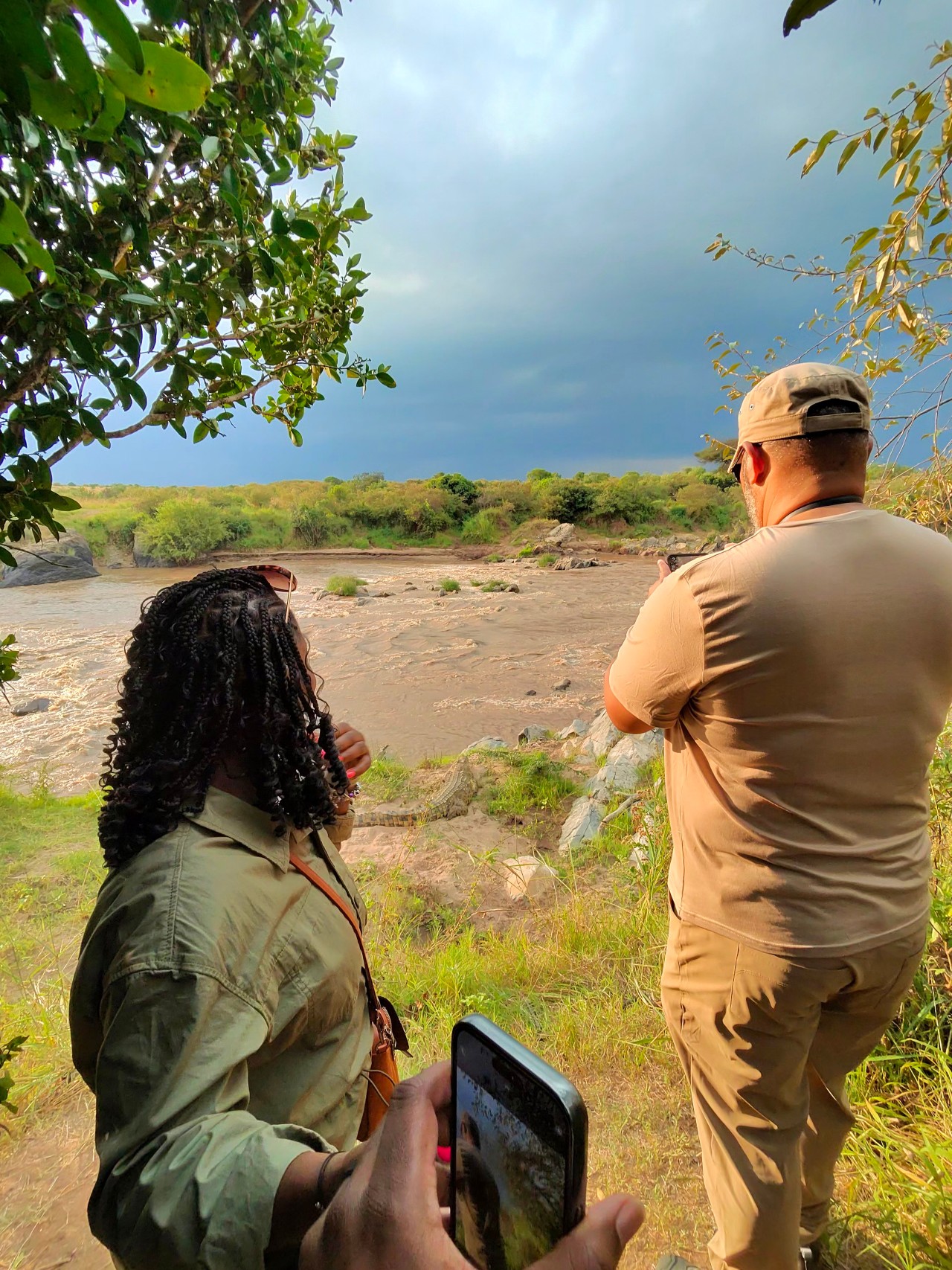

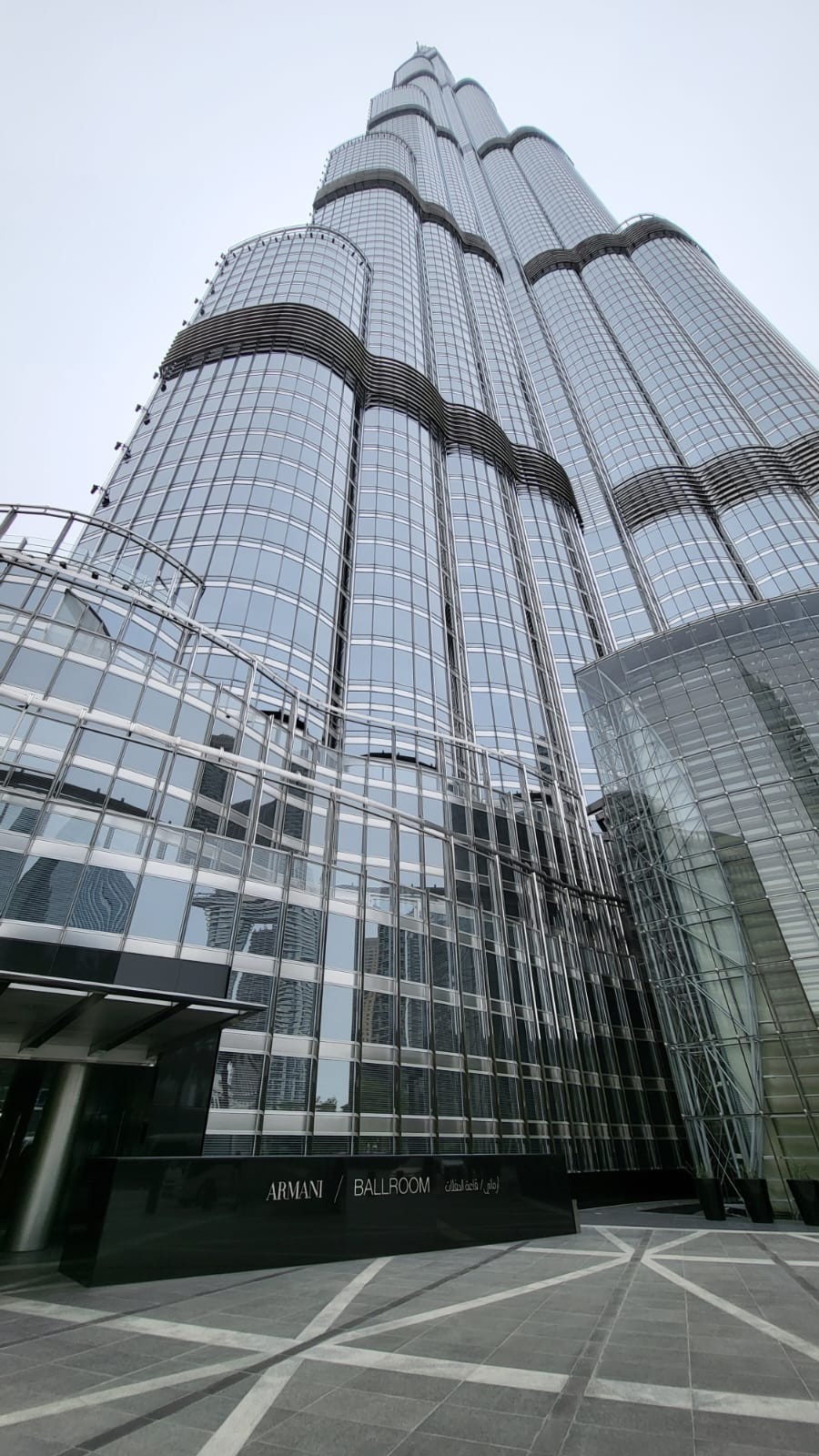
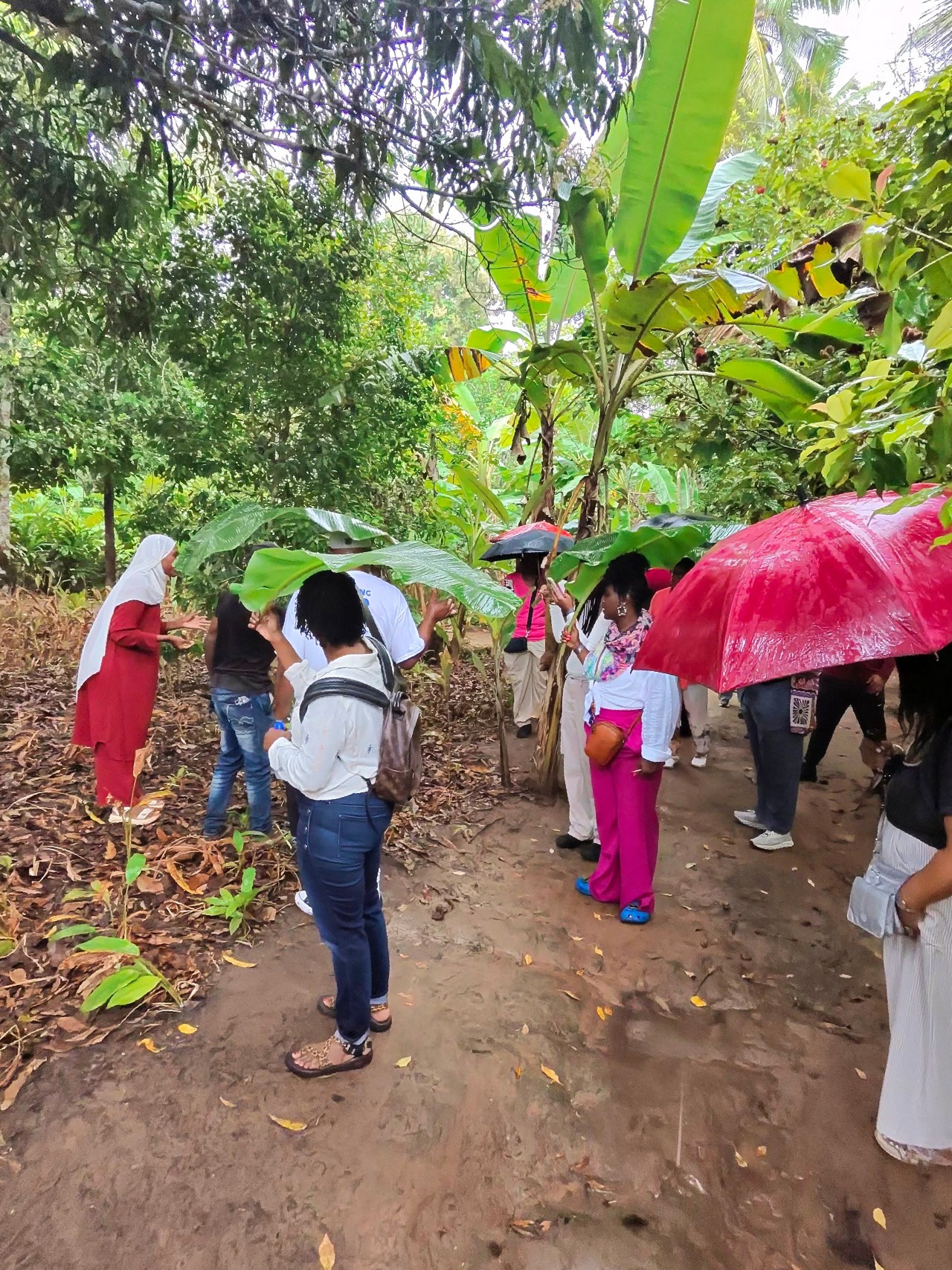
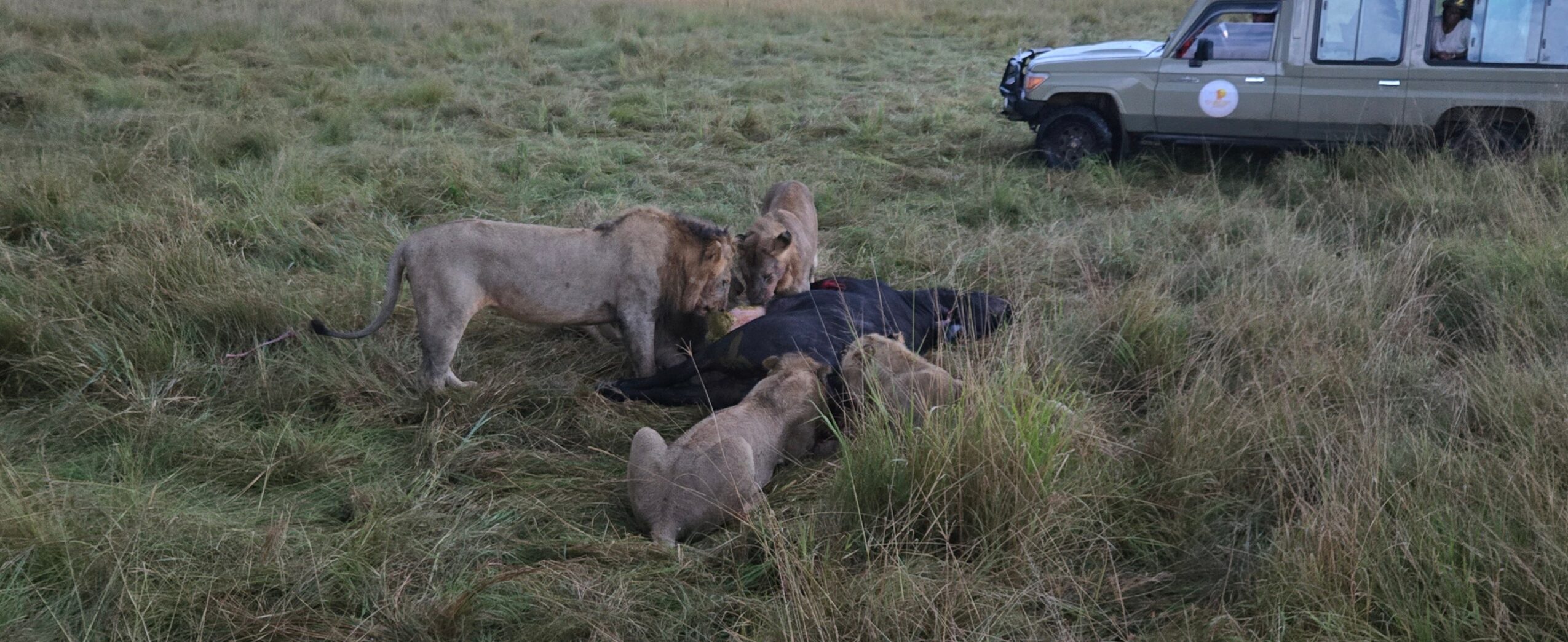
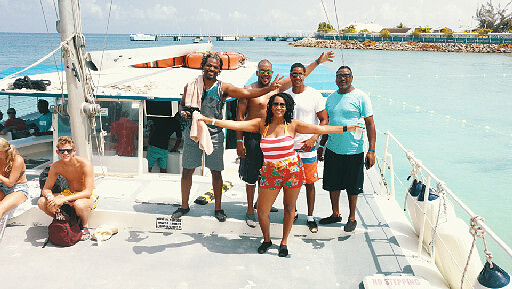
Image Credits
Peuge Benjamin