



We recently had the chance to connect with Dr. Ashley Payne and have shared our conversation below.
Hi Ashley , thank you so much for taking time out of your busy day to share your story, experiences and insights with our readers. Let’s jump right in with an interesting one: What do the first 90 minutes of your day look like?
The first part of my day is about grounding before engaging with the world. I start slowly and intentionally, usually in silence, giving myself time to breathe, pray, and set my mindset for the day ahead. I check in with myself before I check emails or notifications. That alone has changed how I show up in my work and in my life.
I take my dog, Krueger, for a walk, which has become one of my favorite rituals. It gets me moving, clears my head, and reminds me to stay present. After that, I’ll review my priorities for the day, whether that’s scientific work, writing, or creative planning, and make sure I’m aligned with what actually needs my energy.
Those first 90 minutes are less about productivity and more about intention. When I protect that time, everything else flows more smoothly.
Can you briefly introduce yourself and share what makes you or your brand unique?
I’m Dr. Ashley R. Payne, a scientist, writer, and creative strategist. I lead Payne Sciences, a science and research firm focused on health equity, applied research, and science communication, with The Scientist Who Writes serving as its umbrella platform for storytelling and creative work.
By training, I’m a PhD level scientist with a background in epidemiology, laboratory research, health equity, and human subjects research. By nature, I’ve always been a storyteller. My work brings those two worlds together by translating complex scientific concepts into narratives that are accessible, engaging, and culturally grounded.
What makes my work unique is that I don’t separate data from humanity. Through Payne Sciences and The Scientist Who Writes, I work across research strategy, scientific writing, and science advising for media and long form storytelling. I’m especially interested in how science shows up in culture and how thoughtful storytelling can shape understanding, empathy, and real world impact.
This chapter reflects growth and clarity. Right now, I’m focused on expanding my writing portfolio, developing science driven content for film and media, and building a body of work that bridges rigorous research with creative expression while staying rooted in integrity and purpose.
Appreciate your sharing that. Let’s talk about your life, growing up and some of topics and learnings around that. Who were you before the world told you who you had to be?
Before the world told me who I had to be, I was deeply curious and imaginative. I was someone who loved asking questions, observing people, and getting lost in stories. I paid attention to how things worked and why people behaved the way they did. I didn’t see a divide between logic and creativity. They existed together naturally.
Over time, the world offered a lot of definitions and expectations, especially around what success should look like and how a scientist should show up. For a while, I tried to fit neatly into those boxes. But the version of me before all of that always lingered.
Coming back to that earlier version has been about reclaiming curiosity, intuition, and creative freedom. It’s the part of me that trusts both data and instinct, that believes science can be rigorous and expressive, and that knows my voice matters. That version of me is who I’m building from now.
What have been the defining wounds of your life—and how have you healed them?
Some of my defining wounds have come from feeling unseen or having to grow up strong before I fully understood what that meant. I learned early how to be capable, independent, and resilient, but I also learned how to quiet parts of myself in order to keep moving forward.
Healing, for me, has been less about fixing and more about remembering. I’ve healed by slowing down, by learning to listen to myself again, and by allowing softness to exist alongside strength. Spirituality, writing, and creative expression have all played a role, but so has choosing environments that honor who I am now rather than who I was expected to be.
I don’t see healing as a destination. It’s an ongoing practice of self-trust, self-compassion, and alignment. The wounds shaped me, but they no longer define me. They became points of clarity that helped me build a life and body of work rooted in intention and wholeness.
I think our readers would appreciate hearing more about your values and what you think matters in life and career, etc. So our next question is along those lines. What truths are so foundational in your life that you rarely articulate them?
Some truths in my life are so foundational that I rarely stop to articulate them. One is that alignment is a form of protection. When something feels off, it usually is, and honoring that inner knowing has consistently guided me toward better outcomes, even when it meant choosing the harder path.
Another truth is that growth is often quiet and unglamorous. Real transformation shows up in small, disciplined choices like setting boundaries, telling the truth to yourself, and walking away from what no longer fits without needing permission or explanation.
I also believe that clarity comes from honesty and stillness. The more I slow down and listen, the less I rely on external validation. Those truths shape how I move through my work, relationships, and creative life. They are the steady ground I return to, even when everything else is shifting.
Before we go, we’d love to hear your thoughts on some longer-run, legacy type questions. If you retired tomorrow, what would your customers miss most?
If I retired tomorrow, I think my clients would miss my ability to see the bigger picture while still honoring the details. I don’t just deliver work. I help people make sense of complex ideas, clarify their vision, and move forward with intention. For example, I’ve worked with teams who came in focused on data or results but struggled to communicate why their work mattered. I helped them translate their research into a clear narrative that could be understood by leadership, stakeholders, or broader audiences without losing scientific rigor. That shift often changed how their work was received and supported.
They would also miss my thoughtfulness and integrity. I’m intentional about the projects I take on and how I show up for them. I listen closely, ask the right questions, and treat each body of work as something that deserves care, not just completion. Most of all, they would miss the way I bridge science and storytelling. I help translate complexity into clarity while preserving meaning, and that balance is something clients consistently value.
Contact Info:
- Website: www.paynesciences.com and www.thescientistwhowrites.com
- Instagram: @thescientistwhowrites
- Linkedin: https://www.linkedin.com/in/ashley-payne-phd-ms-28a0741a2
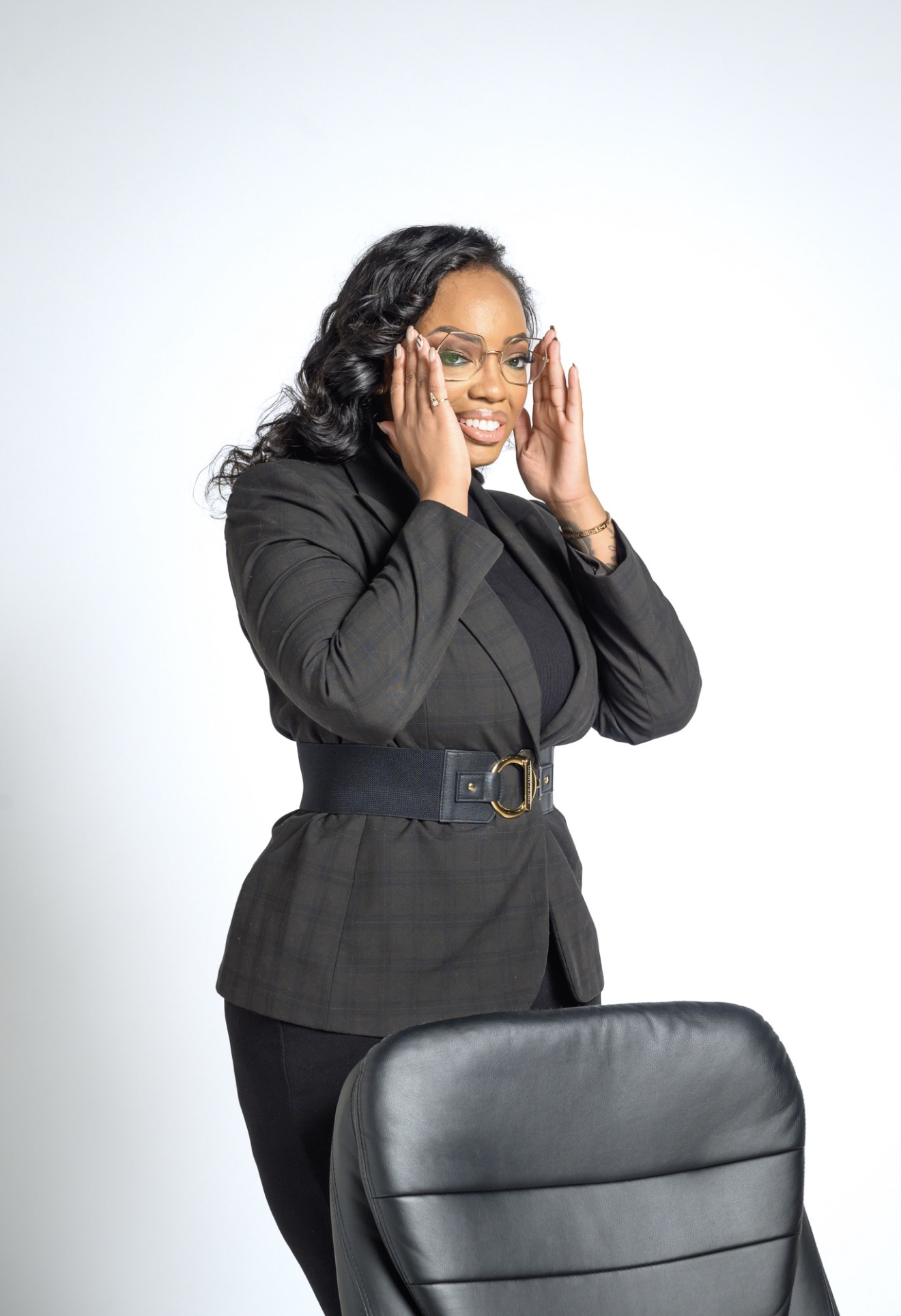

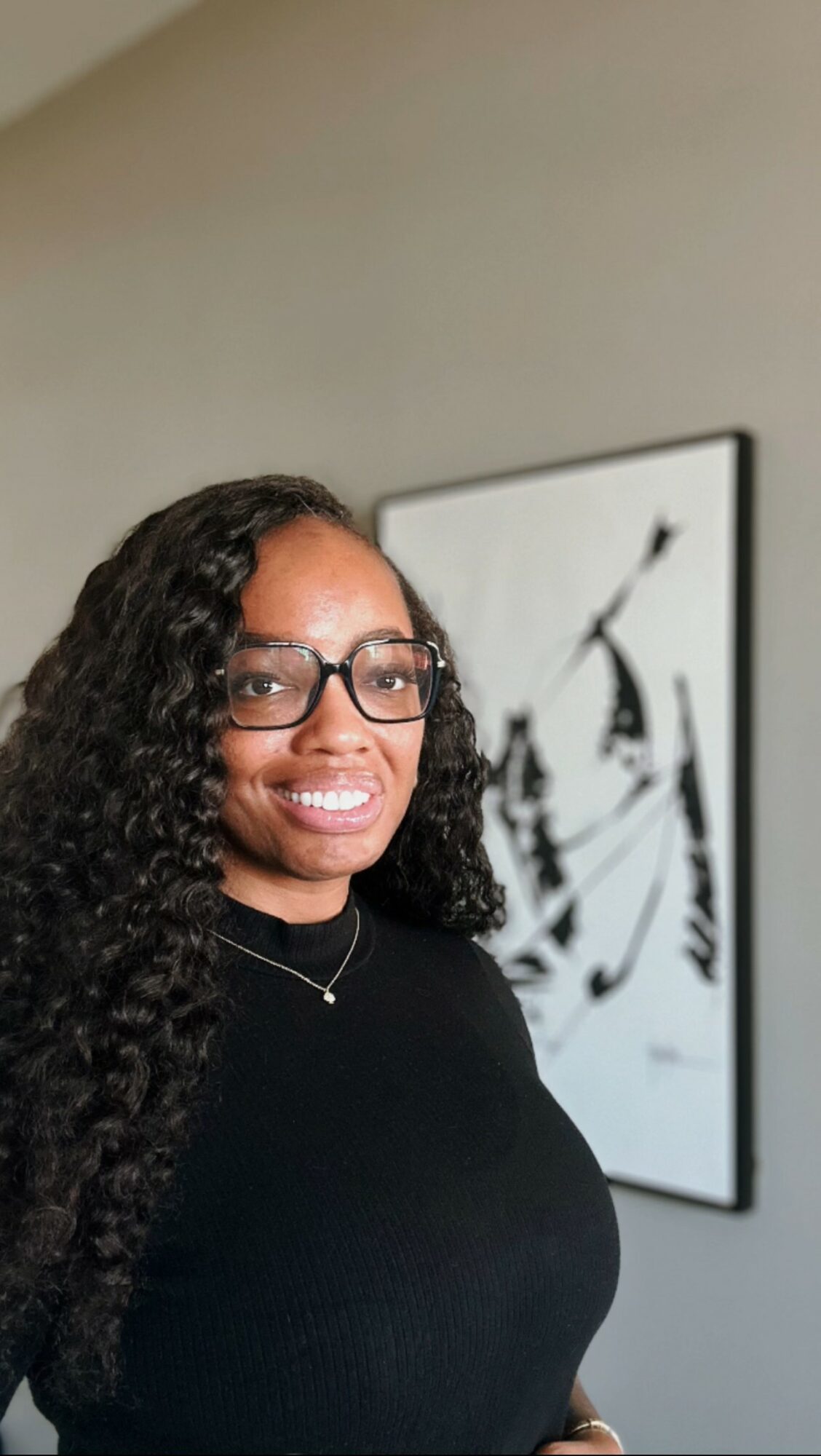
Image Credits
@swishsnapshots
Popular
-

Hidden Gems: Local Businesses & Creatives You Should Know
-

ATL’s Most Inspiring Stories
-

Portraits of Atlanta
-
Dr. Hildiah Martin-Suggs Is Building Second Chances for Youth Who Were Almost Lost in the System
-
From Showing Up to Seeing His Face on a Billboard: Anthony Green Is Just Getting Started
-

Wayne Smith Jr on Survival, Psychological Thrillers, and the Cost of Staying Alive