





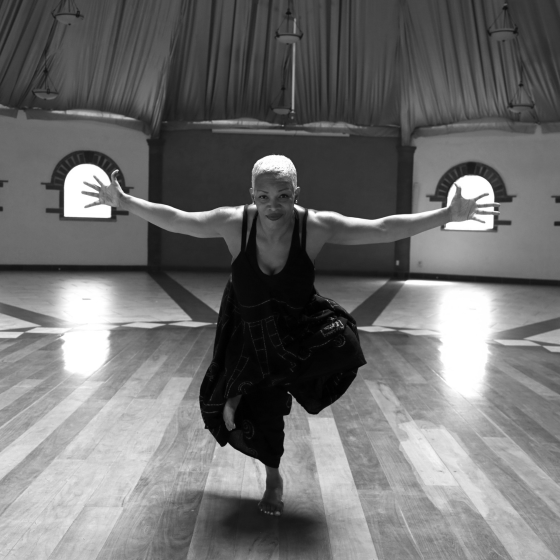
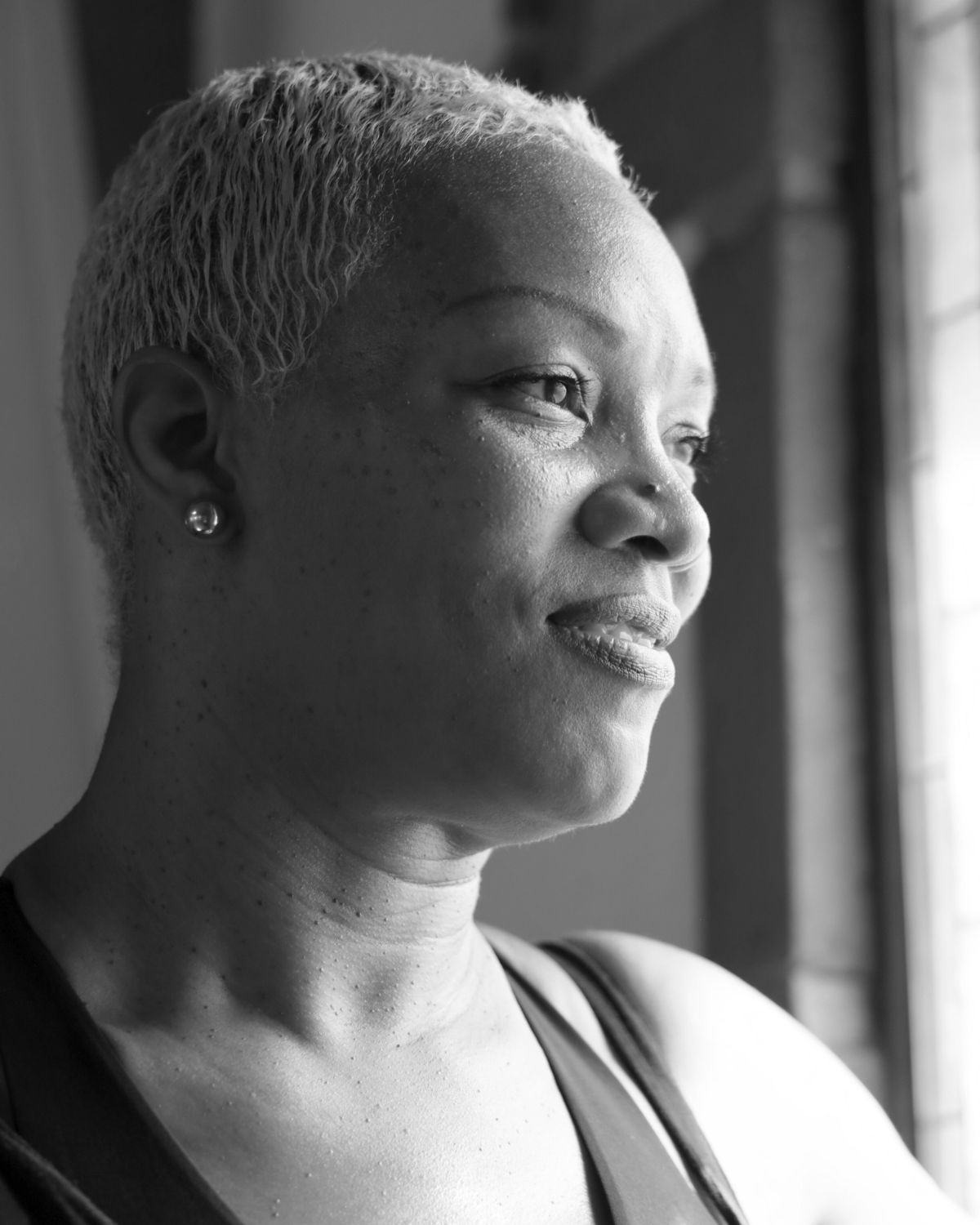
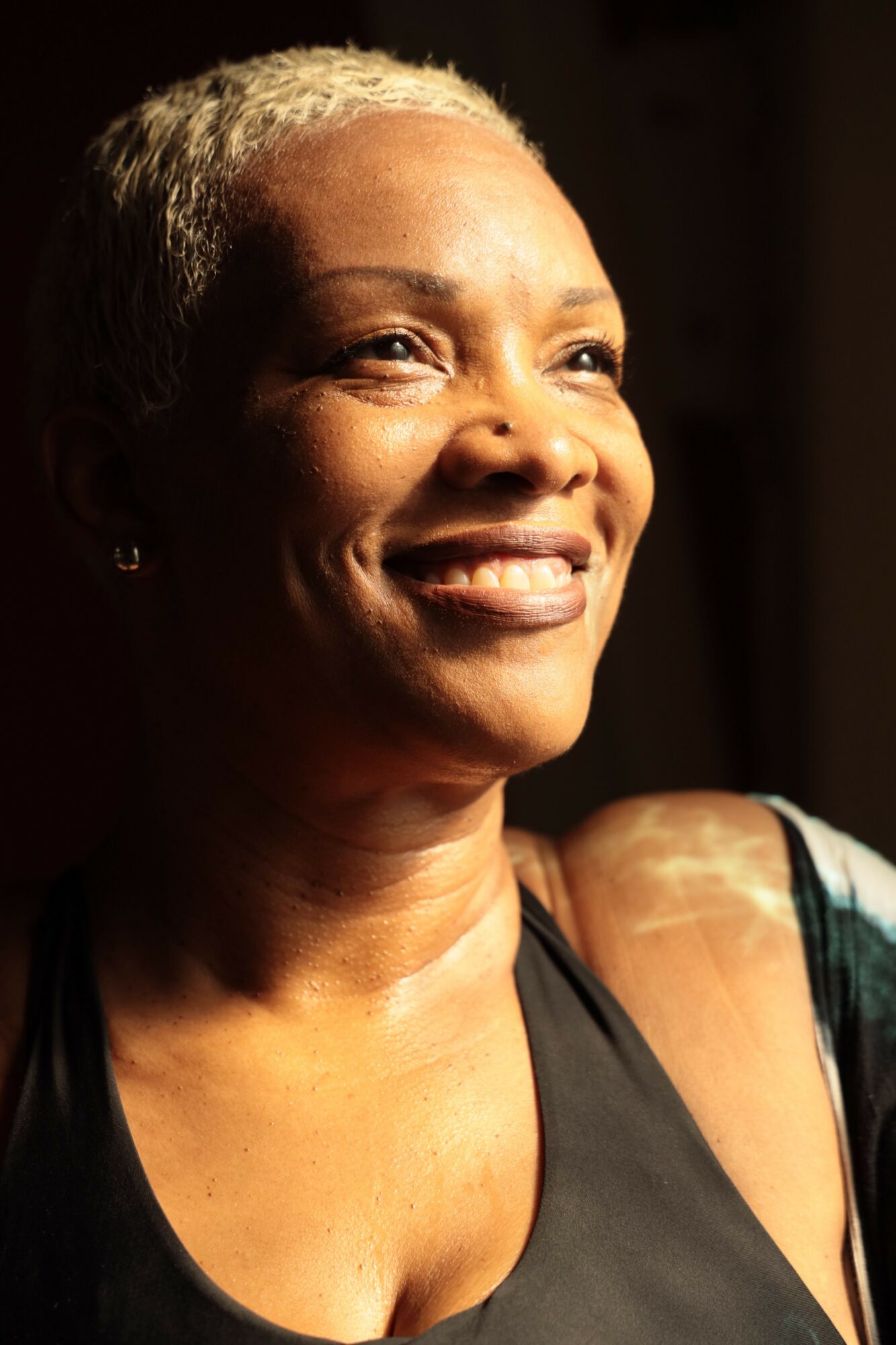
Today we’d like to introduce you to Candace Sneed.
Hi Candace, can you start by introducing yourself? We’d love to learn more about how you got to where you are today?
I’ve spent my career as a changemaker — starting in sales as a relationship manager, then as a consumer protection litigator, and now as a yoga teacher building systems that actually support the people doing the work.
My legal career shaped how I see power: who has it, how it’s used, and who it’s meant to protect. Advocacy has always been central to what I do, whether in courtrooms or classrooms.
When I began practicing yoga in 2016, I entered a space that felt welcoming in theory but often exclusionary in practice. From early practice through teacher training, teaching, and eventually becoming a faculty member, my yoga journey was riddled with ostracization and trauma. I didn’t see many bodies like mine reflected in who was teaching or being positioned as an authority. I was older than many new teachers, navigating injury and later disability, and acutely aware of how race, body type, and perceived ability quietly shape who is seen, heard, and taken seriously in wellness spaces.
I experienced firsthand what it means to be tolerated but not truly welcomed: to be present but not centered, skilled but not trusted with authority.
Teaching became a way to change that — not by asking for permission, but by showing up.
In 2021, I survived a stroke that required me to relearn cognitive and physical skills. Movement became how I rebuilt trust in my body and mind. As part of my recovery, I took up Olympic weightlifting, a practice that taught me about strength, discipline, and what my body could still do when I trusted it. Teaching shifted from something I did to something I understood more deeply as a practice of presence, pacing, and care.
As my role evolved, I moved beyond teaching classes into education and leadership, working closely with other teachers and noticing the same patterns repeat regardless of talent or intention. My background as a consumer protection litigator gave me language for what I was seeing: how power operates, how norms are enforced, and how inequity often hides behind what feels “standard.”
What I’m building now reflects everything I’ve learned in courtrooms, barbell clubs, classrooms, and community spaces about what it takes for people to be seen, supported, and sustained over time.
“You teach yoga like it saved your life.”
Can you talk to us a bit about the challenges and lessons you’ve learned along the way. Looking back would you say it’s been easy or smooth in retrospect?
It hasn’t been smooth, and much of that has less to do with individual hardship and more to do with the systems teachers are asked to operate within.
Early on, I saw how new teachers struggle with inconsistent pay, unclear expectations, unpaid labor, and pressure to accept unsustainable schedules just to remain visible. Many leave the industry not because they lack skill or dedication, but because they are never taught how to audition, advocate for themselves, price their work, or navigate professional boundaries.
Those challenges affect nearly everyone entering the field.
At the same time, they land differently and often more heavily on teachers navigating marginalization related to race, age, body, ability, disability, or access. The industry frequently celebrates diversity in theory, while maintaining economic and cultural systems that quietly disadvantage the very people it claims to welcome.
Visibility alone doesn’t resolve that tension. In some cases, it intensifies it.
I also navigated my own periods of burnout, injury, and recovery while teaching in environments that prioritized output over sustainability. As a stroke survivor, I became acutely aware of how little room many systems leave for fluctuation, healing, or humanity. That awareness forced me to make different choices, even when those choices meant stepping away from familiar or comfortable structures.
The struggle, ultimately, wasn’t about working harder. It was about recognizing when the model itself needed to change.
That realization shaped everything I built next: programs focused not just on skill, but on clarity, communication, and structural support so teachers aren’t forced to choose between being seen and being supported.
We’ve been impressed with Unabashed Yoga & Wellness, but for folks who might not be as familiar, what can you share with them about what you do and what sets you apart from others?
The name is intentional. “Unabashed” means bold, unshakeable, showing up authentically without apology. It reflects the kind of teaching I practice and the kind of space I wanted to create: one where people don’t have to shrink, perform, or conform to belong.
Unabashed Yoga & Wellness serves practitioners and teachers who want accessible, grounded movement practices rooted in clarity and care.
I also operate under candacelsneed.com, my personal brand for work that extends beyond the yoga space. That site is where law, equity, and wellness converge, focused on building systems, consulting, speaking, and educational work for organizations navigating inclusion, leadership, and sustainable practices. It’s designed for institutions, studios, schools, and companies looking to create more equitable spaces.
As my work evolved, so did how it’s organized. Operating with two distinct digital spaces, one for practice and one for systems-building, reflects the same principle I teach: clarity preserves energy.
Please tell us more about your business or organization. What should we know? What do you do, what do you specialize in, and what sets you apart?
Unabashed Yoga & Wellness is designed as an ecosystem, not a studio model and not a collection of disconnected programs.
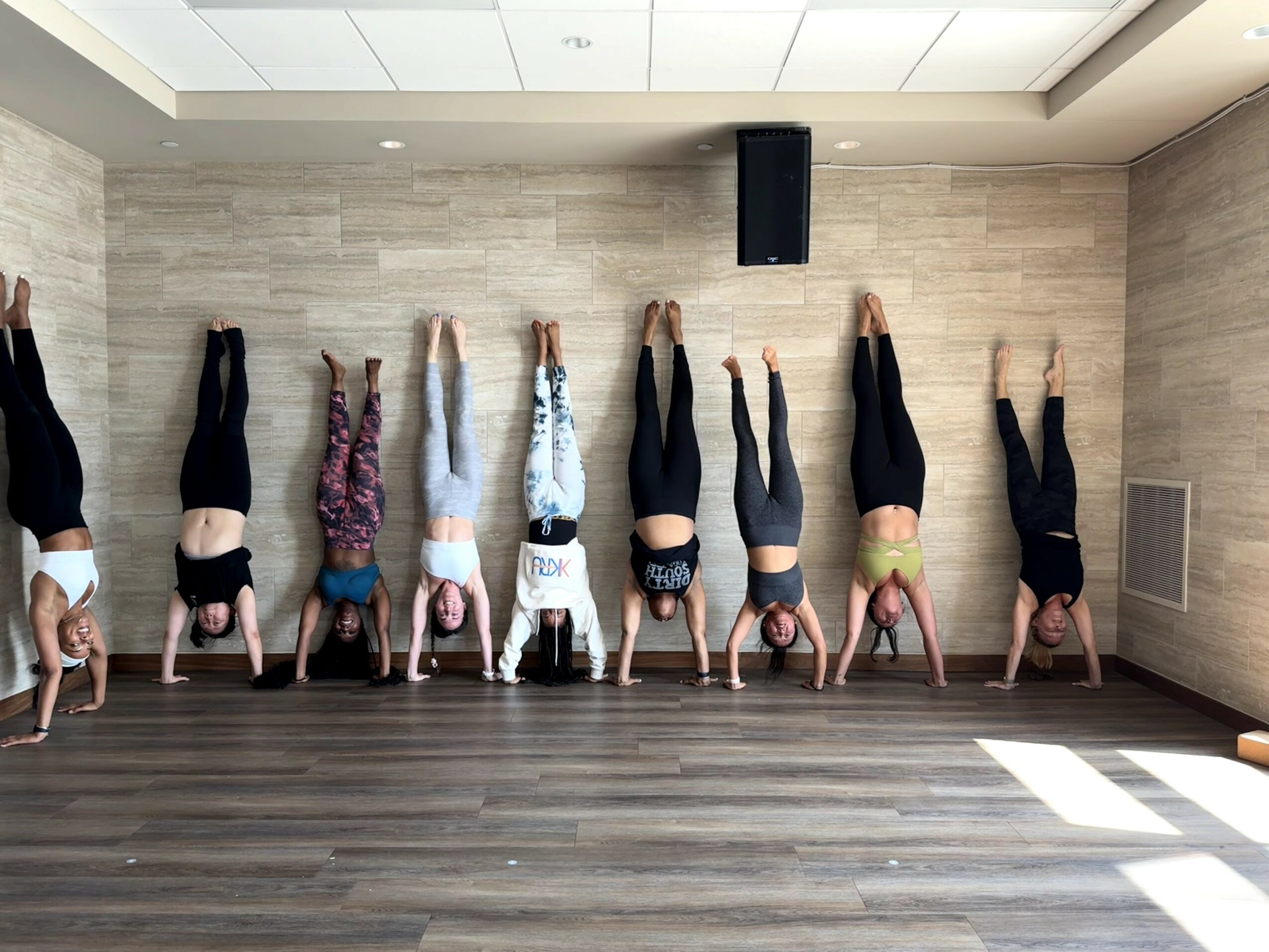
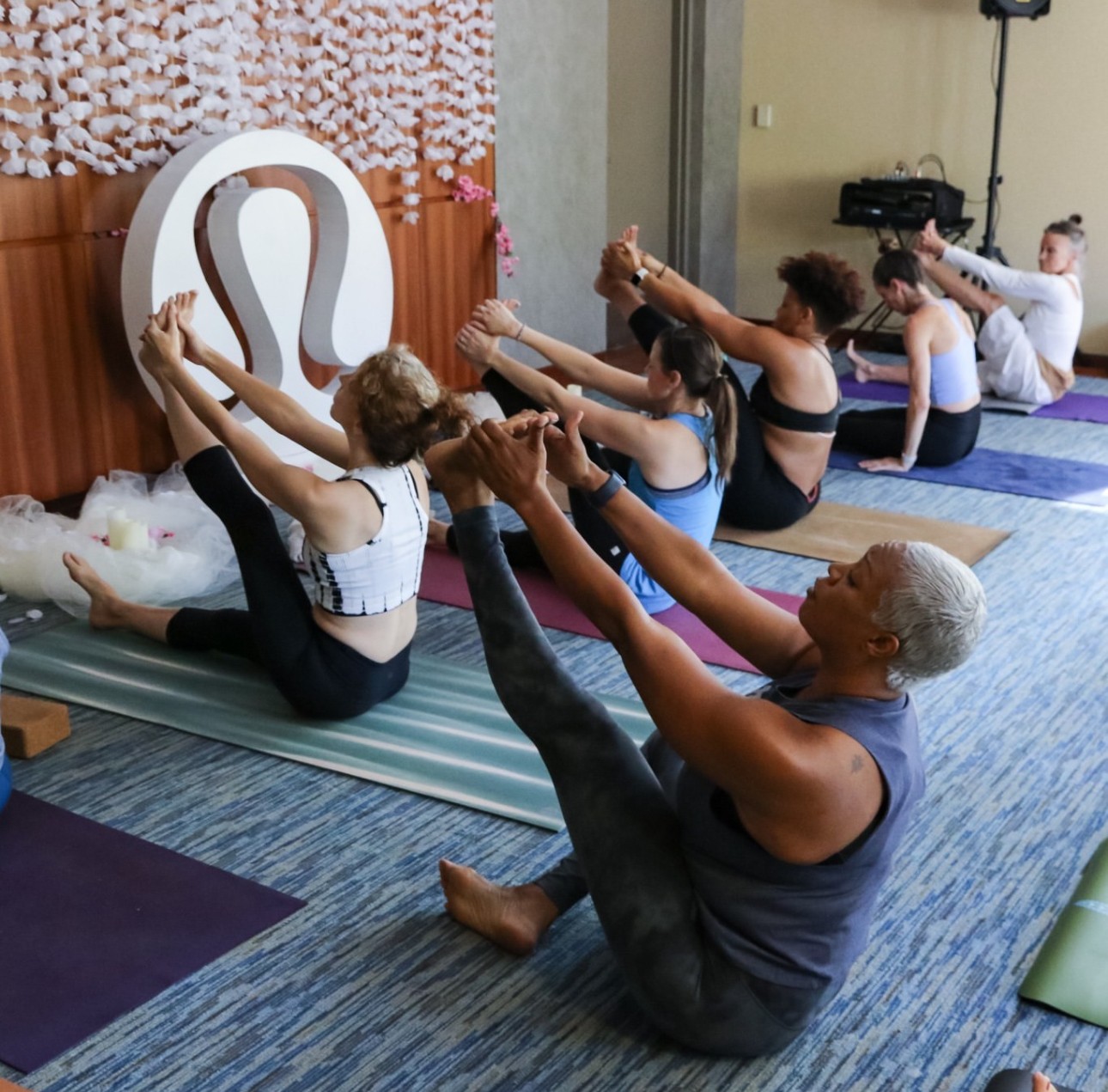
At the foundation are the classes. My teaching emphasizes clarity, strength, and sustainability, offering multiple entry points for practitioners with different bodies, backgrounds, and capacities. I teach both online and in-person, and work with corporate clients who want to offer their teams accessible, grounded movement practices that don’t require previous yoga experience.
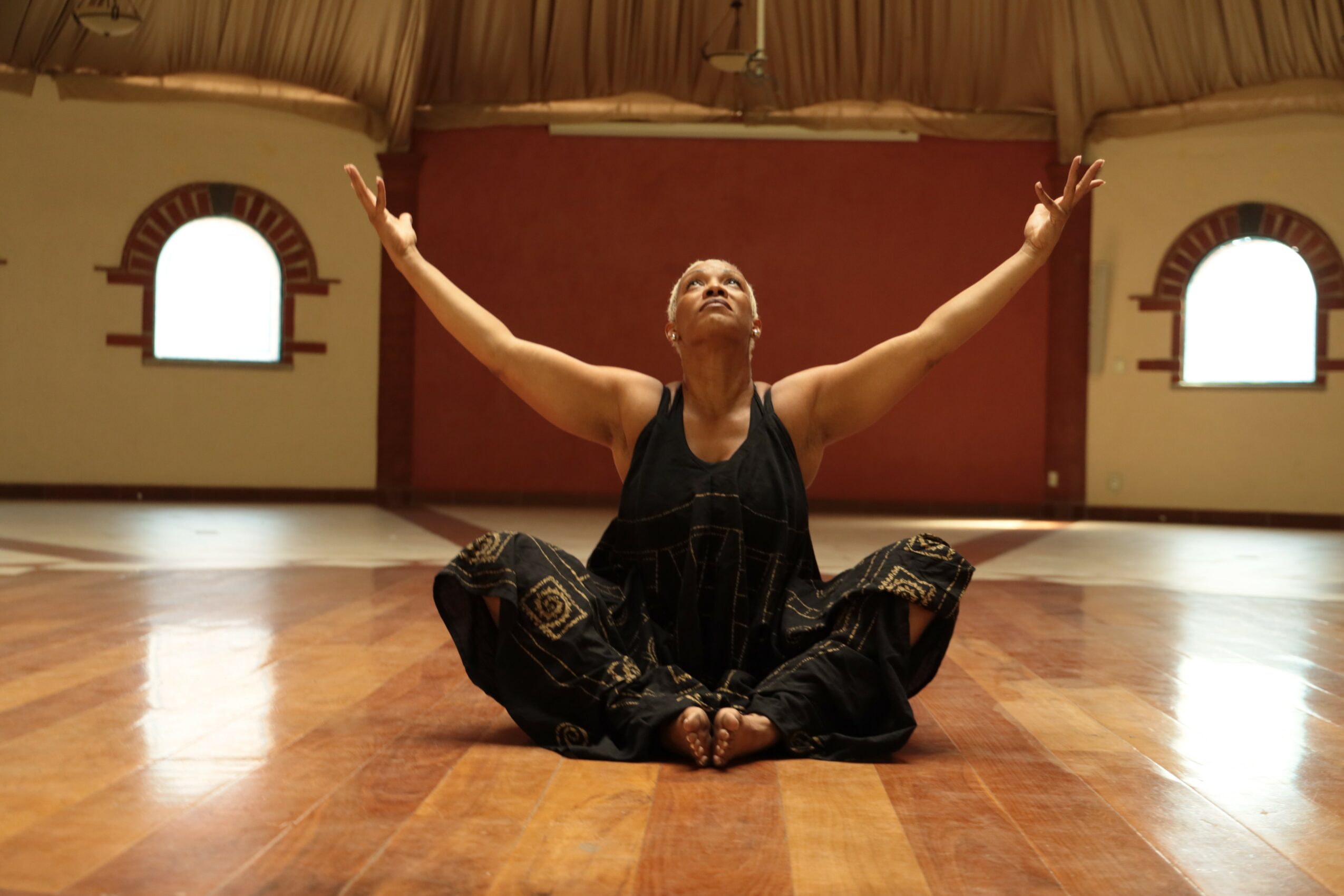
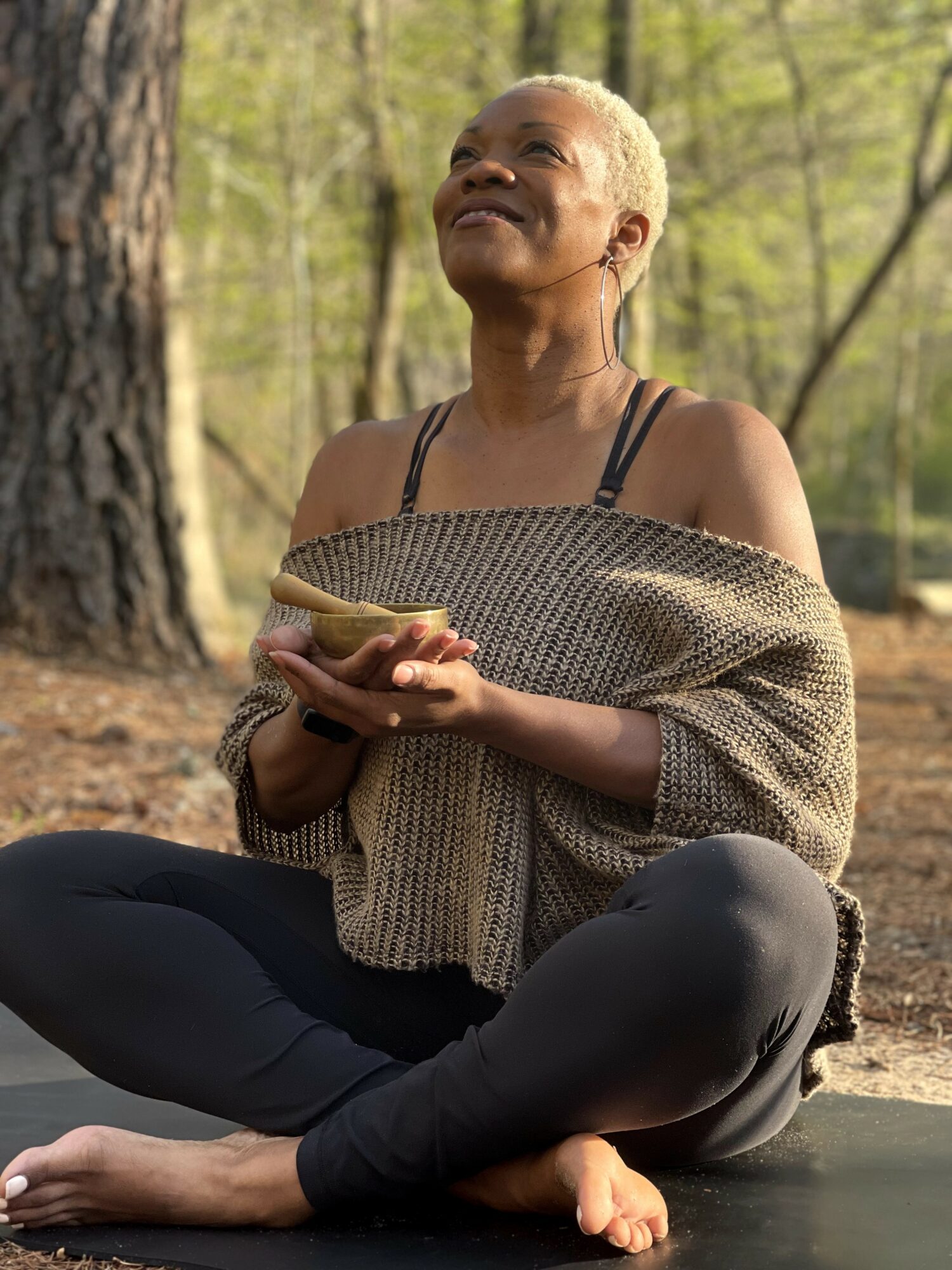
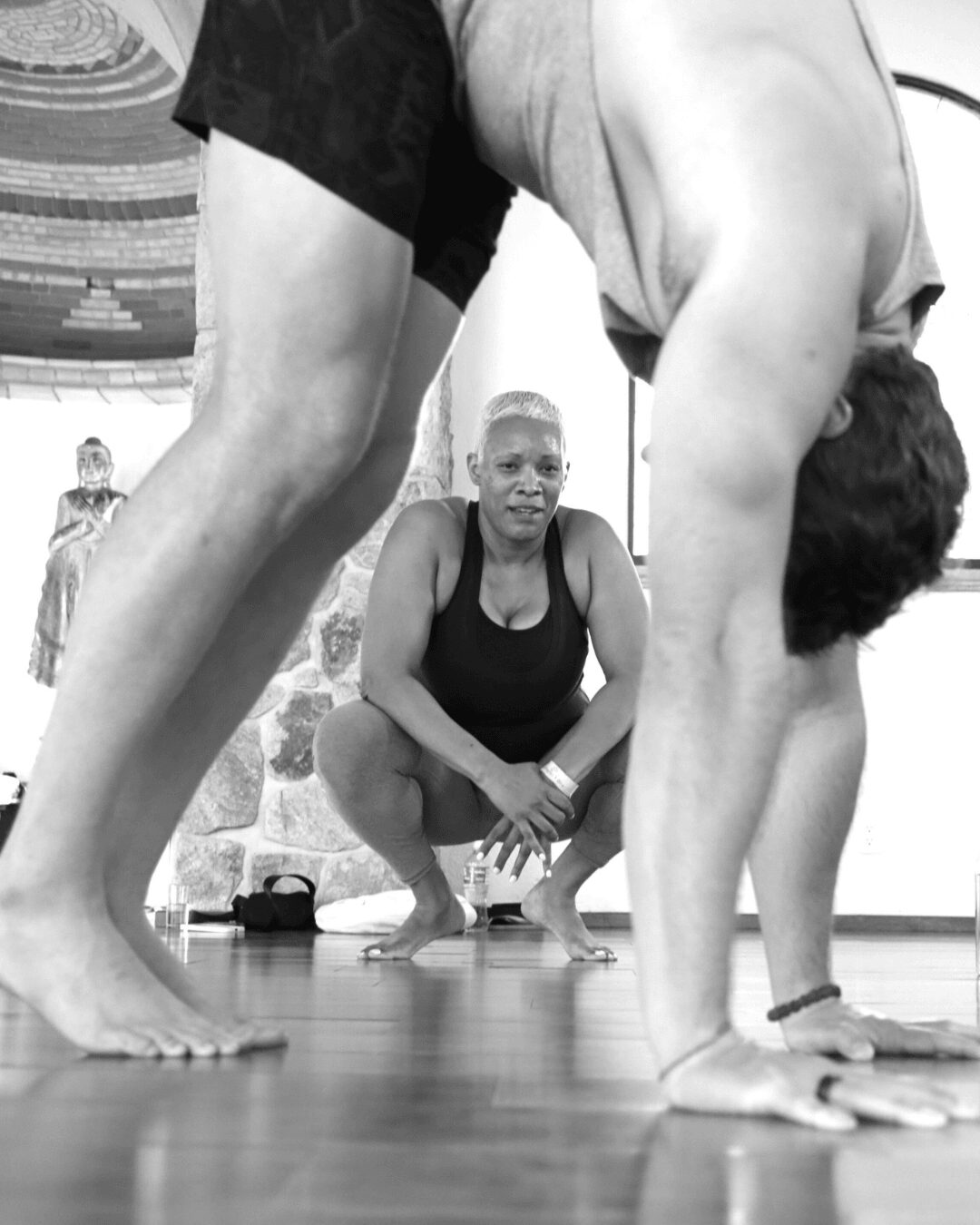
What sets my teaching apart is that I embrace, especially as a Black woman, that the practice of yoga will always be political and radical. I reject the Western systems that attempt to dilute and exclude the practice from others. My favorite compliment as a teacher came from someone who said, “You teach yoga like it saved your life.” That’s exactly right. I don’t teach yoga as aesthetic performance. I teach it as the practice that rebuilt me.
I also lead international yoga retreats, creating immersive experiences that combine practice, rest, and community in intentional spaces. These retreats are designed for people who want to step away from their routines and reconnect with themselves in environments that support rather than demand.
Beyond practice, the work extends into teacher development and education, helping yoga teachers build sustainable careers through programs that address everything from teaching skills to business literacy to systemic advocacy. This includes speaking engagements, consulting, and trainings for studios, schools, and organizations looking to create more equitable wellness spaces.
What sets this work apart is that it’s built systemically. My background as a consumer protection litigator informs how I think about structure, incentives, and power. Rather than asking teachers to simply work harder or be more visible, I focus on changing the conditions they’re working within.
Everything I build is designed to answer the same question: What would it look like for people, whether practitioners or teachers, to be supported not just to start, but to stay?
What matters most to you? Why?
At this stage of my work, my “why” is equity.
The yoga industry relies heavily on passion while underpaying labor, especially teachers who are early in their careers or navigating systems they were never taught to understand. I’ve seen how gaps in communication, negotiation, and business literacy quietly limit people, even when they’re incredibly skilled.
That’s why I created the Negotiation Masterclass and Speak Your Value to address what teacher trainings often omit: how to advocate for yourself, price your work, and communicate with confidence. These programs exist to close the gap between talent and compensation.
Abundant was the next building block. It supports teachers in the transition from “newly certified” to confident, capable, and grounded, not just in teaching, but in decision-making, presence, and professional identity.
The Teaching Collective is the natural evolution of that work. It’s a shared infrastructure designed to shift the pay structure itself, moving away from extractive models and toward collective access, transparency, and revenue sharing. Teachers maintain autonomy while benefiting from systems that are usually only available to large studios. The goal isn’t scale for scale’s sake. It’s fairness, sustainability, and shared success.
To build this work responsibly, I made the intentional decision to step back from full-time class teaching. Not because I value teaching less — but because I value teachers more. Creating systems that support long-term livelihood requires space, focus, and care.
What I’m building now is about longevity for myself, and for the people who trust these programs to support their work.
“Not because I value teaching less — but because I value teachers more.”
Pricing:
- ne (Live Classes + Audio Recordings): Starting at $20/month
- Workshops & Intensives: $30 and up–
Contact Info:
- Website: www.unabashedyoga.com and www.candacelsneed.com
- Instagram: https://www.instagram.com/candacelsneed

Popular
-

Opening Up to Move Forward: Diane Martinez on Vulnerability, Small Steps, and Getting Unstuck
-

Hidden Gems: Local Businesses & Creatives You Should Know
-

ATL’s Most Inspiring Stories
-

Portraits of Atlanta
-

Storytelling, Wellness, and Community: Dayana Preval on Finding Alignment Through Creative Expression
-

Rewriting the Rules of Publishing: How Jalisa Rose Ray Is Building an Author‑First Legacy with JRose Publishing