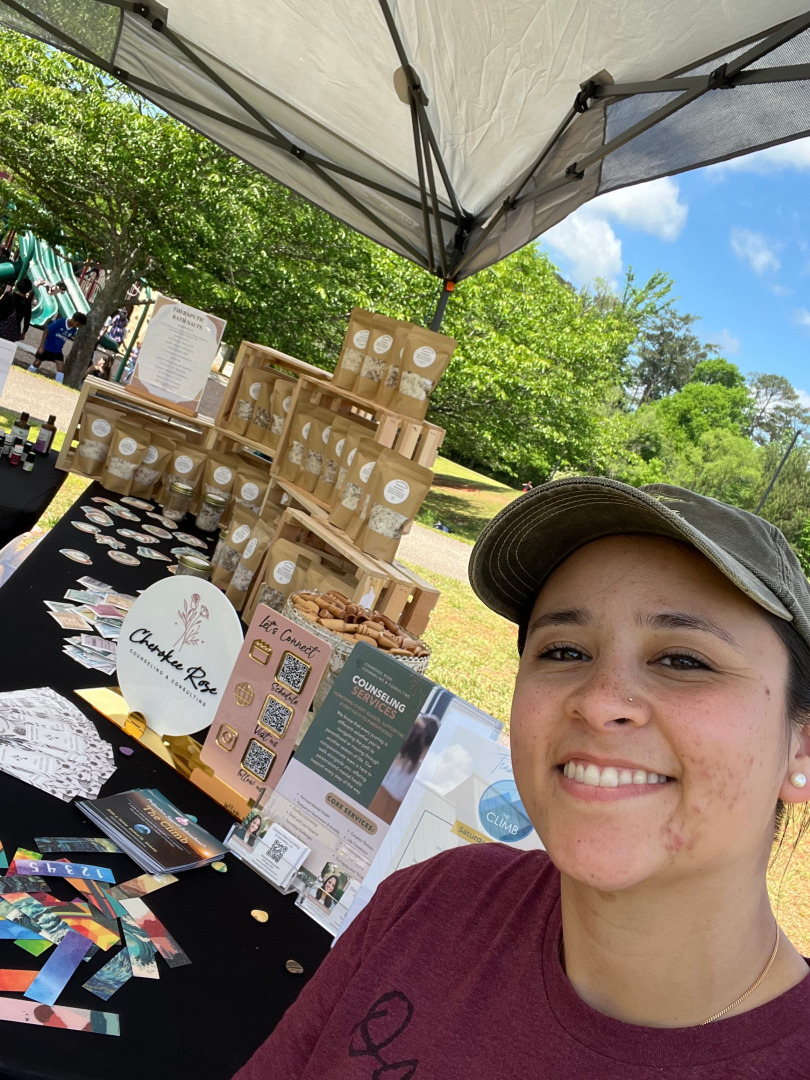






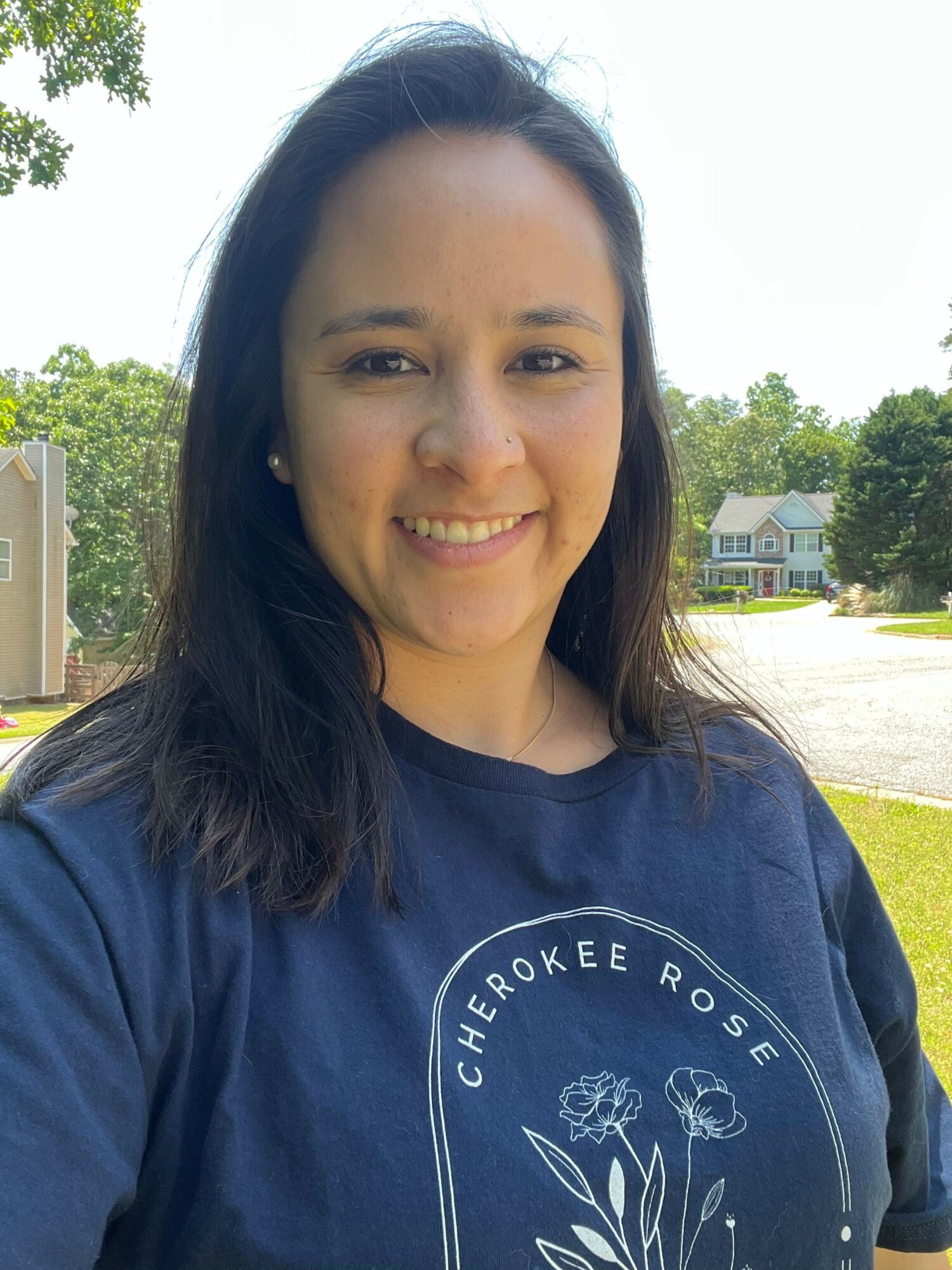
Today we’d like to introduce you to Charlotte Ramberg.
Hi Charlotte, thanks for sharing your story with us. To start, maybe you can tell our readers some of your backstory.
My path to where I am today has been shaped by both professional training and deeply personal experience. I’m a licensed therapist and certified perinatal mental health clinician, and for the past several years I’ve specialized in supporting individuals and families through pregnancy, postpartum, loss, infertility, and the many identity shifts that come with becoming a parent.
Before starting Cherokee Rose Counseling & Consulting, I worked in a variety of clinical settings where I repeatedly saw how underserved the perinatal season truly is. Many parents were told that exhaustion, anxiety, emotional numbness, or overwhelm were simply “normal” parts of parenthood—when in reality, they were signs that more support, education, and compassionate care were needed. That gap stayed with me.
At the same time, my own life was unfolding alongside my professional work. I’m a mother, a partner, and someone who has walked through complex reproductive journeys, including surrogacy. Those lived experiences deepened my understanding of how layered the perinatal experience can be—and how important it is to create spaces where people feel seen, believed, and supported without judgment.
I founded Cherokee Rose Counseling & Consulting to intentionally bridge those gaps. My goal was to create a practice rooted in clinical excellence, authenticity, and humanity—where mental health care is proactive rather than reactive, and where clients don’t have to wait until they’re in crisis to deserve support. Over time, the practice has grown to include therapy, coaching, education, and community-focused work, all centered around helping individuals move through life transitions with more confidence, clarity, and connection.
Today, I continue to do this work because I believe that when we support parents and caregivers well, we strengthen families and communities as a whole. This isn’t just a career for me—it’s a calling that sits at the intersection of professional expertise, personal experience, and a deep commitment to helping others flourish.
Alright, so let’s dig a little deeper into the story – has it been an easy path overall and if not, what were the challenges you’ve had to overcome?
Like most meaningful work, the road hasn’t been completely smooth. Building a practice—especially one rooted in perinatal mental health—comes with both visible and invisible challenges. One of the biggest struggles has been navigating a system that often minimizes or misunderstands the emotional realities of pregnancy and postpartum. There’s still a strong cultural narrative that parents should simply “push through,” which can make it harder for people to seek help and for this work to be fully valued.
From a business perspective, growing a practice while maintaining ethical, client-centered care has required constant intention. Balancing accessibility with sustainability, navigating insurance systems, and protecting against burnout are ongoing challenges—particularly in a field where the emotional labor is high and the stakes are deeply personal.
On a more personal level, doing this work while living through my own seasons of change has required flexibility and humility. There have been moments of stretching, recalibrating, and learning to give myself the same compassion I encourage my clients to offer themselves. I’ve learned that growth doesn’t always look linear, and that slowing down, reassessing, and asking for support are not setbacks, but necessary parts of building something that lasts.
Ultimately, those challenges have shaped the practice in meaningful ways. They’ve clarified my values, strengthened my boundaries, and reinforced why this work matters so deeply to me. The road hasn’t been easy—but it has been purposeful.
Great, so let’s talk business. Can you tell our readers more about what you do and what you think sets you apart from others?
Cherokee Rose Counseling & Consulting is a mental health and wellness practice rooted in compassionate, evidence-based care designed to support individuals and families through life’s transitions. At our core, we specialize in perinatal mental health — helping people navigate the emotional complexities of trying to conceive, infertility, pregnancy and birth, postpartum adjustment, trauma, loss, and third-party reproduction — but what truly sets us apart is the depth and diversity of care we offer across the lifespan.
We provide individualized therapy, couples support, group therapy, coaching, and clinical consultation services that meet clients where they are — whether they’re facing anxiety, depression, identity shifts, parenting struggles, life transitions, trauma, grief, or everyday stressors. Our clinicians bring a range of expertise to the team: from perinatal specialists and trauma-informed therapists to those focused on parenting support, burnout and imposter syndrome, anxiety and identity development.
In addition to our core therapy team, we collaborate with complementary wellness professionals — including occupational therapy for postpartum body and nervous system support, hormone and metabolic wellness consulting, and other integrative services — so clients can access holistic care that honors mind, body, and spirit.
What truly distinguishes Cherokee Rose is our people-first approach: we tailor care to each individual’s life story, using modalities like CBT, DBT, mindfulness, trauma-informed therapy, and grief work to support healing and resilience. We also champion inclusivity and welcome clients of all genders, ages, families, and identities, creating a space where everyone feels seen and supported.
Brand-wise, I’m most proud of the trusting, warm, and empowering environment we’ve cultivated — one where clients don’t just find symptom relief, but clarity, confidence, and connection. Cherokee Rose isn’t just a counseling practice — it’s a community where people can show up as their whole selves, build meaningful support systems, and move forward with intention and strength.
Do you have recommendations for books, apps, blogs, etc?
There are several organizations, books, and resources that consistently inform and support both my work and my life. Many of them are the same resources I also recommend to clients, because they are grounded in evidence, compassion, and accessibility.
Organizations & Resources
Postpartum Support International has been foundational in my perinatal mental health work, both as a professional and as a referral source for families seeking education, support groups, and crisis resources. Alongside that, the National Maternal Mental Health Hotline is an invaluable, life-saving resource that ensures parents have access to immediate, culturally responsive support when they need it most.
I also deeply value organizations working to expand access and awareness in this space, including the Georgia Fund for Perinatal Mental Health and Maternal Mental Health Now, both of which advocate for systemic change and community-based support. In the infertility and reproductive health space, RESOLVE: The National Infertility Association, the Jewish Fertility Foundation, and The Surrogacy Foundation offer critical education, advocacy, and connection for individuals navigating complex family-building journeys.
Books & Thought Leaders
Any book by Karen Kleiman has been incredibly influential in shaping how I understand and support the postpartum experience. Her work normalizes what so many parents feel but struggle to put into words. I’m also continually drawn to the work of Brené Brown, whose writing on vulnerability, boundaries, and wholehearted living informs both my clinical lens and my personal life. The Postpartum Partner is another go-to resource I recommend often, as it helps partners better understand how to show up with empathy and practical support during the postpartum period.
Podcasts
The Mom & Mind Podcast is a favorite, offering thoughtful, accessible conversations about maternal mental health that bridge clinical insight with real-life experience.
These resources remind me that no one should have to navigate parenthood, loss, or identity shifts alone. They reinforce the values at the heart of my work — education, connection, advocacy, and the belief that support should be both available and normalized.
Contact Info:
- Website: https://www.cherokeerosecc.com
- Instagram: https://www.instagram.com/cherokeerosecc/
- Facebook: https://www.facebook.com/cherokeerosecc/