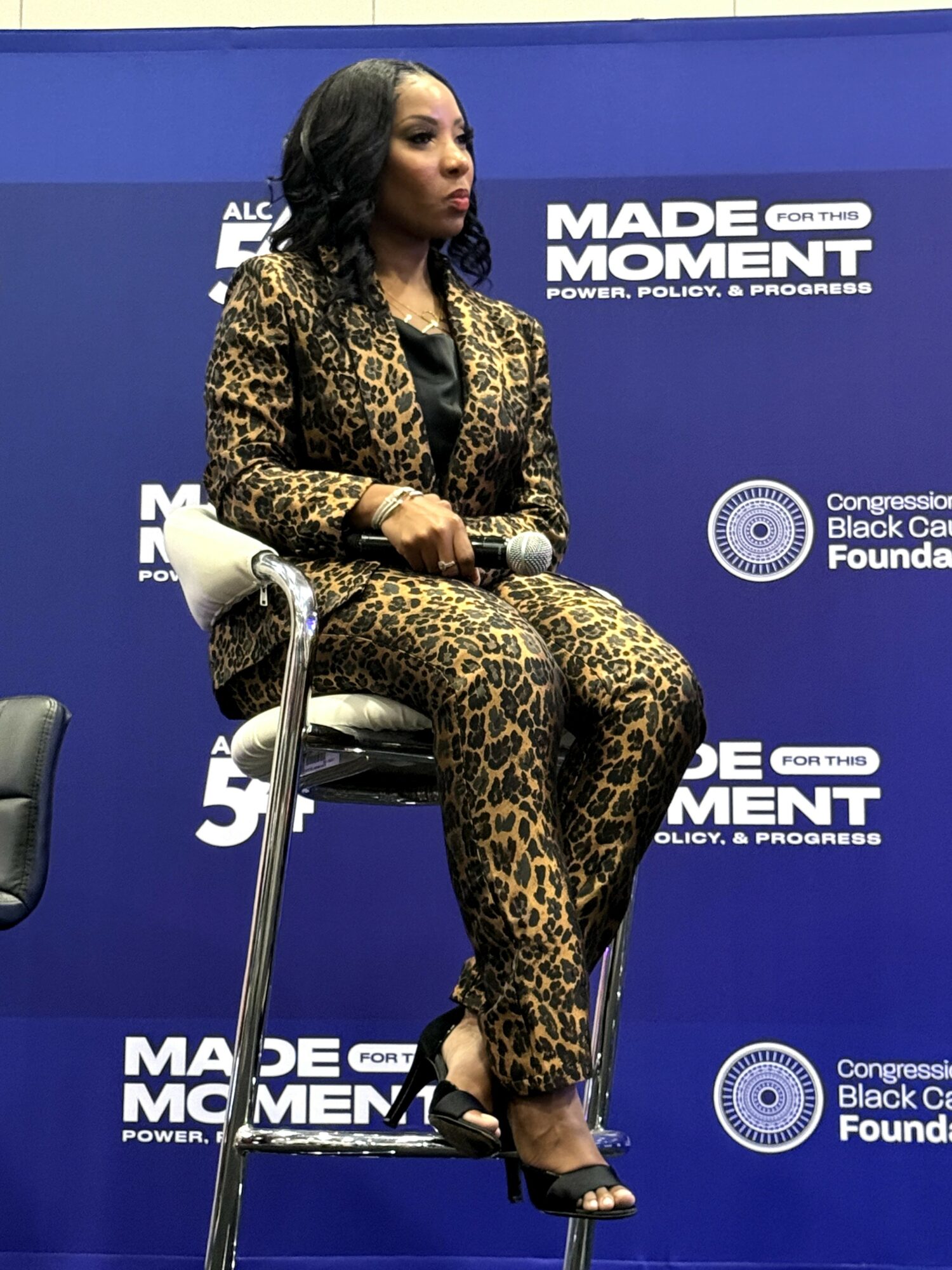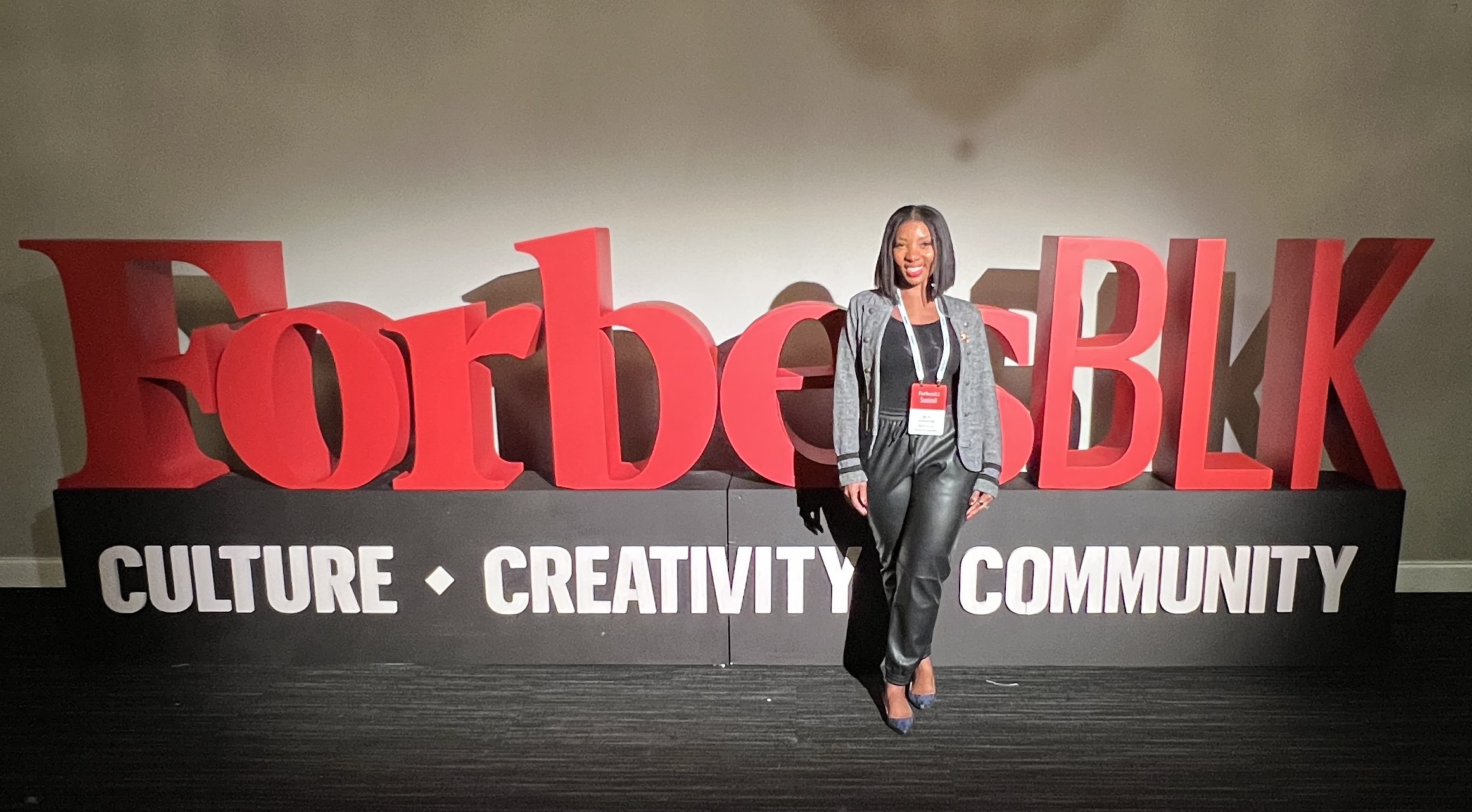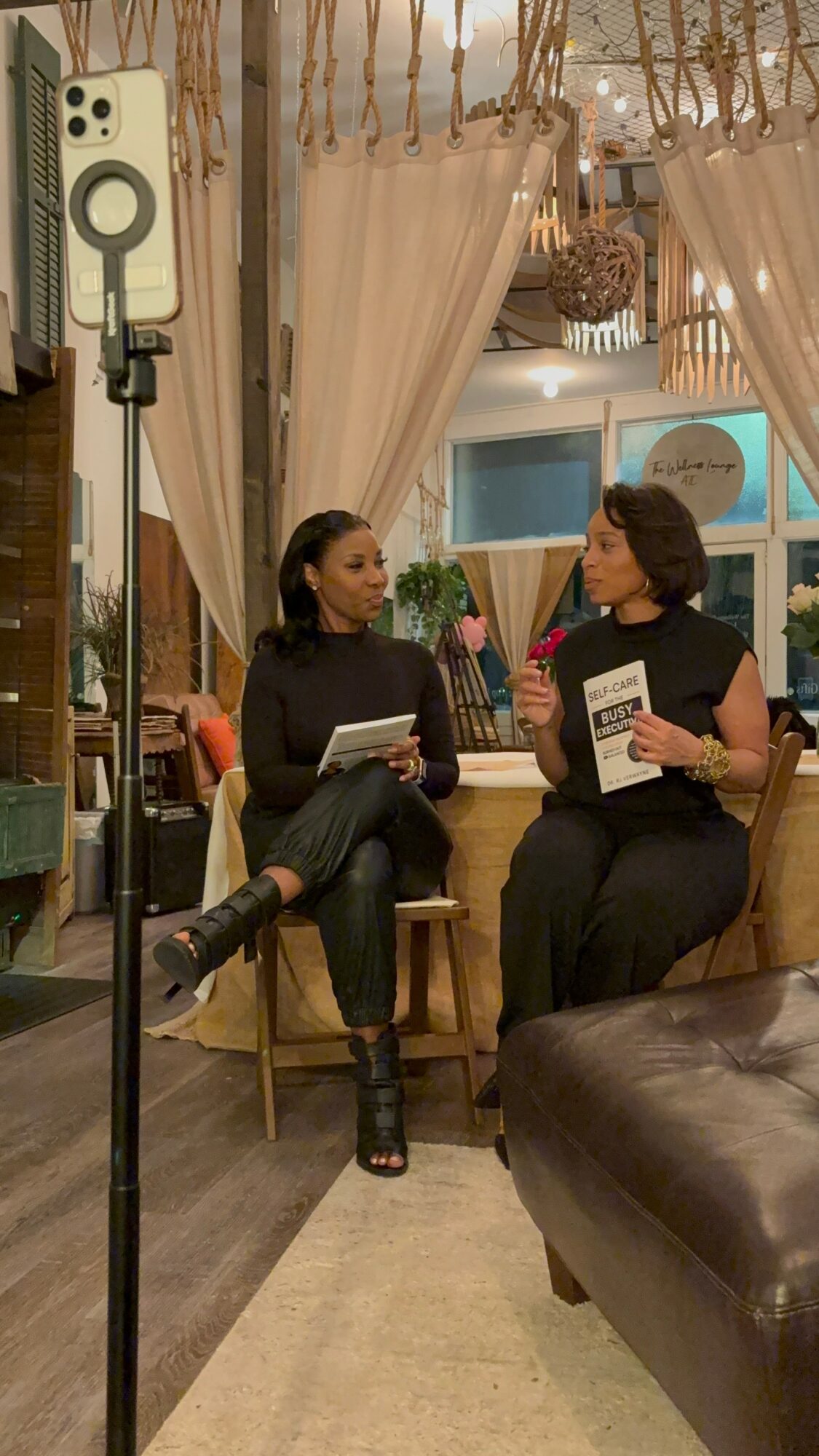






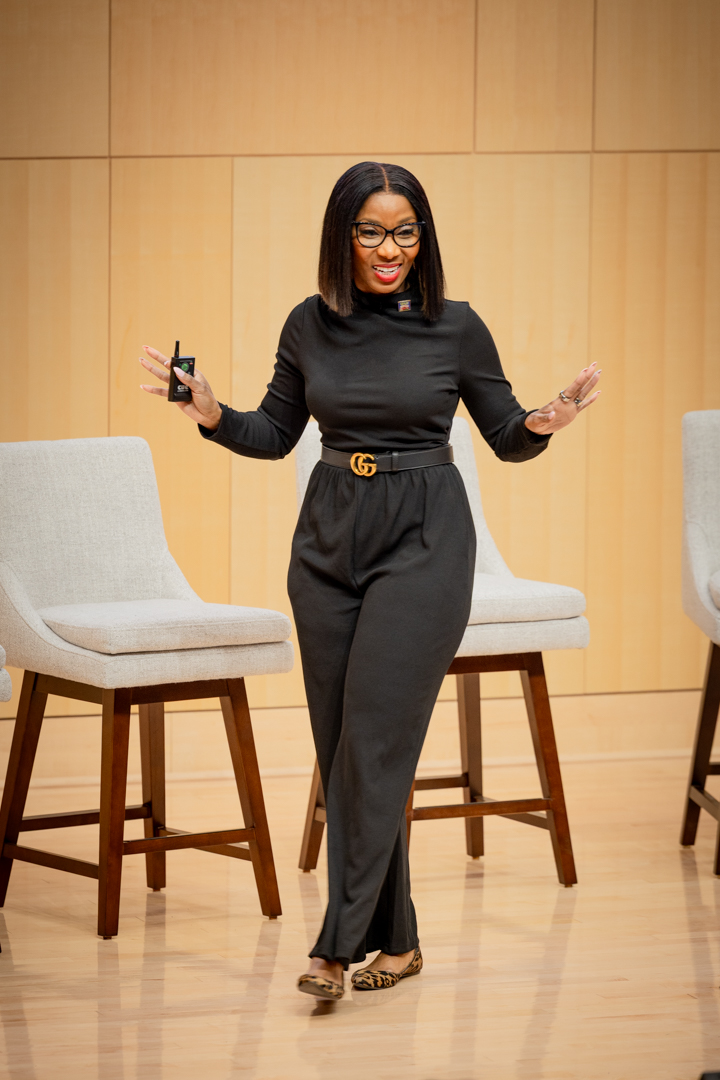
Today we’d like to introduce you to Dr. RJ Verwayne.
Hi Dr. RJ, thanks for joining us today. We’d love for you to start by introducing yourself.
My career didn’t start in boardrooms.
Early on, I specialized in psychological testing and trauma work. I was trained to look beneath the surface — to understand how early experiences shape adult behavior, how the brain adapts to stress, how trauma imprints itself in the nervous system. I worked deeply in neuroscience-informed assessment. I studied patterns. I paid attention to what people couldn’t articulate but were living out every day.
What fascinated me most was this: behavior always makes sense when you understand the story behind it.
For years, I focused on trauma and complex cases. I learned how high-functioning people can still be carrying unresolved stress responses. I learned how the brain compensates. I learned how survival patterns can look like strength from the outside.
And then something interesting happened.
I began working with more executives.
At first, it wasn’t a formal pivot. It was simply who started showing up. Leaders. Attorneys. Founders. Physicians. People who were brilliant, decisive, and high-capacity. But when we looked beneath the surface, the same way I had been trained to do in trauma and assessment, I saw something familiar.
Chronic stress.
Hyper-responsibility.
Overdeveloped “fight” responses.
Nervous systems that hadn’t powered down in years.
Their burnout didn’t look like collapse. It looked like competence.
That realization changed the trajectory of my career.
I began connecting the dots between neuroscience, trauma patterns, and executive burnout. High performers weren’t just tired. Many were operating from deeply ingrained internal rules, perfectionism, control, and over-functioning.
So I expanded my work.
I started speaking, writing, and consulting. I wrote Executive Burnout: 7 Reasons Why High Performers Crash and Burn Before Reaching Their Full Potential because I wanted to name what I was seeing in rooms others weren’t talking about. I developed The A.R.T. of Balance® — Authenticity, Relentless Rest, and Time Consciousness — because executives don’t need vague encouragement. They need frameworks. My most recent book, Self-Care for the Busy Executive, reframes self-care as strategy and infrastructure, not indulgence.
And then came another unexpected turn.
As I worked more closely with leaders, I realized their stress wasn’t only psychological but instead it was operational. Endless decisions. Fragmented systems. Administrative overload. So I made a pivot that surprised even me and became a certified AI consultant. Not to replace human work, but to reduce cognitive friction. To build systems that protect mental bandwidth.
Today, I operate at the intersection of psychology, neuroscience, leadership, and AI-enabled systems. I still carry my trauma and assessment lens into every room. I still believe behavior makes sense in context. But now I help high-performing leaders redesign both their internal narratives and their external systems.
I’ve always been interested in what drives human behavior. The environment changed from assessment rooms to executive suites, but the mission didn’t.
Success should never cost you your sanity.
Can you talk to us a bit about the challenges and lessons you’ve learned along the way. Looking back would you say it’s been easy or smooth in retrospect?
Psychology as a field is constantly evolving — new research, new standards, new technologies, changing client needs. You can’t become static in this profession. If you do, you become outdated quickly. That pressure to stay current while also running a business is real.
Let’s not forget about the pandemic.
At the time, much of my practice was face-to-face. Therapy and assessment were deeply relational, in-person experiences. Almost overnight, we had to pivot to virtual services. There was no long runway. No slow transition. It was immediate.
We had to rethink confidentiality, testing procedures, client engagement, workflow, scheduling — everything. I remember thinking, “We are rebuilding an airplane while flying it.” And at the same time, clients needed more support than ever. Anxiety was rising. Trauma was being triggered. Leaders were under immense pressure. There wasn’t space to pause.
That season stretched me.
It forced me to become more innovative, more decisive, and more comfortable with uncertainty. It also reinforced something I teach now: adaptability is not optional for leaders. It’s survival.
And outside of business, there’s real life.
Building companies while raising teenagers is its own masterclass in time consciousness. There are moments when business demands feel urgent and parenting demands feel sacred — and sometimes they collide. School events. Sports. Emotional conversations that don’t wait for calendar openings. There were seasons where it felt like I was constantly negotiating between two important roles.
I’ve had to learn that balance isn’t something you achieve once. It’s something you recalibrate repeatedly.
There were also internal struggles like imposter moments when I expanded into executive consulting, hesitation when I pivoted into AI, and questions about whether my market would understand the integration. Growth always brings discomfort.
However, none of those struggles were wasted.
The industry shifts pushed me to innovate. The pandemic forced me to modernize and strengthen systems. Parenting sharpened my boundaries and clarified my priorities. And every uncomfortable pivot stretched my capacity.
It hasn’t been smooth, but it has been transformative.
If I’m honest, the friction is what refined the work.
As you know, we’re big fans of Ask Dr. RJ, Inc.. For our readers who might not be as familiar what can you tell them about the brand?
Ask Dr. RJ combines psychology and leadership with practical systems to reduce burnout and decision fatigue.
I built this brand for high-performing leaders who are successful on paper but stretched thin in real life. The executives, founders, attorneys, physicians, and decision-makers who are capable of carrying a lot — and often do — but know something about their pace, pressure, or structure isn’t sustainable.
Through Ask Dr. RJ, I specialize in burnout prevention, decision fatigue reduction, trauma-informed leadership, and sustainable performance. I help leaders redesign how they work so they can deliver more without constantly doing more.
I’m known for blending psychological depth with practical execution. My signature framework, The A.R.T. of Balance® — Authenticity, Relentless Rest, and Time Consciousness — gives leaders structure. It’s not vague encouragement to “slow down.” It’s a system for protecting capacity while maintaining ambition.
What has increasingly set Ask Dr. RJ apart is the integration of ethical AI. I’m a certified AI consultant, and I help leaders implement AI-enabled systems that reduce cognitive friction, streamline workflow, and protect mental bandwidth. I don’t approach AI as a productivity gimmick. I approach it as a capacity strategy. When used responsibly, it creates space for better thinking, clearer decision-making, and stronger leadership presence.
The differentiator is that I address both the internal and external drivers of burnout. Many experts focus on mindset. Others focus only on systems. I work on both. We examine internal performance rules — perfectionism, over-responsibility, hyper-independence — and redesign the operational structures that keep leaders in constant reactivity.
Brand-wise, I’m most proud of the cohesion. My books — Executive Burnout, The A.R.T. of Balance®, and Self-Care for the Busy Executive — all reinforce the same central message: success should expand your life, not quietly erode it. My speaking, consulting, workshops, and AI integration work all build on that foundation.
Ask Dr. RJ is about helping leaders build success in a way that is sustainable, strategic, and aligned.
Burnout is not inevitable for high performers. But avoiding it requires intention and infrastructure. That’s the work we do.
We all have a different way of looking at and defining success. How do you define success?
I define success as balance — but not the kind you achieve once and frame on a wall. The kind you actively maintain.
For me, success looks like being fully present in multiple roles without feeling fractured by them. I’m a wife. I’m a mom of teenagers. I’m a business owner. I’m a practitioner. I’m a friend. Each of those roles matters deeply to me. If one consistently dominates at the expense of the others, something starts to feel off.
Balance doesn’t mean equal time. It means intentional allocation.
There are seasons when business demands more. There are moments when parenting requires emotional presence that can’t be scheduled. There are times when my marriage needs attention. There are days when I need to prioritize my own health — working out, resting, keeping up with my medical appointments, taking care of my appearance, making space for fun and joy.
Success, to me, is when those areas are in rhythm.
It’s being able to build meaningful work without sacrificing my health. It’s maintaining ambition without neglecting connection. It’s showing up professionally polished and personally grounded. It’s having the energy to laugh with my family after a full day, not just collapse.
I’ve learned that balance requires boundaries, systems, and self-awareness. It requires saying no. It requires protecting time. It requires honest conversations at home and at work. It requires recalibration when things drift.
I don’t believe success is about how much you can carry. I think it’s about how well you can sustain what you carry.
If I can thrive in my roles — not perfectly, but intentionally — that’s success.
Contact Info:
- Website: https://www.askdrrj.com
- Instagram: https://www.instagram.com/askdrrj/
- Facebook: https://www.facebook.com/AskDrRJ
- LinkedIn: https://www.linkedin.com/in/drrjverwayne/
- Youtube: https://www.youtube.com/@AskDoctorRJ