





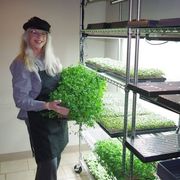
Today we’d like to introduce you to Phyllis Robinson.
Hi Phyllis, so excited to have you on the platform. So before we get into questions about your work-life, maybe you can bring our readers up to speed on your story and how you got to where you are today?
Robinson Heritage Farm began with a simple but powerful idea — that food and herbs can be both nourishment and medicine when they are grown with care. What started as a small personal growing project gradually evolved into a working farm and herbal apothecary rooted in the traditions of regenerative agriculture and kitchen medicine.
Along the way I realized that people were hungry not just for fresh food, but for connection — connection to where their food comes from and to the healing power of plants. Many of the people we meet today live busy lives in the Atlanta area and may only have a balcony, a small yard, or even just a sunny window to grow something. Helping people rediscover that they can still grow nourishing foods and herbs — even in small spaces — has become an important part of our mission.
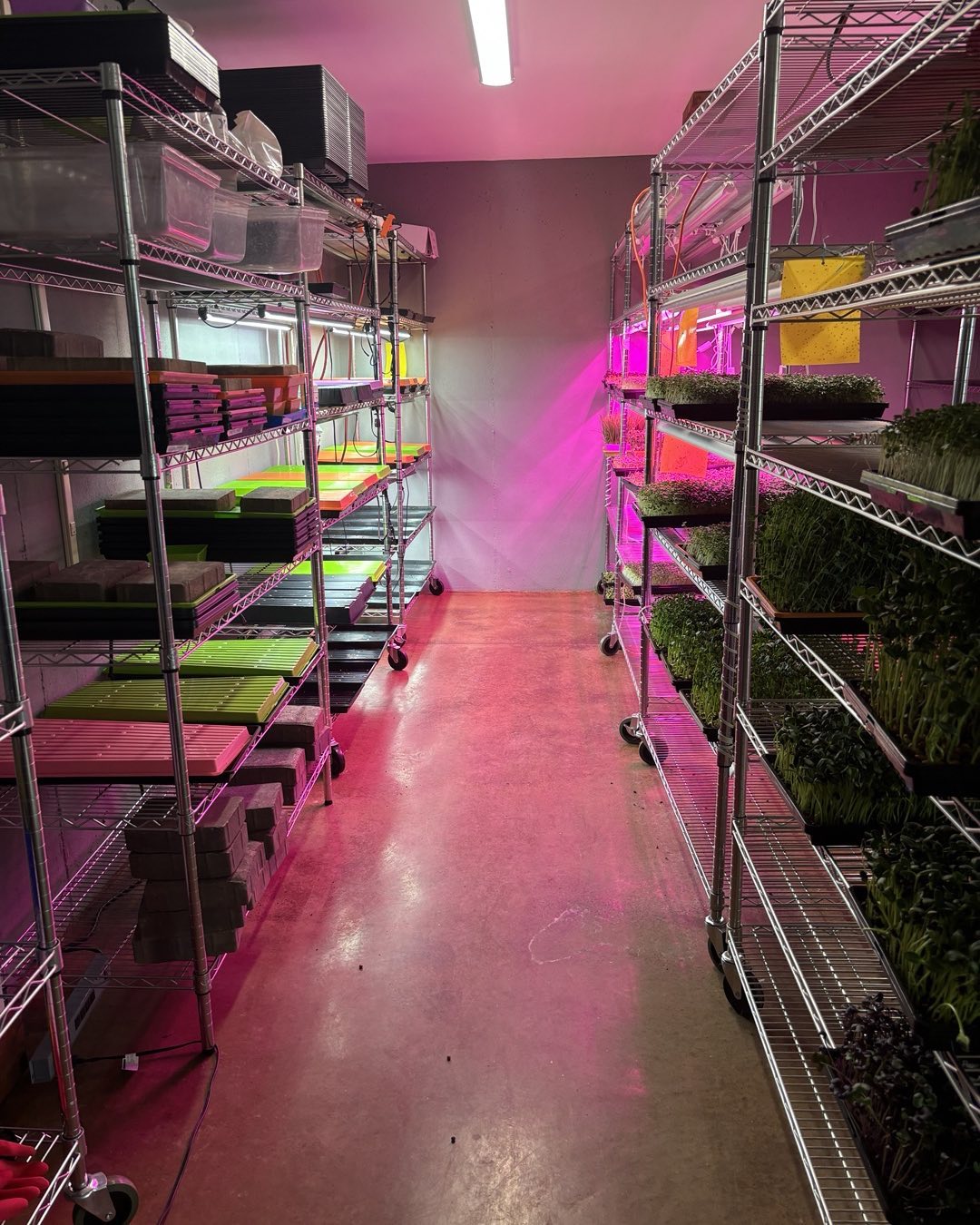
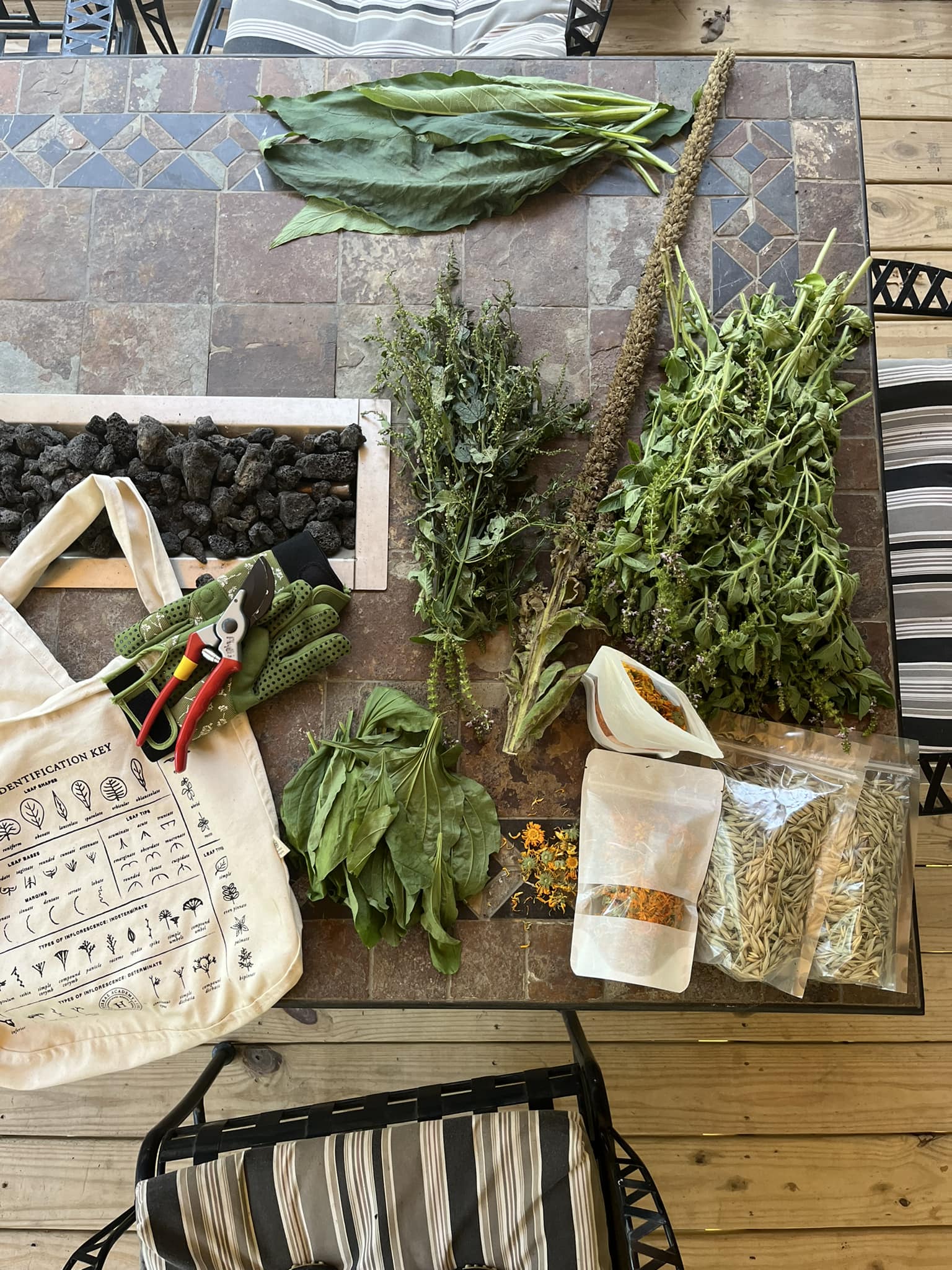
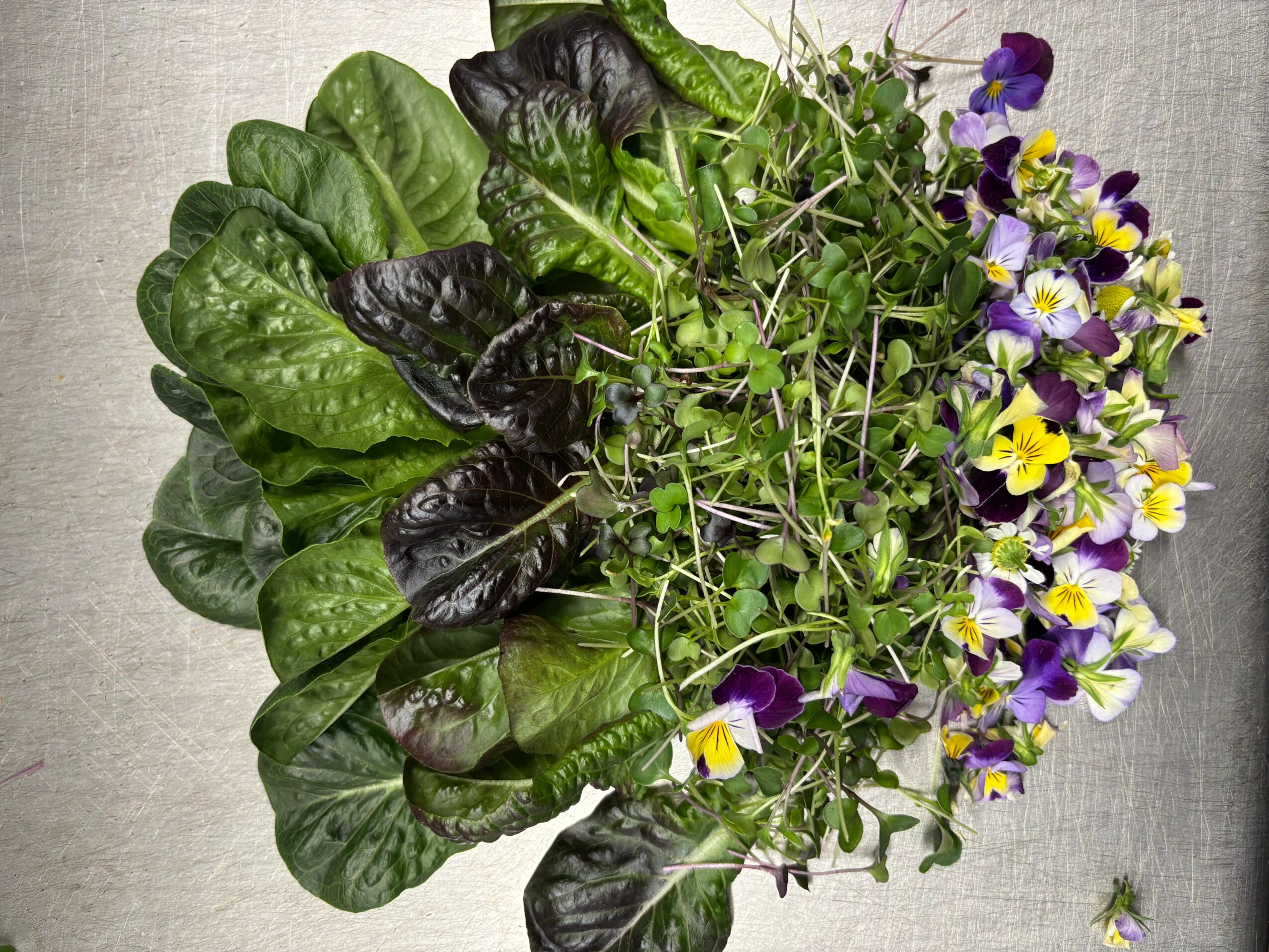
Today our farm focuses on nutrient-dense microgreens, salad greens, and medicinal herbs grown using environmentally responsible practices and Certified Naturally Grown standards. Through our herbal line, RH Farmacy, we craft teas, tinctures, and other herbal products designed to support everyday wellness.
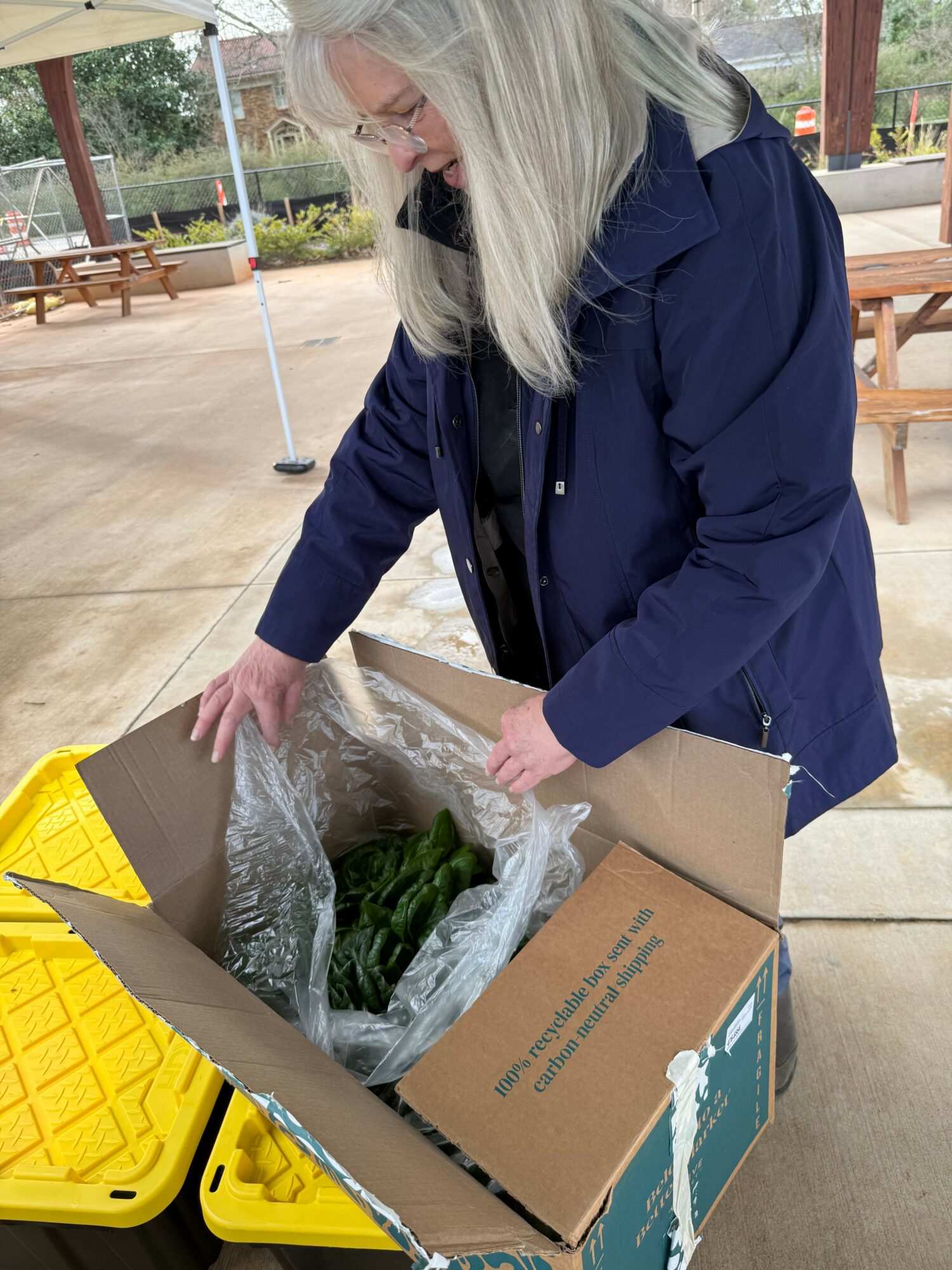
But what really drives the work is community. Whether it’s through our farm stand, educational workshops, or simply conversations with customers picking up their greens, the goal is always the same: to help people reconnect with real food, real herbs, and the simple rhythms of the land.
For many visitors coming from the Atlanta area, the farm also becomes a place to slow down for a moment — to step away from the pace of city life, enjoy the surrounding forest, and reconnect with nature in a simple and meaningful way.
Robinson Heritage Farm is still growing and evolving, but the mission remains steady — honoring heritage while growing for tomorrow.
Alright, so let’s dig a little deeper into the story – has it been an easy path overall and if not, what were the challenges you’ve had to overcome?
It definitely hasn’t been a completely smooth road. Farming and small business both come with plenty of learning curves, and when you combine the two, there is always something new to figure out.
Like many small farms, we’ve navigated challenges with weather, pests, crop failures, and the constant balancing act of wearing many hats — grower, marketer, bookkeeper, and educator all at once. Indoor growing systems bring their own challenges too, from equipment learning curves to things like pest management in controlled environments.
Another challenge has been helping customers understand the value of locally grown, nutrient-dense foods like microgreens and medicinal herbs. Part of our mission has become education — sharing why these foods matter and how people can use them in everyday life, even in small kitchens or busy households.
But every challenge has helped shape the farm. Each obstacle has pushed us to refine our systems, improve our growing practices, and deepen our connection with our community.
In many ways, the challenges are what make farming meaningful. They remind us that growing food and herbs is both an art and a responsibility, and that the work we’re doing matters.
We’ve been impressed with Robinson Heritage Farm LLC, but for folks who might not be as familiar, what can you share with them about what you do and what sets you apart from others?
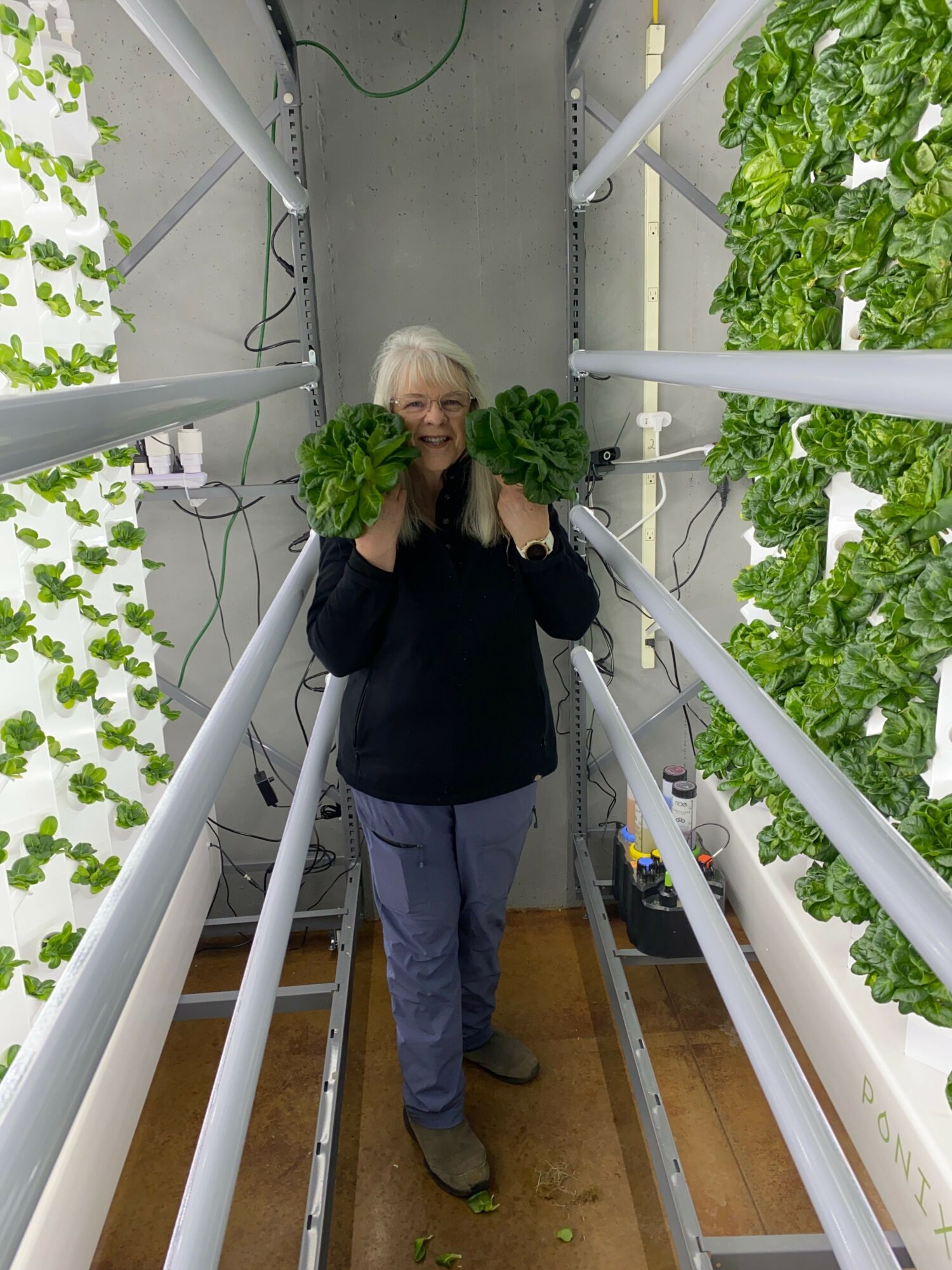
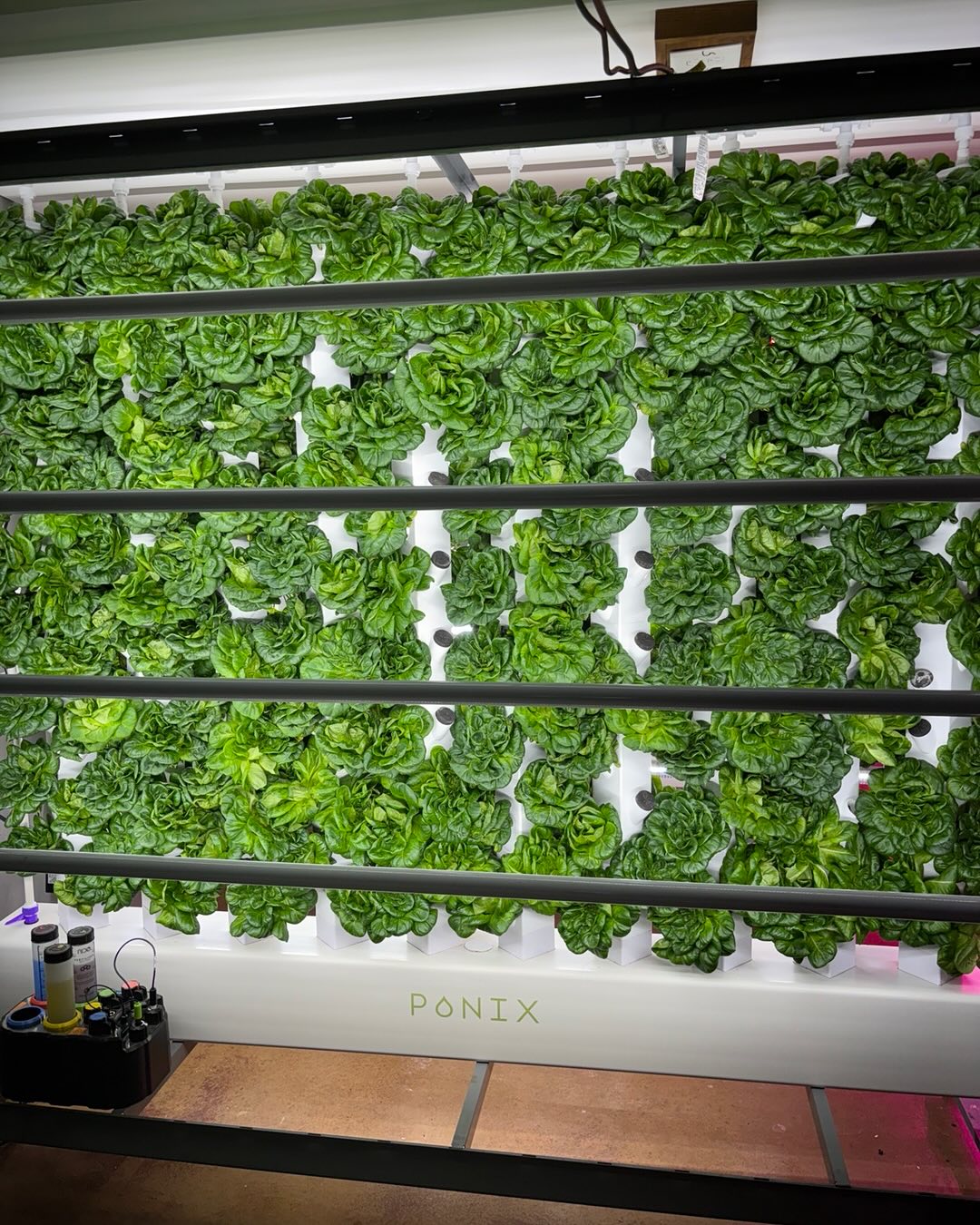
Robinson Heritage Farm is a regenerative farm in northeast Georgia focused on growing nutrient-dense microgreens, salad greens, and medicinal herbs. Our mission is to help people reconnect with food and plants in a way that supports both everyday nutrition and long-term wellness.
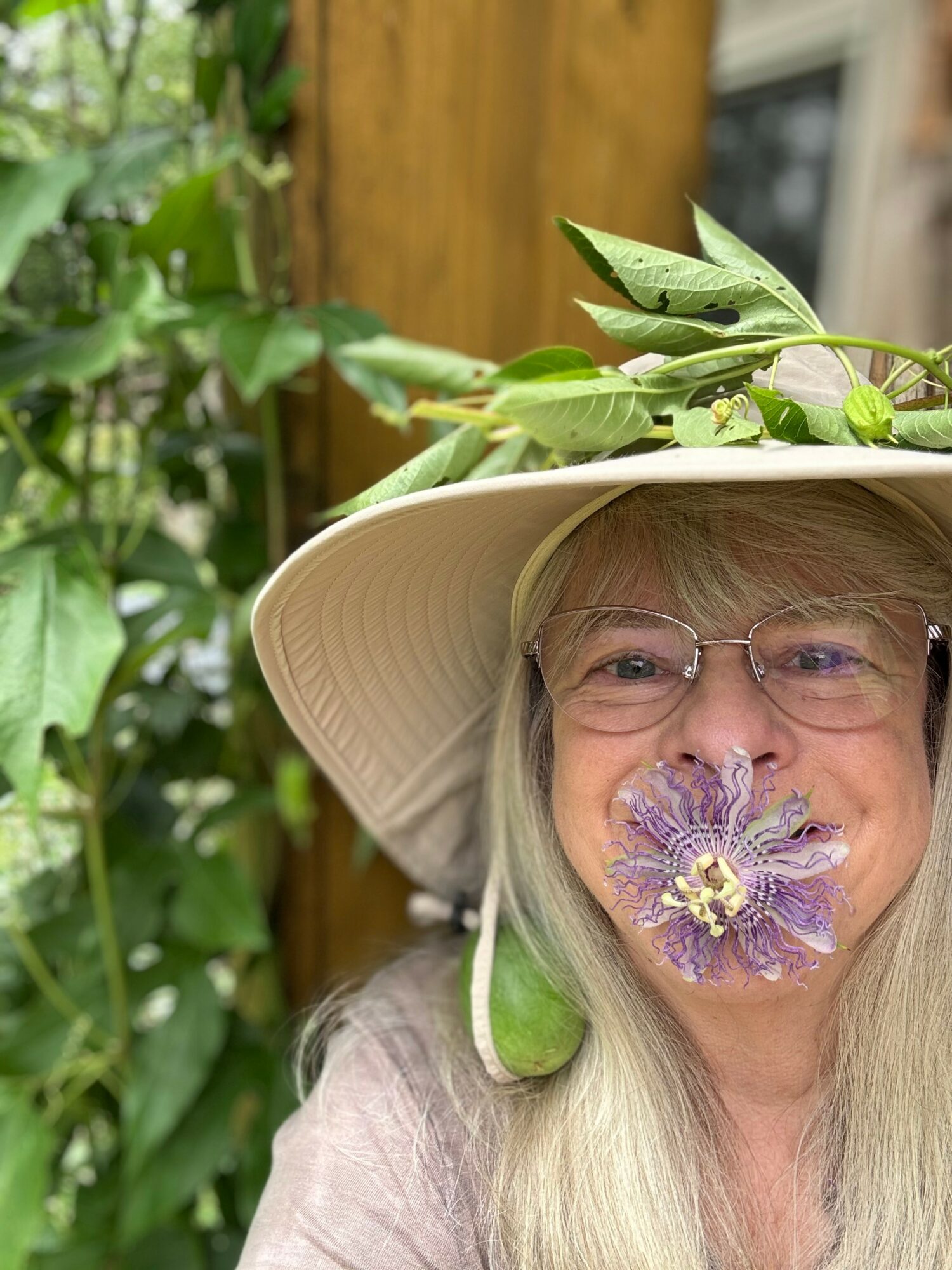
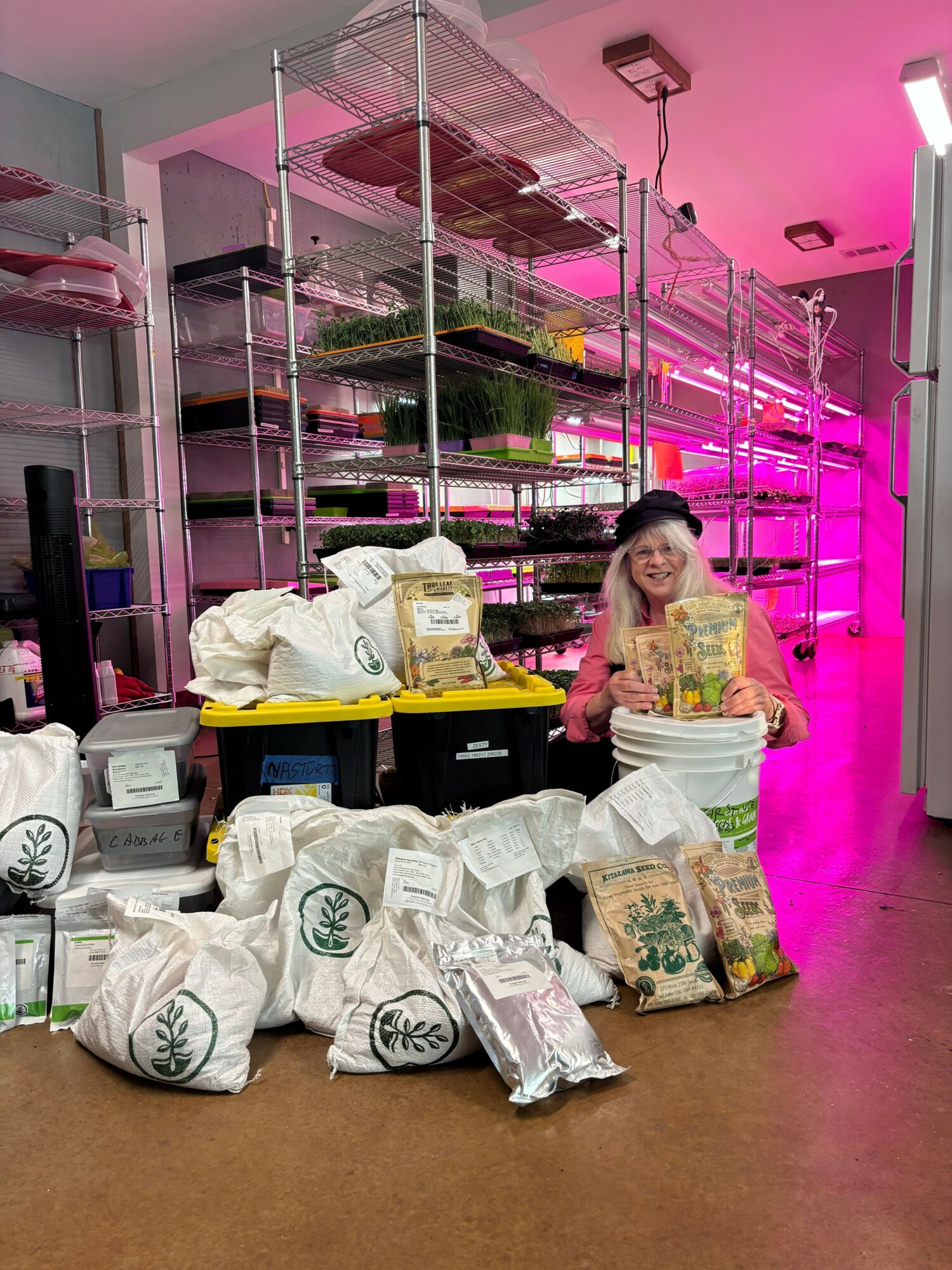
One thing that sets us apart is the way we blend modern growing techniques with traditional plant knowledge. Many of our greens are produced using indoor vertical growing systems, allowing us to grow fresh, clean food year-round, while our outdoor areas focus on herbs and pollinator-friendly plantings that support the surrounding ecosystem.
We are also Certified Permaculture Designers, and part of our work is helping people learn how to grow food themselves — even in small spaces or with modern lifestyle constraints. Whether someone has a backyard, a patio, a balcony, or just a sunny kitchen window, we believe everyone should have the opportunity to grow something nourishing.
Many people today want the health benefits of fresh food but don’t necessarily have the time or space for traditional gardening. That’s why we often focus on simple approaches like microgreens, container herbs, and small indoor growing systems that fit easily into busy lifestyles.
Alongside the farm, we operate RH Farmacy, our herbal wellness line where we craft small-batch teas, tinctures, and botanical products using herbs we grow ourselves whenever possible. This farm-to-apothecary approach allows us to stay closely connected to the plants from seed to finished product.
My background as a Certified Functional Nutrition Counselor, combined with generational herbal knowledge and formal education in herbal wellness, shapes everything we do. It allows us to look at food and herbs not just as ingredients, but as tools for supporting the body and overall wellbeing.
Education and community are also central to our work. Through our farm stand, workshops, and everyday conversations with customers, we enjoy helping people discover simple ways to bring microgreens, herbs, and plant-based wellness into their daily lives.
Over time we’ve also become a resource for people throughout the Atlanta area and beyond who are curious about growing their own microgreens or learning more about the health benefits of nutrient-dense foods and medicinal herbs.
What we are most proud of brand-wise is staying rooted in our values — growing responsibly, supporting local food systems, and helping people reconnect with real food, real herbs, and the land that grows them.
We’d love to hear about how you think about risk taking?
Risk is definitely part of building something meaningful. For us, some of the biggest steps forward have come from taking leaps of faith when the path wasn’t completely clear.
One of the biggest risks we took was purchasing land and building right as COVID was beginning. At the time, the world felt very uncertain, but we believed strongly in the vision of building something lasting there. That property has since become home not only to Robinson Heritage Farm, but also to a three-family compound where our family can live, work, and grow together.
Another moment of risk came when a large grant we were counting on for farm development was unexpectedly canceled. Instead of stepping back, we chose to keep moving forward and continue building the farm step by step. It reinforced an important lesson in agriculture and entrepreneurship — resilience matters as much as planning.
On a more personal level, one of the biggest risks I took was turning my own health journey into a business. I originally began growing microgreens to support my own chronic autoimmune issues and was amazed at how much they improved my health and energy.
That experience led me to realize that the same foods and herbs that helped me could help others as well. Turning that personal experience into Robinson Heritage Farm was a leap of faith, but it allowed my passion, purpose, and livelihood to align.
Today, helping others discover how food and herbs can support their well-being makes that risk one of the most rewarding decisions I’ve made.
Contact Info:
- Website: https://www.robinsonheritage.farm
- Instagram: https://www.instagram.com/robinsonheritagefarm/
- Facebook: https://www.facebook.com/RobinsonHeritageFarm/