





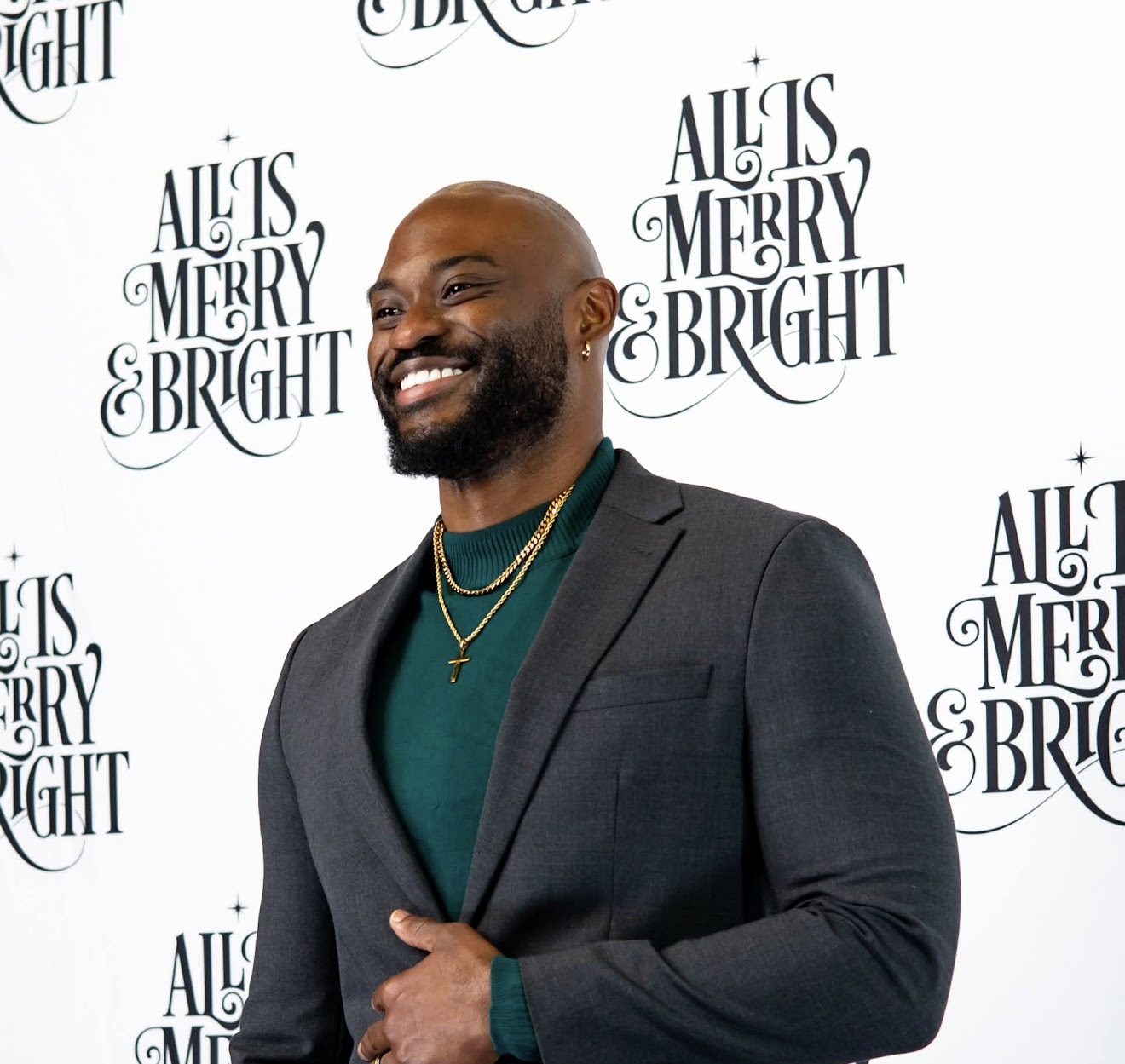
We recently had the chance to connect with Frank Oakley III and have shared our conversation below.
Frank, we’re thrilled to have you with us today. Before we jump into your intro and the heart of the interview, let’s start with a bit of an ice breaker: What do the first 90 minutes of your day look like?
Generally speaking, my first 90 minutes of the day consist of me going to the gym and getting in a nice little workout in if I can/time allows! It’s a solid version of self-care for me, and depending on the quality of the workout (and sleep I get, or don’t get the night before – working on that in the new year lol), it sets the tone for my day.
Can you briefly introduce yourself and share what makes you or your brand unique?
Yeah! So I’m primarily an actor and creator (and now getting more active in puppetry – I have a couple of things in the new year to share about that). I’m always looking for ways to both add new skills to my toolbag while also challenging myself physically. So between puppetry, stage combat/stunt work, and some combat training, I’m fortunately covering these bases!
Great, so let’s dive into your journey a bit more. Who were you before the world told you who you had to be?
I was an extremely weird kid growing up, and at the same time, the world/neighborhood/culture told me who I “had to be”, what things I’m supposed to like, etc. And it wasn’t until the last couple of years that I tapped back into this side of who I am. As an actor, it’s beneficial to be in touch and even unpack/explore who you are most at your most natural state. That way, you can have a touch point to leap off from and somewhere to go.
As a kid, I was a very silly, goofy, and slightly nerdy little dude. At a young age, and well into my young adult life, I secretly liked/enjoyed the things that I did (WWE, Nsync, drawing, making up insane characters to both act out and draw, living out a dream of wanting to be a stand-up comic among many other odd things – well odd for where I come from and grew up), and openly attempted to like/enjoy the things that I’m supposed to (mostly sports and music that Black people are only supposed to like – basketball and football – was totally trash at both, lowkey lol – and let’s say some extra circular activities that at a young age I most definitely wasn’t supposed to be doing haha). Now, luckily, on the sports side of things, I turned out to actually enjoy some of the sports I did – I’ve always loved rap/hip-hop and R&B, so nothing new there, but I can also like pop music, movie scores, and that weird rock music that would be in wrestling video games haha).
Long story short – I’ve circled back to embrace some of the things from my childhood that made me who I was so that I can recognize and appreciate those parts of me. My little theory is that generally speaking, who we are as children (as it relates to our personalities and worldview) is who we truly are at our core. As a child, I used to be very optimistic, bright, and had a positive outlook on life and a true entertainer. After life starts lifing and you have to deal with some real-world ish that you may not have been supposed to deal with at such a young age, some of me became the complete cynical opposite – not trusting anyone or anything as far as I can see. Yes, a good deal of that was a trauma response and sheer survival, but there’s a portion of it that was beneficial and good (good as it relates to grown and mental/emotional/physical health and relational IQ).
I say all this to say – if you’re fortunate, and privileged enough, to not have to be in constant survival mode due to external elements/challenges, then it’s worth taking stock of who you were when life was maybe a bit simpler and getting curious as to how that version of you could LIVE now vs survive.
What did suffering teach you that success never could?
First off, suffering comes in many forms (mentally, physically, and emotionally), and just because what you’re suffering with may not be as “serious” or as “bad” as someone else’s suffering, it doesn’t mean what you’re suffering with is any less significant or any less painful than someone else’s suffering. I used to think that, and if I’m being honest, still struggle with it from time to time. So please work on freeing yourself from that bear trap if you can.
Second, I’m learning to count it, suffering, as joy. Weird dichotomy, but when we suffer, we have the opportunity to gain more resilience, a stronger character, in some cases even physical/mental strength, and we gain encouragement to give to others who may be going through similar things, or will go through similar things. Those outcomes can, and should be celebrated. I feel like when we can suffer well (meaning we can walk away with just a spec of resilience that we didn’t have going into the suffering), we can instinctually handle success well. Obviously, much easier said than done, however, as it relates to suffering, when the focus is not “succeeding” at suffering well but rather what we did with the suffering, then we’ve already succeeded at dealing with a hardship. So in return, success comes second nature to our nature without us trying so hard to focus on it.
If we can figure out how to dance in the middle of a rainstorm, then we’ll be able to be that more grateful and jubilant in the sunshine.
Next, maybe we can discuss some of your foundational philosophies and views? Is the public version of you the real you?
I’d say a combination of both, as it relates to my voice. I do believe a separation, or boundary if you will, between what parts of you people can have access to is vital. I remember a metaphor in a therapy session in the past:
We are like a house. Some people may only have access to your front yard, while others may gain access to your front porch or even inside your home. But only a select few will gain access to your upstairs or even bedroom. And not everyone gets to come on to your porch, in your home, or upstairs.
Not everyone gets to, or deserves the right of access, to all the parts of you. However, if the parts of you people do get to have/experience are genuine, real, and fully present, then that’s no better than what one may consider as “full access”.
All that to say – my “public” version of me is a real version of the many parts of me!
Okay, so before we go, let’s tackle one more area. Could you give everything your best, even if no one ever praised you for it?
I actively try to do that with everything I do, especially with my acting career. I’m trying my best to come at everything in my career with a service mindset. I won’t take on the deep rabbit hole that I finally dug myself out of, so in an attempt to present a nugget:
There’s a stereotype that British/UK actors are better than American actors. What I’ve learned through various means and methods is that they aren’t necessarily better, but their mindset when it comes to how they see and engage with the work is from a place of service. Not all American actors/artists are self-centered with their work, just like not all British/UK actors are selfless with their work. But as a culture, they really come to serve the work/piece, the other artists, fellow colleagues, and the audience. When that’s just culture for you, it makes a difference. So I’m doing my best to adopt that culture to all the work I get to do. And doing TYA/TVY (Theatre for Young Audiences/Theatre for the Very Young) for the past two years has pushed me far forward in that mission.
Contact Info:
- Website: https://www.frankoakleythethird.com
- Youtube: https://www.youtube.com/channel/UCyoM7ApSqjYV_ZW4vNwuHEg?view_as=subscriber
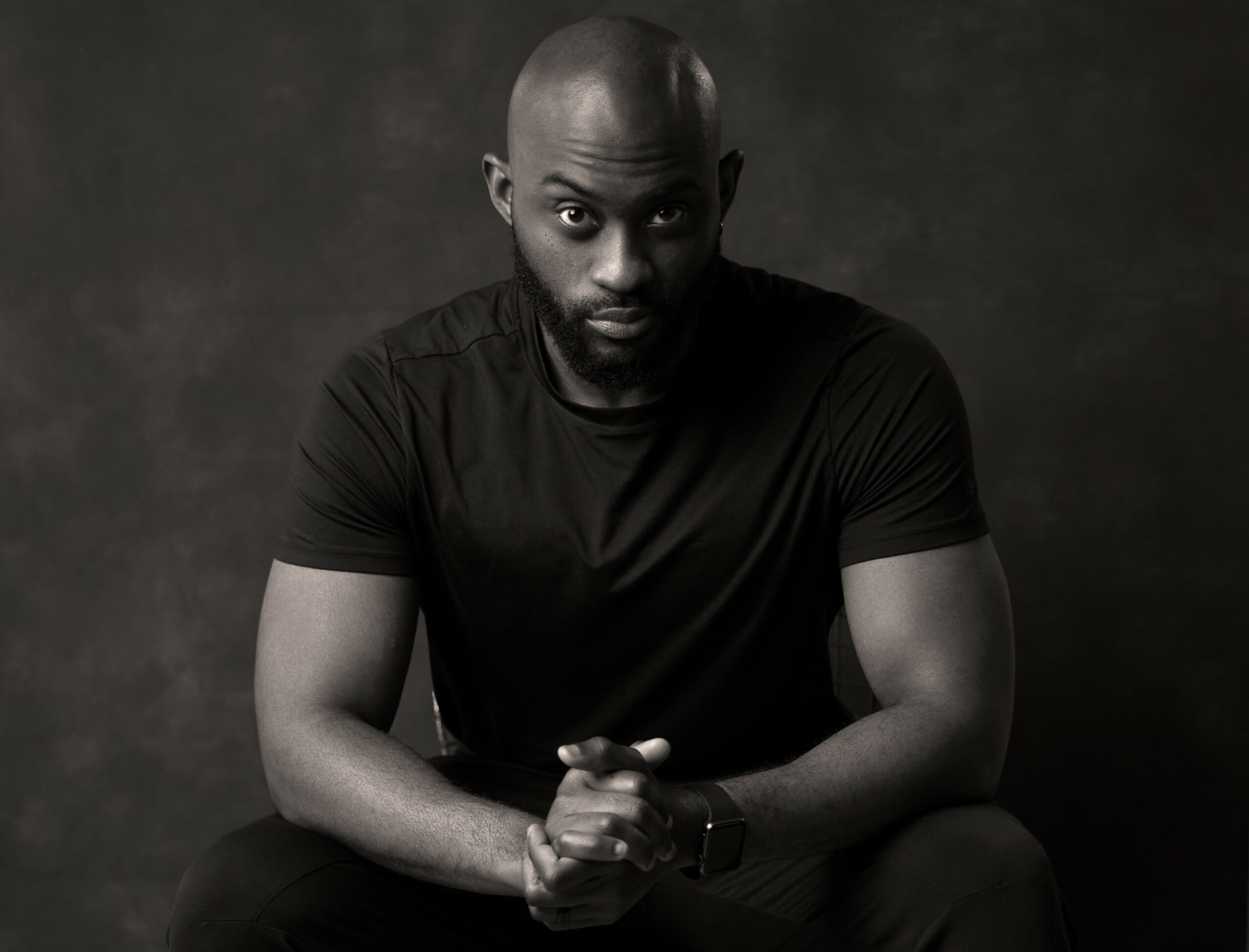
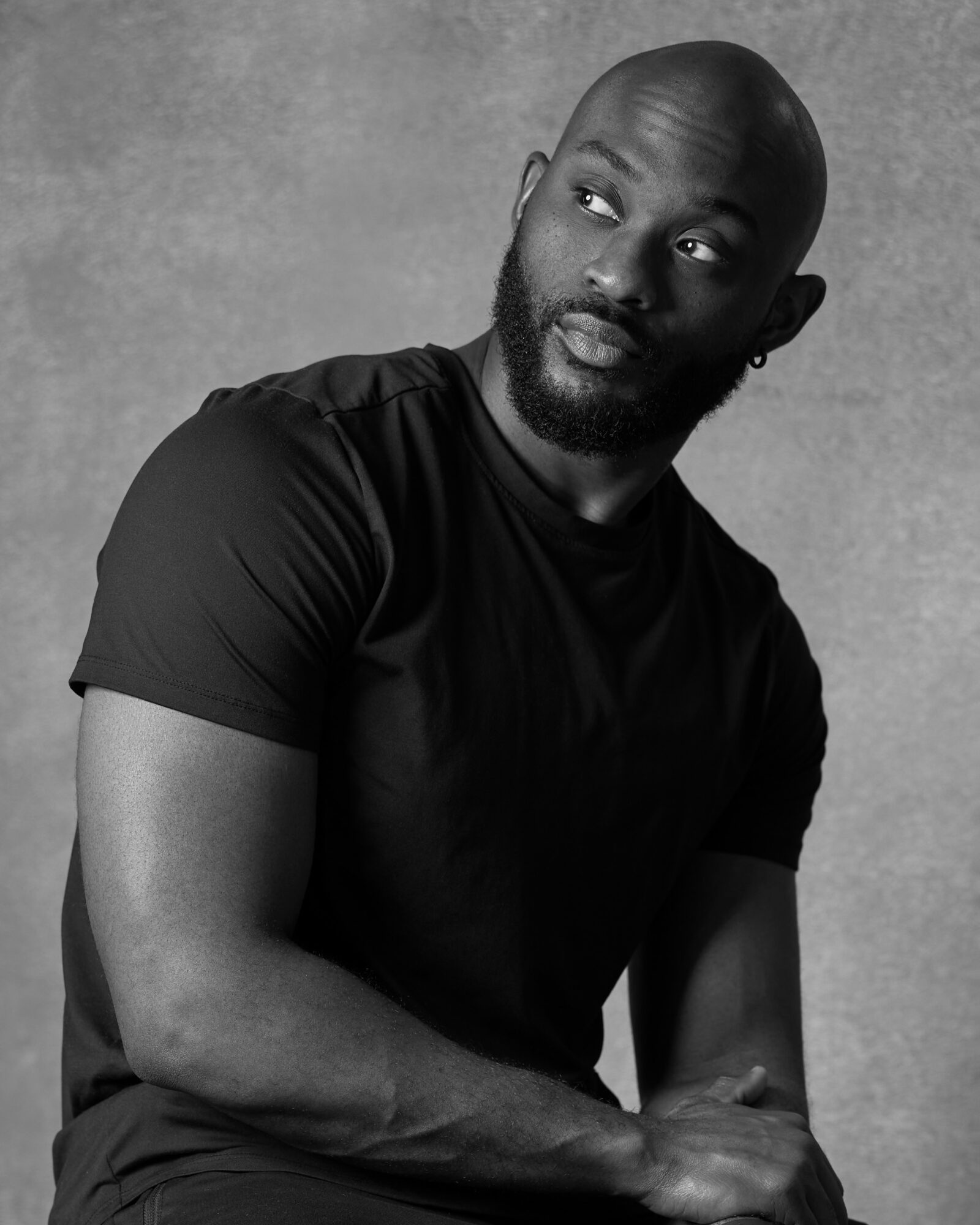
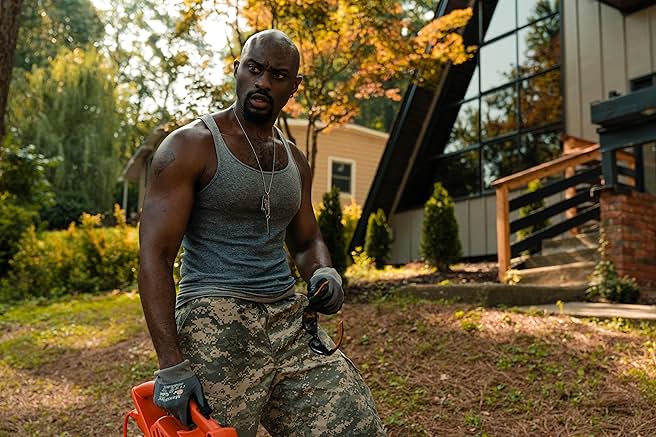
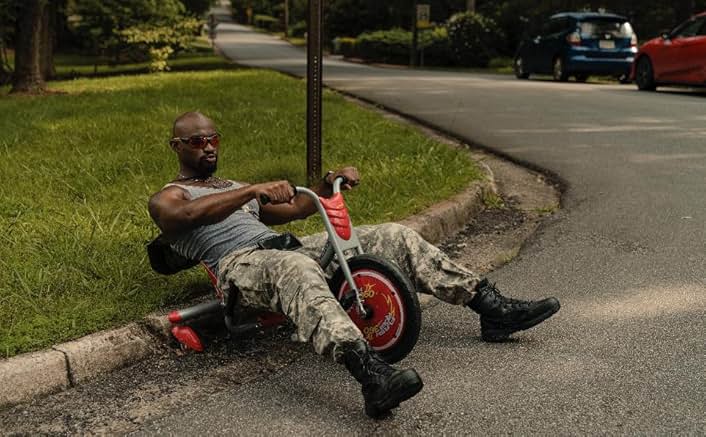
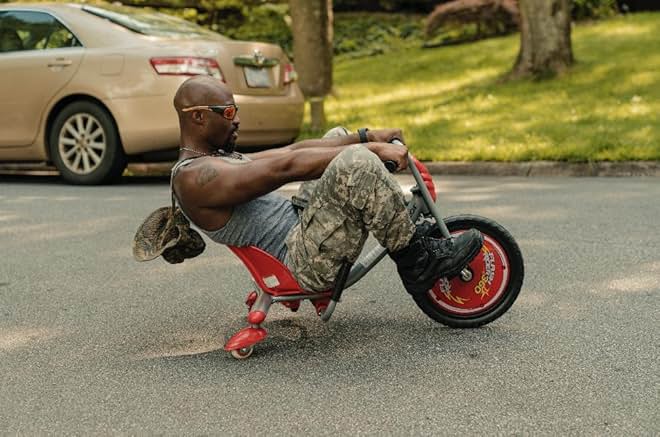
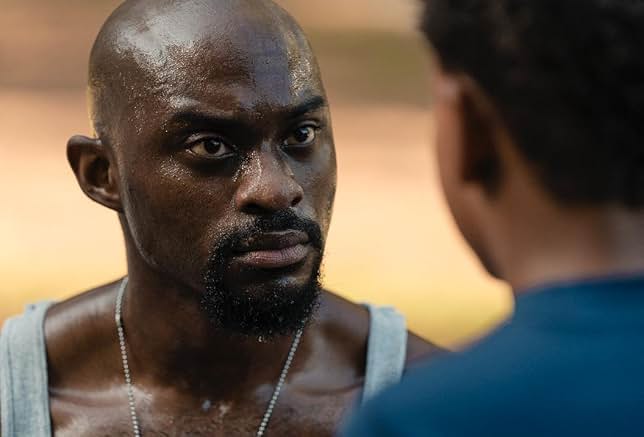
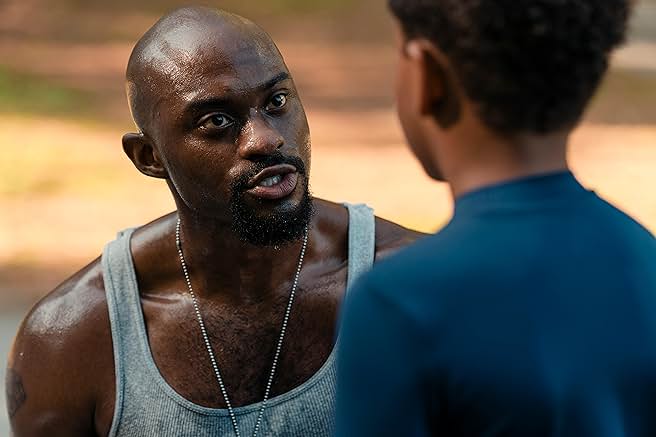
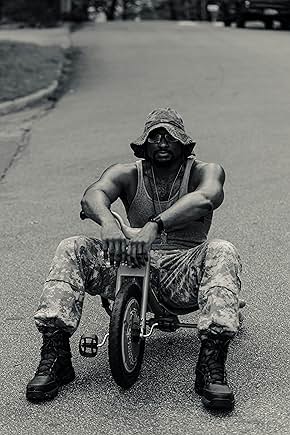
Image Credits
Black and white images: Chad Erichsen – Erichsen Photography ATL (IG@erichsenphotogrpahy_atl)
All is Merry & Bright Omaha Premiere: Lindsay Henderson Media (IG @lhendersonmedia)
Popular
-

Hidden Gems: Local Businesses & Creatives You Should Know
-

ATL’s Most Inspiring Stories
-

Portraits of Atlanta
-

Dr. Hildiah Martin-Suggs Is Building Second Chances for Youth Who Were Almost Lost in the System
-

From Showing Up to Seeing His Face on a Billboard: Anthony Green Is Just Getting Started
-

Wayne Smith Jr on Survival, Psychological Thrillers, and the Cost of Staying Alive