



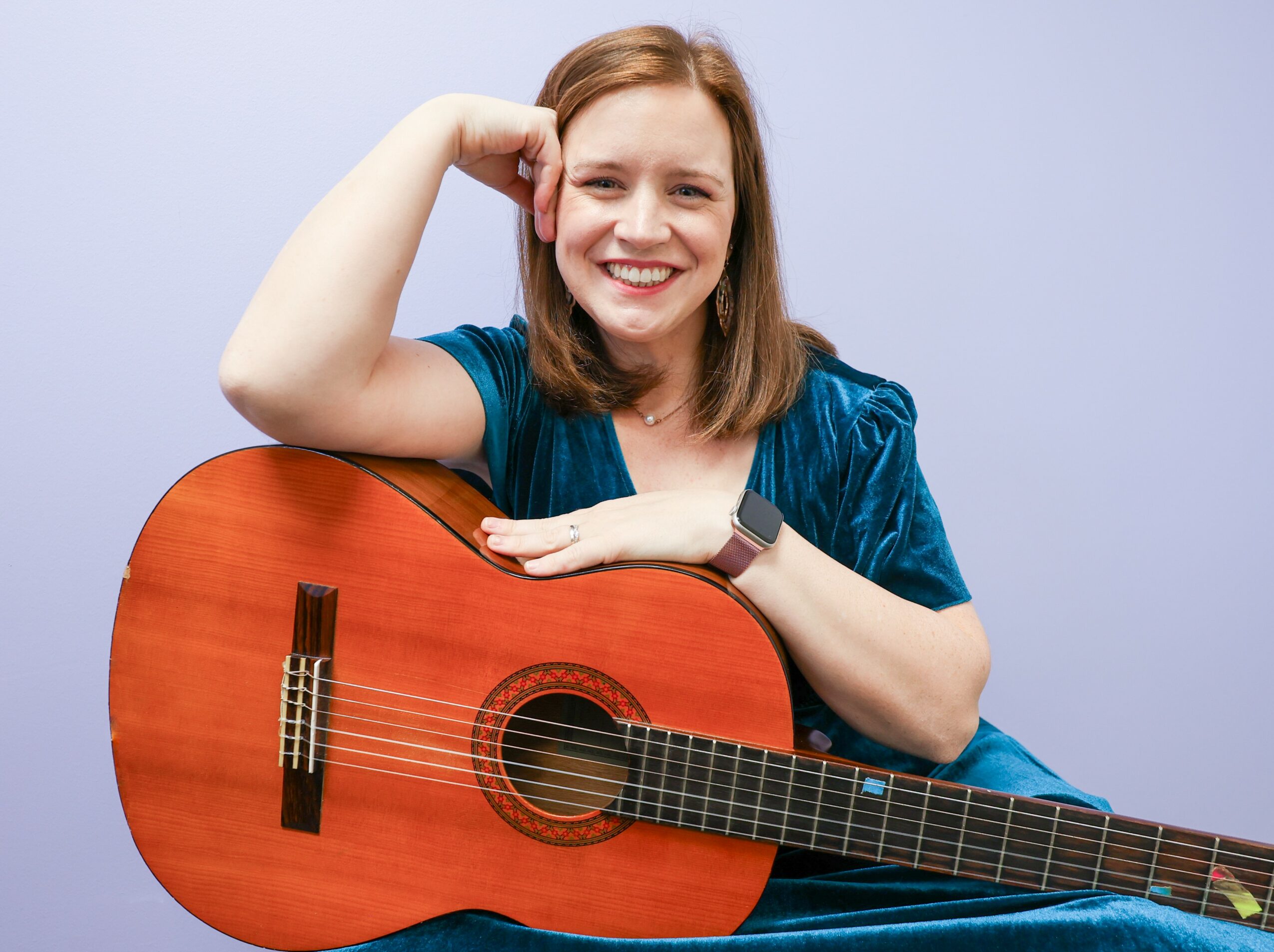
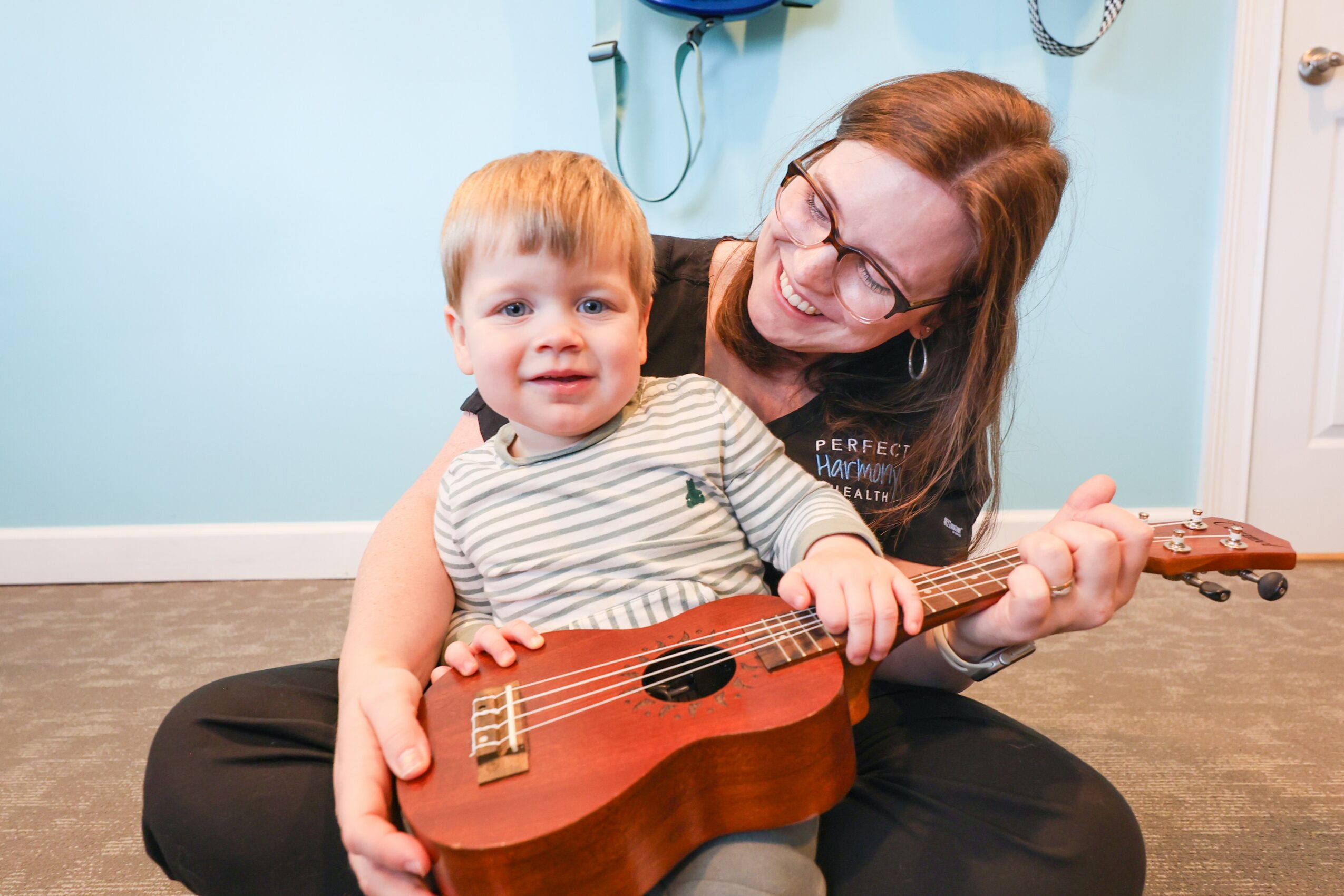
We’re looking forward to introducing you to Hannah Rhinehart LPMT, MT-BC, NMT-F®. Check out our conversation below.
Hi Hannah, thank you for taking the time to reflect back on your journey with us. I think our readers are in for a real treat. There is so much we can all learn from each other and so thank you again for opening up with us. Let’s get into it: What do you think others are secretly struggling with—but never say?
I think so many people struggle with belonging, but almost no one says it out loud.
That quiet question of “Do I fit here?” or “Is there space for someone like me?” shows up in so many parts of our lives- in leadership, in parenting, in caregiving, in community. I’ve felt it in pretty much every season of my life, and it’s something I see reflected back in nearly every family we serve.
For individuals with special needs, and for the parents, siblings, and caregivers who love them, that feeling of being othered or out of place can become a constant companion. So many families walk into spaces already bracing for judgment or misunderstanding. They’re used to feeling like they have to explain, apologize, or shrink themselves to make others comfortable.
Perfect Harmony Health’s mission was created as a direct response to that.
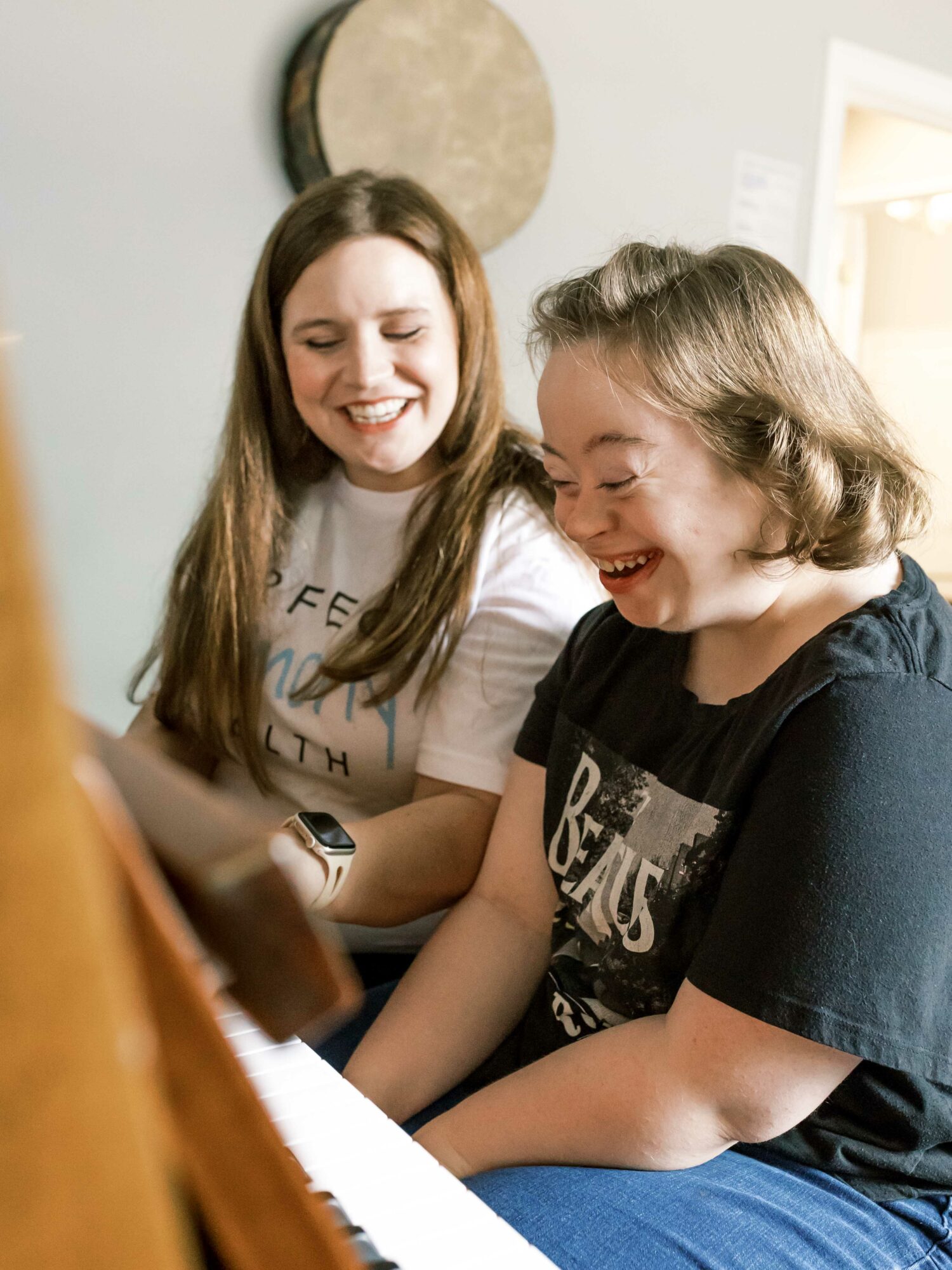
Our work is rooted in this deep belief that belonging shouldn’t be rare or conditional, it should be the starting point. Music gets to help us build the bridge faster. When someone walks into a PHH program, we want the very first thing they feel to be, “Oh… this is a place for me.” A place where differences are understood, where creativity is celebrated, and where every person is met with dignity, joy, and possibility.
Can you briefly introduce yourself and share what makes you or your brand unique?
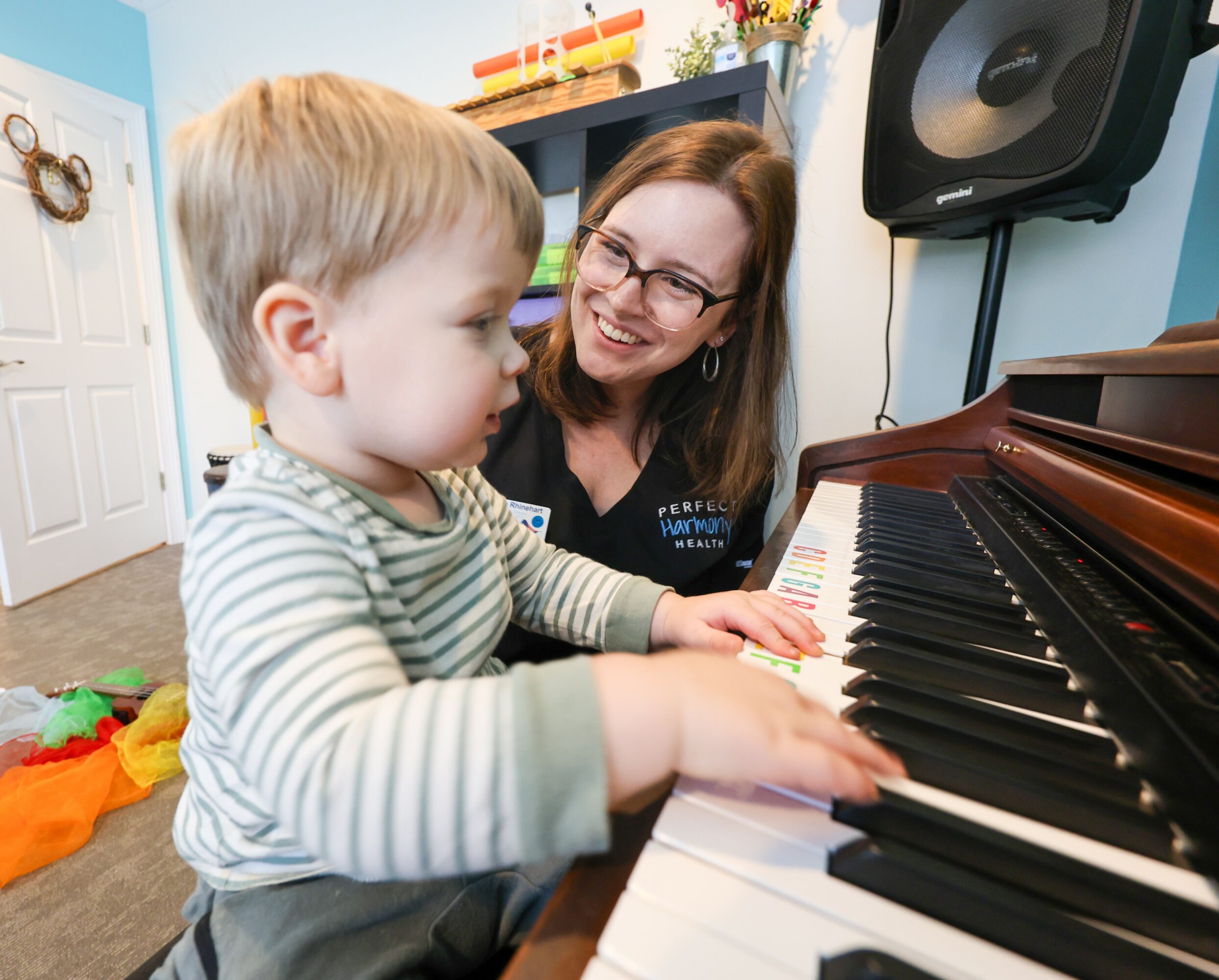
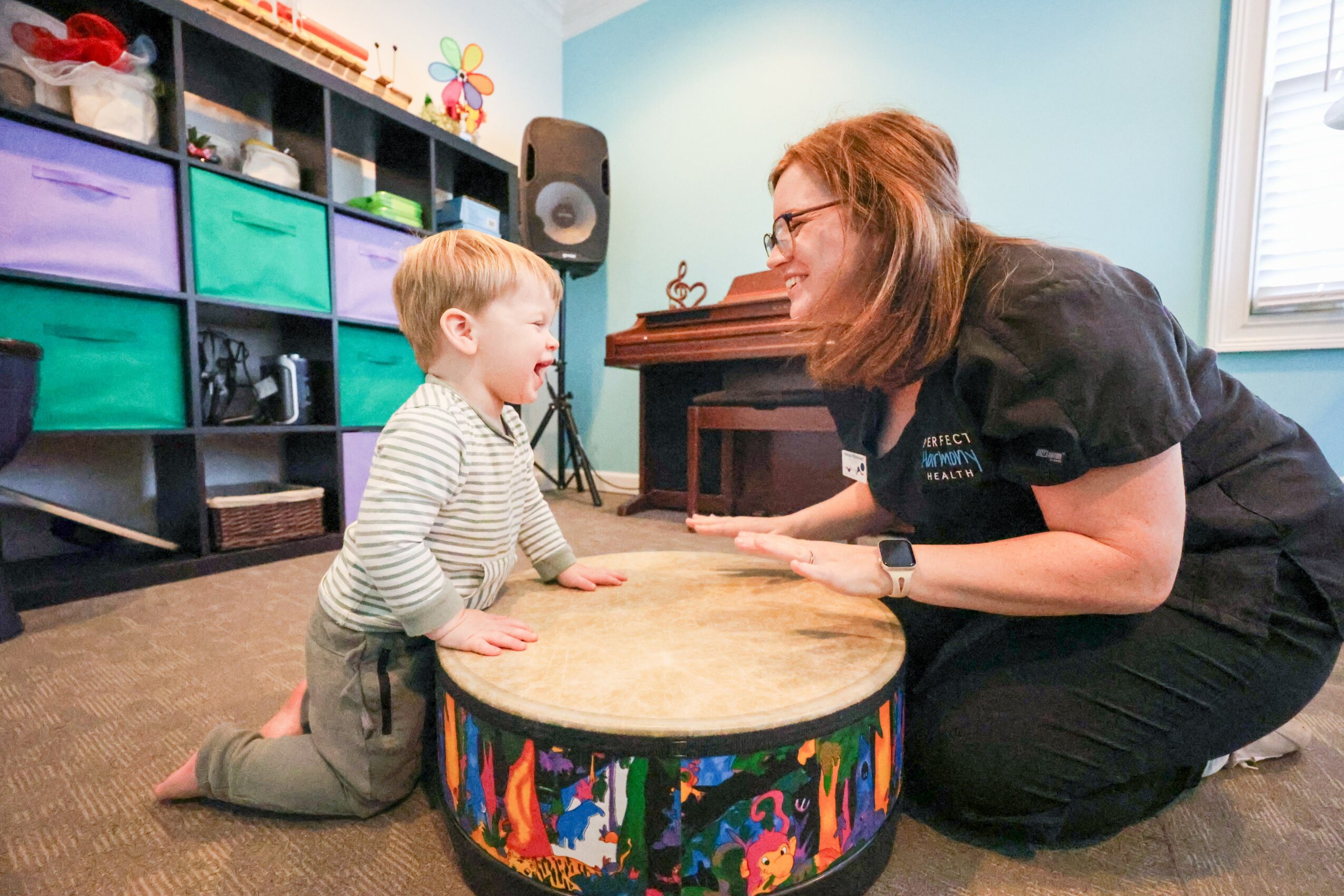
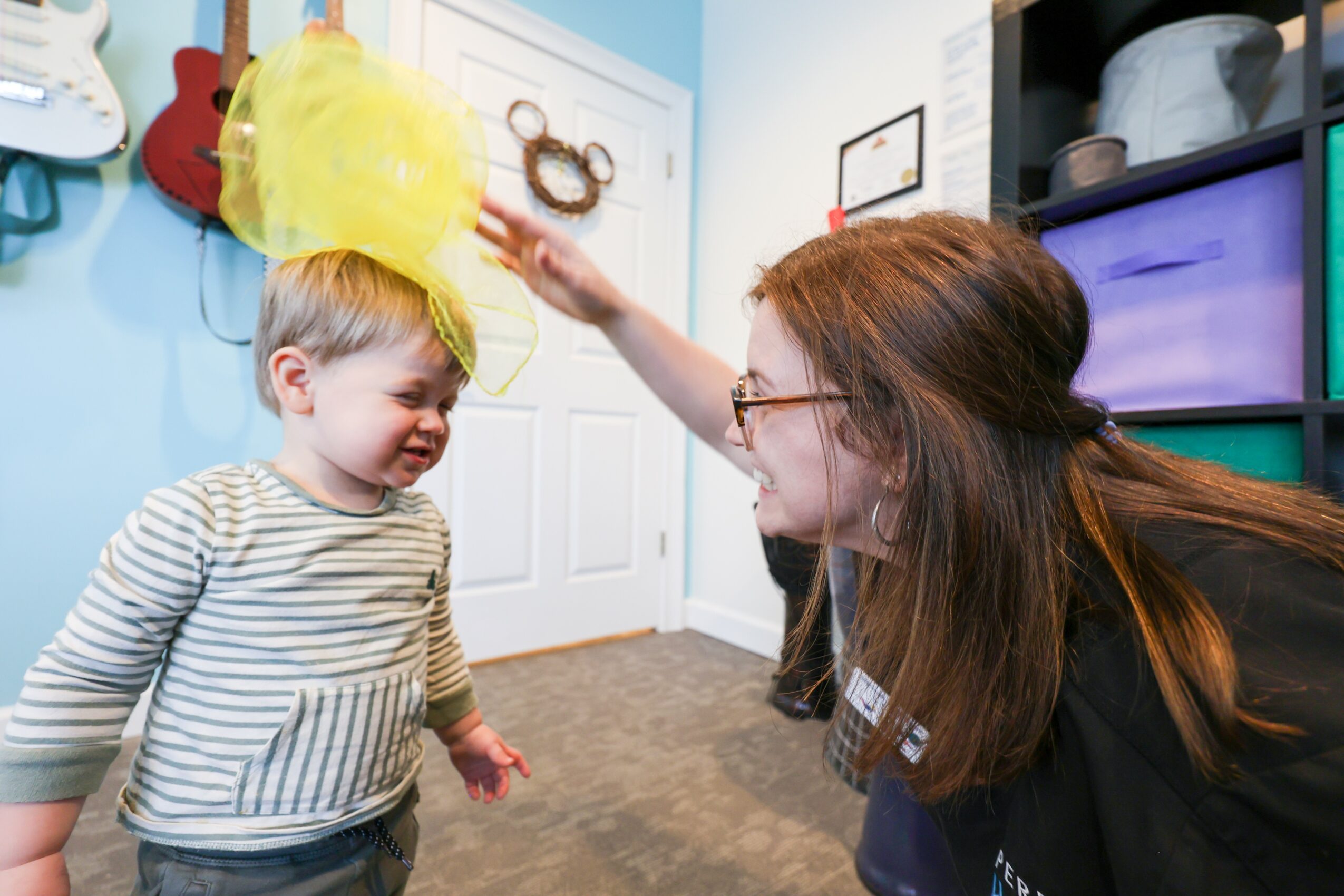
I’m Hannah Rhinehart, Executive Director of Perfect Harmony Health, a nonprofit music therapy practice in Roswell, Georgia. We use the science of music to support individuals with developmental differences, neurologic conditions, and aging-related challenges. Just as importantly, we create spaces where people and families genuinely feel like they belong.
I became a music therapist because I’ve always been drawn to music and helping others, and this field allowed me to bring those passions together in a meaningful way. During the pandemic, I saw families suddenly losing support, and I had the opportunity to expand the work of an existing nonprofit so families could continue accessing care that is both evidence-based and deeply human. Today, our team serves clients across multiple states through therapy, virtual programs, and inclusive arts experiences, all rooted in dignity, connection, and joy.
Thanks for sharing that. Would love to go back in time and hear about how your past might have impacted who you are today. Who saw you clearly before you could see yourself?
The people who saw me clearly before I could see myself were the ones who recognized my potential long before I felt confident in it. Their belief taught me something important. It taught me how powerful it is when someone looks at you and sees capability, not limitations.
That is the heart of how we work at Perfect Harmony Health. We presume competence. We assume our clients can, even if others have decided they can’t. We meet them with possibility instead of doubt, and we trust that ability is there waiting to be drawn out. Everyone deserves to be seen in that way.
What fear has held you back the most in your life?
The fear that has held me back the most is asking for help. I grew up being the helper, the doer, the one who figured things out without burdening anyone. It took me a long time to realize that asking for help isn’t burdening someone, it’s inviting them to be part of something meaningful.
Leading Perfect Harmony Health has forced me to confront that fear most every day. The families we serve need someone who will ask: for funding, for space, for support, for resources. They deserve an advocate who isn’t afraid to make the call or send the email. So even when the fear shows up, I remind myself that I’m not asking for myself. I’m asking on behalf of people who deserve access, dignity, and belonging. And that has made asking a lot less scary.
Sure, so let’s go deeper into your values and how you think. Whose ideas do you rely on most that aren’t your own?
The ideas I rely on most that aren’t my own come from two groups of people: my team (staff/board) and the parents we serve. My team is full of gifted, creative clinicians who see things from perspectives I don’t, and I trust their insight deeply. And the parents in our programs are some of the most intuitive, resourceful people I’ve ever met. They know their children better than anyone. Listening to both groups keeps our work grounded, compassionate, and real.
Okay, so let’s keep going with one more question that means a lot to us: What is the story you hope people tell about you when you’re gone?
I hope my family remembers me as someone who loved them fiercely and supported them in every way I could. They are my greatest treasure. In a broader sense, I hope people say I prioritized people over things, connection over achievement, and purpose over pressure. My hope is that I’ll be remembered as someone who stayed true to who she was and created spaces where others felt seen, valued, and cared for.
Contact Info:
- Website: https://www.perfectharmonyhealth.com
- Instagram: https://instagram.com/perfectharmonyhealth
- Linkedin: https://linkedin.com/perfectharmonyhealth
- Facebook: https://Facebook.com/perfectharmonyhealth
- Youtube: https://YouTube.com/perfectharmonyhealth
- Other: tiktok – melodiesforabilities
Popular
-

Hidden Gems: Local Businesses & Creatives You Should Know
-

ATL’s Most Inspiring Stories
-

Portraits of Atlanta
-
Dr. Hildiah Martin-Suggs Is Building Second Chances for Youth Who Were Almost Lost in the System
-

From Showing Up to Seeing His Face on a Billboard: Anthony Green Is Just Getting Started
-

Wayne Smith Jr on Survival, Psychological Thrillers, and the Cost of Staying Alive