






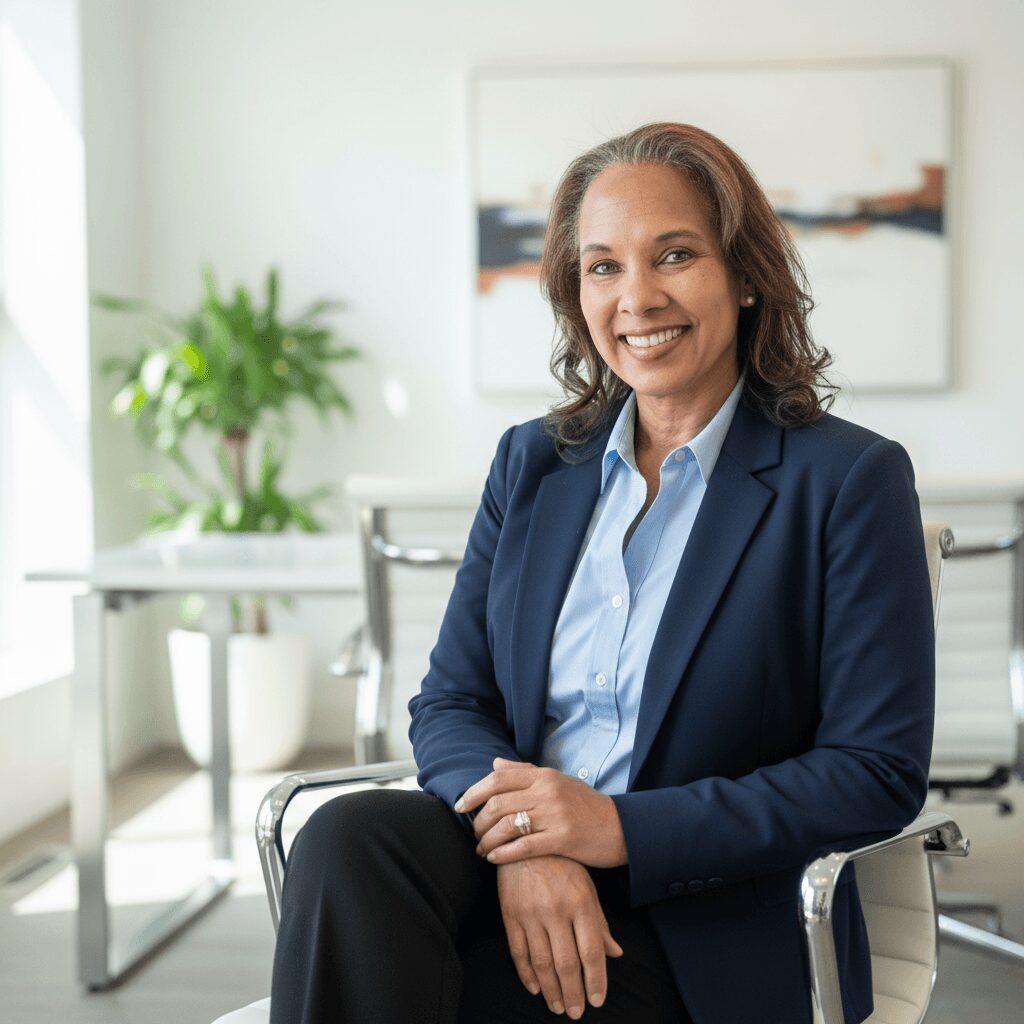
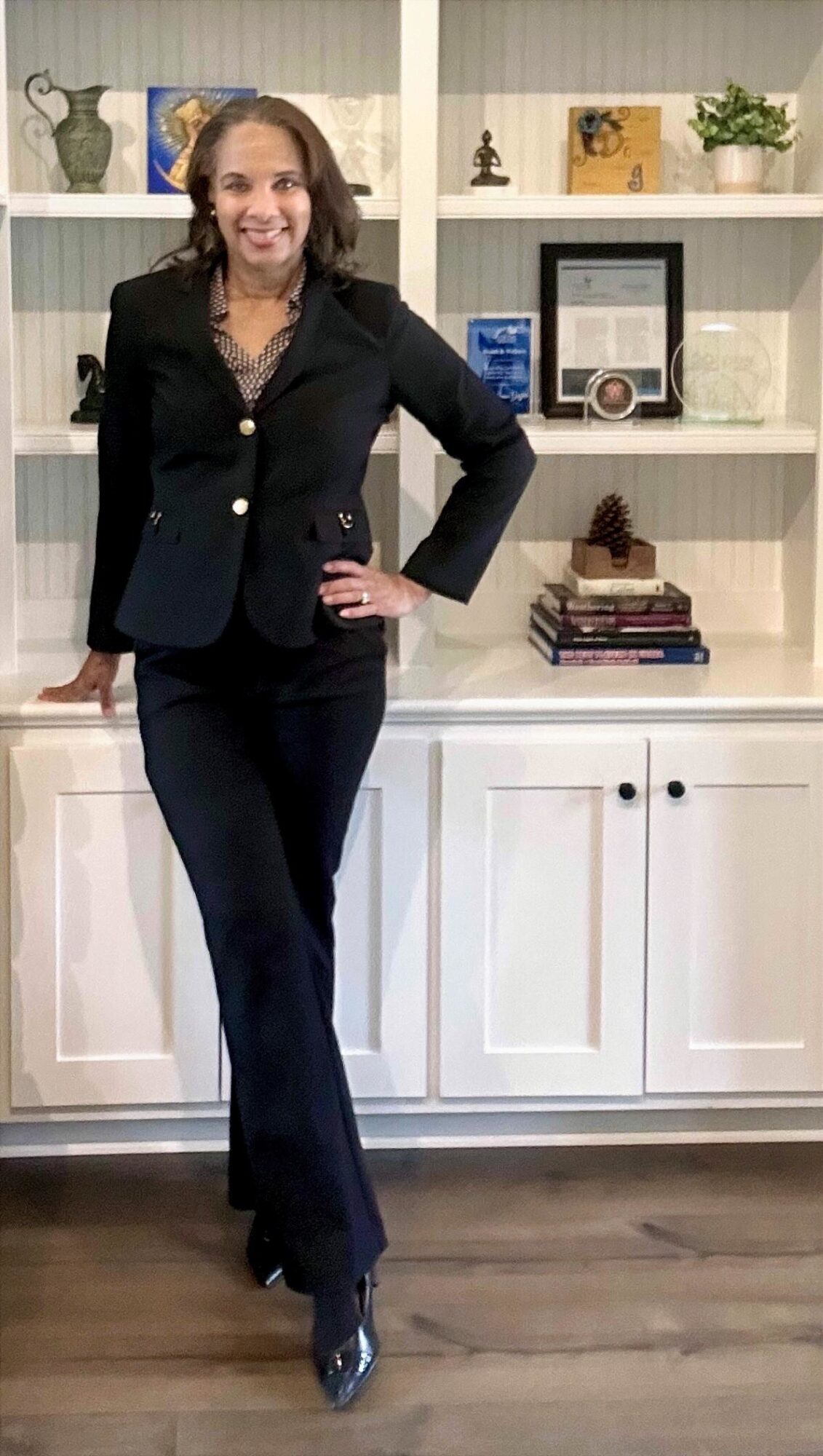
Today we’d like to introduce you to Jeana Griffith.
Hi Jeana, please kick things off for us with an introduction to yourself and your story.
My name is Jeana Griffith, Ph.D. also known as “Dr. G.” I grew up in Cincinnati, Ohio during the 1960’s, in a middle-class family in a white Jewish neighborhood that was slowly becoming more integrated. My mother was a special education teacher and my father was a Physicist. I had two sisters (one older and one younger) and an older brother. I was considered the “middle child”. My parents always said that children should surpass their parents in education and status in life. Eager to please them, I set out on a mission to succeed. I did well in school and somehow, I always knew I wanted to help others. I was the one who people would turn to for a listening ear or advice. I enjoyed doing it. When it was time to choose a career, I thought I wanted to be a pediatrician. I wanted to help sick children get better. Well, until my sister got bit in the face by our St. Bernard and it freaked me out. Turns out I couldn’t stand the sight of blood. So, I looked into other professions and decided to become a psychologist. The road to becoming a psychologist was a long one. I will try to explain a long process as briefly as possible. First, I had to complete a four-year undergraduate program, majoring in psychology. Next, I had to apply and be accepted into a graduate school program for both a master’s degree and a doctoral degree in clinical psychology, which was a 5 -year program. During this time, I completed coursework and participated in several practicum placements at various mental health centers to apply the skills I had learned in the classroom. Then, during my 4th year, I had to take what was called a Comprehensive Exam. This exam assessed my knowledge of both theory and practice of psychology. It consisted of two parts: a written exam and an oral exam conducted in front of a committee. Throughout my degree, I was also required to participate in research, write an original master’s thesis and doctoral dissertation, and present and defend both before a university committee. During my 5th year, I had to be accepted into and successfully complete a one-year internship at an APA approved site. The process was very competitive as many sites only accepted 3 people per year. Next, I had to be accepted into and successfully complete a one-year supervised post-doctoral fellowship at an approved site. Again, a very competitive process. I think that is why so many psychologists do not accept low paying insurance plans and often feel frustrated when insurance companies reduce their reimbursement rates. Given the extent of our training and experience, we deserve fair compensation.
I received my bachelor’s degree from the University of Cincinnati in Cincinnati, Ohio and then I received my master’s and doctoral degrees from Miami University in Oxford, Ohio. As the only African American woman in my class, I had to advocate for what I needed. In doing so, I helped bring the first African American faculty member to the Miami University psychology department. I also insisted on having at least one practicum experience working with individuals who looked like me. I reached out to the University of Cincinnati and successfully advocated for its Alcoholism Clinic to be approved as a practicum site.
I completed my internship and postdoctoral training at Emory University School of Medicine at Grady Health System in Atlanta, Georgia, where I worked with economically disadvantaged individuals and patients with various health concerns such as Sickle Cell Disease and HIV. I provided individual therapy, consultations, family therapy and group therapy. I also helped write a treatment manual to support depressed African American adolescents who had experienced abuse, funded through a Georgia Campaign for Adolescent Power and Potential (GCAPP) grant supported by Jane Fonda.
In addition, I worked in the community through a local church, providing families with education about adolescent depression and offering hope for healing through treatment. I also provided family therapy at this site and received several awards for my community work. I was always moved by the expressions on my client’s faces and their comments when they realized I was African American. I felt proud to represent healing and change for people who looked like me. I also valued showing people of color, especially, that becoming a psychologist is possible.
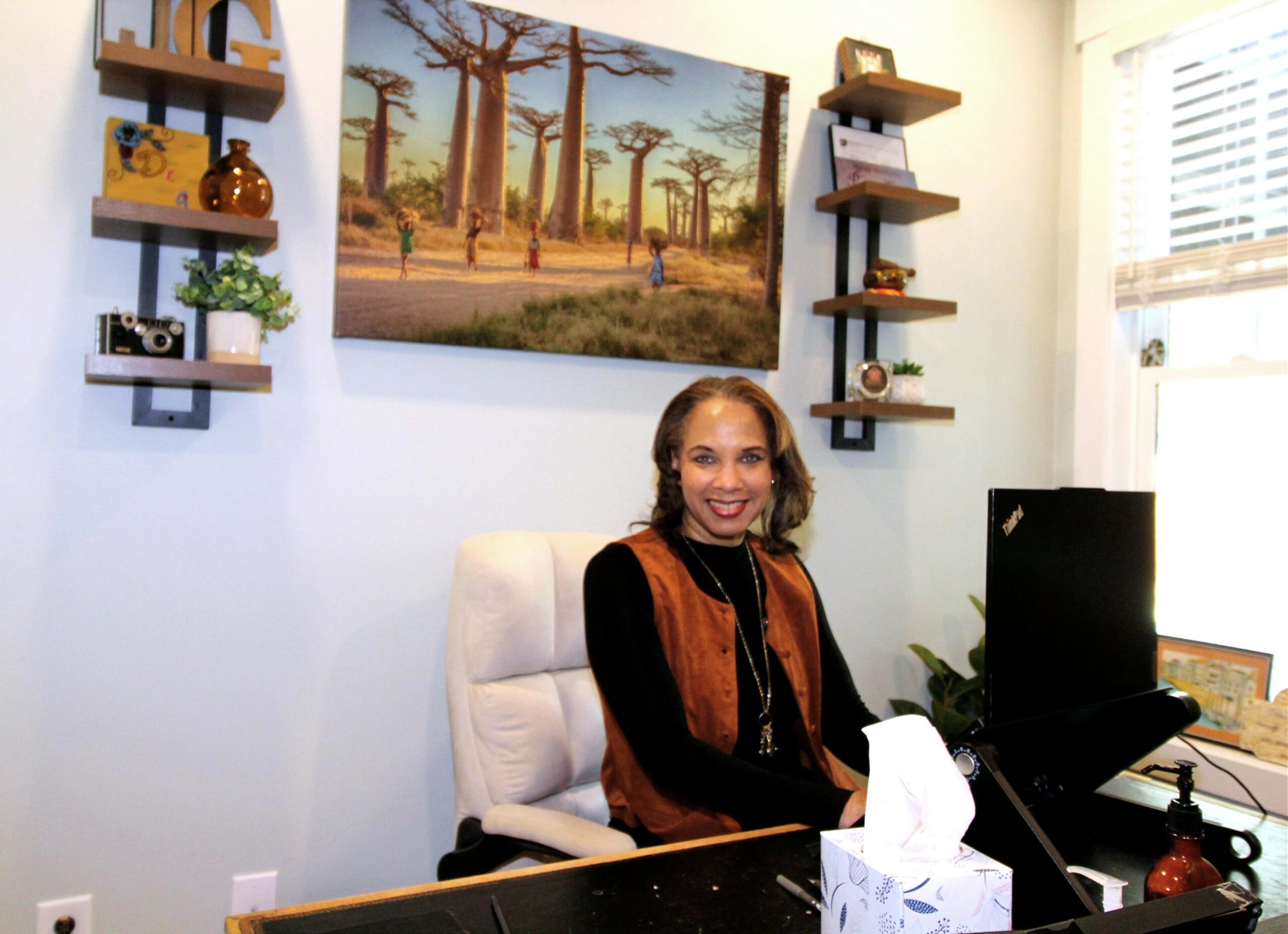
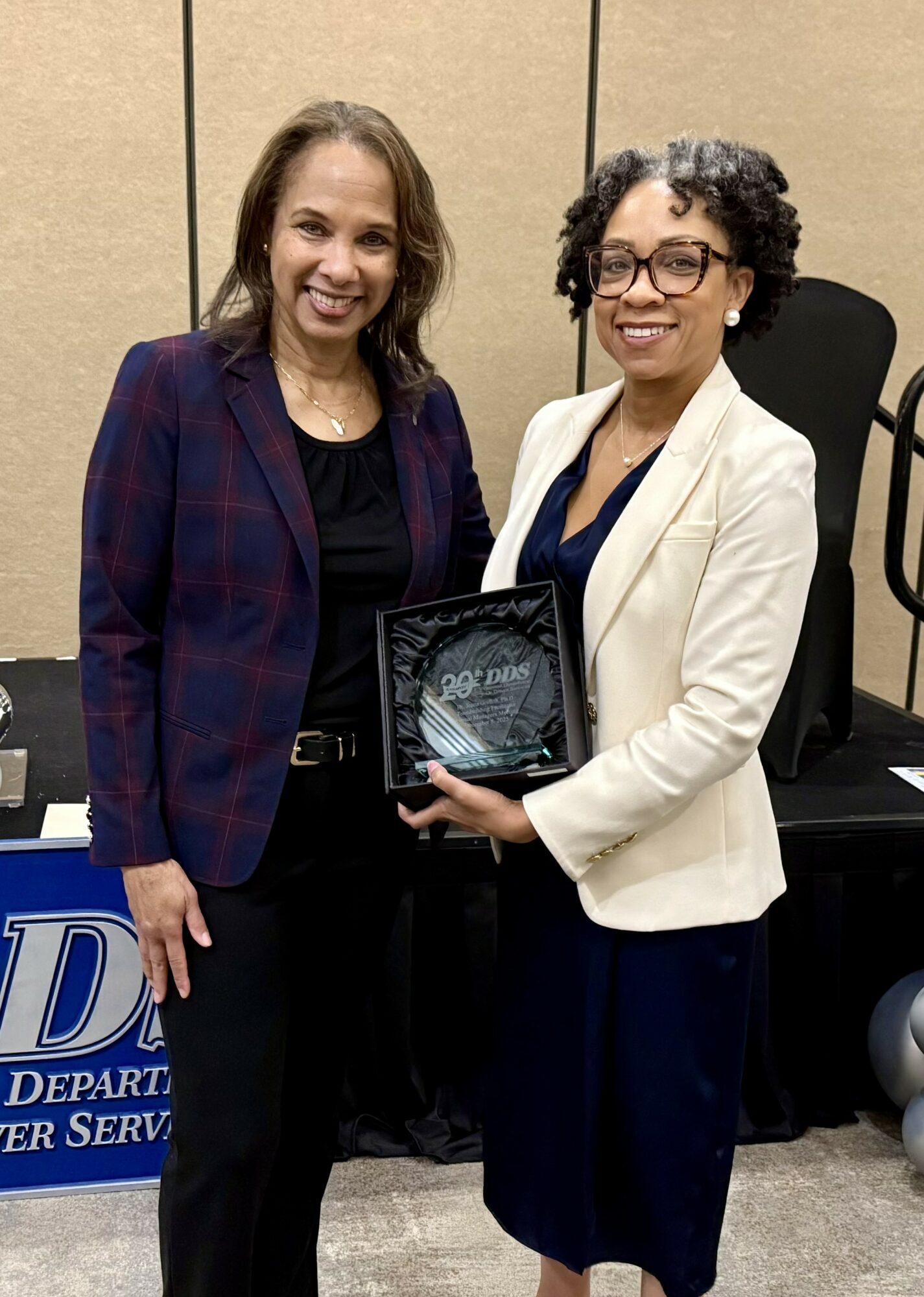
I often worked late hours and did not take proper care of myself, neglecting exercise and proper nutrition. I developed an autoimmune condition that forced me to take several years off work. As I gradually regained my strength, I was asked to work at Georgia State University a few hours a week as a contract therapist. I was employed at Georgia State University (GSU) for 14 years serving as a therapist, then Associate Director of Psychological and Health Services and then Director of Integrated Health Services. In these roles, I had the opportunity to serve individuals of diverse ages, cultures, and ethnic backgrounds. I developed health and wellness programming across six campuses and provided individual therapy, group therapy, crisis intervention, and workshops. I also led several units and trained future psychologists and psychiatrists. I received awards for my leadership, innovation, and service. My time at GSU was truly a blessing. I met so many amazing people and was honored to help support so many students, student athletes, staff, and faculty during some of their toughest times. I remember one of my clients wrote me a beautiful poem about how I helped save her life. I have it framed in my office.
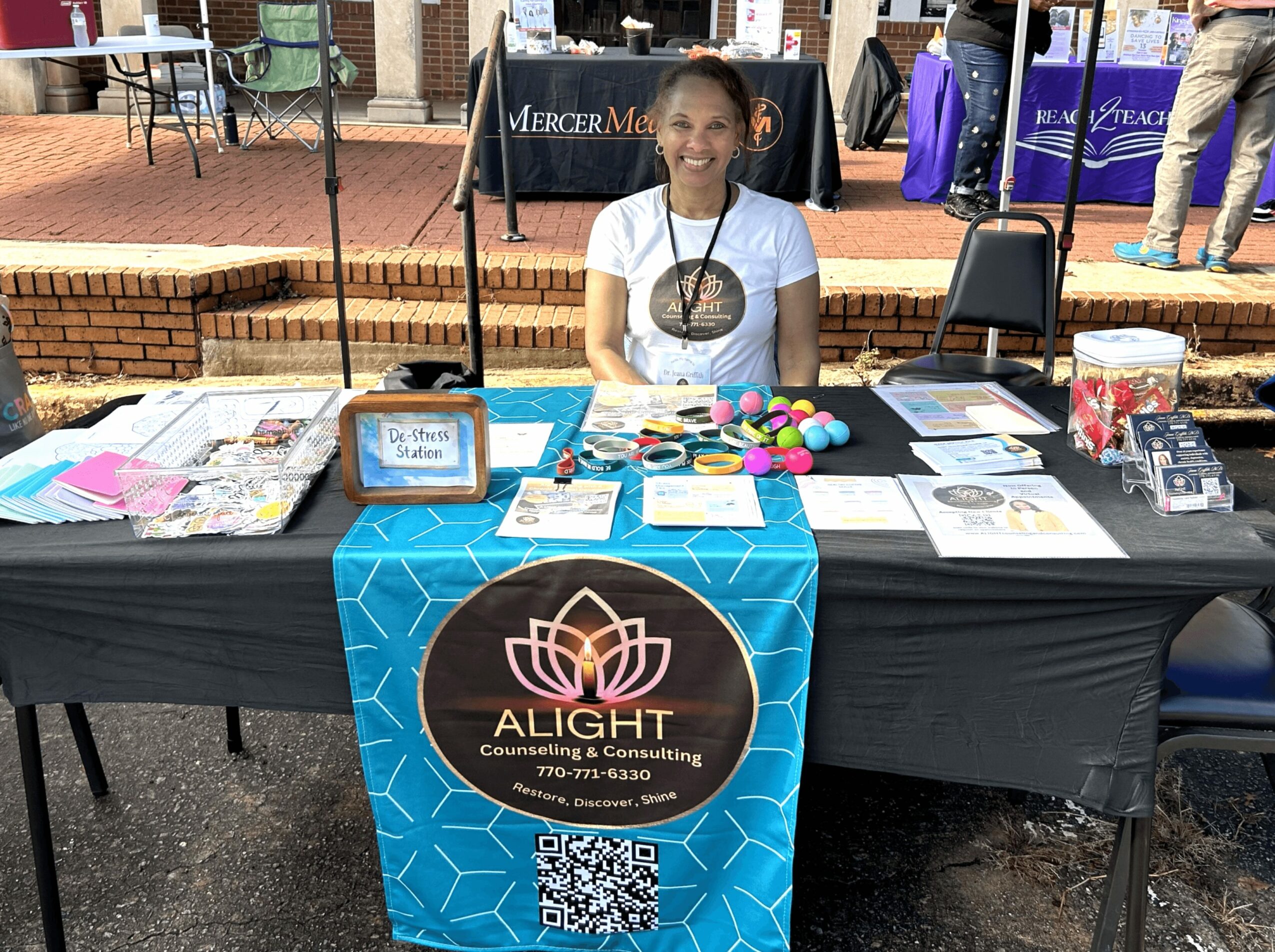
Unfortunately, my health began to decline again, and I decided to retire. We moved to a Lake east of Atlanta. After about 3 months of retirement, my health improved. Although I enjoyed my new surroundings, I felt that something was missing. As I met people and took in my new surroundings, I began to notice how many people were grieving, having difficulty sleeping, suffering from chronic health conditions, and were feeling worried and sad. I missed being able to help people, especially through counseling. So, I decided to open Alight Counseling and Consulting, LLC. I am the only African American psychologist in Greensboro, GA. It is a mostly virtual private practice where I support individuals who are experiencing anxiety, depression, grief, trauma, a life transition, or are managing a chronic health concern. I also provide workshops for local churches, teams and organizations. Although I am located in Greensboro, I serve all of Georgia. I meet with clients virtually through a secure HIPPA compliant platform.
Can you talk to us a bit about the challenges and lessons you’ve learned along the way. Looking back would you say it’s been easy or smooth in retrospect?
A major struggle for me along the way was my health. I developed an autoimmune condition in 2001, which impacted my muscles, joints and energy. It caused me great pain, migraines, and muscle weakness. It took five years to receive an accurate diagnosis and I had to stop working for about 10 years. I also had a husband and two young children at home who needed me. I went from being a helper to being the one who needed help. This was a major shift in my identity. It was a humbling experience but I would not trade it for anything as it brought me closer to God. I had to rely on him to carry me through and trust that things would improve. I surrounded myself with his word. With much prayer and effort, I gradually regained my strength and began working four hours a week. Over time, I was able to steadily increase my hours until I returned to full time work. I wrote a book that is currently with the editor, about my experience and how I drew on my faith and training as a psychologist to navigate the challenges of living with a chronic health condition. I hope this book supports others dealing with chronic health concerns and helps them live their best life despite their condition.
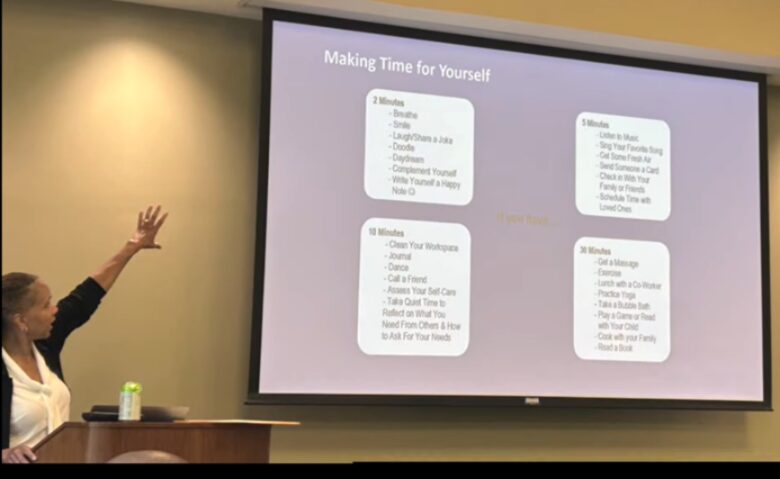
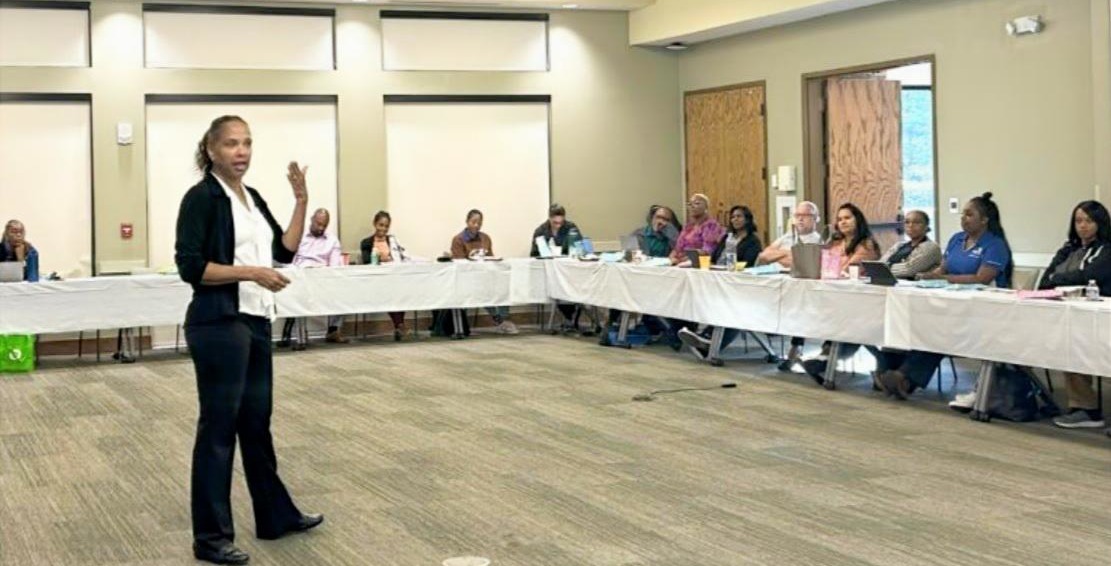
My experience with an autoimmune condition has inspired me to lead workshops focused on self-care. I share how neglecting my own well-being “burning the candle at both ends”, and failing to manage stress contributed to my illness. In these workshops participants learn and practice simple self-care exercises, demonstrating how just a few minutes a day can positively influence their day, improving decision making, problem solving, stress management, motivation and productivity. These workshops are especially popular with university staff, as I conclude each session with a relaxing meditation.
As you know, we’re big fans of Alight Counseling and Consulting, LLC. For our readers who might not be as familiar what can you tell them about the brand?
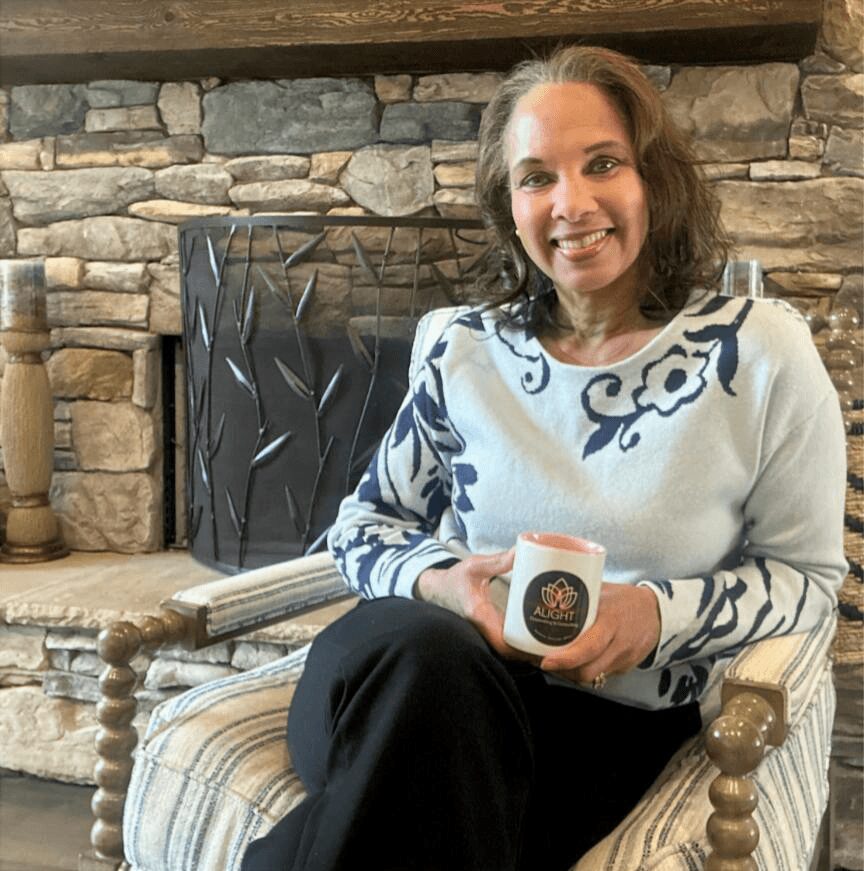
After retiring from Georgia State University, I felt there was more I could do to support others. I therefore opened my own virtual private practice called Alight Counseling and Consulting, LLC. I am very proud to be the only African American female psychologist in Greensboro, Georgia. Supporting the local community and also all of Georgia. As the CEO, I manage the day-to-day administrative tasks, provide individual and group counseling, and design and provide workshops for teams and organizations. My specialty is supporting adults and teens living with chronic health conditions and major life transitions such as a loss, helping them manage anxiety and depression through therapy that integrates emotional healing and faith. I am known for my calming presence and compassionate care, as well as for delivering innovative presentations that promote overall well-being. What sets me apart from other therapists is that I have lived experience with a chronic health condition, giving me first hand insight into its impact on one’s life, as well as a deep understanding of how faith can provide support during these times. I love spending time with people, getting to know them, and supporting them in a space where they feel comfortable talking about anything they wish. It is both a privilege and honor to be trusted in this way. I enjoy educating others on effective strategies for managing stress so that it does not negatively impact their mental or physical health. Respecting that faith can play a crucial role in healing, I integrate it into counseling for those who are interested. When appropriate, I also incorporate meditation and other mindfulness practices into my sessions. I also run a group to support those who are living with a chronic health condition. In this space participants share their experiences, receive support, and learn effective strategies for managing the stress of living with a chronic health condition.
Another area that I really enjoy is helping athletes and performers destigmatize mental health and overcome performance anxiety, helping them recognize that seeking support is a strength, and not a weakness. Through team workshops and individual sessions, I provide practical skills, affirming guidance and resources to support them.
Many people ask me what therapy is like. My answer: Therapy is like a long healing conversation with someone who listens and cares. Therapy is not just about healing what is wrong it is also about strengthening what is right or working for you. It can serve a preventive function as well. For example, learning ways to manage stress can help prevent many physical health and mental health issues. I use evidence-based practices to support my clients, including Cognitive behavioral therapy (CBT), which emphasizes how thoughts influence mood and behavior; mindfulness, which focuses on nonjudgmental awareness of the present moment; positive psychology, which uses strengths and gratitude to enhance well-being; and motivational interviewing, which draws on personal values to support meaningful change. I tailor my approach to meet each clients’ individual needs. So, therapy may look different for different clients.
How do you define success?
How do you define success? To define success, I first need to explain what it is not. Success, to me, has little to do with money or awards, and it is not about perfection either. It is more than simply setting goals and achieving them. If I try something and fail but learn from the experience, that can still be a successful moment for me. I have learned not to repeat the same mistake next time, and through that process, I have grown. I feel that I am successful if I do my best, live according to my values, continue to grow and use my God given gifts to help someone else. That is when I feel my best about myself. If a client feels heard, understood, and more healed after meeting with me, then that is a successful day. When I hopefully reach the “pearly gates” if God says to me “well done” then that is “the ultimate success”.
Contact Info:
Popular
-

Choosing Impact Over Control: Susana’s Intentional Evolution of Fro Butter
-

Where Faith, Code, and Soul Converge
-

Breaking Cycles, Answering the Call Forward
-

Leadership Rooted in Dignity and Continuity
-

Healing as Leadership: How LaCora Monet Is Redefining Sustainable Success
-

Returning to Herself: How Thalorah Is Building Veloria™ as a Sanctuary for Feminine Sovereignty