





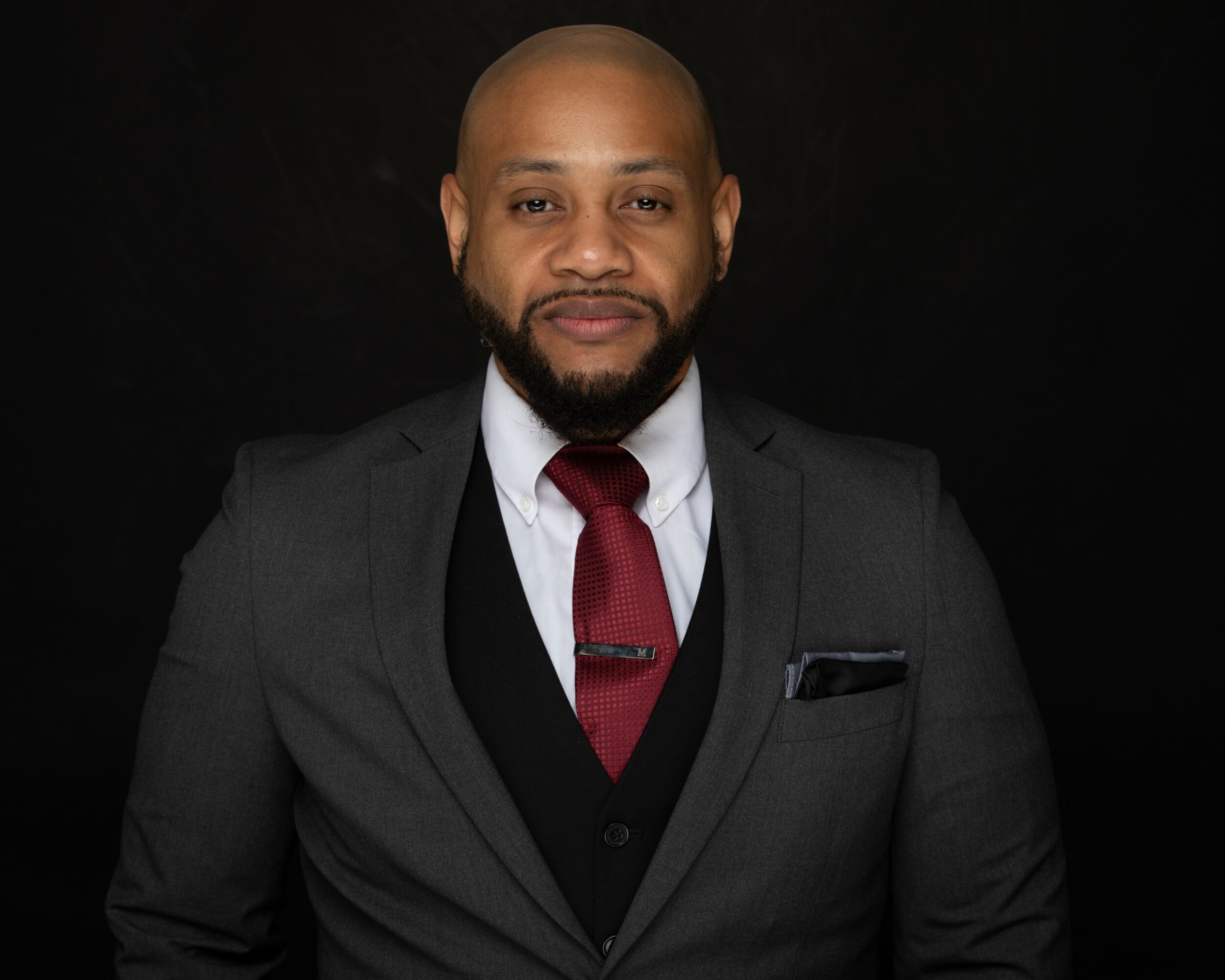
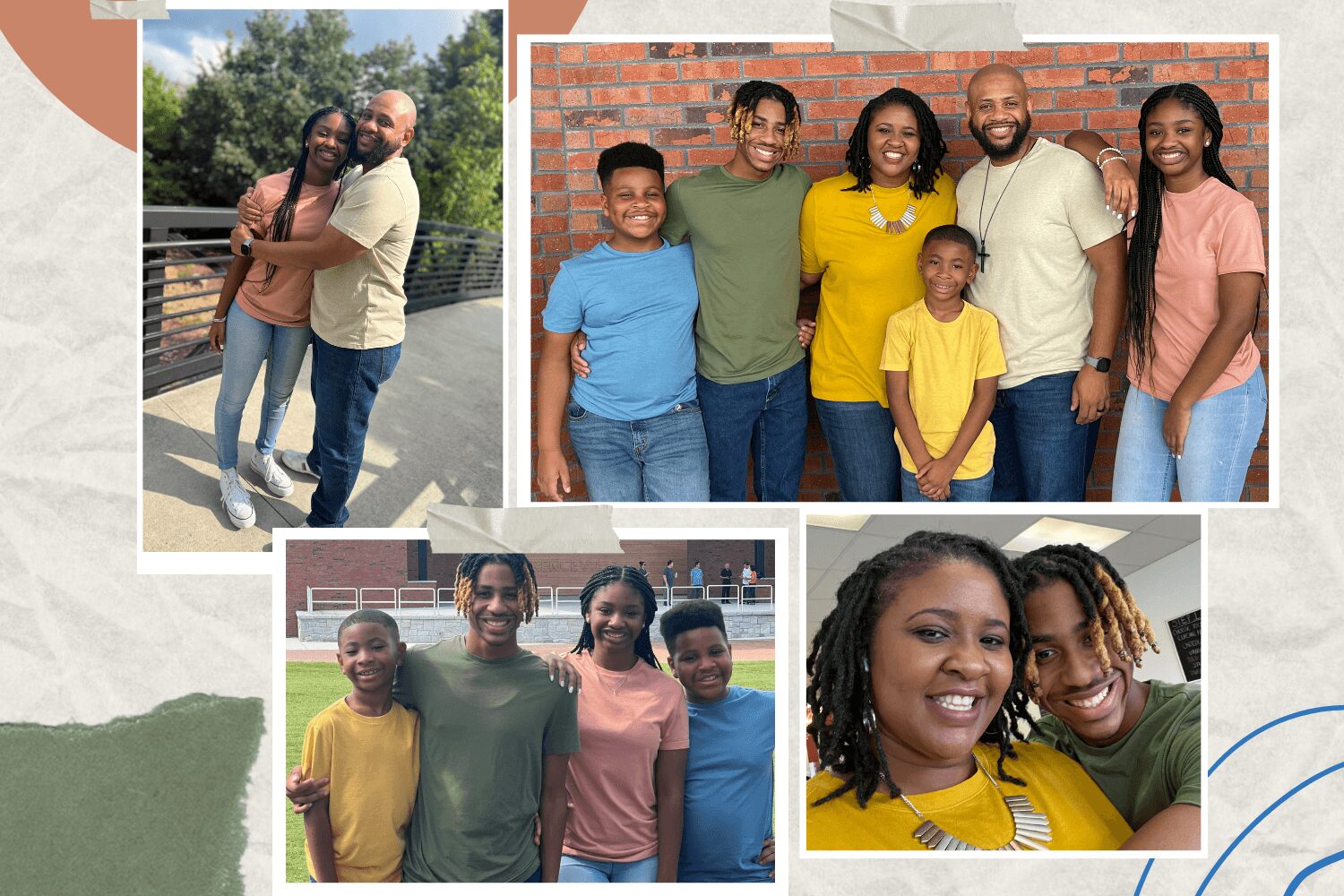
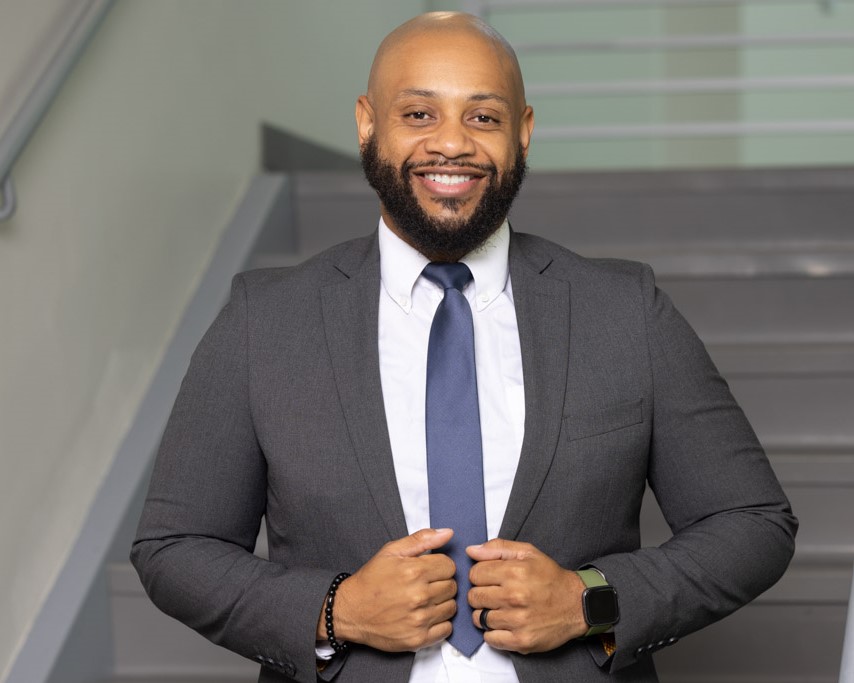
Today we’d like to introduce you to Jeffrey Mitchell.
Hi Jeffrey, so excited to have you with us today. What can you tell us about your story?
My journey into real estate is really a story about recognizing that education doesn’t just happen in classrooms it happens in every transaction, every relationship, and every opportunity to serve people through one of the most significant decisions of their lives.
I started my career in education, working my way from teacher to principal, and eventually founding FYG Management, an educational consulting firm that now serves clients across Florida, Georgia, Texas, Arizona, and Tennessee. Throughout those years in education, I developed a deep understanding of how to assess needs, create strategic solutions, and guide people through complex processes, skills that would prove invaluable in real estate.
The transition into real estate felt natural because, at its core, real estate is about education and empowerment. Whether I’m working with a family purchasing their first home or advising on a commercial investment, I’m essentially doing what I’ve always done: helping people understand their options, make informed decisions, and achieve their goals.
I’m now a licensed broker in Georgia and agent in Florida, and I’ve been blessed to build a business with sales volume in the mid-eight-figure range across both commercial and residential properties. But what I’m most proud of is that I’ve never stopped being an educator. Every client interaction is an opportunity to teach, to demystify the process, and to ensure people feel confident and informed.
I guess you could call me a serial entrepreneur. I see opportunities to create value through education in everything I do. Whether it’s helping schools develop better programs through FYG Management, guiding families through the college preparation process with MERGE, Inc. (the nonprofit my wife and I founded), or helping clients build wealth through strategic real estate investments, it all comes back to the same core mission: educating and empowering people to reach their full potential.
The thread that connects all of it is service. As a pastor, I’ve learned that success isn’t measured just in dollars or deals, it’s measured in lives changed and communities strengthened. That’s the foundation I bring to every venture, and it’s what continues to drive me forward.
We all face challenges, but looking back would you describe it as a relatively smooth road?
Absolutely not! And I think anyone who tells you their journey has been smooth is either lying or hasn’t pushed themselves hard enough. The truth is, building multiple successful ventures while maintaining integrity and staying true to your values is one of the most challenging things you can do.
One of my earliest struggles was financial. I grew up watching my father work to provide for our family, instilling in me the value of hard work and financial discipline and responsibility. But understanding the importance of financial stability and actually building it are two very different things. In the early days of entrepreneurship, there were moments when I had to make difficult decisions choosing between reinvesting in the business or taking care of immediate family needs. Those sleepless nights taught me discipline, taught me to be strategic, and ultimately taught me that provision isn’t just about working hard, it’s about working smart.
Transitioning from education into real estate presented its own set of challenges. I had spent over 15 years building credibility in the education sector, I was a principal, a curriculum coordinator, a consultant. Then I stepped into real estate, and suddenly I was starting over in many ways. People didn’t automatically trust that an educator could succeed in real estate. I had to prove myself all over again, deal by deal, relationship by relationship. That required humility, being willing to learn from people who had been in the industry longer, even as I brought my own unique perspective and skill set to the table.
Balancing multiple ventures has also been a constant challenge. Running FYG Management, serving in ministry, building a real estate portfolio, managing MERGE Inc. with my wife, raising four children, and hosting our podcast “Meet the Mitchells”, it’s a lot. There have been times when I’ve dropped the ball, times when I’ve had to ask for forgiveness from my wife, my kids, or my team because I spread myself too thin. I’ve learned that you can’t do everything at once, and you certainly can’t do everything alone. Building the right team and learning to delegate has been crucial.
Then there’s the challenge of maintaining purity of purpose in an industry that can sometimes prioritize profit over people. In real estate, there’s constant pressure to close deals, to hit numbers, to maximize commissions. But I’ve had to stay grounded in the principles I learned from my grandfather, my godfather, and my spiritual fathers—that honor, humility, and honesty aren’t just nice ideas, they’re non-negotiables. There have been deals I’ve walked away from because they didn’t align with my values, even when it hurt financially.
Relocating from Tampa to the Atlanta area in 2020 was another major challenge. I had built a network, a reputation, and a client base in Florida over many years. Moving to Georgia meant starting fresh in many ways building new relationships, understanding a new market, establishing credibility in a new community. It was humbling, but it was also necessary for my family’s growth and my ministry calling.
And honestly, one of the ongoing struggles is the weight of responsibility. When you’re leading multiple organizations, when families are depending on your guidance to make sound real estate investments, when students are counting on the programs you’ve developed to help them get into college that’s a heavy weight. I’ve had to learn to manage that pressure, to lean on my faith, and to remember that I’m not doing this alone. God has called me to this work, and He provides the strength to carry it through.
But here’s what I’ve learned through all of it: struggles aren’t setbacks; they’re setups. Every challenge has refined me, taught me something essential, and positioned me for the next level. The smooth road doesn’t build character. It’s the rough roads, the uphill climbs, the moments when you want to quit but you push through anyway and that’s where you discover who you really are and what you’re truly capable of.
Thanks – so what else should our readers know about FYG Management/ FYG Real Estate?
I operate at the intersection of education and entrepreneurship, and everything I do is guided by one core belief: informed people make better decisions, and better decisions lead to transformed lives.
FYG Management is my educational consulting firm, and our motto says it all: “We produce so that you can grow.” We specialize in helping educational institutions and administrators create, manage, evaluate, and reform their educational programs. Our expertise spans educational innovation, program evaluation, school charter writing and implementation, and overall school management. We currently service clients across Florida, Georgia, Texas, Arizona, and Tennessee. What sets us apart is that we don’t just give you a report and walk away—we roll up our sleeves and work alongside you to implement real, sustainable change. I’ve been on the inside as a founding faculty member of one prominent Florida charter school and a founding board member of another, so I understand the challenges administrators face because I’ve lived them.
In real estate, I bring that same educational approach to every transaction. As a licensed broker in Georgia and agent in Florida, I’ve built a mid-eight-figure sales portfolio across both commercial and residential properties. But what really sets me apart is that I don’t just sell properties, I educate my clients on wealth-building strategies. Whether you’re a first-time homebuyer who needs to understand the entire process from credit to closing, or you’re a seasoned investor looking at commercial opportunities, I’m going to make sure you understand every aspect of your decision. I specialize in helping clients see real estate not just as a transaction, but as a tool for generational wealth and financial freedom. My background in education means I can break down complex concepts, my experience as a principal means I understand systems and processes, and my faith means I’m committed to operating with integrity above all else.
MERGE, Inc. is the 501(c)(3) nonprofit organization my wife LaDessa and I founded, and it’s incredibly close to my heart. We provide college scholarships, college tours, care packages, and career planning for youth and families in the community. Having worked as an admissions representative for a large state university, I saw firsthand how many talented students, particularly minority students, were missing out on higher education opportunities simply because they didn’t have access to information and guidance. MERGE exists to close that gap. We’re making higher education accessible and attainable for students who might otherwise think it’s out of reach.
What sets me apart across all these ventures?
First, it’s my commitment to education as a tool for empowerment. Whether I’m consulting with a school district, helping a family purchase their first home, or guiding a student through the college application process, I’m always teaching. I believe people deserve to understand the “why” behind every recommendation, every strategy, every decision.
Second, it’s my holistic approach. I don’t compartmentalize my life into separate boxes: my faith, my family, my businesses, my ministry, it all flows together. I serve as associate pastor at my local church in Georgia, and that spiritual foundation informs everything I do. It keeps me grounded, keeps me honest, and reminds me that success without service is empty.
Third, it’s my track record of building things from the ground up. I’ve been a founding faculty member, a founding board member, a founder of multiple organizations. I don’t just join the parade, I know how to start the parade, how to build the infrastructure, how to create something sustainable that will outlive me.
What am I most proud of brand-wise?
I’m most proud that my brand stands for integrity, excellence, and transformation. When people work with me, whether through FYG Management, in a real estate transaction, or through MERGE, they know they’re getting someone who will tell them the truth, who will work tirelessly on their behalf, and who genuinely cares about their success. I’m proud that I’ve built a reputation where my word means something, where a handshake still matters, and where people know I’ll do what I say I’m going to do.
I’m also incredibly proud of the legacy I’m building with my wife. “Meet the Mitchells,” our podcast where we discuss faith, family, and fulfillment, is an extension of our commitment to being transparent about our journey and helping other couples and families navigate their own paths. We don’t pretend to have it all figured out; we share our struggles, our lessons, and our growth.
What do I want readers to know?
If you’re an educational institution struggling to achieve your goals, if you’re stuck in “turnaround” status and can’t seem to break through, FYG Management can help you get there. We’ve done it before, I’ve personally led a school from turnaround status to exemplary performance.
If you’re looking to build wealth through real estate, whether it’s your first home or your tenth commercial property, I can guide you through the process with honesty and expertise. I’m not interested in just making a commission, I’m interested in helping you build a legacy.
If you’re a family with a student who dreams of college but doesn’t know where to start, MERGE exists for you. We’ve been where you are, and we’re committed to making sure financial limitations or lack of information don’t stand between your child and their potential.
At the end of the day, everything I do comes back to one question: How can I use what I’ve learned to help others grow? That’s the through-line in all my work. That’s the Mitchell brand. We produce so that you can grow and we mean that in every area of life: educationally, financially, spiritually, and personally.
I’m a proud graduate of Florida State University (Go Noles!) and Nova Southeastern University. I’m a self-proclaimed “techie” who loves innovation and finding new ways to solve old problems. When I’m not working, you’ll find me with at least one of my four children, or if I’m lucky, all of them at once.
And here’s what I want readers to really understand: success isn’t about how much you accumulate, it’s about how many lives you impact. That’s the metric I measure my life by, and that’s the standard I hold myself to in every venture I pursue.
Do you have any advice for those looking to network or find a mentor?
This is one of the most important questions anyone can ask, because I genuinely believe that no one succeeds alone. The mentors and network I’ve built over the years haven’t just contributed to my success, they’ve been essential to it. Let me share what I’ve learned, both from my own experience and from the wisdom passed down to me by my fathers.
First, understand that you need multiple mentors, not just one.
I think a lot of people make the mistake of looking for that one perfect mentor who can guide them in every area of life. That’s an unrealistic expectation and honestly, it’s unfair to put that pressure on one person. Instead, I’ve always sought out different mentors for different areas of growth. I needed a mentor for my spiritual life, a different mentor for business, another for financial wisdom, and yet another for understanding marriage and fatherhood. Each of these men brought expertise in their specific domain, and collectively, they’ve shaped who I am today.
My grandfather taught me about integrity, community engagement, and what it means to be a man of honor. My godfather showed me spiritual purity, discipline, and the importance of studying and applying God’s word. My spiritual fathers taught me how to lead while still following, how to serve with humility, and how to navigate the complexities of ministry. And my biological father, despite our differences over the years, modeled financial responsibility and the importance of provision. I didn’t learn everything from one person, I learned specific, crucial lessons from each of them.
Second, be intentional about identifying your areas of growth.
You can’t find the right mentor if you don’t know what you need to learn. I’ve always been keenly aware of my blind spots and areas where I need to grow. When I transitioned into real estate, I knew I needed mentors who understood the market, who had built successful practices, and who could teach me the nuances of the industry. When I became a principal, I sought out educational leaders who had successfully turned around struggling schools. When my wife and I started MERGE, we connected with people who had experience running nonprofits and navigating the 501(c)(3) landscape.
Take time to honestly assess yourself. Where are you weak? Where are you inexperienced? Where do you need wisdom that you simply don’t have yet? Once you can answer those questions, you can start looking for people who have the fruit you want to bear.
Third, look for fruit, not just credentials.
Here’s something critical that I learned from watching my former pastor seek out mentorship: credentials are nice, but results matter more. When you’re looking for a mentor, don’t just look at their resume or their title, look at their life. Do they have what you want? Have they accomplished what you’re trying to accomplish? Are they living in a way that you admire and respect?
My grandfather didn’t have a college degree, but he built a home addition with his own hands, ran a successful computer repair business after retirement, and was respected throughout the community. That’s fruit. That’s evidence of wisdom and capability. Some of the best mentorship I’ve received has come from people who never set foot in a university classroom but lived lives of excellence, integrity, and impact.
Fourth, mentorship requires humility and vulnerability on your part.
You can’t be mentored if you’re not willing to be honest about where you are and what you don’t know. I’ve had to give my mentors access to intimate areas of my life that I shield from others. I’ve had to admit mistakes, confess struggles, and ask for help. That’s uncomfortable, but it’s necessary.
The beauty of mentorship is that when you’re humble enough to receive feedback, it lands differently than criticism from peers or competitors. Because you respect your mentor, because you’ve seen the fruit of their life, you’re far less likely to take their guidance defensively. You’re more likely to actually implement what they’re teaching you.
I remember in Minister’s class, having to deliver teachings in front of seasoned, licensed, and ordained ministers and then receive their critique. It was nerve-wracking, but it made me better. That’s what good mentorship does, it stretches you, it challenges you, and it refines you.
Fifth, networking isn’t about collecting business cards, it’s about building genuine relationships.
I’ve watched people treat networking like a transaction: “What can you do for me?” That approach is shallow and ultimately ineffective. The best networking happens when you approach people with genuine curiosity, when you’re interested in their story, their journey, their wisdom, not just what they can give you.
My grandfather taught me this by example. He engaged with people from all walks of life at the little league baseball park he ran, at church, in his neighborhood, at the lumber yard. He was genuinely interested in people, and as a result, people were drawn to him and wanted to support him. That’s the kind of network that actually matters, the kind built on authentic relationships, mutual respect, and genuine care.
Sixth, serve your way into your network.
One of the best pieces of advice I can give is this: don’t ask what your network can do for you—ask what you can do for your network. When I was coordinating minority student recruitment at Florida State University, I wasn’t thinking about how those relationships could benefit me down the line. I was focused on serving students, serving families, serving high school administrators. But guess what? Those relationships became the foundation of a network that has supported me throughout my career.
When you serve people without expecting anything in return, when you add value to their lives, when you show up and support their endeavors, you’re building social capital that will come back to you in ways you can’t even imagine. The scripture says, “Give, and it will be given to you.” That’s true in networking too.
Seventh, be strategic about where you show up.
You need to be in rooms where the people you want to learn from are already gathered. When I wanted to grow in educational leadership, I joined professional organizations and became a College Board Advanced Placement Fellow. When I wanted to deepen my connection to a legacy of excellence and service, I pursued membership in Alpha Phi Alpha Fraternity, Inc., achieving a lifelong goal of becoming a brother alongside my godfather.
Think about where your ideal mentors and network connections are likely to be. Are they at industry conferences? Professional associations? Community organizations? Church? Find those spaces and invest time in showing up consistently, contributing meaningfully, and building relationships authentically.
Eighth, leverage technology, but don’t rely on it exclusively.
As a self-proclaimed “techie,” I appreciate the power of platforms like LinkedIn, industry forums, and virtual networking events. They can open doors and create connections that wouldn’t otherwise be possible. But here’s the truth: the deepest, most impactful mentoring relationships are built face-to-face, over time, through consistent interaction.
Use technology to initiate connections, but prioritize in-person meetings, phone calls, and real conversations. Nothing replaces sitting across the table from someone, looking them in the eye, and having a genuine dialogue about your challenges and aspirations.
Ninth, remember that mentorship is a two-way street.
Even as you’re being mentored, you have something to offer. You might be able to help your mentor understand a new technology, connect them with someone in your network, or simply offer a fresh perspective on a challenge they’re facing. The best mentoring relationships are mutually beneficial, not transactional, but reciprocal.
I’ve also found that as I’ve grown in my own journey, I have a responsibility to mentor others. I’m now in a position where young educators, aspiring entrepreneurs, and people entering real estate are looking to me for guidance. That’s part of the cycle, you receive mentorship, you grow, and then you extend that same gift to the next generation.
Finally, trust God’s timing and divine connections.
I’m a man of faith, and I genuinely believe that God orchestrates divine appointments and connections. There have been people who came into my life at exactly the right time, with exactly the wisdom I needed, in ways I couldn’t have engineered myself. Sometimes the best thing you can do is pray for God to send the right mentors and network connections into your life, and then be open and attentive when those people show up.
My spiritual fathers didn’t just randomly appear in my life, God positioned them strategically at moments when I needed their specific guidance. The same is true for many of the business relationships and friendships I’ve developed over the years.
Here’s my practical action plan for anyone reading this:
Make a list of 3-5 areas where you need to grow and identify one potential mentor for each area.
Do your homework. Research these individuals, understand their work, and be prepared to articulate specifically why you’re seeking their guidance.
Reach out humbly. Don’t demand their time, ask respectfully if they’d be willing to meet for coffee or a brief call. Be clear about what you’re hoping to learn and be respectful of their time.
Come prepared. When you get time with a mentor, don’t waste it. Have specific questions, be ready to discuss your challenges honestly, and take notes on their advice.
Implement what you learn. Nothing honors a mentor more than seeing you actually apply their wisdom. Follow up and let them know how their guidance made a difference.
Serve without expectation. Find ways to add value to your network without keeping score. The relationships you build through genuine service will be the strongest and most enduring.
Stay consistent. Networking and mentorship aren’t one-time events, they’re ongoing relationships that require cultivation, communication, and commitment.
The truth is, I wouldn’t be where I am today without the mentors who invested in me and the network that has supported me. As the scripture says, “Iron sharpens iron, and one man sharpens another.” That’s not just a nice saying, it’s a fundamental truth about how we grow, how we succeed, and how we become the people God has called us to be.
If you’re serious about success, in business, in ministry, and in life, surround yourself with people who are further along than you, who will tell you the truth, and who genuinely want to see you win. That’s the kind of network that changes everything.
Contact Info:
- Website: https://www.thisisfyg.com/
- Instagram: https://www.instagram.com/jr_mitchell/
- Facebook: https://www.facebook.com/JMRealtorDad
- LinkedIn: https://www.linkedin.com/in/jeffmitchell1/
- Youtube: https://www.youtube.com/@meetthemitchells916
- Other: https://www.meetthemitchells.us/pastorjeff

Popular
-

Choosing Impact Over Control: Susana’s Intentional Evolution of Fro Butter
-

Where Faith, Code, and Soul Converge
-

Breaking Cycles, Answering the Call Forward
-

Leadership Rooted in Dignity and Continuity
-

Healing as Leadership: How LaCora Monet Is Redefining Sustainable Success
-

Returning to Herself: How Thalorah Is Building Veloria™ as a Sanctuary for Feminine Sovereignty