






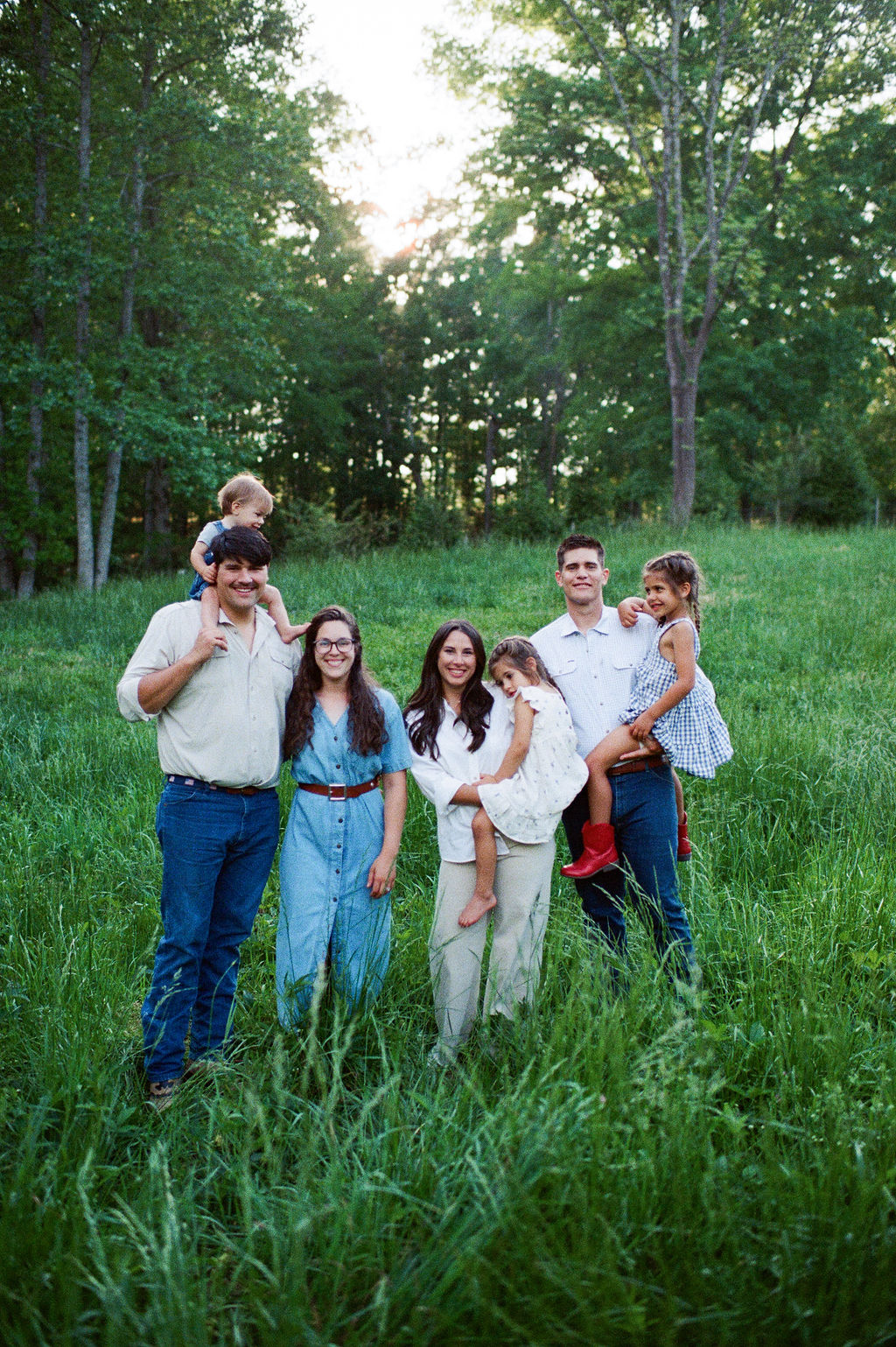
Today we’d like to introduce you to Mike Parker.
Hi Mike, can you start by introducing yourself? We’d love to learn more about how you got to where you are today?
We’re raising pastured poultry in the self-proclaimed poultry capital of the country—and we’re the odd ones out. Georgia is full of chicken houses, but most of those birds never see a blade of grass. We thought that was worth changing.
P&K Family Farms is two families—myself and Hannah, and the Kennedys, Allie and Ivey— in Clermont, Georgia. The spark came during COVID when we watched grocery store shelves go empty, that moment stuck with us. It made us realize how fragile the food system really was, and we wanted to be part of strengthening our local food community rather than just hoping the supply chain holds together next time.
The other realization was that even when food was available, so much of it wasn’t actually nourishing anyone. We wanted nutrient-dense, real food for our families—and we couldn’t find it. So, we decided to raise it ourselves.
We’re first-generation farmers – no land handed down, no playbook. All four of us still work full-time jobs. We’ve got kids at home. We’re building this thing in the margins—early mornings, weekends, and a lot of stubborn persistence.
We raise pastured chicken, grass-finished beef, and pastured pork using regenerative practices. Our birds are on fresh pasture daily with non-GMO, corn-free, soy-free feed. It’s harder and slower than the conventional way, but it’s how food should be raised.
The first couple years were pure investment—time, money, and learning the hard way. But 2025 was a turning point. We grew 585% from the previous year, became profitable, and built a community of customers who feel more like family than transactions.
Our mission is simple: make real food accessible, strengthen our local food community, and prove that even in the poultry capital of the country, there’s a better way to raise a chicken.
Would you say it’s been a smooth road, and if not what are some of the biggest challenges you’ve faced along the way?
Not even close. But I’m not sure any road worth taking is.
Being first-generation farmers has been both a blessing and a curse. The curse is obvious—we started from scratch with nothing. No equipment handed down, no land in the family, no mentor down the road who’d been doing this for 40 years. Everything we have, we’ve bootstrapped. Every piece of infrastructure, every trailer, every fence post came out of our pockets while we’re still working full-time jobs to keep the lights on. There’s a reason people say farming is tough, but first-generation farming is nearly impossible. The capital requirements alone can bury you before you ever get started.
But here’s the blessing: we didn’t know what we “couldn’t” do. We weren’t stuck in routines that had been passed down for generations without anyone questioning whether they still made sense. We came in with a clean slate and asked simple questions—what’s actually healthier for the land? What’s better for the animals? What produces more nutrient-dense food? And we built our practices around the answers, not around “the way it’s always been done.”
That said, doing things differently means you get looked at differently. We’ve been told we’d never make it. When you challenge the system even a little—when you’re raising pastured poultry in a region dominated by conventional operations—not everyone is rooting for you.
Great, so let’s talk business. Can you tell our readers more about what you do and what you think sets you apart from others?
Our mission is simple: produce the best tasting, naturally farmed meats you’ve ever had. Food raised right, without any added junk, on fields that are never sprayed.
We specialize in pastured chicken, grass-finished beef, and pastured pork—all raised using regenerative practices. Our birds rotate onto fresh pasture daily. Our chicken and pork feed is non-GMO, corn-free, and soy-free. It’s a lot more work, but you can taste the difference. And that’s not just us saying it.
One of the things I’m most proud of is when customers text us and say, “Our kids won’t eat store-bought chicken anymore—only P&K.” That’s incredible to hear as a farmer. It’s a testament to what happens when you raise food the right way. It’s not just about a better dining experience—though it absolutely is that—it’s about nutrient density. Pasture-raised meat grown on healthy soil is fundamentally different from what you find in the grocery store.
We ship frozen to your doorstep across the Southeast, so you don’t have to be local to eat local, if that makes sense.
Our flagship offering is our “Chicken for the Year” program. You partner with us, commit to a year’s worth of chicken for your family—whole birds or cuts—and we deliver quarterly so we’re not overfilling your freezer. It gives families food security and gives us the ability to plan production and grow sustainably together.
We also offer grass-finished beef in shares and boxes, pork shares, and subscription boxes if you want a variety of proteins delivered regularly.
What sets us apart? We’re not trying to be the biggest. We’re trying to be the best—and to prove that small farms raising food the right way can still thrive.
Before we let you go, we’ve got to ask if you have any advice for those who are just starting out?
Patience. That’s the biggest piece of advice I can give.
Funny enough, outside of P&K, I own a marketing and consulting agency where I help farms and ranches get started or scale their direct-to-consumer sales—often using a model similar to what we’ve built with P&K. So I get to see a lot of people at the beginning of this journey.
The ones who make it aren’t the ones with the most money or the best land. They’re the ones who understand this is a long game. If you’re looking for a quick buck, farming is not the place to find it. The margins are tight, the learning curve is steep, and Mother Nature doesn’t care about your business plan.
You have to have a mission. A real one. A strong “why” that gets you out of bed at 5 a.m. to move chicken tractors before your day job, that keeps you going when equipment breaks or a batch doesn’t make it or someone tells you you’ll never succeed.
For us, that “why” is our families, our community, and proving there’s a better way to raise food. On the hard days—and there are plenty—that’s what keeps us moving.
The other thing I’d say: don’t try to do it alone. Find your people. Whether that’s a mentor, a community of other farmers, or customers who believe in what you’re building. This work is too hard to do in isolation.
Contact Info:
- Website: https://www.pkfamilyfarms.com
- Instagram: https://www.instagram.com/pkfamilyfarms/
- Facebook: https://www.facebook.com/PKFAMILYFARMS
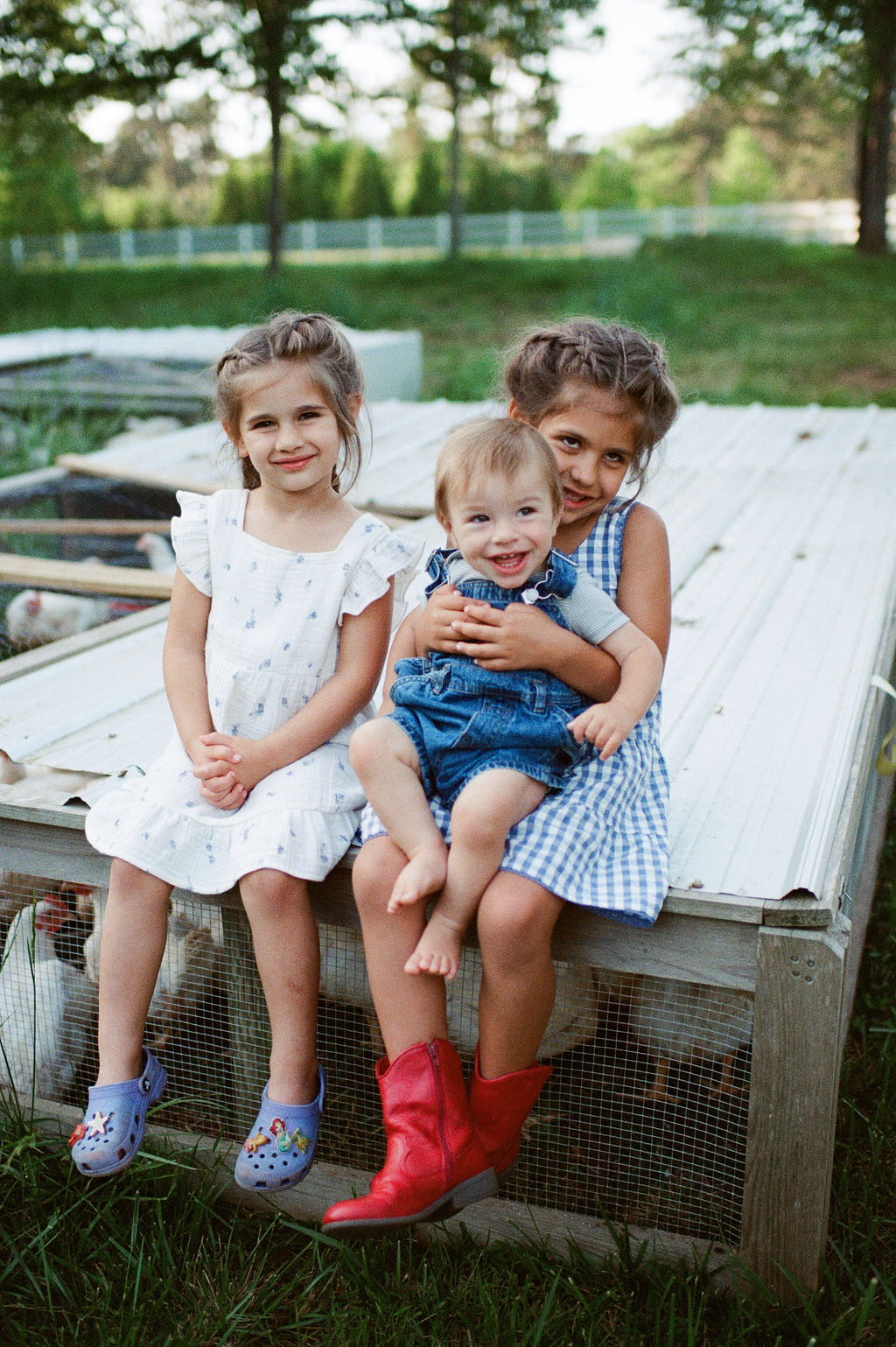
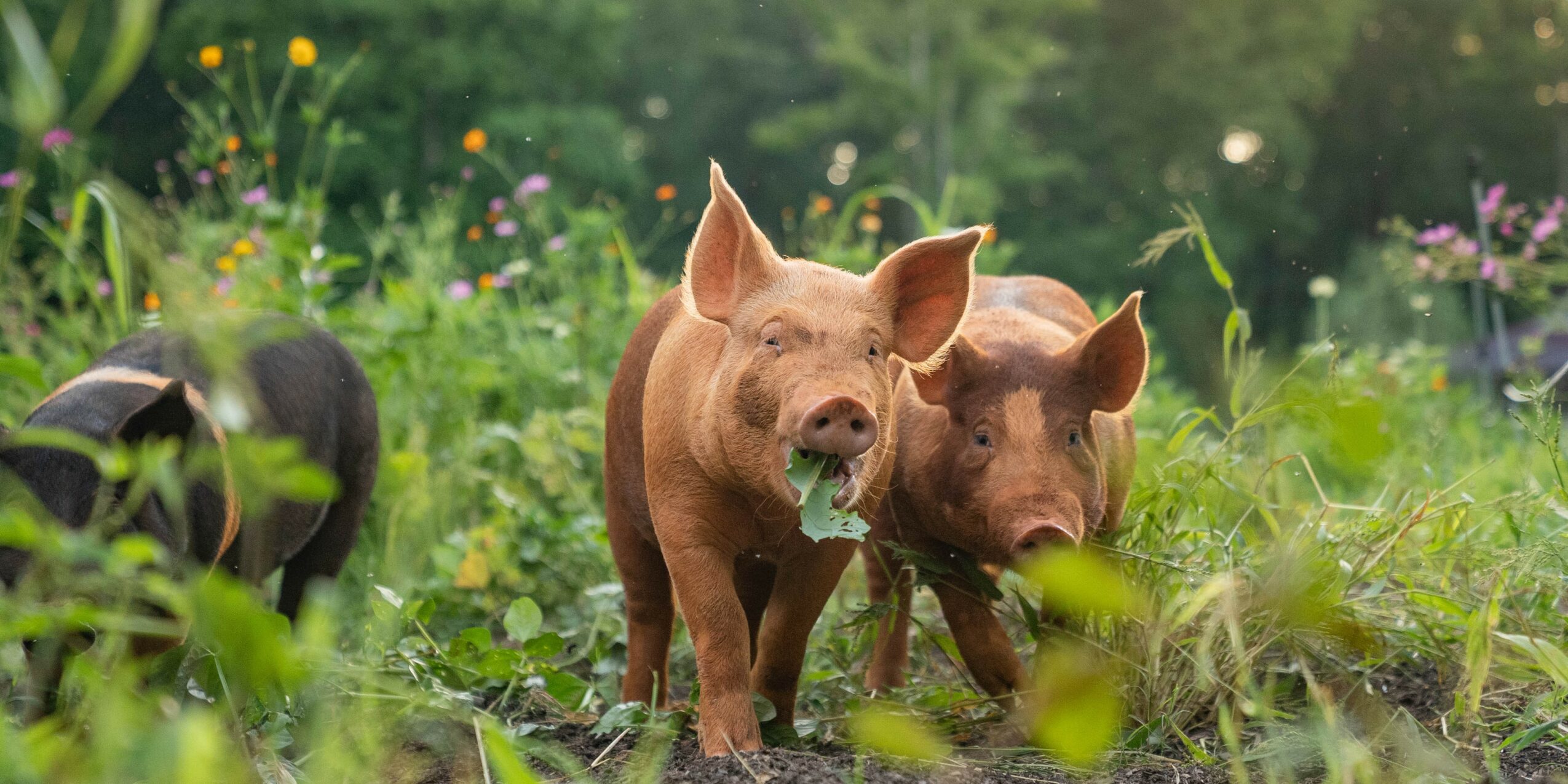
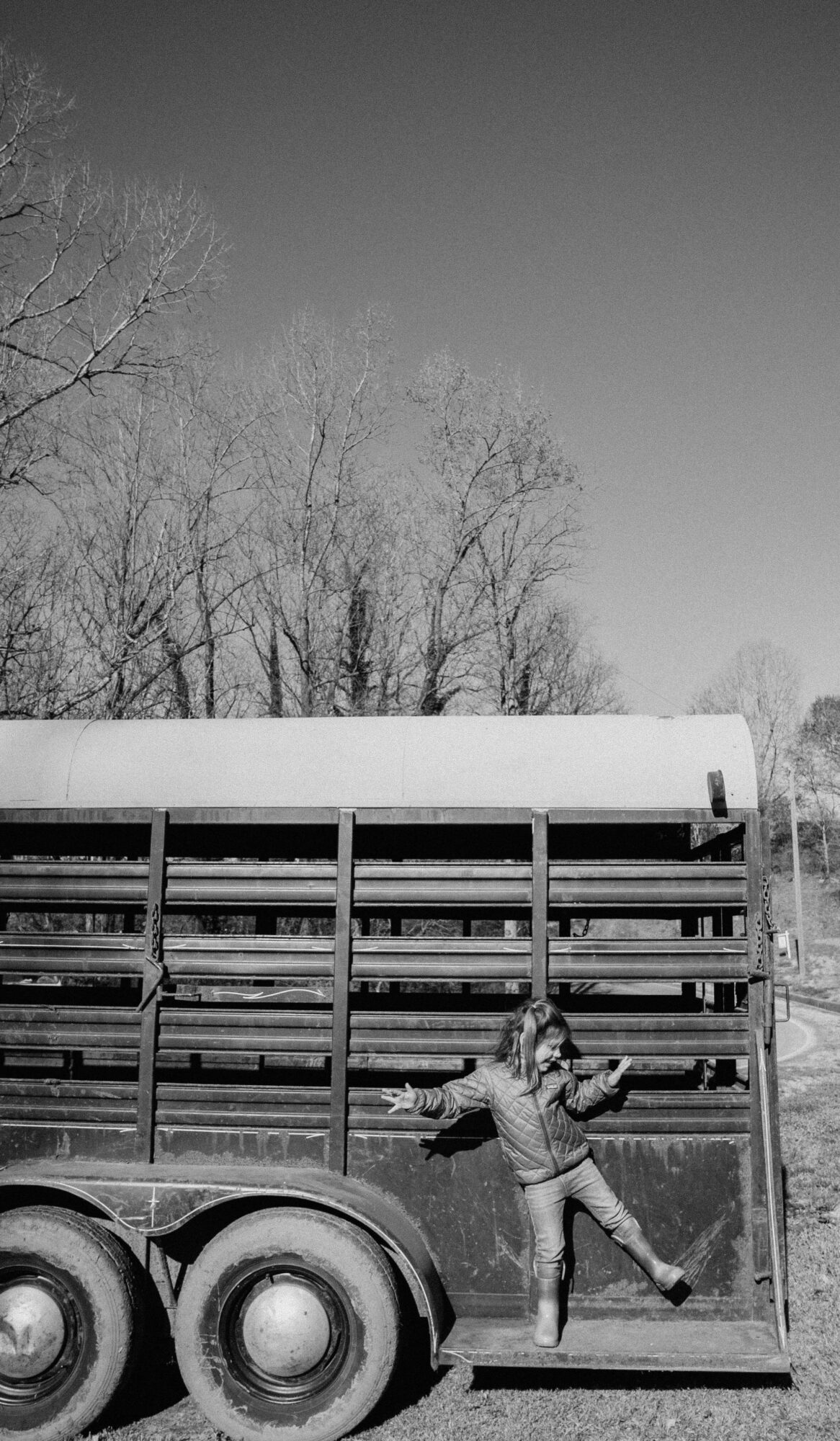
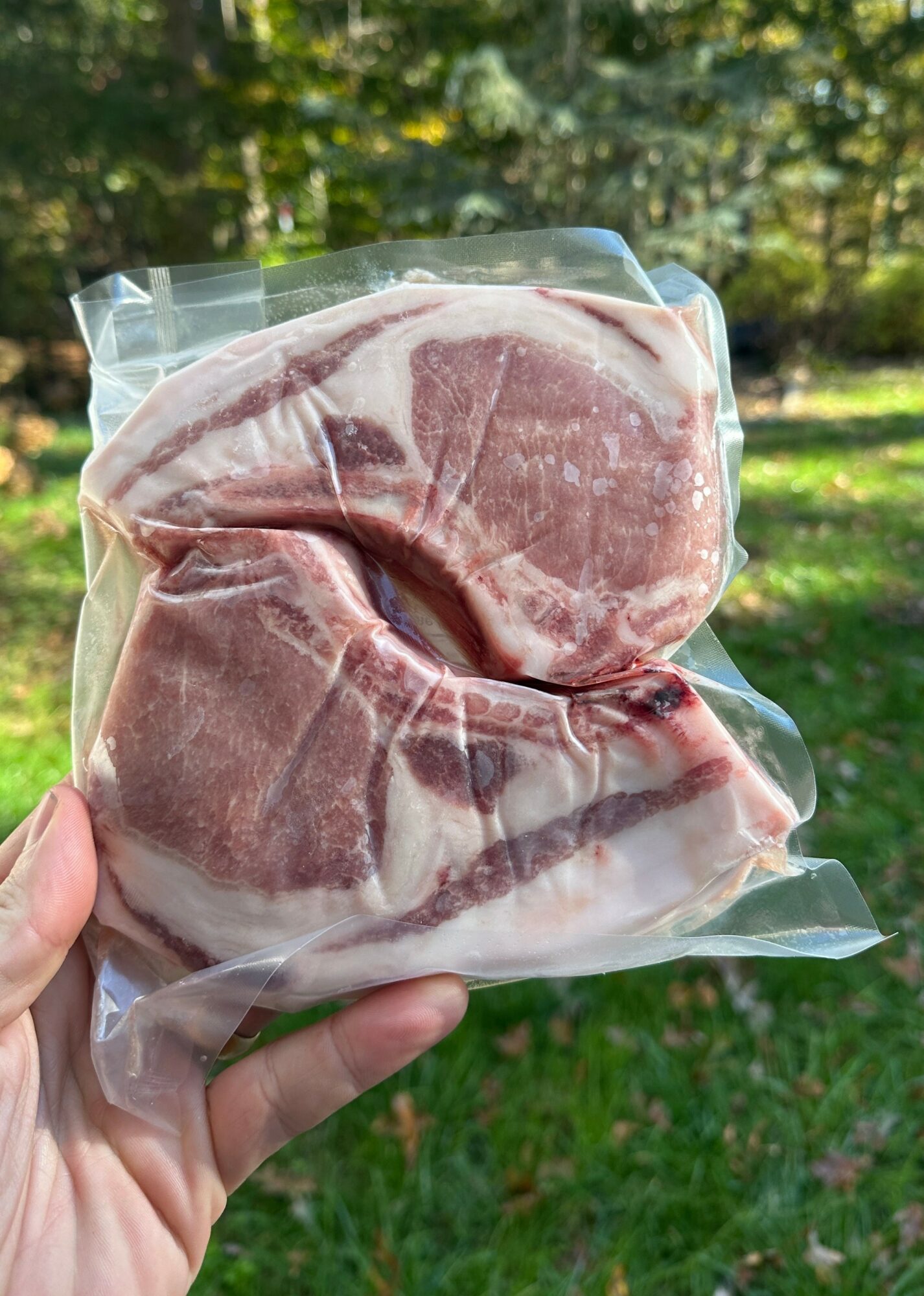
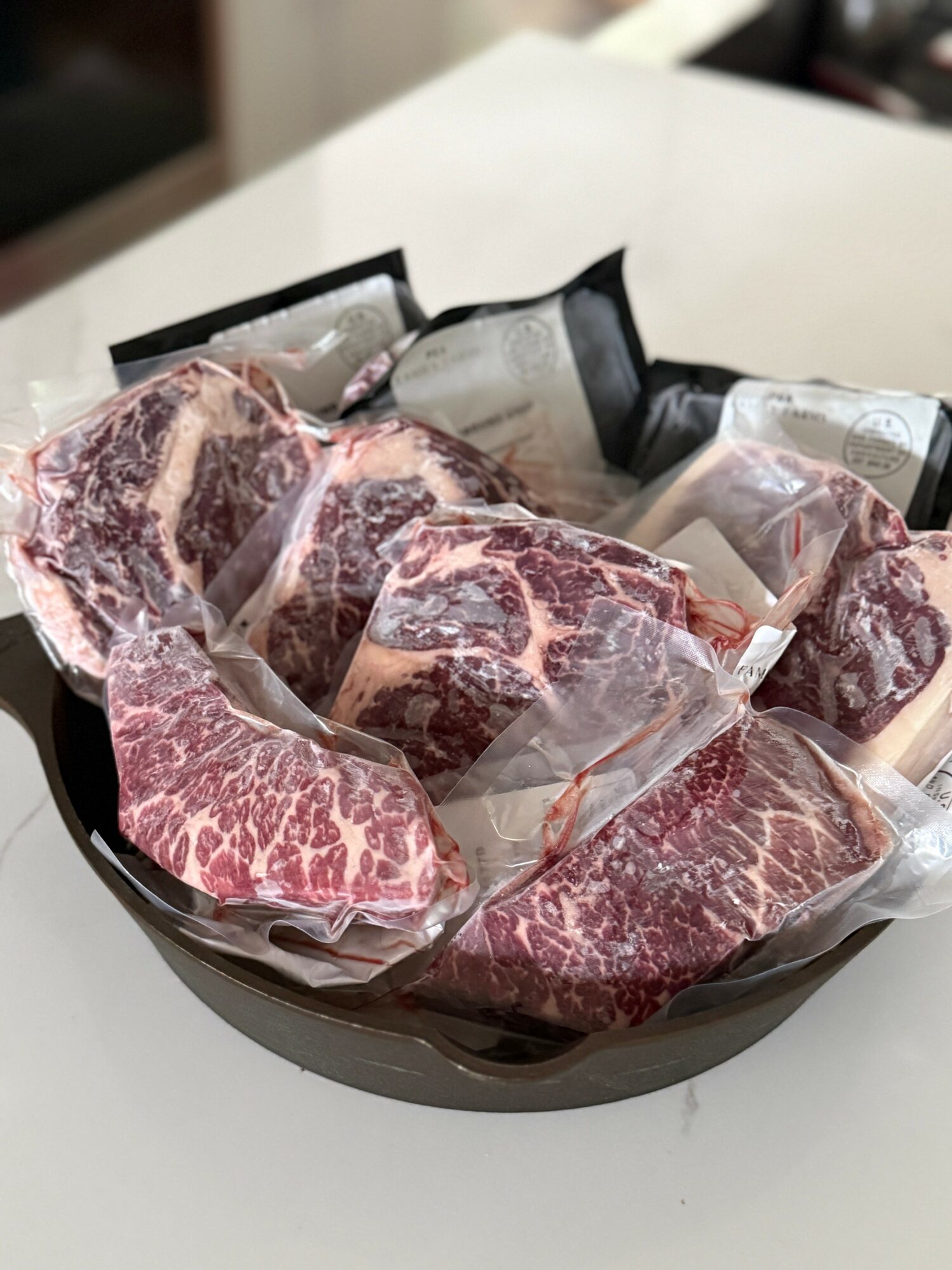
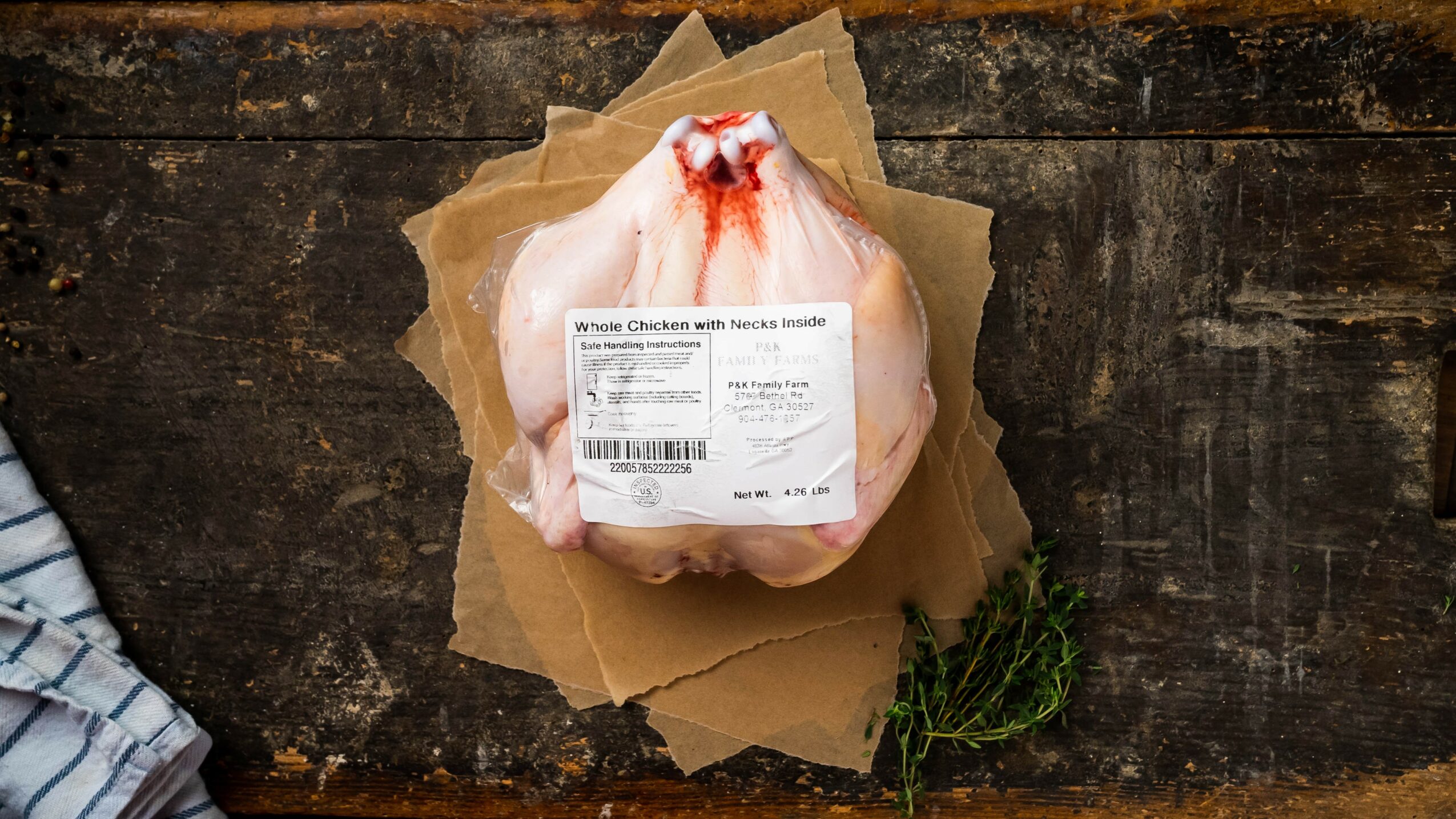
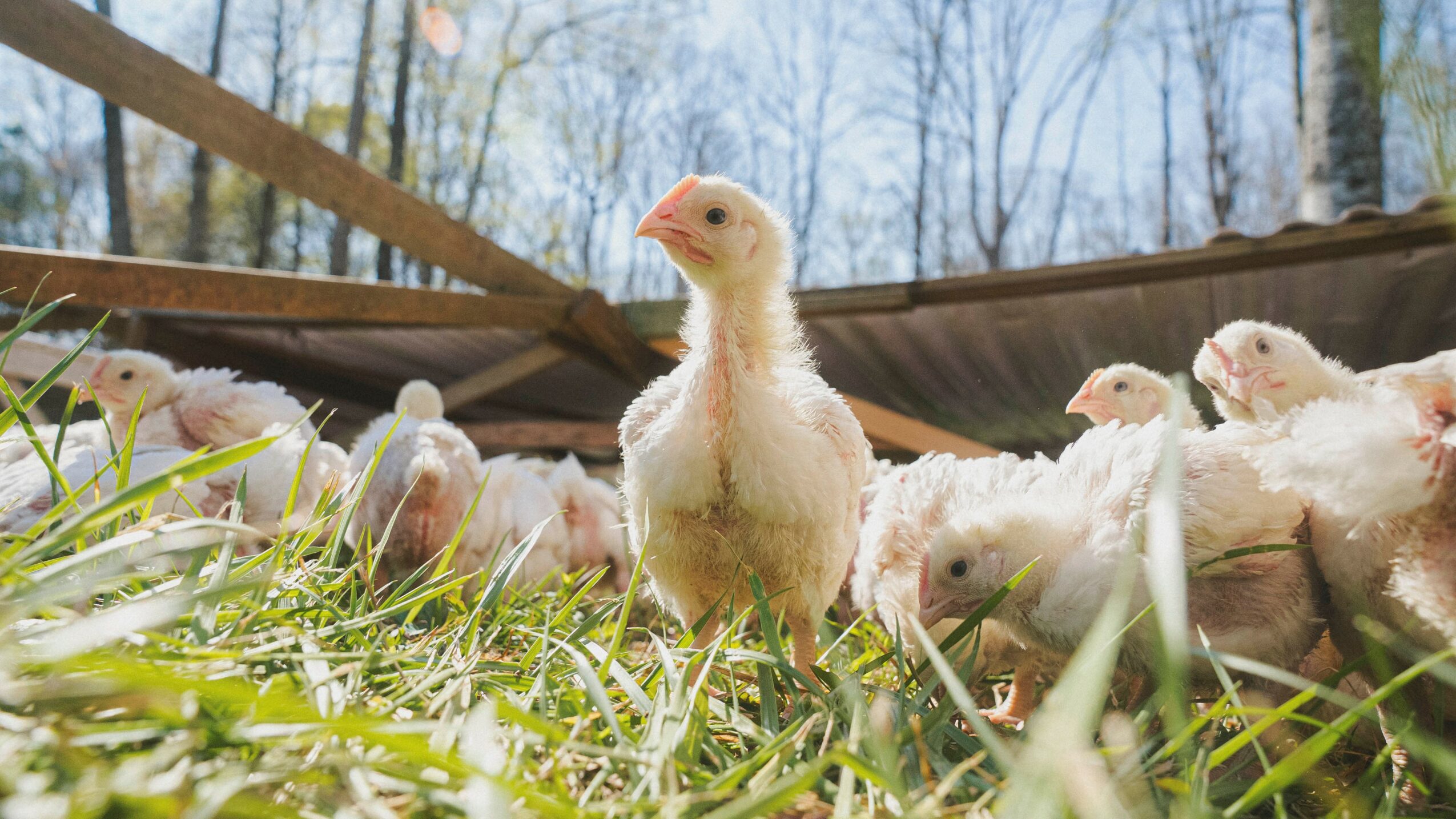
Image Credits
We take our own photos