



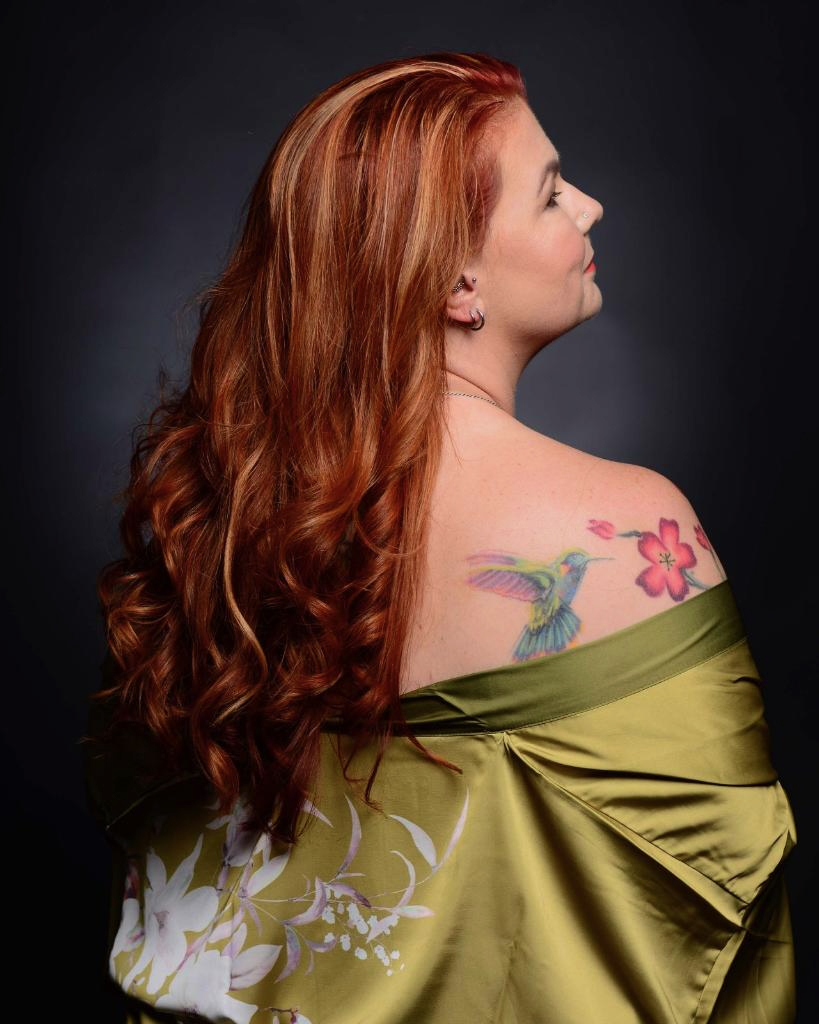
Today we’d like to introduce you to Tonya Keith.
Hi Tonya, it’s an honor to have you on the platform. Thanks for taking the time to share your story with us – to start maybe you can share some of your backstory with our readers?
My journey into this work began the moment I went looking for a place to heal and grow. I spent months searching for a space that could meet my needs. I was fortunate to find a therapist who was nothing short of remarkable—but even with her support, I realized there were aspects of healing that lived outside her scope. As I continued searching, I eventually found what I truly needed: a somatic sex coach.
Working with my coach changed everything. She helped me process the traumas held in my body, reconnect with pleasure, and reclaim a sense of liberation I didn’t realize I had been missing. As my own healing deepened, something shifted. I felt called to help others experience that same transformation.
What many people don’t realize about becoming a healer—of any kind—is that you begin by healing yourself. You heal as you learn, as you practice, as you expand your understanding of the human body and the human heart. Becoming a somatic sex coach was a deeply vulnerable path. And while anyone can buy a quick online certification, that is not my story. My training required rigorous study in anatomy, psychological frameworks, trauma theory, and the ways the body holds and releases experience. It took years of education, thousands of hours of practice, and an ongoing commitment to my own growth. Every step was worth it.
In my work, I start by teaching the foundational skills: understanding needs, setting boundaries, communicating clearly, and negotiating with confidence. These are essential life skills—and they’re also prerequisites for accessing authentic pleasure. From there, we explore what stands in the way of connection, healing, and embodied joy.
Today, I support clients through private sessions, group programs, educational workshops, and community support spaces. I also bring these same principles into leadership and business coaching, helping teams build healthier, more inclusive, more relational workplaces.
My work centers people who are often overlooked in traditional wellness spaces—neurodivergent folks, gender-expansive and queer communities, and those in nontraditional relationship structures—but everyone is welcome. At its core, my work is about helping people return to themselves, one layer at a time.
We all face challenges, but looking back would you describe it as a relatively smooth road?
The road to this work hasn’t been smooth. Conversations about healing, pleasure, and liberation are still considered taboo. We live in a world that often tells us not to talk about these things—especially women. There’s a persistent cultural belief that women shouldn’t prioritize pleasure, that intimacy fades after menopause, or that long-term relationships naturally lose their spark. People with medical conditions are often told—implicitly or explicitly—that pleasure is no longer available to them. And because so many people received little to no comprehensive education, many don’t even have a clear understanding of their own anatomy.
All of this makes the facilitation of healing challenging on its own. But when you add society’s discomfort around the topic, the work becomes even more complex. There are entire platforms where I can’t market my services because the subject matter is misunderstood. On social media, I have to be incredibly careful about language—certain words can lead to posts being removed or accounts restricted, not because I’m doing anything inappropriate, but because of assumptions about what my work might be.
It’s ironic, really: teaching people about boundaries, communication, and connection is treated as risky. Yet these are the very skills that create healthier relationships—with ourselves and with others. Still, despite the obstacles, I believe deeply in this work. And that belief keeps me moving forward.
Great, so let’s talk business. Can you tell our readers more about what you do and what you think sets you apart from others?
Modern Path is dedicated to expanding access to high-quality behavioral healthcare for people who belong to neurotype, gender, sexuality, and relationship-structure minorities. We pursue this mission through counseling, education, consulting, holistic wellness services, and a variety of community-focused initiatives.
Modern Path is proudly queer-owned and operated. Every member of our team commits to the values of social justice, inclusion, anti-oppression, and community care. We recognize that these commitments are not static—they require ongoing personal and professional growth. We don’t aim for perfection; we aim for awareness, accountability, and continual learning.
To meet the diverse needs of our community, we offer a wide range of therapeutic modalities, including geek therapy, art therapy, hypnotherapy, professional cuddling, ketamine-assisted therapy, Somatic Experiencing, and Somatic Sex Coaching. Our goal is to meet people where they are and provide pathways to healing that honor the fullness of who they are.
Any advice for finding a mentor or networking in general?
There are incredible mentors in the world—you just have to go looking for them with intention. When you find someone whose work, ethics, or presence resonates with you, the most important step is to actually ask for what you need. Don’t simply spend time around them hoping they’ll intuit that you’re seeking mentorship. Be deliberate in both your search and your request.
Explore the spaces where people are doing the kind of work you’re drawn to: search online, join communities, take classes, attend local events that genuinely interest you. You’re far more likely to find your people in those environments than by chance at the grocery store. Mentorship grows out of shared values, curiosity, and connection—and those connections usually happen in the spaces where your passions already live.
Contact Info:
- Website: https://www.modernpath.net
- Instagram: https://www.instagram.com/goddess_tonya/

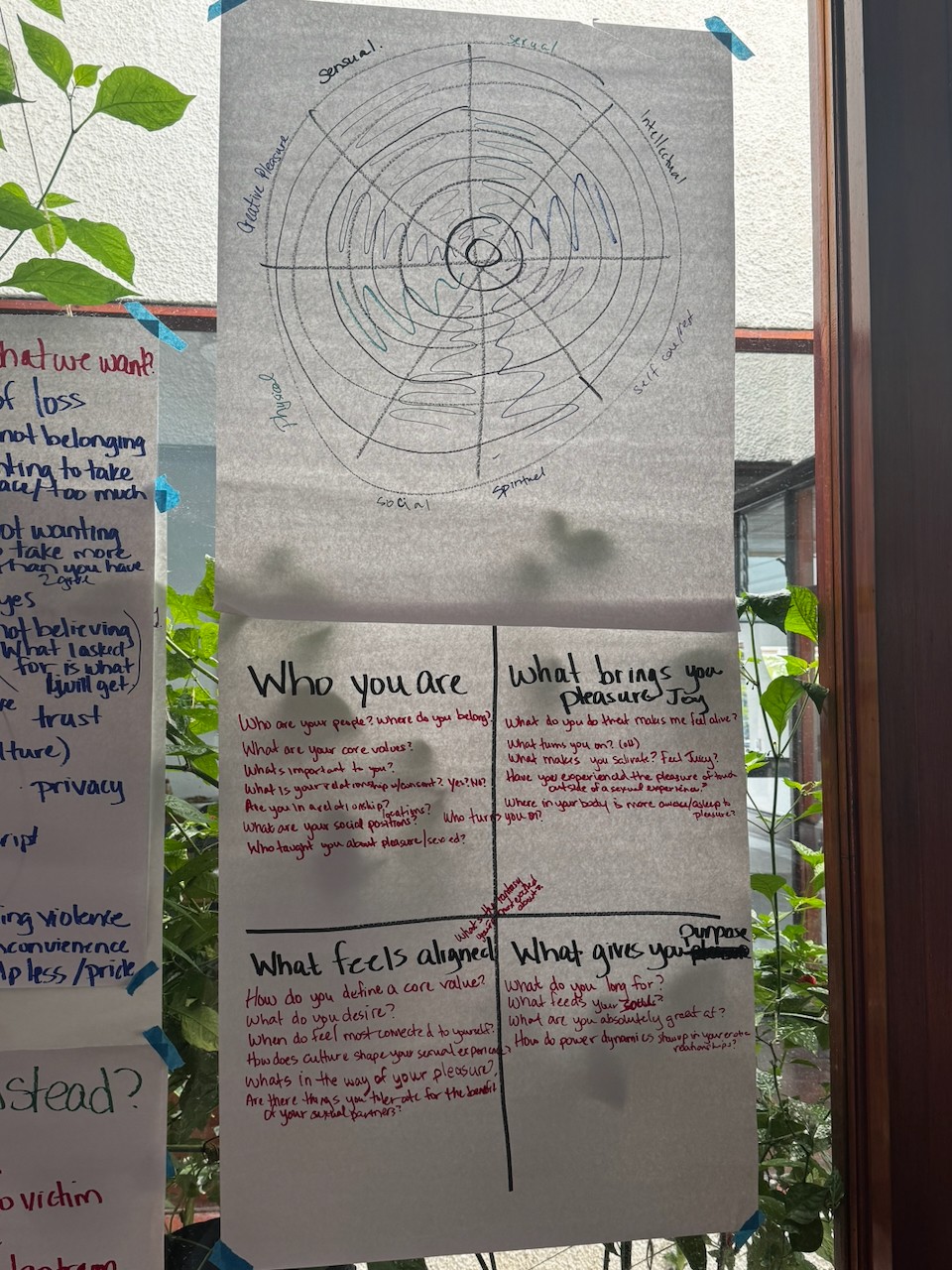

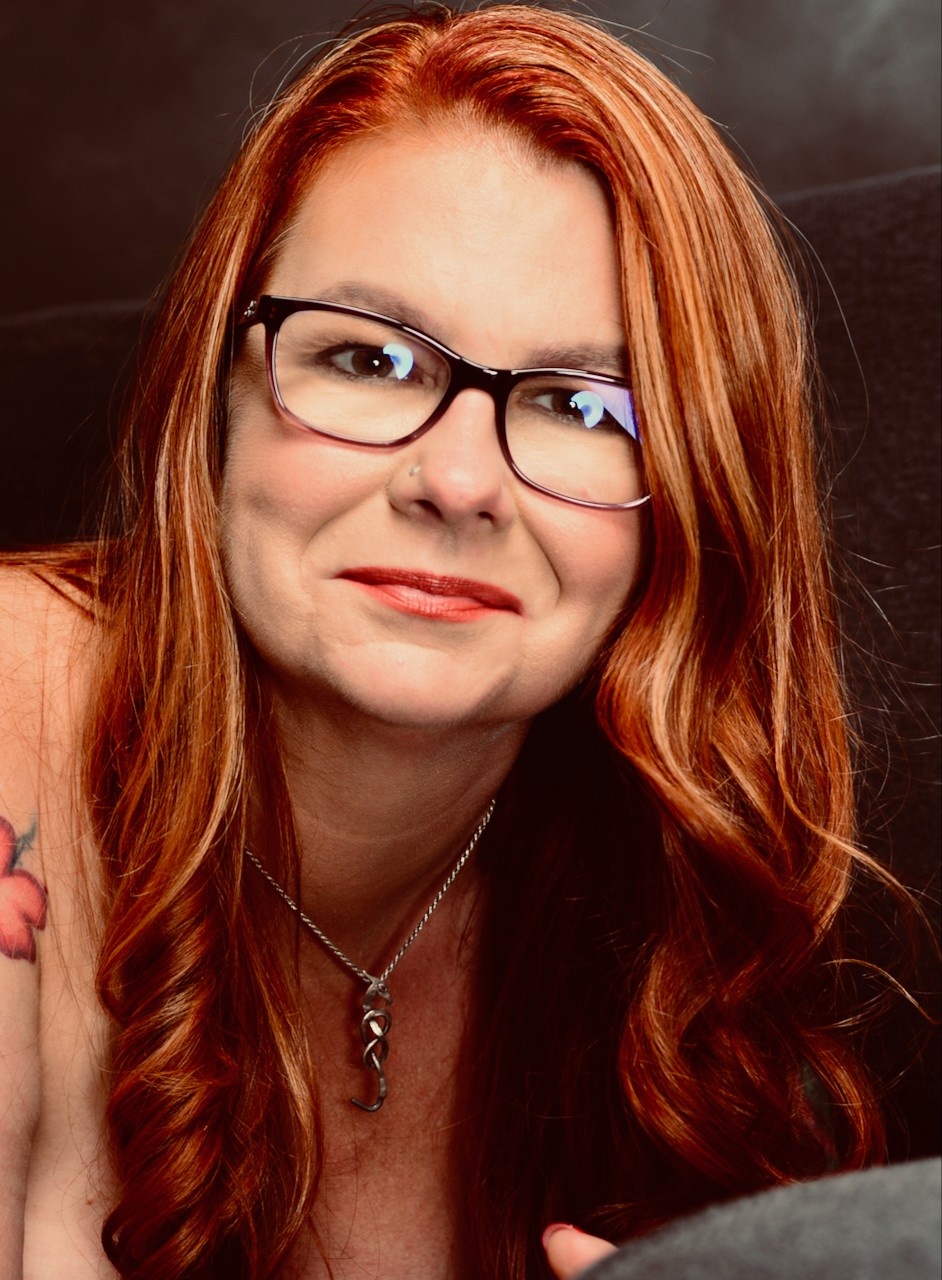
Image Credits
Rick Gore Photography