




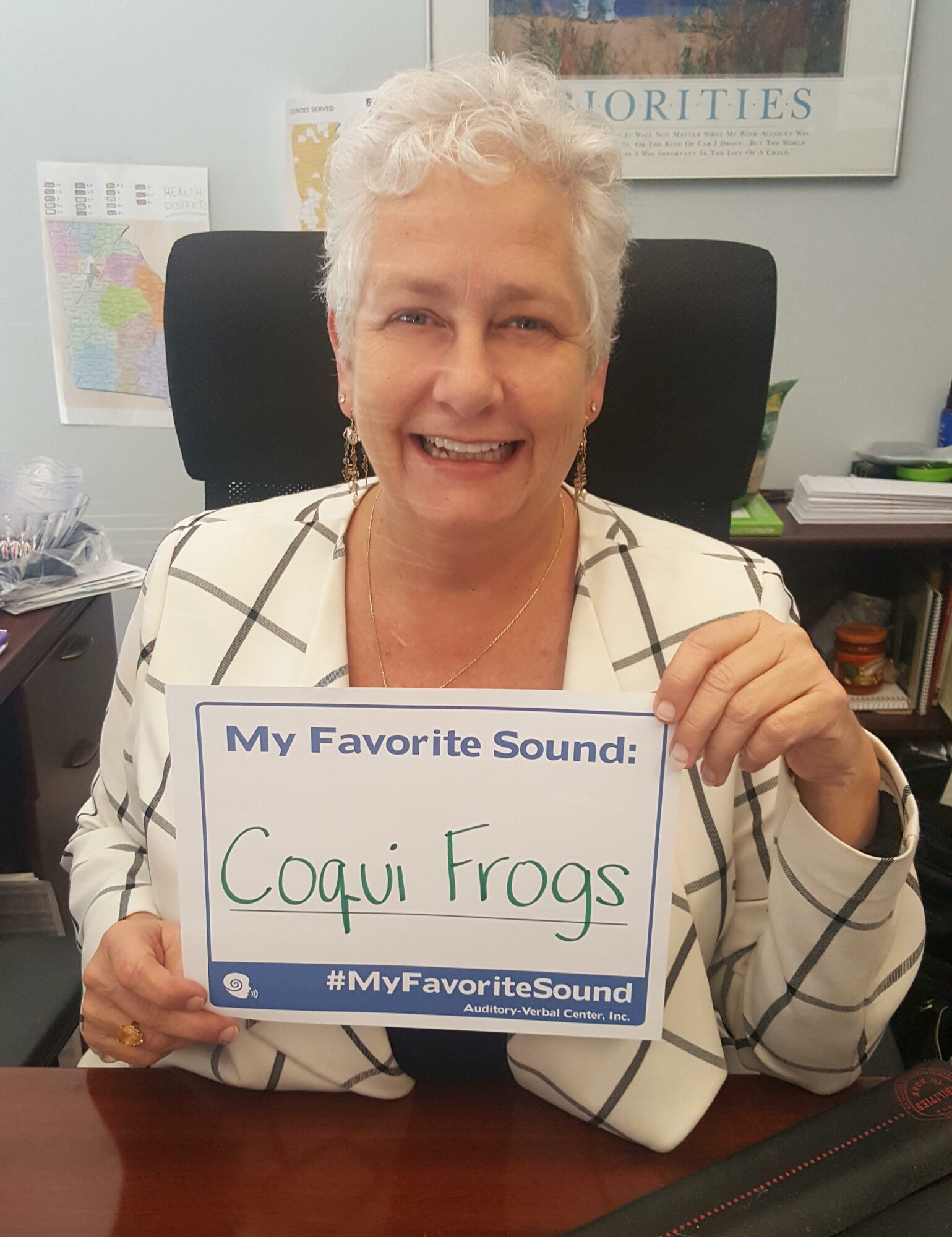
Today we’d like to introduce you to Debbie Brilling.
Debbie, we appreciate you taking the time to share your story with us today. Where does your story begin?
In 1989, I gave birth to my daughter, and at that time Georgia did not yet offer newborn hearing screenings. By the time she was 18 months old, she still wasn’t talking or using any words, and my concern grew. I had her evaluated, and that’s when I learned she had been born profoundly deaf. I was devastated and immediately began searching for options that could give her the best possible future.
That search led me to the Auditory Verbal Center. The idea that my daughter could learn to listen, speak, and truly understand me gave me tremendous hope. I enrolled her in the program right away.
Two months later, I gave birth to my son. Because of Samantha’s diagnosis, the hospital tested Jonathan at birth—and he, too, was born profoundly deaf. He received his first set of hearing aids at just six weeks old, and I enrolled him in the program as well.
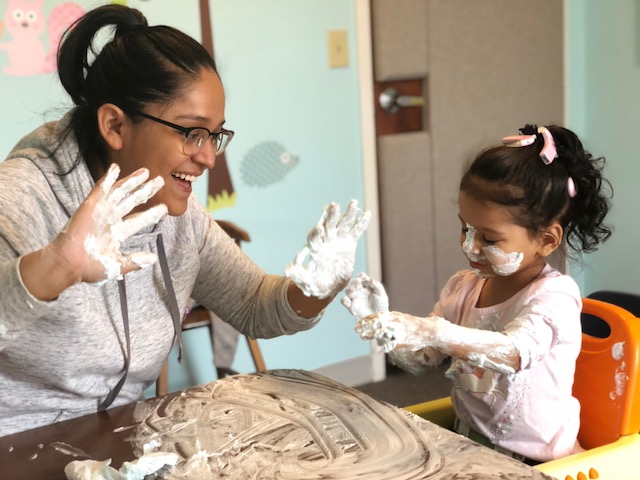
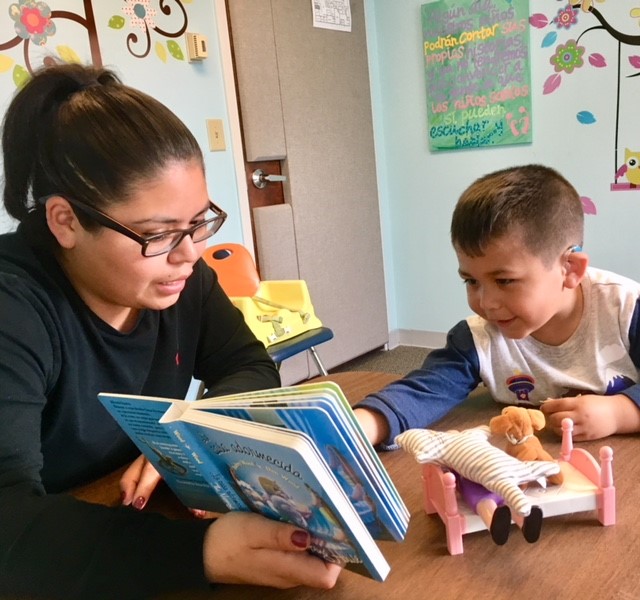
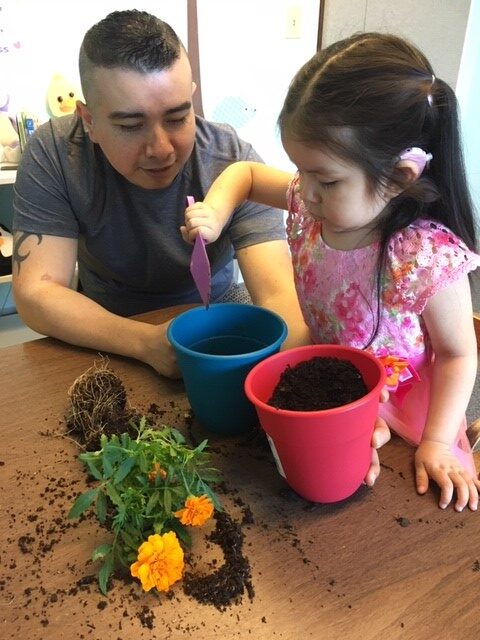
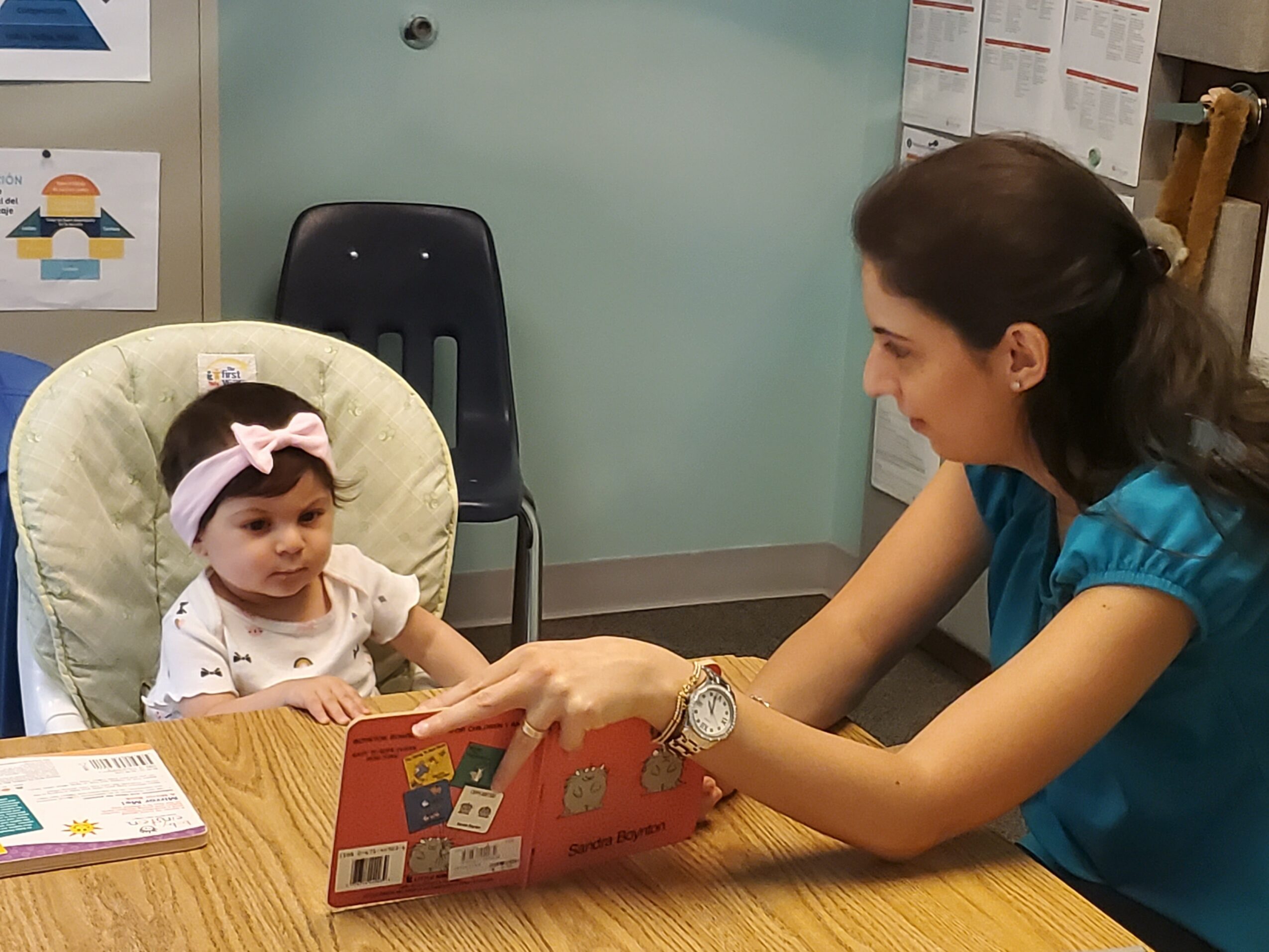
The Auditory Verbal Center is a family-focused early intervention program, so I attended therapy twice a week—once for each child—and carried out daily therapy at home. We stayed committed to the program for seven years. When my children graduated, they were both age-appropriate in their expressive and receptive language skills and were able to mainstream into regular hearing classrooms.
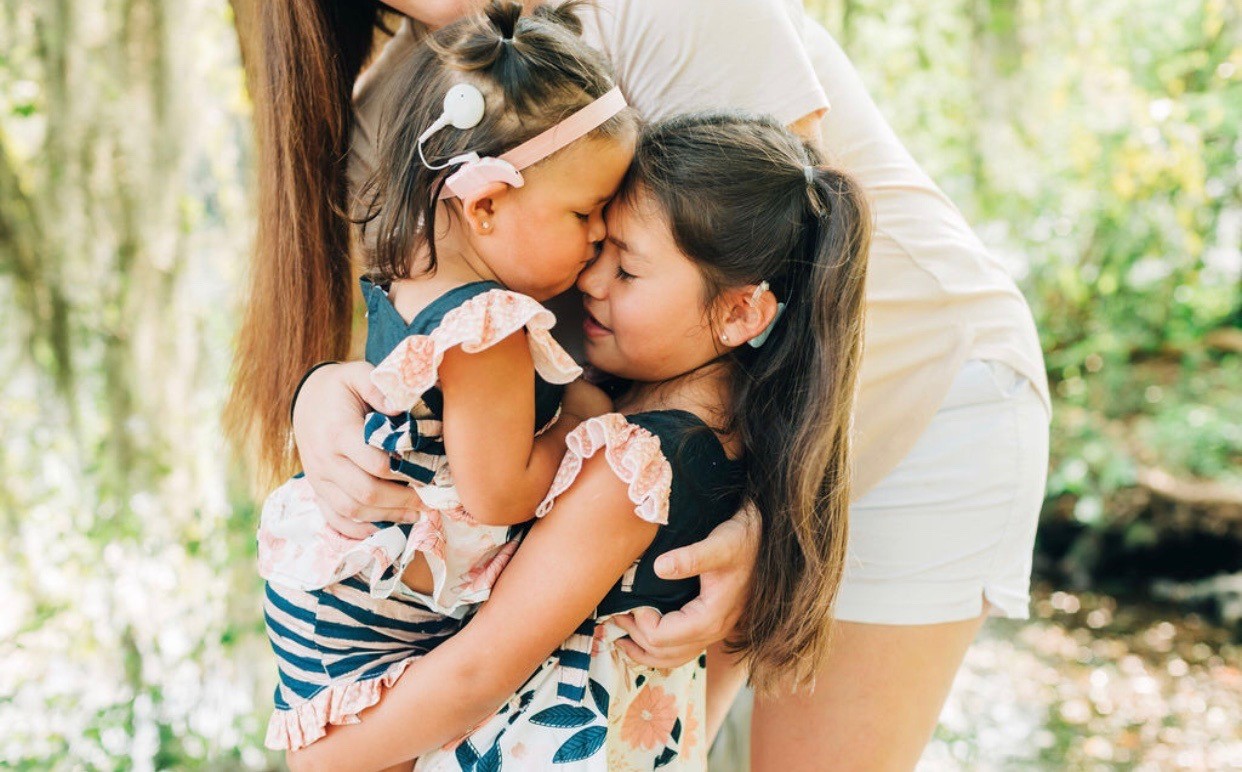
Today, both of my children wear cochlear implants, are married with families of their own, and proudly work for the Auditory Verbal Center.
Three years after their graduation, I began volunteering on the Center’s Board of Directors. After an organizational assessment and restructuring, I was offered a position as Development Coordinator. Later that year, I became the Executive Director and CEO—a role I have now held for 23½ years.
Alright, so let’s dig a little deeper into the story – has it been an easy path overall and if not, what were the challenges you’ve had to overcome?
It definitely hasn’t been a smooth road. When I first became CEO, the Center was struggling and serving very few children. I was determined to change that. I began traveling across Georgia to educate communities, hospitals, and professionals about the fact that deaf and hard-of-hearing children can learn to listen and speak without relying on sign language.
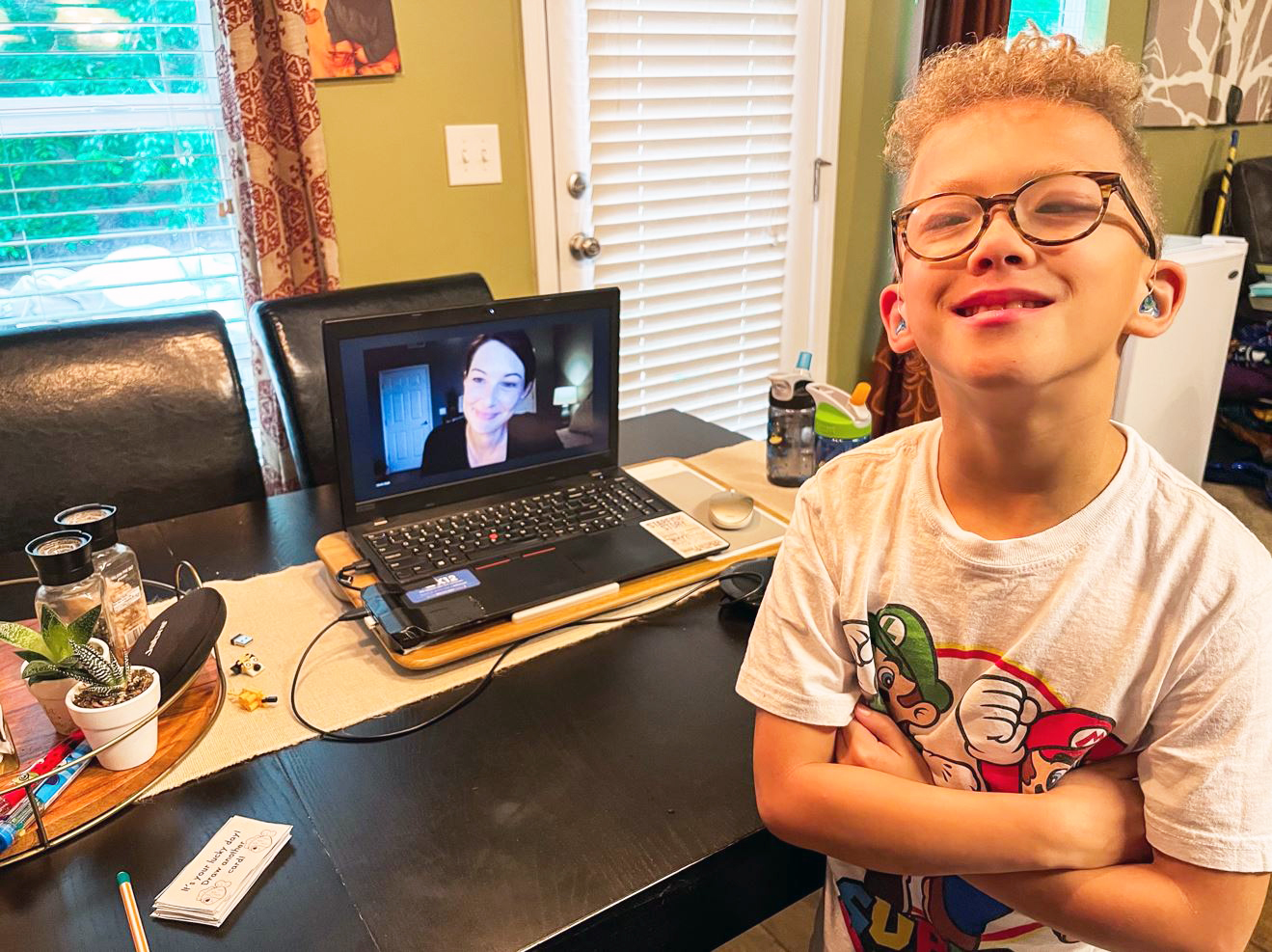
To reach more families, I opened a second office in Macon to serve middle and south Georgia, and in 2010 we launched teletherapy—long before it became common practice. This allowed us to reach families who faced transportation barriers or lived in rural areas with no services available.
We also began billing insurance to ease the financial burden on families, but navigating insurance is challenging, especially when 65% of our clients rely on Medicaid. Insurance rarely covers the full cost of service, so we must fundraise constantly to bridge the gap. Funding remains one of the biggest ongoing challenges in the nonprofit world.
Another significant hurdle is finding highly trained therapists who are passionate about working with deaf and hard-of-hearing children. Auditory-verbal therapy is an extremely specialized field—there are only about 800 speech-language pathologists worldwide with the additional certification required to do this work. To address the shortage, we became a training facility to help grow the next generation of auditory-verbal therapists.
Despite the challenges, the demand for our services continues to grow. Last year alone, we served 220 families, and we are now planning to open a satellite office in Savannah to better reach children in the southern part of the state. Every obstacle has pushed us to innovate, expand, and deepen our commitment to the families who rely on us.
Great, so let’s talk business. Can you tell our readers more about what you do and what you think sets you apart from others?
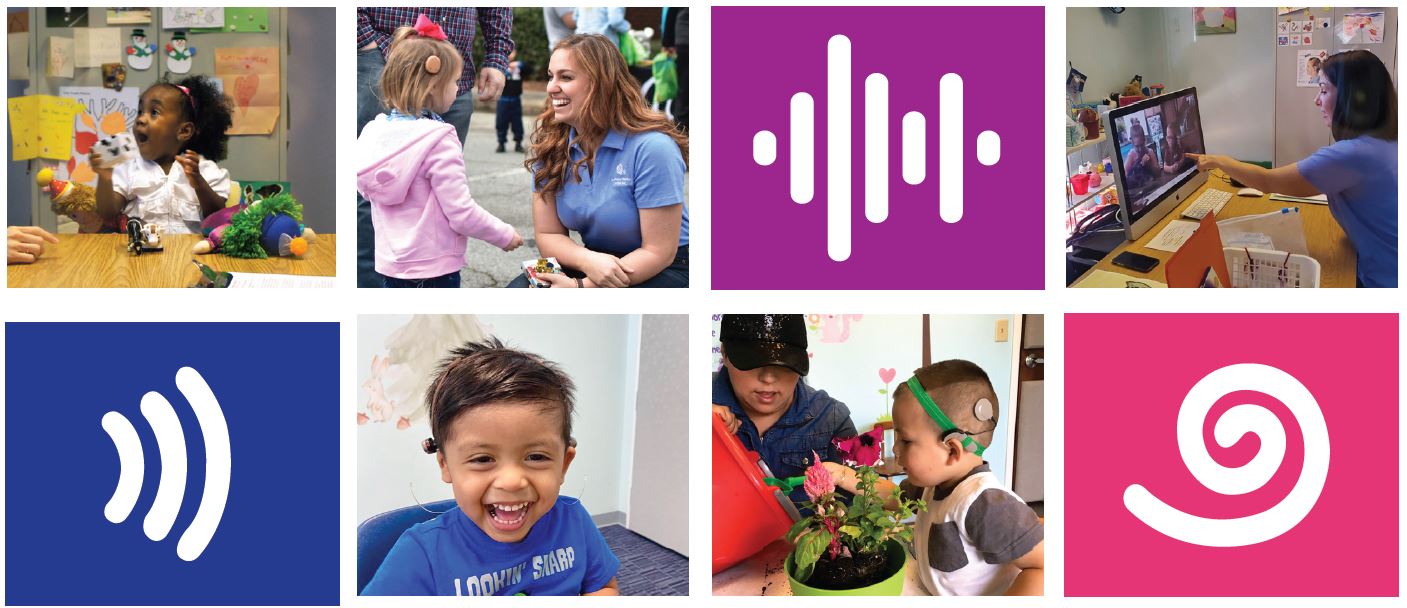
The Auditory Verbal Center is a nonprofit organization dedicated to teaching deaf and hard-of-hearing children to listen and speak without the use of sign language. We specialize exclusively in Auditory-Verbal Therapy, a highly specialized and evidence-based approach that helps children develop spoken language through their hearing aids or cochlear implants. Our mission is to give every child the opportunity to enter mainstream classrooms, build strong communication skills, and thrive in the hearing world.
What sets us apart is our commitment to accessibility and our determination to eliminate every barrier a family might face. We serve children across the entire state of Georgia through in-person sessions in Atlanta and Macon and through teletherapy, which we began offering long before it became common practice. For families who don’t have access to a computer, we provide complete teletherapy kits. If a household does not have internet service, we ensure internet is installed so therapy can continue without interruption. Every child also receives a “Learning to Listen” kit filled with toys, books, and materials that parents need for daily follow-through activities at home. Because our model is family-centered, this at-home support is essential.
In addition to direct services, we are deeply involved at the state level. We serve on several state committees focused on improving outcomes for deaf and hard-of-hearing children. Through this work, we advocate for and support adherence to the EHDI (Early Hearing Detection and Intervention) guidelines—ensuring that children are screened at birth, diagnosed by three months, and in intervention by six months. Early action is vital, and we work statewide to help families, hospitals, and professionals understand and implement these standards.
Another major differentiator is the expertise of our staff. There are only about 800 certified auditory-verbal therapists worldwide, and we are proud to employ several of them—and to serve as a training center for the next generation. Our team is deeply dedicated to helping children reach their full potential, and the results speak for themselves. Our graduates consistently enter mainstream education with age-appropriate language skills, and many go on to excel academically, pursue careers, and build families of their own.
Brand-wise, I am most proud that we are known for transforming lives. Families come to us searching for hope and direction, and we partner with them every step of the way. The success of our children—and the confidence and joy their families experience—are the heart of everything we do.
What I want readers to know is that our work is rooted in possibility. We offer world-class therapy, parent coaching, professional training, advocacy, and statewide leadership to ensure that every deaf or hard-of-hearing child in Georgia has the opportunity to learn to listen, speak, and thrive. We believe every child deserves a voice—and we are honored to help them find it.
Where do you see things going in the next 5-10 years?
Over the next 5–10 years, I believe our industry will experience significant growth and important shifts—most of them driven by advances in technology, increased awareness, and a stronger commitment to early intervention. As newborn hearing screening continues to improve nationwide, more children are being diagnosed at birth, which means families are accessing services earlier than ever before. This aligns perfectly with the EHDI guidelines and dramatically increases a child’s potential to develop age-appropriate spoken language by kindergarten.
One of the biggest trends we expect to see is continued expansion of teletherapy. We were early adopters of telepractice, and I believe it will remain a central part of service delivery. Teletherapy not only expands access for rural families, but also reduces barriers related to transportation, work schedules, and healthcare deserts. We anticipate more states and insurance companies recognizing its value and supporting it long-term.
Technology will continue to evolve as well—cochlear implants and hearing aids are improving every year, offering clearer sound, better processing, and more user-friendly connectivity. As these devices advance, children will have even greater opportunities to develop listening and spoken language skills at a faster pace.
Another shift we foresee is continued growth in the demand for highly specialized auditory-verbal therapists. Because there are so few professionals worldwide with this certification, training and education pipelines will need to expand. We are committed to being part of that solution by serving as a training facility and helping build the future workforce.
Finally, I expect to see a broader understanding—at both the public and professional levels—that deaf and hard-of-hearing children can learn to listen and speak when identified early and given the right intervention. As outcomes continue to improve, more families will know that this is an option for their child, and more healthcare providers will be educated about the effectiveness of auditory-verbal therapy.
Overall, the next decade holds tremendous promise. With earlier diagnosis, improved technology, expanded telehealth, and a growing recognition of what’s possible, I believe we can reach more children than ever before and help them achieve truly life-changing outcomes.
Contact Info:
- Website: https://www.avchears.org
- Instagram: instagram@avchears.org
- Facebook: facebook@avchears.org
- LinkedIn: Linkedin@AuditoryVerbalCenter
- Youtube: YouTube@AuditoryVerbalCenter