




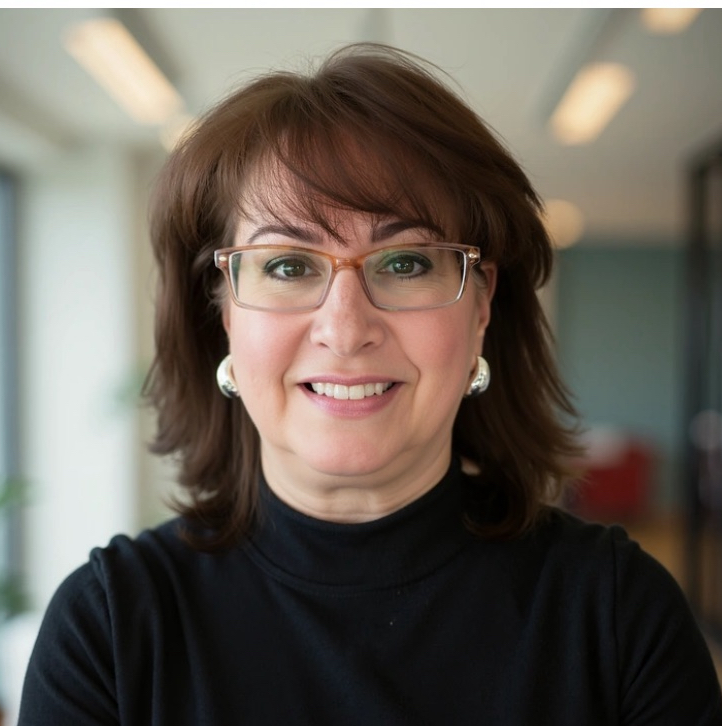
Today we’d like to introduce you to Deborah.
Hi Deborah, we’d love for you to start by introducing yourself.
I’ve spent close to 40 years working in the mental health field and the last 32 years in private practice, helping individuals, couples, and families navigate some of the most difficult seasons of their lives. My interest in psychology really began when I was a little girl. My father was a psychologist, and I remember thinking even then that I wanted to grow up and do the kind of work he did – helping people understand themselves and get through hard times. Conversations about people, relationships, and emotional well-being were just a normal part of life in our home, and that early influence stayed with me.
Early in my career, I worked in a variety of settings, including a psychiatric residential facility, a college counseling center, a county mental health center, and a Veterans Administration Medical Center where I worked with veterans coping with trauma and behavioral health challenges. Those experiences taught me a great deal about resilience and how much people can heal when they have the right support.
About 32 years ago, I opened my private practice, which is now the Center for Therapy and Mediation. Over time, my work naturally evolved toward relationships and divorce, particularly high-conflict situations involving emotional or narcissistic abuse. I’m also a Certified Narcissistic Abuse Treatment Clinician (CNATC), and much of my work focuses on helping people, especially women, who are trying to make sense of confusing and painful relationship dynamics and who are navigating divorce from emotionally or narcissistically abusive partners.
Going through my own divorce also deepened my understanding of what people experience during that process. It gave me a much more personal perspective on how overwhelming and destabilizing divorce can feel. That experience strengthened my commitment to helping others find their footing during a very difficult time.
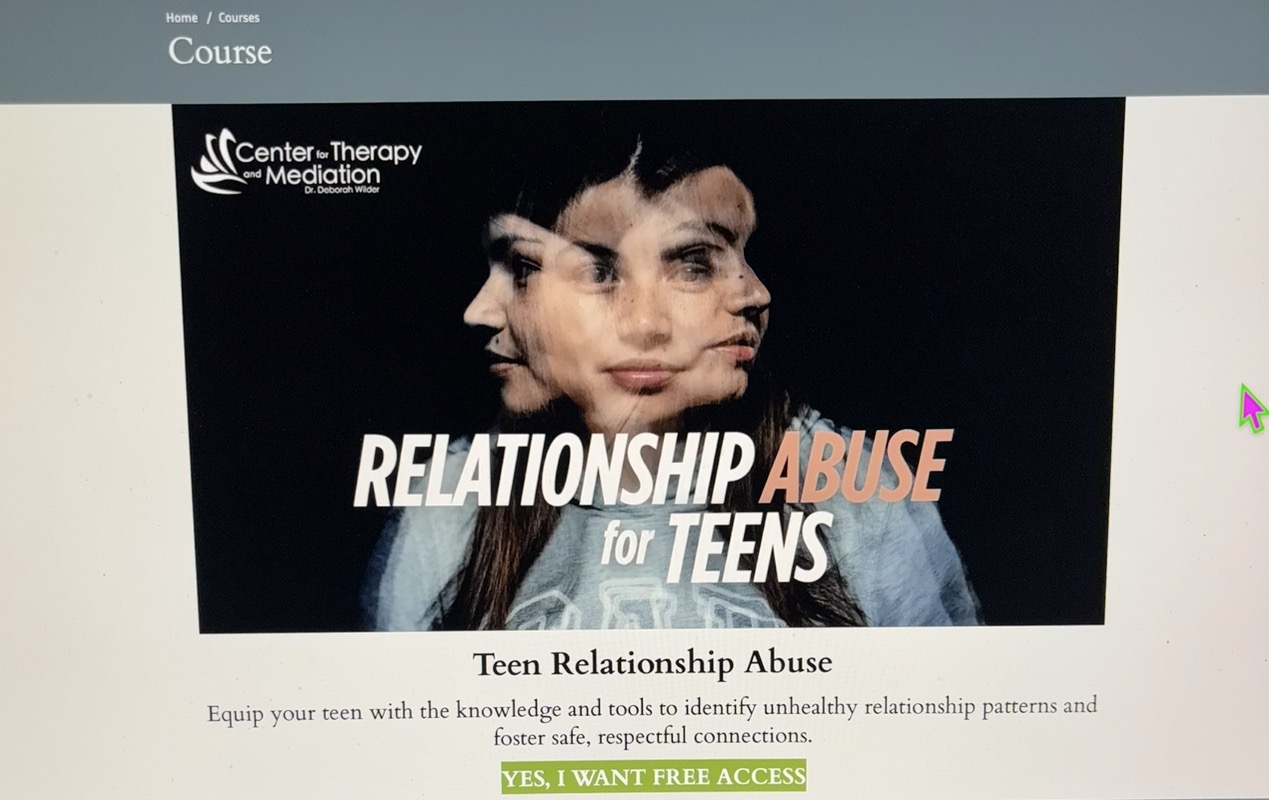
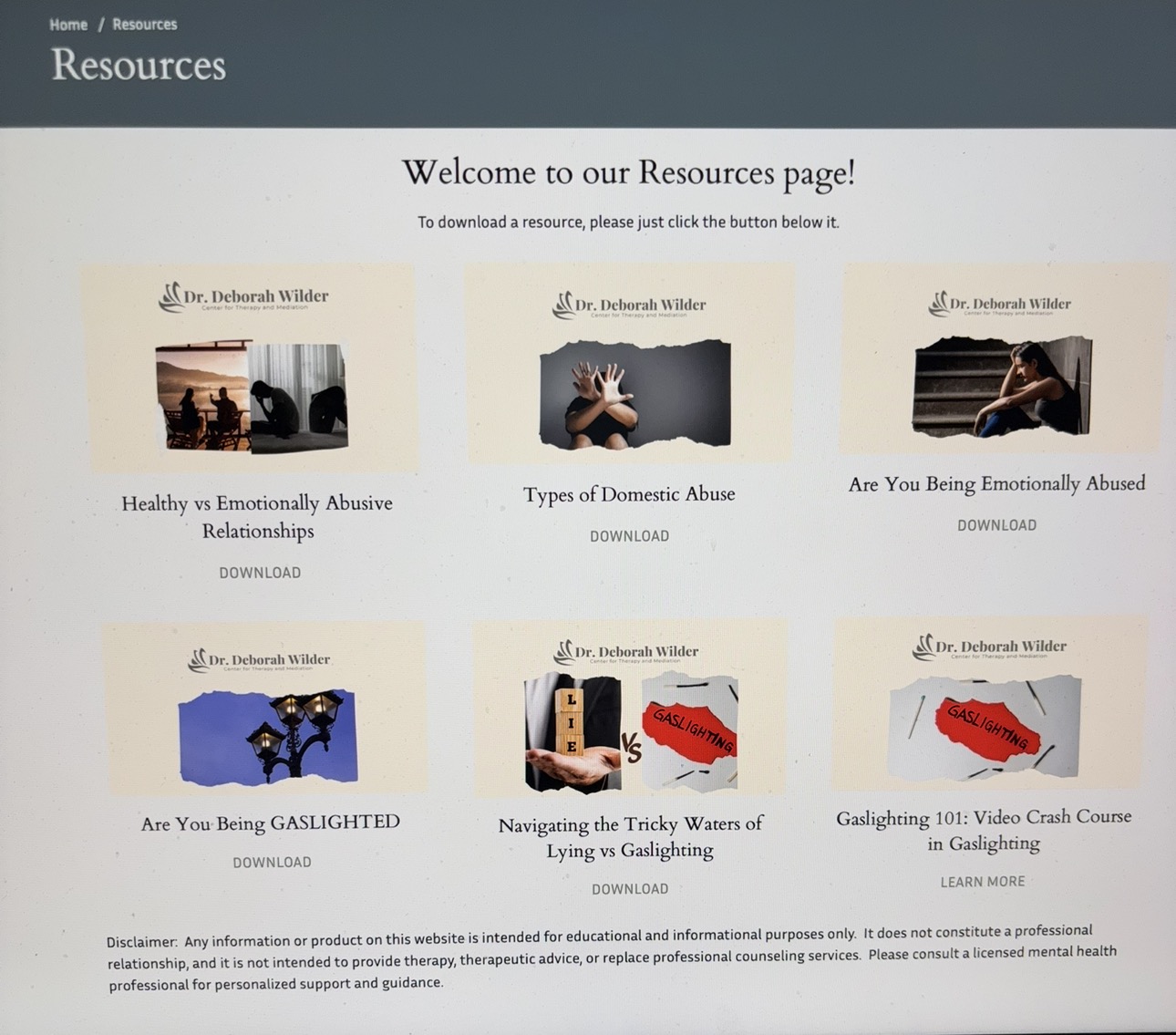
In addition to my clinical work, I’ve been developing online resources and programs to help people better understand emotional and narcissistic abuse and navigate divorce in a more informed and strategic way. I’ll soon be offering a comprehensive online program designed to guide people through the emotional, psychological, and practical aspects of divorcing an emotionally or narcissistically abusive partner, while also supporting their healing and recovery.
Alright, so let’s dig a little deeper into the story – has it been an easy path overall and if not, what were the challenges you’ve had to overcome?
It definitely hasn’t been a completely smooth road. Any career that spans several decades comes with its share of challenges, and building a private practice over the years required persistence, flexibility, and a willingness to keep learning and evolving. The mental health field has changed a lot over time, and part of the journey has been adapting to those changes while continuing to find the best ways to support the people I work with.
On a personal level, going through my own divorce was also a pivotal experience for me. It gave me a much deeper appreciation for how destabilizing and overwhelming that process can feel. Even as a psychologist, going through it personally gave me a new level of empathy and insight into what so many people experience when a relationship breaks down.
One of the ongoing challenges in this area of work is that emotional and narcissistic abuse can be very difficult for people to recognize and even harder for others to understand, because so much of it happens behind closed doors. Many people begin to doubt their own perceptions and feel very alone in what they’re experiencing. Helping people untangle that confusion and regain a sense of confidence and strength can be complex work, but it’s also incredibly meaningful.
Those experiences, both professional and personal, have shaped the direction of my work and strengthened my commitment to helping people navigate high-conflict relationships and divorce with greater understanding, support, and strategy.
We’ve been impressed with The Center for Therapy and Mediation, but for folks who might not be as familiar, what can you share with them about what you do and what sets you apart from others?
I’m the founder of the Center for Therapy and Mediation, an extension of the private practice I established more than 30 years ago to help individuals, couples, and families navigate difficult relationship challenges and life transitions. Over time, a significant part of my work has become focused on helping people who are dealing with high-conflict relationships and divorces, particularly those involving emotional or narcissistic abuse. In addition, I am fortunate to be able to practice Telehealth in 43 states in the U.S.
I’m a psychologist, Certified Narcissistic Abuse Treatment Clinician (CNATC), divorce mediator, parenting coordinator, and divorce specialist, and I specialize in helping people, most often women, who are trying to make sense of confusing and often deeply painful relationship dynamics while also navigating the complex process of divorce from an emotionally or narcissistically abusive partner. These situations can be incredibly disorienting, because much of the abuse happens behind closed doors and is difficult for others to see or understand.
One of the things that sets my work apart is that I focus on both the emotional and the practical sides of these situations. When someone is divorcing an emotionally abusive partner, the legal process can sometimes become another place where manipulation and control continue. I work with clients to help them understand those dynamics, protect their well-being, and navigate the process in a more informed and strategic way.
In addition to my clinical practice, I’ve also been developing educational resources and online programs so that people who may not have access to individual therapy can still receive guidance and support. My upcoming online program is designed to provide a comprehensive approach to divorcing an emotionally or narcissistically abusive partner—addressing the emotional, psychological, and practical aspects of the process while helping people begin the work of healing and rebuilding their lives.
What I’m most proud of, brand-wise, is that my work has become known as a place where people feel truly understood. Many people who come to me have spent years feeling confused about what they’ve experienced. Helping them gain awareness and confidence, trust their own perceptions again, and move forward with strength and resilience is at the heart of everything I do.
What quality or characteristic do you feel is most important to your success?
I think the quality that has mattered most is a genuine and caring curiosity about people and a deep commitment to understanding what they’re going through. Throughout my career, I’ve always tried to really listen and to see the situation from my clients’ perspective, especially when they’re dealing with confusing or painful experiences that others may not fully understand.
Another important part of my work has been persistence and a willingness to keep learning. The field of psychology is always evolving, and the challenges people face in relationships and divorce can be very complex. Staying open, continuing to learn, and adapting my approach over the years has been essential.
But at the heart of it, I think compassion and empathy are what truly guide my work. When someone feels genuinely understood and supported, it can make an enormous difference in their ability to move forward and rebuild their life.
Contact Info:
- Website: https://www.drdeborahwilder.com
- Instagram: drdeborahwilder
- Facebook: https://www.facebook.com/drdeborahwilder/
- Youtube: https://www.youtube.com/@DrDeborahWilder