





We’re looking forward to introducing you to Meagan Naraine. Check out our conversation below.
Hi Meagan, thank you so much for joining us today. We’re thrilled to learn more about your journey, values and what you are currently working on. Let’s start with an ice breaker: What is something outside of work that is bringing you joy lately?
Something outside of work that is bringing me joy lately is traveling. This year alone, I have backpacked through the Dominican Republic, explored different parts of Costa Rica, and spent time in Belize. Working on a public school calendar means I get many breaks throughout the year, and I use most of them to visit another country. Traveling has become my space to breathe, reset, and experience something new.
Can you briefly introduce yourself and share what makes you or your brand unique?
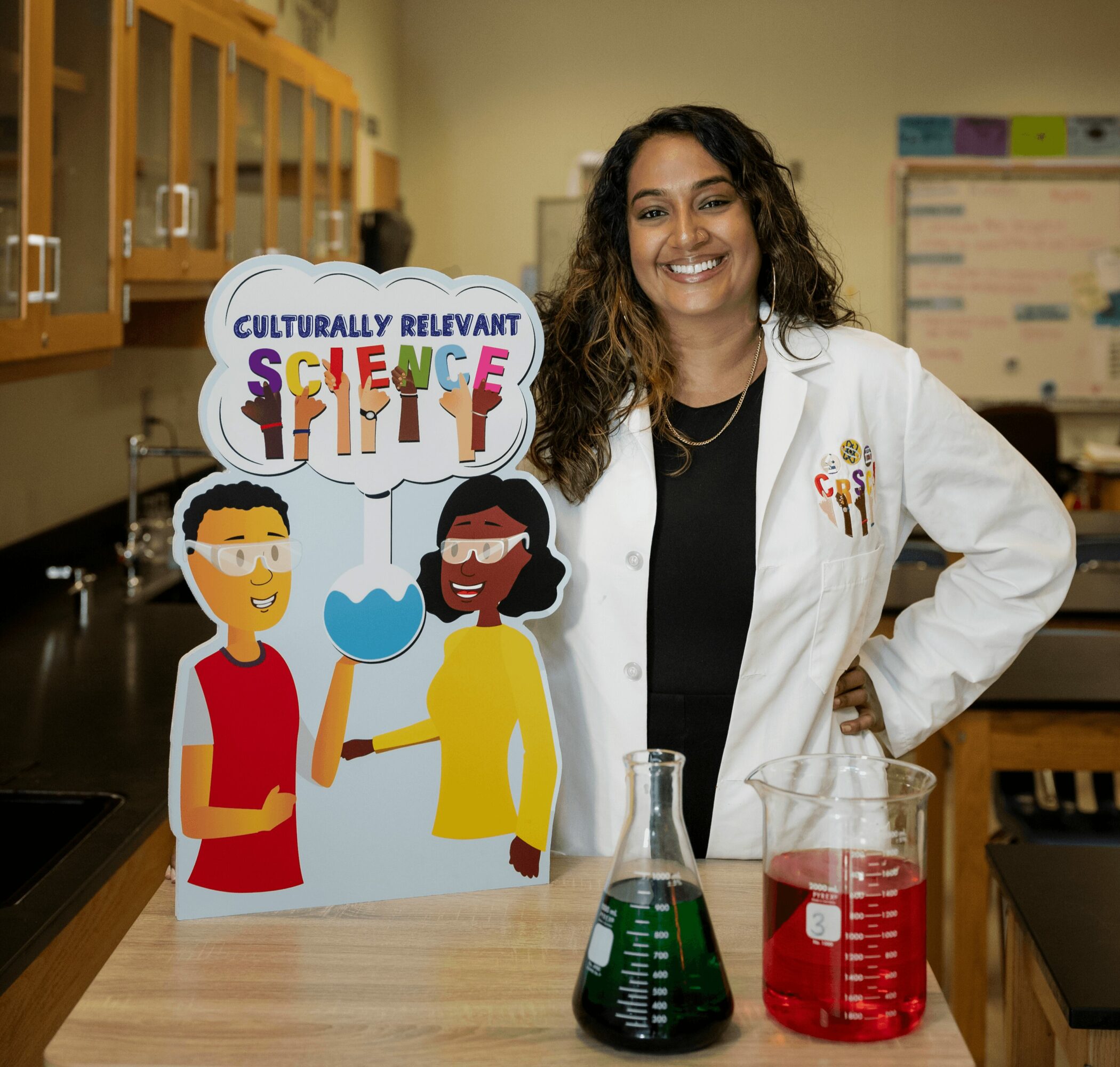
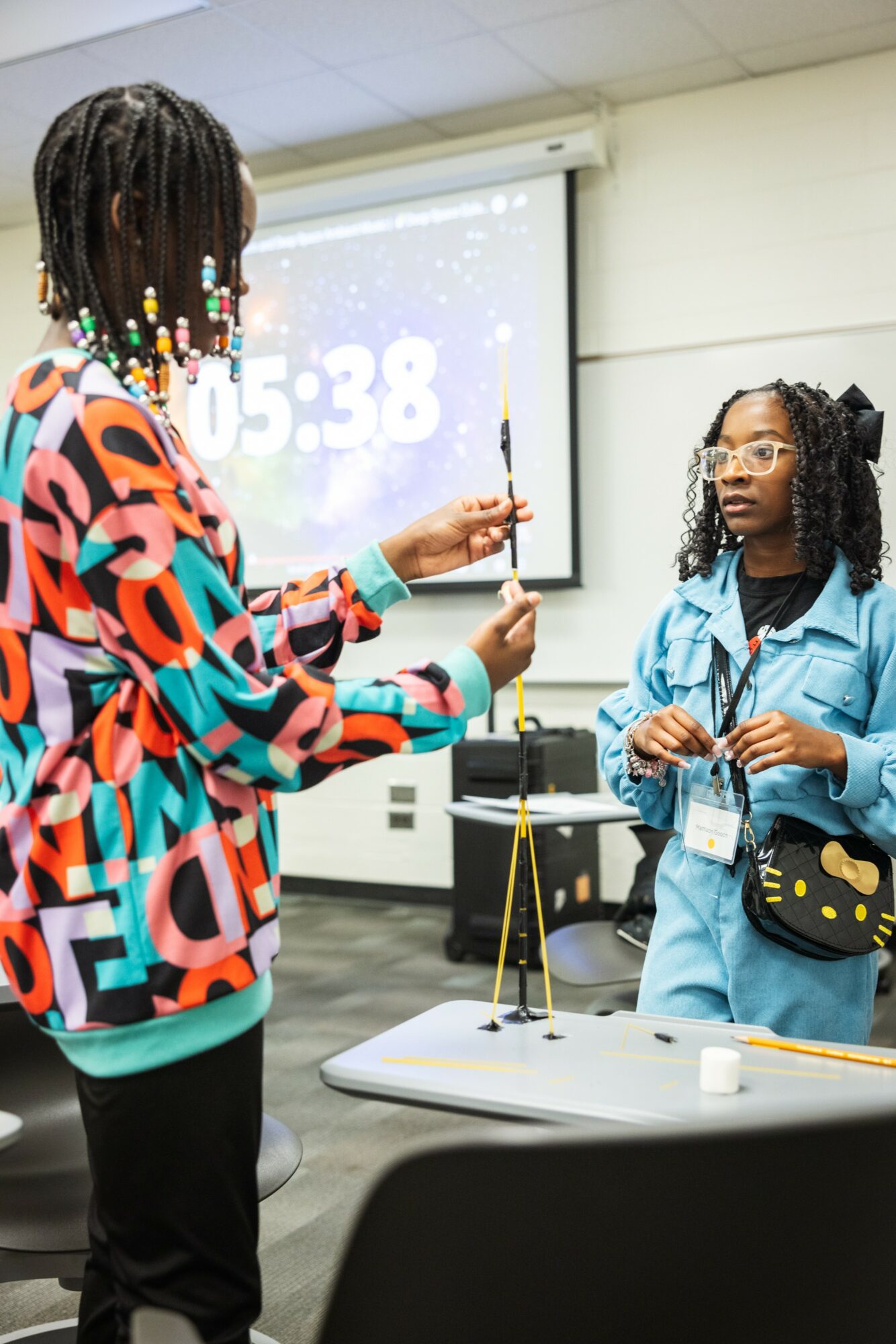
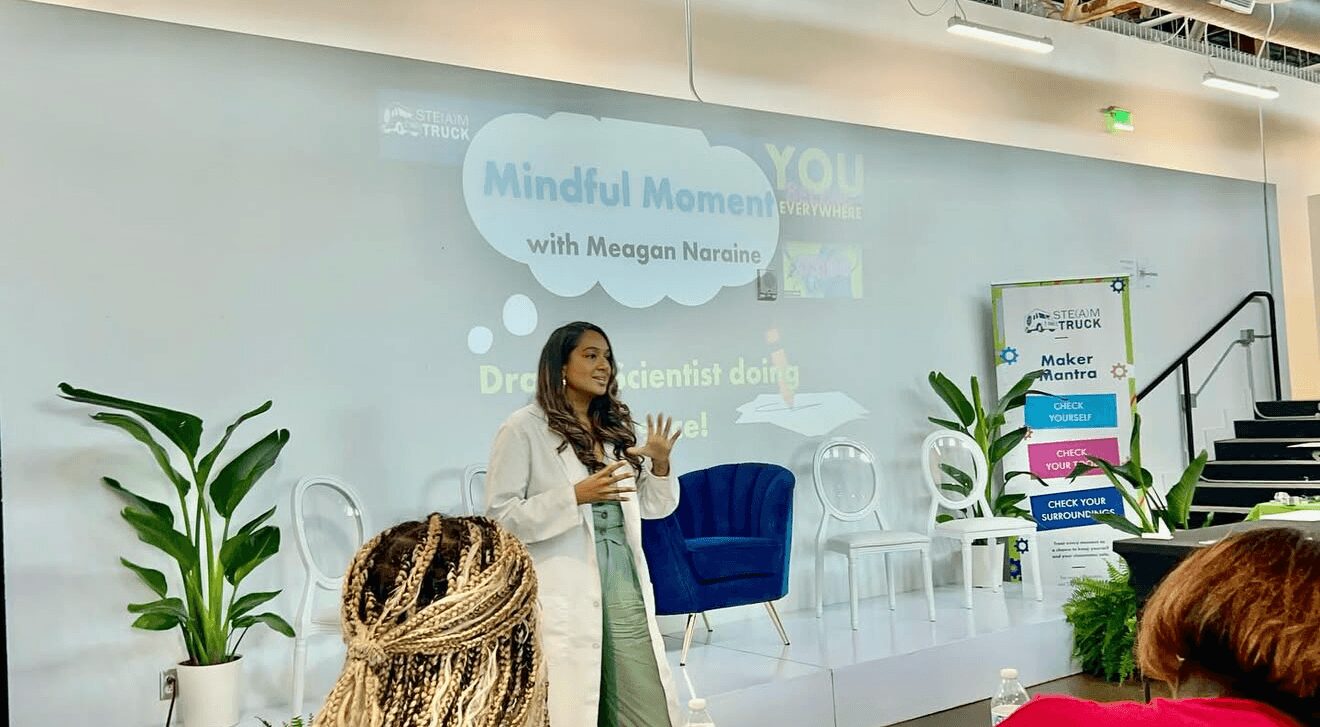
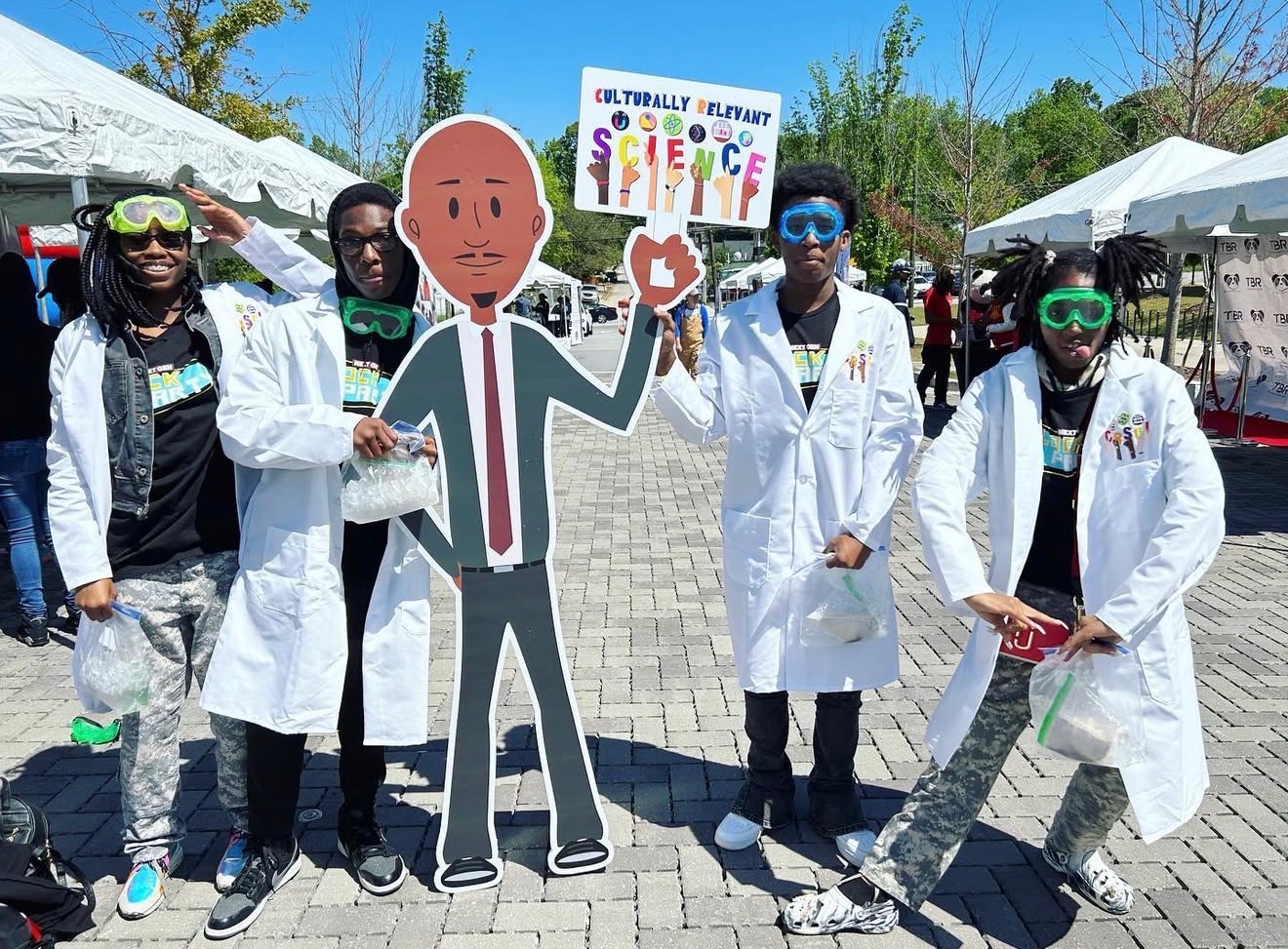
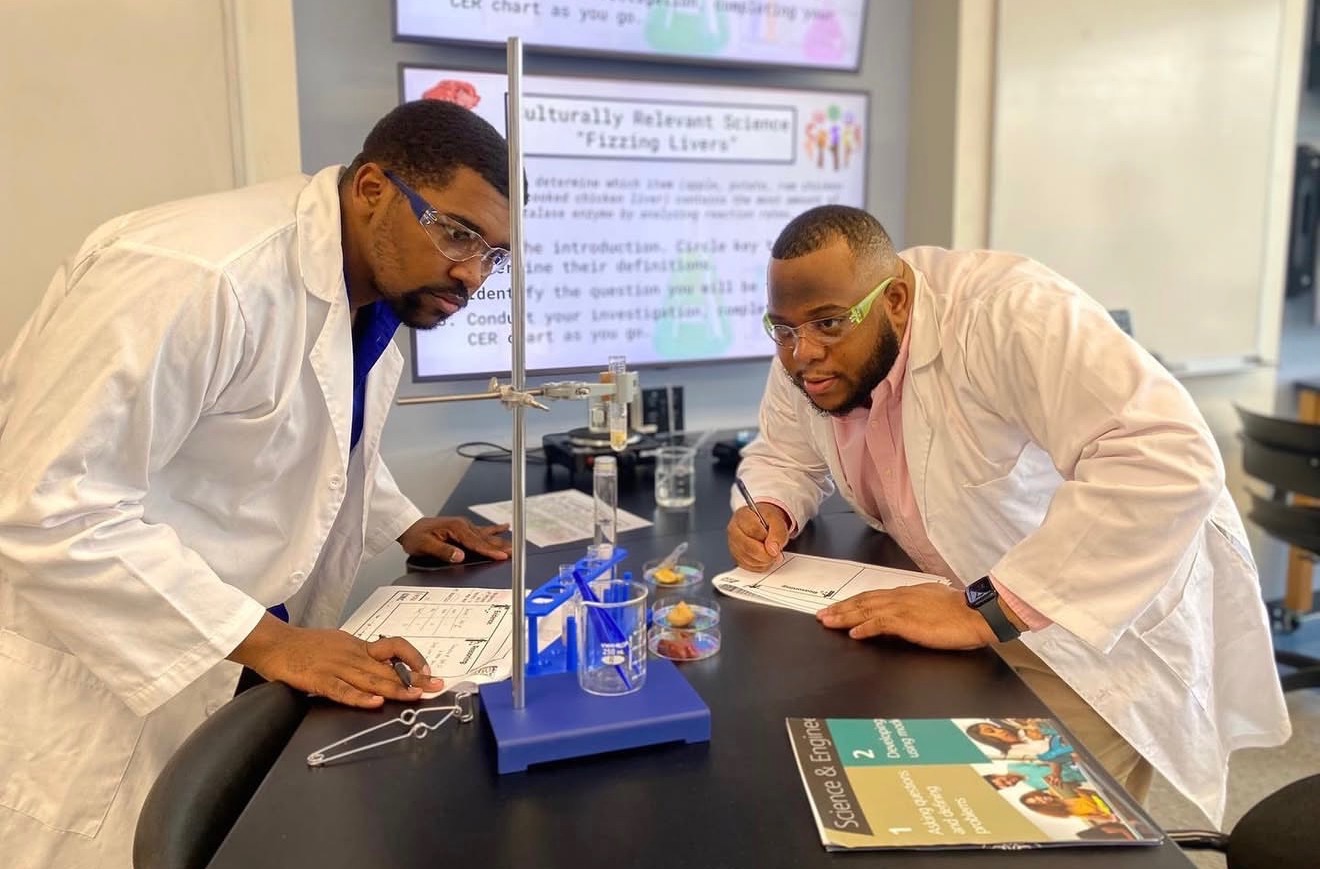
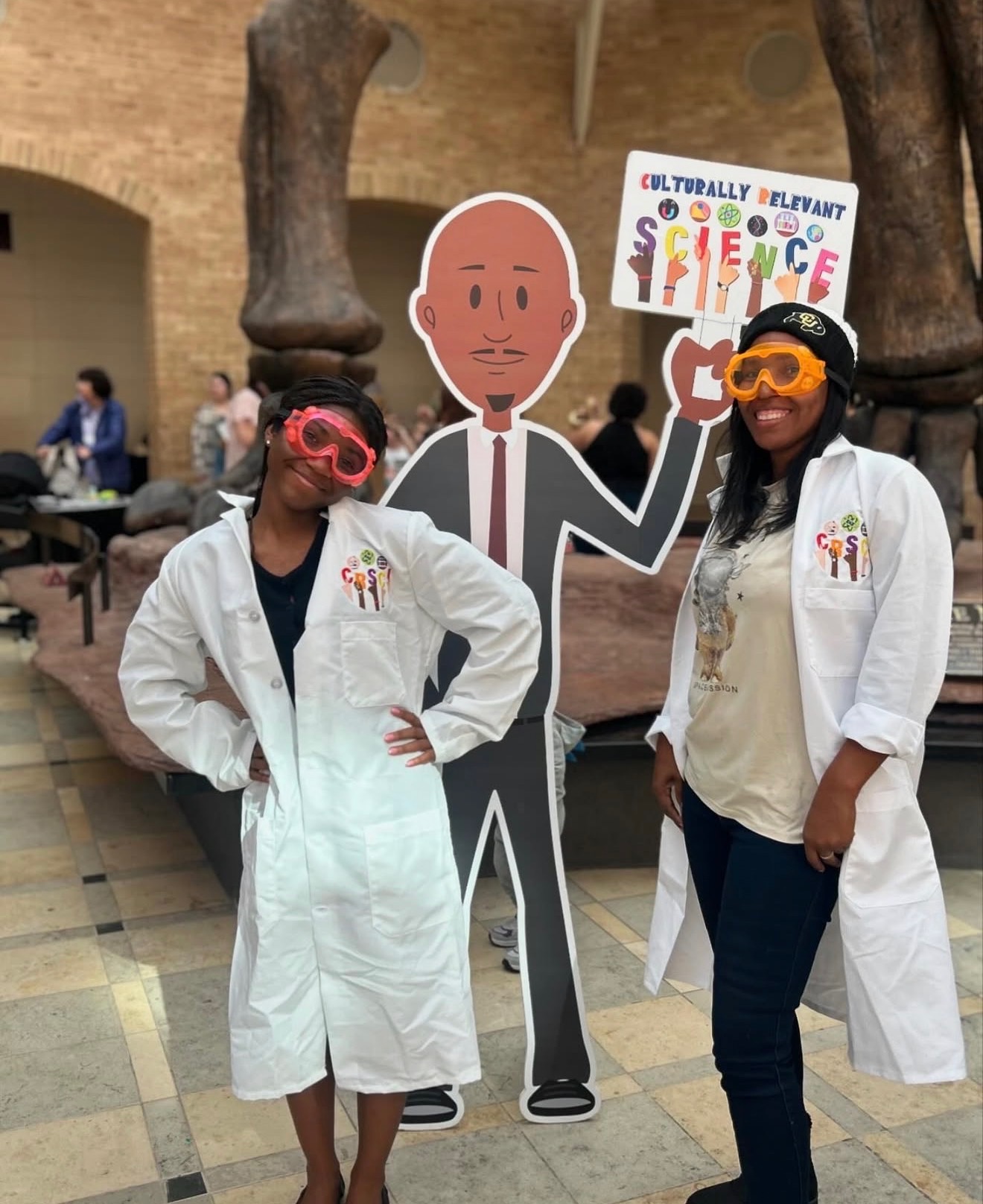
My name is Meagan Naraine, and I am the founder and executive director of Culturally Relevant Science, or CRSci. I am a science educator and instructional coach in Atlanta, and my career has been rooted in Title I schools where I work to make STEM more accessible, joyful, and relatable for Black and Brown students. CRSci started as a small idea during my early teaching years and grew into a nonprofit that builds culturally relevant K–12 STEM curriculum and hands-on learning experiences.
We are now expanding into an edtech platform that brings meaningful, identity-affirming science learning to classrooms everywhere. My work sits at the intersection of equity, representation, and rigorous science instruction, and I am excited about how CRSci is continuing to evolve to support more teachers, students, and communities.
Great, so let’s dive into your journey a bit more. What’s a moment that really shaped how you see the world?
A moment that completely reshaped how I see the world happened when I started teaching science in a South Fulton high school through Teach For America in 2018. That was when I first saw how inequitable education can be. I came in excited to bring engaging, rigorous science instruction, not realizing how little exposure my students had to science or how many of them genuinely believed they were “not good” at it.
What frustrated me most was knowing the brilliance that sat in my classroom every day, while the school struggled to get credit for that potential. Scores were low, expectations were even lower, and I made it my mission to challenge that narrative. When I centered rigor, hands-on learning, and cultural relevance, I watched students who had been written off completely transform and pass their state exams with confidence.
Seeing that change lit a fire in me. I was a young teacher delivering strong science curriculum that actually reflected my students’ identities, and I could not understand why this was not the standard everywhere. That realization pushed me to scale my work beyond my classroom. The strategies and curriculum that consistently worked across predominantly Black and Brown schools became the foundation for what is now Culturally Relevant Science. That moment still shapes every decision I make.
What did suffering teach you that success never could?
Suffering has taught me far more than any success ever has. When I became a science teacher in a Title I high school, I struggled in all the ways many new teachers do. I had six classes of nearly forty students each, spanning general education, special education, and honors. I was handed the students veteran teachers did not want to teach, the ones labeled “low performing.”
I wanted to do labs, but we had no materials, so after school I found myself in Walmart and Kroger buying supplies out of my own pocket. I tried to observe other teachers to find strategies, but I quickly learned that teaching only works when it fits your personality. What I was given did not match my students, so I stayed up countless nights creating my own slides, labs, and activities to spark curiosity.
Those early struggles shaped the educator I am today. They pushed me to question the systems that exhaust teachers and limit students. They also fueled the mission behind CRSci. My experiences taught me what teachers are up against and why they deserve better tools, better curriculum, and better support. My suffering created the blueprint for the work I do now: helping teachers face fewer barriers so they can focus on their students and their joy in teaching.
So a lot of these questions go deep, but if you are open to it, we’ve got a few more questions that we’d love to get your take on. What’s a belief or project you’re committed to, no matter how long it takes?
I am committed to making science learning engaging and attainable for all students, especially those from underrepresented communities. I truly believe every child can master rigorous science content. The difference lies in how we teach it and whether students can see themselves in what they are learning.
Traditional science curriculum has rarely been written with Black and Brown learners in mind. It is often outdated, not inclusive, and disconnected from their lived experiences. My mission is to change that without lowering academic standards. I want to spark early interest and confidence in science so students feel empowered to pursue STEM in college and beyond.
This work will take time, but I am committed to it for the long run.
Okay, we’ve made it essentially to the end. One last question before you go. What is the story you hope people tell about you when you’re gone?
I hope people tell the story of my commitment to transforming how science is taught in schools. I hope they say that my work helped shift classrooms toward being more culturally aware, rigorous, and joyful for students who have historically been overlooked.
I want teachers to say that using CRSci curriculum helped them rethink their practice in ways that truly reflected their students. And above all, I want the story of Culturally Relevant Science to be one of real impact, where our model became a blueprint for how to make science learning more inclusive, meaningful, and empowering for all learners.
Contact Info:
- Website: https://www.crsci.org/
- Instagram: https://www.instagram.com/cr_sci/
- Linkedin: https://www.linkedin.com/company/crsci/
- Twitter: https://x.com/cr_sci
- Facebook: https://www.facebook.com/culturallyrelevantscience/
- Youtube: https://www.youtube.com/@CR_SCI
- Other: https://www.teacherspayteachers.com/store/culturally-relevant-science-inc-
Popular
-

Hidden Gems: Local Businesses & Creatives You Should Know
-

ATL’s Most Inspiring Stories
-

Portraits of Atlanta
-
Dr. Hildiah Martin-Suggs Is Building Second Chances for Youth Who Were Almost Lost in the System
-
From Showing Up to Seeing His Face on a Billboard: Anthony Green Is Just Getting Started
-
Wayne Smith Jr on Survival, Psychological Thrillers, and the Cost of Staying Alive