





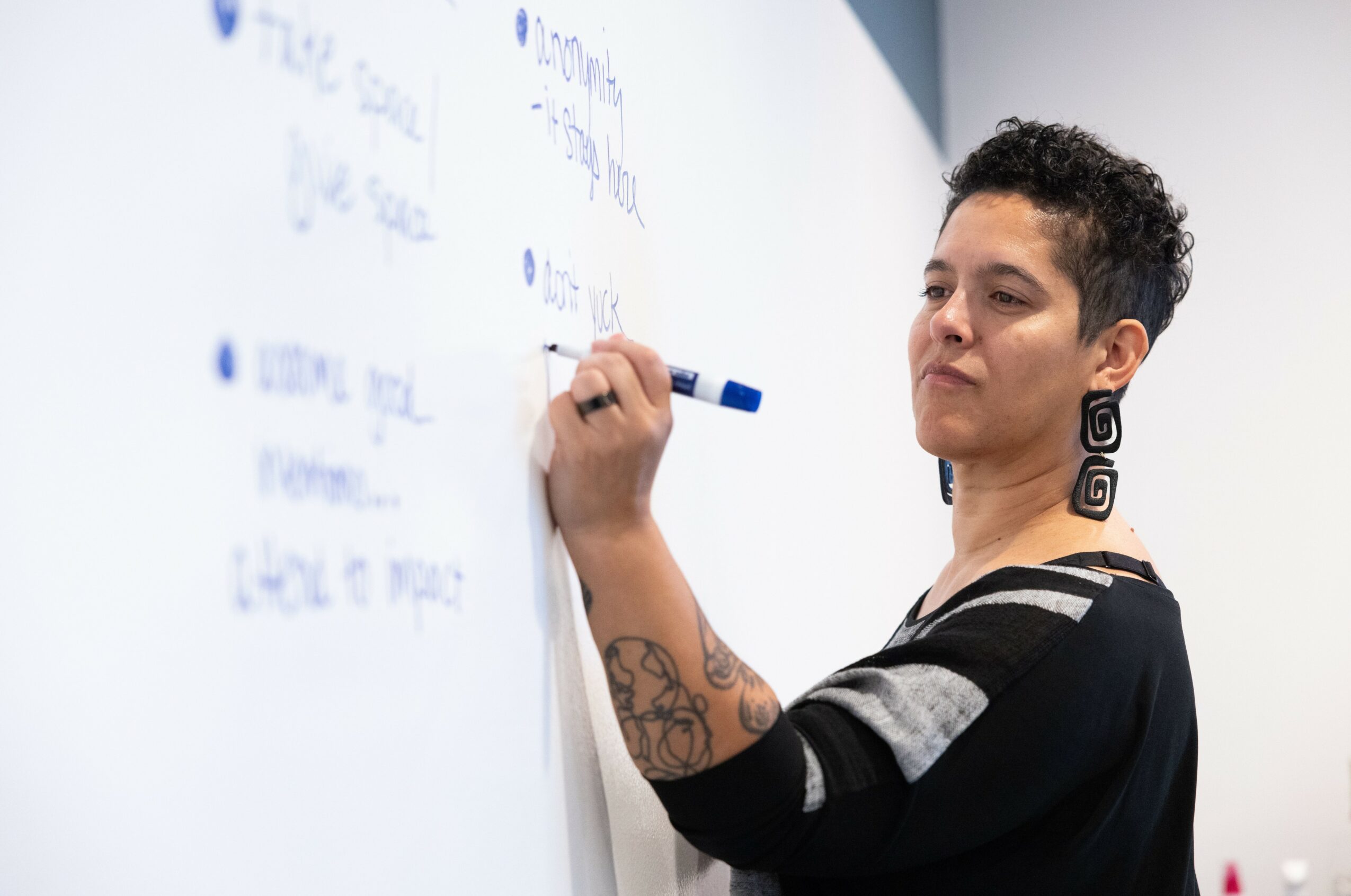
We recently had the chance to connect with Naomi Hattaway and have shared our conversation below.
Good morning Naomi, it’s such a great way to kick off the day – I think our readers will love hearing your stories, experiences and about how you think about life and work. Let’s jump right in? Would YOU hire you? Why or why not?
I’d hire me because I listen differently than most consultants. I don’t show up with a pre-packaged solution. I show up to understand specific organizational ecosystem—the board dynamics, staff relationships, community expectations, and unstated tensions that determine whether transitions succeed or crash. One client put it this way: “You helped me stay focused, care for myself, and do my very best as I left my organization and colleagues who I care about deeply. We are ALL in a better position due to working with you.” That’s not accidental. It’s methodical listening designed to synthesize what matters most.
I’d hire me because I synthesize themes that others miss. My background spans affordable housing development, international relocations, real estate transitions, and executive leadership across multiple sectors. I’m a quintessential weaver and bridge-builder—I see through-lines between people, organizations, and movements that others overlook. This means when I step into an organization as an interim leader or succession planning advisor, I quickly identify patterns, connect disparate information, and translate complexity into actionable strategy. I don’t just collect data during transitions—I make sense of it in ways that protect an organization’s knowledge and maintain external relationships.
I’d hire me because I provide effective feedback without the corporate fluff. I tell boards that current board members should never serve as interim EDs. I push organizations to distinguish between kindness and niceness in leadership transitions. This isn’t about being provocative—it’s about giving my clients the candid guidance they actually need to navigate transitions successfully, not what feels comfortable in the moment. One board member described my work this way: “What stood out most was her genuine care for the organization—not just as an interim CEO completing a job, but as someone deeply invested in the organization’s long-term success.” That combination of care and candor keeps projects moving forward without the usual nonprofit politeness that derails real progress.
I’d hire me because I deliver solid next steps, not just analysis. My approach combines strategic visioning with practical implementation. Through my certification from Third Sector Company’s Interim Executives Academy, I bring structure and accountability to transitions that typically feel chaotic. I don’t just identify problems—I prescribe methods for addressing them and keep teams accountable to execution. This shows up in how I work: real-time and integrated access between sessions, documented learning memos with co-created suggestions, implementation plans that complement (or create) transition plans and ongoing communication support that prevents the wheels from coming off.
I’d hire me because I keep projects on time when everything else is in flux. Leadership transitions create organizational instability. Boards panic. Staff anxiety spikes. Funders start asking questions. I bring what clients recognize as “gentle accountability” and “thoughtfully designed community-based solutions” that maintain momentum even when the org chart feels like a Jenga tower. Whether it’s preparing for a sabbatical, stabilizing after an unexpected departure, or laying groundwork for a planned transition, I operate with what one person called “unparalleled thoughtfulness”—the kind that helps nonprofits meet deadlines and deliverables when most organizations would be scrambling just to keep the lights on.
Would I hire me? When organizations are ready for the truth about transition readiness, I bring practical preparation for inevitable reality. If prospective clients want someone to tell them their succession plan is fine when it’s not, or that their interim situation will resolve itself, they need to hire someone else. If they want someone who will tell them what they need to hear, keep their team focused on what actually matters, and deliver results while everyone else is panicking—then yes, hire me.
Can you briefly introduce yourself and share what makes you or your brand unique?
I’m Naomi Hattaway, President and Lead Advisor of 8th & Home | Leaving Well. I built my practice around one unavoidable truth: People Leave™. Every organization will face leadership transitions—through retirement, resignations, sabbaticals, or unexpected departures. Yet most nonprofits operate as if their current leader will be there forever. I provide interim executive leadership and proactive succession planning because I’ve seen too many mission-critical organizations nearly collapse when leadership gaps hit.
What makes my work different: I don’t do feel-good consulting. This is practical preparation for inevitable reality. I tell boards uncomfortable truths—like why current board members should never serve as interim EDs. I help organizations embed transition planning into their culture, not treat it as crisis management. My Leaving Well™ framework creates healthy workplace transition cultures where departures strengthen organizations rather than destabilize them. Whether it’s a foundation, grassroots nonprofit, or family business, the principles remain: prepare early, communicate clearly, and honor both the departing leader and the organization’s future.
I’m excited about a soon-to-be-launched online community cohort space for nonprofit leaders to come together for peer and expert learning, on-demand professional development, and access to a robust library of templates and resources. The Well Lab launches March 2026 and brings together nonprofit leaders from across the country. Folks can jump on the waitlist at https://www.naomihattaway.com/waitlist.
Okay, so here’s a deep one: What breaks the bonds between people—and what restores them?
Trust breaks first. Not the catastrophic kind—though that happens—but the slow erosion that occurs when organizations avoid naming hard things out loud. Author Minda Harts, on a Leaving Well podcast episode with me, calls it “the erosion of trust or trust that was never created.” Over 80% of people leave jobs without ever having had a conversation about what actually went wrong. The silence itself becomes the breaking point. Toxic cultures accelerate this—in another podcast episode Dr. Jaiya John describes how negativity travels through organizations “like a heavy, dense cloud” while positive stories get siloed, creating a workplace organism that feeds on lament rather than impact.
What breaks bonds is the confusion between niceness and kindness. Niceness prioritizes self, short-term results, and people-pleasing behaviors. It’s the board that doesn’t give honest feedback to an underperforming ED, the leader who avoids naming values misalignments because confrontation feels unkind. Unplanned workplace transitions shatter these false bonds—when an ED announces an immediate departure, organizations without transition protocols face crisis because they built relationships on avoidance rather than authenticity. Only 27% of nonprofits have written succession plans, and organizations typically experience 6-12 months of decreased productivity during unplanned transitions.
What restores bonds is proactive naming. It’s the willingness to say out loud: this transition is coming, these systems need documentation, this relationship has eroded and we need to address it directly. Authentic workplace relationships require what Harts identifies as foundational—you can’t have equity without trust. Restoration happens when organizations normalize succession planning discussions, celebrate employees consistently rather than sporadically, and embed transition planning into culture rather than treat it as crisis management. The bonds between people restore when organizations stop operating as if their current reality is permanent and start building systems that acknowledge the truth: People Leave™.
Is there something you miss that no one else knows about?
I miss the beautiful conglomeration that comes with living overseas—not the romanticized version people imagine, but the texture of daily life when you’re learning to thrive in the midst of chaos. In Delhi, I took photography classes with an amazing Indian man and photographed everything I experienced—the festivals like Holi and Karva Chauth, the music and colors, the ceremony and ritual that seemed to honor every occasion. I loved those photo walks through neighborhoods where beautiful things to see and do were around every corner, where the simple act of walking meant absorbing culture through smell, sound, and visual complexity. Singapore offered a different kind of beauty—the absolute care residents showed for their island, the attention to flora and fauna, the cleanliness that some might call over the top but that impressed me deeply. These weren’t vacation experiences. They were life with an address, bank account, healthcare, kids in local schools—the everyday boring stuff that fundamentally changes you.
I also miss the reality of being a Triangle—that metamorphosis that happens when you live abroad, when you’re no longer 100% who you were but will never be 100% the culture you’ve adopted either. In India, I had this profound realization that I blended in—surrounded by a sea of brown people as a Black biracial woman who had spent a lifetime scanning rooms to mentally take stock of diversity. Those years gave me access to experiences, expertise across multiple cultural practices, and an opportunity to learn new things constantly because nothing was familiar or automatic. I miss that edge of discovery, the wealth of history literally in our backyard, the expat community that understood what it meant to build home in the in-between spaces. When I first moved back to the United States, I felt deep sadness for the lack of adventure and excitement—every day felt dull compared to the life we’d built abroad. No one talks much about that grief, about becoming forever a Triangle, about the reality that you’re always missing someone or somewhere no matter which “home” you’re standing in.
Alright, so if you are open to it, let’s explore some philosophical questions that touch on your values and worldview. What are the biggest lies your industry tells itself?
The biggest lie? That your current leader will be there forever. Most nonprofits operate as if their current leader is permanent, despite the fact that 67% of nonprofit executives plan to leave within five years. We’ve built entire organizational cultures around denial—treating succession planning as something uncomfortable and seemingly premature, like writing your estate plan or planning your own funeral. But here’s the reality: People Leave™. That’s not a crisis. That’s a fact. And the refusal to name it out loud costs organizations talent, grants, community relationships, and mission impact.
The second lie is that long tenures equal better leadership. We’ve glorified the 10+ year executive director as if tenure itself proves effectiveness. The average nonprofit ED tenure has decreased from 10 years to 6 years, and I don’t find that concerning. Transformational leadership can happen in a much shorter timeline, depending on what the organization and community being served actually need. The mythology around long tenures creates pressure to stay when it’s time to go and treats departures as failures rather than natural transitions.
The third lie is that board members should step in as interim staff during leadership gaps. I tell boards flat-out: current board members should never serve as interim EDs. This feels like the only option when crisis hits, but it fundamentally breaks governance structure. Board members stepping into staff roles creates confusion about authority, eliminates necessary oversight, and often happens because the organization never prepared for the inevitable. It’s a Band-Aid covering a systemic wound—the failure to plan for transitions before they become emergencies.
The fourth lie is that succession planning is a luxury add-on rather than infrastructure. Only 27% of nonprofits have written succession plans. We treat transition readiness as something to address “when we have time” rather than as foundational to organizational health. Foundation program officers and donors who fund succession planning initiatives understand what boards often don’t: leadership development and transition planning are infrastructure investments, not nice-to-haves. The resistance isn’t malicious—it’s human nature. But it’s also expensive and preventable.
The final lie is that leaving well means staying quiet. The sector has normalized polite exits where people leave without naming what’s broken, where knowledge transfer gets skipped because “we don’t want to burden anyone,” where departing leaders tiptoe around the real reasons they’re going. I wanted to leave well and leave out loud from my own executive role—I wrote a detailed letter about why I was leaving, made no bones about the fact that they should have been more intentional about naming a successor, and explicitly laid out what needed to happen for a meaningful succession plan. The industry tells us that professionalism means silence. That’s backwards. Professionalism means protecting the organization’s future, even when the truth makes people uncomfortable.
Okay, we’ve made it essentially to the end. One last question before you go. What do you think people will most misunderstand about your legacy?
I get cautious when legacy comes up, because I see a harmful path forward if we only work toward the future of our legacy, rather than staying present in the here-and-now of today. People will likely misunderstand that I’m against legacy work entirely—I’m not. What I oppose is legacy as an ego-based priority, as something we build to make ourselves feel relevant or immortal. The question I think is important: who is the legacy for? Is it for you to feel important, or is it because you’re very clear that the ideas you’re putting out into the world are going to impact and transform the lives of people? The legacy should be a result of committing to important and impactful work in the now, not the primary driver of the work itself.
As Jaiya John teaches—we are living ancestors. Every decision, every creativity we bring into our lives, every piece of our body of work that we focus on is part of the ancestorship we’re leaving. As Jaiya says, “We are that ancestor right now and this is our time as the gardeners.” The decisions we make today impact not only us but the rest of the world in that system garden. This approach of being a living ancestor isn’t as self-focused—it focuses more on a sense of collective and community. It’s about embodying the future you want to create and leave for those who come after. That’s fundamentally different from legacy-building as most people understand it.
The biggest misunderstanding will be thinking my legacy is about my work itself—my methodology and frameworks, the brand, the consulting practice. That’s not it. My legacy, if there is one, lives in the voices of people who learned they could speak up during transitions, who discovered that leaving well was freedom, who realized their voice is tied to somebody else’s freedom. There’s somebody who hasn’t even been born yet who, if we don’t say the hard things now about how organizations handle transitions, won’t experience the workplace the way they should. That’s the legacy work—not what I built, but what became possible because I was willing to disrupt the status quo and leave out loud.
Contact Info:
- Website: https://naomihattaway.com
- Instagram: https://instagram.com/naomihattaway
- Linkedin: https://linkedin.com/in/naomihattaway
- Youtube: https://youtube.com/@leavingwell
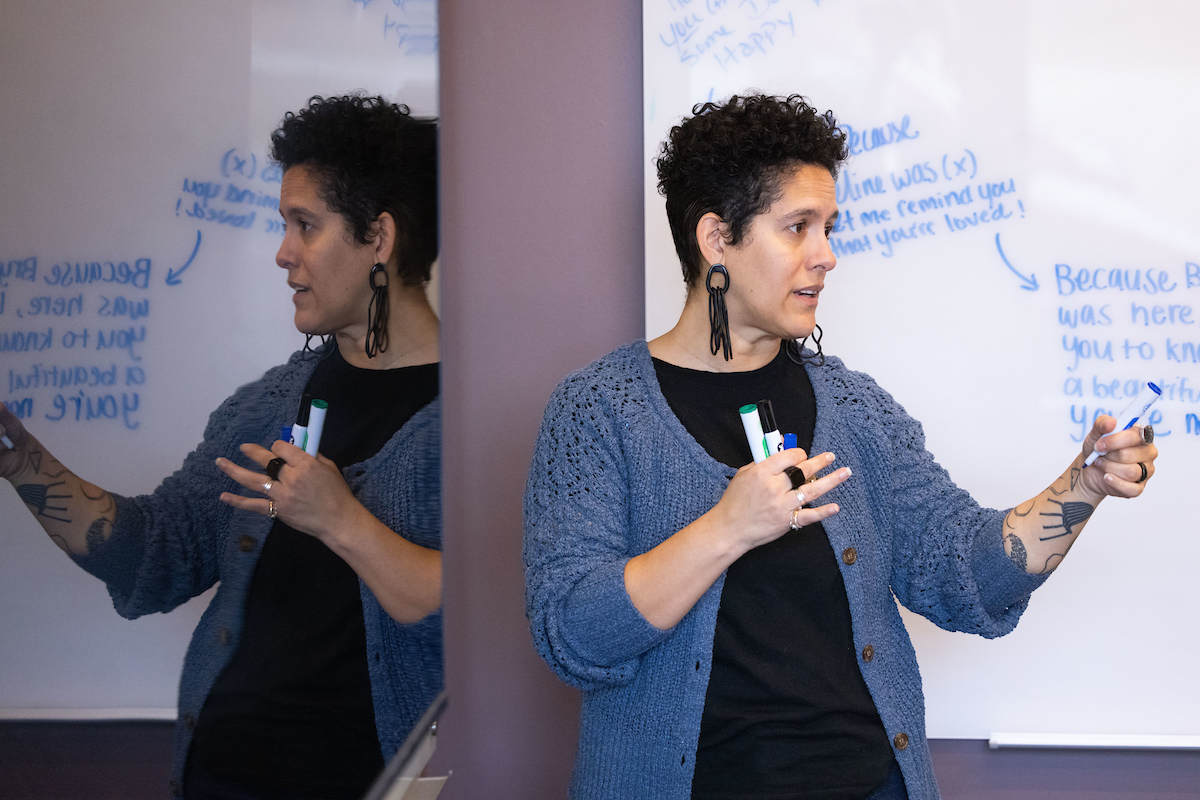
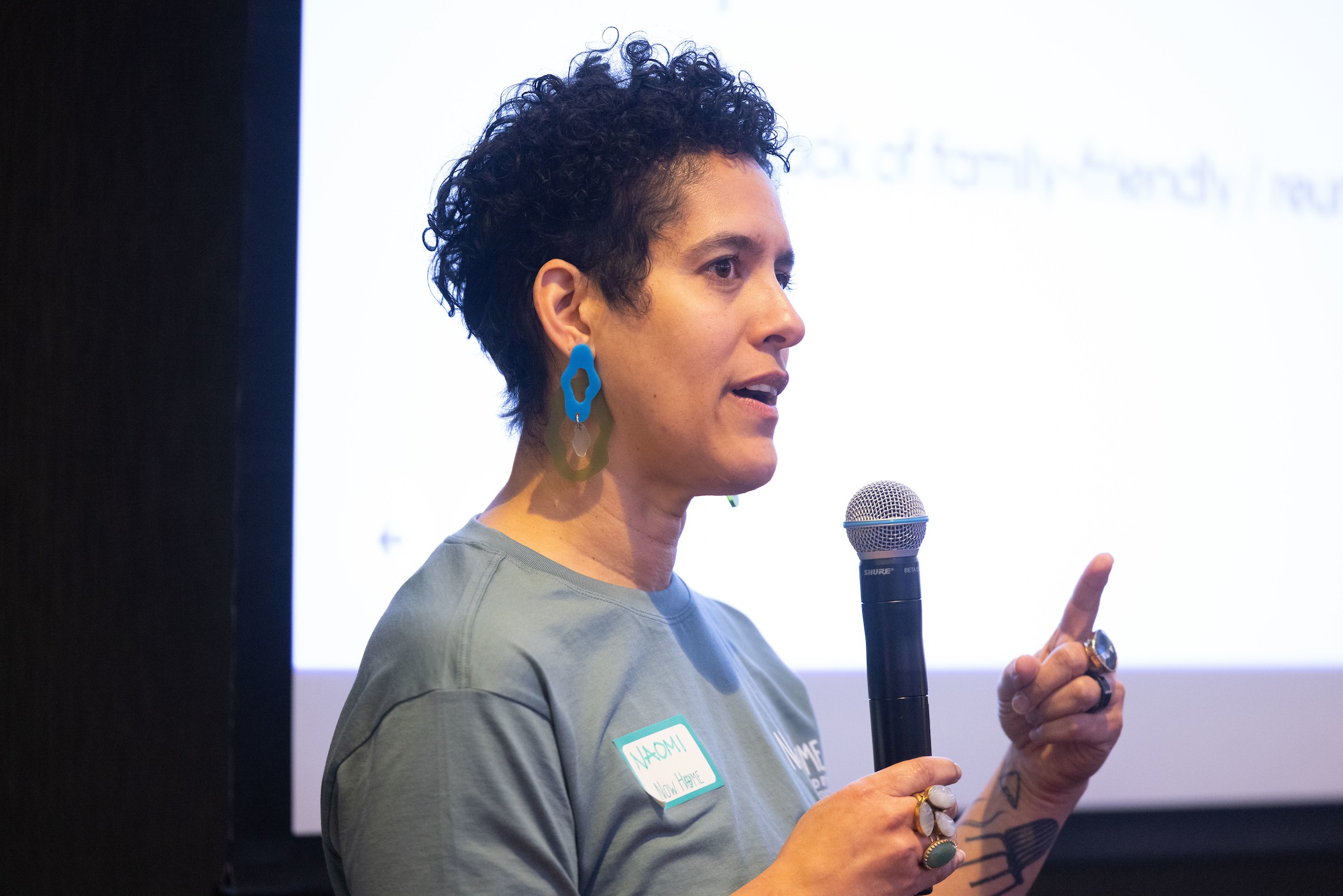
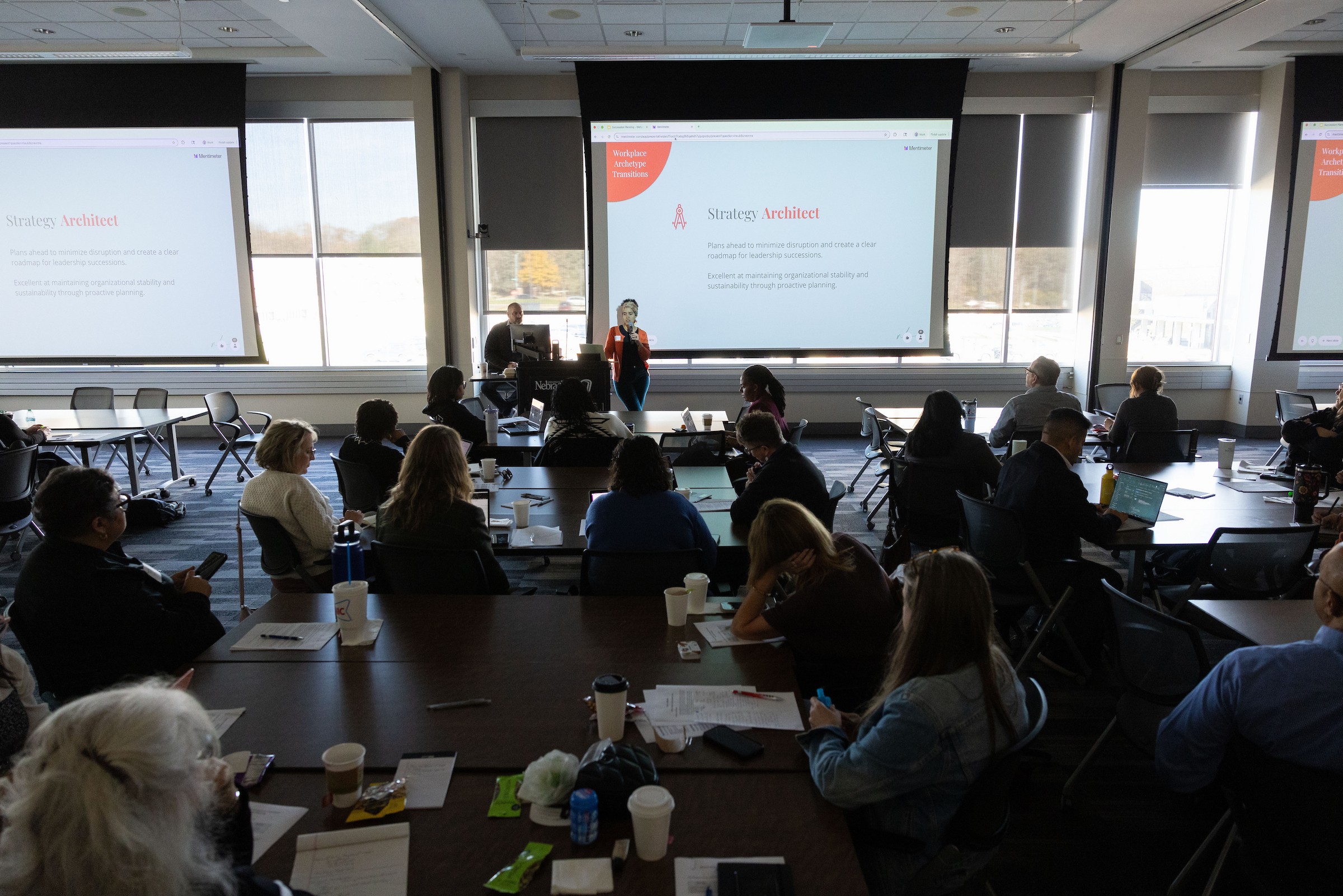

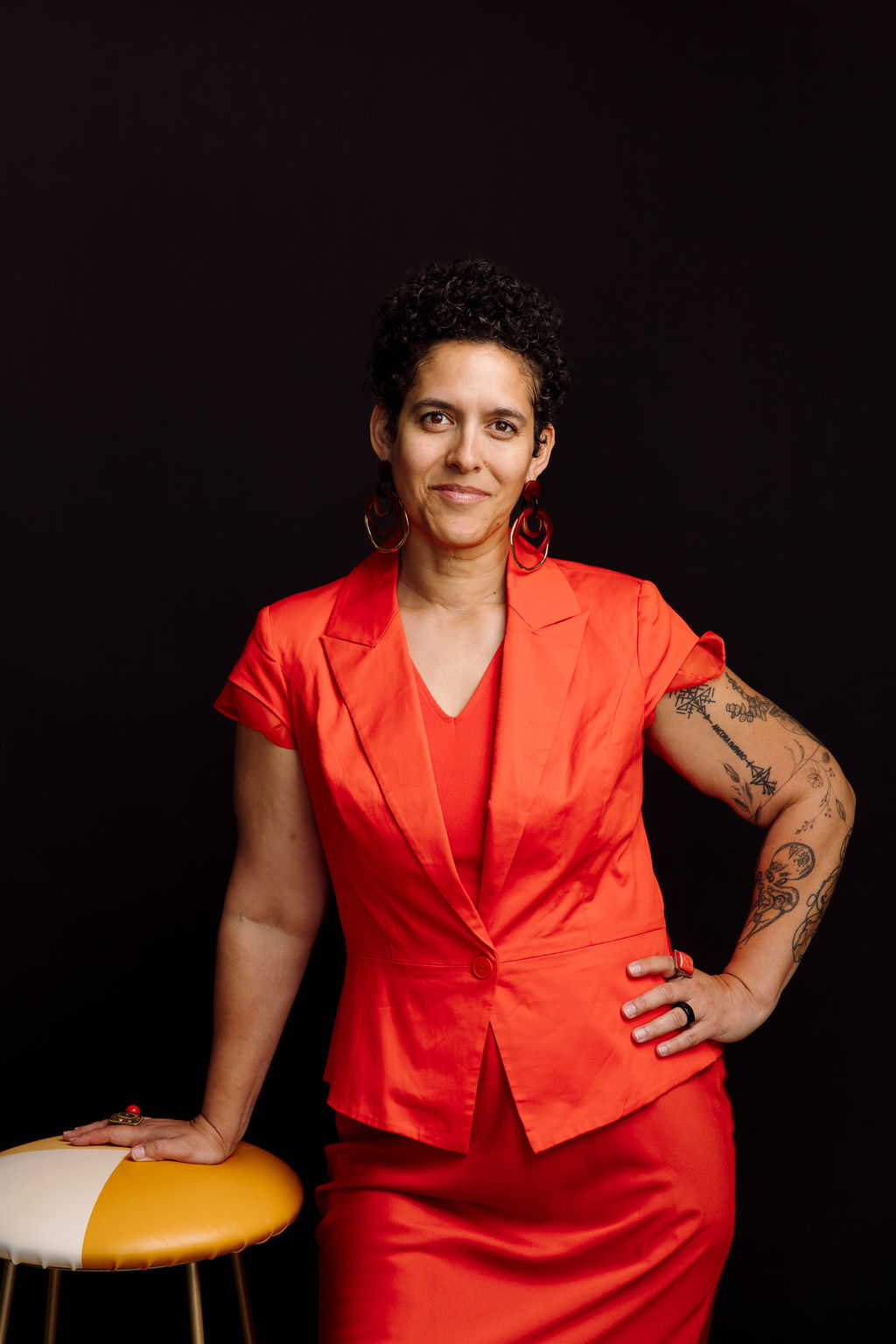

Image Credits
Rebecca Gratz, Daniel Muller
Popular
-

Hidden Gems: Local Businesses & Creatives You Should Know
-

ATL’s Most Inspiring Stories
-

Portraits of Atlanta
-

Dr. Hildiah Martin-Suggs Is Building Second Chances for Youth Who Were Almost Lost in the System
-

From Showing Up to Seeing His Face on a Billboard: Anthony Green Is Just Getting Started
-

Wayne Smith Jr on Survival, Psychological Thrillers, and the Cost of Staying Alive